What Does A Rubber Duck On A Cruise Cabin Door Mean?
Cabin door decorations are a visible part of cruise culture, and the rubber duck is one of the friendlier entries in that vocabulary. This longread explains what the duck signals, where the custom sits alongside the pink flamingo, and what to expect on LGBTQ+ charter sailings.
This page sits in Questions Answered, the hub where the site works through the pre-booking questions LGBTQ+ cruisers actually ask before choosing a sailing.
Quick Facts
| Fact | What The Operators Publish |
|---|---|
| What the duck is | A rubber duck or duck-themed decoration placed on the outside of a cabin door |
| What it means | A playful, friendly door signal; no official operator meaning exists |
| Who does it | Common across mainstream cruising, and especially visible on LGBTQ+ charter and group sailings |
| Related signals | The pink flamingo marker and other door decorations covered elsewhere on this site |
| Is it a rule | No; it is a custom, and cruise lines regulate doors mostly through what may be attached and how |
| Cost | A duck costs a few dollars; magnetic decorations avoid adhesive damage |
| Where you will see most | Chartered mega-ship sailings with long corridors of decorated doors |
| Anything official | No operator covered here publishes a duck policy or a duck meaning |
What Does A Rubber Duck On A Cruise Cabin Door Mean?
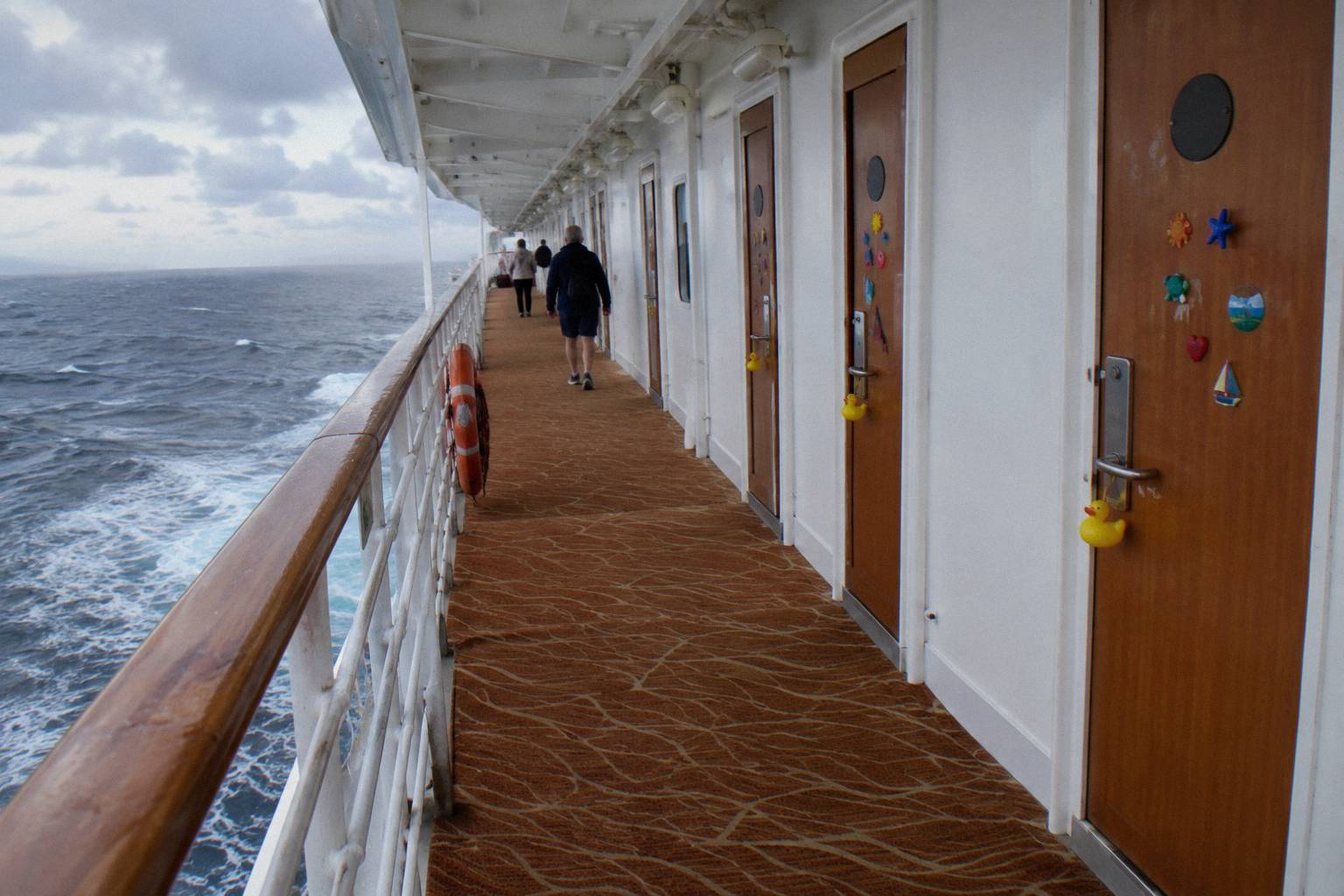
A rubber duck on a cruise cabin door is a door decoration that the cruise community reads as a friendly, playful, low-stakes signal from the people inside. No cruise line or charter operator publishes a code for it, and nobody is obliged to treat it as meaning anything at all. Its power is social rather than contractual: it says the occupants are relaxed and happy to be part of sailing culture.
Cruise corridors are strange places. Hundreds of identical doors, week after week, and a ship full of people who want to mark their patch of territory in a way that survives the daily cabin make-up. Door decoration grew out of that: magnets with family names, birthday banners, holiday themes, and the small trinkets that say something about who is inside without saying anything binding. The rubber duck belongs to that tradition. It is cheap, it is cheerful, it survives a week of sea air, and it is almost impossible to read as aggressive.
The duck also benefits from being funny rather than freighted. Some door signals in cruise culture carry specific, widely repeated meanings, and the site has covered the most famous of them separately, including what a pink flamingo means on a cruise. The duck sits at the other end of the spectrum: it is a marker of good humour. If you see one, the safest reading is the plain one, which is that the people in that cabin like ducks, like the custom, and want their door to join the corridor's personality.
That is the whole answer, but the question rewards a longer look, because the duck opens onto the wider world of door decoration culture, the etiquette that has grown up around it, and the way it plays out differently on a mainstream sailing versus an LGBTQ+ charter. Those are the angles this page works through, with the site's usual rule: only what operators publish, and plain statements where nothing official exists.
Where The Cabin Door Duck Tradition Comes From
The cabin door duck tradition has no single founder, operator, or documented origin. It belongs to the broader custom of decorating cruise cabin doors, which grew up informally across mainstream cruising over decades. Cruise lines do not publish a history of it, and no operator claims the duck as its own. What is documented is the custom itself, and its spread tracks the rise of the mega ship, whose long identical corridors turned doors into canvases.
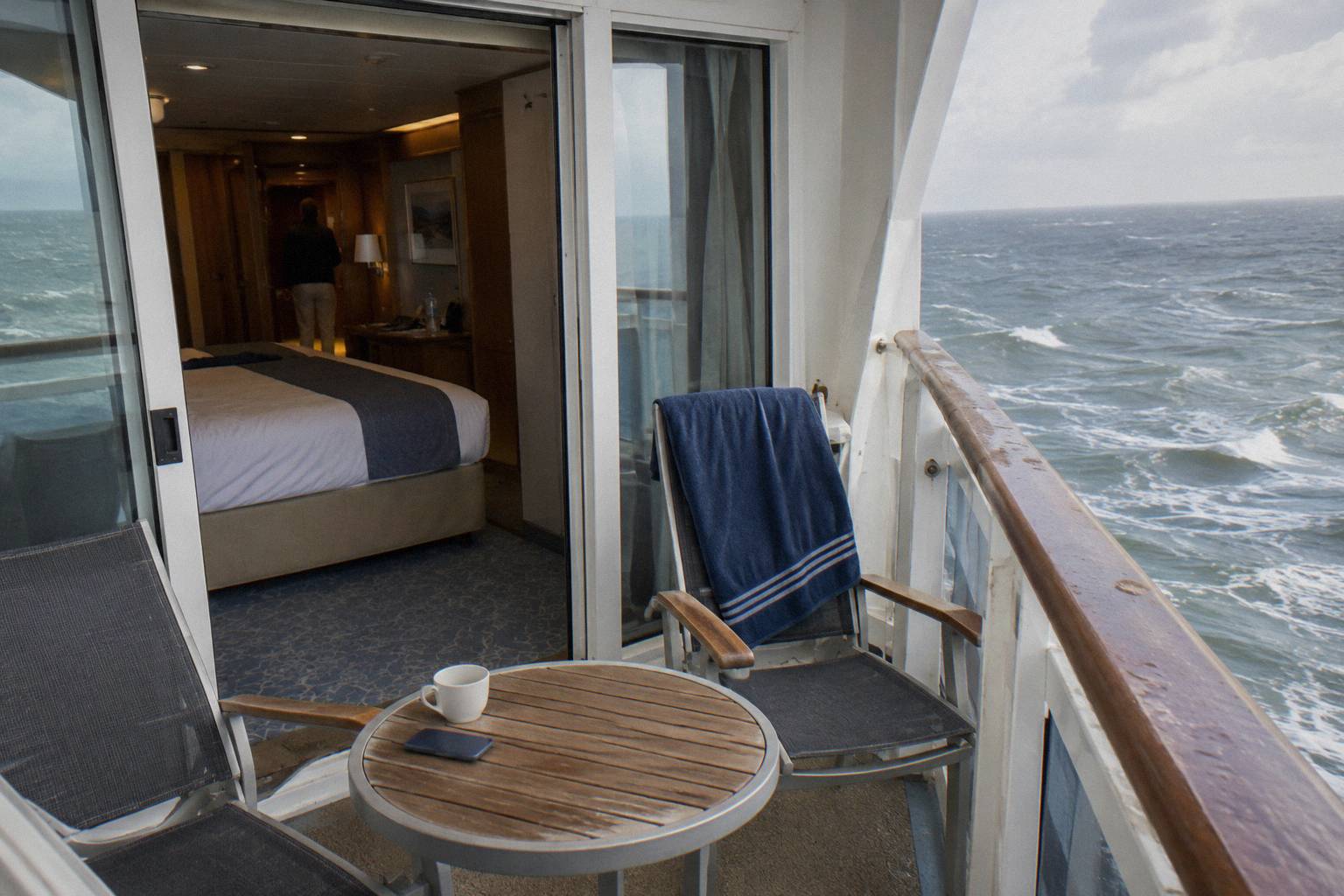
Two forces pushed the custom along. The first is practical: cabin doors on modern ships are steel, so magnets stick to them, which makes decorating easy and damage-free. The second is social: repeat cruisers, who account for a large share of guests on big ships, treat a decorated door as part of the ritual of sailing, the way some travellers treat a cabin gifts exchange or a sail-away drink. The duck fits both forces. It can be stuck on with a magnet or a suction cup, and it carries no baggage.
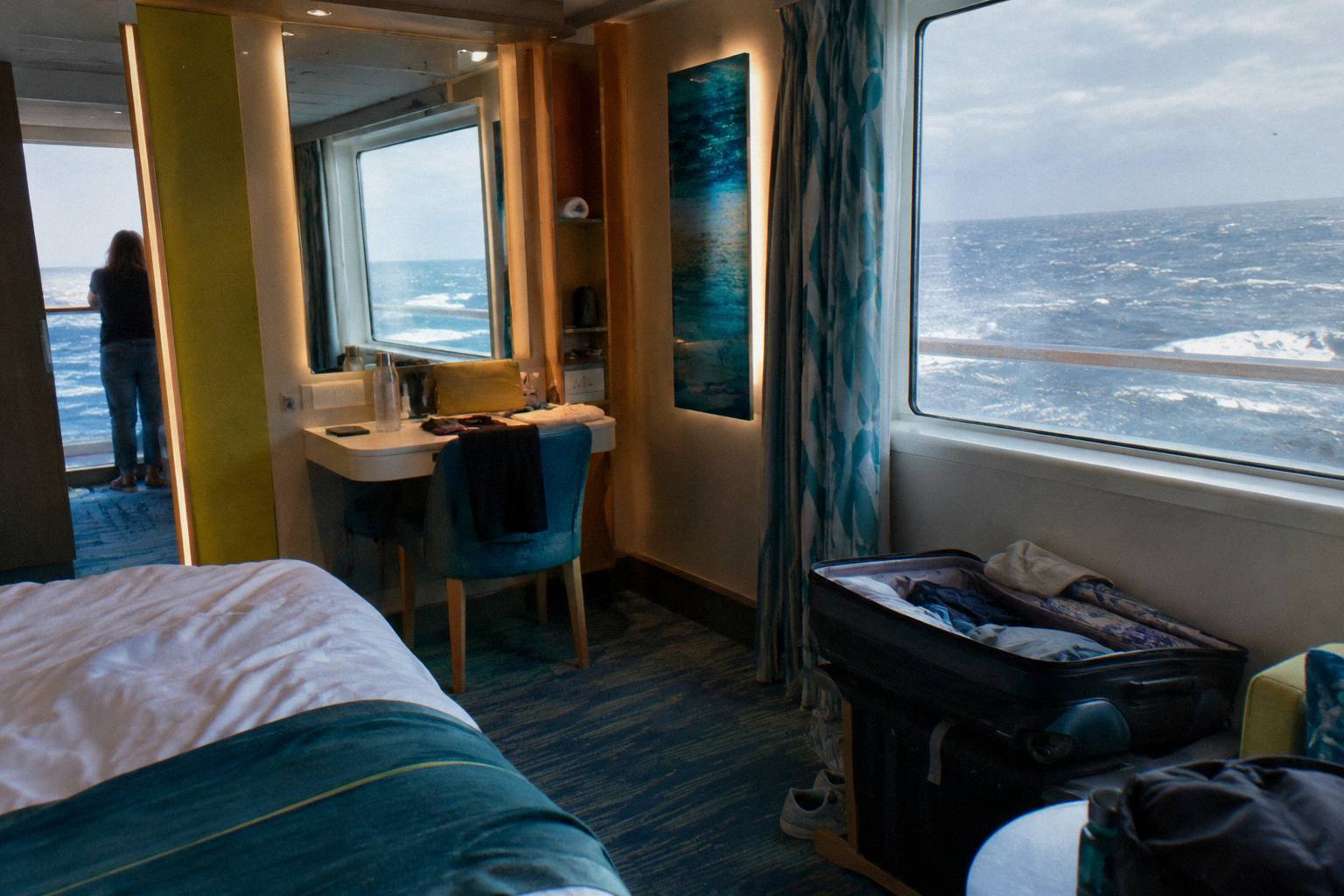
Why a duck rather than anything else? The honest answer is that no operator explains the choice, and this site will not invent one. What can be said is that the rubber duck is one of the most universally recognised comic objects in the English-speaking world, harmless, nostalgic and slightly absurd, which makes it a natural pick for a signal whose entire purpose is to be friendly without being serious. On LGBTQ+ sailings, where a lot of door humour is knowingly over the top, the duck often appears in costume: sunglasses, tiny hats, thematic outfits matched to the sailing's theme nights.
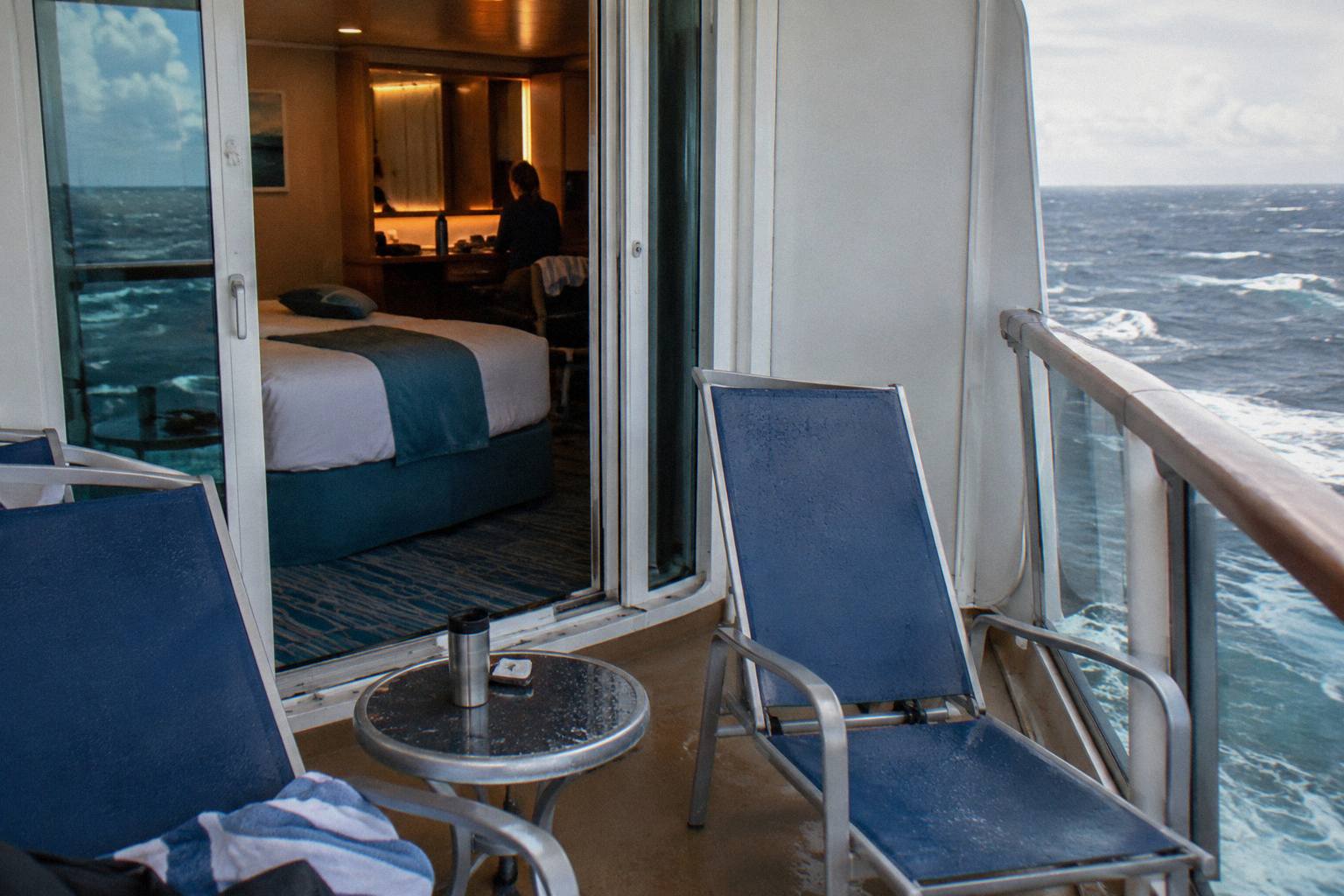
If you are weighing which sailing to book and want a corridor full of this energy rather than an occasional door, the choice of charter operator matters more than the choice of duck. A free chat through the consultation page can narrow 90 charter and group sailings down to the handful that match your crowd.
How The Duck Compares With The Pink Flamingo And Other Door Signals
The duck and the pink flamingo are both door decorations, but they sit at different points on the signalling spectrum. The flamingo carries a specific, widely repeated meaning in cruise culture that this site covers in detail elsewhere, and readers treat it as a genuine marker. The duck carries no such specific meaning: it is read as general good humour and approachability. Treating a duck as if it carried the flamingo's meaning is the most common misreading.
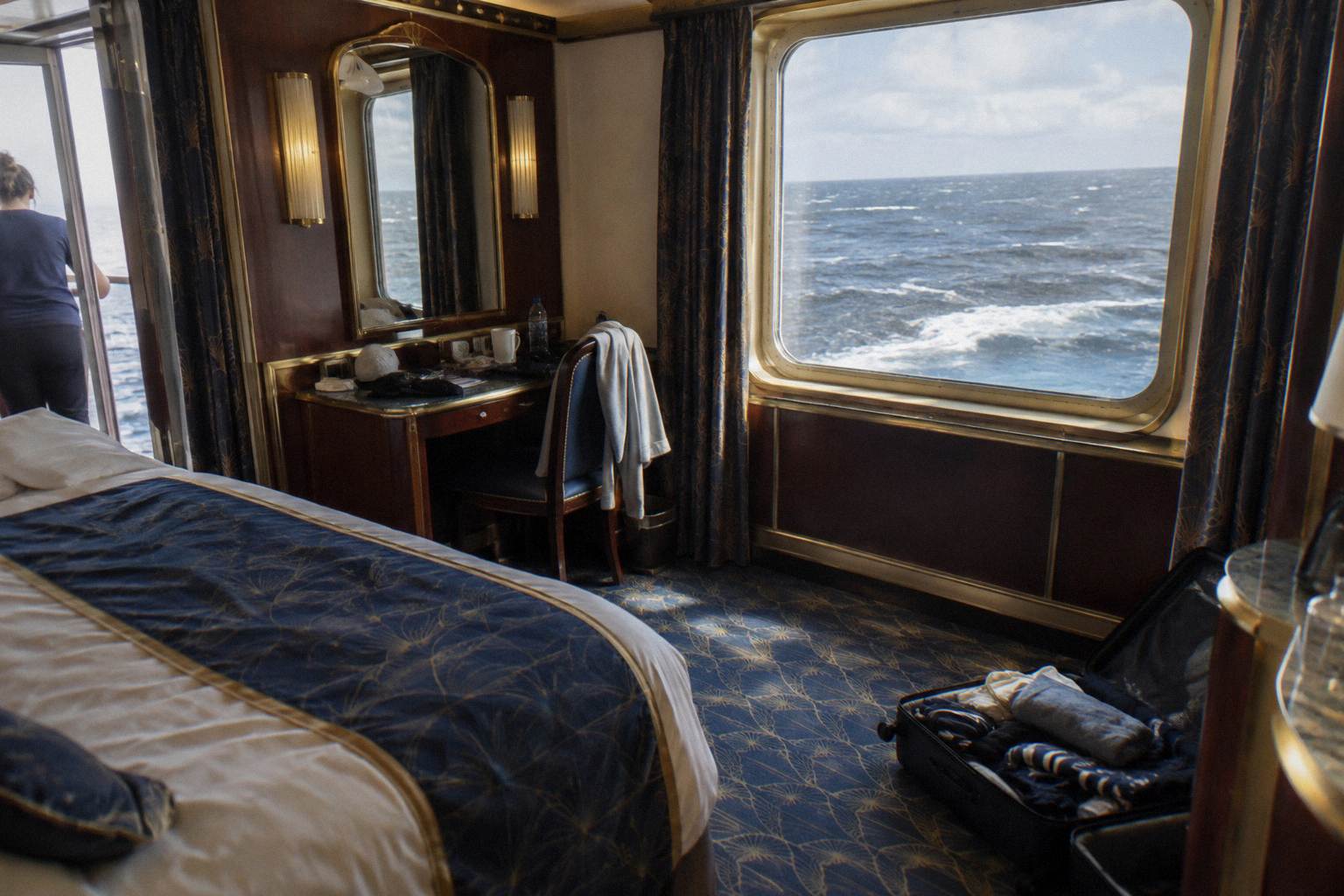
The comparison matters because cruise door culture runs on shared shorthand. When a signal is specific, like the flamingo, people who know the shorthand make assumptions, and the site's answer on what the flamingo means exists precisely because that assumption is the point of the marker. The duck does not work that way. Nobody, operator or otherwise, assigns it a code. Its message is a shrug and a smile: we are friendly, we are here for fun, say hello if you like.
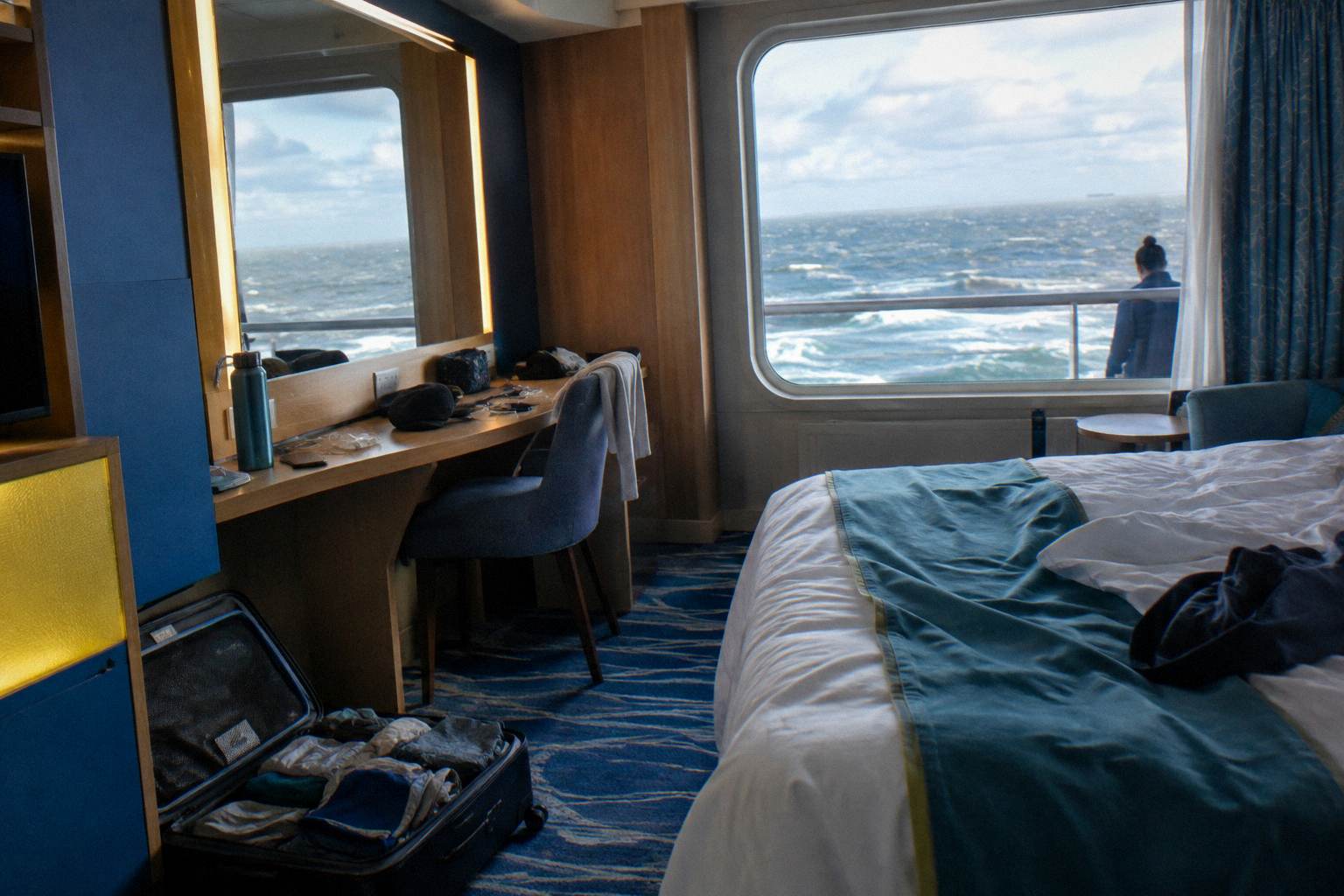
There are practical differences too. A flamingo decoration is usually a deliberate statement chosen for its meaning; a duck is often chosen because it was in a drawer at home, because someone in the cabin loves ducks, or because the corridor was already doing it and joining in felt right. That difference in intent is exactly why the two should not be conflated. The table below sets the two signals side by side, using only what operators publish.
| Door Signal | How Specific The Meaning Is | What The Site's Research Supports | Typical Intent |
|---|---|---|---|
| Rubber duck | Not specific; no operator meaning exists | Read as friendly, playful decoration | Join corridor culture, get a smile |
| Pink flamingo | Specific, widely repeated shorthand | Covered in its own answer page | Deliberate marker with an assumed meaning |
| Name magnets | Specific but literal | Names the cabin's occupants | Practical identification |
| Theme decorations | Varies by sailing | Common on LGBTQ+ charters with theme nights | Participation in the sailing's programme |
For a fuller picture of the culture around these signals, including the vocabulary that grows up on board, see also what wife on board means on a cruise ship. None of these terms are operator-published; they are community language, and the site reports them as such.
What Cruise Lines Actually Say About Door Decorations
No cruise line publishes a policy about rubber ducks specifically, and none assigns a meaning to any door decoration. What lines do regulate is the how: decorations generally must attach without damaging the door, and anything adhesive, drilled or permanently fixed can draw a charge at the end of the sailing. On chartered LGBTQ+ sailings, the charter operator's own programme documents are the place to check for decoration guidance tied to theme nights.
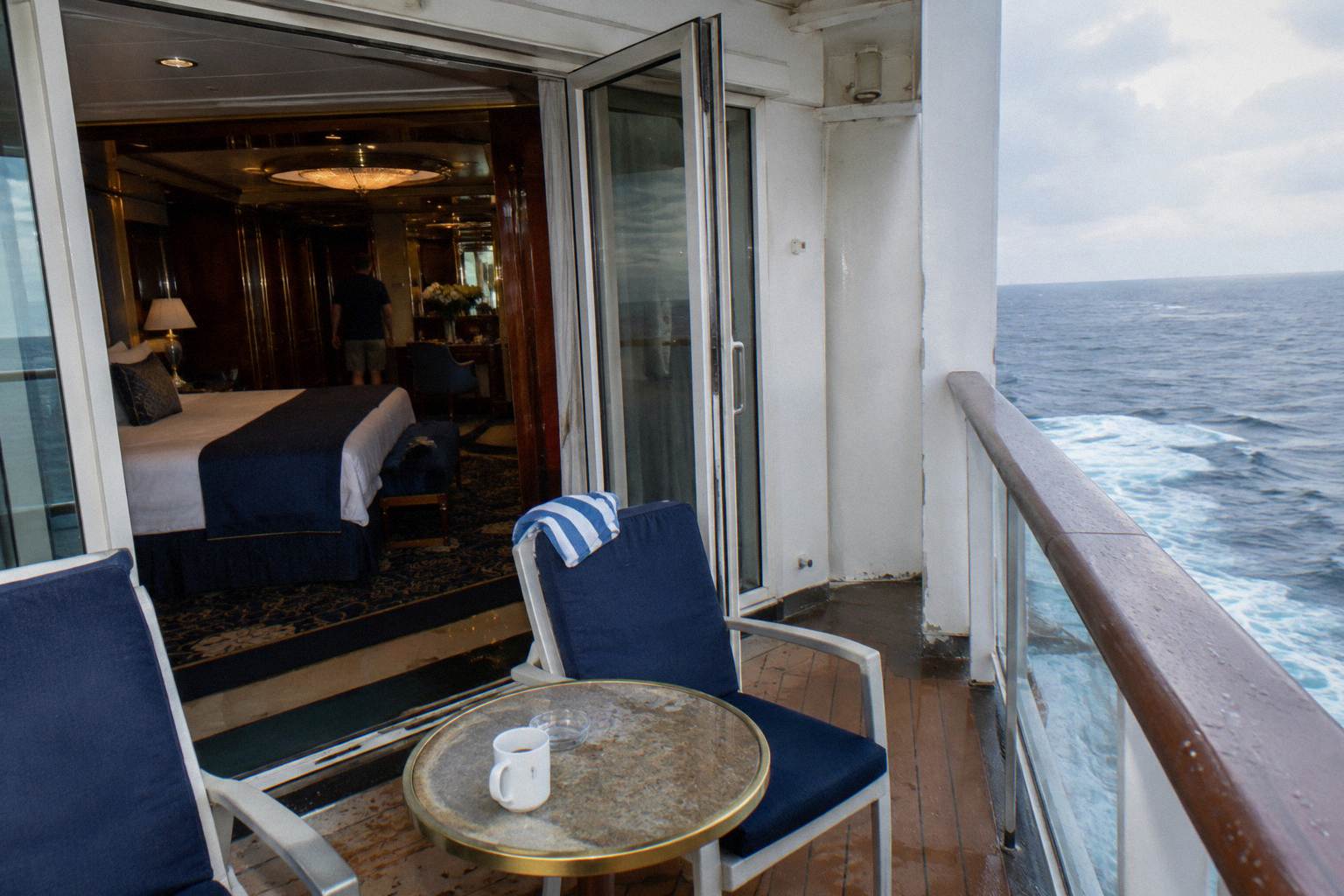
The steel-door point is worth dwelling on because it explains the whole material culture of corridor decorating. Magnets work, tape often does not survive humidity and motion, and anything that leaves a mark becomes a settlement issue at disembarkation. The practical guidance that follows from this is simple: bring magnetic mounts, avoid adhesives, and take everything with you on the last morning. None of that is operator-published as duck advice; it follows from how the doors are built.
Charter sailings add a layer. Operators like Atlantis Events, RSVP Vacations and VACAYA charter whole ships and run their own entertainment programmes, and it is in those programmes, rather than in the host line's pages, that decoration-friendly events like door-decorating contests or themed corridor takeovers appear when they appear at all. No operator covered here publishes a duck policy, and that absence is itself the answer: the duck is yours, not theirs.
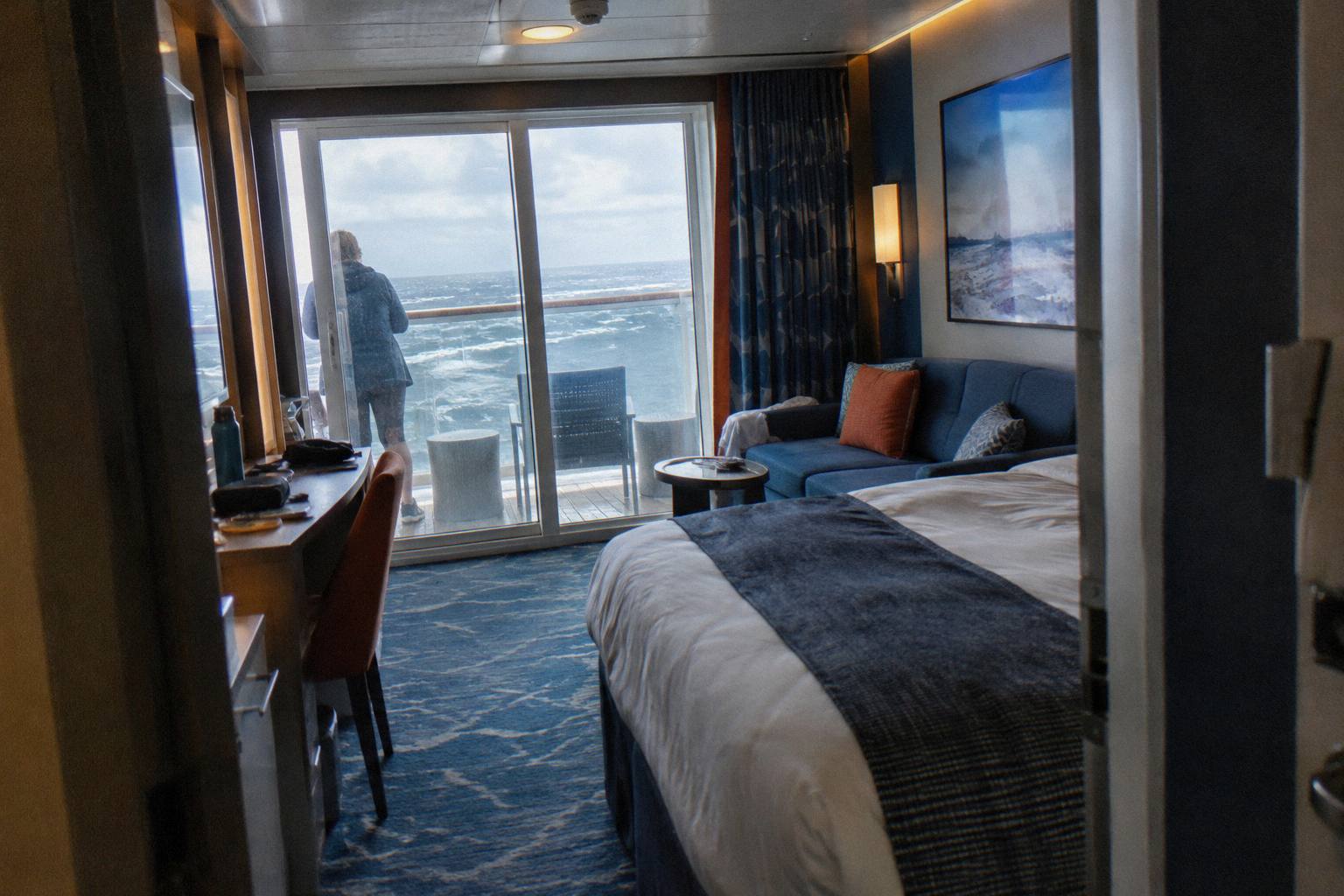
If you are choosing between a mainstream sailing and a full charter, the corridor culture is a real differentiator, and it is a reasonable thing to raise when you plan. A short conversation via a free cruise consultation can sort which sailings in the calendar carry the strongest door-decorating culture.
Which Sailings You Will See The Most Ducks On
Door decoration culture is thickest on large chartered sailings, where a single community takes over an entire ship and corridors become social spaces in their own right. The site lists 90 charter and group sailings across 11 operators, concentrated on mega ships, and these are the sailings where a decorated door reads as participation rather than eccentricity. River ships, with far fewer cabins and no long corridors, see very little of the custom.
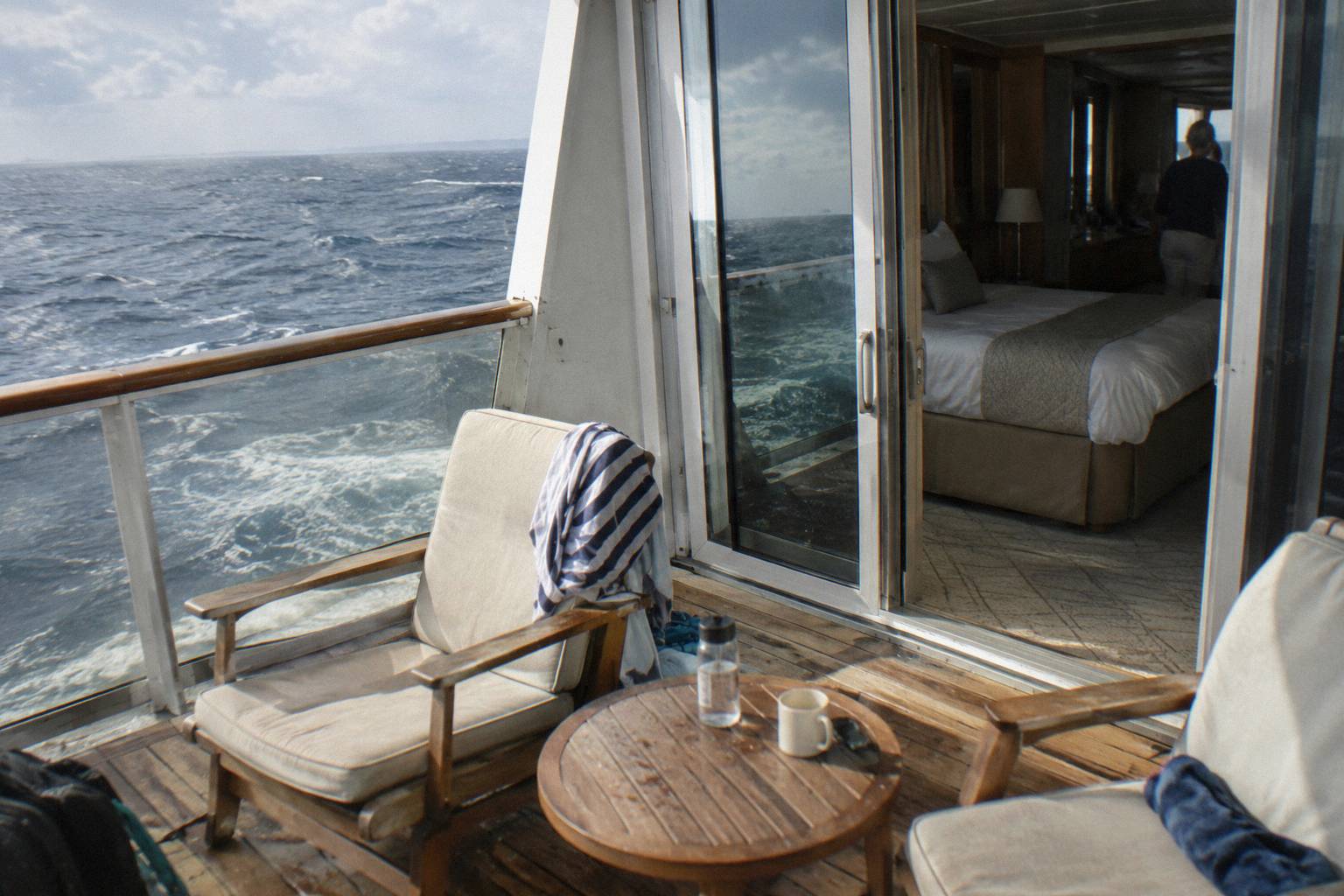
The scale point is not decoration for its own sake. A mega ship with nearly three thousand guests produces corridors where decorating is visible, contagious and quietly competitive, and the LGBTQ+ charter calendar is heavily weighted toward exactly those vessels. Virgin Voyages ships are a good example: the 2,770-guest Valiant Lady and Scarlet Lady both host third-party charters and group sailings in the site's files, and their long cabin corridors are where door culture peaks. The table below summarises the listed sailings by operator, using the counts the site tracks. Status is what the operator pages show and moves often, so treat it as a snapshot rather than a promise.
| Operator | Sailings Listed | Date Range | Sold Out Or Waitlist |
|---|---|---|---|
| Brand g Vacations | 24 | 2027-04-18 to 2028-10-14 | 5 |
| Olivia Travel | 19 | 2026-12-02 to 2028-05-24 | 10 |
| KelliGregg Travel / R Family Vacations | 13 | 2027-02-05 to 2028-09-02 | 0 |
| VACAYA | 8 | 2026-12-28 to 2028-12-16 | 8 |
| Big Gay Cruise | 6 | 2026-11-14 to 2028-02-06 | 0 |
| Atlantis Events | 6 | 2026-11-22 to 2027-08-22 | 4 |
| BearCruise | 6 | 2026-12-30 to 2028-07-09 | 0 |
Note what those numbers imply: 29 of the 90 listed sailings already show sold out or waitlist, and VACAYA's entire eight are in that state. The corridor you want to decorate has to be booked early, which is a planning fact, not a sales line. The mainstream comparison is also worth a sentence: on a non-chartered mega-ship sailing you will still see decorated doors, family names and holiday themes mostly, but nothing like the density a full charter produces when a theme night gives several hundred cabins the same idea at once.
The ship itself shapes the culture too. The trio below spans the range: an Amazon river ship, a 2,770-guest Virgin Voyages mega ship and an Atlas Ocean Voyages expedition vessel, three very different corridors and three very different door cultures.
| Ship | Type | Guests | Built | Charter operators | Embarks from |
|---|---|---|---|---|---|
| Delfin IIIDelfin Amazon Cruises | River Ship | 44 | – | Brand g Vacations | – |
| Valiant LadyVirgin Voyages | Mega Ship | 2,770 | 2021 | Atlantis Events, BearCruise | San Juan, Barcelona |
| World NavigatorAtlas Ocean Voyages | Expedition Ship | 200 | 2021 | KelliGregg Travel / R Family Vacations | Oslo, London, Copenhagen |
Is A Door Duck Right For You?
A door duck suits anyone who wants to participate in corridor culture with zero commitment, and it costs a few dollars at most. It is not for you if you would rather keep a low profile, and it does little on a sailing where the custom is absent, which includes most river and expedition sailings. It carries no meaning you will be held to, and a magnet-mounted duck can go up on day two and come down in ten seconds.
The decision is genuinely trivial, which is part of its charm, but the question behind it is not. Choosing a sailing that matches your appetite for visibility and community is a real decision with real price stakes: Atlantis Events shows interior fares from $1,199 to $1,799 on current seven-to-nine-night sailings, Brand g Vacations runs from about $4,900 on the Rhine to $22,300 for its Philippines, Taiwan and Japan luxury itinerary, and Out Adventures spans $7,495 in Baja to $22,585 for Antarctica, all per person in the lowest cabin. Those figures come from the operators' sites and move often. Once the sailing is chosen, the duck is the easy part.
River cruising deserves its own word here, because the featured ship on this page is one. The Delfin III, Delfin Amazon Cruises' river ship, sails the Amazon with a fraction of a mega ship's guests and no corridor culture to speak of. Nobody decorates doors there, and nobody misses it; the social life of a river sailing happens on the observation deck and in the daily skiff excursions. If your mental image of a cruise is ducks and flamingos down a hotel corridor, a river ship will pleasantly revise it.
Mistakes That Trip Up First Time Duck Decorators
The avoidable mistakes are few but consistent: using adhesive instead of magnets and risking a damage charge, reading a duck as if it carried the flamingo's specific meaning, decorating a door on a sailing where the custom does not exist, and spending money on elaborate door kits before knowing whether your corridor joins in. The last is the most common. Bring one duck and one magnet, and decide on board.
The misreading mistake deserves its own paragraph, because it cuts both ways. If you assume a duck on someone's door is a marker with the weight of the flamingo, you may approach a cabin whose occupants meant nothing by it beyond a joke, and on the flip side you may decorate your own door with a duck and be surprised when someone reads it as a signal. The site's position, grounded in the absence of any operator-published meaning, is that a duck means friendliness and nothing more, and that anything further is a conversation rather than a conclusion. That position travels well across all the door signals covered on Gay Cruises, and it is the etiquette that keeps corridor culture fun.
A final practical mistake concerns timing. Doors decorate fastest in the first twenty-four hours of a sailing, while everyone is still setting up and the theme-night programme is fresh. Arrive, unpack, walk your corridor once to see whether the custom is alive, and then decide. A duck added on day five to a corridor that decorated on day one still gets a smile, but you will have missed the fun of being part of the initial takeover.
One more mistake is treating the adhesive-versus-magnet question as a minor style choice. It is not. Cabin doors on modern ships are metal, and a magnet holds a duck firmly without leaving residue, while tape or sticky pads can cost you a damage charge at the end of the sailing. If your duck did not come with a magnet attached, a small magnetic clip from any high street shop does the job at close to no cost. Test the hold on your door before you add anything else, because a duck that falls into the corridor overnight defeats its own purpose.
A quieter mistake is assuming the duck custom is universal across LGBTQ+ charters. The operators covered here include 90 charter and group sailings across 11 companies, from VACAYA and Brand g Vacations to third-party Virgin Voyages charters such as Waves of Pride and Sapphic Sail, and not one operator publishes any policy or meaning for door decorations. With VACAYA's eight sailings from December 2026 to December 2028 already showing sold out or waitlist, and Brand g carrying 24 sailings between April 2027 and October 2028, the corridor culture on each departure will differ. The duck is a gesture you offer, never a guarantee you collect, so decorate for your own enjoyment first.
Common Questions About Cruise Cabin Door Ducks
What Does A Rubber Duck On A Cruise Cabin Door Mean?
It is a friendly, playful piece of door decoration. No cruise line or charter operator publishes a meaning for it, and the community reads it as general good humour and approachability rather than a specific marker like the pink flamingo.
Is a rubber duck on a cabin door an official cruise line signal?
No. No operator's site assigns a meaning to any door decoration. The duck is community custom, not policy, and it carries no obligation for the people behind the door.
Can I attach a rubber duck to my cabin door without being charged?
Use a magnet or suction mount and you are unlikely to have a problem, since cabin doors on modern ships are steel. Adhesives that mark the door can lead to a damage charge at the end of the sailing, and anything drilled or permanently fixed should be avoided.
Will I see decorated doors on every cruise?
No. The custom is thickest on large chartered LGBTQ+ sailings, where whole corridors join in, and thinnest on river and expedition ships with few cabins and no corridor culture. On a mainstream mega-ship sailing you will see some decorated doors, mostly names and holiday themes.
Do rubber ducks mean the same as a pink flamingo on a cruise?
No. The flamingo carries a specific, widely repeated meaning in cruise culture, covered in its own answer on this site. The duck carries no specific meaning and should be read as decoration and friendliness only.
Where can I ask which sailings have the strongest door-decorating culture?
The site's free consultation can narrow the 90 charter and group sailings listed to the ones that match what you want from a sailing, at no cost and with no obligation, before you commit to a fare.
More Questions Answered
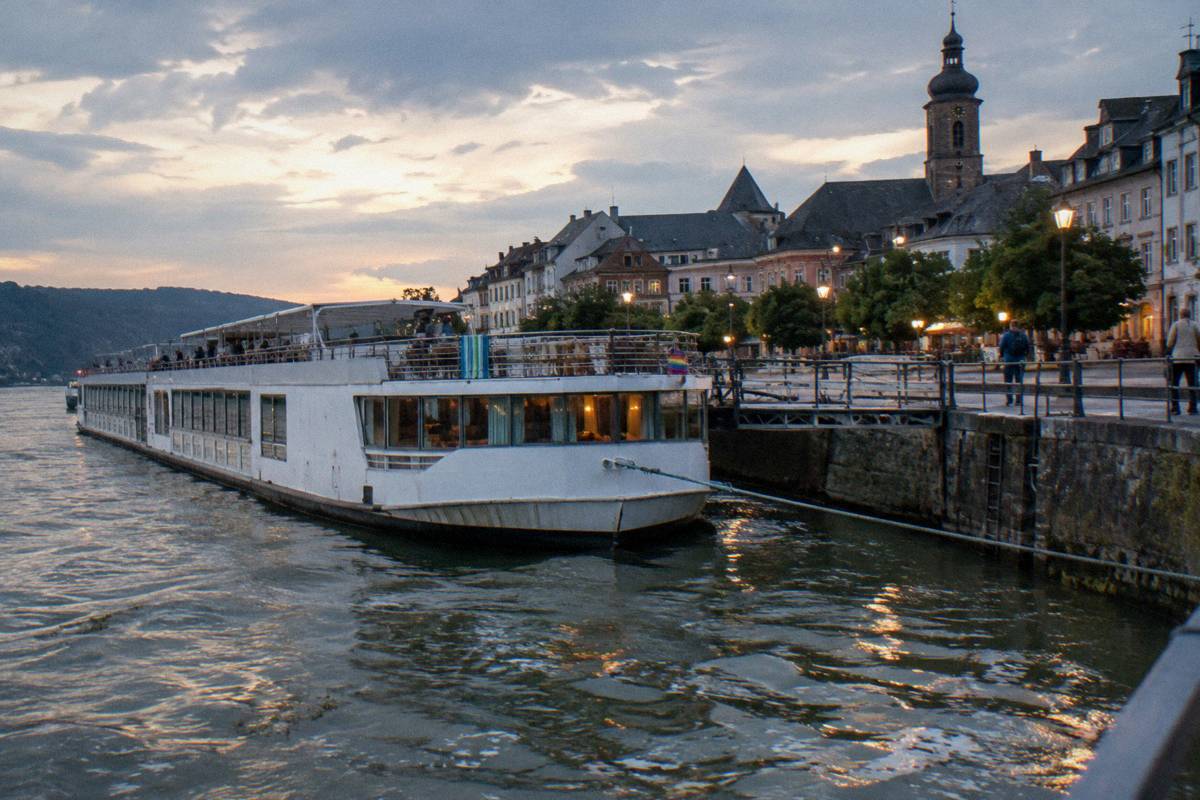 Straight On A Gay CruiseWho is actually welcome on a gay cruise, operator by operator, and how to be a good ally guest.Read the answer
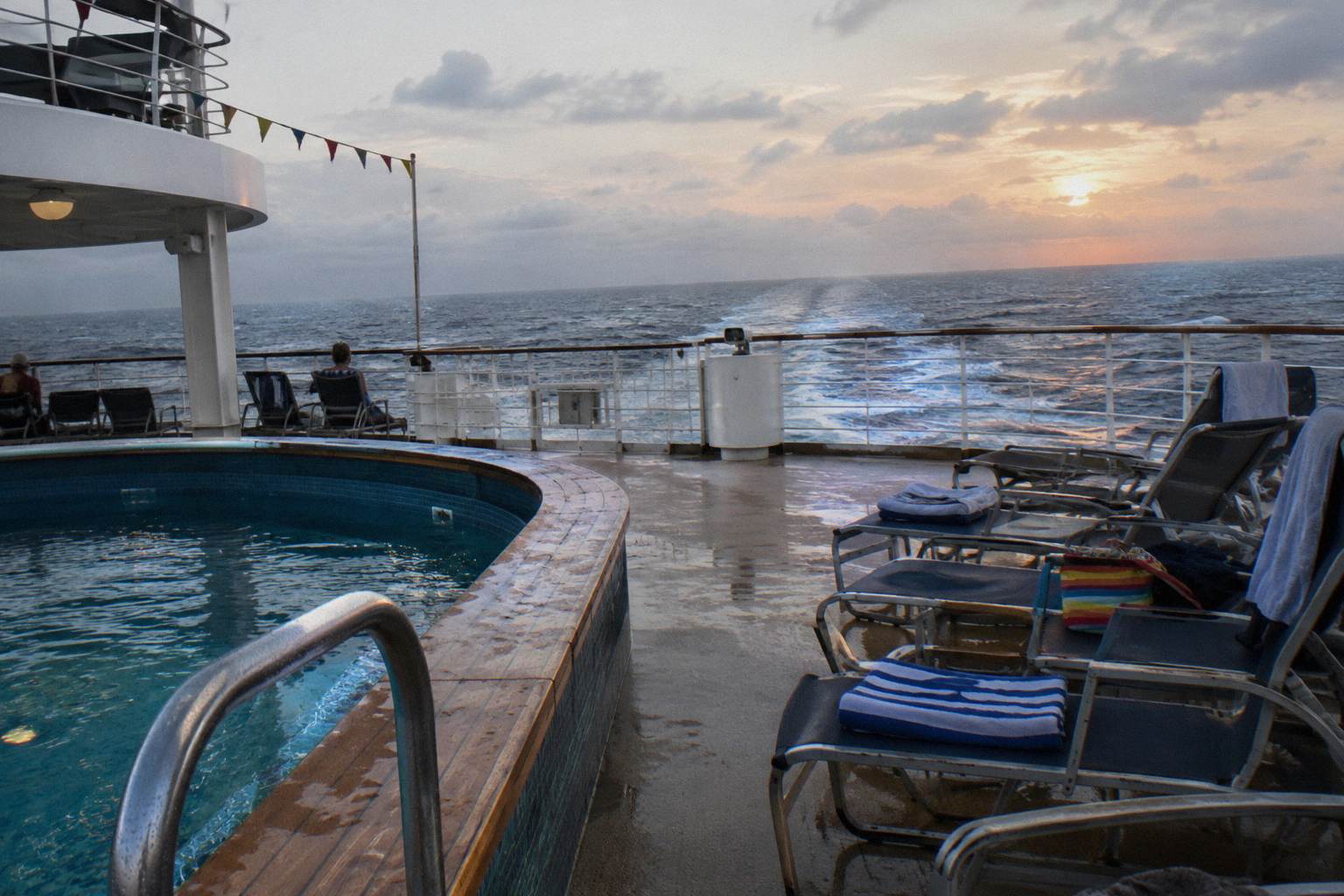 What Happens On BoardThe rundown of a gay cruise: who sails, what a day looks like, costs and rules.Read the answer
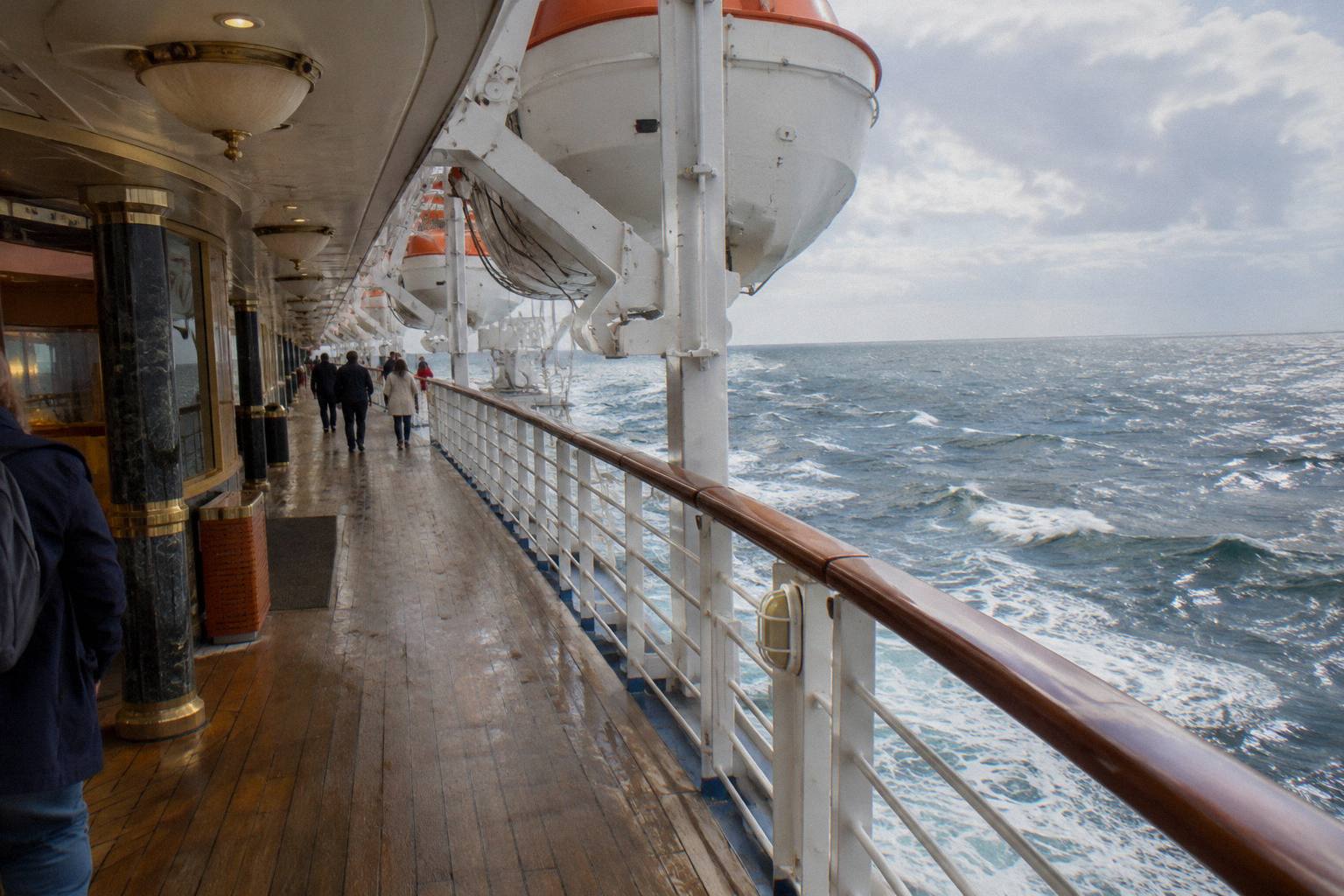 Average Age On BoardNo operator publishes a passenger age average; audience, price and itinerary reveal who each sailing actually draws.Read the answer
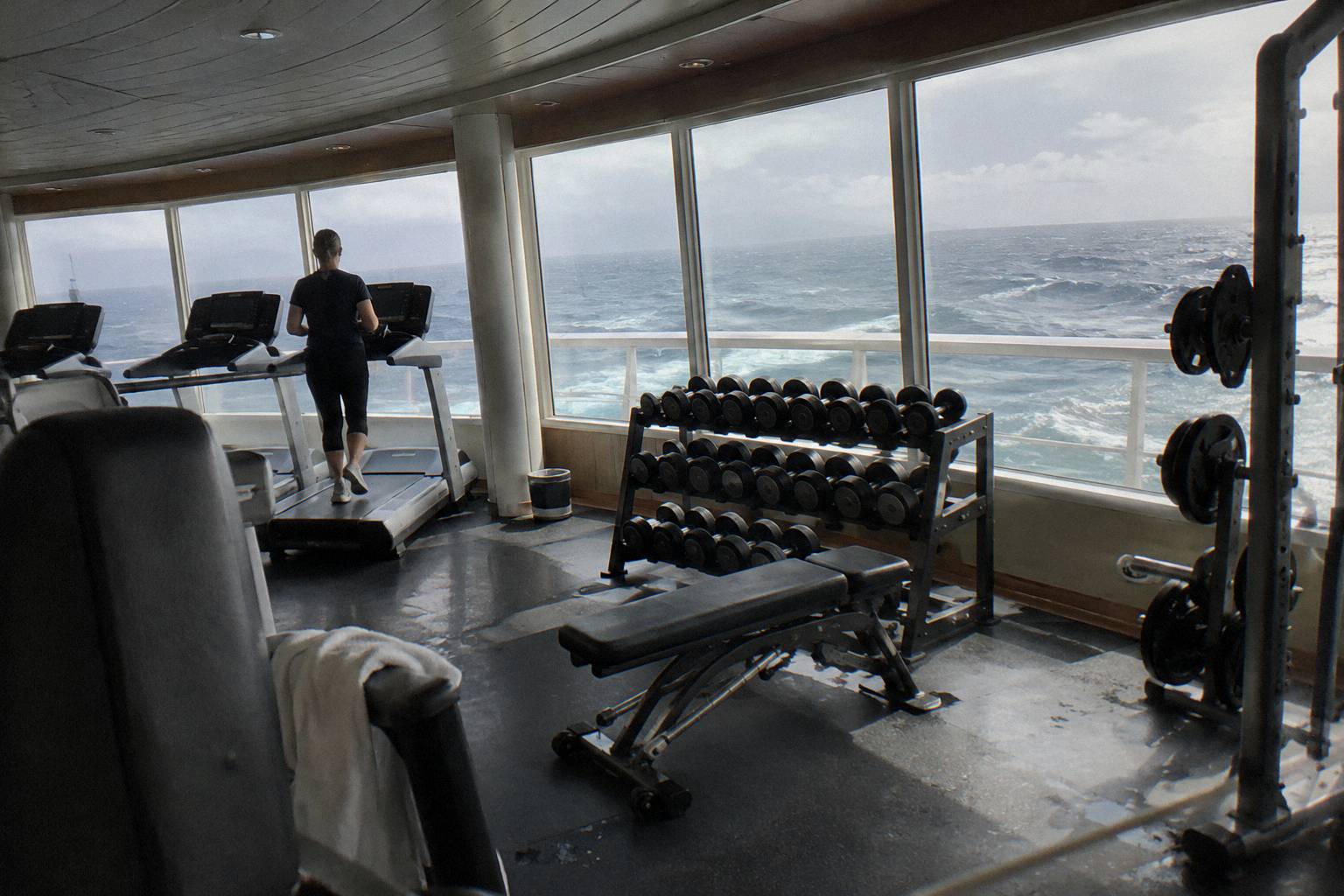 Gay Passenger NumbersWhich ships actually carry the most gay passengers? Charter capacity, not demographics, holds the answer.Read the answer