What Does A Pink Flamingo Mean On A Cruise?
A pink flamingo on a cabin door is a playful badge of cruise culture, not an official signal. Here is what it means, where the tradition comes from and how to join in.
This page sits in Questions Answered, the hub where pre-booking cruise questions get straight answers before you spend anything.
Quick Facts
| Fact | Detail |
|---|---|
| What it is | A plastic or inflatable flamingo hung or stood on a cabin door as decoration |
| What it signals | Playfulness and openness to meeting neighbours, nothing official |
| Who sets the meaning | Cruise guests themselves, no cruise line or operator defines it |
| Where you see it | Mega ships, river ships and LGBTQ+ charter sailings alike |
| Closest cousin | The rubber duck on the cabin door, a separate but related tradition |
| Cost to join in | Decorations are inexpensive party-shop items, typically under $15 |
| Is it compulsory | No, most cruisers decorate nothing at all |
| River option | Delfin III, a Delfin Amazon Cruises river ship |
What Does A Pink Flamingo Mean On A Cruise?
A pink flamingo on a cruise means the guests in that cabin are joining a door-decorating tradition that turns an anonymous corridor into a friendly one. The bird is decoration first and signal second: it says the occupants are playful and approachable. No cruise line defines it, no operator publishes a rule about it, and it is not a reservation marker or a crew instruction. It is culture, made by passengers.
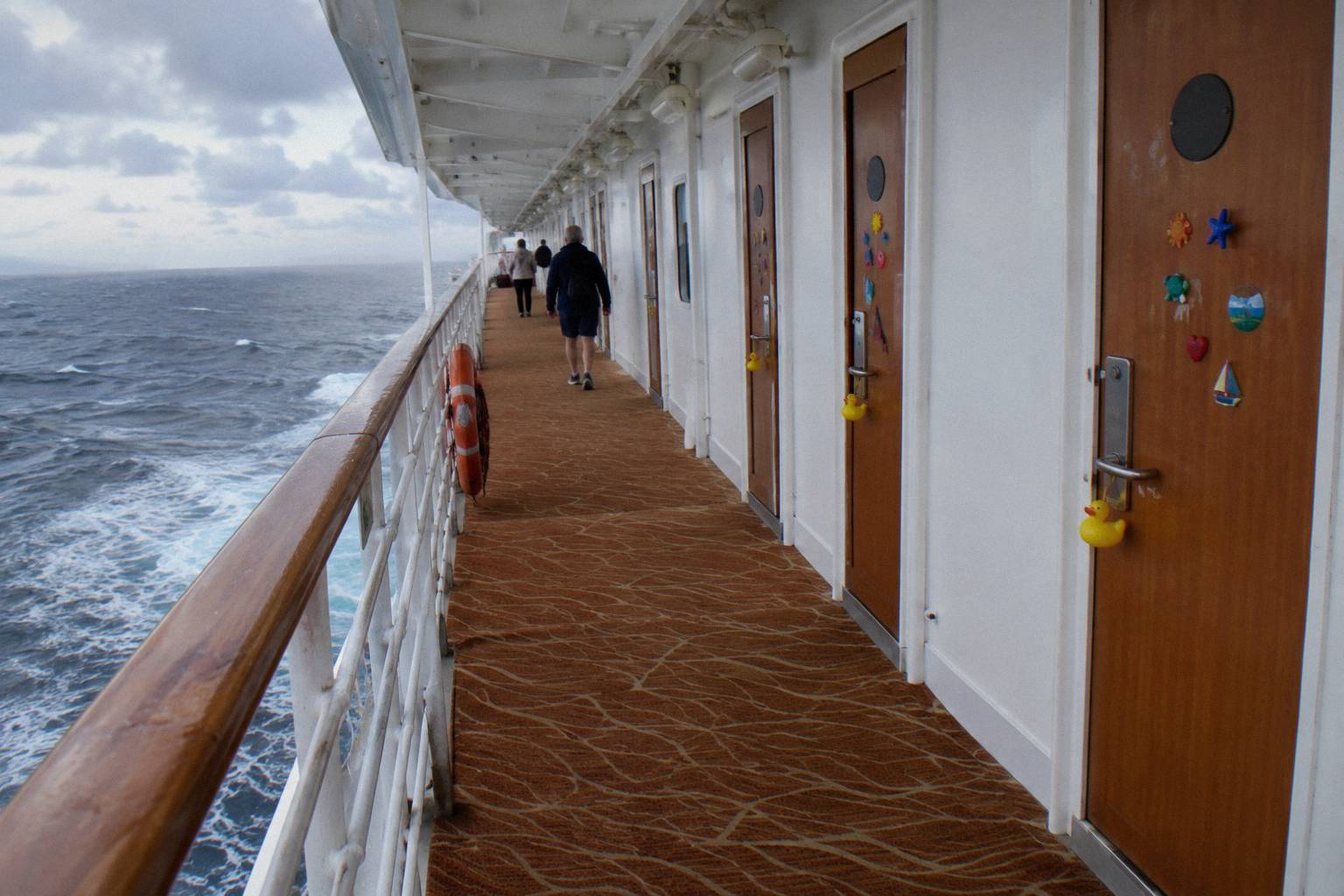
The question sounds frivolous and it is not. Cruise cabins sit in long, identical corridors, and on a seven-night sailing you will walk past the same few hundred doors again and again. Decorating a door is the cheapest possible way to make yours distinct, and the flamingo does that job with a colour nothing else on the ship can match. On Gay Cruises and mainstream sailings alike, the practical effect is the same: a decorated door starts conversations that an undecorated one does not.
The tradition is strongest where passengers have the most reason to want strangers to become friends. Charter sailings, where the whole ship shares one community, and long mega-ship voyages, where you will see the same corridor for a week, are the two natural habitats. A river ship works the same way on a smaller scale, because 30 or 40 cabins mean you genuinely recognise every door by day three.
What the flamingo does not mean matters just as much. It is not a request from the crew, it is not part of any cruise line's official programme, and it does not signal anything about the cabin's occupants beyond a willingness to be seen having fun. Anyone who tells you a door decoration carries a precise, agreed meaning is inventing precision that does not exist.
If you are weighing a first LGBTQ+ charter against a mainstream sailing and wondering how sociable each feels, a free chat about which cruise fits covers that in one conversation, with no obligation attached.
Where The Door Decoration Tradition Comes From
Door decorating grew out of the practical reality of cruise corridors, where hundreds of identical doors cry out for individuality. Guests began using magnets, whiteboards and plastic ornaments to mark their cabins, and cruise lines mostly looked the other way because nothing about it interferes with the ship. Nobody founded the tradition and nobody polices it, which is exactly why it spreads from sailing to sailing.
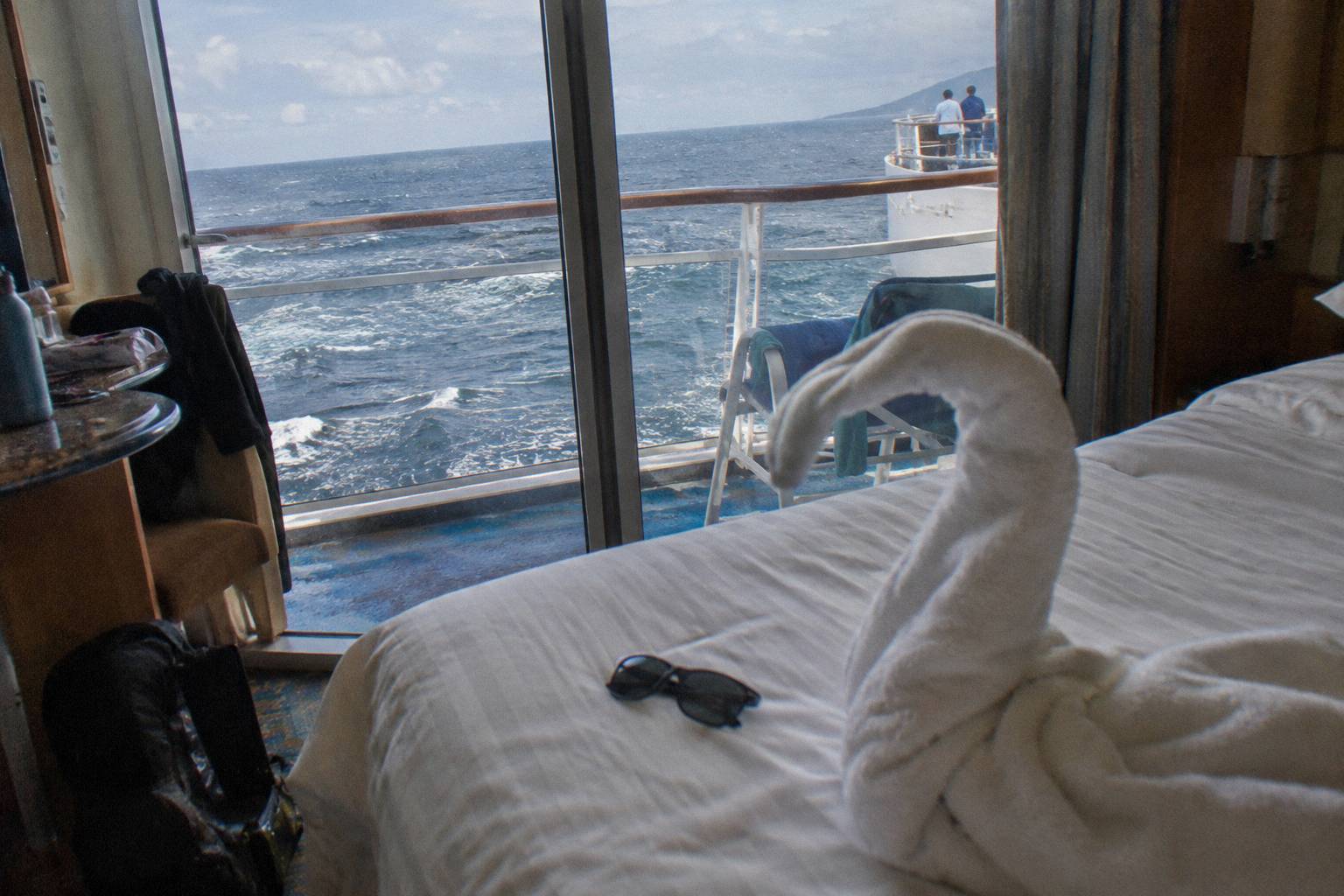
The mechanics matter. Most cabin doors are steel, so magnets stick without adhesive, and anything else needs a door handle, an over-the-door hook or a suction cup. That constraint shaped the whole tradition: flat magnets, hangers and lightweight ornaments travel well in a suitcase, and a plastic flamingo with a hook qualifies on all three counts. Crew cleaning the corridors work around decorations as a matter of routine, though anything that blocks the door or the number plate will usually be moved.
The flamingo's own rise is separate from cruising. The bird became a general symbol of tropical leisure, poolside humour and unselfconscious kitsch, and it was almost inevitable that it would migrate onto ships, where tropical leisure is the entire product. On a cruise, the flamingo says "we are on holiday and we are not embarrassed about it," which is the mood the whole industry sells.
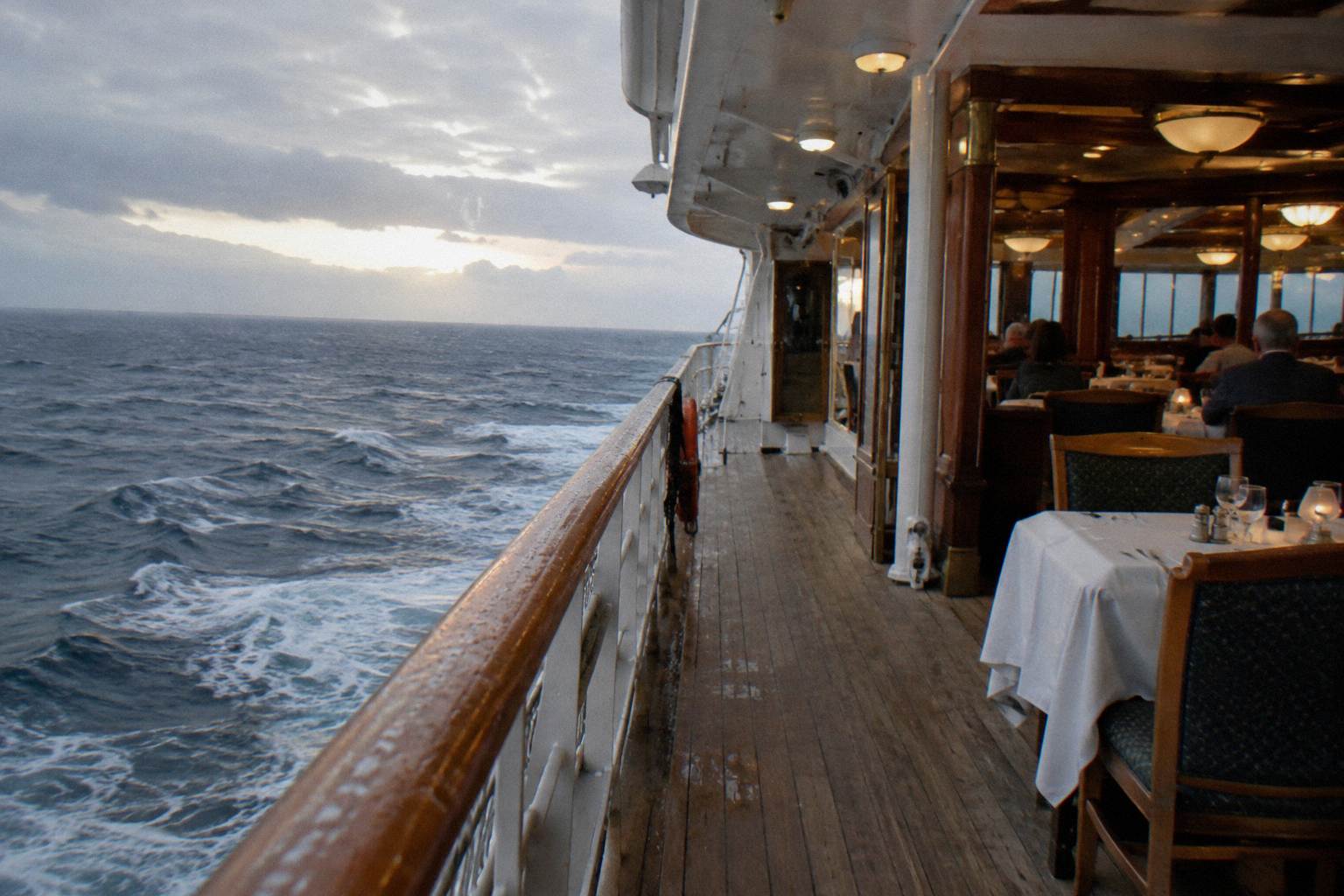
Within LGBTQ+ cruising the tradition has an extra layer. Charter operators like Atlantis Events, founded in 1991, fill entire ships with one community, and on a full-ship charter the corridor becomes a social space rather than a pass-through. Doors become introduction surfaces, and a flamingo, a themed magnet set or a whiteboard joke all do the same job of lowering the cost of saying hello. For a sense of the tone these charters set, our guide to what actually happens on a gay cruise covers the daily rhythm.
What A Flamingo On Your Cabin Door Actually Signals
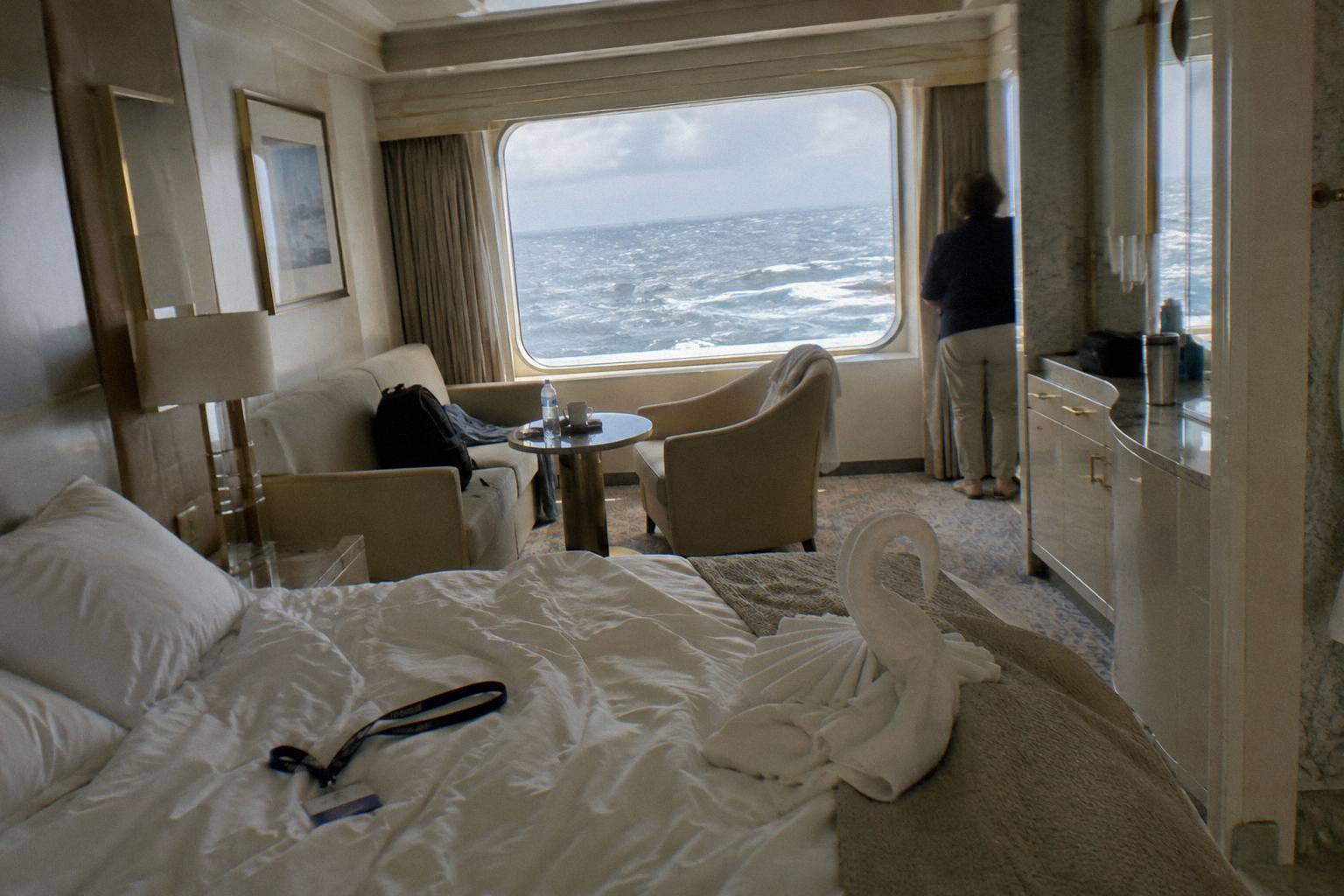
In practice, a flamingo on the door signals three things: the cabin is occupied by people with a sense of humour, they are open to friendly interaction, and they have put a little effort into the sailing's social fabric. That is the whole message. It does not indicate relationship status, it is not an invitation of any specific kind, and reading more into a door decoration than that is a mistake.
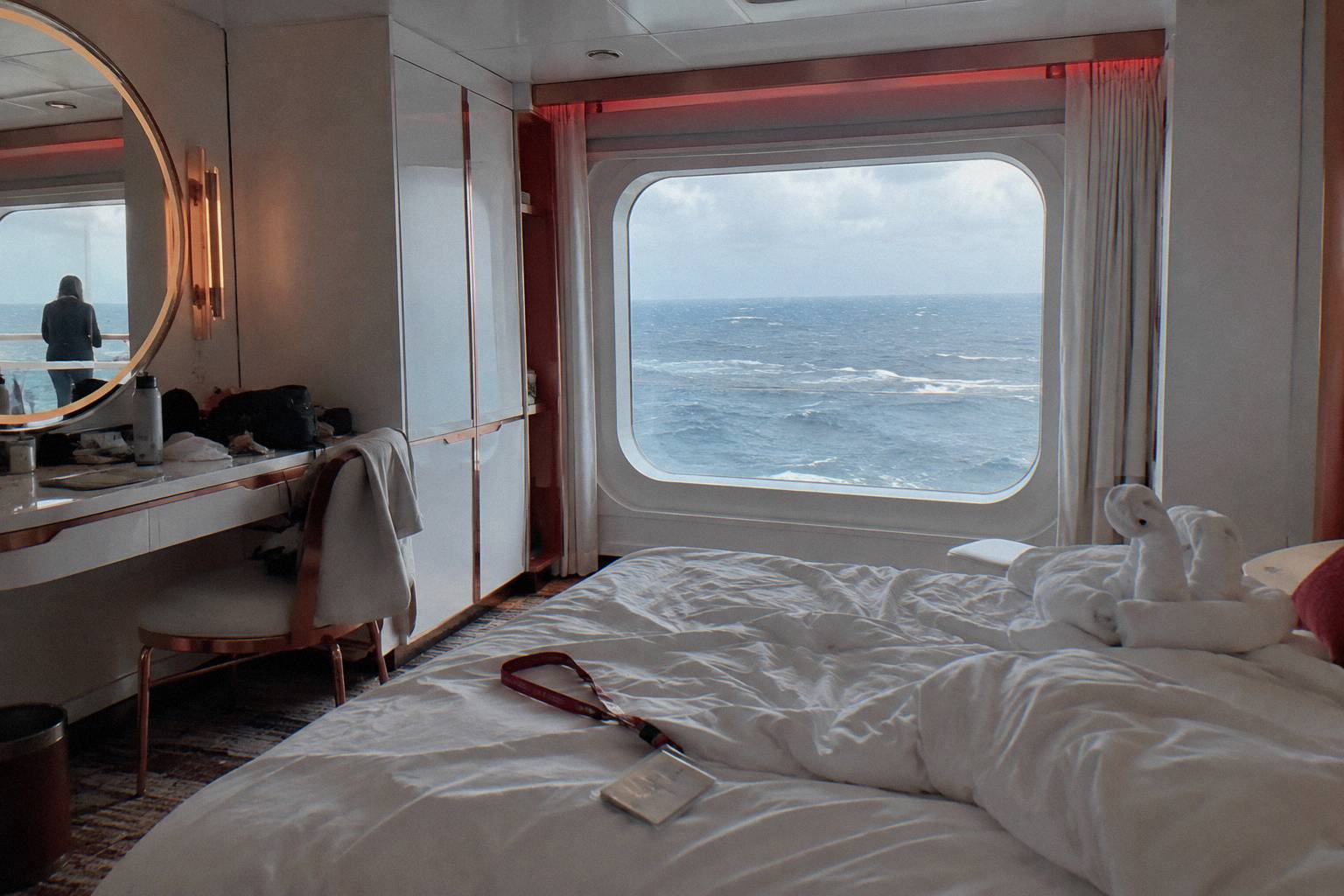
It helps to separate the tradition from the myths that grow around it. Because door decorations are visible and slightly mysterious to first-timers, online cruise discussion fills the gaps with invented meanings, some of them risqué. The honest answer is that no operator publishes any such code, and the operators' own published rules about conduct and respect apply everywhere on the ship regardless of what hangs on a door. Consent and courtesy are not signalled by ornaments; they are the baseline everywhere.
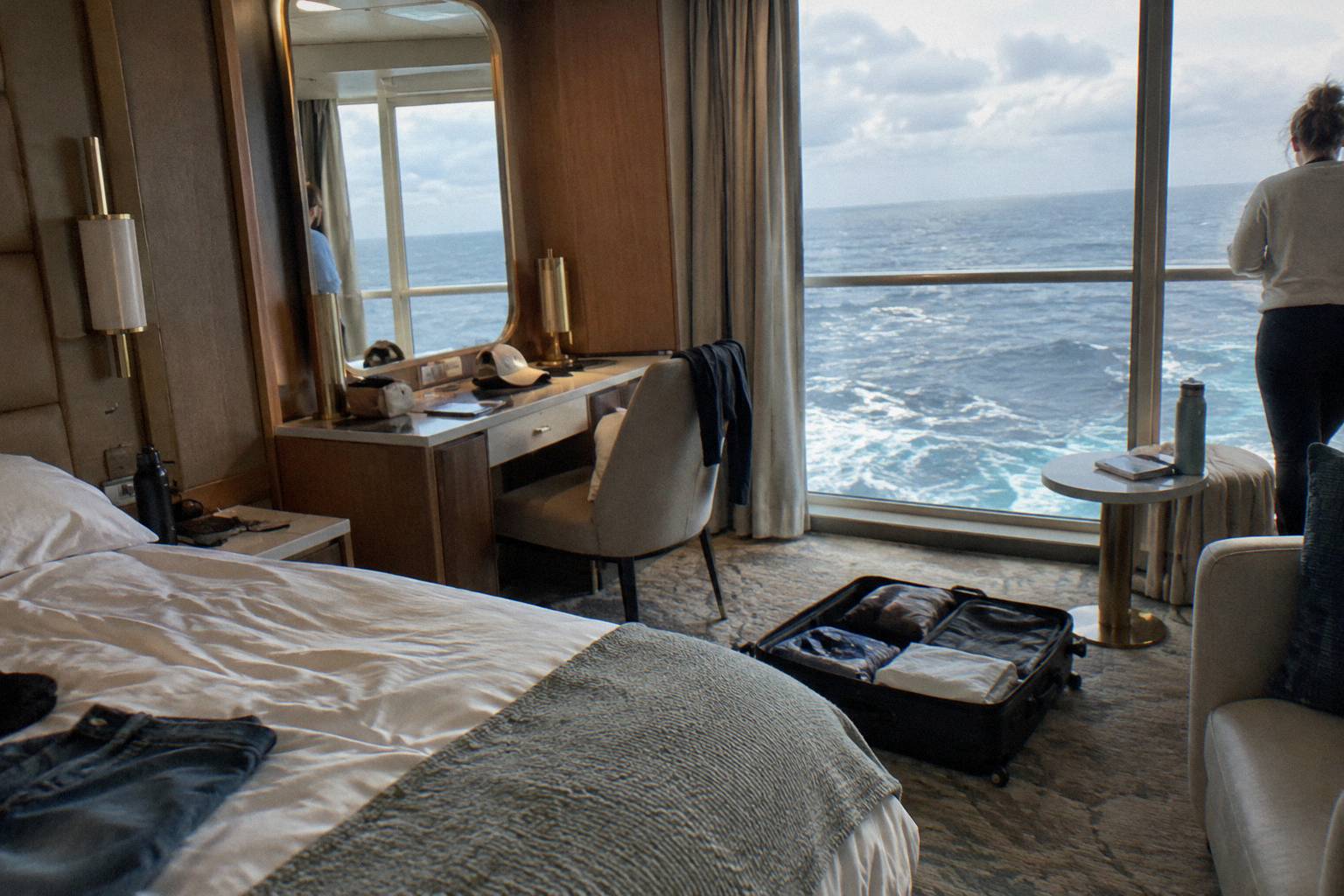
The flamingo does useful work precisely because it is meaningless in any official sense. A first-time cruiser who hangs one is making a small, low-risk statement of intent: we are here to enjoy this and we are easy to talk to. On a 2,770-guest ship like Valiant Lady, where you could sail a week without a single stranger speaking to you, that small statement has real value, and on a 40-cabin river ship it is close to a signature.
The one caveat is expectation. A decorated door invites conversation but does not oblige it. The people inside may be asleep, seasick or simply not in the mood, and the tradition works because everyone understands that. The decoration is an opening, never a demand, and the cruisers who enjoy the tradition most are the ones who treat it that way.
How Flamingos, Ducks And Other Door Symbols Differ
The flamingo belongs to a family of door decorations, and the family members carry slightly different flavours. Rubber ducks are the best established, with their own long history on cruise cabin doors, while flamingos lean tropical and loud, magnets lean personal, and whiteboards invite written replies. None of them has an official meaning, and the differences are aesthetic rather than coded.
The duck is the elder statesman of the genre, and if the flamingo question brought you here, the duck probably did the same for other readers. We cover that tradition separately in what a rubber duck on a cabin door means, and the short version is a door decoration with a similar community spirit and a longer pedigree. Some cruisers run both, which suggests the traditions are companions rather than rivals.
| Door decoration | Flavour it carries | Typical form | Best suited to |
|---|---|---|---|
| Pink flamingo | Tropical, bold, unselfconscious | Plastic or inflatable bird on a hook | Sociable cabins that want to be seen |
| Rubber duck | Classic, wholesome, long-standing | Small duck on the door or handle | Traditionalists and duck collectors |
| Magnet collection | Personal, cumulative | Themed magnets added over sailings | Repeat cruisers building a display |
| Whiteboard | Interactive | Writable board, guests leave notes | Cabins that enjoy replies |
| Name or theme sign | Group identity | Paper or card naming the group | Charter groups and party cabins |
Two practical notes from the table. First, hooks and hangers matter on ships: magnetic options survive rough seas better than suction cups, and anything lightweight survives baggage handlers better than anything fragile. Second, group identity decorations are the most functional of all on charter sailings, where finding your own door at the end of a long night is a genuine problem that a flamingo solves cheaply.
The mistake to avoid is treating the table as a menu of messages. It is a menu of vibes. A flamingo does not say anything different from a duck in any official register, because no official register exists, and any cruiser who tells you otherwise is passing on folklore as fact. Pick the one that makes you smile when you close the door.
Which Ships And Sailings You See It On
You will meet the flamingo on every category of cruise, from mega ships carrying thousands to river ships with a few dozen cabins. The common factor is not ship size but sailing style, and full-ship charters are where door decorating is most concentrated, because the entire vessel shares one community. Across the LGBTQ+ charters covered here, 90 sailings across 11 operators are coming up.
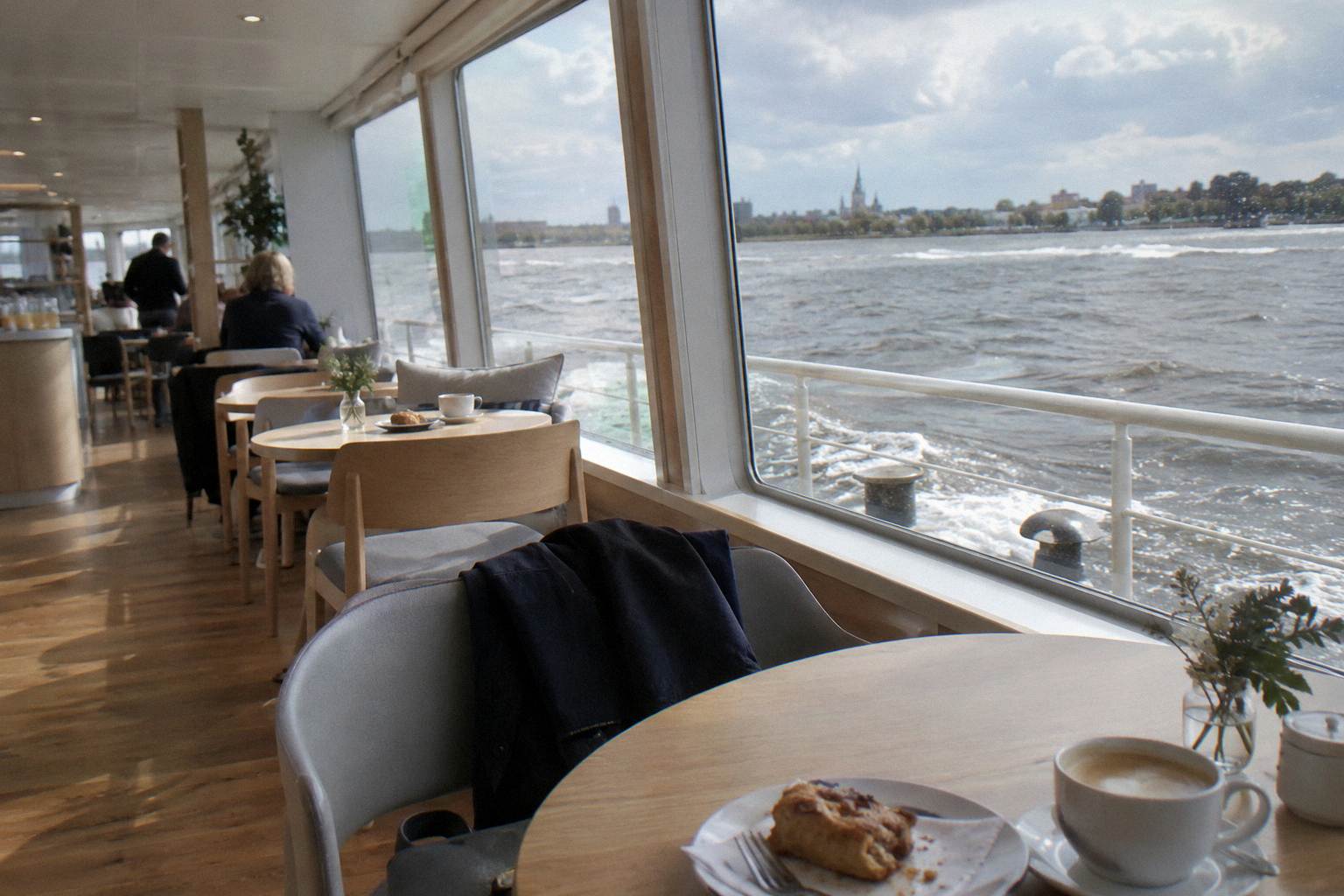
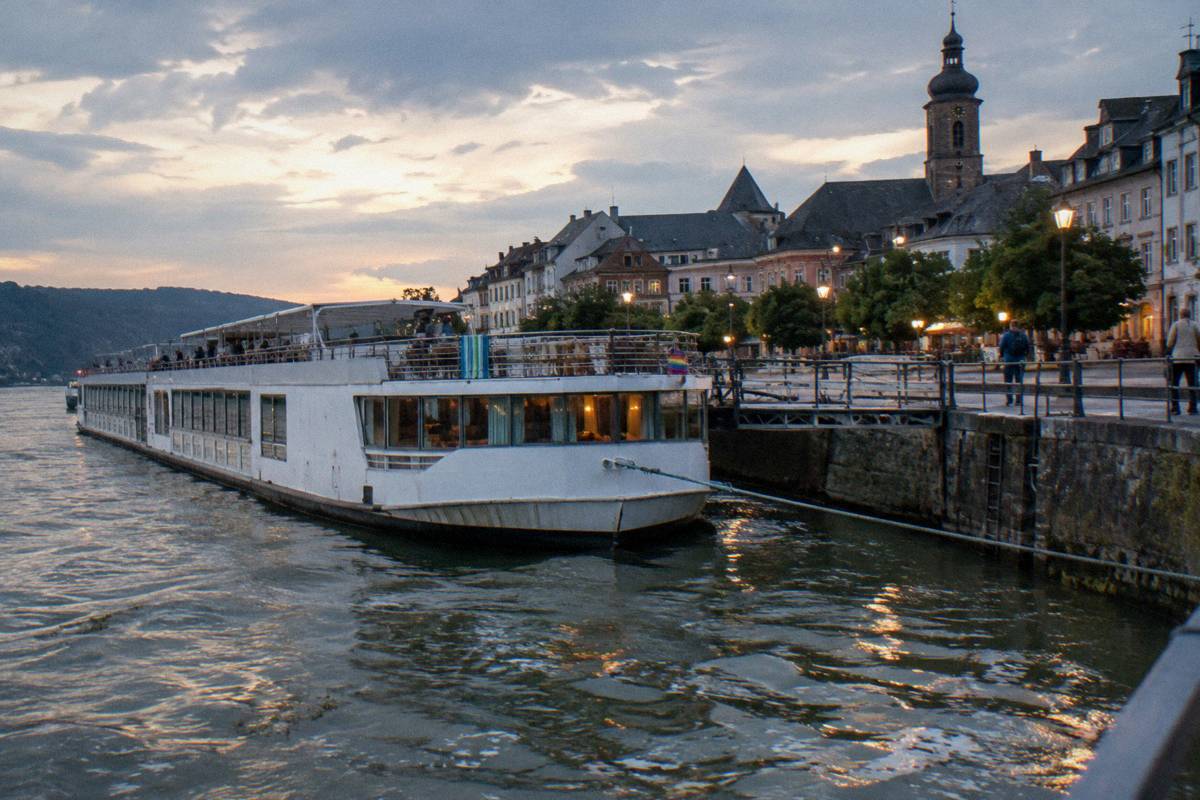
The trio below spans the range. Delfin III is a Delfin Amazon Cruises river ship, where a flamingo on the door of a few dozen cabins reads as a friendly signature rather than one voice in a thousand. Valiant Lady is a Virgin Voyages mega ship rated for 2,770 guests, big enough that door decorations help strangers find each other at all. World Navigator is an Atlas Ocean Voyages expedition ship, a middle category where corridors are short and sociable.
| Ship | Type | Guests | Built | Charter operators | Embarks from |
|---|---|---|---|---|---|
| Delfin IIIDelfin Amazon Cruises | River Ship | 44 | – | Brand g Vacations | – |
| Valiant LadyVirgin Voyages | Mega Ship | 2,770 | 2021 | Atlantis Events, BearCruise | San Juan, Barcelona |
| World NavigatorAtlas Ocean Voyages | Expedition Ship | 200 | 2021 | KelliGregg Travel / R Family Vacations | Oslo, London, Copenhagen |
The charter calendar is the other half of the answer, because a flamingo means more on a sailing where the whole ship is one group. VACAYA, which describes itself as mixed LGBTQ+ and founded in 2017, lists eight upcoming sailings, all currently showing sold out or waitlist, with prices ranging from $3,719 for a Mediterranean eclipse cruise to $12,537 for Madagascar to Seychelles. Atlantis Events shows six sailings with four already sold out or waitlisted, and interior fares on its current 7 to 9 night sailings listed from $1,199 to $1,799.
| Operator | Audience | Price per person (lowest category) | Sailings ahead |
|---|---|---|---|
| Atlantis Events | Gay men, women welcome | Interior from $1,199 to $1,799 on current 7-9 night sailings | 6 |
| VACAYA | Mixed LGBTQ+ | From $3,719 (Med eclipse) to $12,537 (Madagascar to Seychelles) | 8 |
| Olivia Travel | LGBTQ+ women | About $999 (HAL interior) to $6,899+ (river and expedition) | 19 |
| Brand g Vacations | LGBT+, gay-centred, mixed | About $4,900 (Rhine) to $22,300 (Asia luxury) | 24 |
| RSVP Vacations | LGBT, mixed | Not published by the operator | 0 announced |
| BearCruise | Bears and admirers | Not published by the operator | 6 |
The river row deserves a second look if the flamingo tradition appeals to you. River ships are small enough that door decorating spreads by sight rather than by forum, and an Amazon sailing on Delfin III, planned through a free river cruise consultation, pairs the corridor culture with a destination the big ships cannot reach. More on that in our overview of gay friendly cruise lines.
What It Costs To Join The Flamingo Tradition
Joining in costs almost nothing, which is the tradition's quiet genius. A plastic flamingo is a party-shop item that usually runs a few dollars, and the full door-decor kit, bird plus a small set of magnets, typically stays under $15 before you sail. Compare that with the fare itself, from $1,199 for an Atlantis interior upward, and the decoration is a rounding error with an outsized social return.
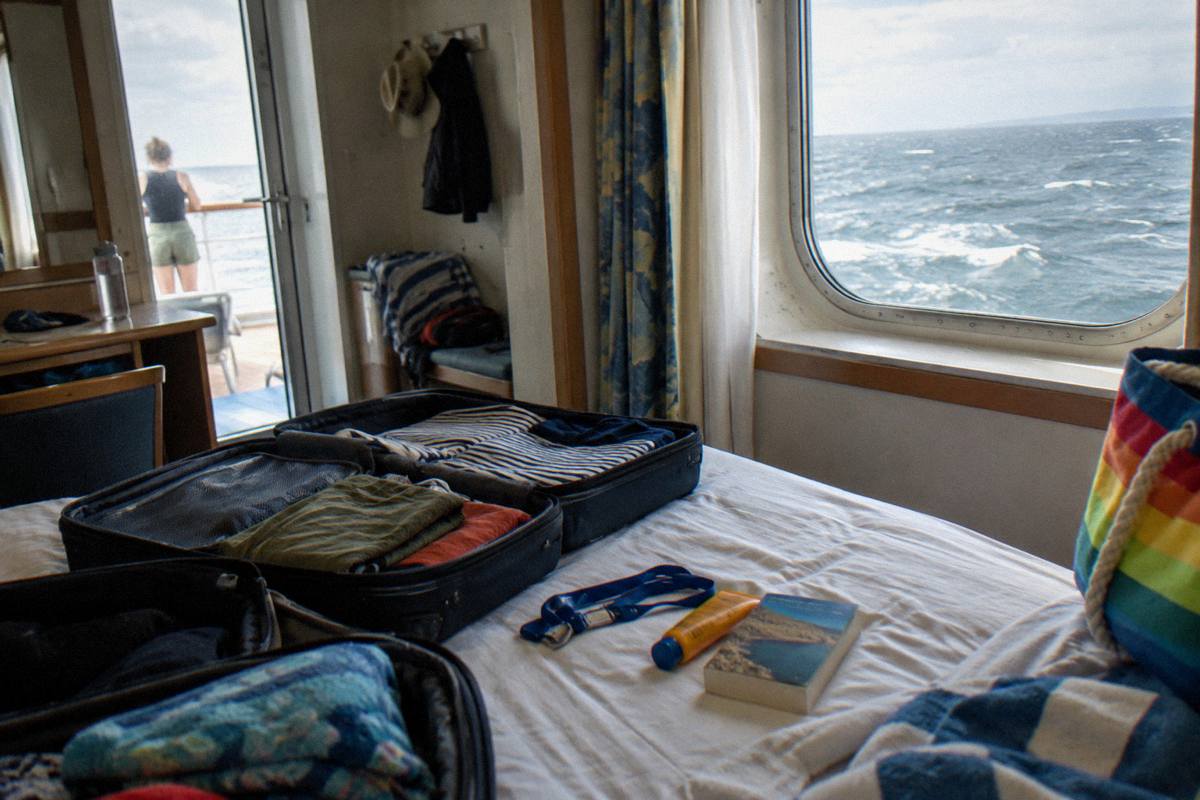
The only real costs are space and tact. Space, because an inflatable flamingo packs flat while a rigid plastic one does not, and inflatable birds designed for pool use double as float companions on sea days. Tact, because the decoration should stay on your door and not migrate to railings, lifeboat stations or anything the crew needs to reach. Cruise lines tolerate door decor precisely because it stays put, and the tradition's continued existence depends on that continuing.
One planning range worth stating plainly: buying decorations on board or in port is usually the expensive route, with ship shops pricing novelty items well above party-shop levels at home. Buy the bird before you travel, in the same spirit you would pack sunscreen rather than pay port prices. Nothing about the tradition rewards spending more; the dollar-store bird gets exactly the same smile as the designer one.
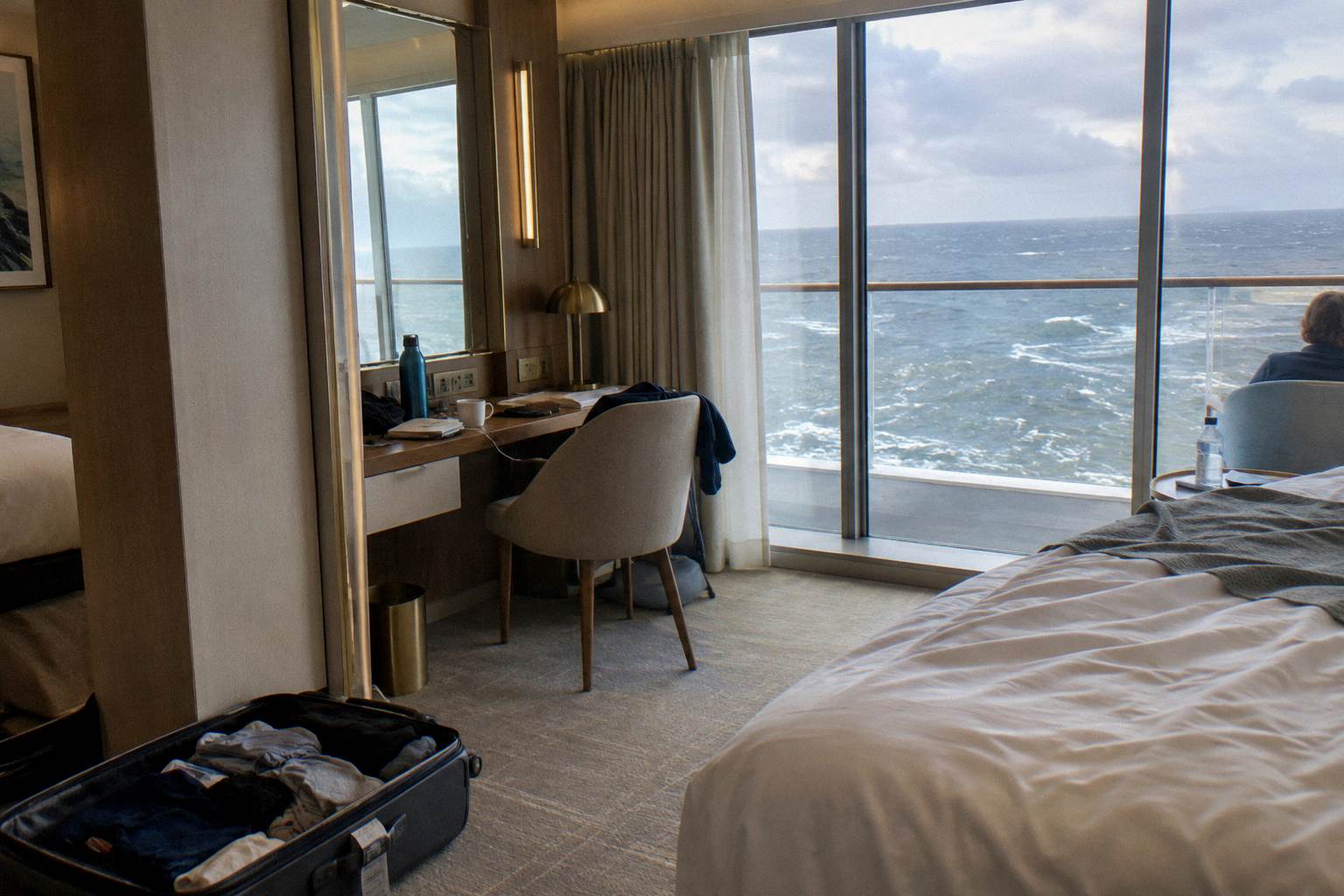
If the budget conversation is really about the fare rather than the flamingo, that is the decision worth help with. Fares for charters range from $1,199 on the low end of Atlantis interiors to $22,300 for Brand g Vacations' luxury Asia sailing, and a free consultation exists precisely to sort that spread into a shortlist that fits your group.
Who The Flamingo Tradition Is Not For
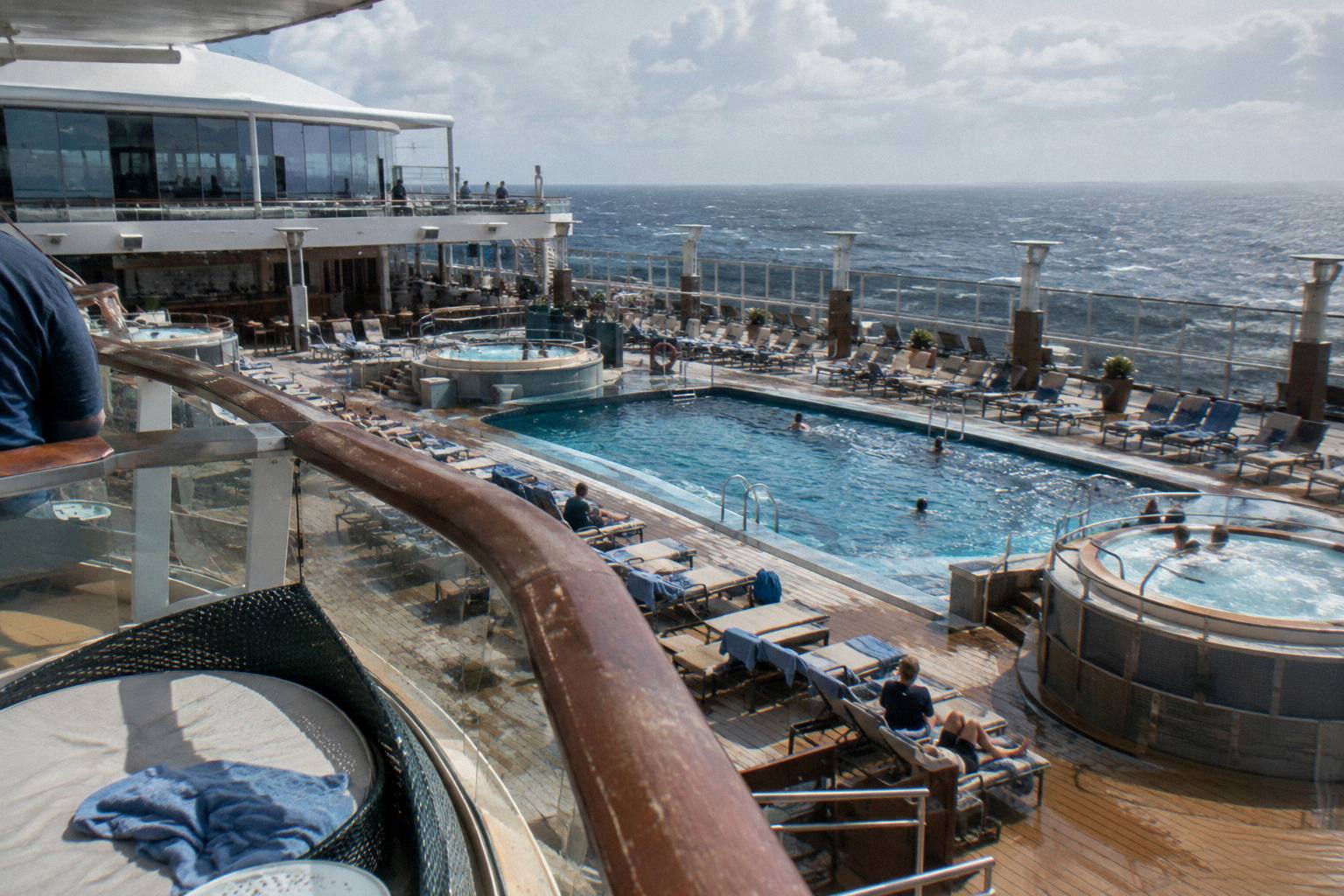
Some cruisers should skip it entirely, and knowing you are one of them is a form of trip planning. If you value an anonymous cabin, dislike unsolicited interaction or simply find kitsch exhausting, an undecorated door is a completely normal choice that most passengers make. The tradition is opt-in by design, and on any sailing the majority of doors stay bare. Nobody is judging them, and nobody should feel obligated to decorate to belong.
Solo travellers sometimes worry about this, and the answer is nuanced. A decorated solo door can work beautifully as an invitation to meet people, and charter sailings in particular make that easy, but it can also feel like pressure if the point of travelling alone is peace. There is no wrong answer, only your answer, and a solo cruiser unsure which way they lean might find our piece on the average age of passengers on gay cruises useful context for the crowd they would be joining.
Families have their own version of the question. Operators like KelliGregg Travel and R Family Vacations, whose audience is LGBTQ+ and allied families with kids programming, list 13 sailings ahead, and family corridors tend toward themed magnets and name signs rather than adult-party decor. A flamingo is fine there too, it is a children's toy before it is anything else, but the surrounding decoration culture is gentler and the choice of sailing matters more than the choice of bird.
Finally, there is a category of cruiser who should not decorate: anyone who wants the door to do more than the tradition supports. The flamingo signals friendliness, not availability, not itinerary details, not anything about what happens inside the cabin. Operators' published conduct rules govern behaviour everywhere on board regardless of decorations, and guests who respect that boundary keep the tradition welcoming for everyone.
Mistakes That Trip Up First Time Flamingo Cruisers
The recurring mistakes are small and avoidable. First-timers buy rigid decorations that eat suitcase space, hang items that block door numbers or locks, expect a coded meaning that does not exist, overspend on ship-shop novelties, or treat a decorated door as a social contract. Each mistake has a one-line fix: pack inflatable, keep the door plate clear, accept the bird means fun, buy at home, and treat greetings as optional.
The list, with the fix attached to each:
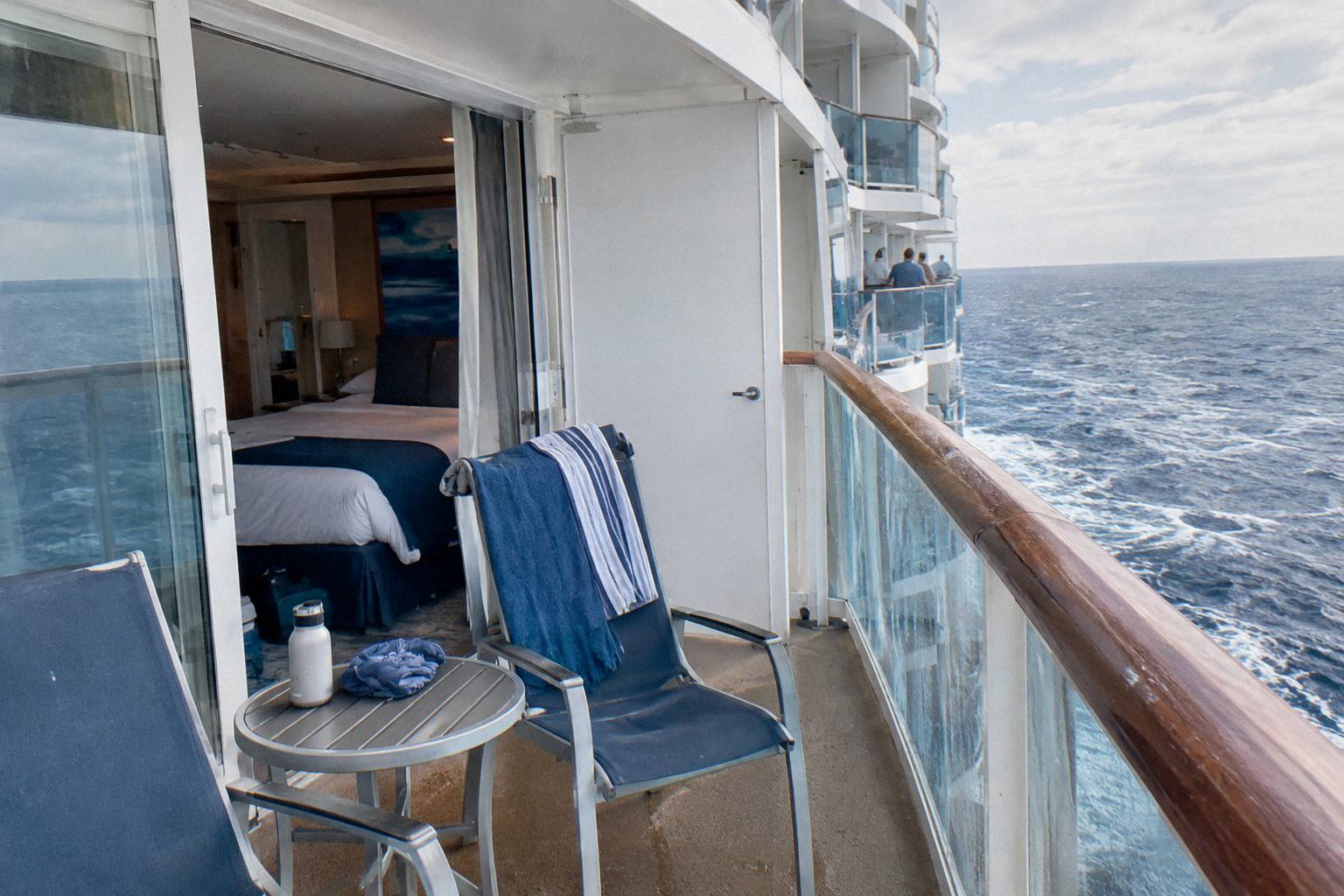
- Overpacking the decoration. Rigid plastic birds and heavy signs consume luggage that clothes need. Fix: inflatable or flat-pack items only.
- Blocking the practical door. Decorations over the number plate, lock or peephole get moved by crew and annoy neighbours. Fix: handle and upper door only.
- Believing invented codes. Online folklore assigns door decorations precise meanings no operator recognises. Fix: the only real message is friendliness.
- Buying on board. Ship shops price novelties well above party-shop levels. Fix: buy before travel.
- Treating a decoration as consent to knock. The bird invites a hello, not a visit. Fix: greetings stay light and doors stay private.
- Assuming everyone decorates. Most cabins stay bare and that is normal. Fix: decorate if it pleases you, not to fit in.
- Picking the sailing for the bird instead of the cruise. The tradition exists everywhere, but a full-ship charter suits it far better than a mainstream sailing if meeting people is the goal. Fix: choose the sailing first, the flamingo second.
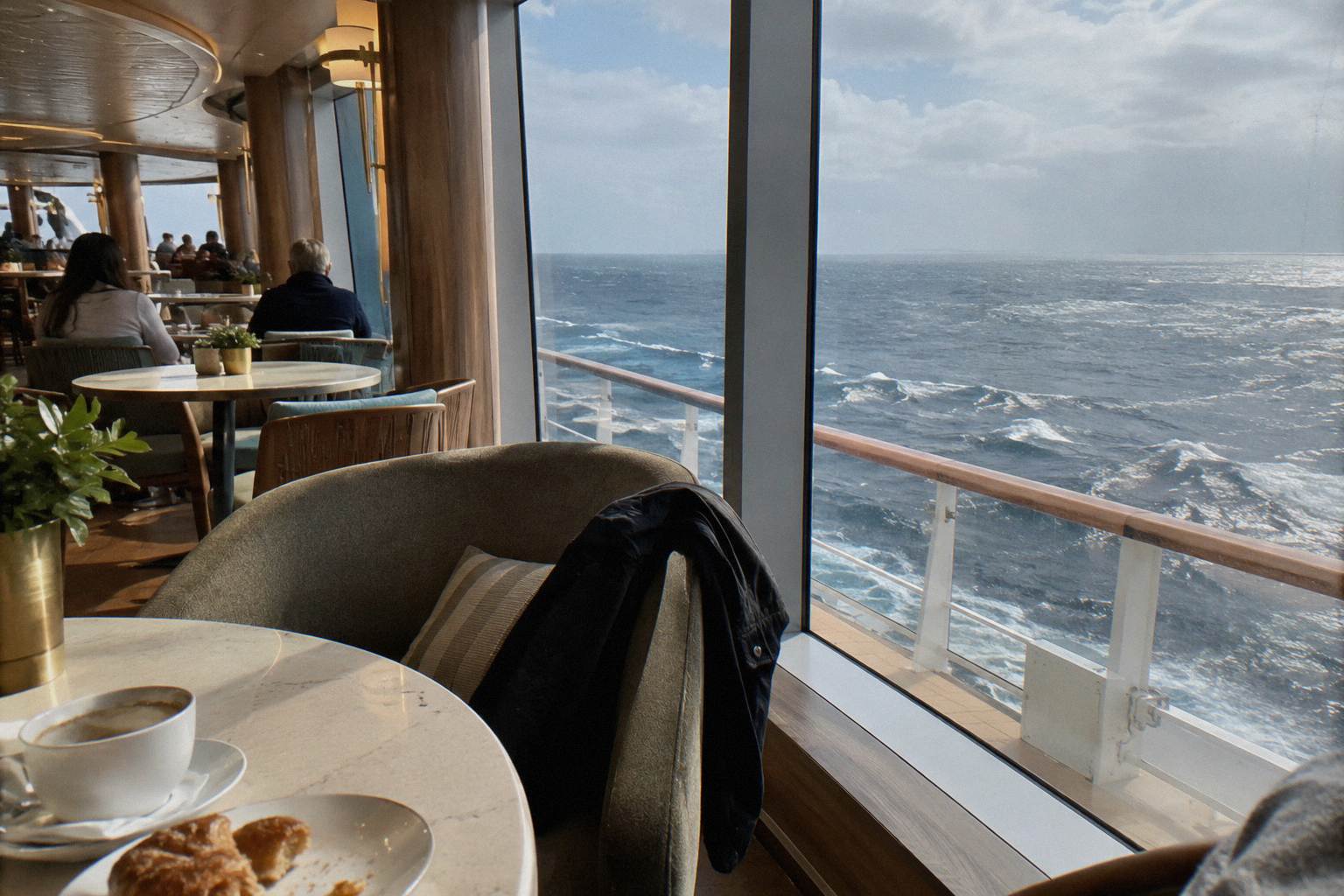
That last mistake is the expensive one, because it is about the fare, not the five-dollar bird. Operators and audiences differ sharply, from RSVP Vacations, founded in 1985 for a mixed LGBT crowd, to Olivia Travel's 19 sailings for LGBTQ+ women, and matching the sailing to your crowd is the single most consequential decision in the whole plan.
Common Questions About Pink Flamingos On Cruises
What Does A Pink Flamingo Mean On A Cruise?
It is a door decoration that signals the cabin's occupants are playful and happy to chat with neighbours. It has no official meaning defined by any cruise line or operator, and it is not a code, request or instruction. It belongs to the broader door-decorating tradition of cruising, alongside rubber ducks and magnet collections, and its whole message is friendly fun.
Do Cruise Lines Allow Flamingos On Cabin Doors?
Yes, door decorations are tolerated as a matter of long-standing practice on cruise ships, provided they stay on your own door and do not block the number plate, lock or anything the crew needs to reach. No operator publishes a flamingo policy, because none is needed. Anything that interferes with the door's function will generally be moved by crew.
Is A Flamingo On The Door A Signal For Anything Adult?
No. Folklore online assigns precise and sometimes risqué meanings to door decorations, but no operator recognises any such code, and the operators' own published conduct rules apply everywhere on board regardless of what hangs on a door. The flamingo's actual message is friendliness, nothing more specific, and treating it as anything else is a mistake.
What Is The Difference Between A Flamingo And A Rubber Duck On The Door?
Flavour, not meaning. The rubber duck is the older and best established door-decor tradition, while the flamingo leans tropical and bold. Neither carries an official message, both signal a sociable cabin, and many cruisers run both. Choosing between them is a matter of taste and luggage space.
Where Can I Buy A Flamingo For My Cruise Cabin Door?
Party shops, dollar stores and online retailers sell plastic and inflatable flamingos for a few dollars, and buying before you travel is the economical route. Ship shops and port vendors carry novelty items at noticeably higher prices. Inflatable versions pack flat and are the practical choice for a suitcase.
Will I See Door Decorations On A River Cruise Too?
Yes, though on a smaller stage. River ships such as Delfin III, a Delfin Amazon Cruises vessel sailing the Amazon, carry a few dozen cabins, so a single decorated door reads as a friendly signature that the whole ship notices. The tradition is strongest on full-ship charter sailings, but it appears wherever corridors are shared and sociable.
More Questions Answered
 Straight On A Gay CruiseWho is actually welcome on a gay cruise, operator by operator, and how to be a good ally guest.Read the answer
 What Happens On BoardThe rundown of a gay cruise: who sails, what a day looks like, costs and rules.Read the answer
 Average Age On BoardNo operator publishes a passenger age average; audience, price and itinerary reveal who each sailing actually draws.Read the answer
 Gay Passenger NumbersWhich ships actually carry the most gay passengers? Charter capacity, not demographics, holds the answer.Read the answer