Gay Panama Canal Cruises
A gay Panama Canal cruise combines one of the world's great engineering crossings with ports across four countries whose laws and attitudes differ sharply. Here is what to know about charters, ports and planning.
This page sits in Regions And Ports, the hub for every cruising region this site covers, from the Caribbean to the Mediterranean.
Quick Facts
| Fact | What The Information Says |
|---|---|
| Charter and group sailings covered | 90 across 11 operators |
| Sailings sold out or on waitlist | 29 of the 90 |
| Same-sex relations in Panama | Legal |
| Same-sex civil unions in Panama | Illegal, per UK FCDO advice |
| Costa Rica marriage | Legal since 2020 |
| Colombia marriage | Legal |
| Virgin Voyages charters listed | Atlantis Events, Waves of Pride, Sapphic Sail, Odyssey Pride |
| Atlantis Events interior fares | From $1,199 to $1,799 per person on current 7 to 9 night sailings |
| Waves of Pride fare basis | From $1,609.40 covering fare, taxes and gratuities |
Is The Panama Canal A Good Region For An LGBTQ+ Cruise?
A gay Panama Canal cruise is a strong choice for travellers who want a headline voyage rather than a beach circuit. The canal crossing itself is the draw, and the surrounding ports sit across four countries with different legal landscapes, which is exactly why operator and itinerary choice matter. Charters on this site's file cover the Caribbean and Central American waters the canal connects.
The canal is one of cruising's signature achievements: a ship raised and lowered through lock gates between two oceans, with rainforest on either side. That single fact sells the itinerary to a lot of first-time Central America cruisers. What the region asks of LGBTQ+ travellers in return is a little more homework than a Mediterranean or Caribbean-only sailing, because a Panama Canal cruise typically touches Panama itself, Costa Rica, Colombia and sometimes Mexico, and each of those countries has its own official advice.
The legal picture is stated plainly on the operator's site and in official travel advice. Same-sex relations are legal in Costa Rica and Colombia, both of which also recognise same-sex marriage, Costa Rica since 2020. Panama legalises same-sex relationships but the UK FCDO states that same-sex civil unions are illegal there, while noting that most Panamanians are generally tolerant of LGBT+ travellers. None of that rules the region out; it just means the itinerary deserves the same attention you would give the ship.
There is also the question of what kind of trip you want the cruise to be. A canal itinerary mixes a bucket-list engineering spectacle with port days in four distinct cultures: the walled old town of Cartagena, the Caribbean coast of Costa Rica, the port zones of Colon and Fuerte Amador, and, on many routings, Mexican calls before or after the crossing. That variety is the region's quiet selling point for LGBTQ+ travellers who have already done a standard Caribbean charter and want something with more texture. It is also why the region suits both ends of the market: mega ship charters that treat the transit day as a floating party, and expedition sailings that slow down for the rainforest, the wildlife and the lock machinery.
The cruise itself is the product here, and it comes in several shapes: full canal transits between Florida and the Pacific, partial transits that turn around in Gatun Lake, and Caribbean round trips that call at Colon. Which shape suits you depends on how many sea days you want and whether the crossing itself or the ports are the priority. That choice is easier with help: get free help choosing a canal sailing and a partner agent can price the options across operators before you commit.
Which Gay Charters Sail Panama Canal Waters?
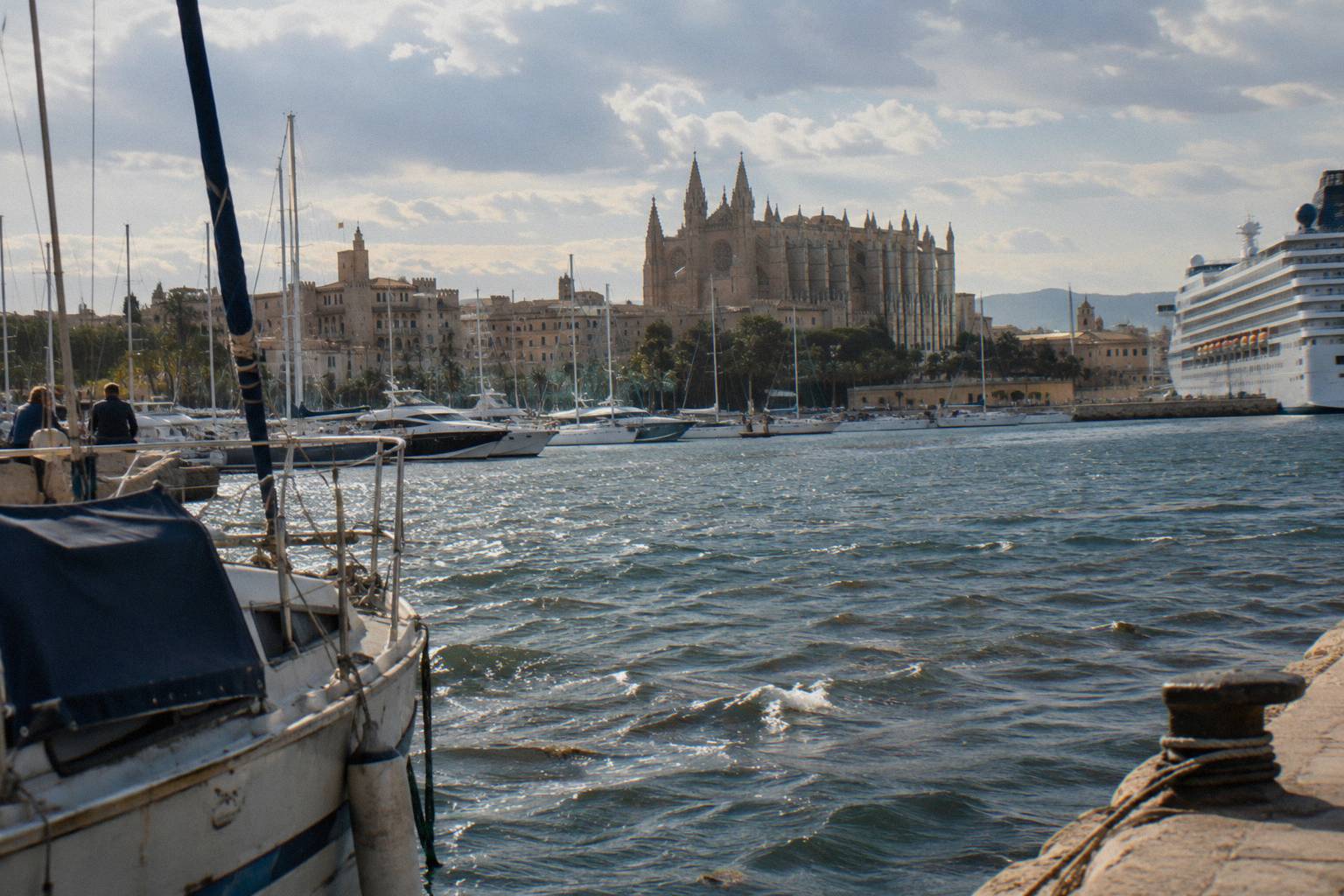
No single operator owns the region, and the listings show a spread rather than a flagship. Of the 90 charter and group sailings covered, the biggest programmes by volume are Brand g Vacations with 24 sailings, Olivia Travel with 19 and KelliGregg Travel and R Family Vacations with 13. Atlantis Events, the largest gay men's charter brand, lists 6 sailings with 4 already sold out or waitlisted.
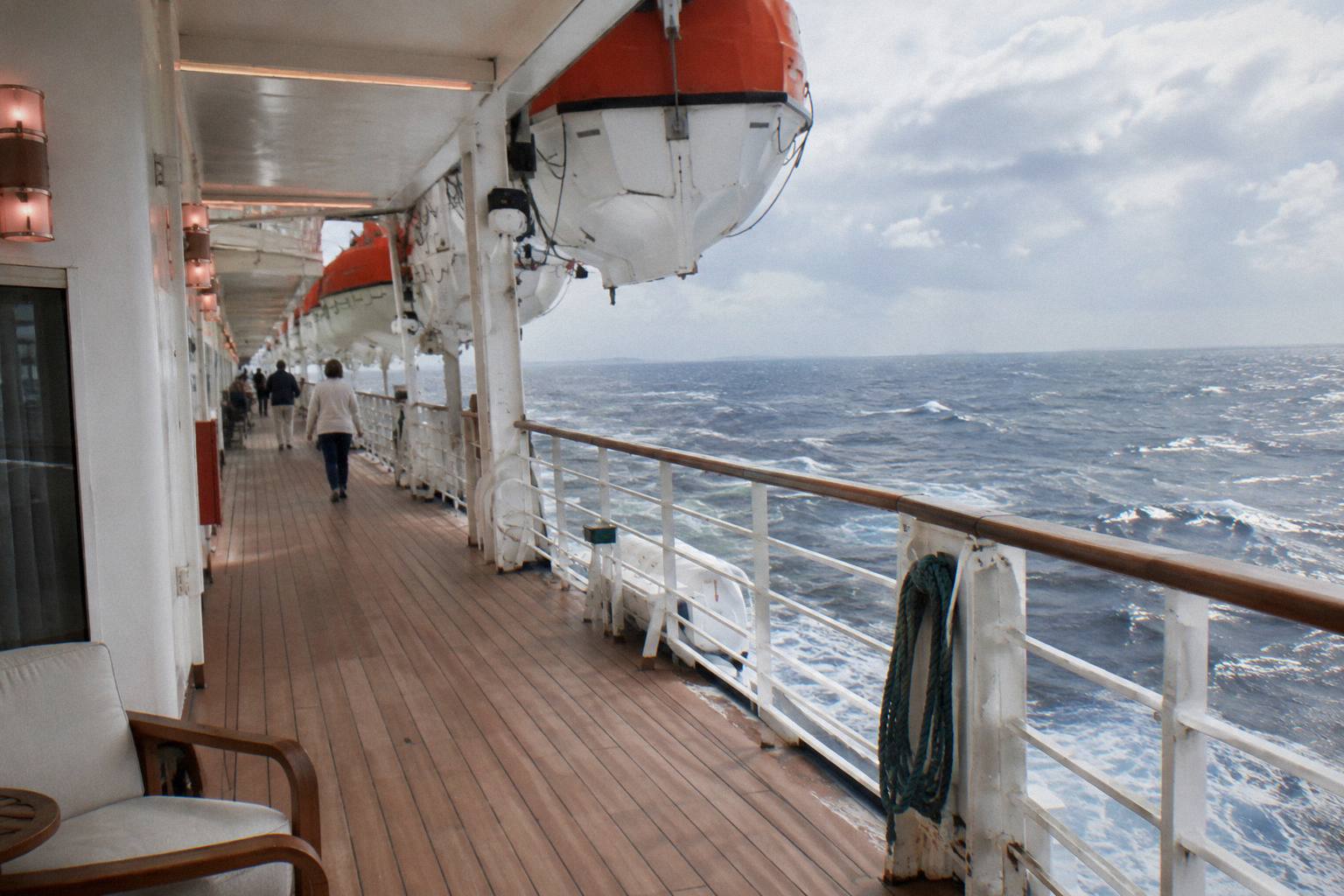
The sailing calendar is the honest starting point. Atlantis Events, founded in 1991 and aimed at gay men, prices current 7 to 9 night sailings from $1,199 to $1,799 per person for an inside cabin, and its historical charter on Virgin Voyages' Scarlet Lady shows the brand's taste for modern tonnage. Caribbean and Central American itineraries of that shape are the ones most likely to touch Panama Canal ports. For a broader read on the brand before committing, the guide to ships Atlantis charters covers the fleet detail.
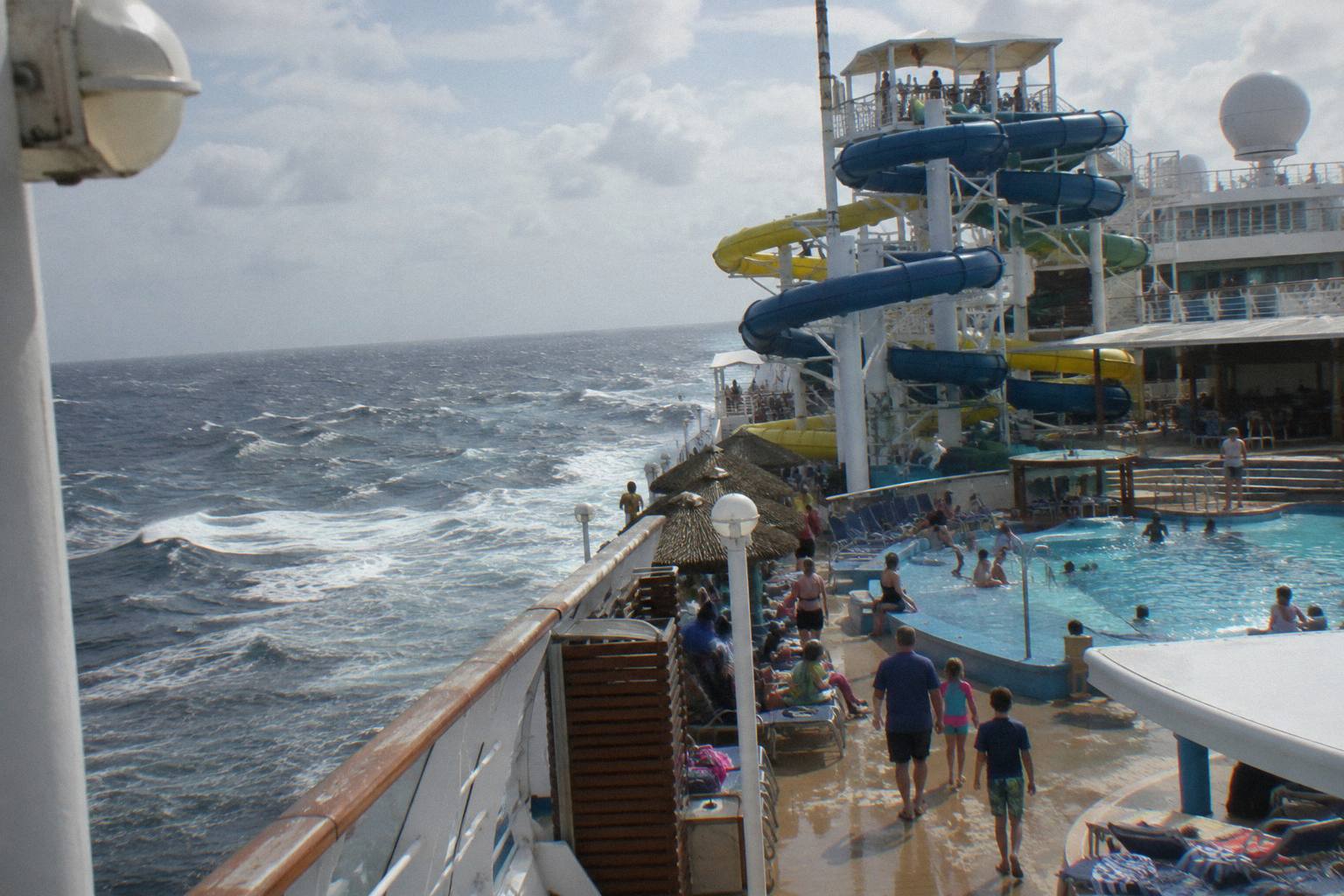
VACAYA, a mixed LGBTQ+ operator founded in 2017, lists 8 sailings and every one of them shows sold out or waitlisted, which tells you how tight supply is in this market. Brand g Vacations, founded in 2011 and gay-centred but mixed, runs 24 sailings from 2027-04-18 to 2028-10-14 with 5 sold out or waitlisted, priced from about $4,900 per person for a Rhine river trip to about $22,300 for its Philippines, Taiwan and Japan luxury sailing. Waves of Pride lists one sailing from $1,609.40 per person covering fare, taxes and gratuities, with a separate $149 to $199 entertainment fee.
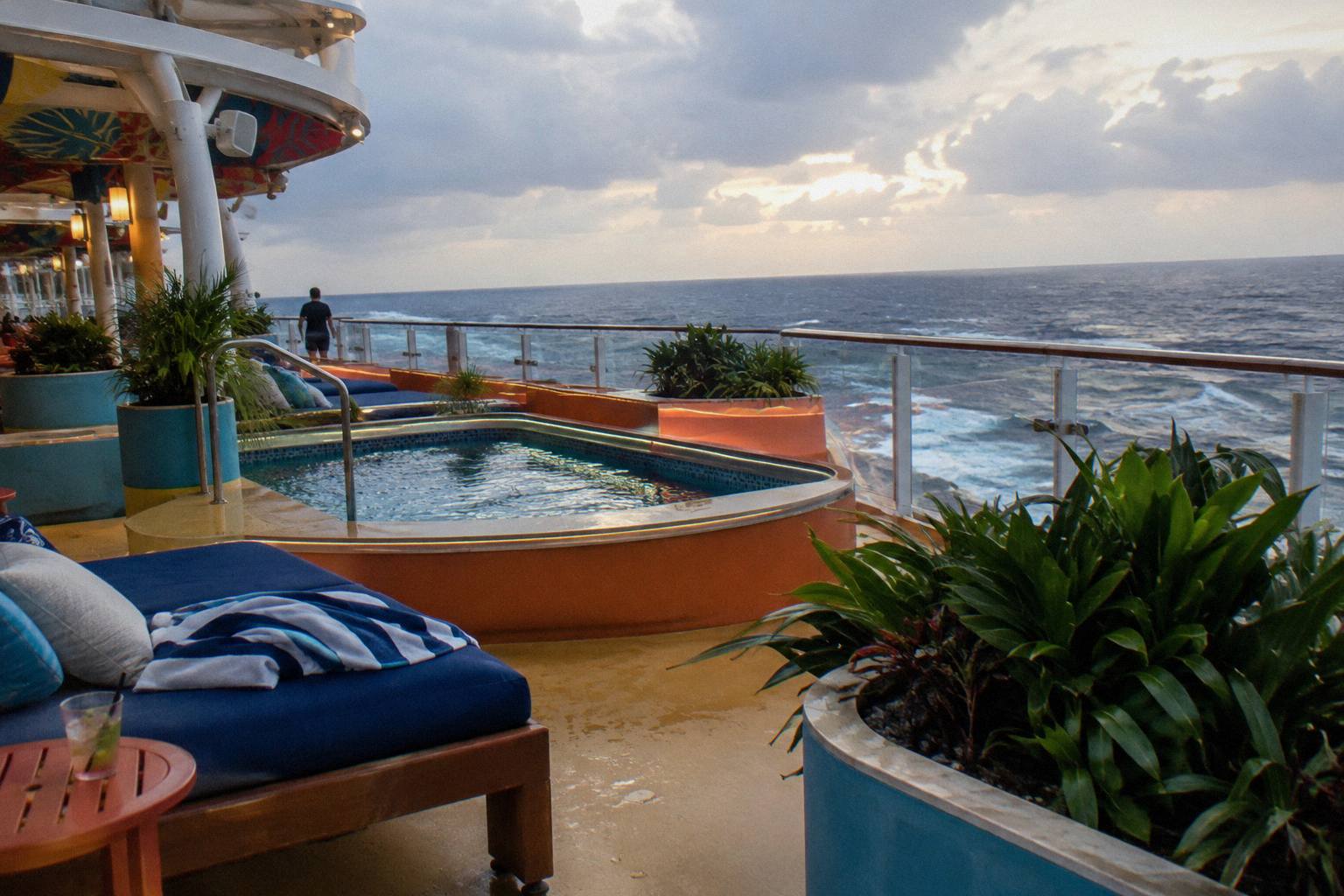
Olivia Travel, the longest-running brand serving LGBTQ+ women, carries 19 sailings from 2026-12-02 to 2028-05-24, with 10 already sold out or waitlisted and fares that run from about $999 for a Holland America Line interior to $6,899 and above for river and expedition product. KelliGregg Travel and R Family Vacations, founded in 2003 and oriented toward LGBTQ+ families and allies with kids programming, lists 13 sailings with none yet sold out, which makes it one of the more accessible programmes for travellers booking with children. BearCruise, aimed at bears and admirers, shows 6 sailings and no waitlists either, as does Big Gay Cruise with 6 sailings of its own spanning 2026-11-14 to 2028-02-06.
| Operator | Audience | Sailings Listed | Date Range | Sold Out Or Waitlist | Fare Basis Listed |
|---|---|---|---|---|---|
| Atlantis Events | Gay men | 6 | 2026-11-22 to 2027-08-22 | 4 | Interior from $1,199 to $1,799 |
| Brand g Vacations | LGBT+, mixed | 24 | 2027-04-18 to 2028-10-14 | 5 | About $4,900 to $22,300 |
| Olivia Travel | LGBTQ+ women | 19 | 2026-12-02 to 2028-05-24 | 10 | About $999 to $6,899+ |
| VACAYA | Mixed LGBTQ+ | 8 | 2026-12-28 to 2028-12-16 | 8 | From $3,719 to $12,537+ |
| KelliGregg / R Family | LGBTQ+ families | 13 | 2027-02-05 to 2028-09-02 | 0 | Not published |
| BearCruise | Bears and admirers | 6 | 2026-12-30 to 2028-07-09 | 0 | Not published |
| Waves of Pride | LGBTQ+ | 1 | 2027-11-06 | 0 | From $1,609.40 plus fee |
At the luxury end, Source Journeys and Source Events, founded in 2001, lists 3 sailings, and Out Adventures, founded in 2009, runs from $7,495 for a Baja trip to $22,585 for Antarctica, though both of its sailings show sold out or waitlisted. The smaller specialist brands, Tryst Cruises with 2 nightlife-oriented sailings and Cosmic Cruise, Pride Adventures, Pride Sailing Holidays, GaySail, Pied Piper Travel and Italy Gay Travels, each show zero upcoming sailings announced, which is worth knowing before you go looking for a canal option that does not currently exist.
The sold-out column is the practical lesson. VACAYA's whole file is waitlisted and Atlantis shows 4 of 6 gone, so waiting for a fare drop in this market usually means missing the sailing. Anyone weighing a specific charter against its price point can ask a partner agent to price it without any obligation.
What Do The Port Laws Say Along The Route?
The official picture differs country by country, and the facts are worth stating exactly. Panama: same-sex relationships legal, same-sex civil unions illegal, with the UK FCDO noting most Panamanians are generally tolerant of LGBT+ travellers. Costa Rica: same-sex relations legal and marriage legal since 2020. Colombia: same-sex relations legal and marriage legal. Mexico, which some itineraries touch: same-sex relations generally tolerated rather than accepted, with civil unions legal.
These lines come from the UK FCDO's local laws pages, cross-checked against US State Department guidance, and they are the reason a Panama Canal itinerary rewards a little reading before you book. None of the four countries criminalises same-sex relations. Two of them, Costa Rica and Colombia, have full marriage equality. Panama sits in the middle: relationships are legal, civil unions are not, and the official wording on tolerance is a fair description of what the advice file supports and nothing more.
| Country | Same-sex relations | Marriage or partnership | Official advice |
|---|---|---|---|
| Panama | See the FCDO advice | – | Same-sex civil unions are illegal, but same-sex relationships are legal in Panama. Most Panamanians are generally tolerant of LGBT+ travellers. FCDO page |
| Costa Rica | legal | marriage legal since 2020 | null FCDO page |
| Colombia | legal | marriage legal | null FCDO page |
| Mexico | See the FCDO advice | – | Same-sex relations in Mexico are generally tolerated, rather than accepted. Civil unions between same-sex partners are legal in Mexico. FCDO page |
For the detail behind the table, the FCDO Panama local laws page carries the advisory text in full, as does the FCDO Costa Rica local laws page and the FCDO Colombia local laws page. Read them as written: operators state legal status and partnership rights where published, and where a source does not publish a figure or a right, this page prints no number and adds none. The Mexico advisory, which matters on itineraries with Mexican calls, comes from the equivalent FCDO Mexico local laws page.
The practical reading is straightforward. On board a charter, the operator's own programming sets the tone, and the brands listed above publish their audience and atmosphere openly. Ashore, the advisory wording above is the baseline: full legal equality in Costa Rica and Colombia, tolerance without partnership recognition in Panama. Public affection guidance follows the same logic as anywhere: what the official advice describes as generally tolerated is a reasonable ceiling for expectations, not a guarantee of any specific experience.
One distinction worth holding on to is the difference between legality and recognition, because the canal route puts both in front of you in a single week. A couple sailing from Cartagena, where their marriage is legally valid, into Panama, where civil unions are not recognised, experiences a change in legal standing without anything visibly changing on the quay. That is an unusual feature of this itinerary among gay cruise regions, and it is the single most useful thing to understand before you sail. It affects practical matters at the margins, documentation in an emergency for instance, more than it affects a normal port day, but it is real and it is stated by the official source.
Which Ships Sail Gay Canal Itineraries?
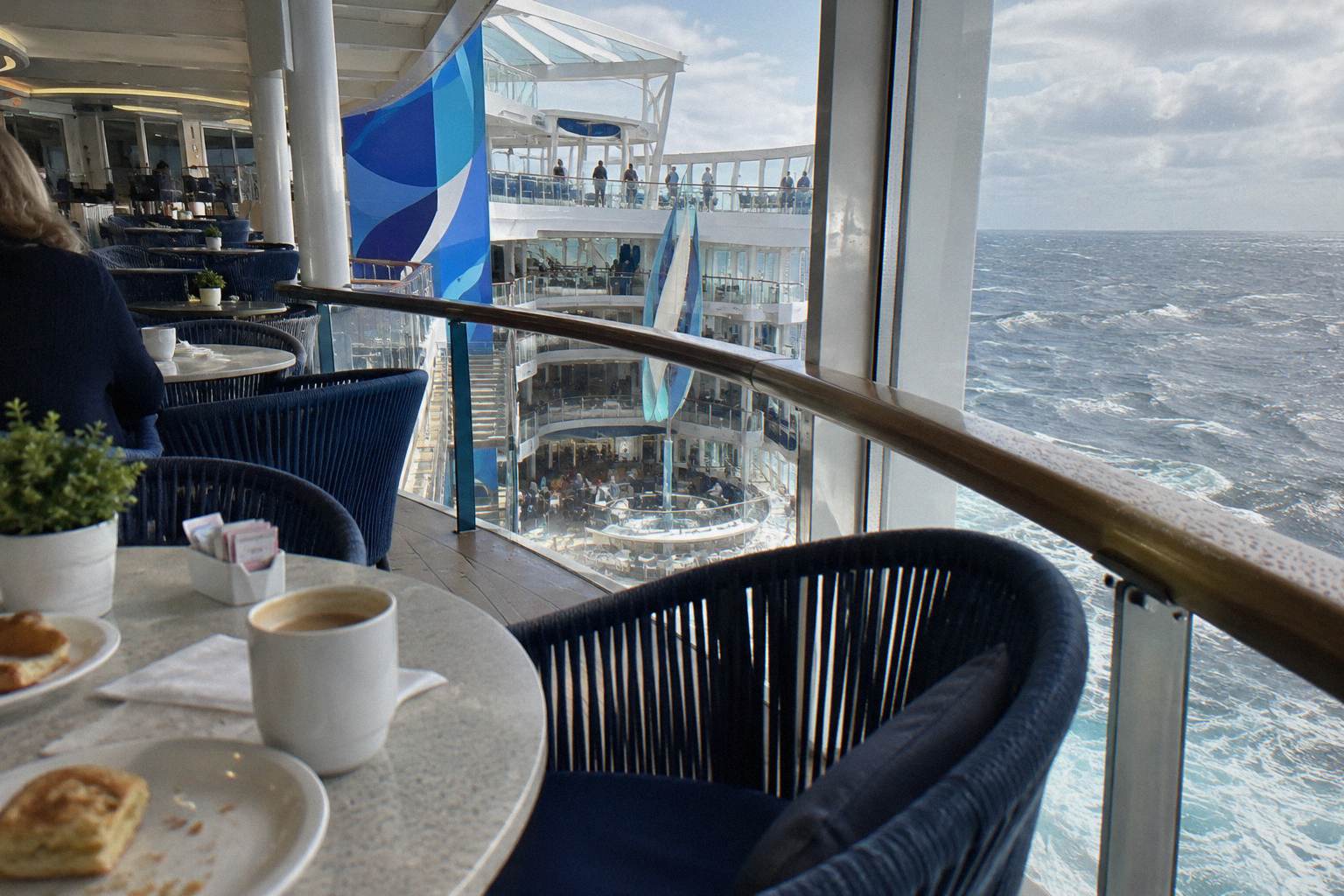
The fleet listing on this site ranges from mega ships down to river and expedition tonnage, and the canal filters that list hard by size. Scarlet Lady and Resilient Lady, Virgin Voyages ships of 2,770 guests, are the modern flagship end and both host LGBTQ+ charters: Atlantis historically on Scarlet Lady, Waves of Pride on Resilient Lady in September 2026. Avalon Panorama represents the river side, which serves canal-adjacent travel in Europe rather than Panama itself.
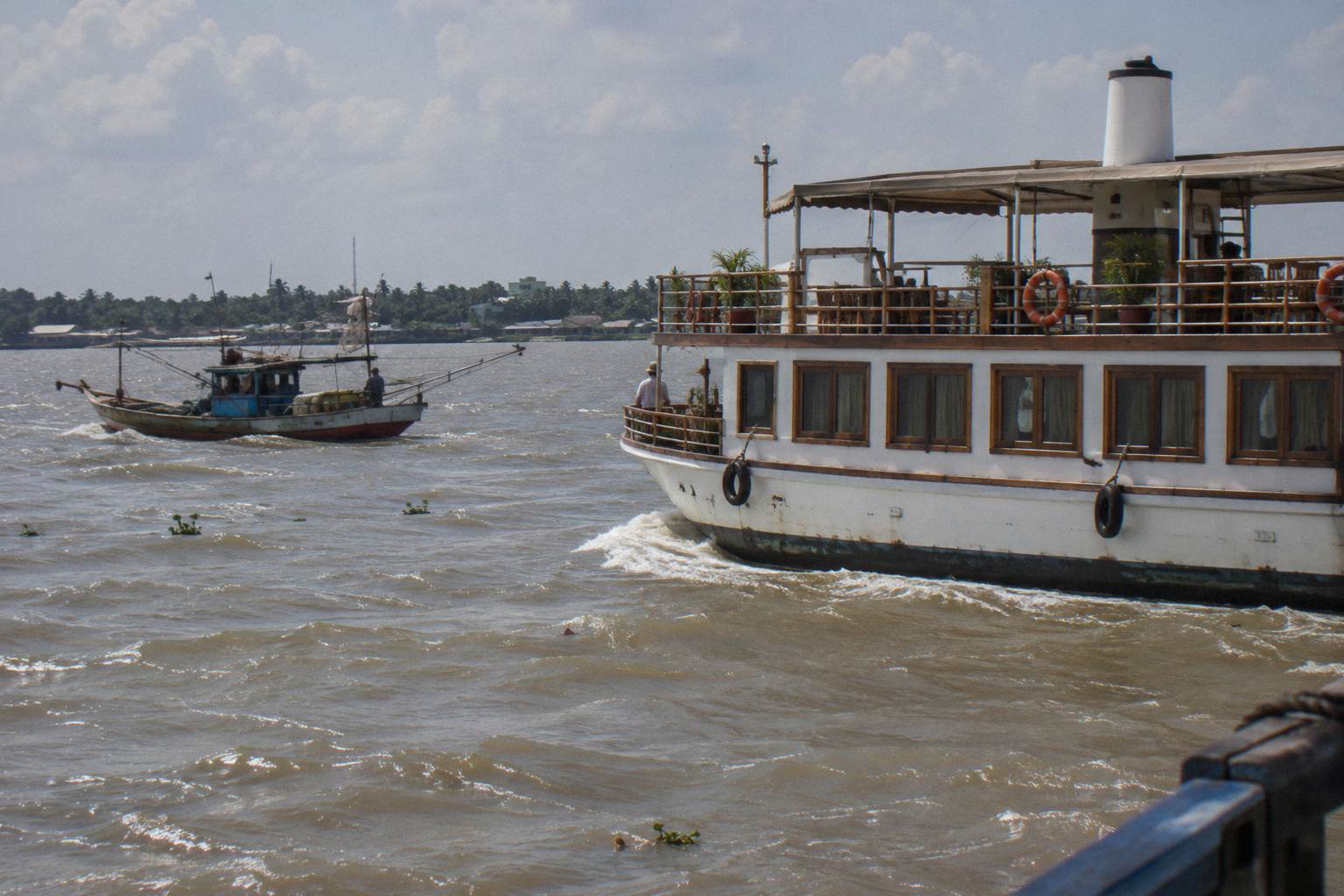
Ship choice on a Panama Canal cruise is really a choice about how you spend the crossing. A mega ship turns the transit day into a deck party with 2,770 fellow guests and a full entertainment programme around it; that is the model Atlantis Events built its reputation on since 1991. Resilient Lady, built in 2022 and sister to Scarlet Lady, carries the Waves of Pride charter in September 2026 per Virgin Voyages' own pride programming listing, which also names Sapphic Sail on Scarlet Lady for 2026 to 2027 sailings and Odyssey Pride on a Virgin Voyages ship in October and November 2026. More of these guides are collected on Gay Cruises.
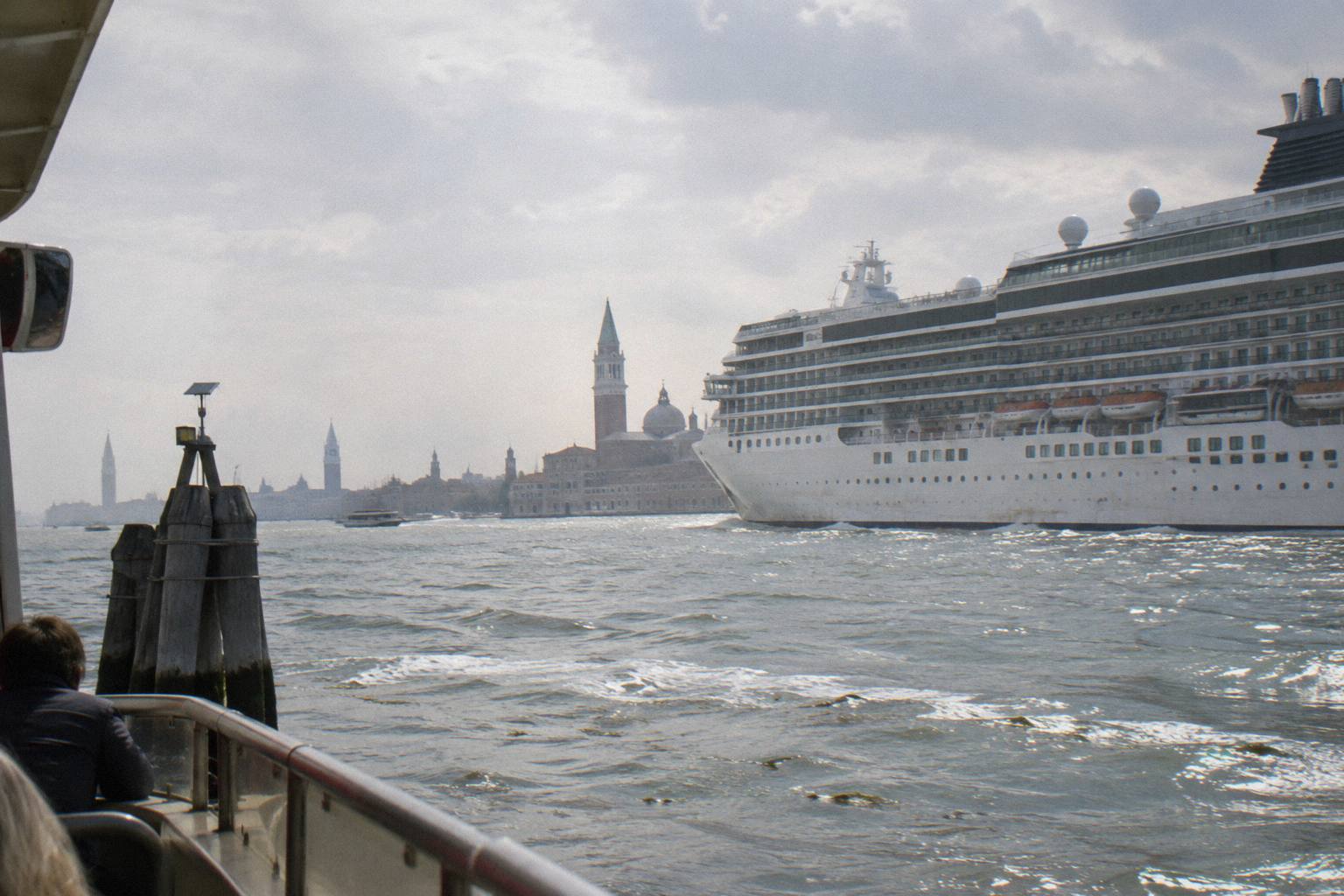
Virgin Voyages' own pride statement is unusually direct for a mainstream line: pride is, in its words, a philosophy baked into its identity rather than a month-long celebration. That positioning, published on the operator's page, is why its ships anchor so many LGBTQ+ charters, and why a Scarlet Lady sailing is the featured product on this page. The trio below compares the three ships a canal shopper most often weighs, and readers deciding between mega ship energy and something smaller can compare against the wider field in the round-up of the best gay cruise options.
| Ship | Type | Guests | Built | Charter operators | Embarks from |
|---|---|---|---|---|---|
| Scarlet LadyVirgin Voyages | Mega Ship | 2,770 | 2020 | Atlantis Events, BearCruise, Big Gay Cruise | Miami, Athens (Piraeus) |
| Resilient LadyVirgin Voyages | Mega Ship | 2,770 | 2022 | Atlantis Events | Miami, Barcelona |
| Avalon PanoramaAvalon Waterways | River Ship | 166 | 2011 | Olivia Travel | Frankfurt |
Beyond the Virgin pair, the operators covered here include Freedom of the Seas, a 3,782 guest Royal Caribbean ship built in 2006, and Eurodam, Holland America's 2,104 guest ship from 2008, both plausible hosts for group sailings through canal country. Eurodam is also the ship class behind Olivia Travel's about $999 interior fares on Holland America Line product, which shows how a mainstream large ship can carry an LGBTQ+ group programme at a far lower entry price than a full charter. At the small end, Star Seeker sails for Windstar, Le Dumont d'Urville for Ponant and World Navigator for Atlas Ocean Voyages, and expedition ships of that class are the ones most likely to run full canal transits with naturalist programming, since the Panama route rewards slow observation of the rainforest and the lock machinery alike.
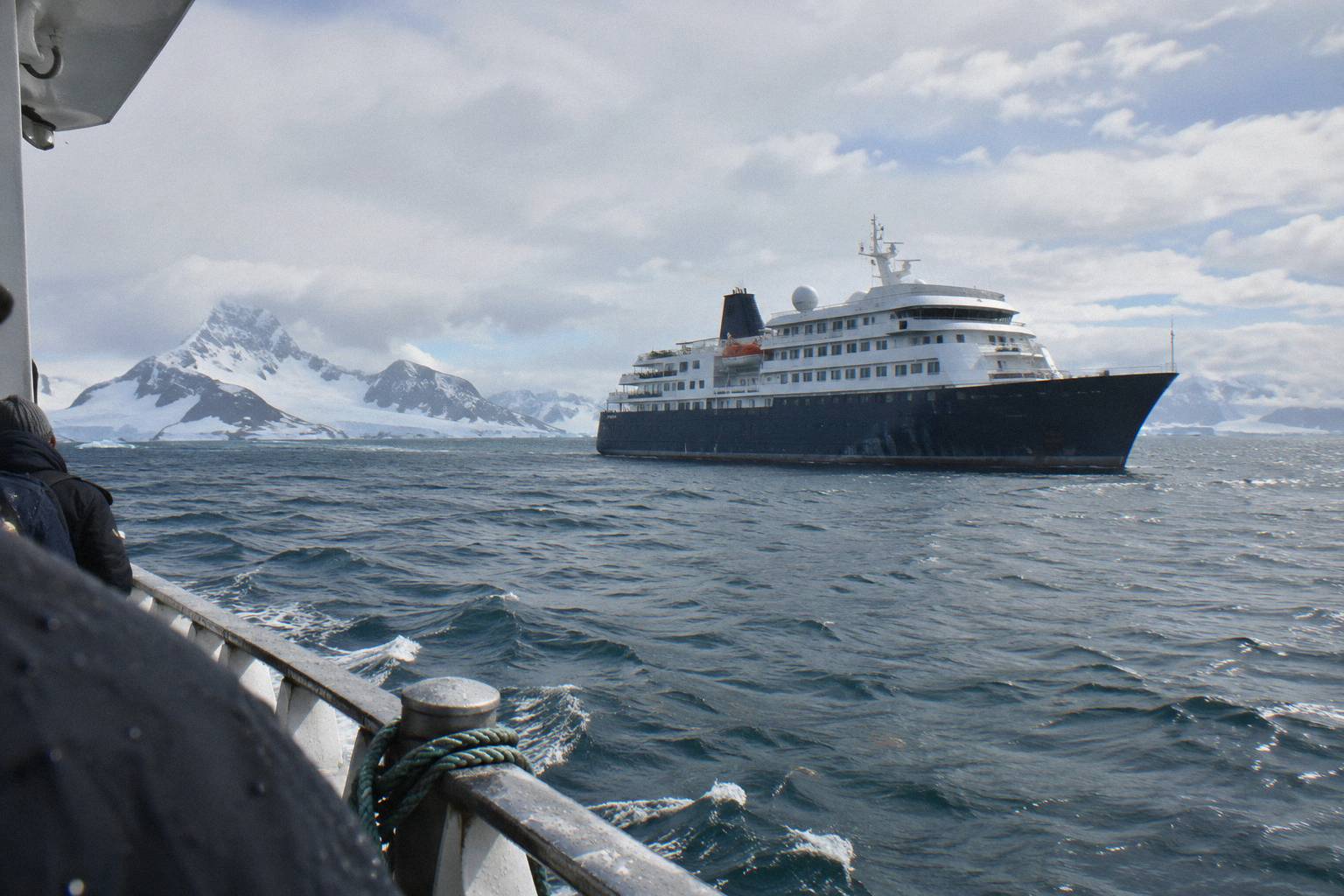
Size also dictates the itinerary geometry, not just the mood. The canal's lock chambers set a hard physical ceiling on beam and length, and while every ship on this roster is built to fit where its line operates, the mega ships tend to run the classic Florida to Pacific full transits or turn-around partials, while the expedition vessels can work in smaller calls along the Central American coast either side. Guests per ship, from 2,104 on Eurodam to 3,782 on Freedom of the Seas, is the number that most changes what the onboard charter feels like: a full-ship takeover of a 2,100 guest vessel has a different density and a different social rhythm from a 2,770 or 3,782 guest one, and neither is better, they are simply different products.
| Ship | Line | Class | Guests | Built |
|---|---|---|---|---|
| Scarlet Lady | Virgin Voyages | Mega | 2,770 | 2020 |
| Resilient Lady | Virgin Voyages | Mega | 2,770 | 2022 |
| Freedom of the Seas | Royal Caribbean | Large | 3,782 | 2006 |
| Eurodam | Holland America Line | Large | 2,104 | 2008 |
| Star Seeker | Windstar Cruises | Small | Not published | Not published |
| Le Dumont d'Urville | Ponant | Expedition | Not published | Not published |
| World Navigator | Atlas Ocean Voyages | Expedition | Not published | Not published |
Guest counts and build years above come from the operators' own sites; where an operator does not publish a figure, the table says so rather than guessing. If the decision is coming down to a specific sailing on a specific ship, that is the moment to talk through the ship choice for free with someone who can see live availability across operators.
How Safe Is It Ashore For LGBTQ+ Travellers?
The official advice from the UK FCDO and US State Department contains no country-specific warning against LGBTQ+ travel anywhere on the canal route. What it does contain is the tolerance wording already quoted for Panama and Mexico, full legality in Costa Rica and Colombia, and nothing else. Practical on-shore safety on a gay Panama Canal cruise therefore looks much like any port day: book through the ship or a vetted operator, keep to populated areas, and carry the ship's contact details.
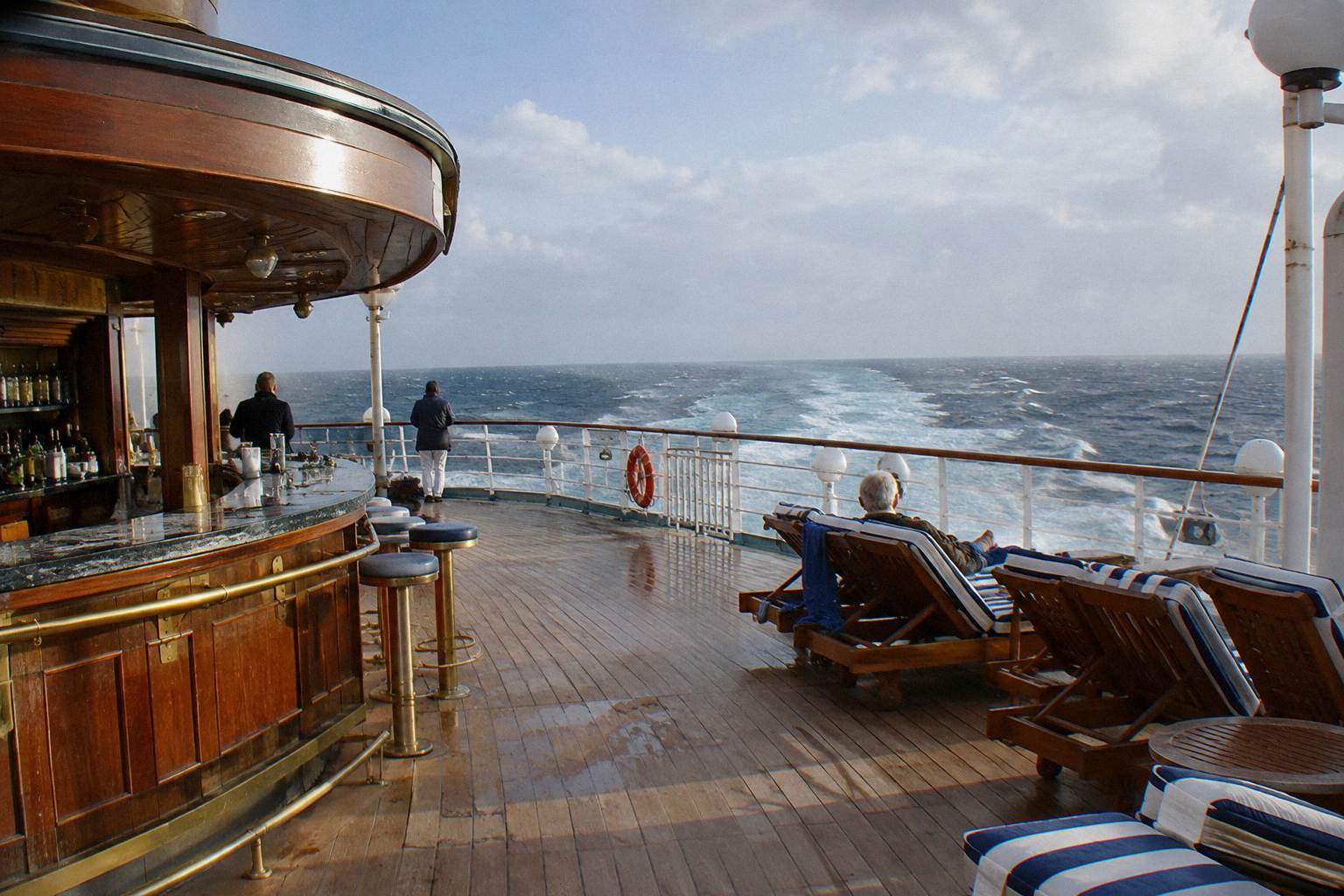
Neutral, practical habits do most of the work in port. Panama's ports, Colon and Fuerte Amador among them, are working maritime zones where the standard cruise advice about staying with organised excursions applies to everyone, not specifically to LGBTQ+ travellers. Cartagena in Colombia is a walled city with a strong tourist core, and Costa Rica's Caribbean ports sit in small towns oriented to the cruise trade. The advisory file supports no claim that any of these is unusually risky for gay visitors, and this page will not invent one.
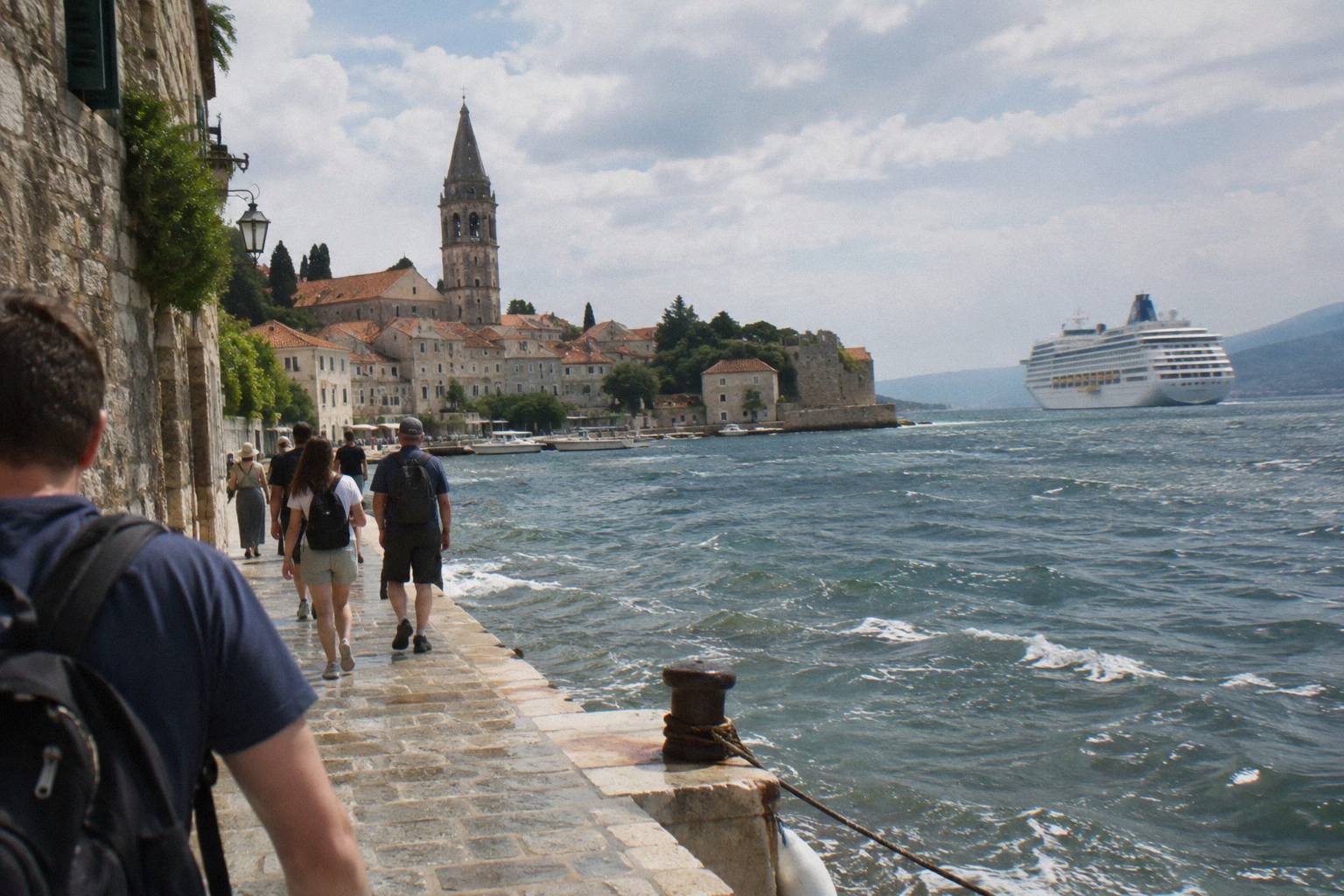
The FCDO wording is the ceiling of what can be said. For Panama, the official local laws page states the legal position and the tolerance note quoted earlier, and that is the whole of the sourced picture. Mexico, on itineraries that call at Mexican ports before or after the crossing, gets the generally tolerated rather than accepted wording, with civil unions legal nationwide. Neither phrase is a travel warning; both are context, and both are worth knowing before a port day rather than during one.
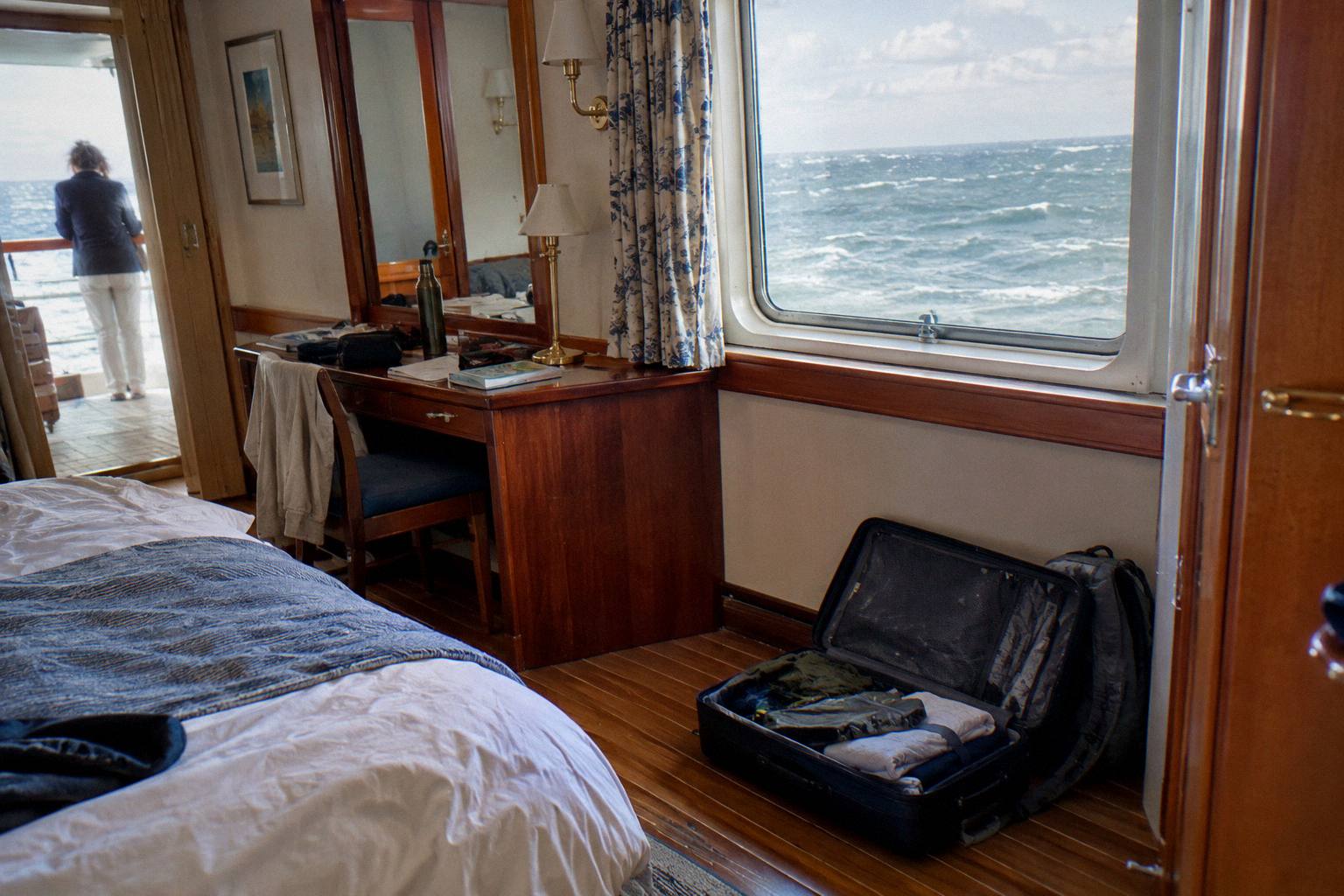
Ashore behaviour on any charter follows the same source-bound rule this site applies everywhere: the operator's published rules set what happens on board, and the official advice sets expectations ashore. Nothing on the operators' sites describes clothing-optional port events, private island takeovers or any other specific shore programming on canal itineraries, so this page claims none. What the operators publish shows a mature charter market, 11 operators, 90 sailings, that runs these itineraries routinely and publishes its terms openly.
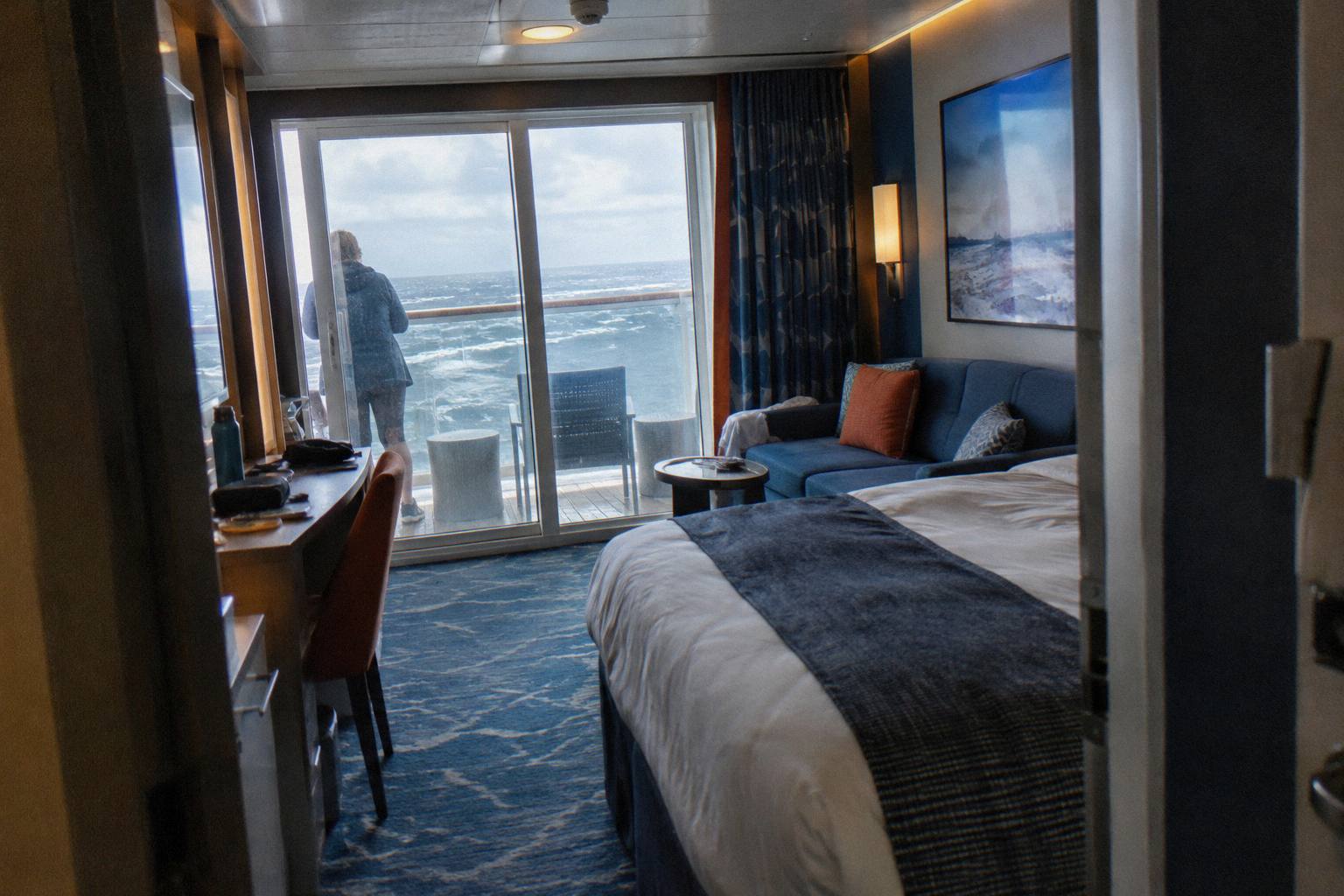
A few ordinary port-day practices cover most of the rest. Take the ship's excursion or a vetted local operator rather than an unlicensed offer on the quay; keep a photo of your passport separate from the document itself; agree taxi fares before getting in where meters are not the norm; and note the all-aboard time before you leave the terminal. Couples and groups should also keep in mind that internet access ashore varies widely between Colon, Cartagena and the Costa Rican coast towns, so a meeting point agreed before disembarking beats a plan that depends on messaging. None of this is specific to gay travellers, and that is the point: the sourced advice distinguishes the region's legal textures, not its physical risks to LGBTQ+ visitors.
Mistakes That Trip Up First Time Canal Cruisers
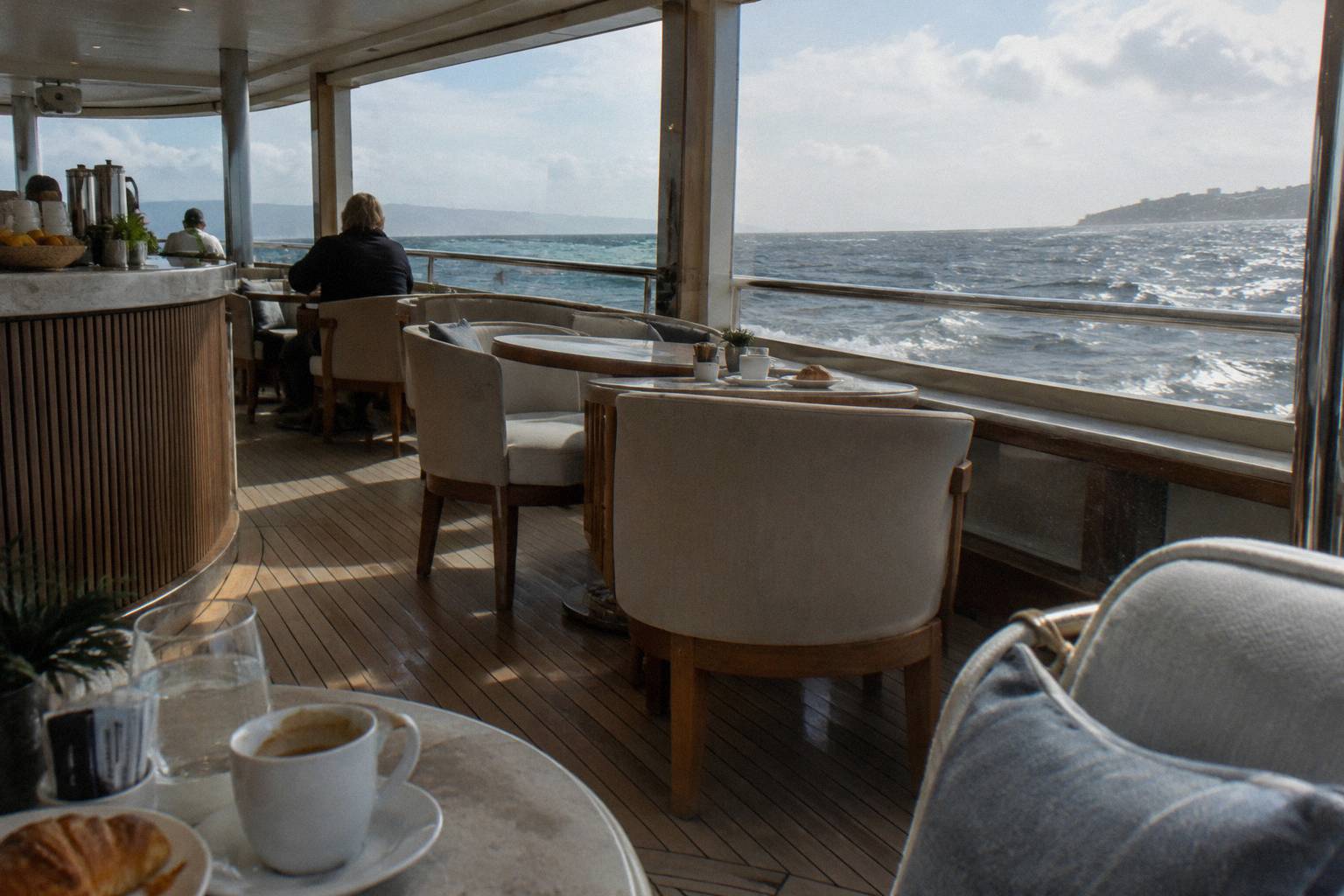
The most avoidable errors are all planning errors: waiting for a fare drop in a market where 29 of 90 sailings are already sold out or waitlisted, booking a partial transit when a full crossing was the actual goal, and treating four countries as one legal zone when two have marriage equality and one does not recognise civil unions. Each mistake has a fix that takes minutes, not months.
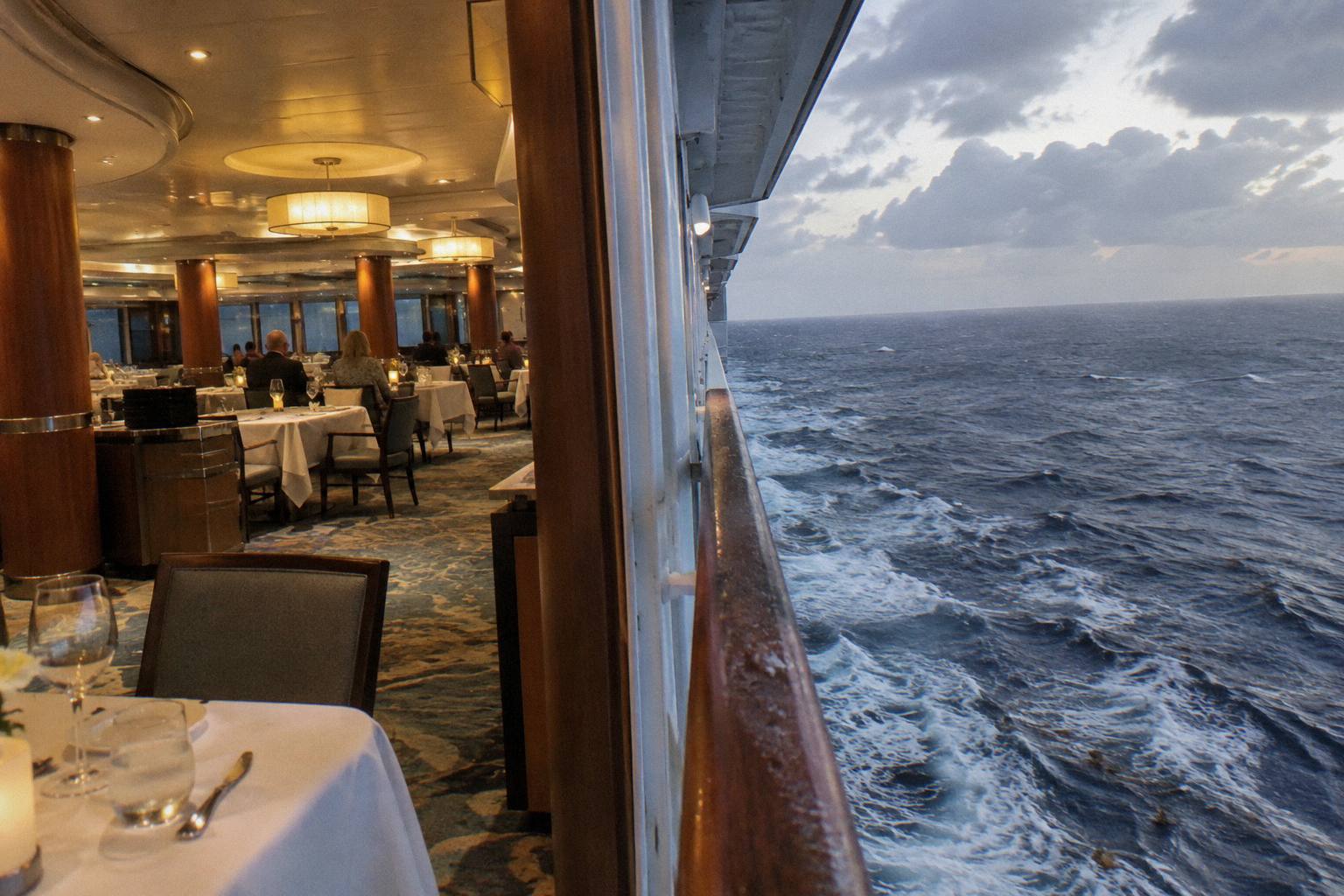
The waiting mistake comes first because it is stark. VACAYA's entire file of 8 sailings shows sold out or waitlisted, and Atlantis shows 4 of 6 gone. This is not a market that rewards hesitation, and it is not a market where last-minute discounts are a documented pattern. The fix: decide early, and if the price is the blocker, ask a partner agent to compare fare bases across operators, from Atlantis interiors at $1,199 to Waves of Pride's $1,609.40 all-in fare plus its $149 to $199 entertainment fee.
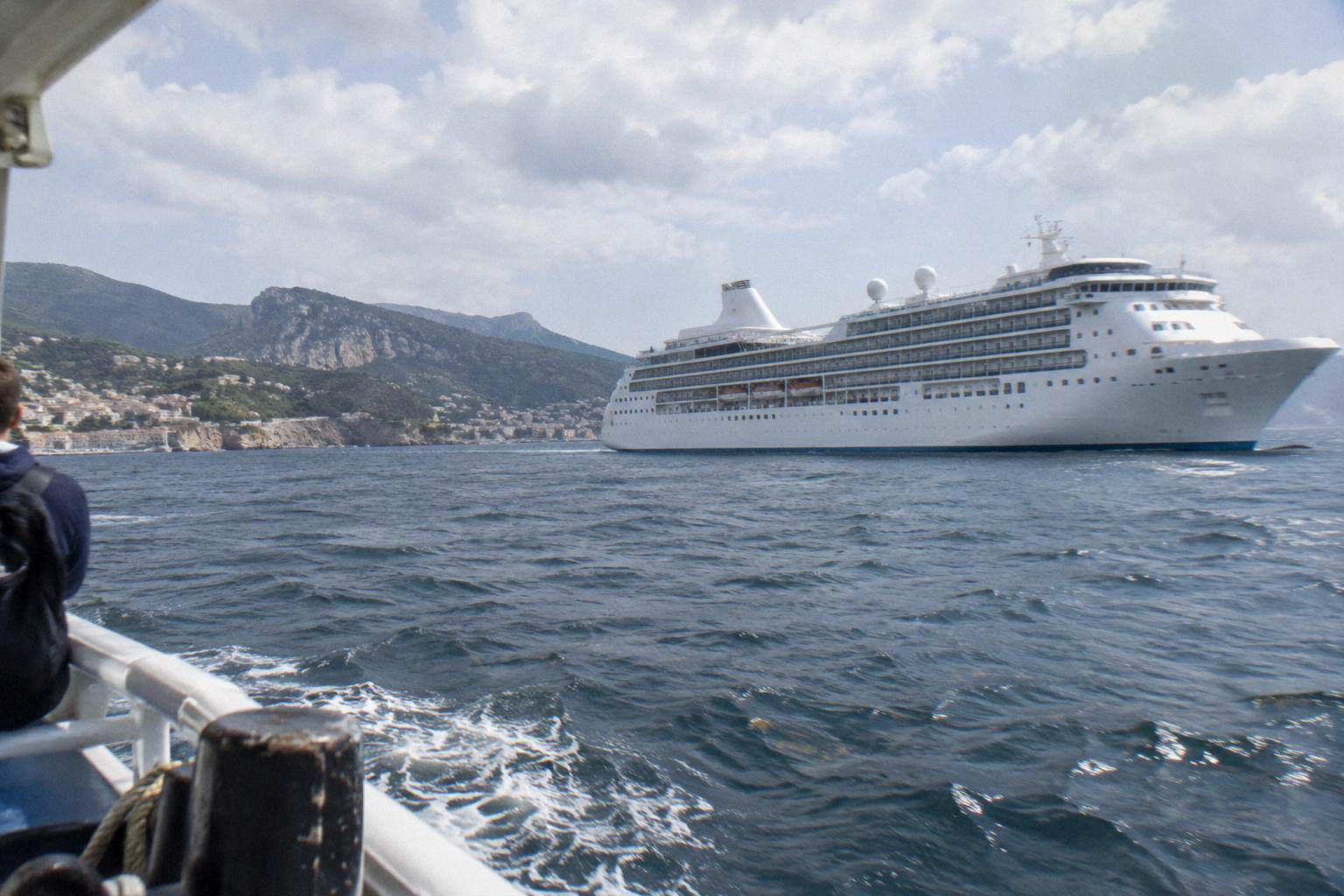
The transit mistake is about expectations. A partial transit turns around in Gatun Lake and returns to the Caribbean side; a full transit ends on the other coast, which changes your flights, your packing and your whole route home. Neither is wrong, but they are different products sold under similar names, so read the itinerary line by line and check which coast the cruise ends on before booking flights. The legal-zone mistake is simpler still: read the port law table above once, note that Costa Rica and Colombia carry full marriage rights and Panama does not recognise civil unions, and calibrate port-day expectations accordingly. Travellers who want a second opinion on the calendar itself can cross-check dates in the full gay cruise calendar before committing.
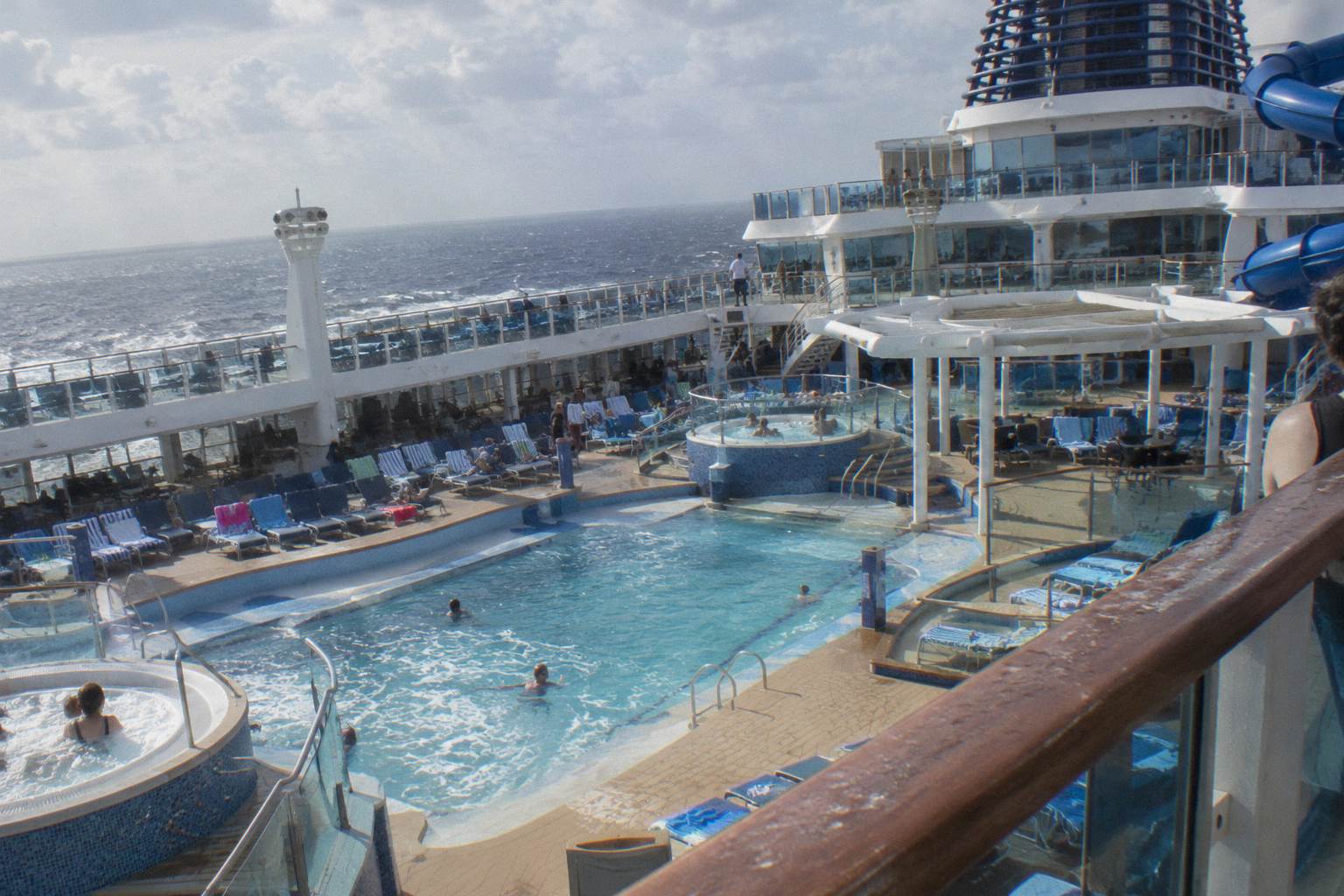
A fourth mistake deserves its own sentence: comparing charter fares on the headline number alone. Atlantis quotes a cabin fare, Waves of Pride quotes a fare that already includes taxes and gratuities but adds a separate entertainment fee, and Brand g quotes at a wholly different luxury tier. Only when the basis matches can the numbers be compared honestly. A fifth is assuming the ship does not matter because the canal is the destination; two days at sea on a 2,104 guest ship and on a 3,782 guest ship are genuinely different experiences, and the charter's programming fills those sea days. Getting the basis and the ship right at the start is exactly the kind of question the free consultation exists to answer, at no cost and with no obligation to book anything.
| Mistake | Why It Happens | The Fix |
|---|---|---|
| Waiting for a price drop | 29 of 90 sailings already sold out or waitlisted | Book or waitlist early; compare fare bases across operators |
| Confusing partial and full transits | Similar marketing names | Check whether the itinerary ends on the opposite coast |
| Treating the route as one legal zone | Four countries in one week | Read the FCDO wording per country before port days |
| Ignoring the entertainment fee | Charter fares quote a base only | Ask what the fare covers; Waves of Pride lists $149 to $199 separately |
| Picking a ship by price alone | Mega ship and expedition products differ sharply | Decide whether the crossing day or the ports matter more |
Common Questions About Gay Panama Canal Cruises
Is a gay Panama Canal cruise a good idea for a first cruise?
It can be, with one caveat. The canal crossing is a genuine spectacle and the charter market serves it with established operators. The caveat is that the route covers four countries with different legal situations, so a first-timer should read the port law table above and pick a ship whose style matches theirs, from a 2,770 guest mega ship to a small expedition vessel.
Which gay cruise operators sail Panama Canal itineraries?
Operator files on this site list 90 charter and group sailings across 11 brands, including Atlantis Events, VACAYA, Brand g Vacations, Olivia Travel, BearCruise and KelliGregg Travel. Whether a specific sailing transits the canal depends on that year's itinerary, so the sailing calendar is the honest place to check.
Is same-sex marriage legal in the countries on the route?
Costa Rica and Colombia both have legal same-sex marriage, Costa Rica since 2020. Panama legalises same-sex relationships but the UK FCDO states same-sex civil unions are illegal there. Mexico permits same-sex civil unions, and its advisory wording describes same-sex relations as generally tolerated rather than accepted.
How much does a gay Panama Canal cruise cost?
Fares vary by operator and cabin. Atlantis Events lists interiors from $1,199 to $1,799 per person on current 7 to 9 night sailings, Waves of Pride lists from $1,609.40 including fare, taxes and gratuities plus a $149 to $199 entertainment fee, and Brand g Vacations runs from about $4,900 to about $22,300 per person at the luxury end. All figures are per person, lowest category, as the operators published them.
What is the best ship for a gay canal cruise?
There is no sourced single best. Scarlet Lady and Resilient Lady host the most LGBTQ+ charter activity on this site's roster, while expedition ships such as Le Dumont d'Urville and World Navigator suit travellers who want a slower, nature-focused crossing. The choice depends on whether you want the crossing day or the ports to be the highlight.
Is it safe to go ashore on LGBTQ+ terms at canal ports?
The official advice from the UK FCDO and US State Department contains no LGBTQ+ specific travel warning for any country on the route. The FCDO notes most Panamanians are generally tolerant of LGBT+ travellers, and Costa Rica and Colombia carry full legal equality. Standard cruise port habits, booking through the ship and staying in populated areas, apply as they would anywhere.
More Regions And Ports
 Caribbean Gay CruiseGay charters, port laws and ship picks for a Caribbean gay cruise.Read the guide
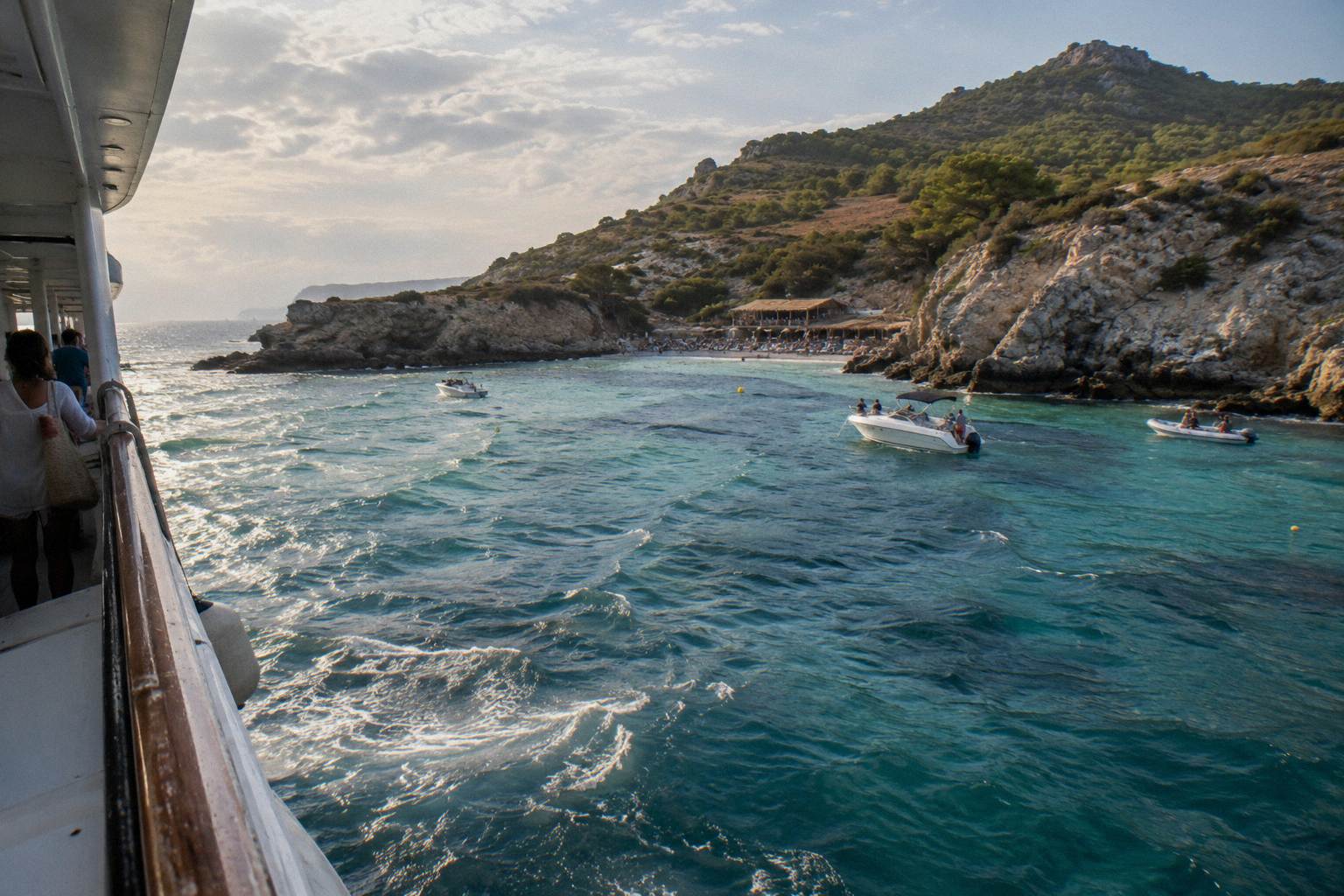 MediterraneanGay charters, ships and port-by-port legal advice for the Mediterranean.Read the guide
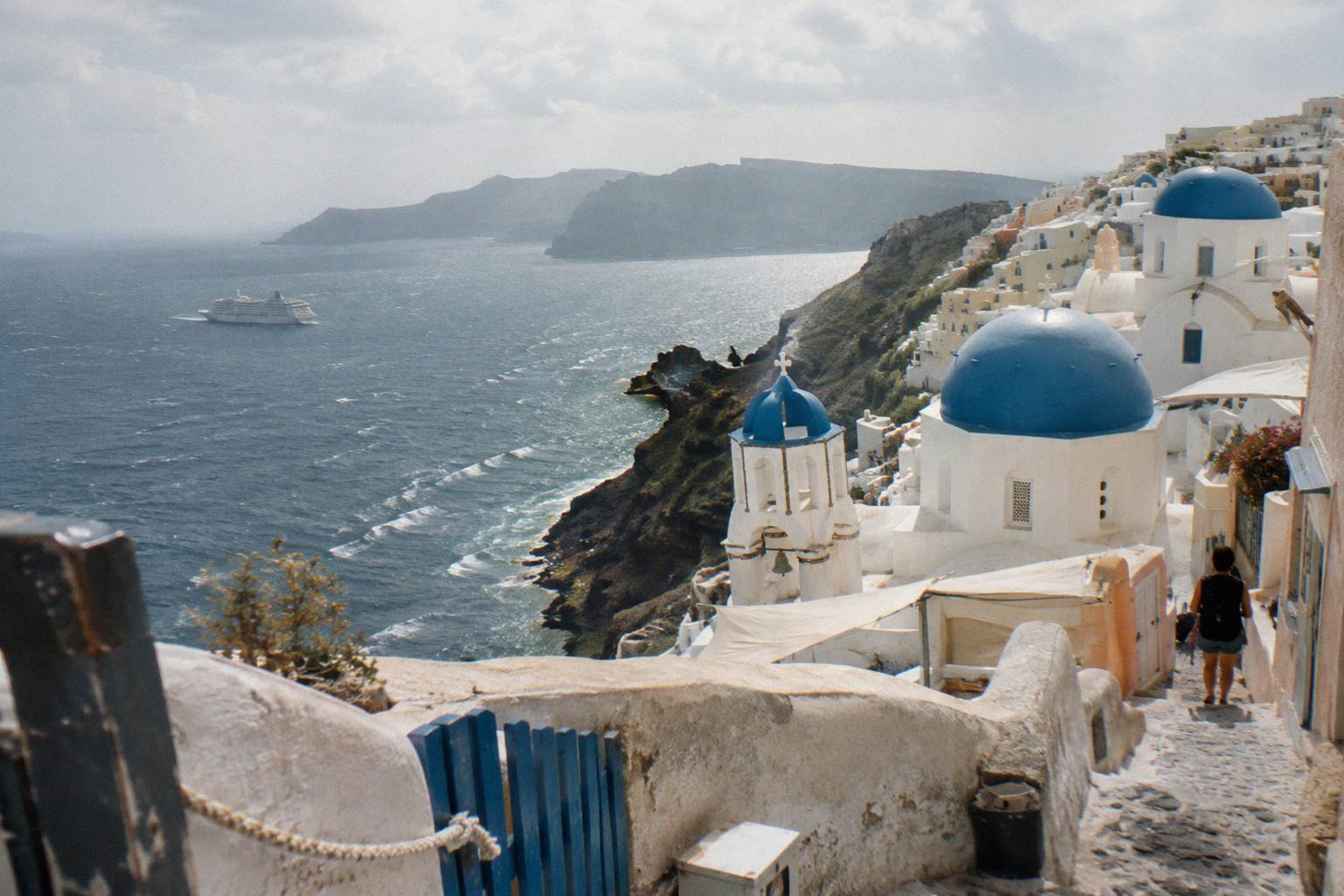 Greek IslesGay charters from Athens across the Greek Isles: operators, ships, laws and season.Read the guide
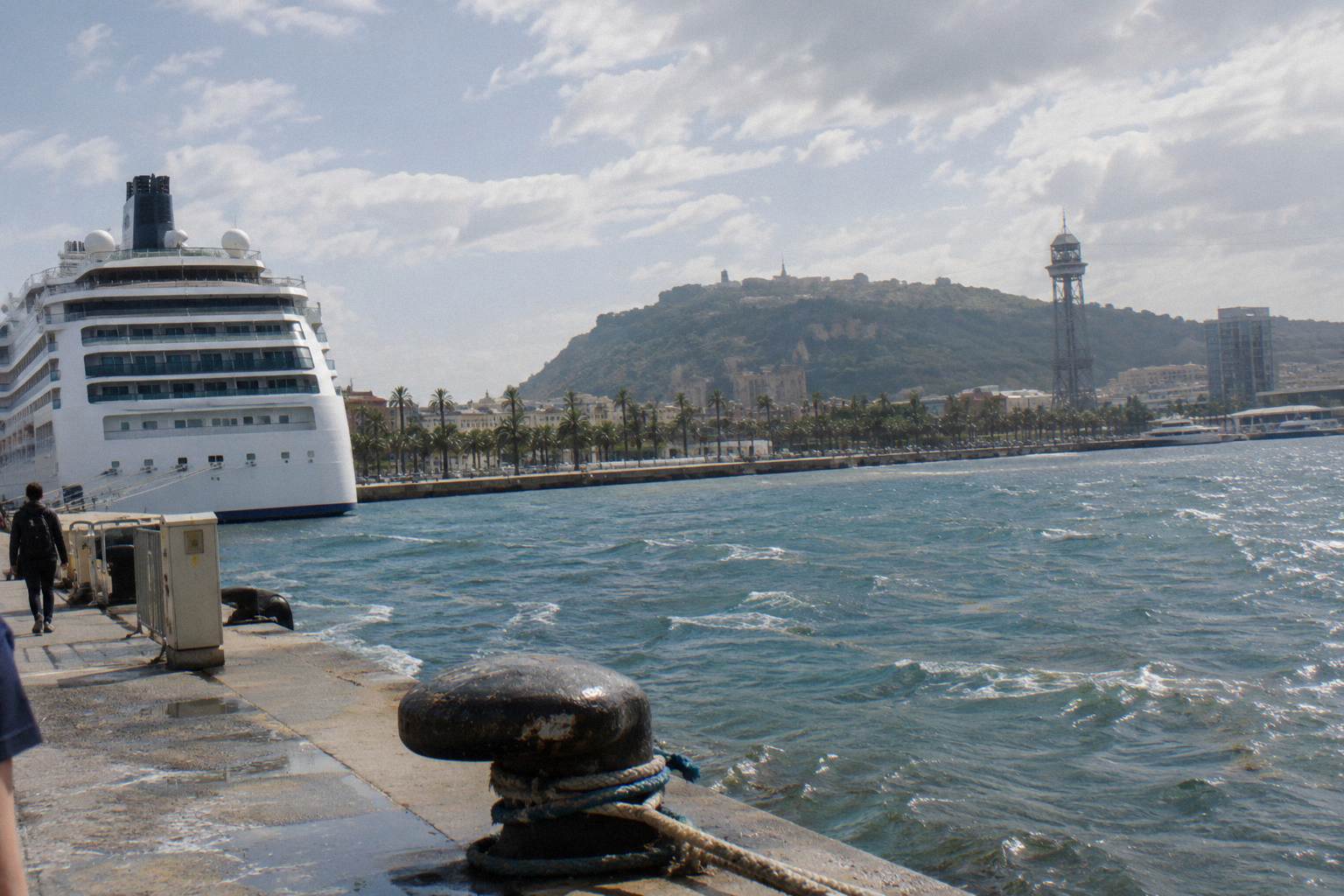 Gay Europe CruisesCharters, port laws, ships and season advice for a gay Europe cruise.Read the guide