Are Cruise Staff Allowed To Date Passengers?
The short answer is no, and the reasons sit in employment contracts and maritime conduct codes rather than in any single brochure. Here is what the operators publish, what a breach means for crew, and how it plays out on LGBTQ+ charter sailings.
This page sits in Questions Answered, the hub where this site answers the pre-booking questions LGBTQ+ cruisers actually ask.
Quick Facts
| Fact | What The Record Shows |
|---|---|
| Core rule | Crew-passenger romantic relationships are prohibited under industry conduct codes and crew contracts |
| Who it binds | Ship's crew and staff, as a condition of employment |
| Consequence for crew | Disciplinary action up to dismissal, at the line's discretion |
| Consequence for guests | Usually none, though harassment of crew is a guest-conduct matter |
| Why it exists | Power imbalance, safety at sea, and maritime employment law |
| Charter cruises | LGBTQ+ charter operators host on mainstream ships; the host line's crew rules still apply |
| Source of truth | Each line's published code of conduct and each operator's booking terms |
| Data point | 90 charter and group sailings listed across 11 operators as of 10 November 2026 |
Are Cruise Staff Allowed To Date Passengers?
No. Cruise lines ban romantic or sexual relationships between crew members and passengers, and the rule is written into employment contracts and shipboard codes of conduct rather than passenger brochures. A crew member who crosses that line faces discipline up to dismissal regardless of the passenger's wishes. Because it is an employment policy, it binds the crew member, not the guest, and it applies across every ship class, from small river vessels to the largest mega ships.
The question tends to come up before booking, and it is a fair one to ask. A cruise is an enclosed environment where guests and crew interact daily: at dinner, on excursions, at the bar, at the spa. The social distance that exists on land between a hospitality worker and a customer compresses on a ship, and a week of friendly exchanges can read as something more. Passengers planning an LGBTQ+ charter cruise sometimes wonder whether the dynamic differs there too, since the atmosphere on a gay cruise charter is famously open.
The honest answer is that the employment side of the equation does not change. A charter operator such as Atlantis Events, founded in 1991, or VACAYA, founded in 2017, rents the ship from a mainstream line and brings its own entertainment, hosts and programming. The ship's own crew, the waiters and engineers and stateroom attendants, remain employees of the host line, and their contracts travel with them. A friendly bartender on an Atlantis sailing is governed by exactly the same conduct code as one on a standard sailing of the same ship.
Where public information is silent, this article says so plainly. The lines do not publish the full text of crew employment contracts, and the operators' public pages do not itemise fraternisation clauses. What follows is built from what the industry and the operators publish, plus the sailing facts this site has gathered.
What The Cruise Lines Actually Publish
Cruise lines publish guest-facing codes of conduct while keeping crew employment terms internal, so the passenger-visible documents confirm the principle while the contractual detail stays between the line and its crew. Where lines address the question at all, they describe crew-passenger relationships as prohibited fraternisation under shipboard conduct policies, and nothing reviewed here suggests a mainstream line permits it.
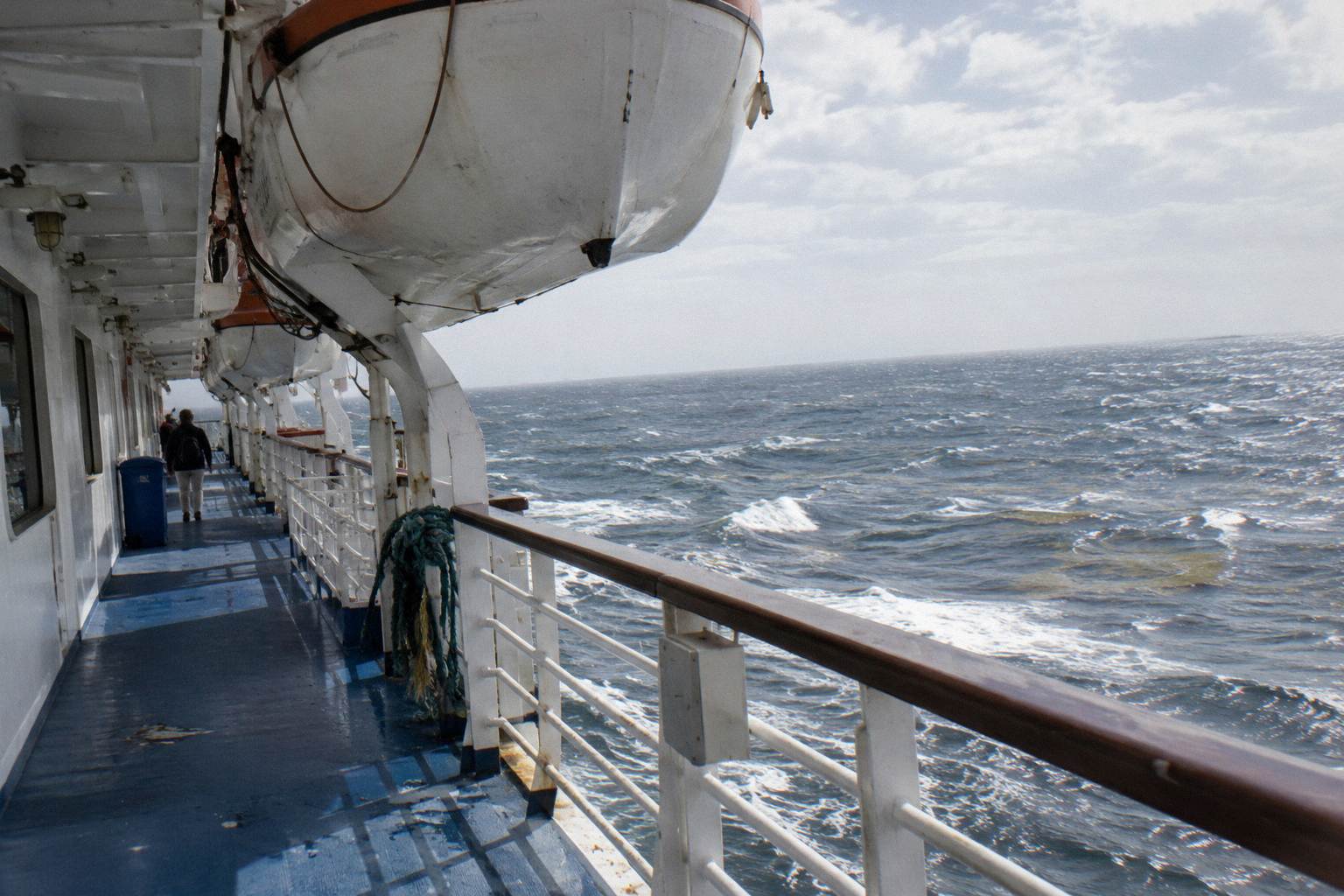
The mainstream lines whose ships appear on this site's roster include Virgin Voyages, Royal Caribbean, Celebrity Cruises, Atlas Ocean Voyages and Delfin Amazon Cruises. None of their public guest materials promise anything about crew dating, and none needs to: the rule lives in the employment relationship, not in the ticket contract. The ticket contract governs the guest; the conduct code governs the crew. Two documents, two audiences, one boundary between them.
Virgin Voyages is an interesting case because the line's own pride statement is explicit that inclusivity is, in its words, a philosophy baked into its identity rather than a single month's celebration. That culture shapes guest experience on ships like Scarlet Lady, built 2020, and Valiant Lady, each carrying 2,770 guests. It does not, however, rewrite the employment rules for the people working those ships. Warmth from crew is part of the product; availability is not.
If matching a line's culture to your travel style is part of your decision, a free conversation can shortcut the research. This site offers a free gay cruise consultation that covers line fit, ship choice and sailing timing, with no obligation attached.
Why The Rules Exist: Power, Conduct And Maritime Law
The rules exist because a cruise ship is a workplace first and a holiday venue second, and the crew-passenger relationship carries a power imbalance an employer cannot ignore. Crew depend on their employer for wages, lodging and repatriation, so a relationship with a guest sits inside that dependency. Maritime employment law reinforces the employer's authority over shipboard discipline, which is why lines treat this as a contractual conduct and safety matter.
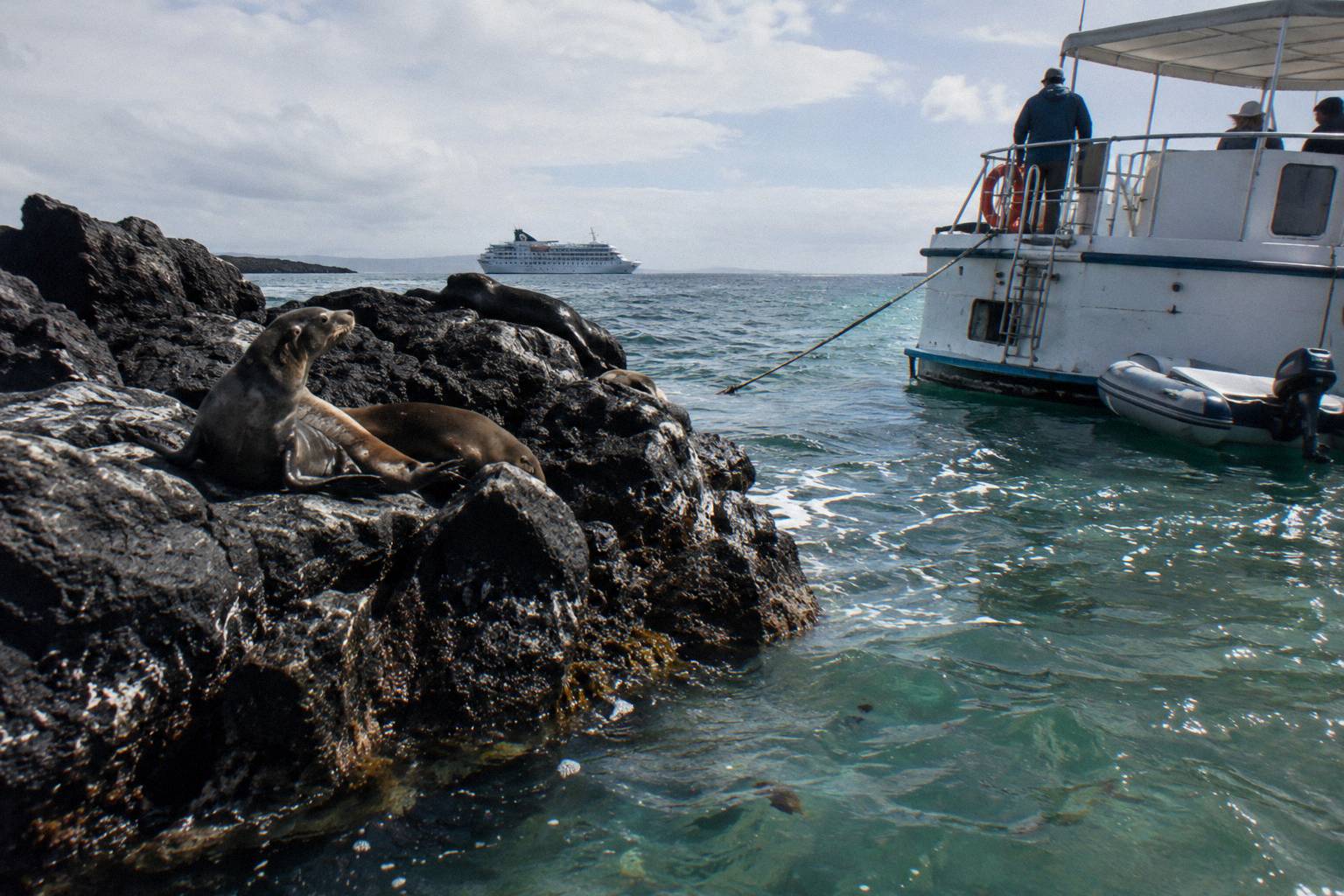
Three practical reasons recur in how the industry frames these policies. First, favoritism and distraction: a crew member whose attention is split between duties and a guest is a service and safety problem on a vessel. Second, accountability: if a guest complaint arises from a relationship, the employer has no clean way to adjudicate it, so the cleaner rule is prevention. Third, protection in both directions: the same policy that protects passengers from pressure protects crew from unwanted pursuit by guests, and guest-to-crew harassment is treated seriously under the same conduct framework.
None of this is unique to cruising. Hotels, airlines and resorts operate similar fraternisation boundaries between staff and customers. What makes a ship different is that the workplace cannot be left at the end of a shift. Everyone is aboard for the duration, in international waters for much of it, under the flag state's maritime law and the master's authority. That is why the consequences for crew are contractual and swift rather than informal.
For guests, the practical takeaway is simple: enjoy the crew's professionalism, tip as the line advises, and treat any romantic interest in a crew member as off-limits. If you are weighing which ship culture suits you, the size of the vessel shapes how much crew interaction you even get, which the comparison later in this article covers.
How LGBTQ+ Charter Operators Handle Guest-Staff Boundaries
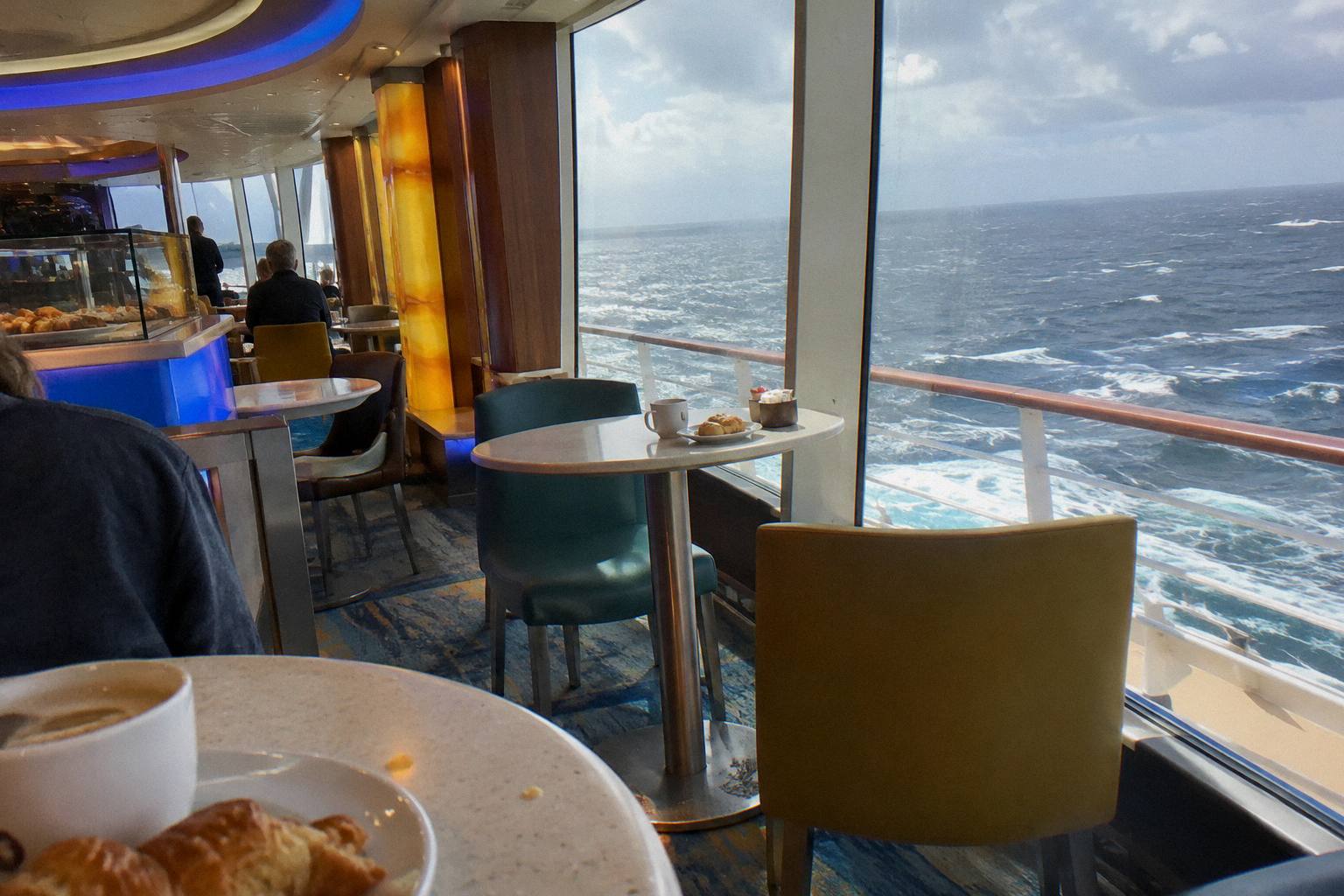
LGBTQ+ charter operators travel with their own hosts, entertainers, and staff, so the key boundary sits between the charter's team and the host line's crew. The operator's hosts socialise with guests because that is part of the product, while the ship's crew stay under their line's employment rules. In short, the party is run by the charter and the ship is run by the line, with the two teams answering to different rulebooks on one deck.
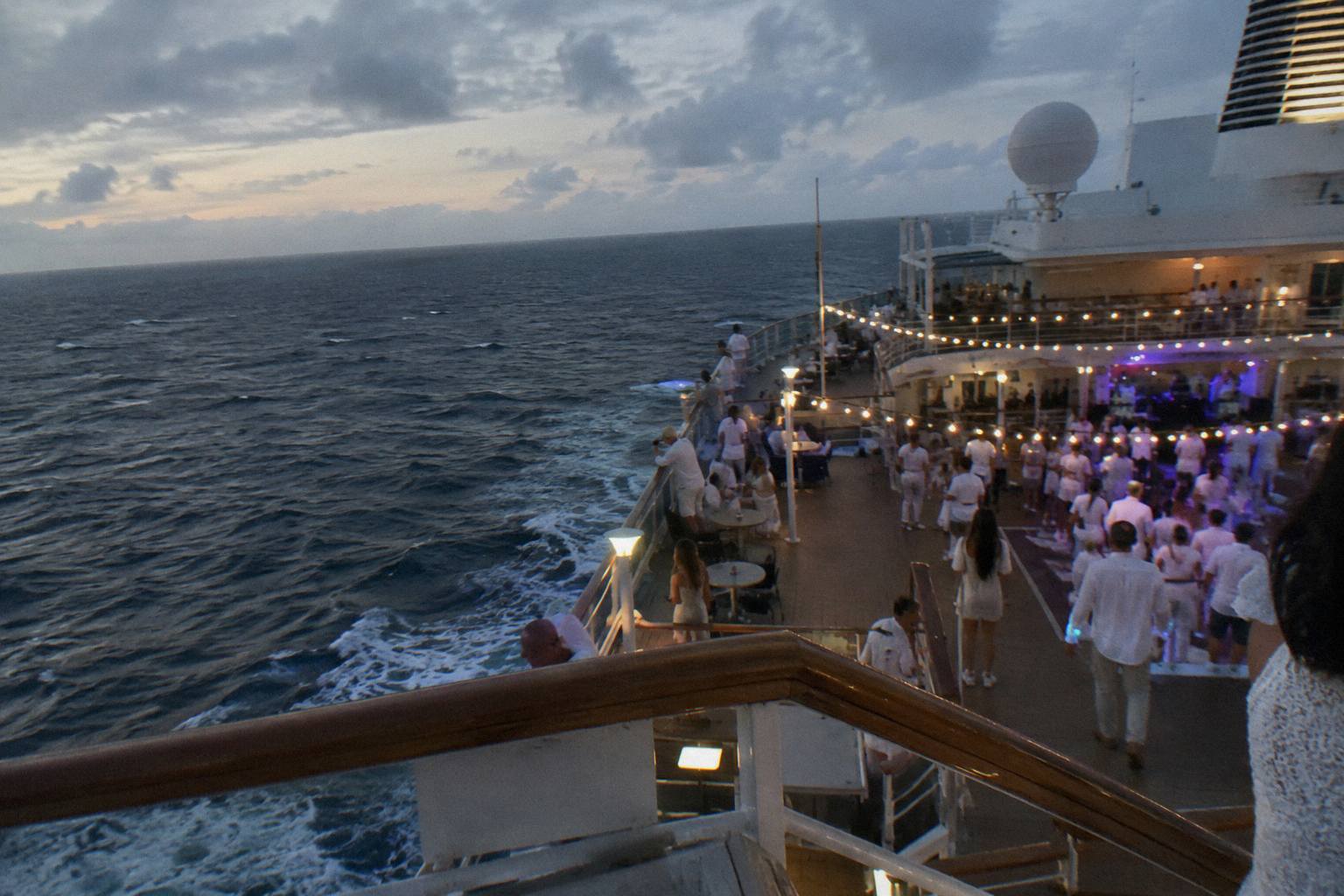
On an Atlantis Events sailing, currently showing interior fares from $1,199 to $1,799 per person on 7 to 9 night itineraries, the entertainers, DJs and hosts are part of the charter package, and the atmosphere is famously social. Guests sometimes read that openness as extending to the ship's permanent crew. It does not. The waiter, the stateroom attendant and the officer on watch are employees of the host line, and their conduct code is the one described above. The operator's own performers and staff operate under the charter's arrangements, which are professional engagements rather than open invitations in either direction.
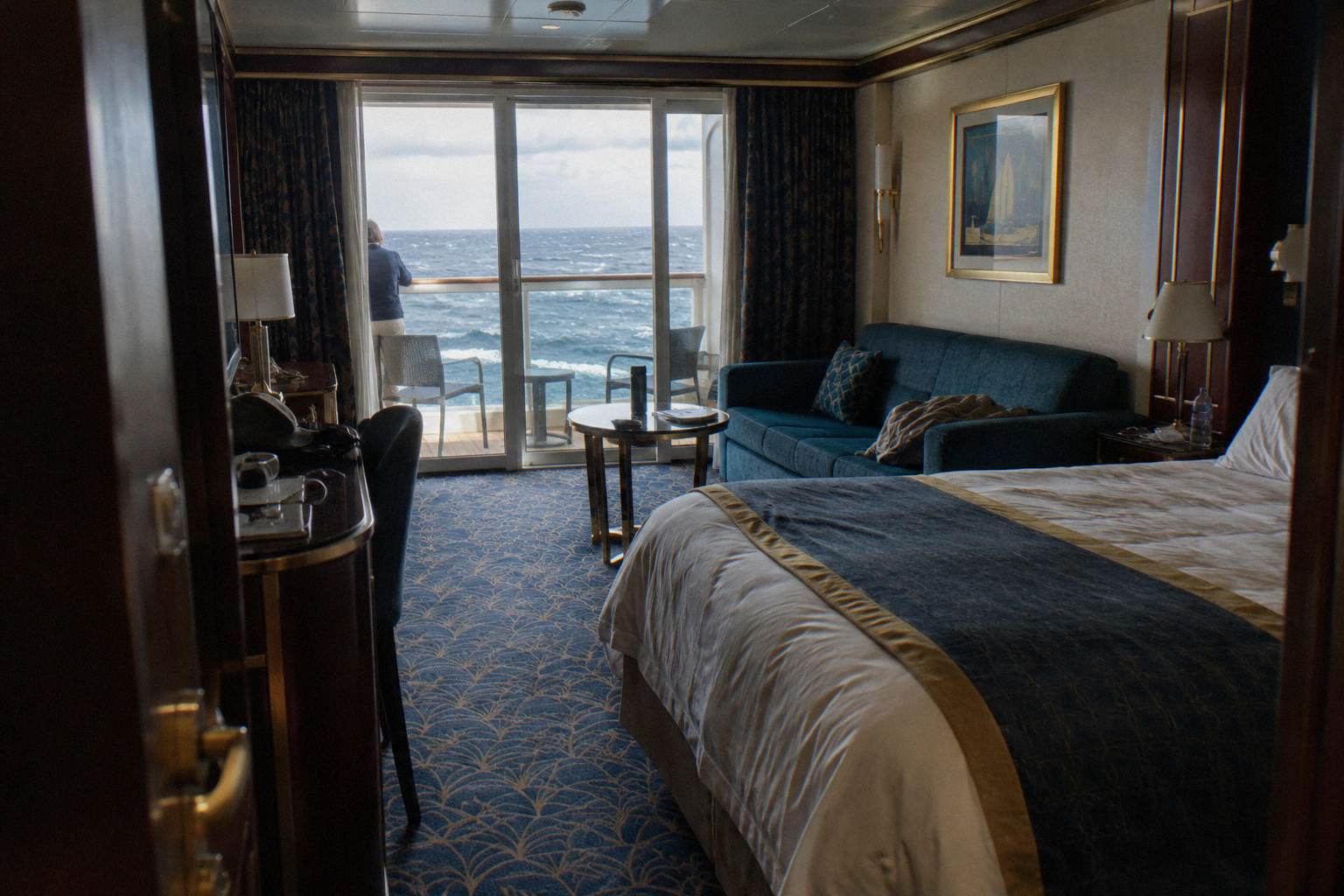
VACAYA, with fares from about $3,719 for a Mediterranean eclipse cruise to $12,537 for Madagascar to Seychelles, works the same way: chartered ship, chartered atmosphere, host line's crew. The VACAYA official site describes its mixed LGBTQ+ audience and its programming, and its booking terms, like any operator's, are the place where conduct expectations for guests are set out. RSVP Vacations, founded 1985 and one of the oldest names in the space, publishes its own sailing terms likewise at the RSVP Vacations official site.
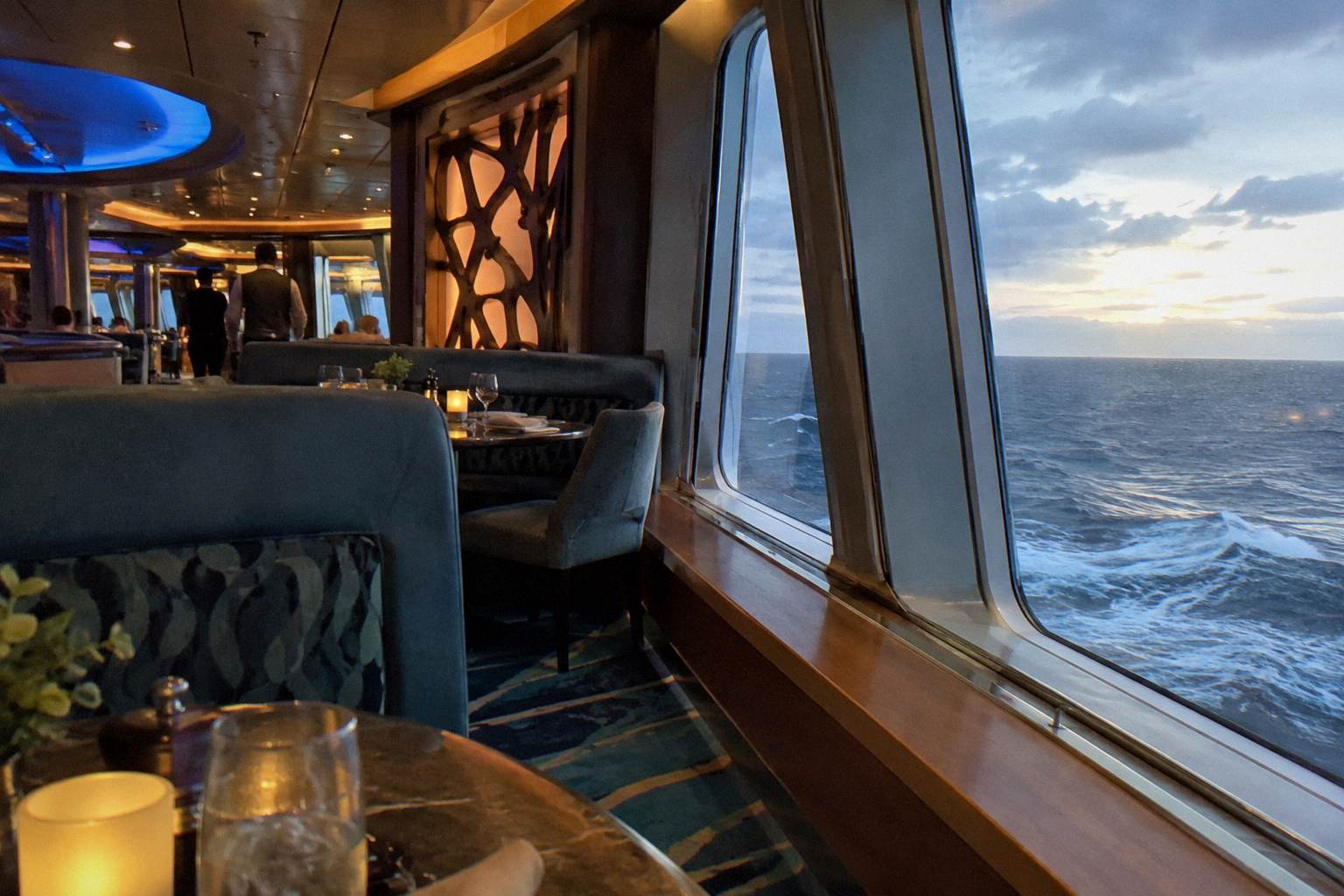
The scale of the charter market is worth knowing, and the table below summarises the announced sailings across the operators. Olivia Travel alone accounts for 19 sailings from December 2026 to May 2028, with 10 already showing sold out or waitlist. If a specific charter appeals, timing matters more than most first-time bookers expect, and talking through your sailing options costs nothing.
| Operator | Founded | Audience | Sailings Listed | Sold Out Or Waitlist | Fares Per Person (Lowest) |
|---|---|---|---|---|---|
| Atlantis Events | 1991 | Gay men | 6 | 4 | Interior from $1,199 to $1,799 on 7-9 nights |
| VACAYA | 2017 | Mixed LGBTQ+ | 8 | 8 | From about $3,719 to $12,537 |
| Olivia Travel | Not stated | LGBTQ+ women | 19 | 10 | From about $999 to $6,899 and up |
| Brand g Vacations | 2011 | LGBT+, mixed | 24 | 5 | From about $4,900 to about $22,300 |
| BearCruise | Not stated | Bears and admirers | 6 | 0 | Not published |
| Big Gay Cruise | Not stated | Mixed LGBTQ+ | 6 | 0 | Not published |
| Out Adventures | 2009 | Gay men / LGBTQ+ | 2 | 2 | $7,495 to $22,585 |
| Waves of Pride | Not stated | LGBTQ+ | 1 | 0 | From $1,609.40 plus a $149-199 fee |
The pattern in that table is worth pausing on. The operators with the longest booking windows, Brand g's 24 sailings running to October 2028, still show 5 sold out or waitlisted, while Out Adventures shows both of its sailings unavailable. Demand in this niche concentrates early, which is a planning fact, not a sales pitch: it simply means the question about crew boundaries is best settled before the sailing you want closes.
What Happens If A Crew Member Breaks The Rule
Crew members caught pursuing relationships with passengers face disciplinary action from their employer, which can include dismissal, while the passenger is generally treated as a witness rather than an offender. The exact process varies by cruise line and none publish full details, but the industry's structure makes clear that discipline is handled by the ship's master and the employer, with the crew member carrying the professional risk in every scenario.
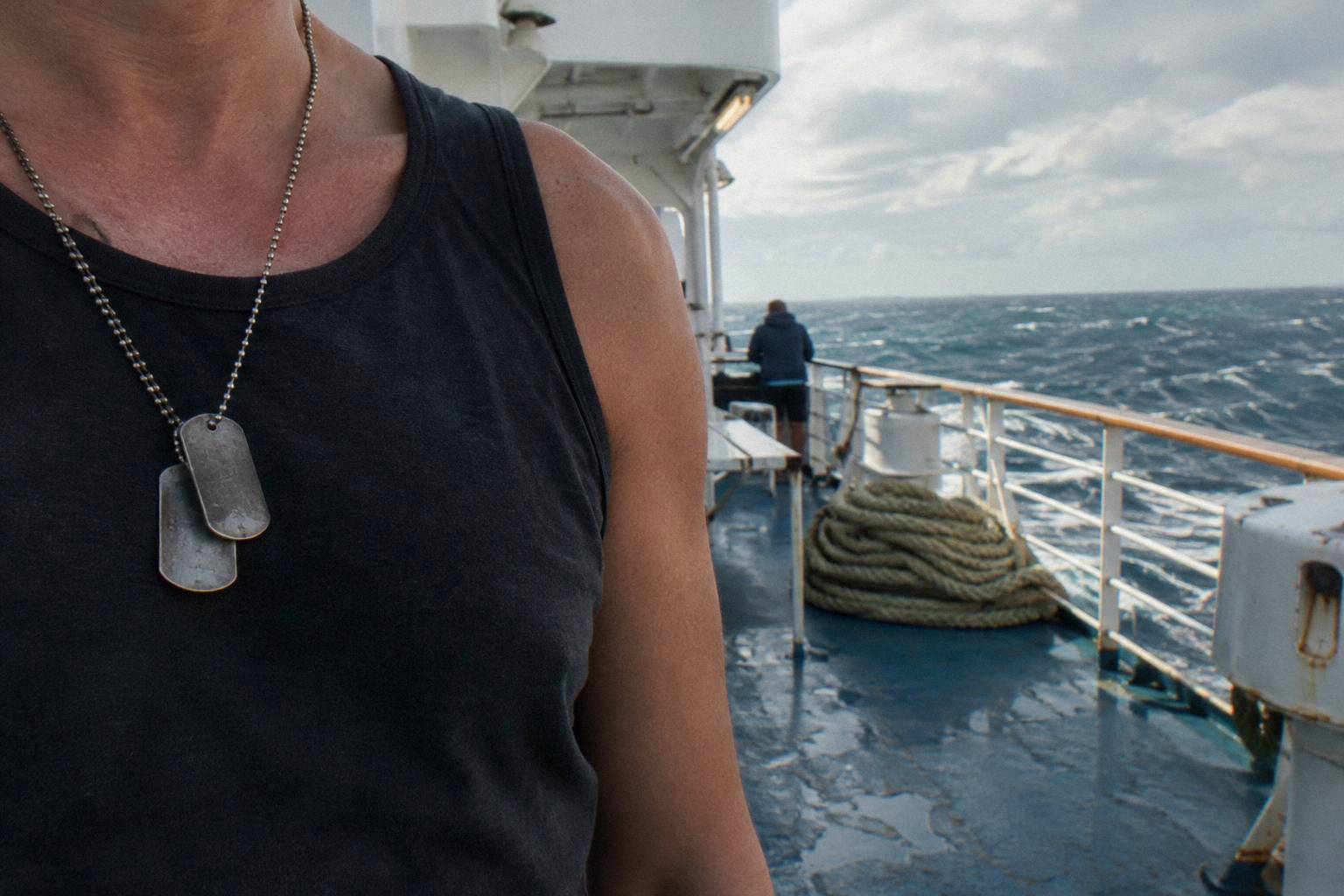
For crew, the stakes are high in a way guests rarely see. Contracts are typically months long, wages are earned aboard, and dismissal mid-itinerary can mean leaving the ship at the next port and travelling home under the terms of the contract. That severity is the employer's answer to the power imbalance: the crew member carries the risk, which is precisely why most crew guard the boundary carefully and why guests should not put them in the position of testing it. More of these guides are collected on Gay Cruises.
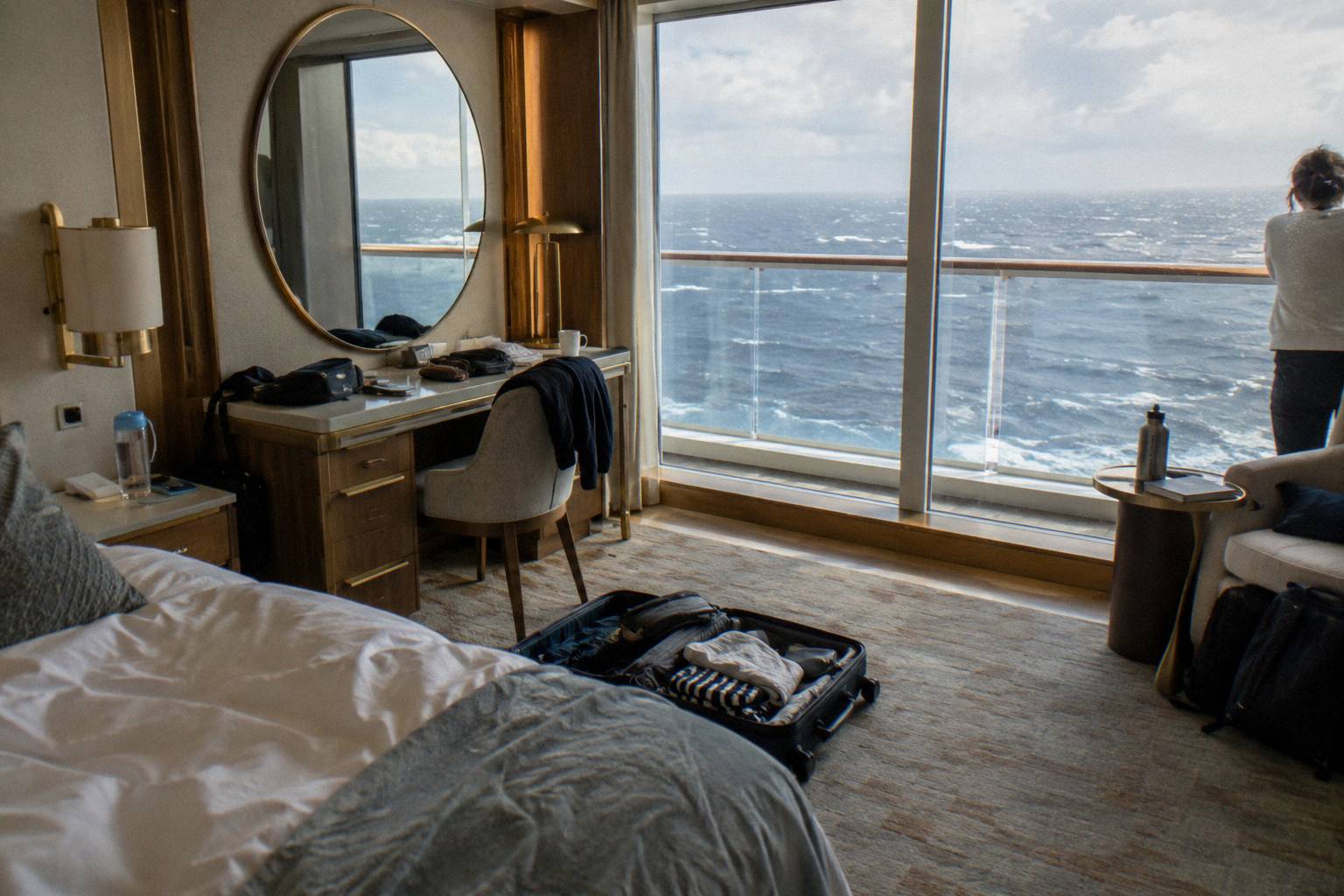
For guests, the consequence side is lighter. A line's ticket contract governs passenger conduct, and serious harassment, of crew or of other guests, can end a holiday early. A polite conversation with a crew member is obviously fine, and friendliness is the norm. The line is crossed at pursuit: repeated advances, requests for personal contact details for romantic purposes, or pressure of any kind. Crew have reporting channels through their hierarchy, and lines act on reports.
A practical note for LGBTQ+ cruisers: out crew exist on every line, and on mainstream ships with strong inclusivity statements, such as Virgin Voyages' ships, crew may be openly friendly with gay guests as a matter of course. Reading that warmth as availability is the classic mistake. If a question about a specific line's guest conduct policy matters to your booking, the guide on gay friendly cruise lines covers which lines publish what.
Guest Conduct And The Other Side Of The Policy
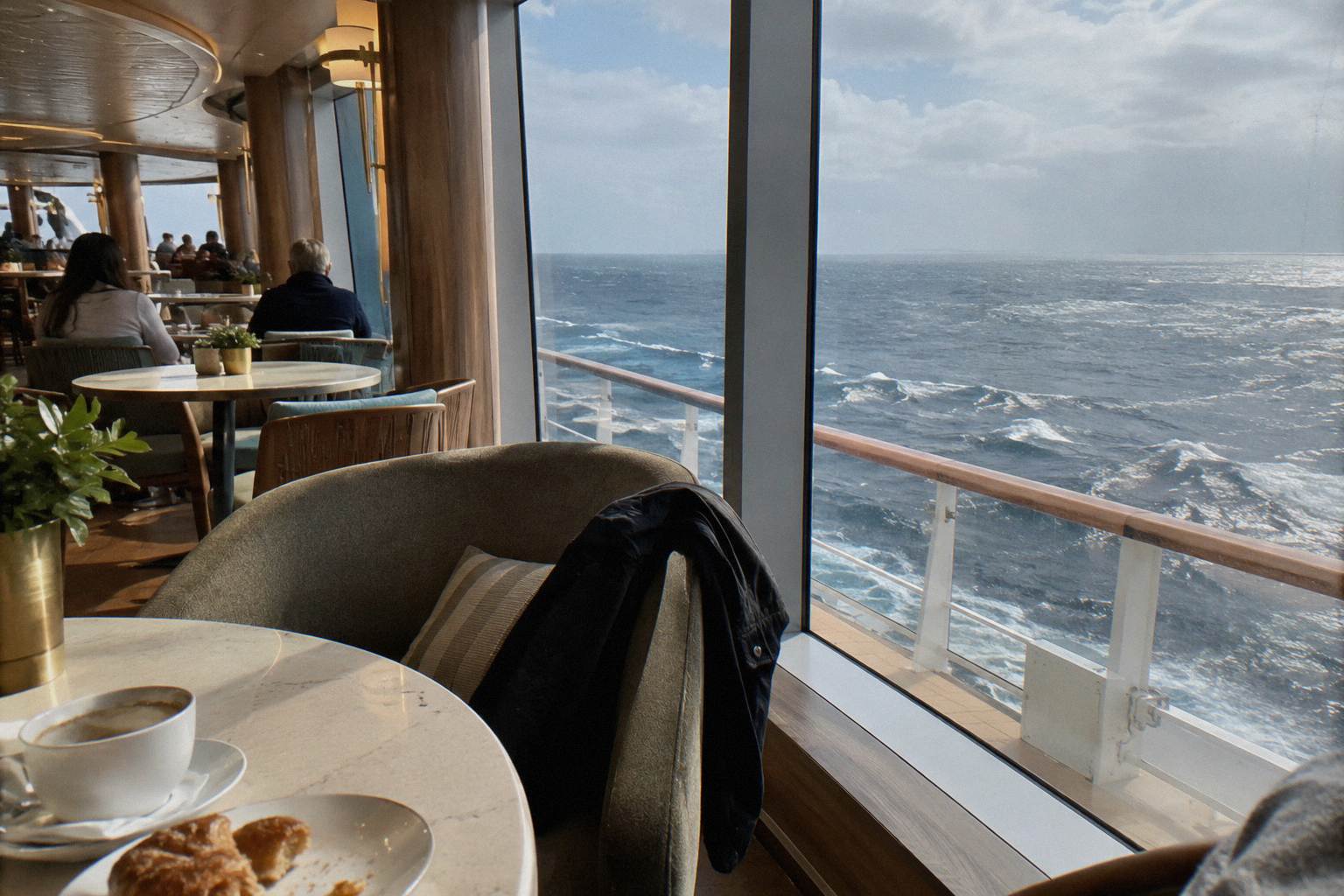
The conduct rules that restrict crew from dating passengers cut both ways, and they also shield crew from unwanted guest attention. Cruise lines know passengers hold most of the social power aboard: they are paying, they are on holiday, and they vastly outnumber crew in public spaces. Ticket contracts give the ship's master authority to remove guests whose behaviour toward crew or fellow passengers warrants it, even mid-voyage.
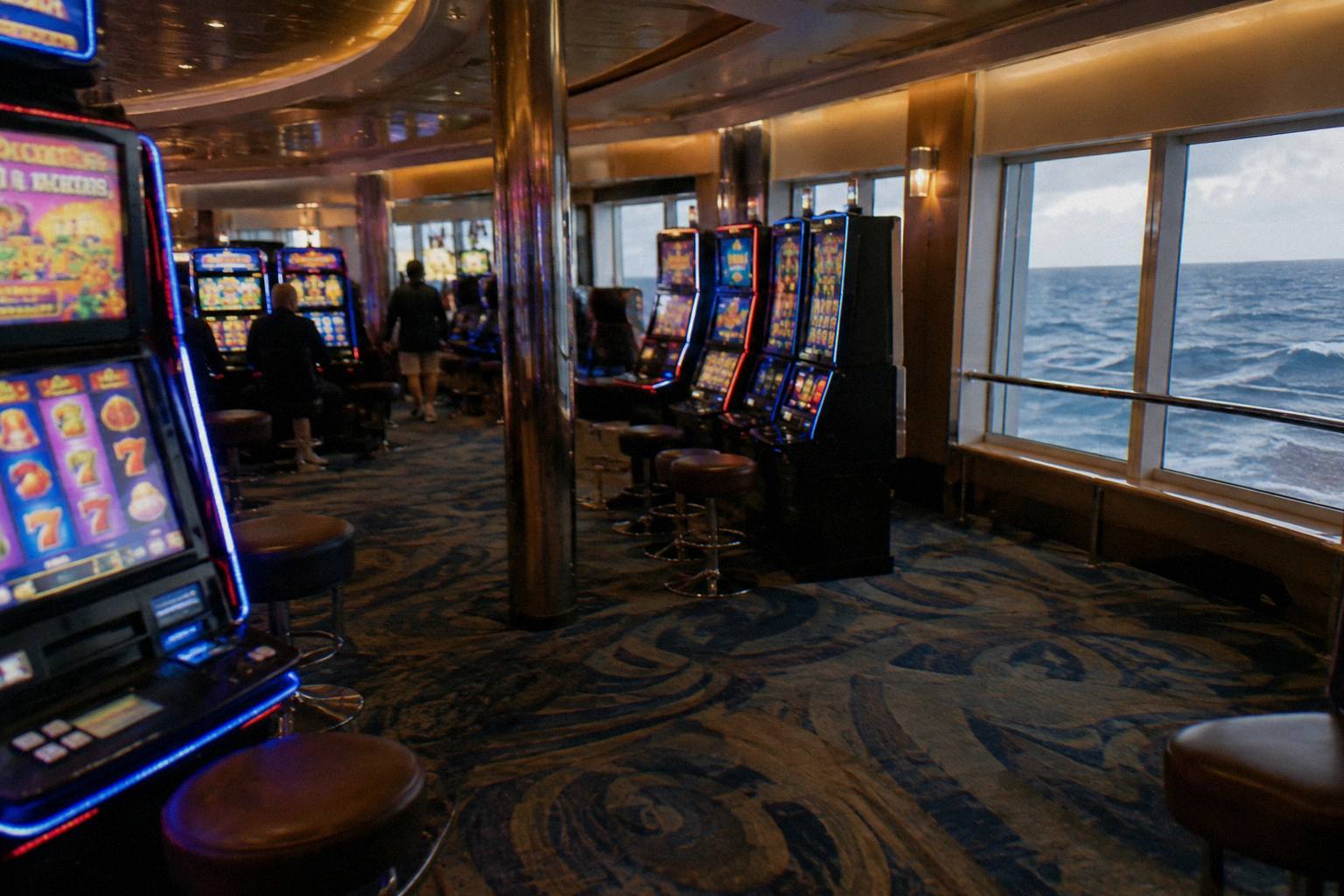
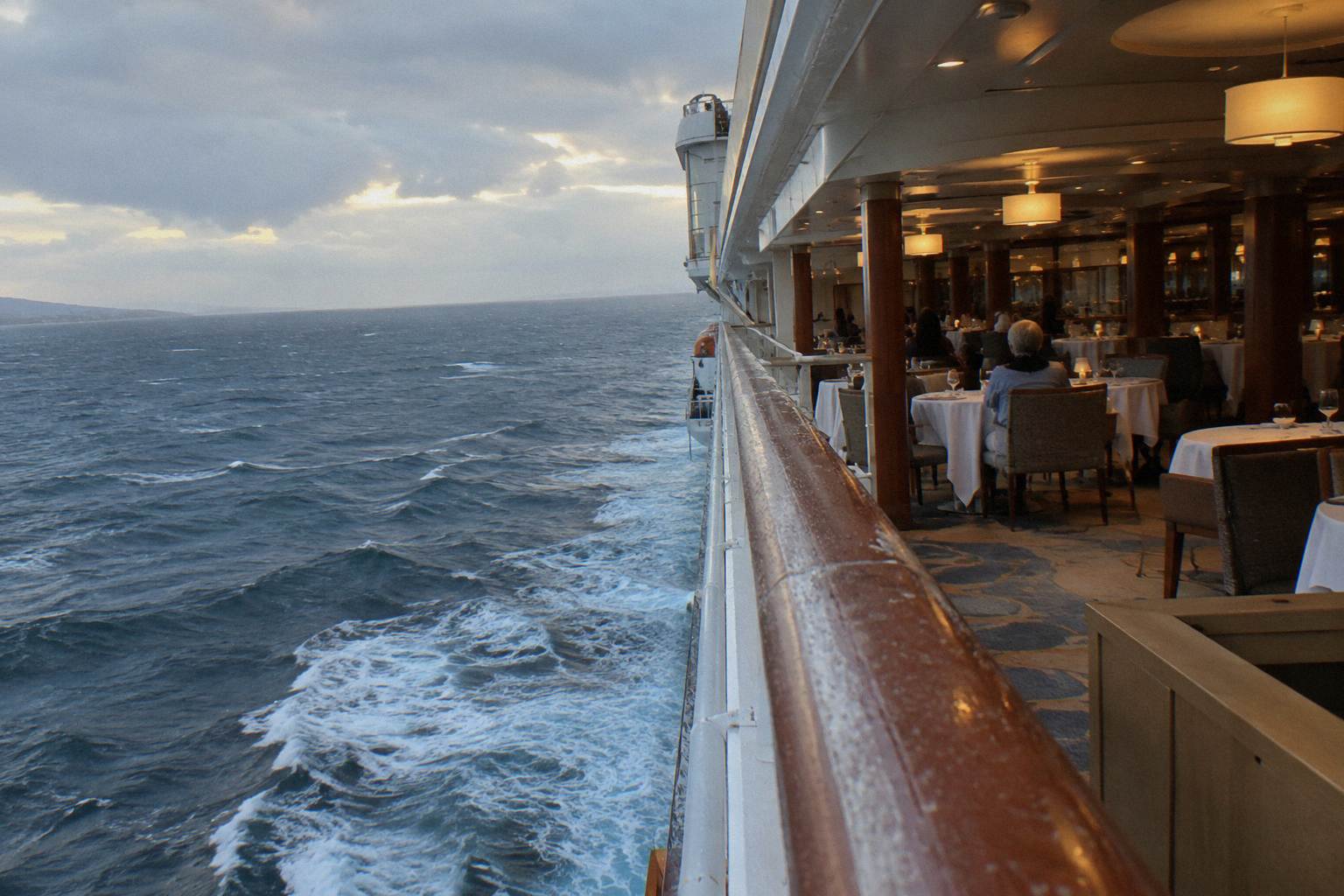
On charter sailings the atmosphere is more flirtatious than a mainstream sailing, and that is by design: these are holidays built around social energy. The flirtation the charter cultivates is guest-to-guest. The ship's crew are professionals doing a job, many on repeat contracts who have seen every charter format, and the polished but bounded way they handle a lively week is part of the craft. Respecting that line is not prudish; it is how the product works.
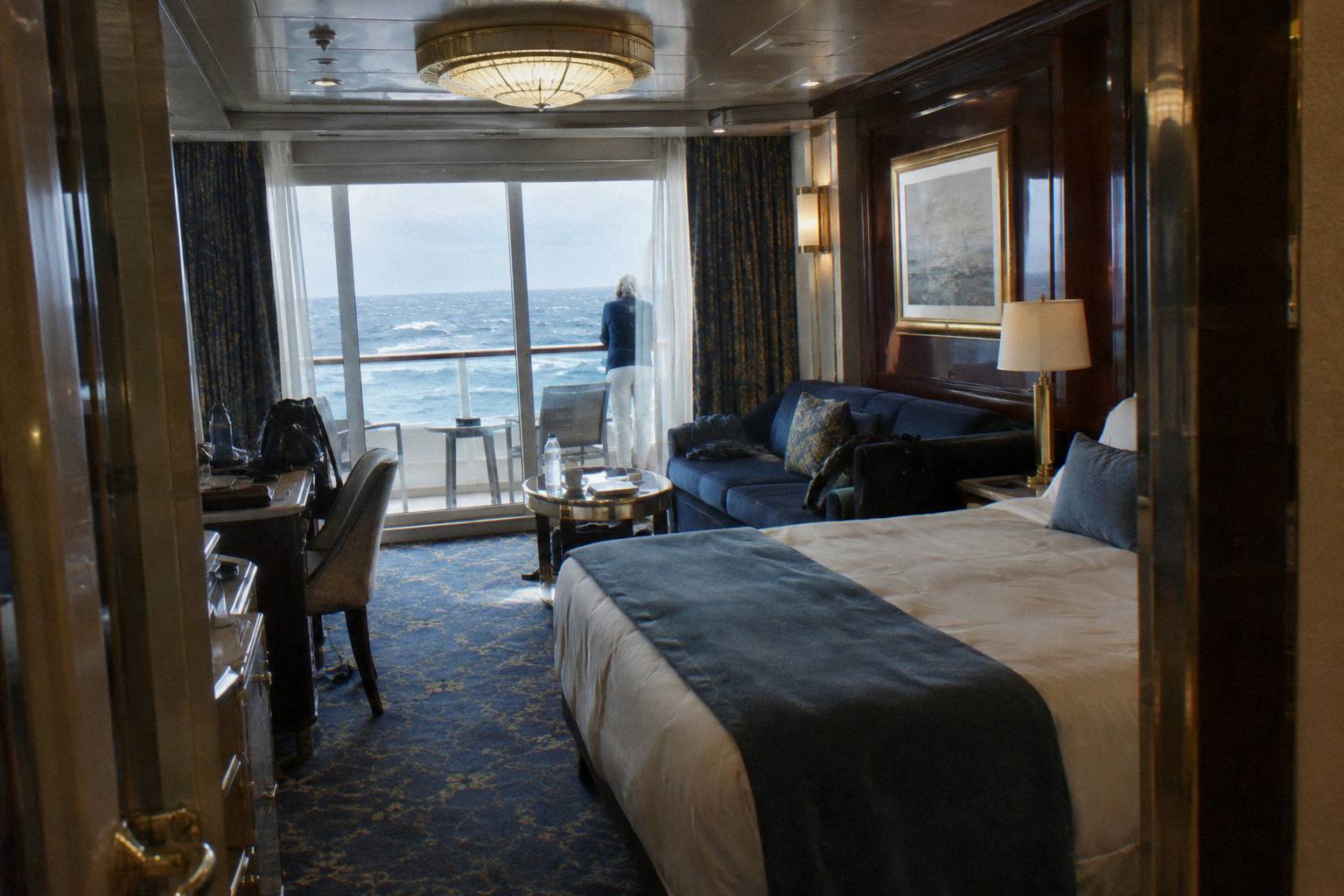
Alcohol is the usual accelerant. Package-fuelled late nights lower inhibitions, and a crew member whose job requires warmth can be misread. The factual framing this site can offer: operators publish their own entertainment and beverage terms, Atlantis's drink package details for example are covered in this site's dedicated guide, and none of those terms suspend the conduct rules. If you want the fuller picture of onboard social norms, the blog piece on which cruise line has the most gay passengers looks at where the social concentration actually is.
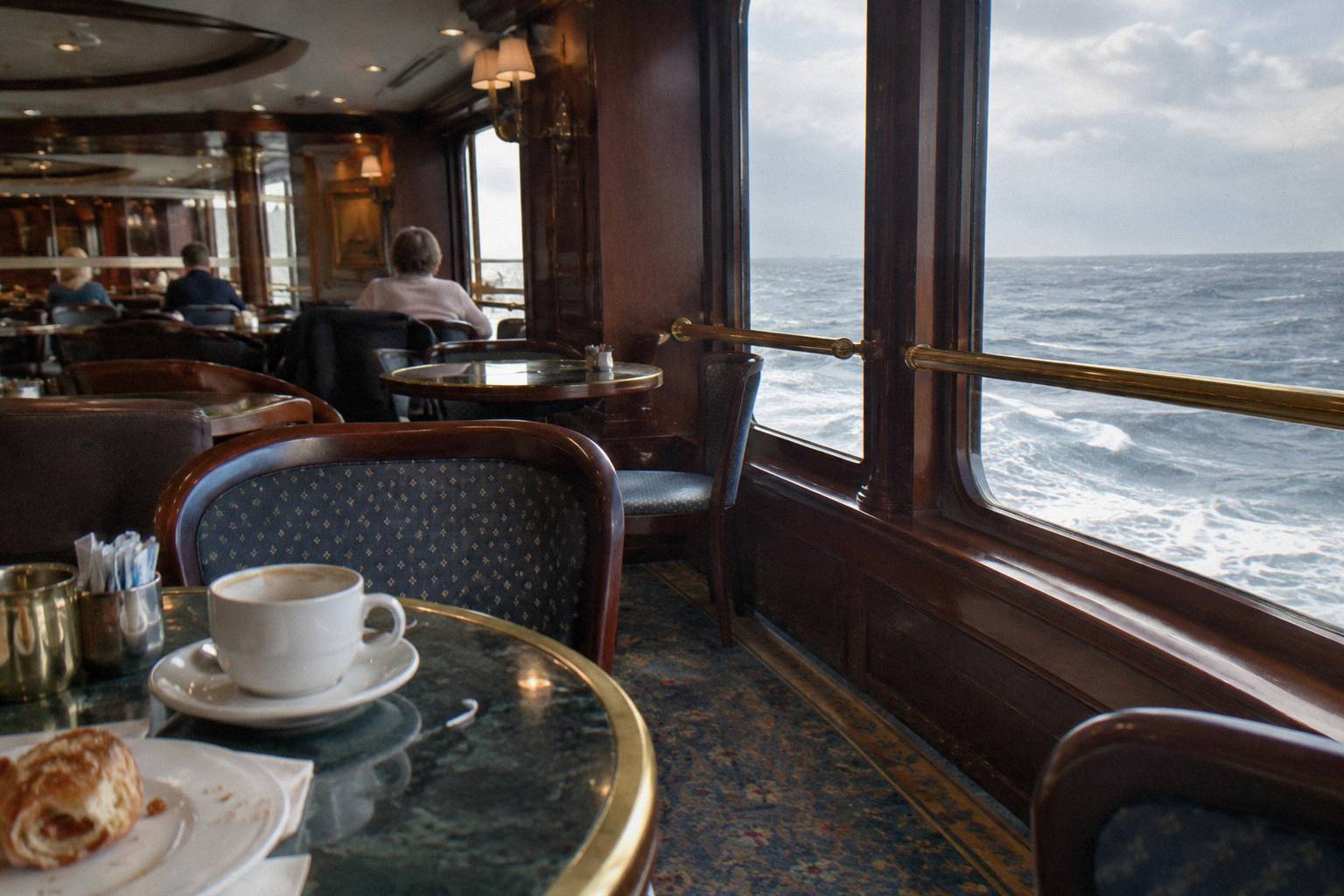
None of this means a gay cruise is a guarded one. It means the boundaries are the same ones any workplace has, applied on a ship. The 90 sailings listed across 11 operators range from Big Gay Cruise's six sailings, none showing sold out, to Brand g Vacations' 24 river and luxury sailings from April 2027 onward. Social tone varies enormously across that range, and matching tone to traveller is a real decision.
Ship Size, Crew Ratios And How Much This Even Comes Up
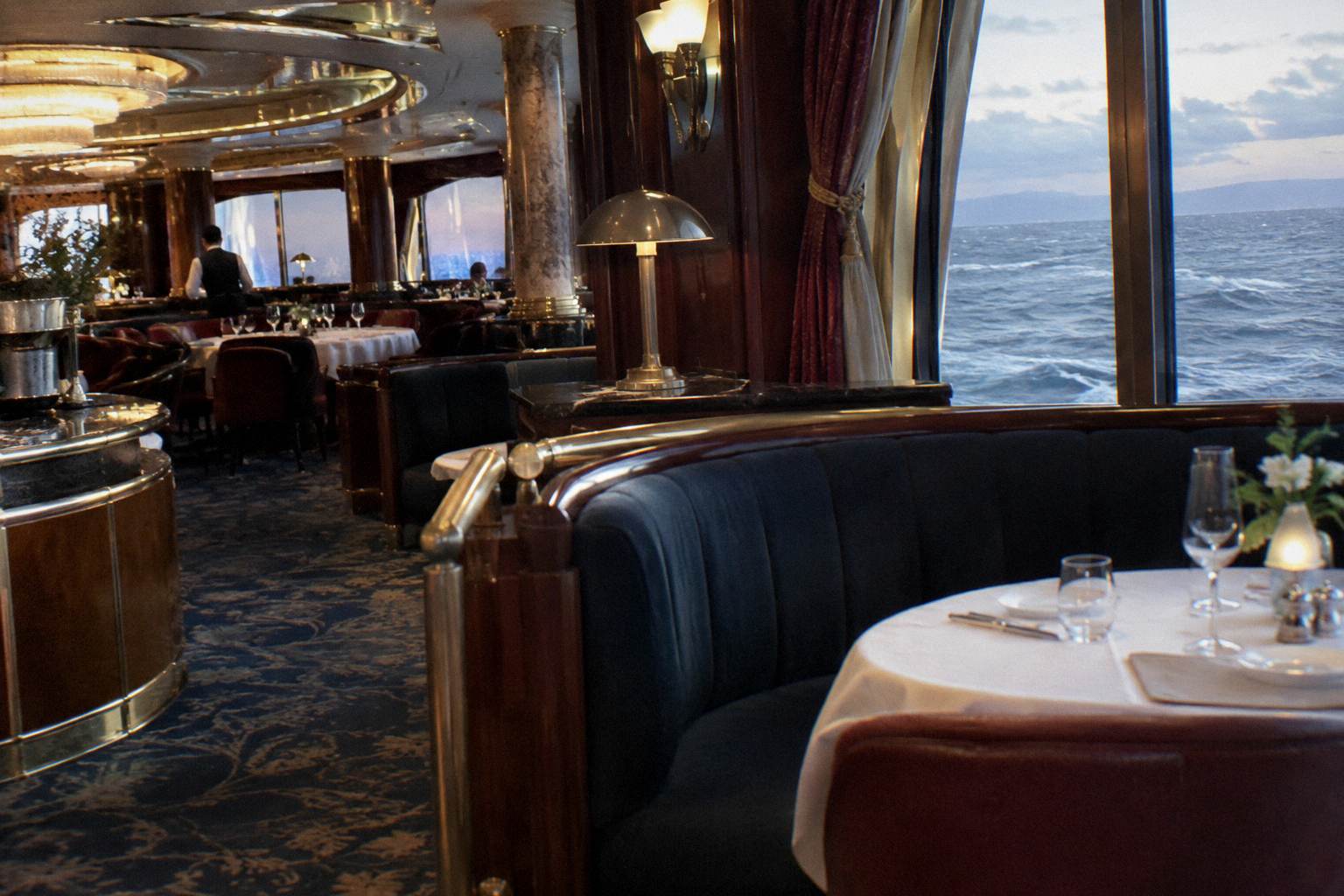
On smaller ships the crew-guest relationship is closer and more personal, on mega ships it is more anonymous, and the fraternisation rule is identical in both settings. Ship choice therefore changes how often the question practically arises, even though it never changes the answer. A river ship with a few dozen crew is a different social world from a 2,770-guest mega ship, and travellers who like being known by name, or who prefer to blend into a crowd, should weigh that difference at the booking stage rather than on embarkation day.

The featured ship on this page illustrates the small end. The Delfin III, a river ship from Delfin Amazon Cruises, sails the Peruvian Amazon with a crew that spans dining, guiding and deck service in a compact team. On a vessel like this, crew learn guests' names in the first day, guides dine with passengers and share wildlife knowledge across a whole itinerary, and the professional intimacy of expedition and river cruising is part of what is being bought. It is also where the conduct boundary is most visible in daily operation, because everyone genuinely knows everyone.
At the other end sit ships like Celebrity Beyond, carrying 3,260 guests and built 2022, or Allure of the Seas, built 2010, where a guest may see a given crew member twice in a week. Valiant Lady, one of Virgin Voyages' 2,770-guest mega ships, hosts mainstream and LGBTQ+ charter sailings alike, including the Waves of Pride charter on a sister ship in the fleet in September 2026, and the same crew rules apply on every one of them.
The rule is no different across formats, but the social texture is. The table below shows the spread of ship types available through the sailings this site tracks, from river to expedition to mega ship, with the published figures.
| Ship | Line | Type | Guests | Built |
|---|---|---|---|---|
| Delfin III | Delfin Amazon Cruises | River ship | Not stated | Not stated |
| Amadeus Aurea | Amadeus River Cruises | River ship | Not stated | Not stated |
| World Navigator | Atlas Ocean Voyages | Expedition ship | Not stated | Not stated |
| World Traveller | Atlas Ocean Voyages | Expedition ship | Not stated | Not stated |
| Valiant Lady | Virgin Voyages | Mega ship | 2,770 | Not stated |
| Scarlet Lady | Virgin Voyages | Mega ship | 2,770 | 2020 |
| Celebrity Beyond | Celebrity Cruises | Mega ship | 3,260 | 2022 |
| Allure of the Seas | Royal Caribbean | Mega ship | Not stated | 2010 |
The choice between these formats is a genuine pre-booking decision, and it interacts with everything else in this article: how close you want to be to crew, how much structure you want from a charter's programming, and how much anonymity you prefer. That is exactly the kind of trade-off worth laying out in a free consultation before you book, since the consultation can compare formats against your priorities without obligation.
Mistakes Passengers Make About Crew Relationships
The three recurring mistakes are reading professional warmth as romantic interest, testing the fraternization rule with a crew member who cannot afford to refuse you, and assuming a charter sailing suspends the host line's employment policies. The fix is one shift in framing: crew are colleagues of your holiday, not participants in it, because they are at work, on contract, and answerable to an employer wherever the ship happens to be.
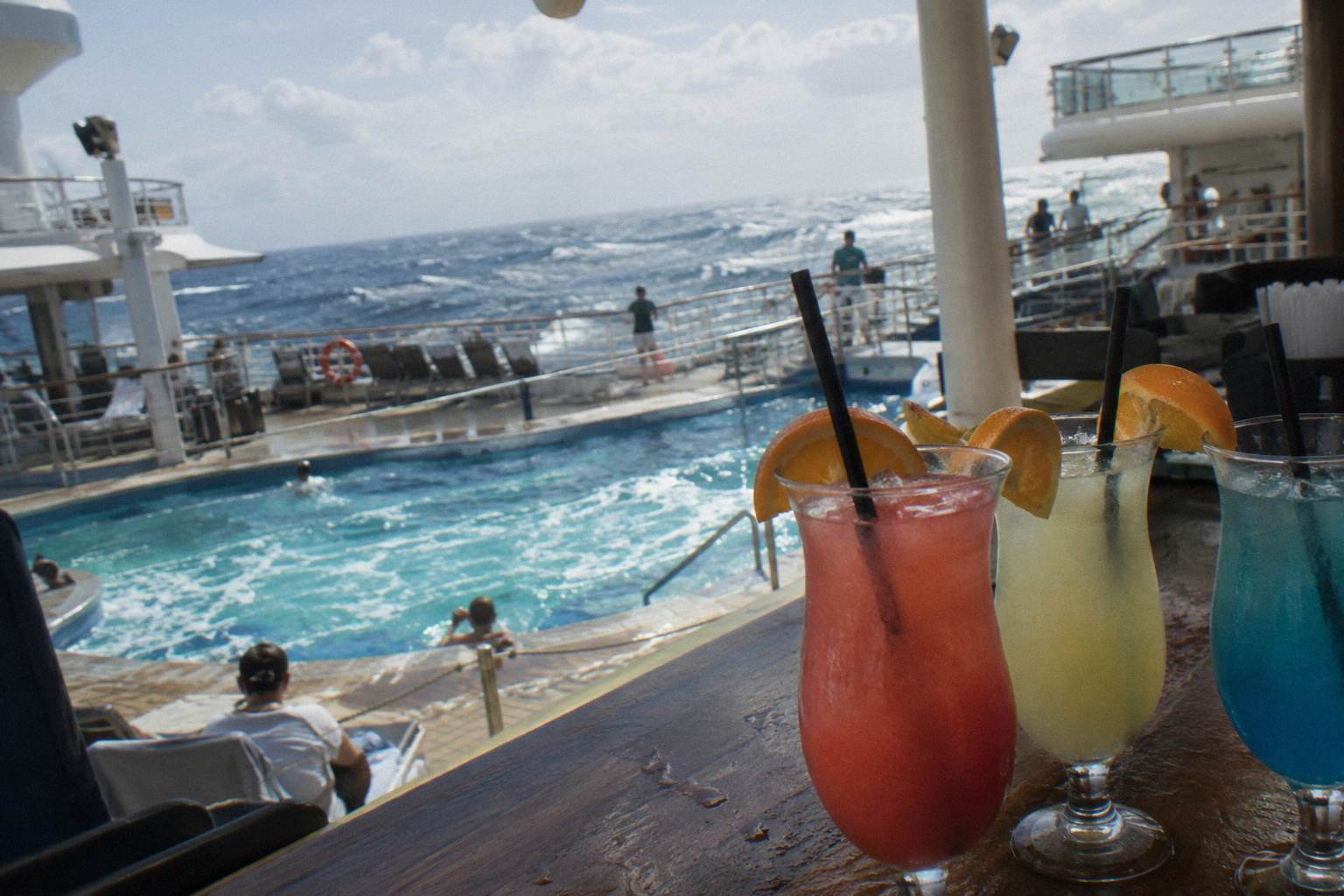
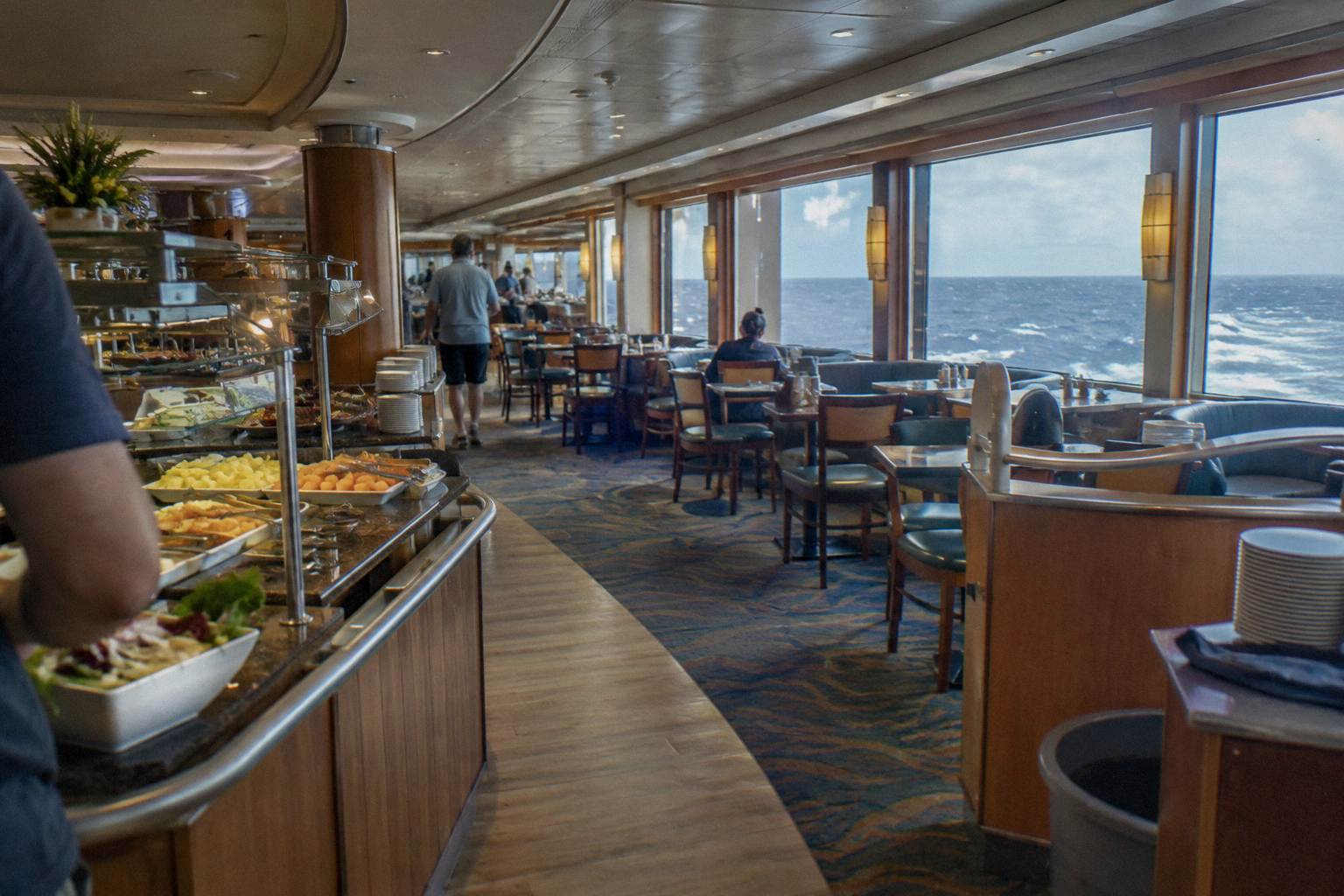
The first mistake is misreading service culture. Lines select and train crew for warmth, and the best crews make a week feel genuinely personal. On lines whose inclusivity is explicit, that warmth can be effusive. The second mistake is asking for personal contact details or off-duty meetings for romantic purposes; the crew member now has to refuse someone who may control their tip, which is the power imbalance the policy exists to manage. The third is believing that what happens on a charter stays off the books: the host line's obligations, and its insurer's expectations, do not pause for a party.
A fourth mistake is assuming the rule signals distrust of LGBTQ+ guests specifically. It does not. The fraternisation boundary predates every charter listed here and applies identically on every sailing, mainstream or chartered. A fifth is the inverse error, treating every friendly exchange as dangerous: normal gratitude, conversation and tipping are the everyday currency of a cruise and always have been.
Common Questions About Crew Dating Rules
Are Cruise Staff Allowed To Date Passengers?
No. Cruise lines treat romantic or sexual relationships between ship's staff and passengers as prohibited fraternisation under crew conduct codes and employment contracts, and crew face disciplinary action up to dismissal. The rule binds the crew member as a condition of employment and applies on every type of sailing, including LGBTQ+ charters hosted on mainstream ships.
Can A Crew Member Lose Their Job Over A Guest Relationship?
Yes, dismissal is among the disciplinary options available to a line, alongside lesser sanctions depending on circumstances. The full disciplinary procedures are internal employment matters and are not published by the operators reviewed for this page, so no specific process is described here beyond what the industry structure supports.
Does The Passenger Get In Trouble?
Usually not. The policy is an employment rule aimed at crew. However, guest conduct is governed by the ticket contract, and persistent unwanted advances toward crew or other guests can be treated as harassment, which lines can act on up to disembarkation.
Is It Different On A Gay Cruise Charter?
No. A charter operator such as Atlantis Events or VACAYA brings its own entertainment and hosts, but the ship's permanent crew remain employees of the host line and work under the same conduct code as on any sailing. The charter's social atmosphere is guest-to-guest.
Can Guests And Crew Be Friendly At All?
Yes, and friendliness is the norm. Conversation, gratitude, naming crew who gave great service and tipping as the line advises are all ordinary parts of a cruise. The boundary is at romantic or sexual pursuit, requests for personal contact details for that purpose, and any pressure on crew who cannot freely say no.
Where Can I Read A Specific Line's Exact Policy?
The lines publish guest-facing conduct and ticket terms publicly, but crew employment terms are internal. For a specific sailing, the operator's own booking terms and the host line's published conduct pages are the authoritative sources, and a free consultation through this site can help you check them before you book.
More Questions Answered
 Straight On A Gay CruiseWho is actually welcome on a gay cruise, operator by operator, and how to be a good ally guest.Read the answer
 What Happens On BoardThe rundown of a gay cruise: who sails, what a day looks like, costs and rules.Read the answer
 Average Age On BoardNo operator publishes a passenger age average; audience, price and itinerary reveal who each sailing actually draws.Read the answer
 Gay Passenger NumbersWhich ships actually carry the most gay passengers? Charter capacity, not demographics, holds the answer.Read the answer