Is Bora Bora Safe For LGBT Cruise Passengers?
Bora Bora appears on LGBTQ+ charter itineraries and mainstream cruises alike, and the safety question has a factual answer that splits into local law, island culture and how you travel.
This page sits in Questions Answered, the hub where pre-booking cruise questions get researched answers.
Quick Facts
| Fact | Detail |
|---|---|
| Destination | Bora Bora, French Polynesia (French overseas collectivity) |
| Legal status of same-sex relations | Legal under French law; no dedicated advisory row published by any advisory source |
| LGBTQ+ charter presence | VACAYA Polynesia trips from $6,330 per person, 2026-2028, all sold out |
| Charter operators active in the Pacific basin | VACAYA, Brand g Vacations, Out Adventures among the 11 operators listed |
| Total charter and group sailings covered | 90 across 11 operators |
| Sold out or waitlist | 29 of the 90 sailings listed |
| Typical cruise call | Day port call via tenders into Vaitape, the main village |
| Featured alternative ship | Delfin III, Amazon river ship, Delfin Amazon Cruises |
| Where to verify local law | Official government travel-advice pages for each port country |
Is Bora Bora Safe For LGBT Cruise Passengers?
Yes, Bora Bora is safe for LGBT cruise passengers by every measure this site's research could verify. The island belongs to French Polynesia, where same-sex relations are legal under French national law, and no travel advisory singles out local laws there. Mainstream cruise lines call regularly, including explicitly LGBTQ+ charter operators in recent seasons.
French Polynesia's legal baseline comes from its status as a French collectivity. The advisory sources cover 19 port countries in detail, and French Polynesia is not among them, which is worth saying plainly: none of them publishes a row for it. What can be stated is the governing framework, French law, under which same-sex relations are legal. That is a stronger legal position than several Caribbean ports on mainstream itineraries, where male same-sex activity is criminalised in Jamaica, carrying up to 10 years in prison.
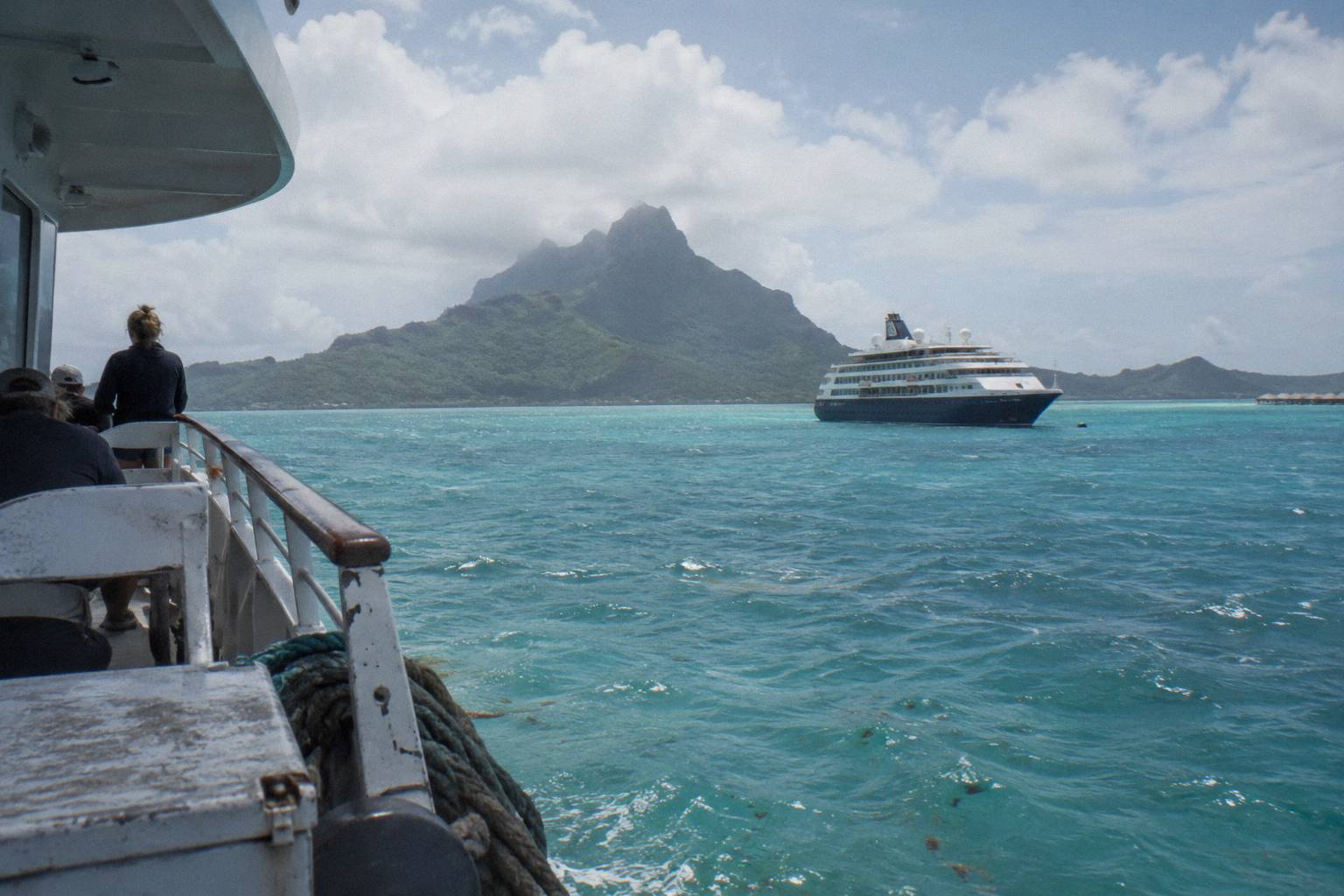
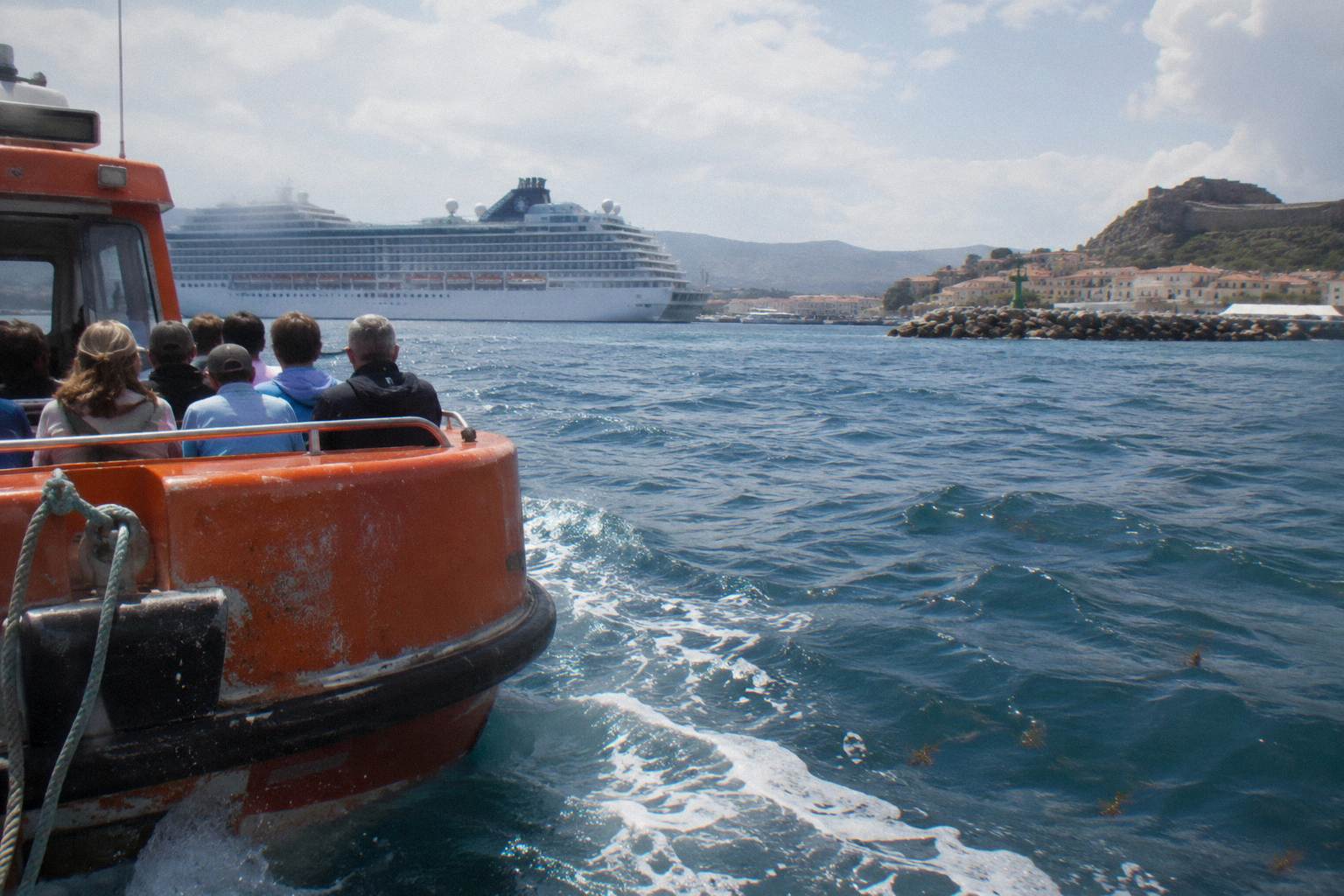
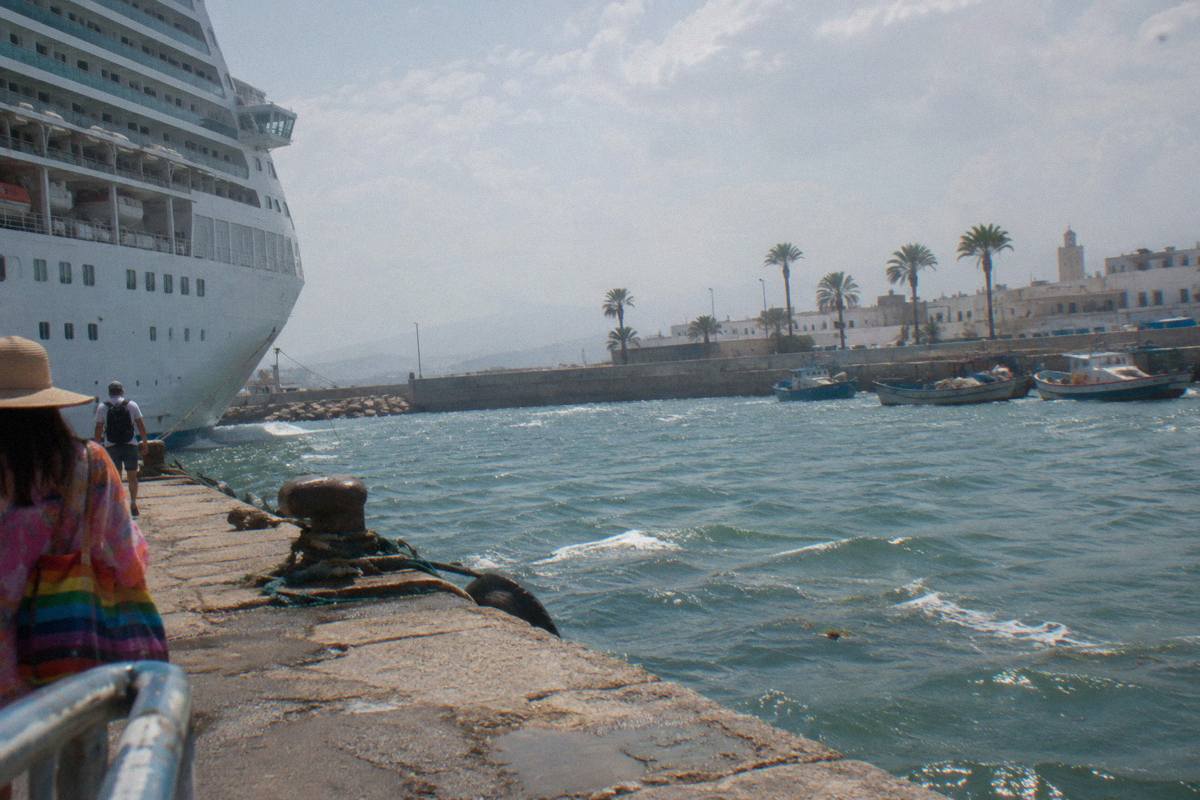
The island itself is a tender port. Ships anchor in the lagoon and ferry passengers into Vaitape, and the day is spent on beaches, lagoon tours, overwater bungalow resorts and snorkelling excursions. There is no gay district and no gay bar scene to speak of, because Bora Bora is a village-scale destination, not a city. LGBT cruise passengers are not a novelty there: the lagoon receives large mainstream ships and small expedition vessels in the same week during the high season, and a couple sharing a lagoon tour is simply another booking on the manifest.
The practical route to Bora Bora for an LGBTQ+ traveller who wants the charter-cruise experience is a Polynesia sailing with an LGBTQ+ operator. VACAYA, the mixed LGBTQ+ operator founded in 2017, has run Polynesia itineraries priced from $6,330 per person, and the operator pages showed every 2026-2028 trip sold out. That sell-out rate matters for planning: the LGBTQ+ charter market in the South Pacific is small, high-demand and books far ahead, which is exactly the kind of decision a free consultation can sort out early. This site, Gay Cruises, keeps the full sailing calendar so you can see what is actually open. For the broader landscape of operators and ships, the companion guide to LGBT cruises and operators lays out the whole market.
Who Sails To Bora Bora With LGBT Passengers On Board?
Mainstream lines call at Bora Bora routinely, and LGBTQ+ charter operators have added French Polynesia to their maps. The operators' sites show VACAYA running Polynesia trips from $6,330 per person, Brand g Vacations listing 24 announced sailings after November 2026, and Out Adventures ranging from $7,495 in Baja to $22,585 in Antarctica. A gay cruise passenger reaches Bora Bora either on a mainstream sailing that calls there or on an LGBTQ+ charter that includes it.
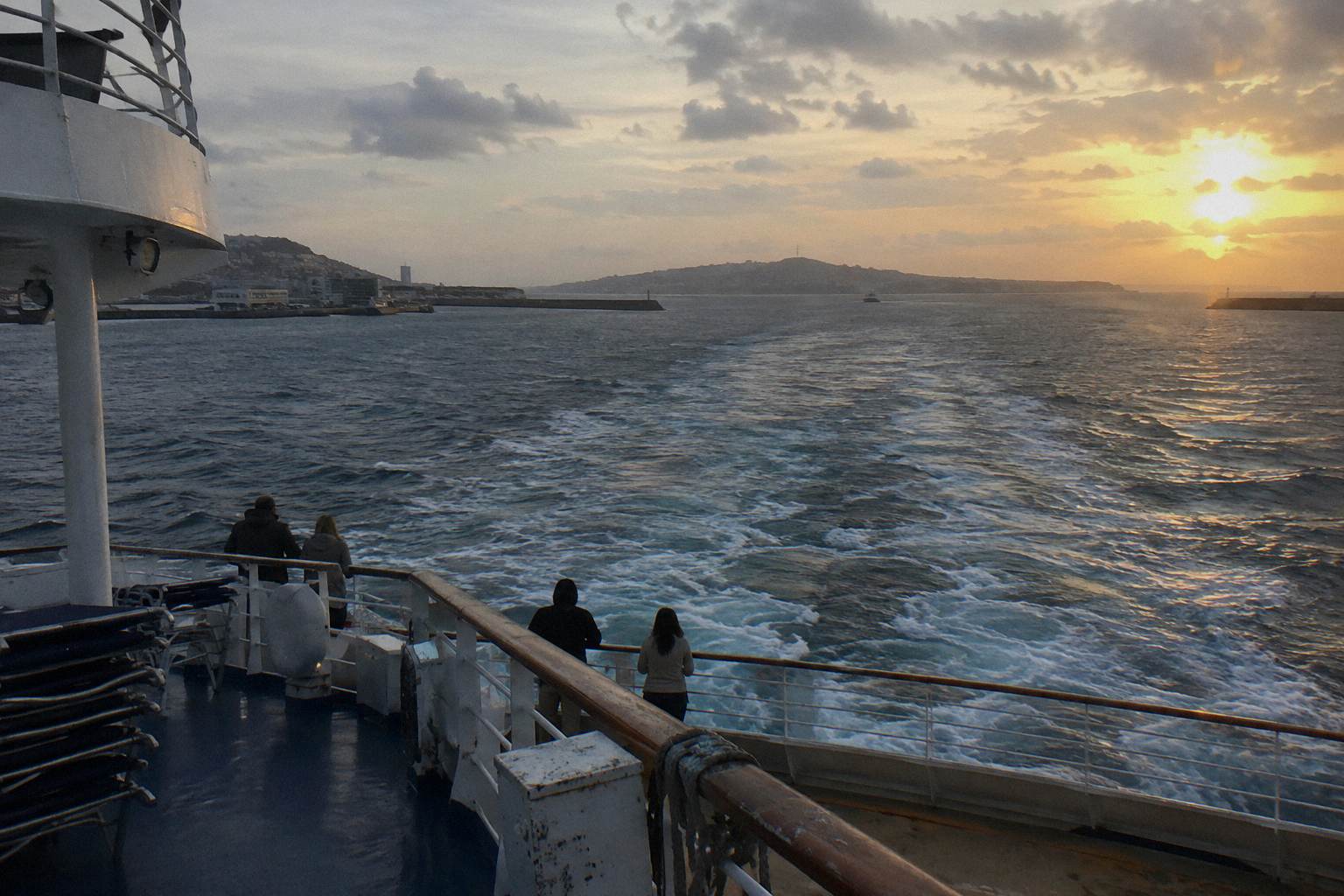
The mainstream option is the simpler one. Large ships and smaller expedition vessels both anchor off Vaitape during the May-to-October dry season, and a couple can book any cabin category, take any excursion and expect the same treatment as every other passenger. Virgin Voyages is a useful reference point on the mainstream side: the line's own pride page describes inclusivity as a philosophy baked into its identity rather than a one-month celebration, and its ships have hosted third-party LGBTQ+ charters, including an Atlantis Events charter on Scarlet Lady in 2020 and Waves of Pride on Resilient Lady in September 2026.
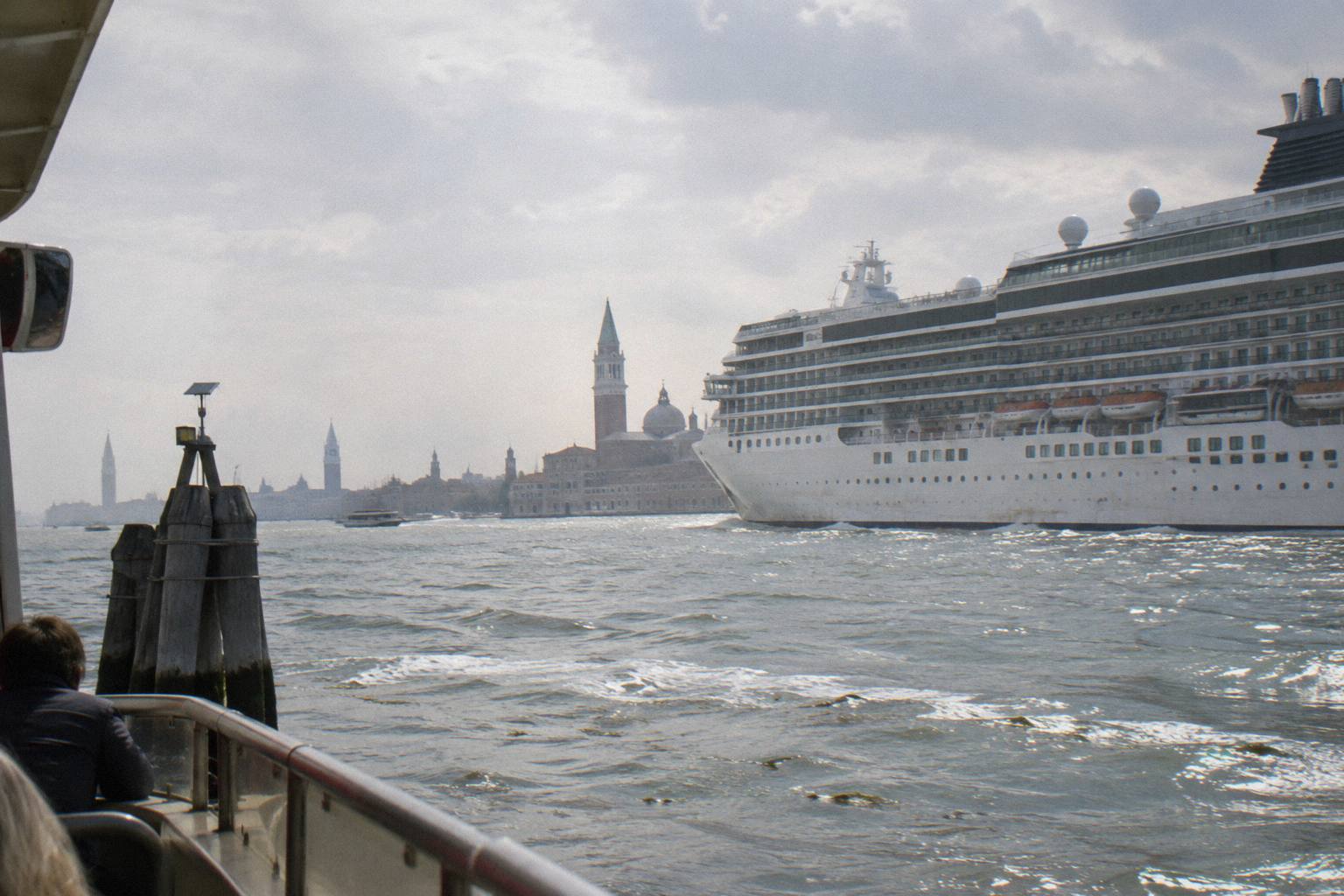
The charter option puts you on board with a designed LGBTQ+ community. VACAYA's audience is mixed LGBTQ+ travellers, men, women and allies, and its Polynesia pricing sat at $6,330 per person at the lowest category before those departures sold out. Brand g Vacations, founded in 2011 with a gay-centred mixed audience, runs the widest calendar published here, 24 announced sailings from April 2027 to October 2028, ranging from about $4,900 per person on the Rhine to $22,300 for luxury Asia itineraries. Not every one calls at Bora Bora, which is why matching the itinerary to the destination is the first real decision.
| Operator | Audience | Founded | Price per person | Announced upcoming sailings |
|---|---|---|---|---|
| VACAYA | Mixed LGBTQ+ | 2017 | From $3,719 Med to $12,537 Madagascar-Seychelles; Polynesia from $6,330 | 8 |
| Brand g Vacations | Gay-centred, mixed | 2011 | About $4,900 Rhine to $22,300 Asia luxury | 24 |
| Out Adventures | Gay men / LGBTQ+ | 2009 | $7,495 Baja to $22,585 Antarctica | 2 |
| Source Journeys | LGBTQ+ luxury | 2001 | Source Journeys does not publish pricing | 3 |
| Olivia Travel | LGBTQ+ women | - | About $999 HAL interior to $6,899+ river and expedition | 19 |
That table is the honest snapshot of the market: Olivia, the women-focused operator, carries the deepest calendar at 19 sailings, while VACAYA's eight sailings are fully sold out. If a Bora Bora call is the goal, the itinerary matters more than the brand, and checking which announced sailing actually includes French Polynesia is the single question that narrows everything else. The full forward calendar of charter and group departures tells that story at a glance.
What Does Local Law Actually Say In French Polynesia?
Same-sex relations are legal in French Polynesia because French national law applies, and France legalised them decades ago. The official travel-advice pages checked do not carry a dedicated French Polynesia row, and none of them publishes specific local-laws text for the territory. By comparison, they cover Caribbean ports where the law is far less favourable, including Jamaica, where male same-sex activity is criminalised with penalties up to 10 years in prison.
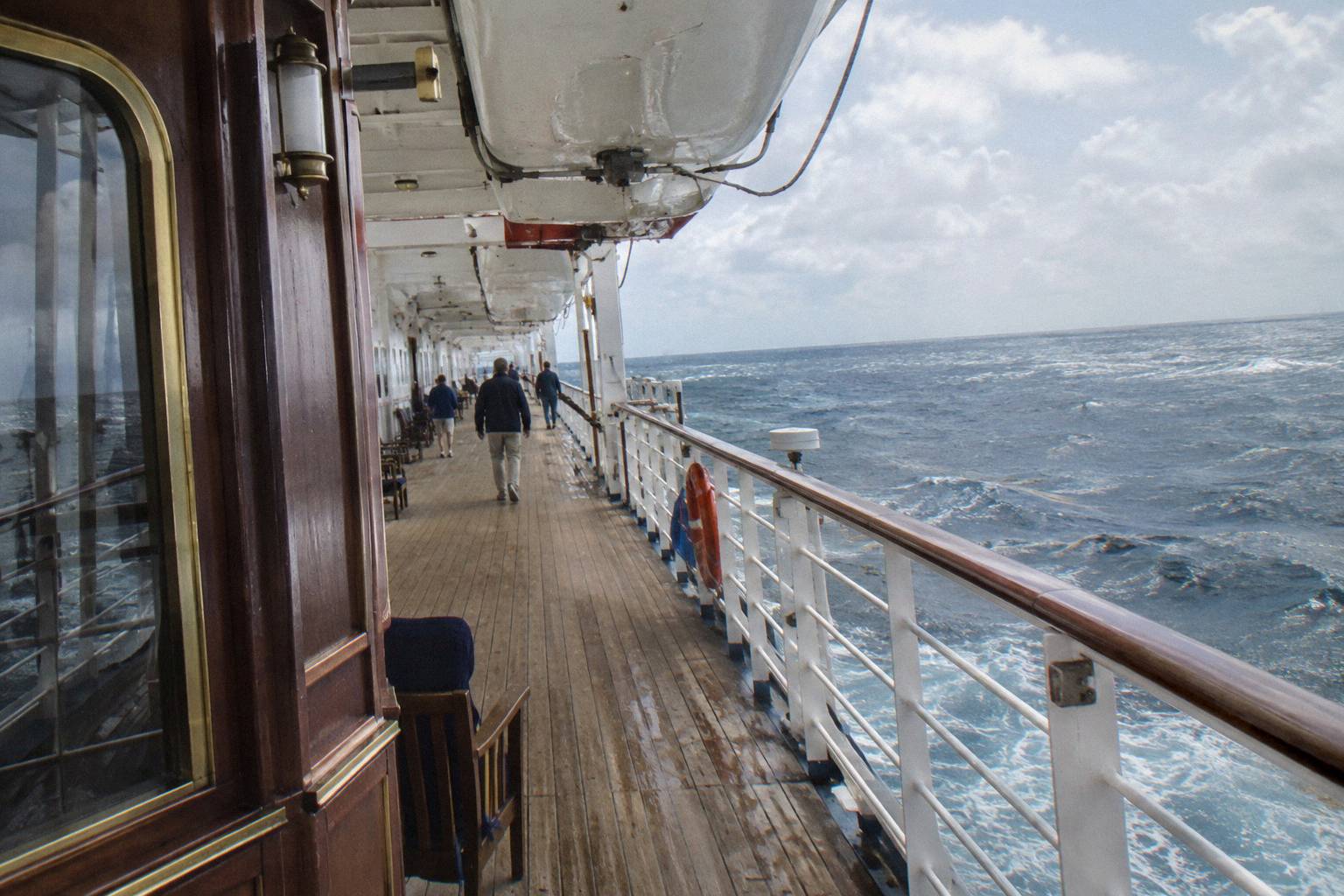
The distinction matters because cruise passengers often lump "safe ports" together. A Bora Bora call sits on the permissive end of the port-law spectrum this site tracks. Greece, Italy, Norway and Cuba, for example, all appear with same-sex relations legal and various levels of partnership recognition, while Jamaica sits at the other end. French Polynesia's position rests on the French framework rather than a locally published advisory row, and stating that basis plainly is more useful than inventing a certainty the sources do not give. The site's guide to gay cruise ports in anti-LGBT countries covers the harder cases in depth.
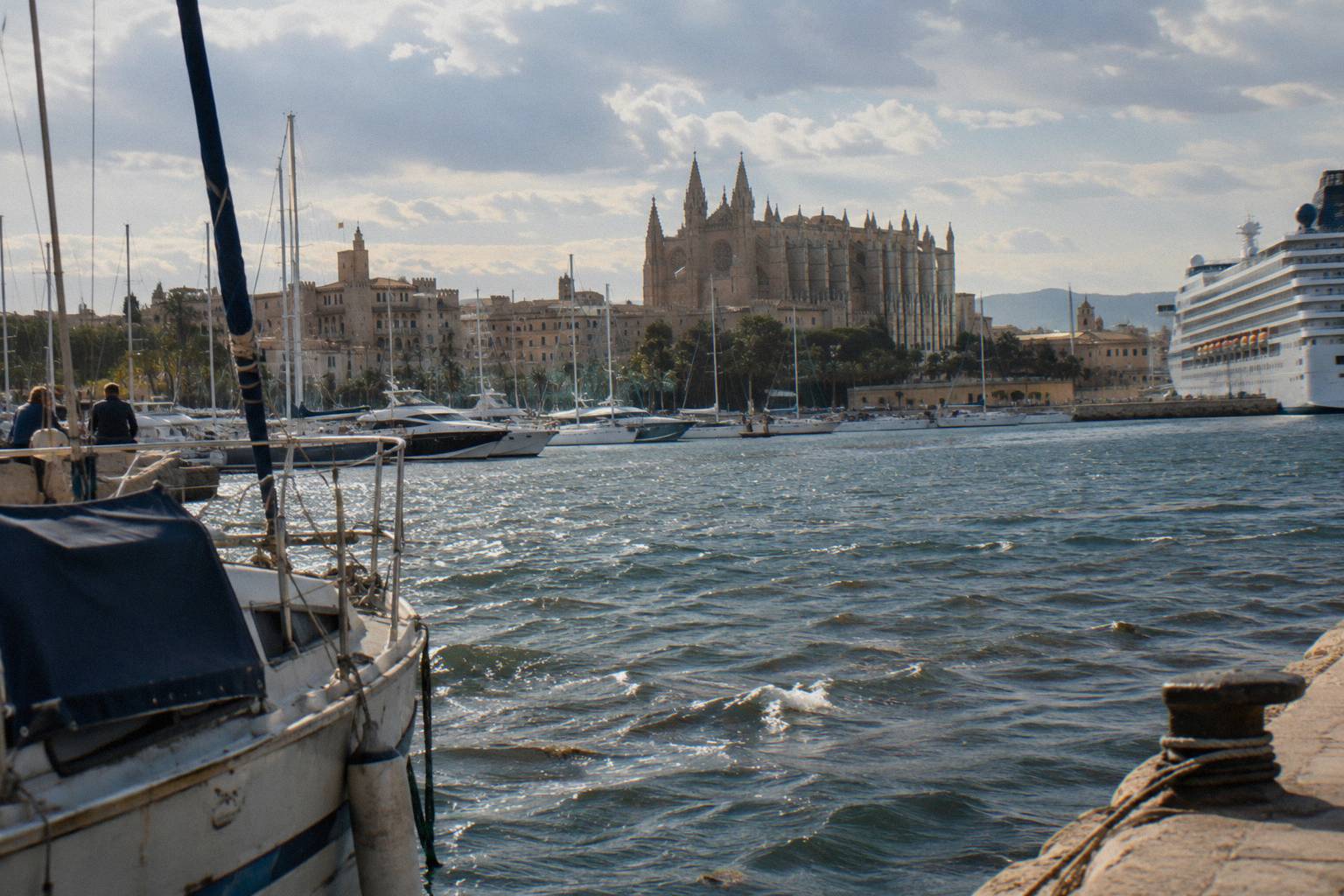
The habit worth building, for Bora Bora and every other port, is checking the official local-laws page before you sail. The UK FCDO publishes country-by-country advice, and its entries are the kind of primary source this site's research draws on: the FCDO Jamaica local laws page and the FCDO Bahamas local laws page both spell out exactly what the law says in ports where it differs from home. The same resource covers most territories you will ever sail to, and reading it takes minutes.
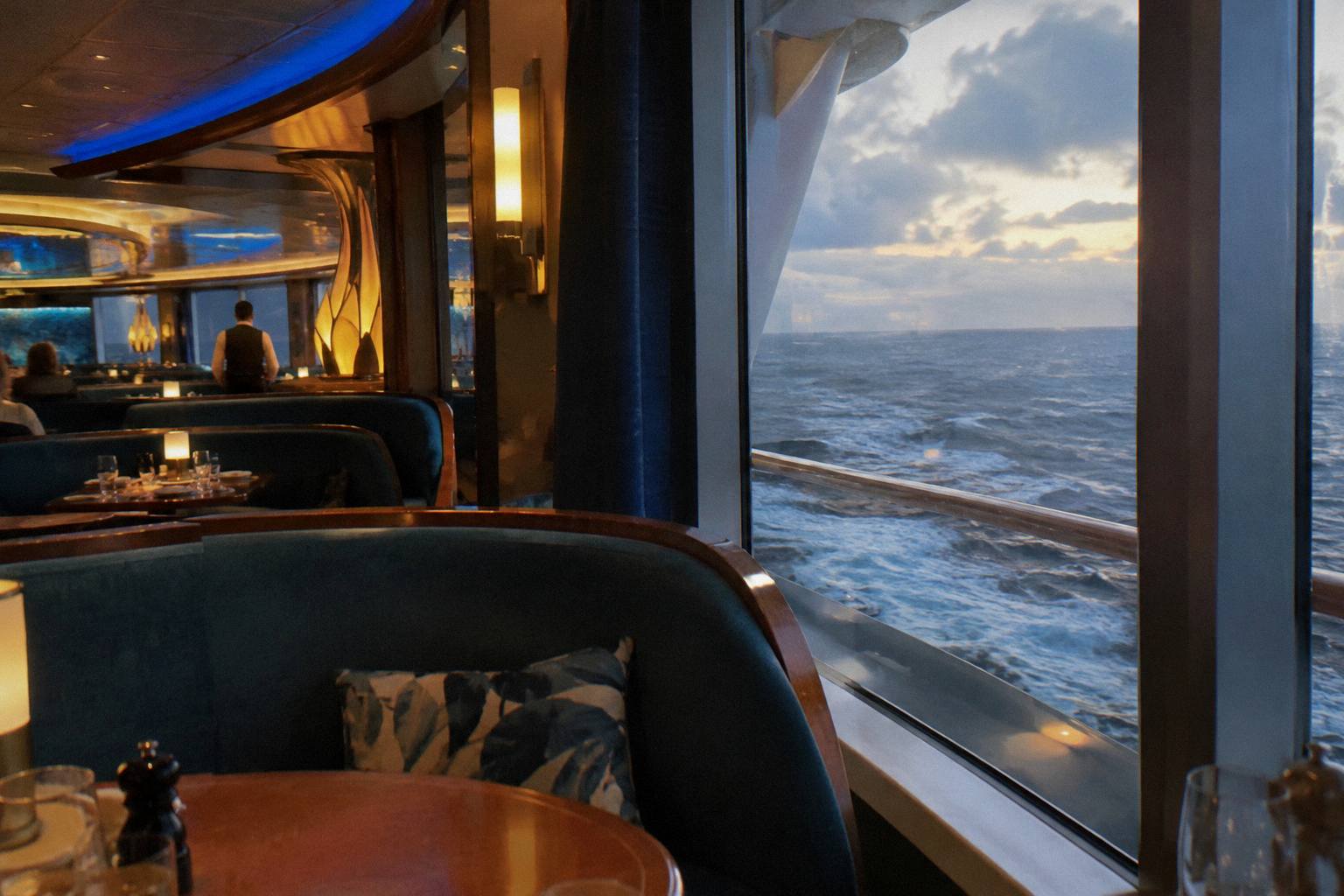
Public behaviour norms are the second layer. French Polynesia is culturally conservative in its villages and relaxed at its resorts, and the standard advice for any couple, straight or gay, is modest affection in public settings and full freedom on board the ship or at a resort. Nothing in published advice suggests LGBT visitors face anything beyond ordinary cultural expectation, and the island's economy runs on welcoming visitors of every kind.
What Kind Of Cruise Experience Is Bora Bora, Really?
Bora Bora is a lagoon day, not a city day, and the cruise experience there is built around water. Ships anchor outside the reef, tenders run into Vaitape, and passengers scatter to snorkelling, lagoon tours, overwater bungalow resorts and beach clubs. There is no gay nightlife and no urban scene, because the island's resident population is small and village-scale. The LGBT-specific experience lives on the ship, in the charter community you sail with.
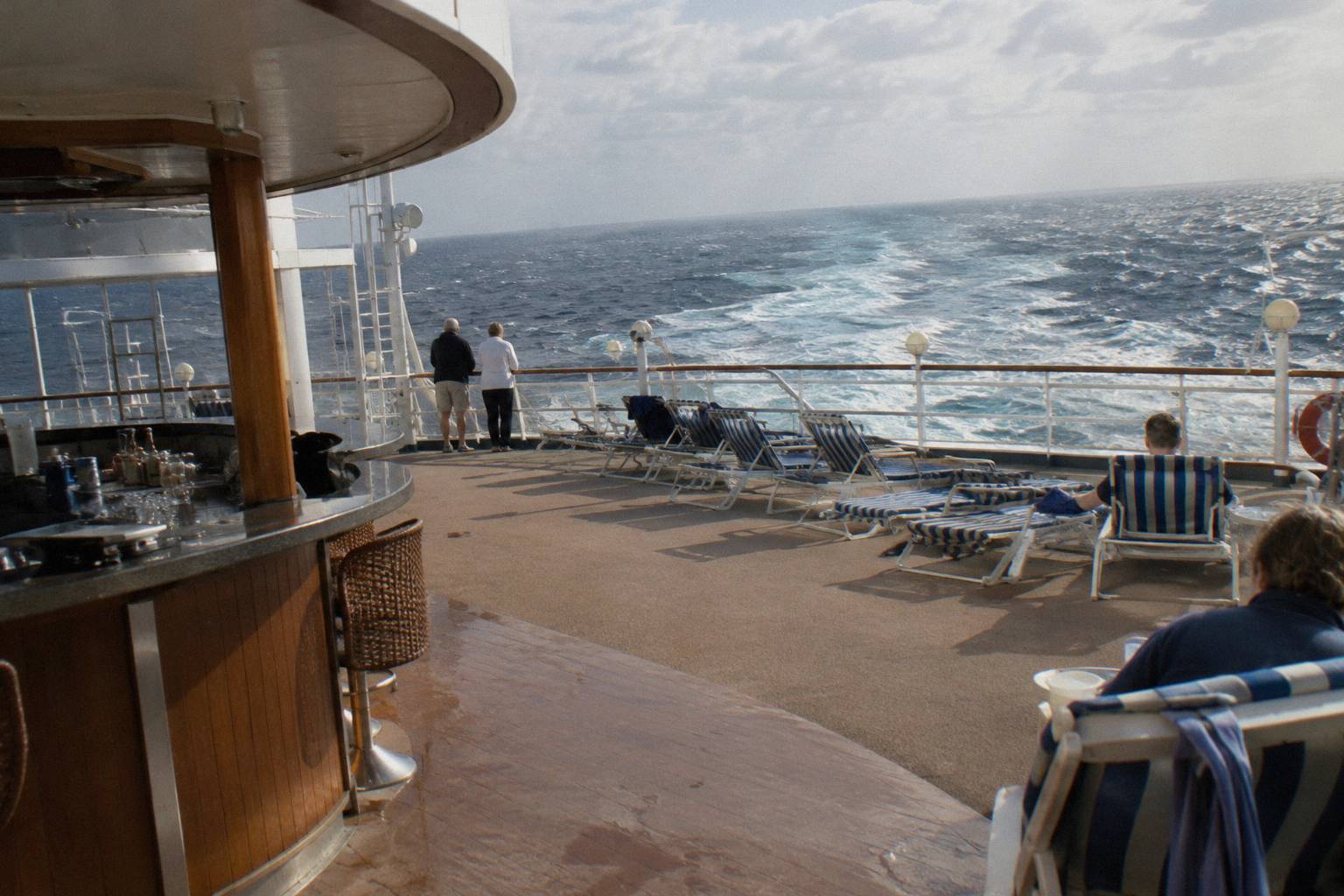
That division of labour is worth understanding before booking. On a mainstream sailing, Bora Bora delivers a spectacular natural day and the LGBTQ+ dimension is simply your own travel party. On an LGBTQ+ charter, the port day is the same lagoon, but the evenings carry the community programming the operator builds, and the ship becomes the social destination. VACAYA's model is exactly that: a mixed LGBTQ+ audience on board, with Polynesia among its marquee itineraries.
For travellers weighing whether the South Pacific justifies the flight time, the honest framing is cost and season. VACAYA's Polynesia pricing started at $6,330 per person, and the broader LGBTQ+ luxury market runs from roughly $4,900 to $22,300 per person depending on operator and itinerary. The season is the southern winter dry months, and the LGBTQ+ charter calendar thins out or sells out years ahead, VACAYA's entire 2026-2028 slate included. If the price or the timing raises a question, that is the moment to compare itineraries with a specialist rather than guess.
The alternative worth naming is the expedition and river end of the market. Small ships reach places the big lines never call at, and the intimacy of a 30-guest river vessel is a different product from a 2,770-guest mega ship. That is where the featured ship on this page comes in.
How Does Delfin III Compare With Ocean Ships For An LGBT Cruise?
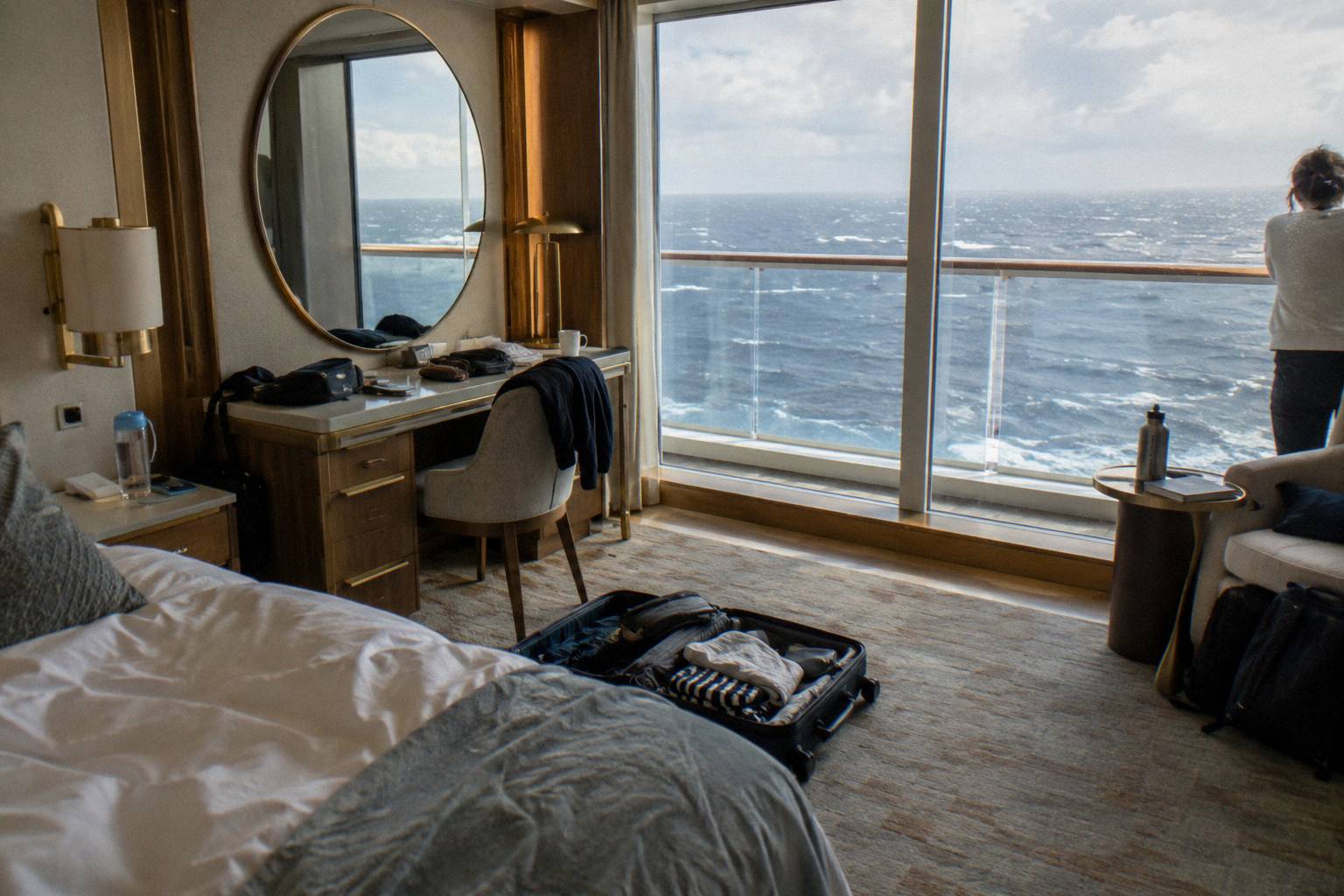
Delfin III is an Amazon river ship, not a Polynesia ship, and the comparison is about travel style rather than destination. River ships carry a few dozen guests into Peru's Pacaya Samiria reserve, while ocean ships on this site's roster, such as Valiant Lady at 2,770 guests or World Navigator on expedition routes, deliver scale or remoteness at sea. An LGBT traveller choosing among them is choosing crowd size, pace and water versus village.
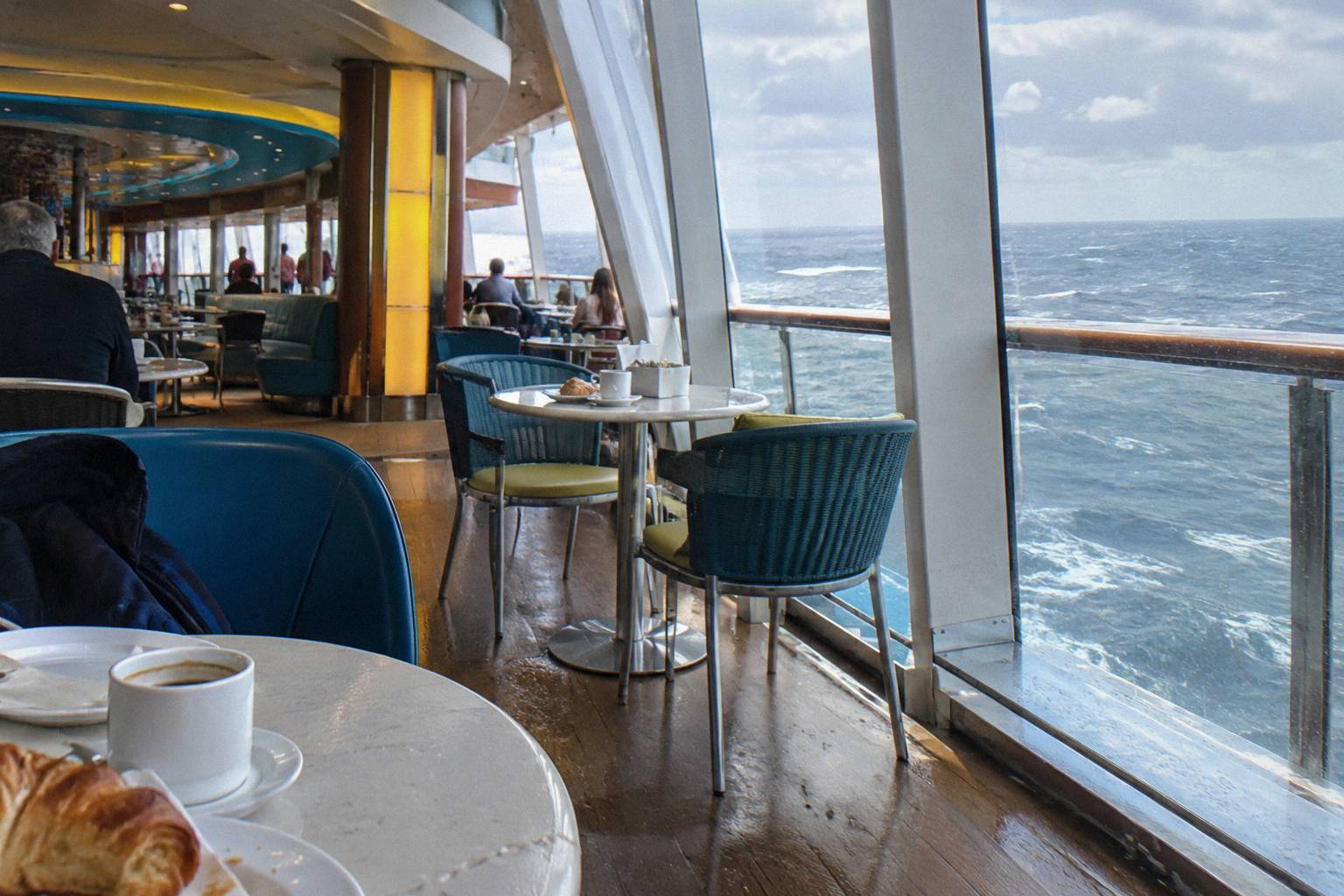
The figures here make the differences concrete. Valiant Lady and Scarlet Lady, Virgin Voyages mega ships, each carry 2,770 guests, with Scarlet Lady built in 2020. World Navigator and World Traveller are Atlas Ocean Voyages expedition ships, built for polar and remote-water itineraries. Celebrity Beyond carries 3,260 guests and entered service in 2022. Delfin III sits at the opposite pole, a Delfin Amazon Cruises river ship designed for the upper Amazon, where the cruise is a slow drift through flooded forest with skiff excursions twice a day.
The comparison table below puts the three side by side, and it is the honest way to see what changes when you swap a lagoon for a river.
| Ship | Type | Guests | Built | Charter operators | Embarks from |
|---|---|---|---|---|---|
| Delfin IIIDelfin Amazon Cruises | River Ship | 44 | – | Brand g Vacations | – |
| Valiant LadyVirgin Voyages | Mega Ship | 2,770 | 2021 | Atlantis Events, BearCruise | San Juan, Barcelona |
| World NavigatorAtlas Ocean Voyages | Expedition Ship | 200 | 2021 | KelliGregg Travel / R Family Vacations | Oslo, London, Copenhagen |
For LGBTQ+ travellers specifically, the river product is often chosen by couples who want the destination without the crowd, and the ocean charter product by travellers who want the community on board. Neither is more "gay friendly" than the other in any way the sources support; they are different products. What the operators covered here do show is that LGBTQ+ operators charter across every category, from mega ships to luxury river vessels, and Brand g Vacations' calendar of 24 announced sailings includes river itineraries in Europe alongside ocean and expedition routes.
What Does A Bora Bora Gay Cruise Cost?
A Bora Bora gay cruise costs from about $6,330 per person, based on real figures for VACAYA's sold-out Polynesia sailings at the lowest cabin category. For wider context, LGBTQ+ charters run from roughly $1,199 per person for Atlantis Events interior cabins on 7-9 night sailings up to $22,585 for Out Adventures' Antarctica itinerary, placing Bora Bora trips in the upper-middle of that range.
Basis matters when reading those numbers. Prices are per person, lowest category, as the operators wrote them on their own pages, and sailing status was what. Atlantis Events, the men-focused charter operator founded in 1991, lists interiors from $1,199 to $1,799 on its current 7-9 night sailings, with $3,999 having applied to the sold-out Oceania Marina. Those are Caribbean-scale prices on big-ship charters; French Polynesia costs more because the itineraries are longer and the positioning is remote.
The cost of getting there is part of the decision. Bora Bora itineraries typically sail round trip from Papeete or from a regional port, and international flights to Tahiti add a significant per-person line on top of the fare. Flight costs are not published by the operator, so no number is printed here, but any quote for a Polynesia sailing should be read with airfare, transfers and pre-cruise hotel nights in mind. This is exactly the arithmetic where a free consultation earns its keep: the fare is only the headline.
| Cost element | Typical range published | Notes |
|---|---|---|
| Atlantis Events interior, 7-9 nights | $1,199 to $1,799 per person | Big-ship charter, Caribbean-scale routes |
| VACAYA Polynesia | From $6,330 per person | Sold out for 2026-2028 |
| Brand g Vacations river (Rhine) | About $4,900 per person | Lowest cabin |
| Brand g Vacations Asia luxury | About $22,300 per person | Philippines, Taiwan, Japan |
| Out Adventures Antarctica | $22,585 per person | Expedition end of the market |
| Waves of Pride | From $1,609.40 per person | Fare, taxes and gratuities; separate $149-199 entertainment fee |
The sell-out pattern is the real cost story. Of the 90 charter and group sailings listed across 11 operators, 29 show sold out or waitlist, and VACAYA's slate is fully sold out. Waiting for last-minute deals on South Pacific LGBTQ+ charters is a strategy the published fares do not support. A related question readers often pair with pricing is covered in the average age of gay cruise passengers, which shapes which charter feels right.
Who Is A Bora Bora Cruise Not For?
It is not for travellers chasing gay nightlife, a big-ship party atmosphere on every deck, or a budget fare. Bora Bora delivers a quiet, expensive, nature-first port day, and the LGBTQ+ charters that reach it are longer luxury itineraries. Anyone whose priority is a large Atlantis-style charter crowd at a four-figure interior fare, or who wants walkable gay venues in port, will be better served by Caribbean or Mediterranean sailings on the same operators' calendars.
The honest mismatch cases are easy to name. If your holiday budget sits near Atlantis's $1,199 to $1,799 interior range, a Polynesia sailing at more than triple that, before flights, is the wrong product. If you measure a gay cruise by party scale, note that the Polynesia charters covered here are smaller luxury operations, not mega-ship arena events. And if mobility is a consideration, tender ports like Bora Bora involve step-down boat transfers that some travellers find difficult, and the shore program is built around water activities.
Who it is clearly for: couples marking an occasion, travellers who snorkel or dive, photographers, and anyone who wants an LGBTQ+ community on board while the ports stay natural rather than urban. Olivia's calendar, 19 announced sailings to May 2028, shows the women-focused market reaching similar remote destinations, and the same logic applies there: the community is the ship, the destination is the water.
Mistakes That Trip Up First Time South Pacific Cruisers
The four mistakes that recur across published fares are booking late, ignoring the tender port, comparing fares without airfare, and assuming every LGBTQ+ sailing reaches Bora Bora. With 29 of 90 listed sailings already sold out or waitlisted, and VACAYA's Polynesia slate fully gone, the late-booking mistake is the expensive one. The others waste money or deliver the wrong itinerary, and each is avoidable with one question asked before deposit.
First, booking late. The sold-out column on this site's sailing file is the whole argument: VACAYA's eight sailings, all sold out; Out Adventures' two, both sold out; 10 of Olivia's 19. South Pacific and expedition capacity is small and the LGBTQ+ market books ahead, so the window between announcement and waitlist is often a year or less.
Second, skipping the fine print on the port day. Bora Bora is a tender call, weather can shift lagoon conditions, and no operator publishes a guaranteed tender-operations rate, so no promise is made here. Third, comparing fares across operators without the airfare and pre-cruise hotel, which is the comparison that makes a Polynesia quote meaningful. Fourth, buying an operator brand instead of an itinerary: Atlantis, VACAYA and Brand g all run multiple routes, and only some include French Polynesia. The FCDO local laws pages are the model for the fifth habit, checking each port's legal position yourself, and the FCDO Barbados entry shows how specific that advice gets for Caribbean alternatives.
Common Questions About Bora Bora For LGBT Cruise Passengers
Is Bora Bora Safe For LGBT Cruise Passengers?
Yes, by the evidence available. Same-sex relations are legal in French Polynesia under French law, no advisory flags the territory, and LGBTQ+ charter operators including VACAYA have run sold-out itineraries there. The port is a quiet lagoon day with no gay nightlife, so safety is not the concern, product fit is.
Is same-sex activity legal in French Polynesia?
Yes. French Polynesia is a French overseas collectivity and French national law applies, under which same-sex relations are legal.
Which LGBTQ+ cruise operators sail to French Polynesia?
VACAYA has run Polynesia itineraries priced from $6,330 per person, and all of its 2026-2028 trips showed sold out. Brand g Vacations and other luxury LGBTQ+ operators cover the wider Pacific and Asia on their 24 and 8 sailing calendars respectively, so matching the itinerary to Bora Bora specifically is the key check.
What does a Bora Bora LGBT cruise cost?
VACAYA's Polynesia sailings started at $6,330 per person at the lowest category before selling out, while the broader LGBTQ+ market spans about $1,199 per person for Atlantis interiors on 7-9 night Caribbean-scale sailings up to $22,585 for Antarctica. Flights to Tahiti sit on top of the fare, and the operator does not publish their cost.
Are there gay bars or nightlife in Bora Bora?
No. Bora Bora is a village-scale destination built around its lagoon, resorts and water activities. The social side of an LGBTQ+ cruise there lives on the ship, in the charter community and its programming, not in the port.
Is Bora Bora a tender port, and does that matter?
Yes, ships anchor in the lagoon and passengers transfer by tender boat into Vaitape. It matters for travellers with mobility concerns, since boarding involves step-down transfers, and for planning, since lagoon conditions can affect operations. No operator publishes a guarantee rate, so treat tender days as standard South Pacific practice.
More Questions Answered
 Straight On A Gay CruiseWho is actually welcome on a gay cruise, operator by operator, and how to be a good ally guest.Read the answer
 What Happens On BoardThe rundown of a gay cruise: who sails, what a day looks like, costs and rules.Read the answer
 Average Age On BoardNo operator publishes a passenger age average; audience, price and itinerary reveal who each sailing actually draws.Read the answer
 Gay Passenger NumbersWhich ships actually carry the most gay passengers? Charter capacity, not demographics, holds the answer.Read the answer