Gay Cruise Ports In Countries With Anti LGBT Laws
Some of the busiest gay cruise routes call in ports where the law behind the gangway is very different from the party on deck. Here is what the official advice and operator pages actually say, country by country.
This page sits in Planning And Onboard Guides, the hub that covers everything from choosing a sailing to life on deck.
Quick Facts
| Fact | Detail |
|---|---|
| Countries tracked with port-law data | 19 on this site's verified file |
| Ports where male same-sex activity is criminalised | Jamaica (up to 10 years prison) |
| Caribbean ports where same-sex relations are legal | Bahamas (since 1991), Cuba (since 1979) |
| Mediterranean ports with marriage equality | Greece (marriage legal since 2024) |
| North African ports with no protecting framework | Morocco, Egypt |
| Total charter and group sailings tracked | 90 across 11 operators |
| Sailings showing sold out or waitlist | 29 of the 90 |
| Cheapest listed charter fare | Atlantis Events interiors from $1,199 per person |
Which Gay Cruise Ports Sit In Countries With Anti LGBT Laws
A small number of regularly visited ports sit under criminalising or unlegislated law, and they cluster in two regions: the Caribbean and the North African Mediterranean. Jamaica is the clearest case, with male same-sex activity illegal and penalties up to 10 years in prison. Morocco and Egypt publish no legal protection. The rest of the map, from the Bahamas to Greece to Norway, is legal or fully equal.
A gay cruise booking usually starts with the itinerary, not the ship, and that is exactly where the legal question lives. The port-law file behind this guide covers 19 countries that appear across the charter and mainstream cruise calendars. Only one of them, Jamaica, criminalises same-sex activity with a stated prison penalty, but several others leave a blank where a protecting law should be, and a blank is worth understanding before you choose a sailing.
It helps to separate three tiers. The first tier is fully or largely equal: Greece has had marriage since 2024, Norway decriminalised in 1972 and recognises marriage, Cuba recognises marriage, and Italy offers civil unions. The second tier is legal but with caveats: Turkey does not explicitly outlaw same-sex relations, but the FCDO notes that public-morality provisions can be used in ways that touch LGBTQ+ people. The third tier is the one this page is about: criminalised or unlegislated jurisdictions, where the port call itself deserves a bit of planning.
The distinction that matters most for a cruiser is between the ship and the shore. A chartered gay cruise, whether it is an Atlantis Events charter or a mixed LGBTQ+ VACAYA sailing, operates as a private event on a vessel flying the operator's flag state rules while at sea. The moment you step ashore in Falmouth or Ocho Rios, local law applies to you in exactly the way it applies to anyone else. That asymmetry is why the same seven-night Caribbean sailing can feel like two different trips depending on how you handle the port days.
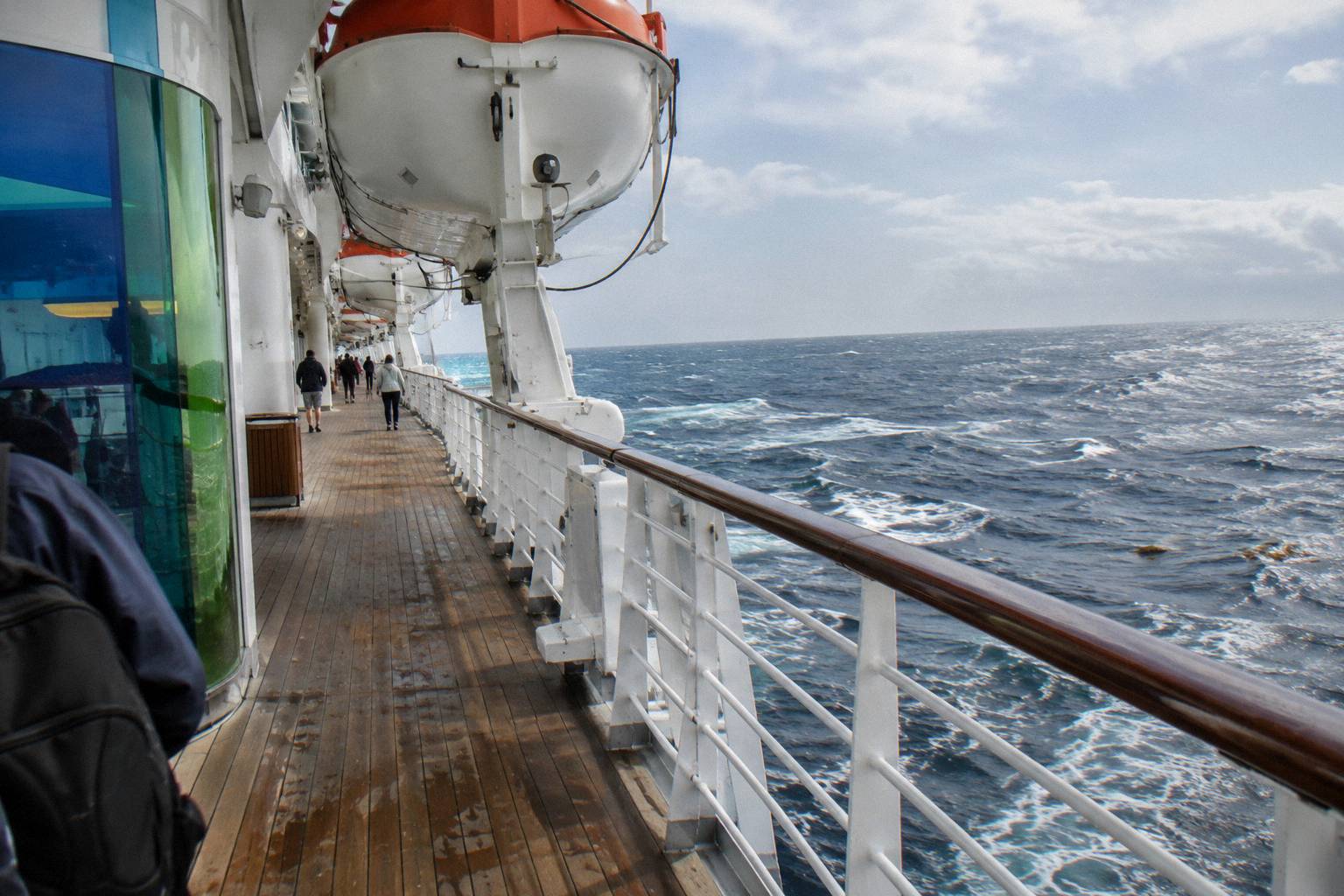
If your shortlist includes routes that call in criminalising ports, it is worth talking through the alternatives with someone who knows the calendars: get free gay cruise planning advice and compare itineraries before committing. The consultation costs nothing and there is no obligation attached.
What Jamaica's Criminalisation Actually Means For Cruise Passengers
Jamaica is the one destination on the standard gay cruise map where male same-sex activity is explicitly illegal, carrying penalties of up to 10 years in prison, and the UK FCDO says so plainly on its local laws page. In practice, cruise passengers are not targeted for simply arriving, and thousands of LGBTQ+ travellers pass through Jamaican ports each season. The advice is not to avoid the port entirely; it is discretion ashore or a day on the ship.
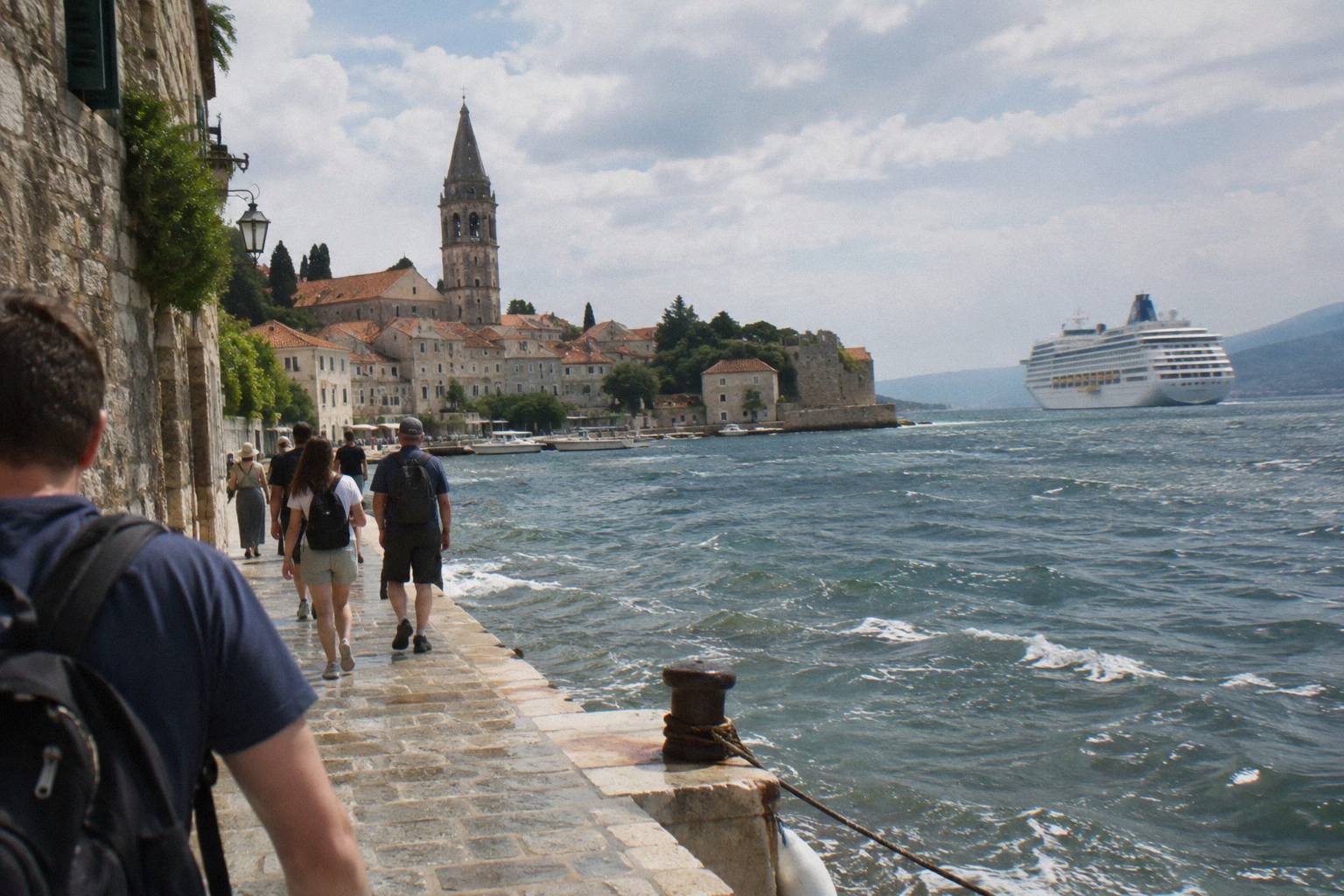
The UK Foreign Office's Jamaica local laws page is the clearest official statement available, and it is worth reading in the operator's own words rather than a paraphrase: the FCDO Jamaica local laws and customs page sets out both the statute and the practical guidance. The core fact is criminalisation of male same-sex activity with up to 10 years in prison, and no recognised partnership status is listed.
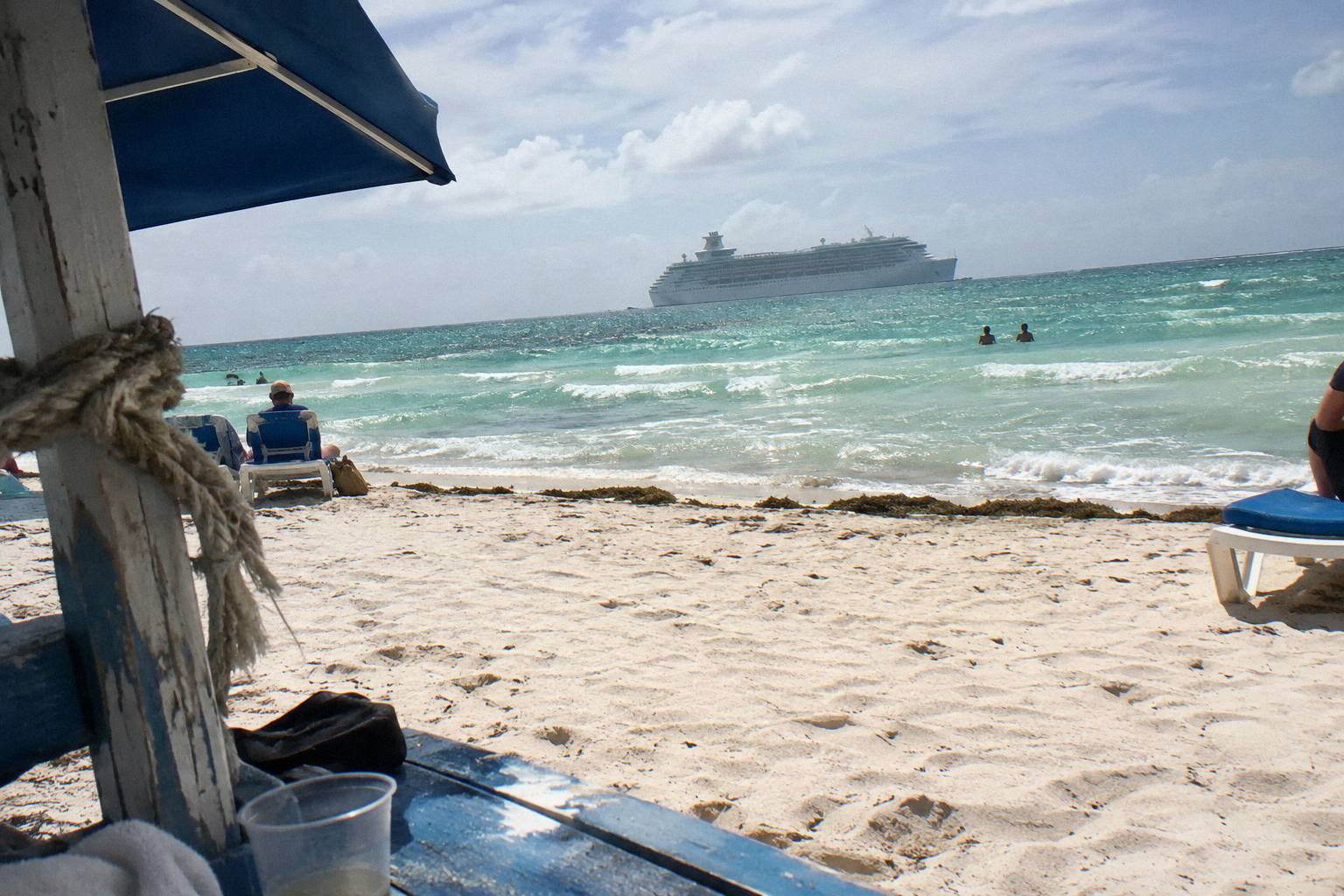
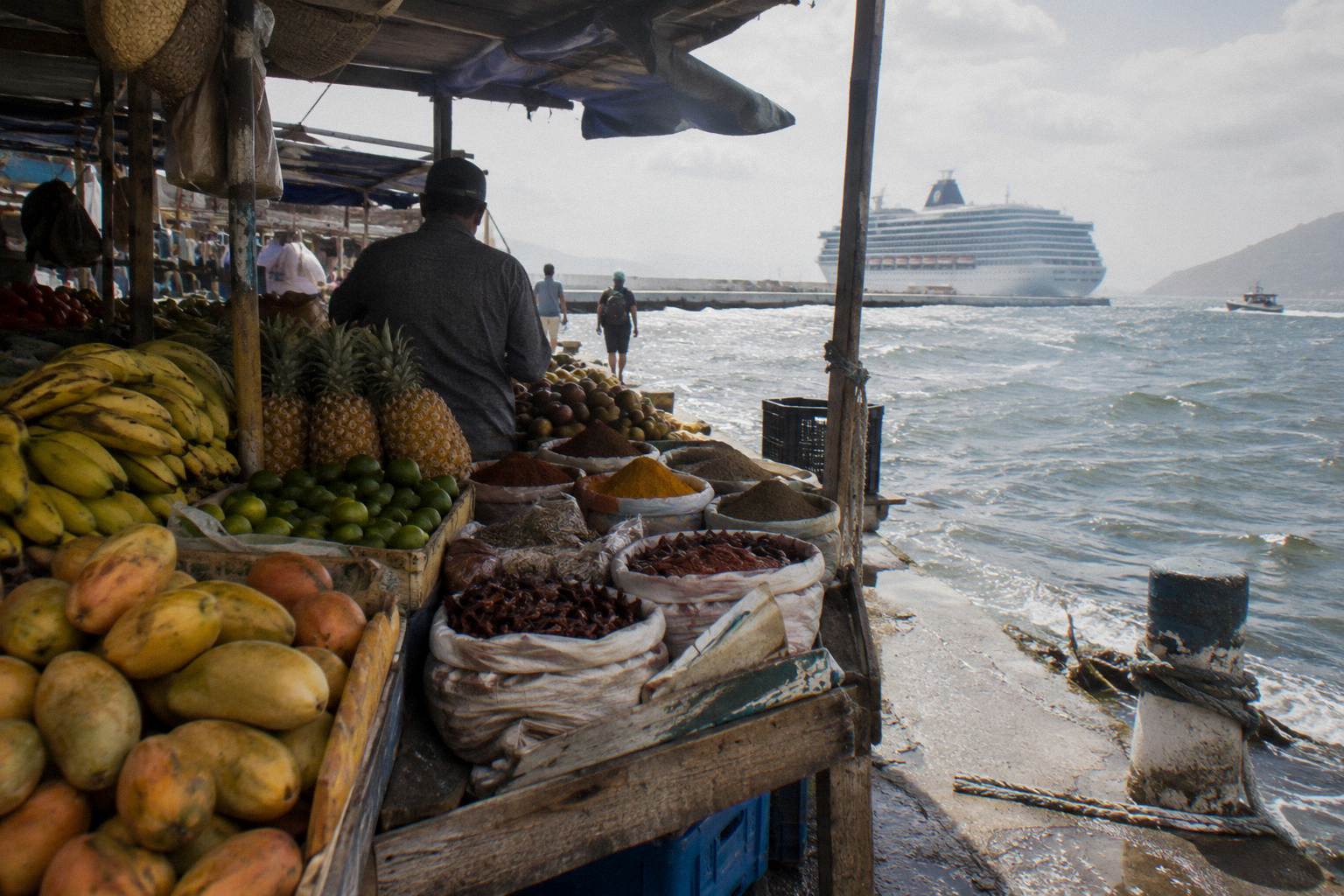
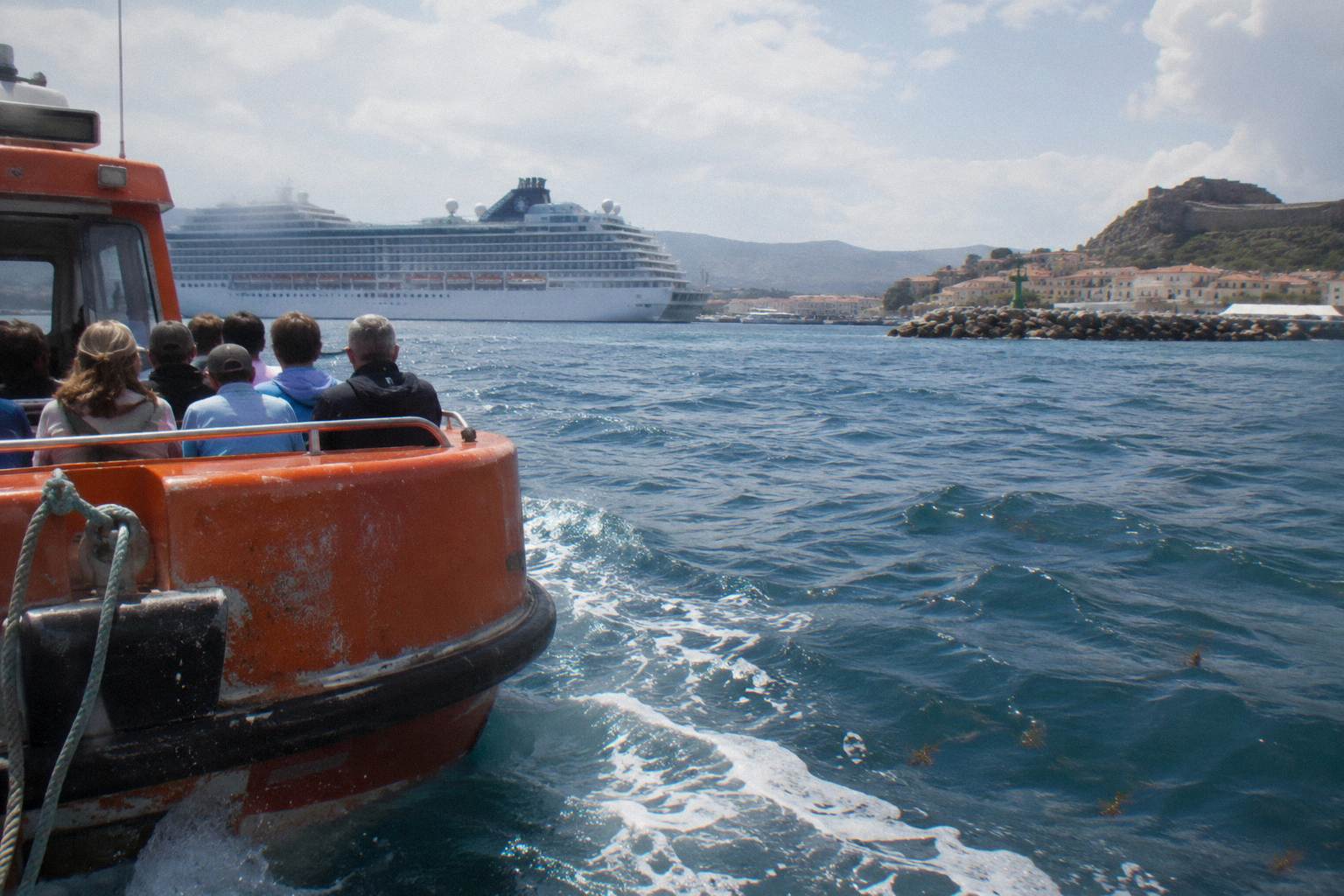
What that means for a gay cruise passenger is narrower than the headline suggests. Port calls in Falmouth, Ocho Rios or Montego Bay typically run six to ten hours. Public affection, whether same-sex or mixed, already draws attention in Jamaica in a way it would not in Santorini. The FCDO framing is about conduct in public space, not about who you are. Organised excursions booked through the ship, private beach days and booked tours keep you inside managed environments, which is the approach most experienced LGBTQ+ cruisers take in criminalising ports.
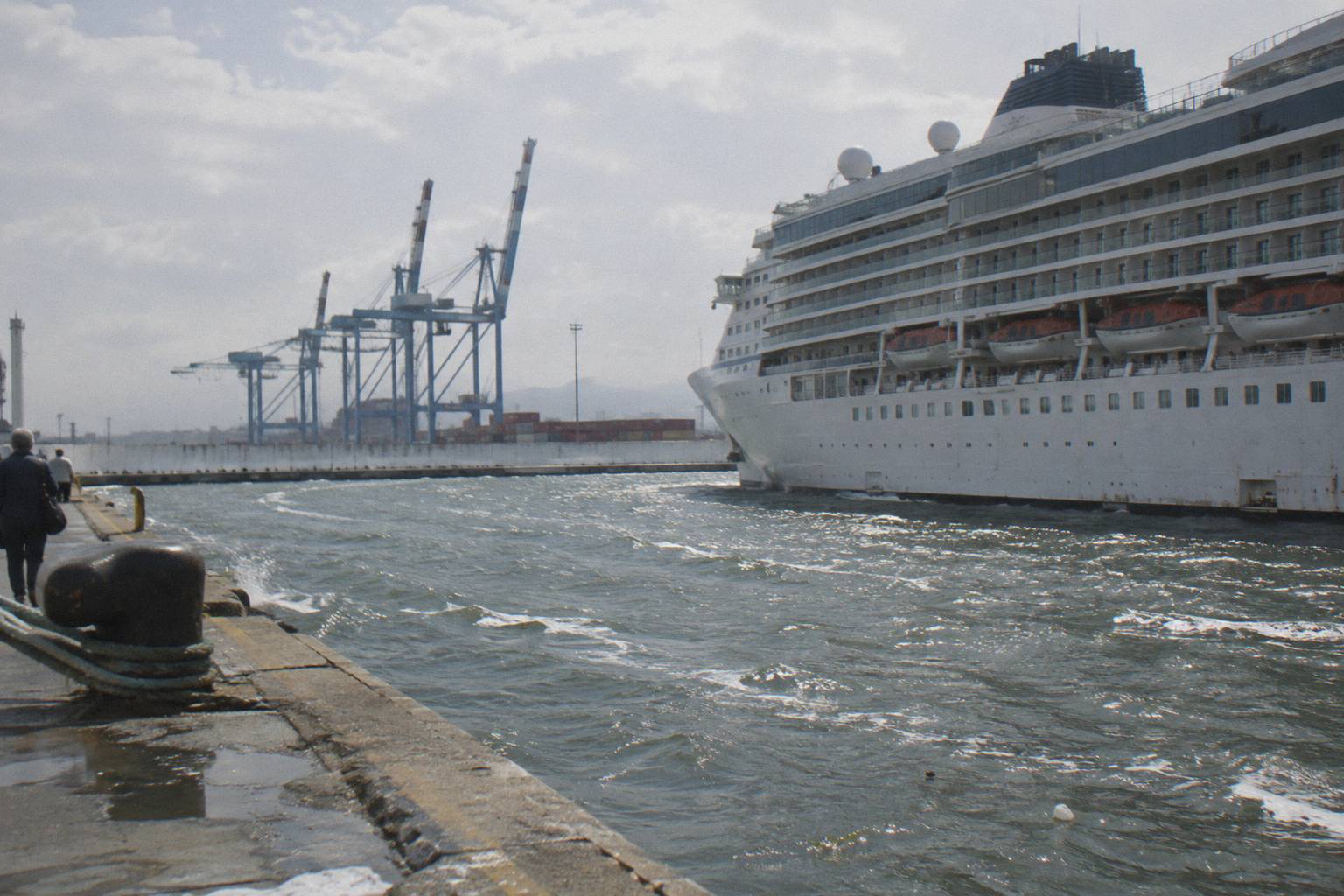
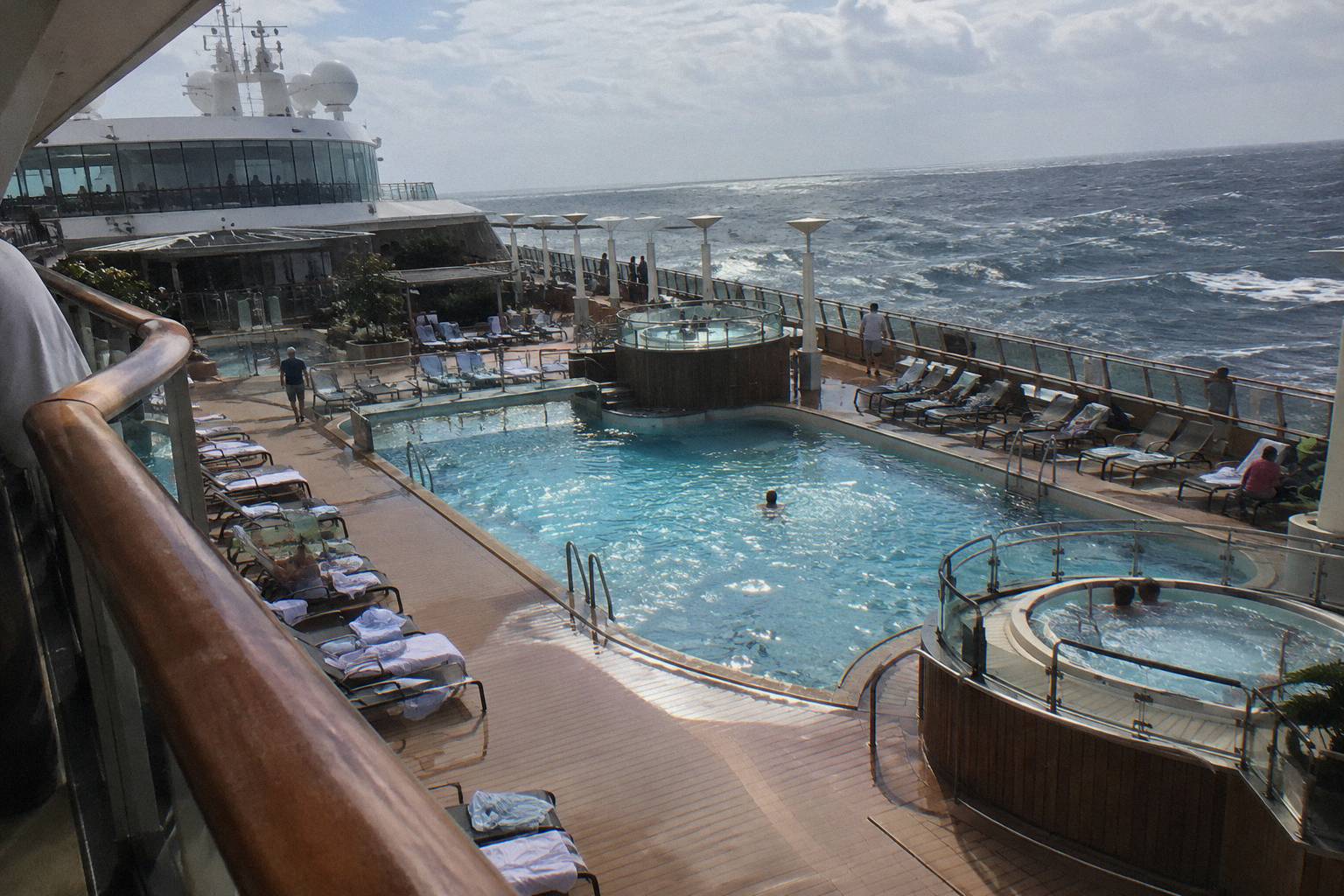
There is also a real case for simply staying aboard. On a chartered gay cruise, a Jamaican port day is often the quietest day on the ship: the pools, bars and entertainment run with a fraction of the crowd, and the charter's own programming moves into the space the shore excursions vacate. Plenty of regulars treat those sea-level port days as the best of the week. If that appeals, the itinerary choice becomes less about the port and more about which operator's onboard product you prefer, and a quick free consultation on ship choices can narrow it fast.
Which Caribbean Ports Have Anti LGBT Laws On The Books
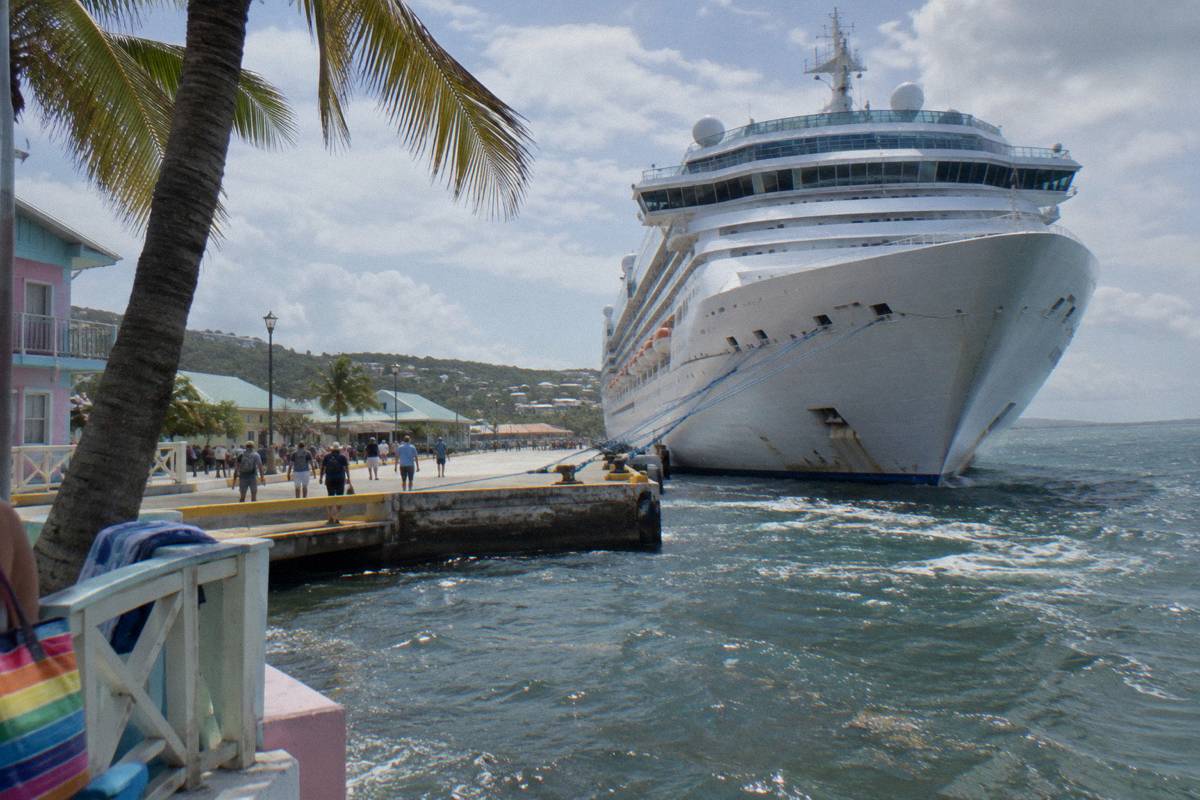
Across the Caribbean ports that dominate gay cruise itineraries, the legal picture is mostly better than travellers fear. The Bahamas legalised same-sex relations in 1991 and sets an equal age of consent of 18. Cuba decriminalised in 1979 and now recognises marriage. Jamaica is the outlier with criminalisation on the statute book. Cayman, Barbados, the Dominican Republic, Mexico and Aruba show blanks on the official listings.
Blanks deserve their own explanation rather than a guess. The Cayman Islands, Barbados, the Dominican Republic, Mexico and Aruba show a dash on the same-sex relations question, and a dash means no stated status is published. It does not mean legal, and it does not mean criminalised. For those ports, the practical approach is to check the current FCDO or equivalent advice close to travel, since Caribbean statutes have been moving in recent years and a static guide page can lag behind.
| Caribbean port country | Same-sex relations | Marriage or partnership | Practical read for cruisers |
|---|---|---|---|
| Bahamas | Legal since 1991; equal age of consent 18 | Not stated | Most relaxed of the English-speaking Caribbean ports on this list |
| Jamaica | Criminalised; up to 10 years prison | Not stated | Discretion ashore, per FCDO advice |
| Cayman Islands | Not stated | Not stated | Check current FCDO page before travel |
| Barbados | Not stated | Not stated | Check current FCDO page before travel |
| Dominican Republic | Not stated | Not stated | Check current FCDO page before travel |
| Mexico | Not stated | Not stated | Check current FCDO page before travel |
| Aruba | Not stated | Not stated | Check current FCDO page before travel |
| Cuba | Legal, decriminalised 1979 | Recognised | Legal ashore; infrastructure still varies |
The Bahamas row is the one that surprises people most, because the country's reputation lags its statute. Nassau and Freeport appear constantly on short Caribbean cruises, including on ships that host LGBTQ+ charters and group sailings. The FCDO's own page confirms the 1991 legalisation: see the FCDO Bahamas local laws and customs page for the current wording. For a fuller destination-by-destination treatment, our guide to gay travel destinations at cruise ports works through the port towns themselves.
A useful habit is to read the table by column rather than by row. The marriage and partnership column runs mostly "Not stated" even where same-sex relations are legal, which tells you something real: legality of relations and recognition of partnerships are separate questions, and a port can be relaxed on the first while silent or restrictive on the second. Cuba is the only row on this list where marriage is marked as recognised, which is why its practical read differs from the other legal-status entries.
For day-to-day behaviour ashore, the FCDO advice referenced in the Jamaica row is the pattern that carries across the region: on ship, cruise line rules apply, and what matters in port is local law. Travellers who keep public affection at the level they would show in any unfamiliar destination, and who know the status of their port before disembarking, are planning sensibly rather than restricting themselves.
Which Mediterranean And North African Ports Need Extra Care
The Mediterranean splits into three clear bands. Greece, Italy and Spain sit at the protected end, with Greek marriage legal since 2024 and Italian civil unions in place. Turkey is legal but carries the FCDO caveat that public-morality provisions can be used in ways that affect LGBTQ+ people. Morocco and Egypt are the two to plan around: neither publishes a protecting framework, and some Western Mediterranean and Egypt-centric itineraries call in both.
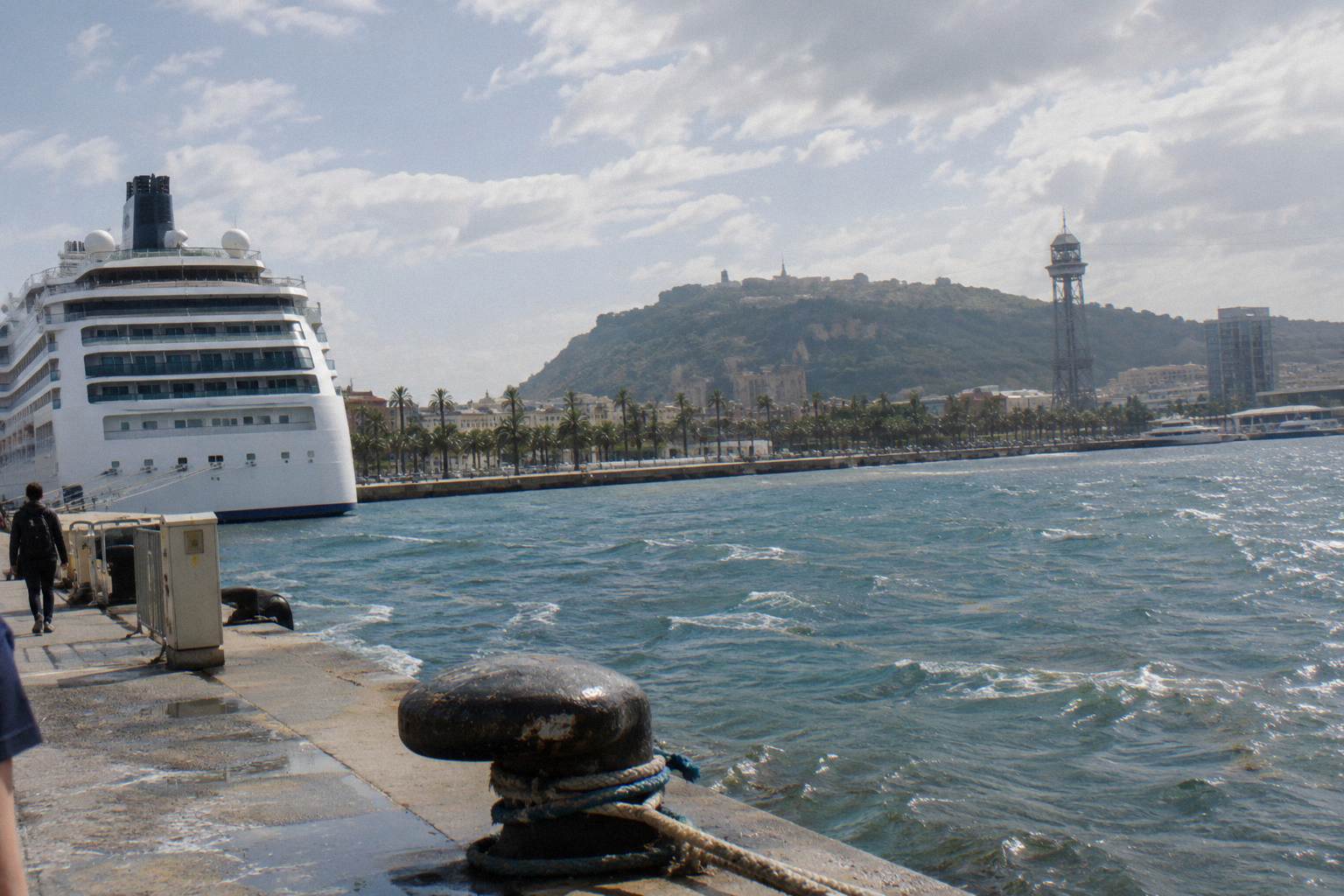
Greece has become one of the most charter-friendly backdrops in the region. VACAYA, the mixed LGBTQ+ operator founded in 2017, lists Mediterranean sailings from $3,719 per person on its eclipse cruise, though its published 2026 to 2028 trips were showing sold out on the operator's pages. Brand g Vacations, the gay-centred mixed-audience operator founded in 2011, runs Rhine and European itineraries from about $4,900 per person at the lowest cabin category. Against a legal backdrop of Greek marriage equality, those are itineraries where the port-law question effectively disappears.
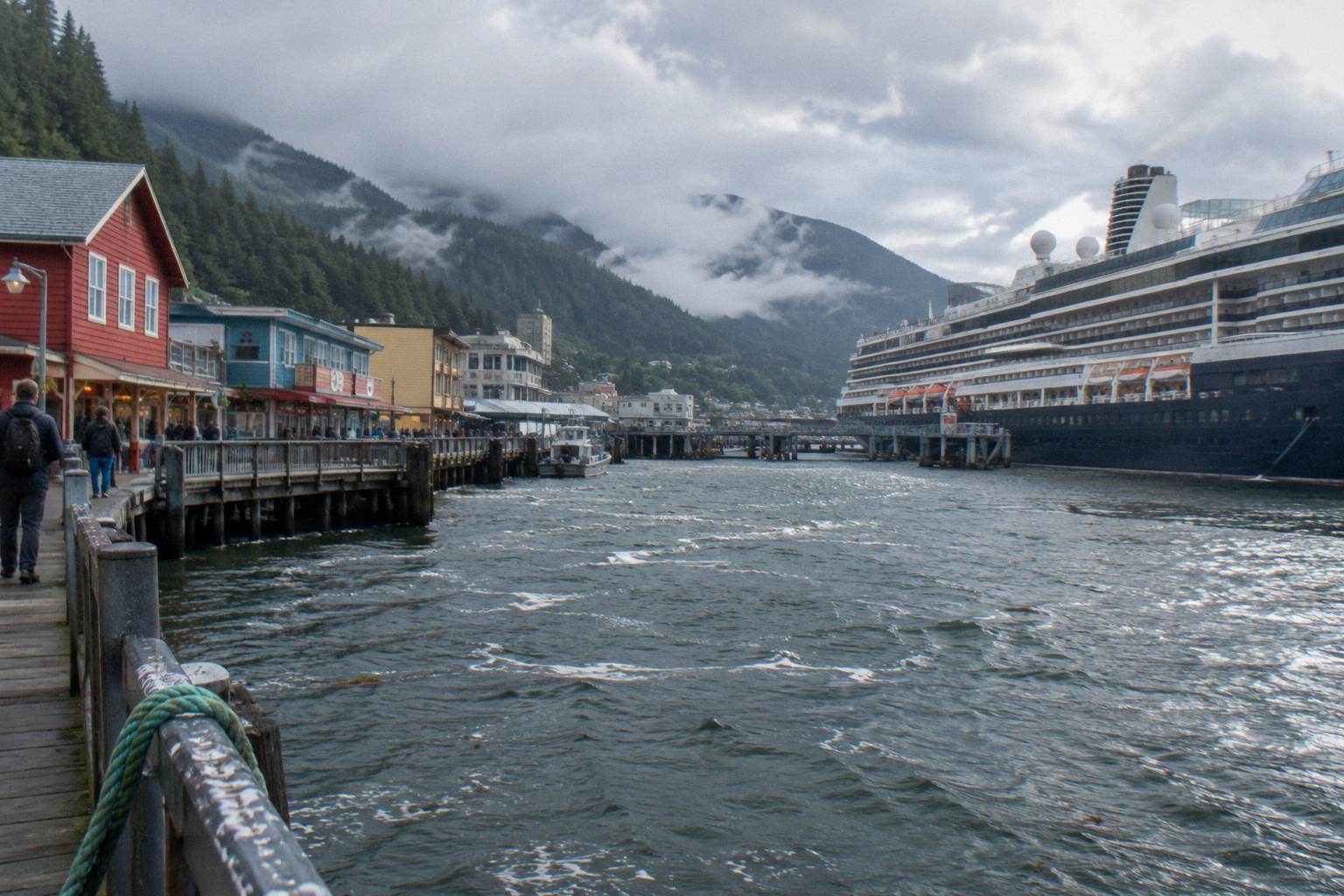
Turkey and North Africa are different. Turkish ports like Kusadasi and Istanbul appear on mainstream Mediterranean cruises that LGBTQ+ groups also sail. The law does not criminalise same-sex relations there, but the FCDO's guidance, reflected in this site's verified file, notes that provisions on public morality may be used in ways that touch LGBTQ+ people, so the practical advice is calibrated discretion, not avoidance. Morocco and Egypt sit beyond that: neither offers legal protection for same-sex relations, which is why Egypt-intensive cruises deserve a deliberate choice rather than a default one.
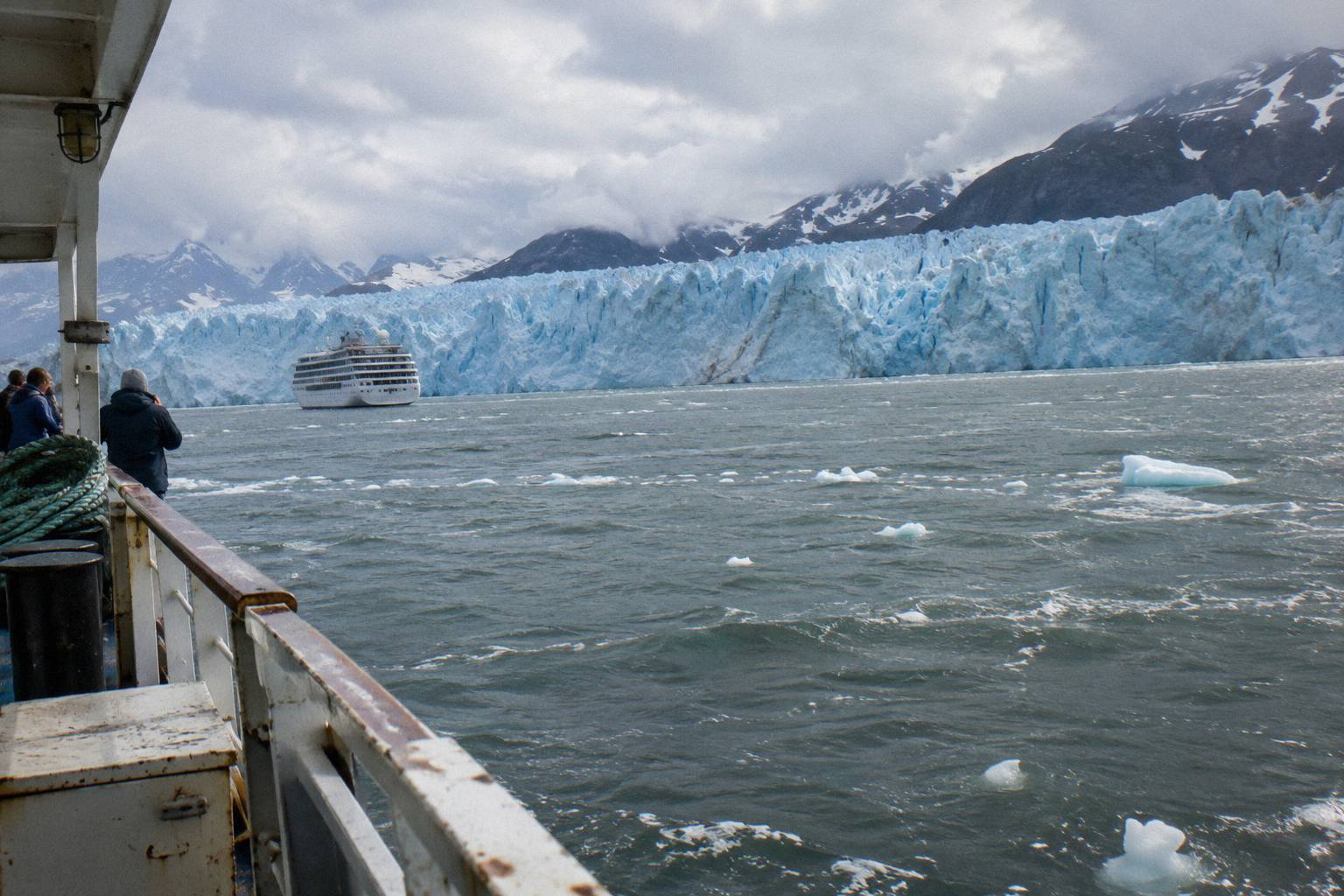
That deliberate choice is exactly where a river or expedition ship can beat a mega ship on route control. The Amazon itineraries run on Delfin III keep the port question inside Peru rather than spreading it across a dozen jurisdictions, and the Atlas Ocean Voyages expedition ships, World Navigator and World Traveller, carry small guest counts into polar and European routes that simply do not touch criminalising ports. If a legal-comfort map is shaping your route decision, compare itineraries with a free consultation and put the port list next to the law table before you pick.
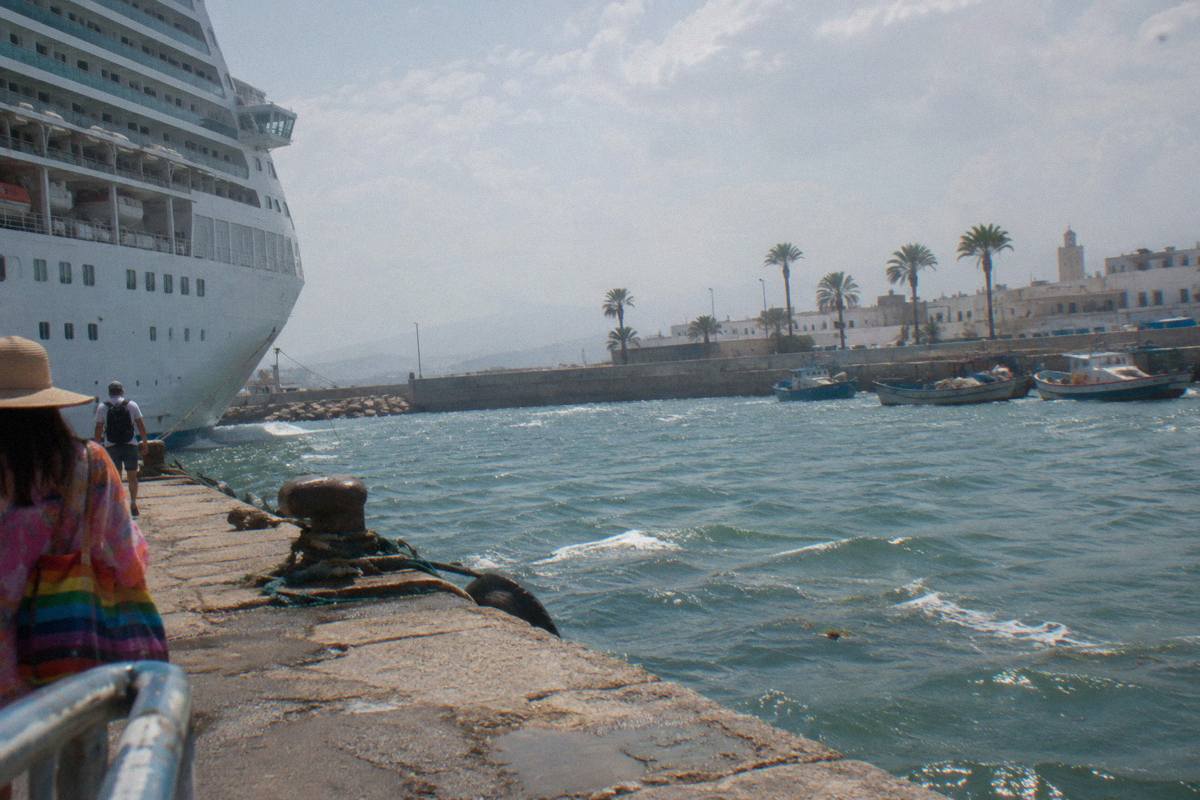
Is The Ship Itself Still A Safe Space In Hostile Ports
Yes, with one clear boundary. While a chartered or group gay cruise is at sea or docked, onboard conduct runs under the cruise line's rules and the charter's own programming, not the local statute of whichever port is alongside. That boundary ends at the gangway. Operators do not publish immunity from local law, and no charter promises it.
The distinction is easiest to see in how the mainstream lines describe themselves. Virgin Voyages' own pride messaging states that inclusivity is baked into the brand rather than a seasonal celebration, and its ships have hosted third-party LGBTQ+ charters including an Atlantis Events charter on Scarlet Lady in 2020, a Waves of Pride sailing on Resilient Lady, Sapphic Sail charters on Scarlet Lady for 2026 and 2027 sailings, and Odyssey Pride dates in late 2026. Those are ship-level commitments that hold regardless of which port the vessel is tied up in.
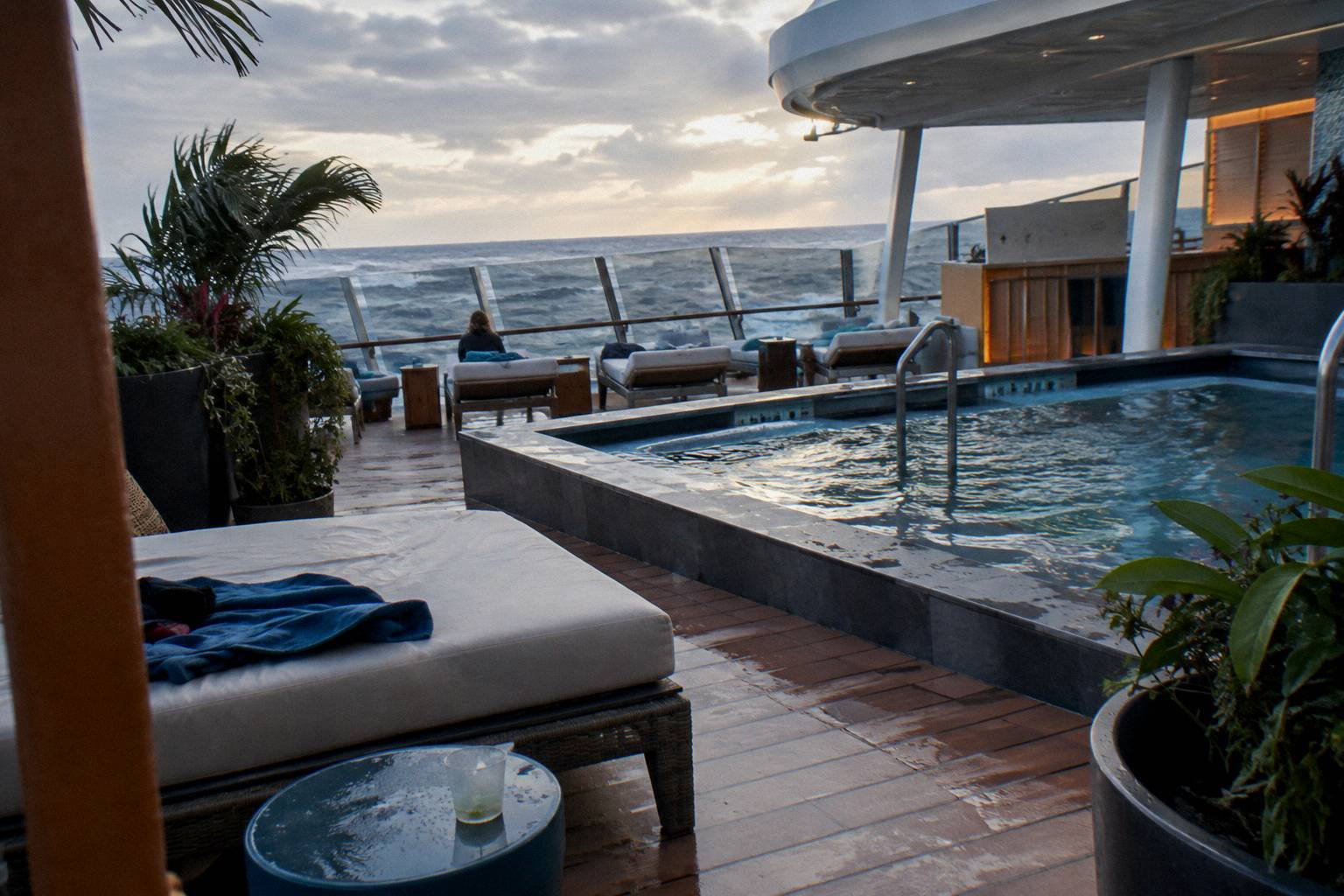
What no operator publishes is a claim about local law, and a good shopper should not read the party schedule as one. Onboard, a chartered gay cruise behaves like a private resort: the charter takes over the public spaces, sets its own entertainment, and runs its own code of conduct in partnership with the line. Ashore, you are a visitor in a foreign jurisdiction like any other passenger on any other cruise. The practical rule experienced cruisers use is simple: keep the ship's energy on the ship, especially in the criminalising ports covered earlier in this guide.
Clothing-optional and adult-themed programming, where a charter offers it, is likewise an onboard proposition governed by the charter's published rules, and those rules are the only source worth trusting on the subject. If you want a plain-English read on what actually happens on these sailings, our post on what happens on a gay cruise walks through the daily rhythm without the rumour.
How Charter Operators Handle Anti LGBT Ports
Operators handle difficult ports in three ways: they route around them, they rely on the ship-as-resort effect on port days, or they publish nothing about the local law and leave it to the traveller. None of the operator pages publishes a country-by-country legal policy, so there is no official playbook to quote. The calendars show the busiest operators concentrating on legal-framework destinations.
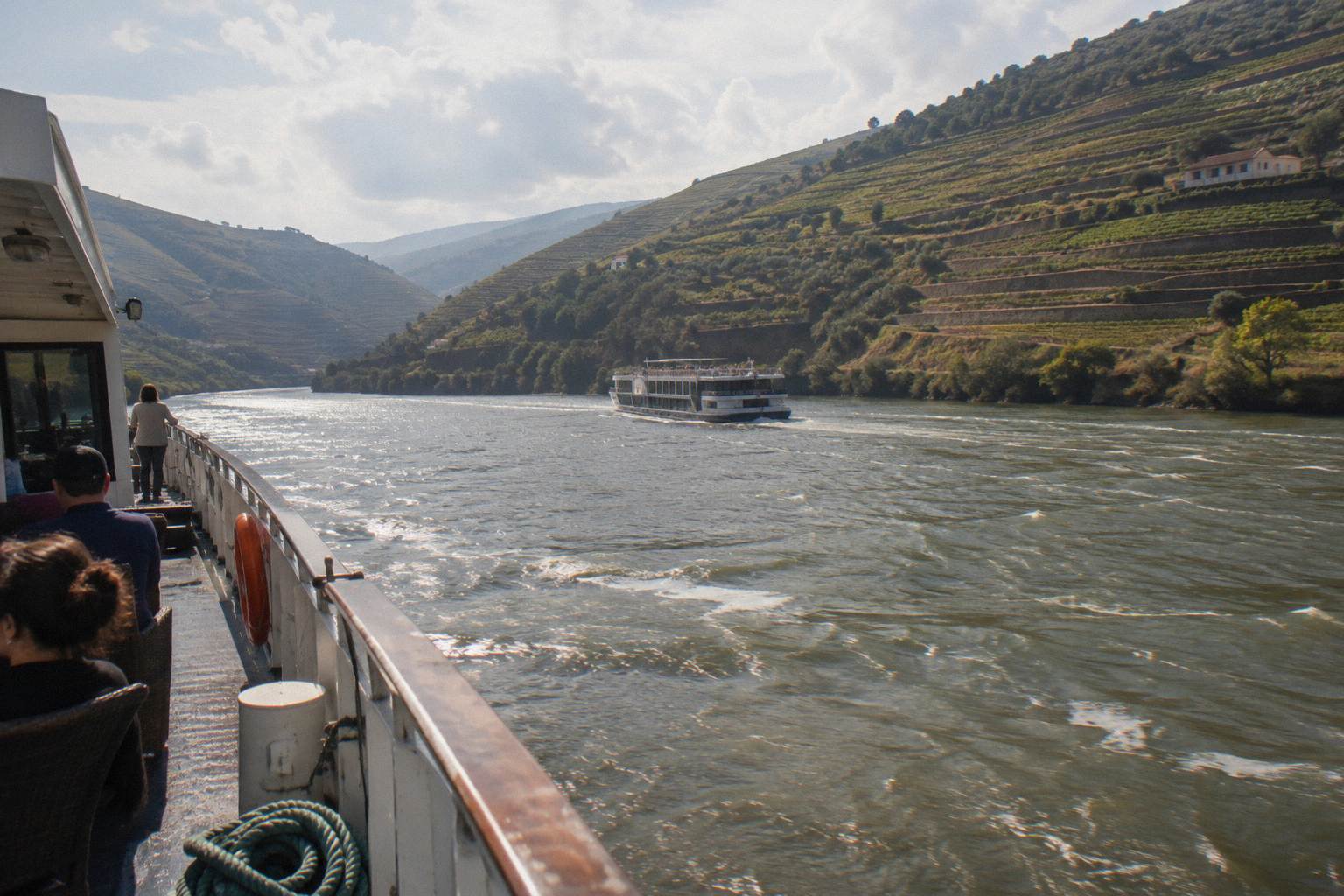
The sailing counts tell part of the story. This site's file holds 90 charter and group sailings across 11 operators, of which 29 show sold out or waitlist, and the spread of destinations behind those numbers leans heavily on regions where the port-law picture is comfortable: European rivers for Brand g, Mediterranean and Polynesian routes for VACAYA, and US-homeported Caribbean sailings for the large-ship charters. The river space deserves a special mention, because river itineraries cross fewer borders per week than ocean routes, which shrinks the legal patchwork to one or two countries.
| Operator | Audience | Sailings tracked | Sold out or waitlist | Price per person, lowest listed |
|---|---|---|---|---|
| Atlantis Events | Gay men | 6 | 4 | From $1,199 to $1,799 interior; $3,999 on the sold-out Oceania Marina |
| Olivia Travel | LGBTQ+ women | 19 | 10 | From about $999 (interior) to $6,899+ |
| Brand g Vacations | LGBT+, mixed | 24 | 5 | About $4,900 (Rhine) to $22,300 (Asia luxury) |
| VACAYA | Mixed LGBTQ+ | 8 | 8 | From $3,719 (Med eclipse) to $12,537 (Madagascar to Seychelles) |
| BearCruise | Bears and admirers | 6 | 0 | Not published |
| KelliGregg / R Family | LGBTQ+ families | 13 | 0 | Not published |
| Big Gay Cruise | Mixed LGBTQ+ and allies | 6 | 0 | Not published |
| Waves of Pride | LGBTQ+ | 1 | 0 | From $1,609.40 including taxes and gratuities, plus a $149 to $199 entertainment fee |
Read the table as a shopping map rather than a league table. Olivia's nineteen sailings, with ten already sold out or waitlisted, show how early the LGBTQ+ women's audience books; Atlantis shows the same pattern at the top of its price range, where the Oceania Marina sailing sold out at $3,999 per person. Where a price cell says not published, the operator's own page does not state one, and this site prints no number it cannot source. For women travellers weighing the options, the lesbian cruises guide breaks Olivia's calendar down sailing by sailing.
What To Book And What To Skip When A Port Is Hostile
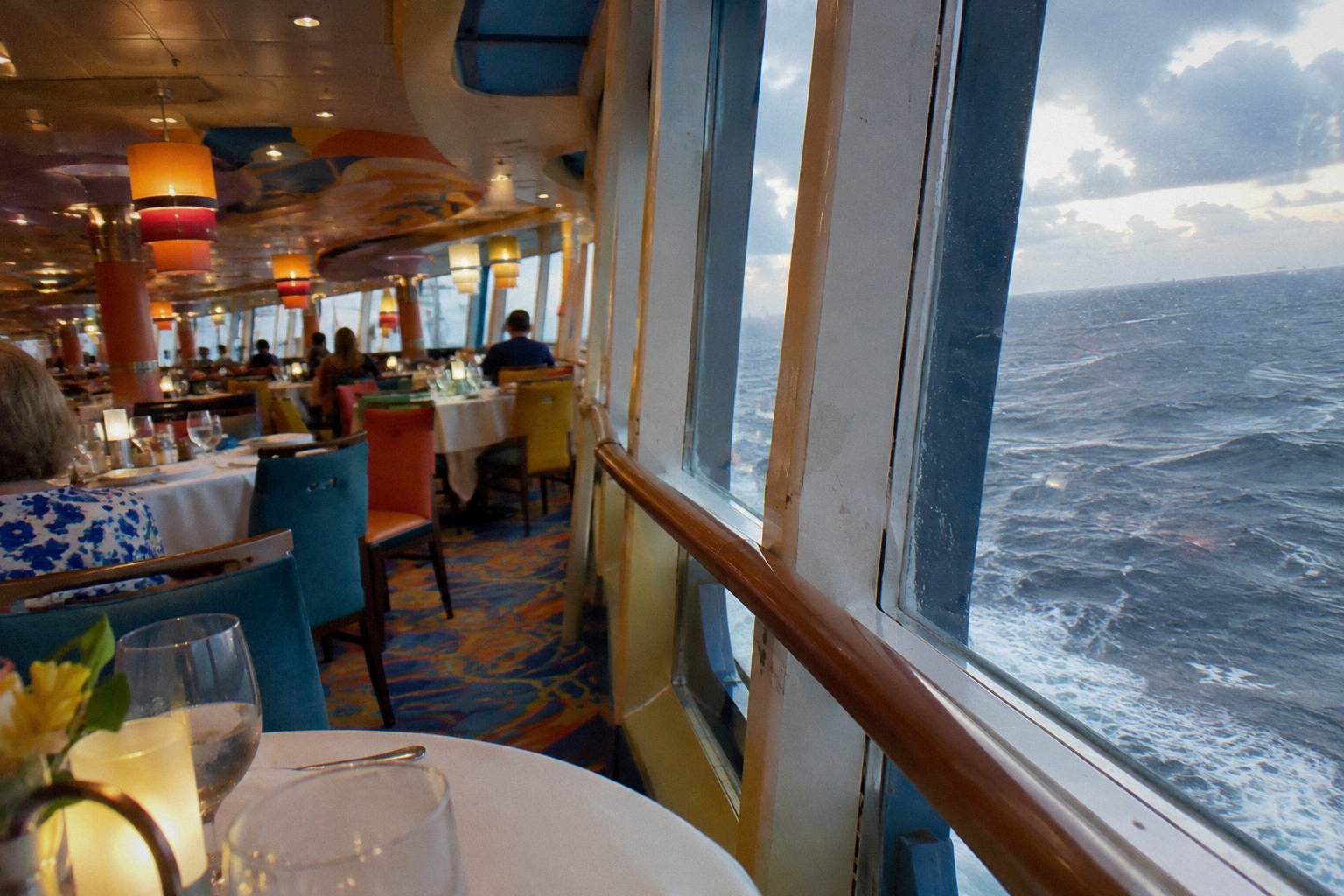
Book the itineraries that keep you inside comfortable legal frameworks if the port-law question is a dealbreaker: European rivers, the Greek islands, the polar routes and the Bahamas-heavy Caribbean circuits. Treat Jamaica, Turkey and any Egypt or Morocco port as a planned choice rather than a default, using ship days and organised excursions. Skip the assumption that a chartered cruise changes the law ashore.
Concretely, three route families minimise the legal patchwork. The first is river cruising: Amadeus Aurea sails European rivers where the legal picture is settled, and Delfin III's Amazon itineraries keep every port call inside Peru. The second is expedition cruising, where Atlas Ocean Voyages' World Navigator and World Traveller and Quark's expedition vessels concentrate on polar and remote routes that never touch criminalising jurisdictions; Quark's fares are voyage-level and shared across its three ships. The third is the Mediterranean mainstream, where the Greek and Italian calls dominate the week.
Against that, some of the highest-energy charters sail from Florida into itineraries that can include Jamaica or the Cayman Islands. Those sailings are not automatically wrong for cautious travellers; they simply reward planning. Decide in advance which port days you will spend aboard, book ship-run excursions for the ones you take, and treat the evening return to the charter as the payoff. The ship comparison is part of that decision too, and the gay cruise comparison guide sets the operators side by side.
Price is the other half of the decision. Charter fares from $1,199 per person for an Atlantis interior on a seven to nine night sailing sit at the accessible end, while luxury small-ship charters run to $22,300 per person at Brand g's top end and Out Adventures lists Antarctica at $22,585. The gap buys space, itinerary control and often a friendlier port list. When the numbers and the port-law map start pulling in different directions, talk through the route with a planner before booking; the consultation is free and there is no obligation attached.
Mistakes That Trip Up First Time Gay Cruisers
The recurring mistakes are treating a charter as legal cover ashore, booking purely on price without reading the port list, assuming every Caribbean island shares one law, ignoring the sold-out pattern and waiting too long, and skipping official advice in favour of forum rumour. Each one is avoidable with ten minutes of reading. None of it argues against the cruise, only against arriving uninformed.
The first mistake deserves its own paragraph because it catches people who should know better. A chartered gay cruise is a private event on a public vessel, and when it docks in a criminalising port, local law applies to passengers who go ashore, exactly as it applies to everyone else on the pier. The second is the mirror image: treating every warm-water port as risky. The Bahamas has been legal since 1991, Cuba recognises marriage, and Greece celebrates it; over-caution costs you some of the best ports in the calendar.
The third mistake is booking on fare alone. The Waves of Pride fare from $1,609.40 looks like a number to grab, but it carries a separate $149 to $199 entertainment fee and a single sailing listed; an Atlantis interior from $1,199 is cheaper still and buys a different product entirely. The fourth is timing. Twenty-nine of the 90 sailings tracked already show sold out or waitlist, including all eight VACAYA trips and ten of Olivia's nineteen, so the planning window in this market is measured in months, not weeks. The fifth is sourcing: port-law questions attract confident wrong answers online, and the FCDO pages linked in this guide are the primary source worth trusting. For a broader look at the field, Gay Cruises maintains guides on every operator and calendar year.
Common Questions About Gay Cruise Ports In Anti LGBT Countries
Which gay cruise ports are in countries where same-sex relations are illegal?
Jamaica is the only regularly visited gay cruise port in this site's verified file where male same-sex activity is criminalised, with penalties up to 10 years in prison. Morocco and Egypt appear on some mainstream itineraries and publish no protecting framework. Every other tracked country, from the Bahamas to Greece to Norway, is legal or fully equal.
Do I have to get off the ship in a port with anti LGBT laws?
No. Disembarkation is always optional, and on chartered gay cruises the port days in difficult jurisdictions are often the quietest and most relaxed aboard, with pools, bars and programming running at low occupancy. Many experienced cruisers plan ship days for hostile ports and shore days for the welcoming ones.
Is the Bahamas safe for gay cruise passengers?
Same-sex relations have been legal in the Bahamas since 1991, with an age of consent of 18 applied equally, and the country recognises no partnership status on this site's file. Nassau and Freeport are among the most frequently visited ports on LGBTQ+ charter calendars, and the FCDO raises no same-sex-specific legal warning there.
Does a gay charter change the law in the ports it visits?
No. A charter takes over the ship's public spaces and runs its own programming under the cruise line's rules, but it has no effect on the law of any country the vessel calls in. Onboard, the charter's standards apply; ashore, local law applies to you like any other visitor.
Are Turkey and Egypt cruise ports safe for LGBTQ+ travellers?
Turkey does not criminalise same-sex relations, but FCDO-sourced guidance notes that public-morality provisions can be applied in ways that touch LGBTQ+ people, so discretion is the advised approach. Egypt publishes no protecting framework in this site's verified file, and it is normally treated as a plan-ahead destination rather than a casual port day.
Which itineraries avoid anti LGBT countries entirely?
European river cruises, Greek and Italian Mediterranean routes, polar expeditions on ships such as World Navigator and World Traveller, and Amazon sailings on Delfin III all keep their port calls inside legal-framework countries. Quark's expedition fares are voyage-level and shared across its three ships, and Brand g's Rhine sailings start at about $4,900 per person.
More Planning And Onboard Guides
 Atlantis Cruise CostWhat an Atlantis charter really costs, from base fare to bar bill.Read the guide
 Atlantis Dress CodeTheme nights, packing lists and what the operator actually publishes about dress.Read the guide
 Atlantis Cruise ShipsEvery ship Atlantis charters, with sailing dates, prices and what is on sale.Read the guide
 Atlantis Drink PackageWhat the sources really say about drinks and packages on Atlantis gay cruises.Read the guide