Can You Bring PrEP On A Cruise Ship?
Yes, you can bring PrEP on a cruise ship. Cruise lines treat PrEP as personal medication, not a restricted item, and nothing in the operators' published rules singles it out. The real work is in the details: packing enough for the whole voyage plus delays, storing it correctly in a warm cabin, and checking the port-law pages for every country the itinerary visits.
This page sits in Questions Answered, the hub for pre-booking questions gay and LGBTQ+ cruisers actually ask before they reserve a cabin.
Quick Facts
| Fact | Answer |
|---|---|
| Can you bring PrEP on board? | Yes. No operator listed publishes a rule restricting personal medication |
| Is PrEP treated differently on a gay cruise charter? | No. Charter brands such as Atlantis and VACAYA publish no medication rules beyond the host line's |
| How much should you pack? | Enough for the full sailing plus buffer days for delays; the sources here give no fixed multiplier |
| Do you need the original packaging? | Official travel advice recommends keeping medication in original, labelled packaging with a prescription or letter |
| Are refrigerated formulations a problem? | Cabin fridges vary by ship; check with the line before sailing rather than assuming |
| Do port countries matter? | Yes. UK FCDO and US State Department country pages are the named sources to check per port |
| Can you refill mid-cruise? | Rarely at sea. Ships carry a medical centre, not a pharmacy network; plan to be self-sufficient |
| Does the consultation cover this? | Yes. The free cruise consultation can flag itinerary questions before you commit |
Can You Bring PrEP On A Cruise Ship?
Yes, you can bring PrEP on a cruise ship, and no major cruise line treats it as a restricted item. Lines classify it like blood-pressure tablets or inhalers: personal medication you carry in your own bag for your own use. The real question is logistics, not permission: how many days you pack, how you store tablets in a warm cabin, and what port countries require for prescription medicine at their borders.
The starting point is simple. The operators and lines whose sailings this site covers, from Atlantis Events charters on mainstream mega ships to river operators like Delfin Amazon Cruises, publish guest rules about alcohol, drones, candles and weapons. None of them publishes a rule that restricts HIV-prevention medication. That silence is the answer: PrEP is yours to bring, and nobody at check-in is asking about it.
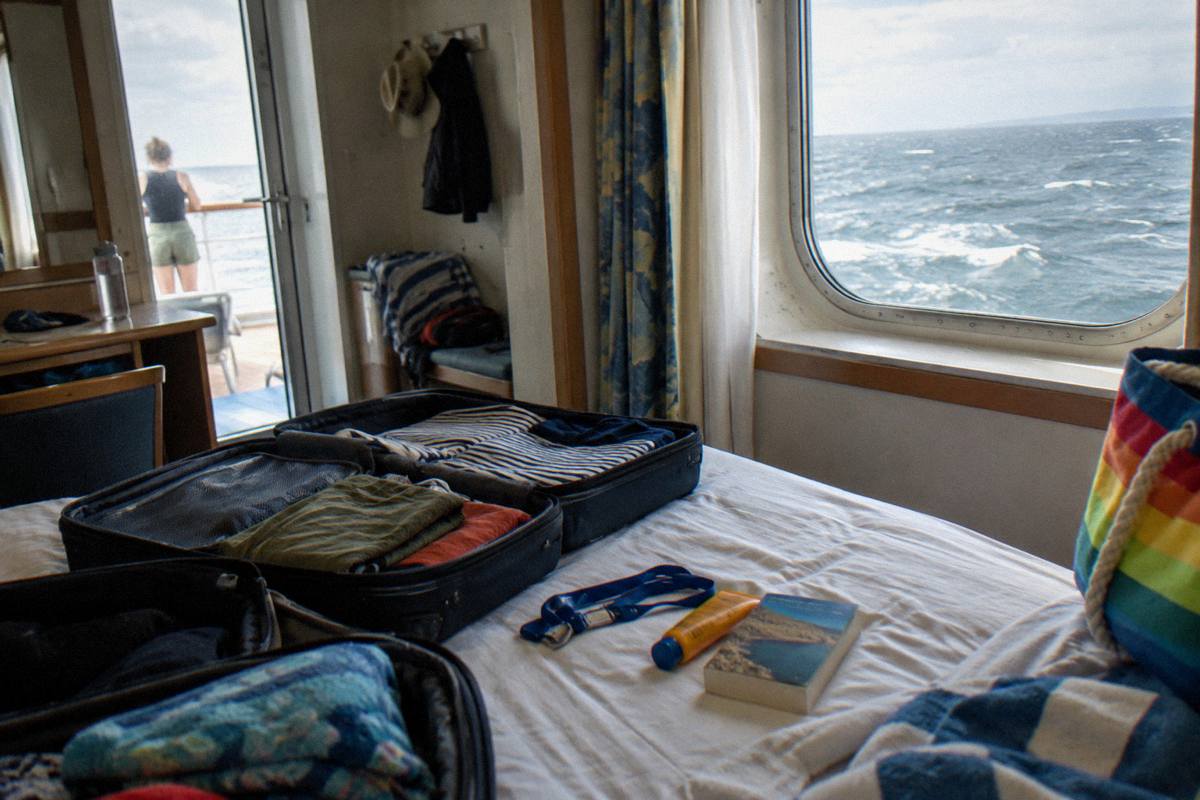
What makes the question worth a long answer rather than a yes is that a cruise is not a hotel stay. You are moving through jurisdictions. A seven-night Caribbean sailing might call at three or four countries, each with its own customs posture toward prescription medication. A river cruise on the Amazon touches remote stretches of Peru where a pharmacy refill is not a taxi ride away. The planning that keeps a daily tablet routine unbroken on land, a spare strip in the wash bag, becomes more deliberate at sea.
It also matters because the audience asking is often booking a specific kind of cruise. A reader comparing an Atlantis sailing against a mixed LGBTQ+ VACAYA charter, or a small-group yacht trip, wants to know whether the charter environment changes anything. It does not. The host line's rules govern the ship, and the charter brand books the entertainment, not the medical policy. If a question ever does come up, it is about the country, not the cruise.
If you are still choosing between an Atlantis cabin at the published interior range of $1,199 to $1,799 per person on current 7-9 night sailings and a different operator altogether, the medication question is the same for both, but the itineraries differ, and itineraries decide which port pages you need to read. That is exactly the kind of side-by-side a free cruise consultation settles quickly before any money moves.
Do Cruise Lines Count PrEP As Medication Or A Restricted Item?
Cruise lines count PrEP as personal medication, full stop. Every prohibited-items list published by the lines and operators covered here targets safety hazards: candles, irons, drones in some ports, weapons, illegal drugs. Prescription medication taken by the person who holds the prescription appears on none of them as a banned category. There is no separate declaration process for PrEP at embarkation on any sailing this site lists.
The practical read of the published rules is that the ship's prohibited-items list is about fire, security and customs risk, not about your medicine cabinet. That is why the same list bans a travel iron and says nothing about tablets. Your PrEP travels in your hand luggage, your carry-on at embarkation, your day bag on tender days, exactly like any other daily medication.
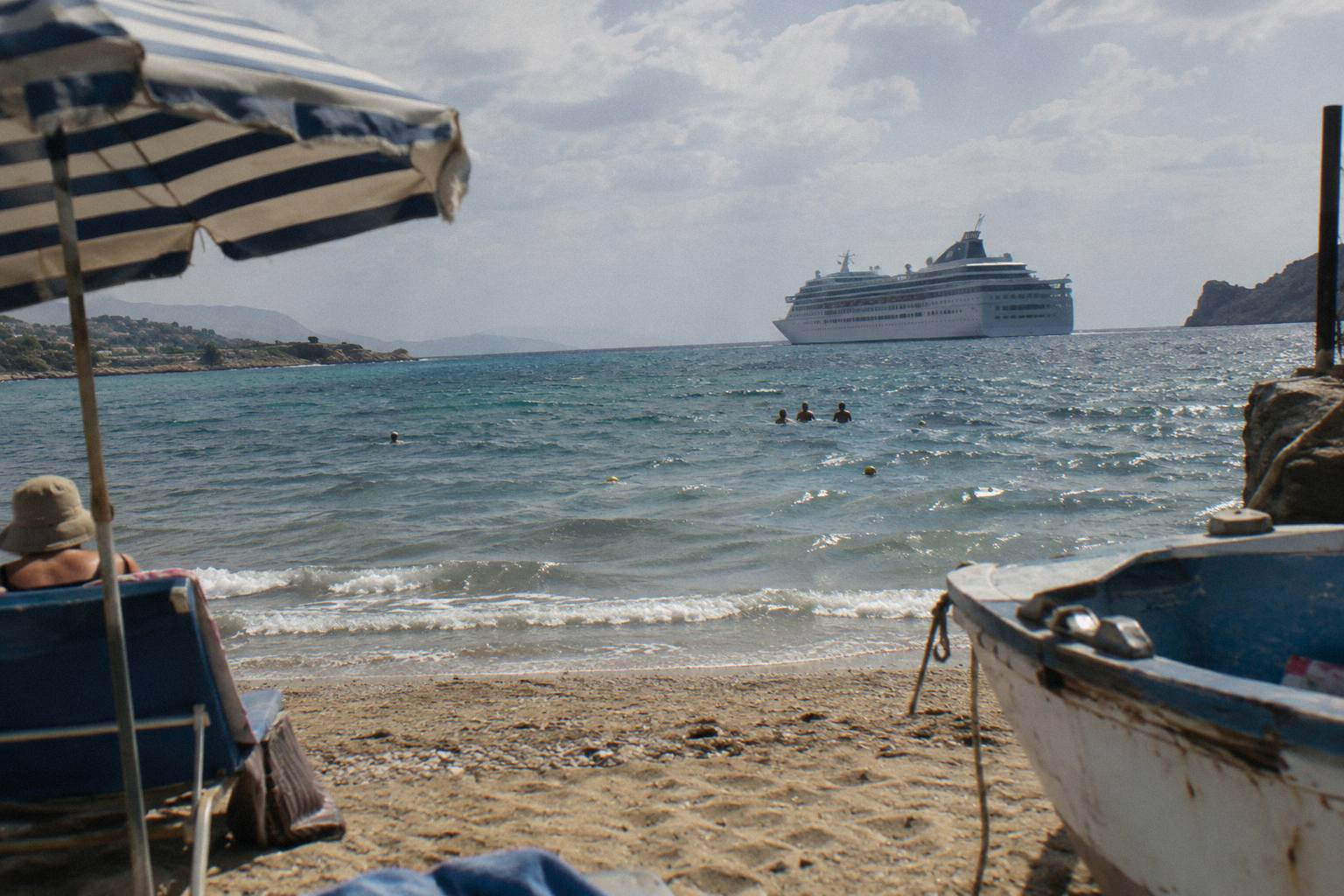
Two caveats keep this honest. First, generic prescription does not mean universally legal at destination. A medication lawfully dispensed to you at home can be controlled in a port country. The named official sources here, UK FCDO travel advice and US State Department country pages, exist precisely for that check, and both publish medication guidance under each country's entry. Second, injecting or refrigerated formulations are a different conversation from tablets: cabin refrigerators vary wildly by line and cabin class, and some are cooling plates rather than true fridges. If your regimen needs cold storage, that is a question to the line before booking, not a problem to solve on embarkation day.
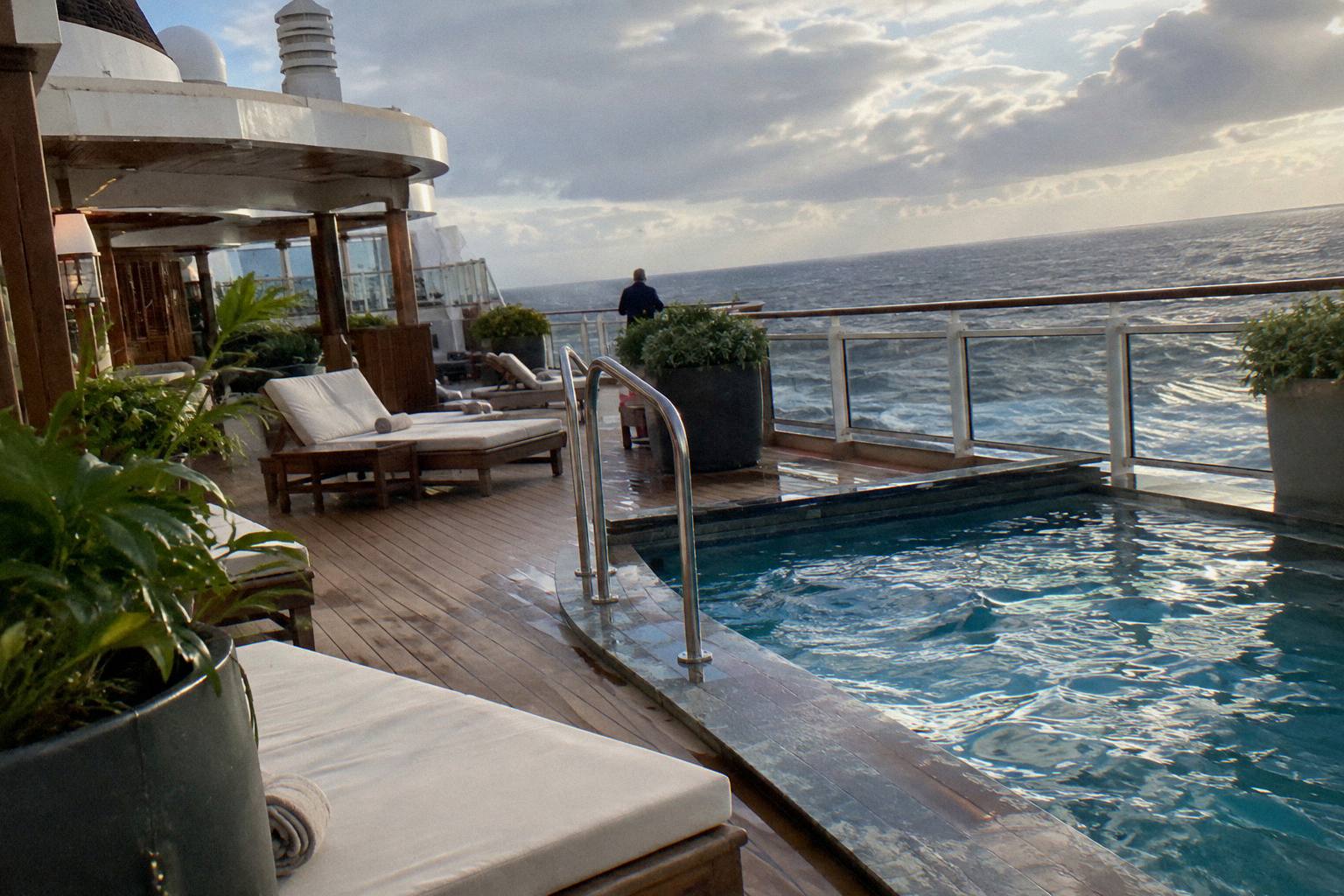
A reader heading to a mixed LGBTQ+ charter or a women-focused Olivia sailing might wonder whether the charter brand adds its own layer. It does not. VACAYA, Olivia, Brand g and the rest charter the ship; the medical centre, embarkation rules and prohibited-items policy belong to the host line. You can see the shape of that split in the guide to gay-friendly cruise lines, which covers which lines host which charters.
The one genuinely sensitive variant is a country where HIV-related medication has historically attracted customs attention. The official pages do not publish a list of such countries, and this site will not invent one. The rule that holds everywhere: keep tablets in original dispensed packaging, carry the prescription or a clinician's letter, and if a specific port gives you pause, that is a route question, and route questions are what the free consultation is for.
How Much PrEP Should You Pack For A Cruise?
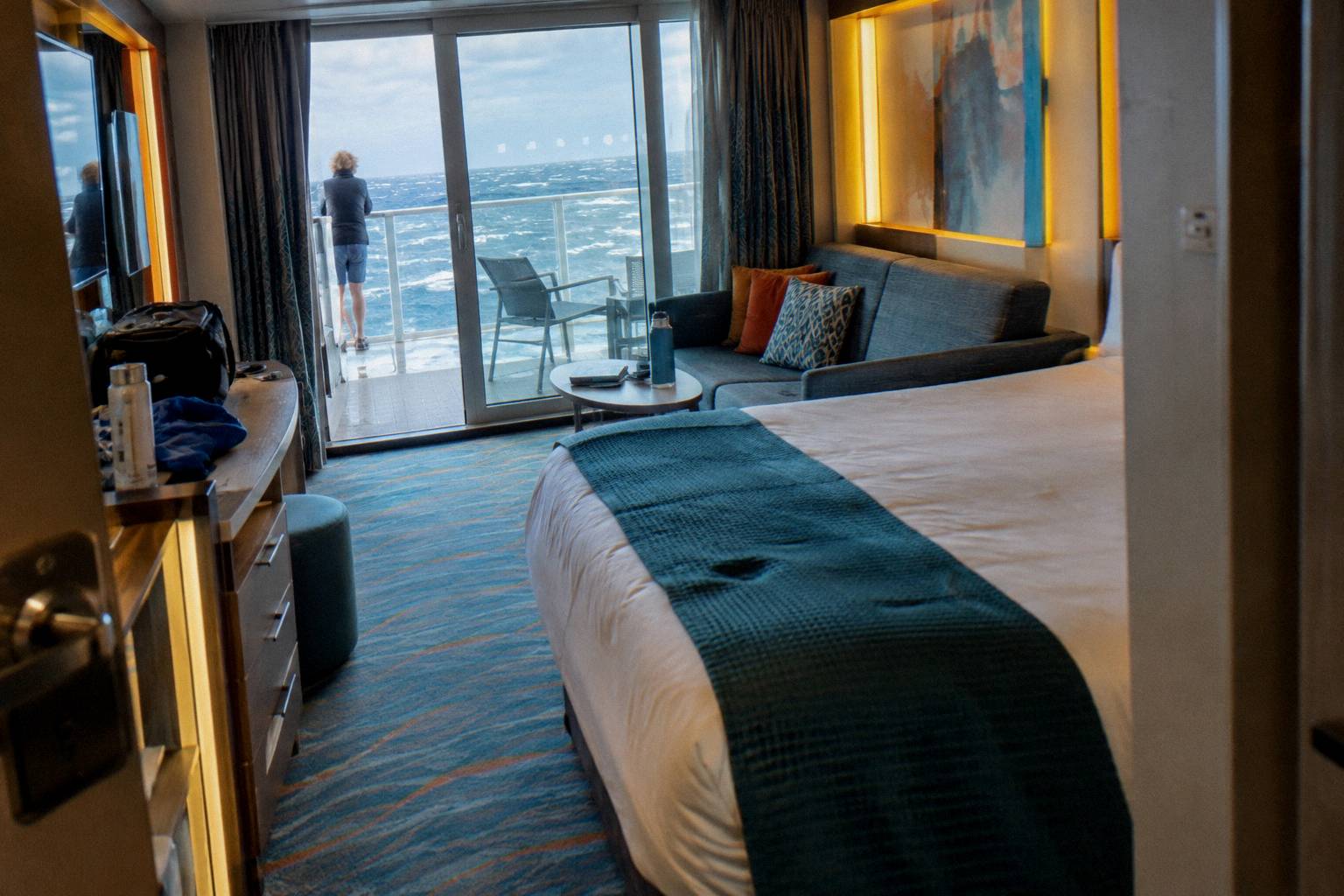
Pack enough PrEP to cover the entire cruise plus a buffer for delays, and treat that buffer as non-negotiable. Sailings vary widely, from a one-night Waves of Pride trip to multi-week Asia itineraries and Antarctic expeditions, so match your supply to your specific trip length and add extra, because cancelled flights and rerouted ships should never mean missed doses.
Work it out from the calendar rather than the brochure. Count embarkation day through disembarkation day, add your travel days on both ends, then add the buffer. For a 7-night Caribbean sailing that might mean packing for eleven or twelve days. For a river voyage on a ship like Delfin III, which sails multi-night Amazon itineraries from Iquitos, you count the Lima flights too, because the nearest well-stocked pharmacy to the river is hours away once you are aboard.
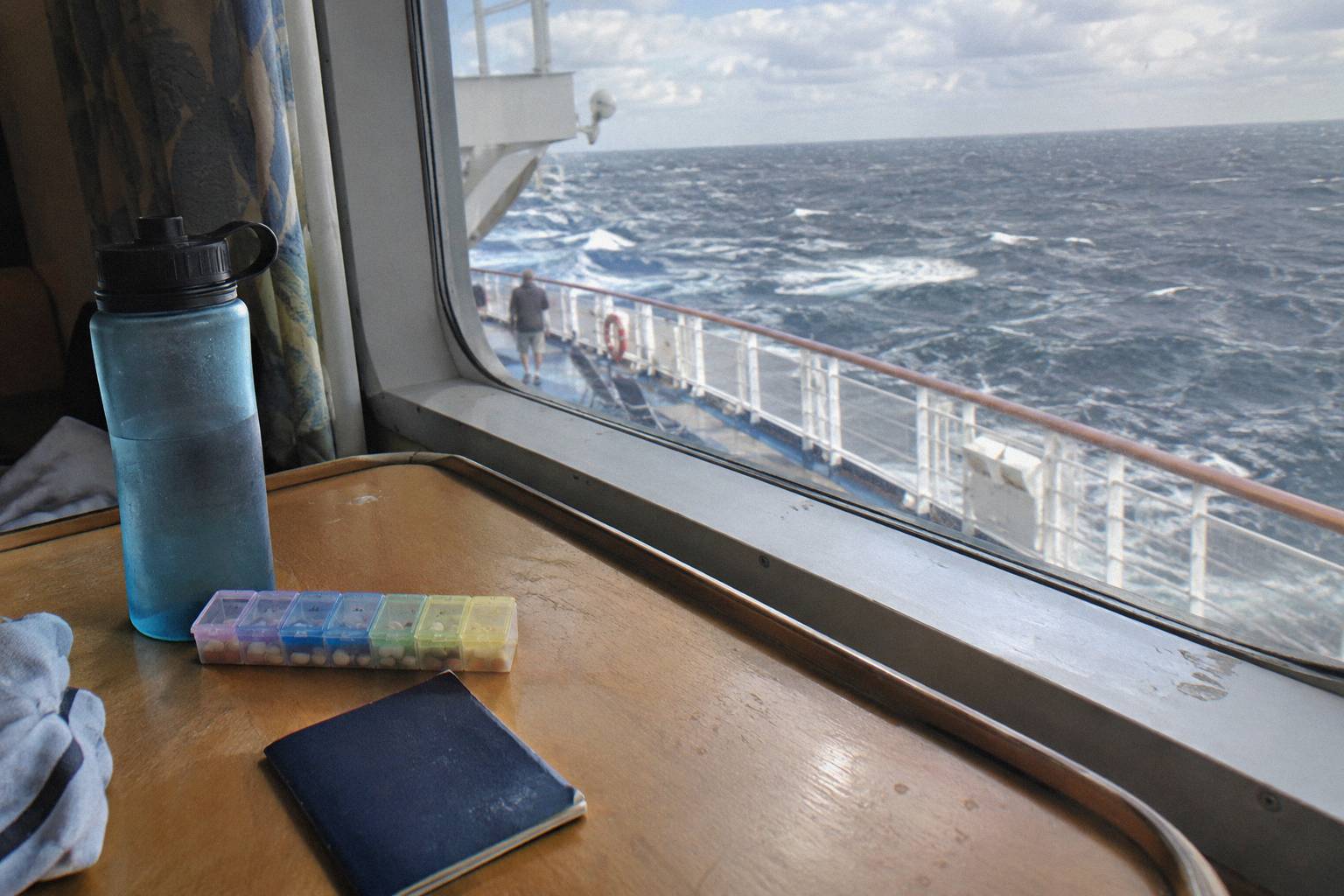
Split your supply. That is the single most useful habit for any daily medication on a cruise: part of it in your carry-on, part in your companion's bag or in checked luggage. If one bag is delayed by an airline, your routine survives. On board, keep your working supply somewhere you will actually see it, the organiser by the kettle beats the strip at the bottom of the suitcase, because cruise days blur and the single most common failure is simply forgetting.
The cost frame matters here too, because quantity planning interacts with budget. The price ranges for the operators on this site give a sense of the spread:
| Operator | Audience | Published Price Per Person | Notes |
|---|---|---|---|
| Atlantis Events | Gay men | Interior from $1,199 to $1,799 | 7-9 night sailings; $3,999 on the sold-out Oceania Marina |
| VACAYA | Mixed LGBTQ+ | About $3,700 to $12,500+ | Med eclipse from $3,719; Madagascar to Seychelles from $12,537 |
| Olivia Travel | LGBTQ+ women | About $999 to $6,899+ | HAL interior to river and expedition |
| Brand g Vacations | LGBT+, mixed | About $4,900 to $22,300 | Rhine to Philippines/Taiwan/Japan luxury, lowest cabin |
| Out Adventures | Gay men / LGBTQ+ | $7,495 to $22,585 | Baja to Antarctica |
| Waves of Pride | LGBTQ+ | From $1,609.40 | Fare, taxes and gratuities; separate $149-199 entertainment fee |
A longer, more remote itinerary is both the more expensive ticket and the one where a packing shortfall hurts most, since mid-voyage refills are effectively off the table once you are underway. Sorting the right length of trip against your budget and your supply planning together is a fair job for a conversation before you book, and it costs nothing.
Storing PrEP Safely On Board: Heat, Humidity And Cabin Fridges
Store PrEP the way its dispensing instructions describe, and assume your cabin is warmer than your bathroom at home. Cabins on tropical itineraries, especially inside cabins, can sit well above the temperature of a shaded room ashore, and Amazon river ships sail in humid heat year-round. Tablets in blister or dispensed packaging handle that fine for a week or two. The two habits that matter: keep it in original packaging, and keep it out of direct sun.
The windowsill is the trap. A sealed cabin in the tropics with sun through glass is the hottest surface you will encounter on the whole trip, and it is also exactly where travellers park things they want to remember. Your wash bag, a drawer, the safe: all fine. The sill above the air-conditioning unit that blows warm: not fine. If your cabin fridge is genuinely cold and your formulation's instructions permit refrigeration, use it, but verify the fridge actually cools, because many cabin units chill drinks only marginally.
Humidity is the other quiet factor on river and tropical sailings. Blister packaging protects tablets from moisture; decanting into a non-sealed organiser for a humid fortnight is a mild gamble. A reasonable compromise travellers use: keep the blisters intact and carry a small daily organiser filled a few days at a time, so the bulk of your supply stays sealed. That is planning advice, not an operator rule, and the operator pages do not publish storage specifications, so follow the label your pharmacy gave you as the authoritative instruction.
Shore days change the picture again. Excursions in heat, a beach bag on a tender, a locker at a ruins site: your day supply goes where you go, shade and bag, not dashboard or deck chair. The full backup supply stays in the cabin. And on expedition-style voyages, where landings can involve small boats and spray, a zip-sealed bag inside the daypack is cheap insurance for any medication, glasses or documents alike.
Port Stops And Customs: What The Official Advice Actually Says
The rules that can actually affect your PrEP are port-country rules, not cruise-line rules, and the two named official sources here are the UK FCDO travel-advice country pages and the US State Department country pages. Both publish medication guidance per country, and both are the reference to read before you sail, not after a customs officer asks a question. The official pages do not publish a PrEP-specific country list, and this site will not invent one.
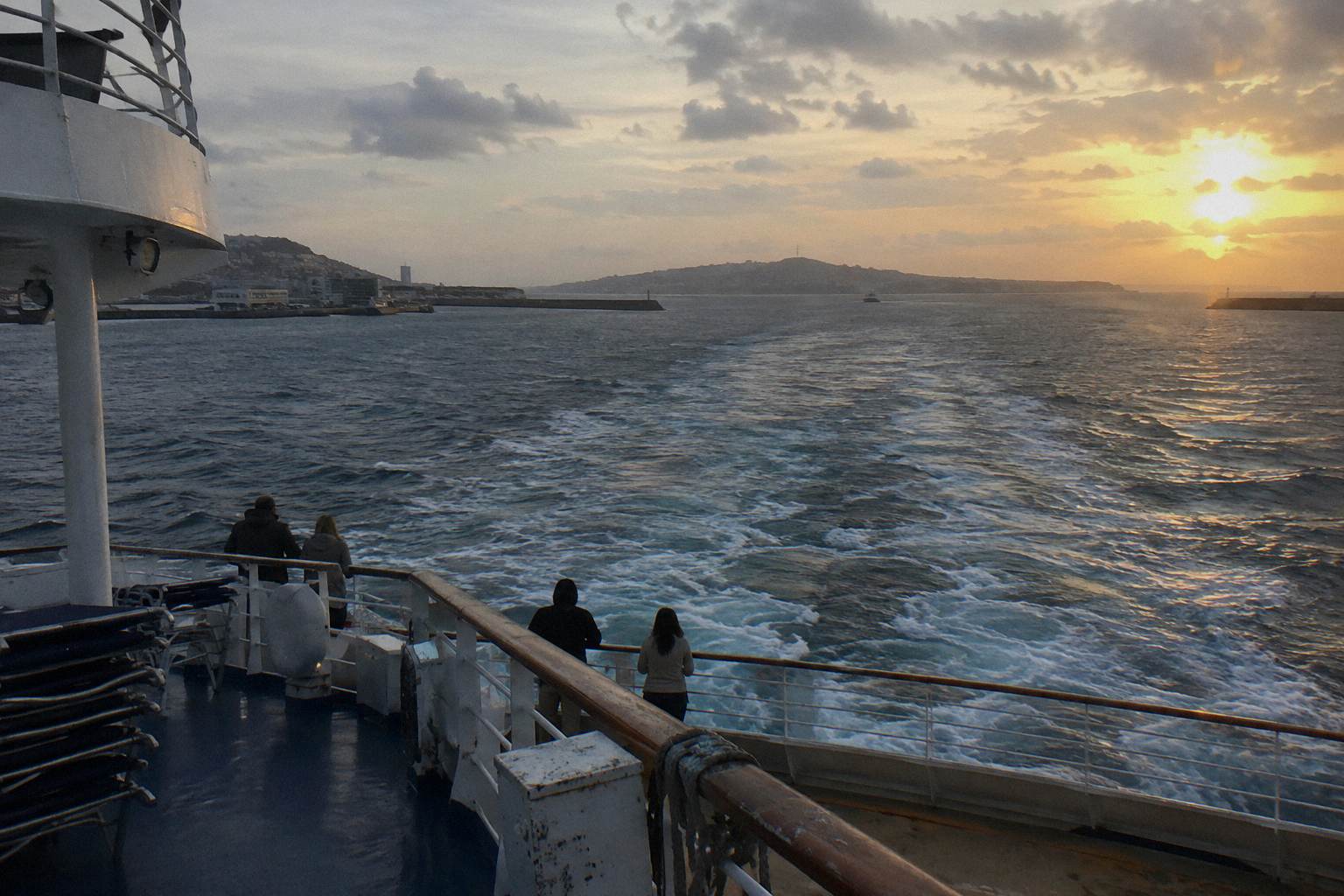
The reason this section exists: a cruise calls at several jurisdictions in one week, and you carry your medication into each of them. For most travellers on most itineraries this is uneventful, a bag through a scanner in a cruise terminal. But the honest, source-backed answer is that legality is country-specific, and the official travel-advice pages are the place that states it. Their general posture, keep medication in original packaging with a prescription or letter, is the practical standard to meet everywhere. The full index of guides sits on Gay Cruises.
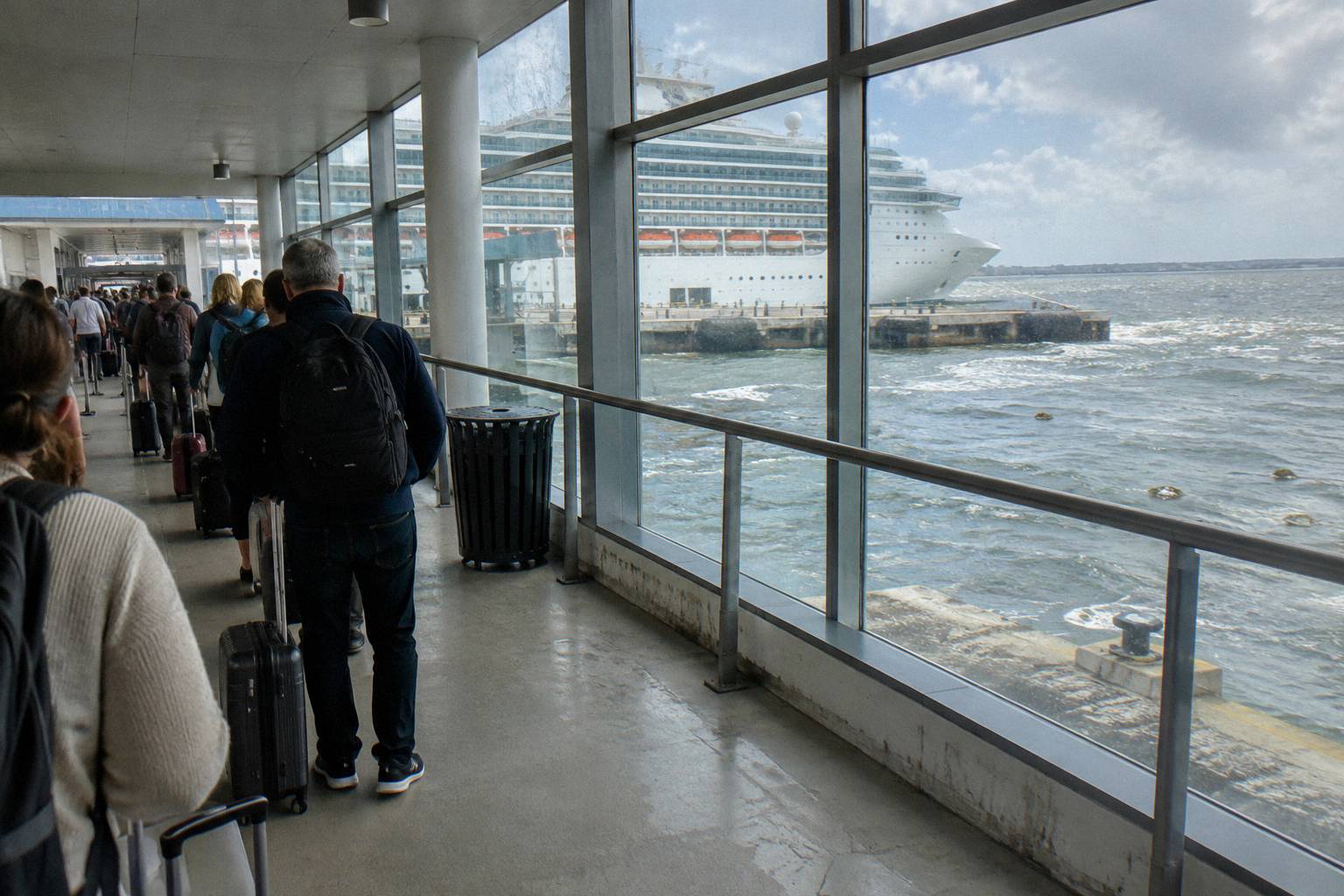
Match the check to the itinerary type. A Mediterranean sailing on a chartered mega ship touches European ports with broadly aligned rules. A Southeast Asia itinerary, like the luxury Philippines, Taiwan and Japan routes Brand g lists, crosses jurisdictions where documentation matters more. An Amazon river sailing on Delfin III departs from Peru, so the relevant page is Peru's, read before the flights, not the morning of. The river context is worth a note: once you are upstream of Iquitos, options are behind you, which is why the buffer-and-packaging discipline earlier in this page does double duty there.
| Itinerary Type | Example From The Listed Sailings | Port-Check Priority | Why It Matters For PrEP |
|---|---|---|---|
| Caribbean round trip | Atlantis 7-9 night sailings | Low to moderate | Several jurisdictions in one week, but routine cruise-terminal screening |
| Mediterranean | VACAYA Med eclipse cruise | Moderate | European ports with broadly aligned rules; carry the prescription |
| Southeast Asia | Brand g Philippines, Taiwan and Japan luxury route | Higher | Multiple jurisdictions where documentation matters more |
| Amazon river | Delfin III from Iquitos, Peru | Read Peru's page before flights | No pharmacy upstream; buffer discipline does double duty |
| Polar expedition | Out Adventures Antarctica | Buffer first | Weeks at sea with no refill options anywhere on the route |
What a letter should contain, per the standard official guidance: your name as on your passport, the medication name and dose, and the prescriber's details. A pharmacy label on original packaging usually does the same job. What you should not do is carry loose tablets in unlabelled containers through any customs point, on any itinerary, because that converts a routine question into a real one.
If reading three or four country pages before choosing a sailing sounds like the tail wagging the dog, flip the order: pick the itinerary with the ports already understood. That is a legitimate way to use help choosing the right itinerary, and it is free with no obligation.
Getting Refills Or Medical Help Mid-Cruise
Treat a cruise as self-sufficient for medication: there is no pharmacy network at sea. Ships carry a medical centre, staffed for illness and injury, and river ships and expedition vessels carry even less. No operator on this site promises prescription refills mid-voyage, so the packing buffer from earlier is the whole strategy. A genuine pharmacy in a port with time ashore sometimes makes a refill possible, but banking on one is not a plan.
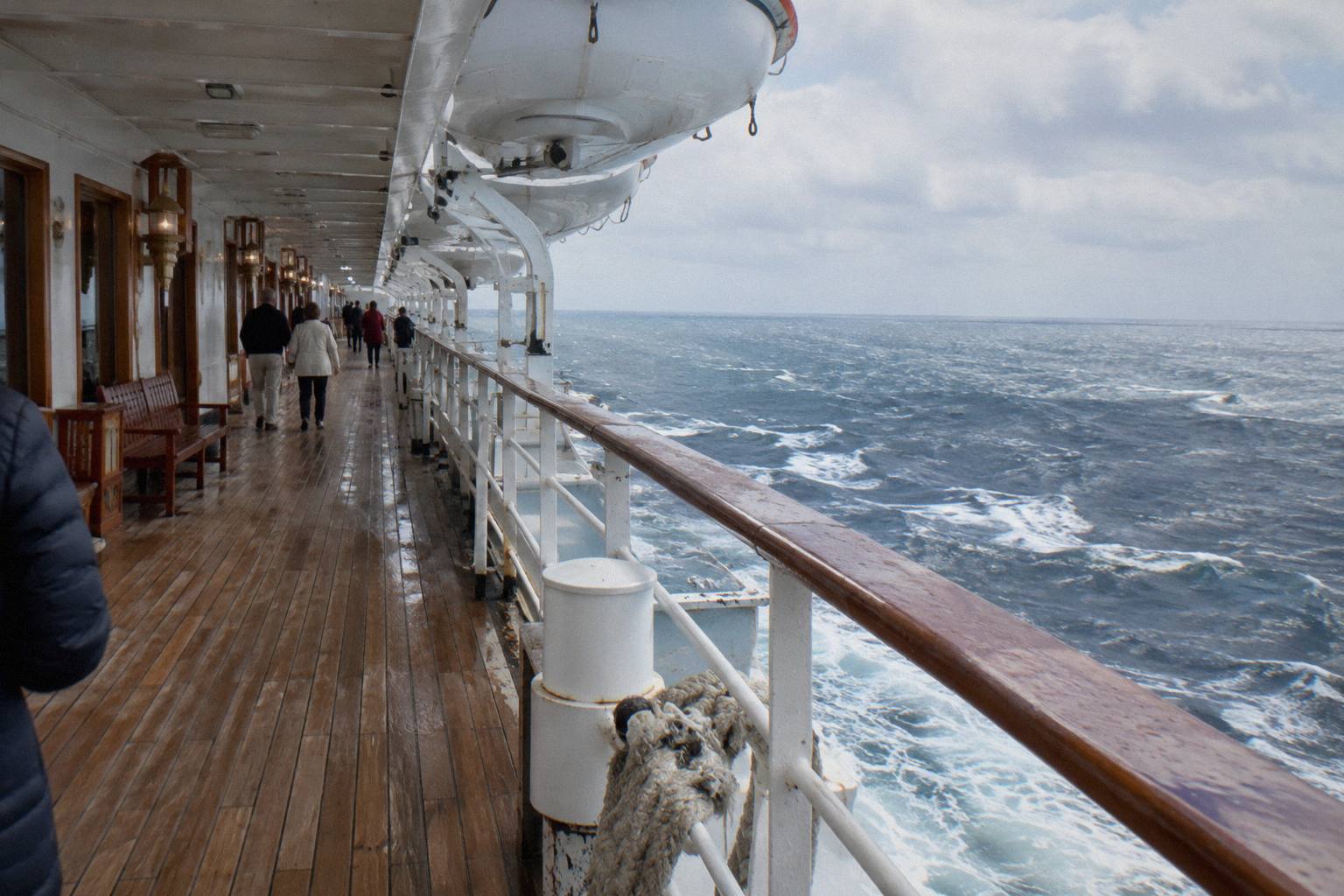
Set expectations about the medical centre correctly. It exists for the things that go wrong at sea: injuries, infections, stabilisation. It can be expensive, it typically bills like a private clinic, and it is not a substitute for your prescribing clinician at home. Nothing in the operators' published materials suggests they stock specific routine medications, and a ship that happens to carry something close to your regimen is luck, not a system. Travel insurance that covers medical care on board is standard advice for any cruiser, PrEP or no PrEP.
The self-sufficiency point scales with remoteness. On a Caribbean mega-ship sailing, a missed tablet is a planning failure but the next port is a day away. On the Amazon, on an Antarctic expedition of the kind Out Adventures lists, or on a long transoceanic leg, the buffer you packed is what exists. This is why the length-of-voyage math belongs in the booking decision itself, not the packing stage: a 14-plus night remote itinerary is a different supply commitment from a long weekend, and the price table earlier shows those remote trips are also the expensive ones, so a shortfall would sting twice.
One more angle worth naming plainly: continuity matters more than perfection. If you do miss doses because of a delay or a lost bag, the right move is contacting your prescribing clinician or a sexual-health service for guidance on restarting, not improvising. Ship medical staff can help you contact home services, and that, contacting and advising, is a realistic use of the medical centre. The operators' pages say nothing beyond that, and neither will this page, because the clinical guidance belongs to clinicians.
Which Ships And Cabins Make A Daily Routine Easy?
Any ship works for a daily tablet routine, but the experience differs by vessel type. A 2,770-guest mega ship gives you round-the-clock venues, cabin safes and a full medical centre, while river ships and expedition vessels trade those for intimacy and remoteness. If a stable morning routine matters to you, prioritise a cabin with reliable climate control and an itinerary whose ports you have already checked. The ship choice and the routine are the same decision.
Consider the shape of the days. On a mega ship like Scarlet Lady or Valiant Lady, both listed at 2,770 guests, your morning has a coffee venue, a routine and a cabin that locks. On an expedition ship like World Navigator or World Traveller from Atlas Ocean Voyages, days are shaped around landings and zodiacs, which is wonderful and also means your day bag, with your day supply in it, goes ashore in whatever weather the morning brings. On a river ship like Delfin III, the pace is slow, the scenery constant, and the nearest full pharmacy far.
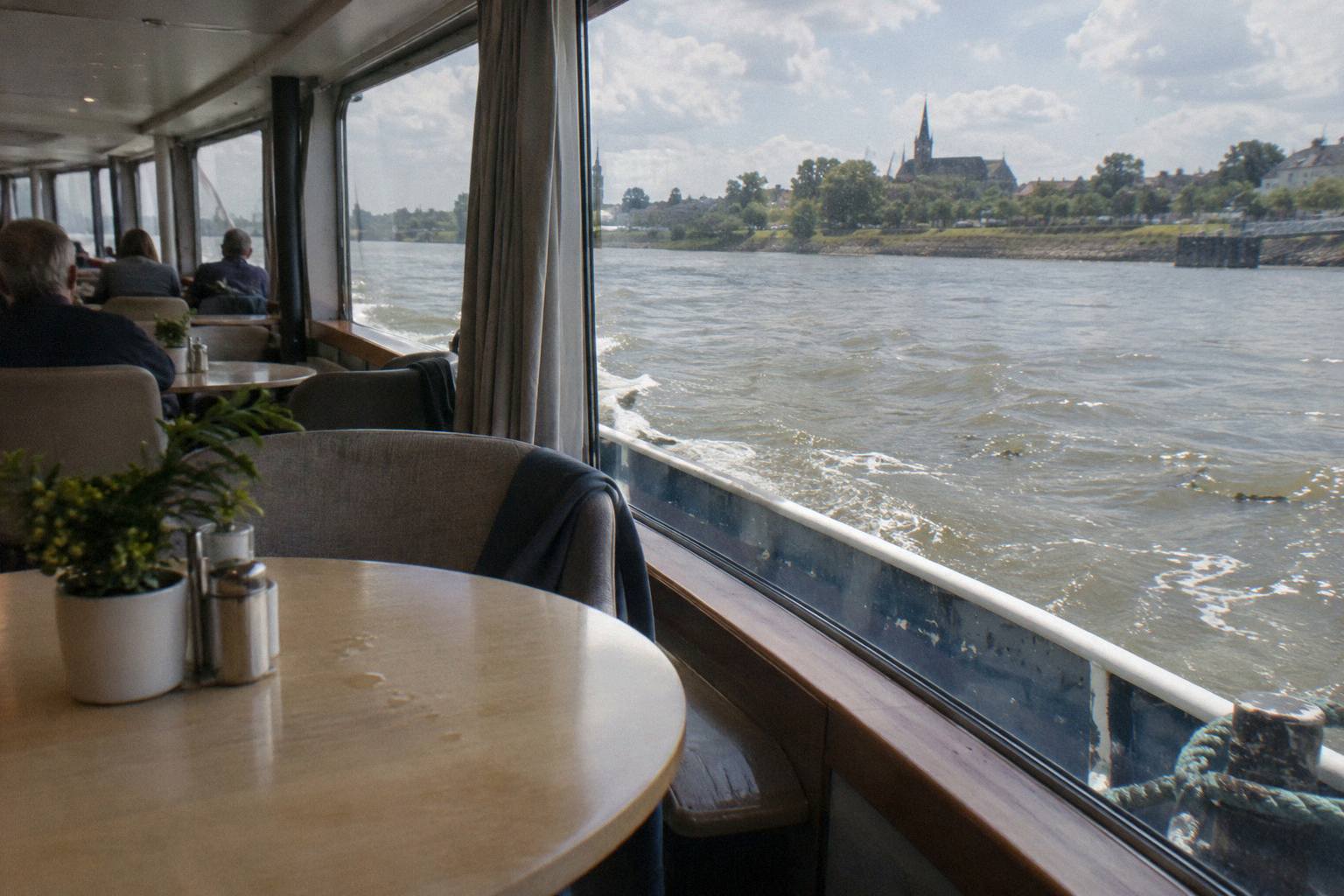
Delfin III deserves a specific word because it is the featured ship here and it illustrates the river case well. It is Delfin Amazon Cruises' vessel sailing the Peruvian Amazon, which means heat, humidity and remoteness: exactly the conditions where original packaging, a shaded storage spot and a generous buffer earn their keep. It is also the kind of small, immersive ship where packing discipline matters more than on a floating resort, simply because there is no next-port pharmacy. If a slow, wildlife-first river cruise with straightforward logistics around your routine sounds right, the Delfin III itinerary page covers the ship in detail.
Valiant Lady is the other end of the spectrum worth naming. At 2,770 guests it is a Virgin Voyages mega ship, and its scale is exactly what makes a fixed daily rhythm effortless: an always-open café, a lockable cabin and a medical centre aboard. Some readers weighing the river ship against the mega ship find the contrast alone settles the question.
For readers who want the contrast in one glance, the trio below spans the three worlds this site's readers most often weigh: an Amazon river ship, a Virgin Voyages mega ship and an Atlas expedition vessel. The comparison is about lifestyle and routine-friendliness, not about which is better, because that depends on the traveller.
| Ship | Type | Guests | Built | Charter operators | Embarks from |
|---|---|---|---|---|---|
| Delfin IIIDelfin Amazon Cruises | River Ship | 44 | – | Brand g Vacations | – |
| Valiant LadyVirgin Voyages | Mega Ship | 2,770 | 2021 | Atlantis Events, BearCruise | San Juan, Barcelona |
| World NavigatorAtlas Ocean Voyages | Expedition Ship | 200 | 2021 | KelliGregg Travel / R Family Vacations | Oslo, London, Copenhagen |
The booking-environment question is separate from the ship question, and for many readers of this site it is the fun one. Whether it is an Atlantis charter, one of Olivia's 19 announced sailings running December 2026 to May 2028, or a mixed-group VACAYA voyage, the medication logistics are identical; what changes is the crowd, the entertainment and the pace. The health-prep angle is covered in depth in the gay cruise health prep guide, which pairs well with this page.
Mistakes That Trip Up PrEP Users On A Cruise
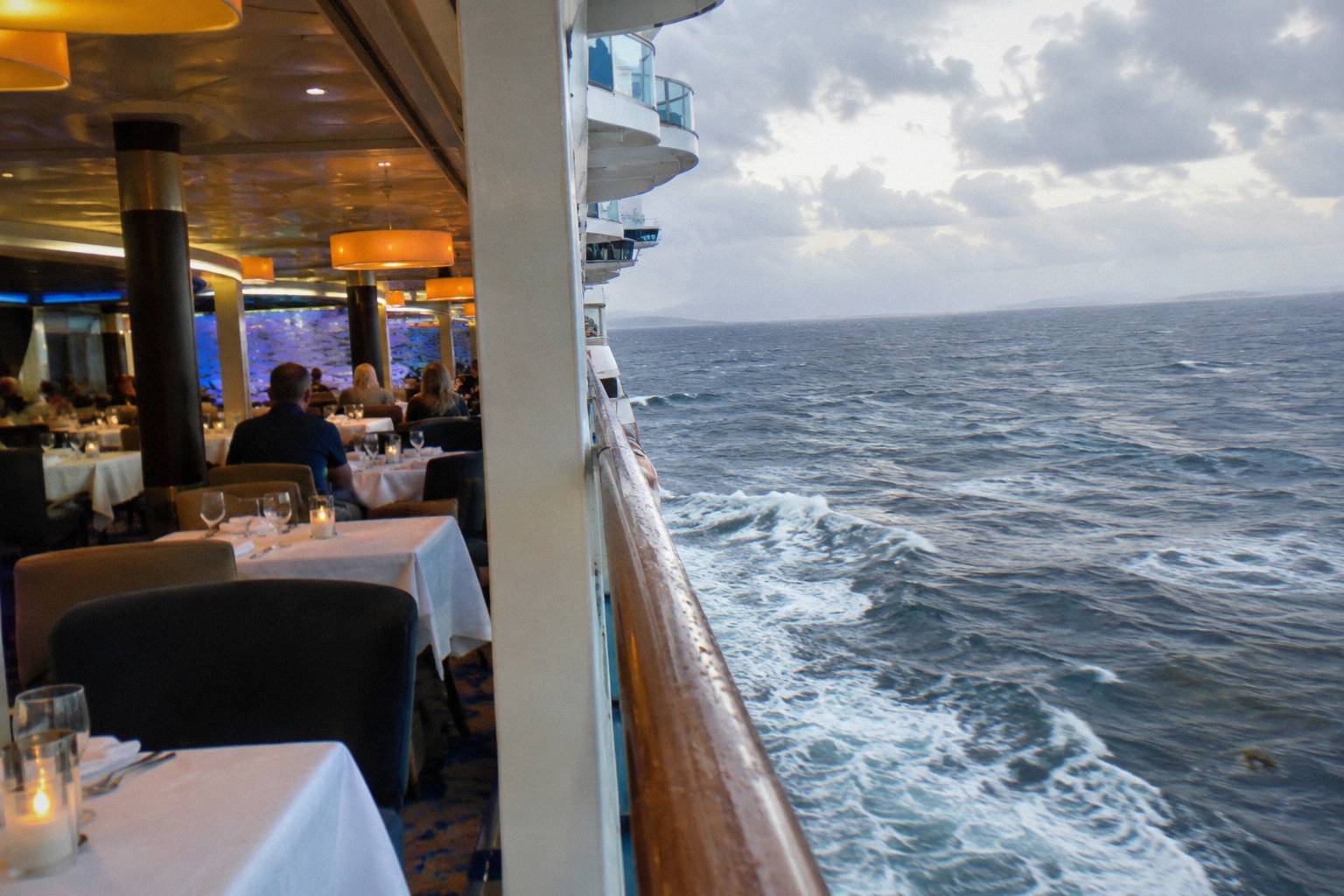
The recurring mistakes are boring and avoidable: packing exactly the voyage length with no buffer, decanting everything into an unlabelled organiser, stashing the supply on a sunlit sill, assuming the cabin fridge is cold, and never reading the port-country advice pages until a customs queue makes it urgent. Every one of these is fixed in the week before you sail, at zero cost. The expensive mistake is treating a remote itinerary like a city break.
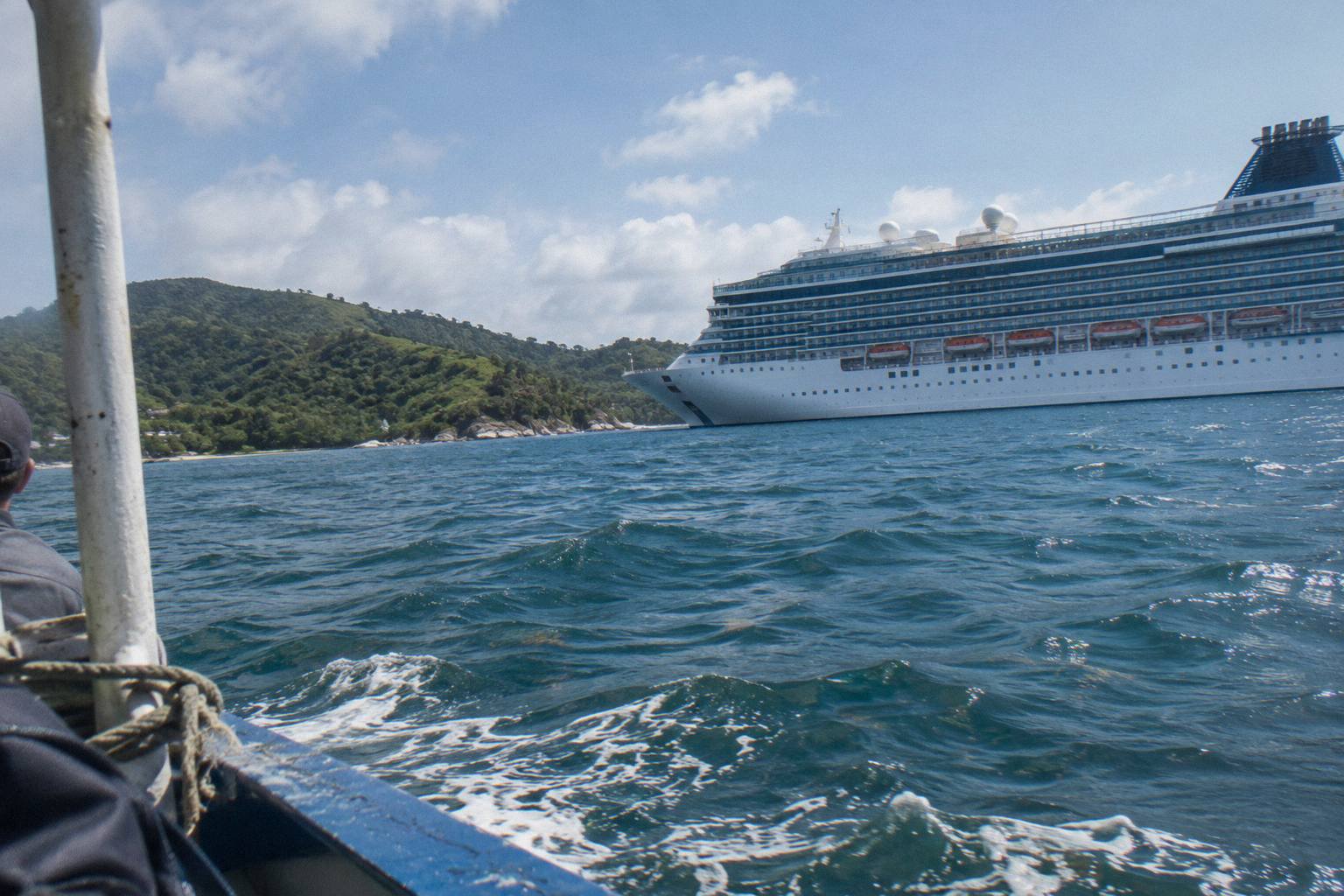
Run the pre-sailing checklist against your actual booking. Count the days honestly, including flights and delays. Keep the original packaging and the prescription or letter in the same bag as the tablets, not in the hold luggage that could arrive a day late. Check the FCDO or State Department page for each port country, once, in one sitting, with the itinerary open. Test your cabin fridge with a bottle of water on day one and move on. Put the working supply where morning-you will see it. None of this takes an evening.
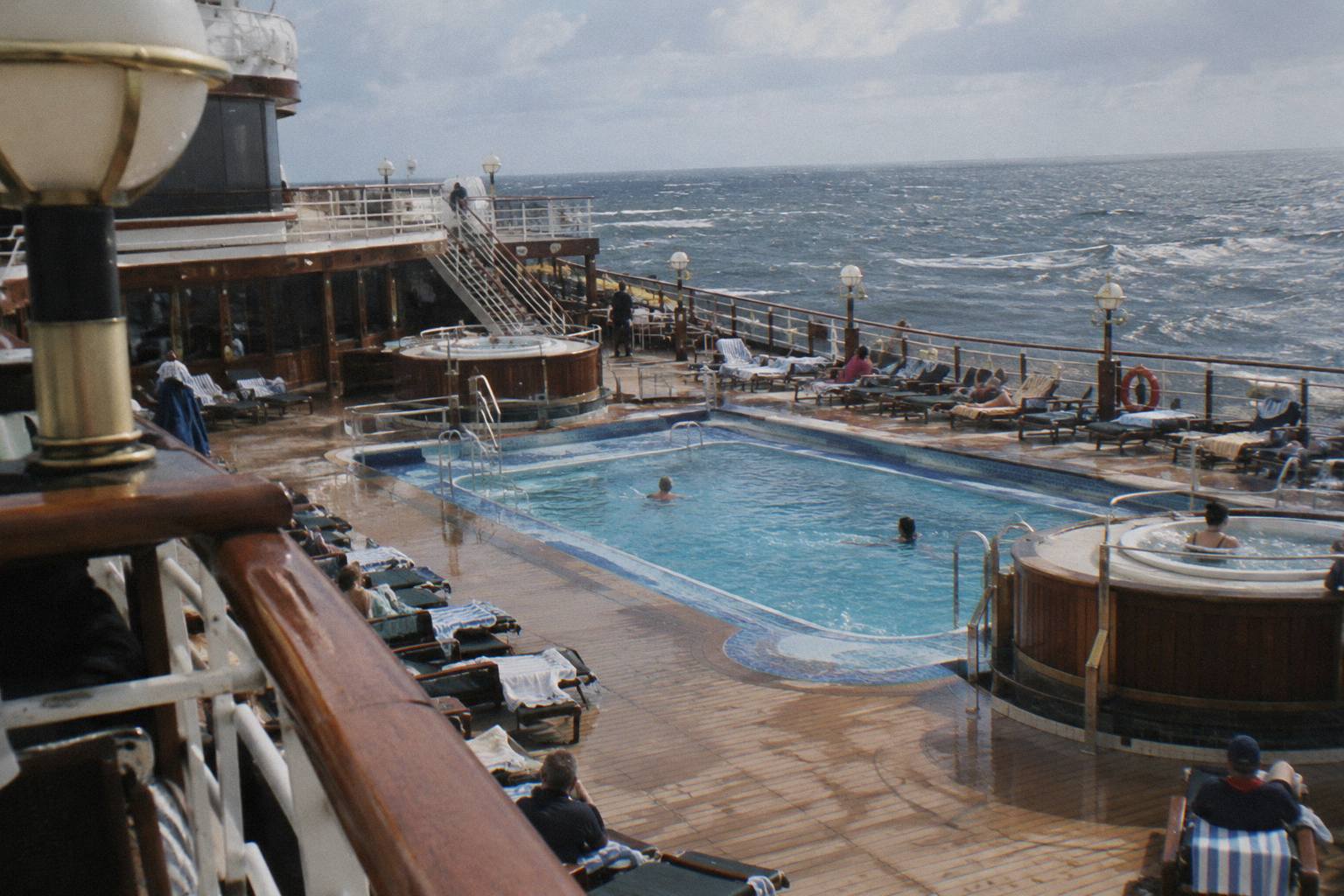
The subtler mistakes are itinerary-shaped. Booking the bucket-list Antarctic expedition before counting what a multi-week remote voyage means for supply. Assuming a sold-out-sounding cabin decision has to be made today: VACAYA's listings show 29 of the 90 charter and group sailings currently listed are sold out or waitlisted, so pressure is real on some dates, but VACAYA's entire listed 2026-2028 calendar is in that state and other operators have wide-open availability. Rushing is how buffer days get forgotten.
The last mistake is silence. Readers sometimes treat the whole topic as too personal to raise with a travel planner. The consultation on this site exists precisely so that route, ship and rhythm questions, including sensitive ones, get sorted before a deposit. Use the free consultation form for exactly this kind of question; it carries no obligation.
Common Questions About PrEP On A Cruise Ship
Can You Bring PrEP On A Cruise Ship?
Yes. No cruise line or charter operator listed on this site publishes any rule restricting PrEP or any other prescription medication carried by the person it was prescribed for. It travels as ordinary personal medication in your own luggage.
Do I Need To Declare PrEP At Embarkation?
No published embarkation process on the sailings listed here asks you to declare prescription medication. Customs declarations, where they exist, belong to port countries, which is why the official travel-advice pages for each port are the reference to check before you sail.
Can I Keep PrEP In The Cabin Fridge?
Only if your formulation's dispensing instructions call for refrigeration, and only after you have confirmed the fridge genuinely cools, since cabin units vary by ship and cabin class. Standard tablet formulations in original packaging are stored at room temperature, out of direct sun and away from heat.
What If I Run Out Mid-Cruise?
Options at sea are limited: ships carry a medical centre, not a pharmacy, and no operator listed promises refills. Where a port has a pharmacy and you have real time ashore, a refill is sometimes possible. The reliable approach is packing a buffer beyond the sailing length so the question never arises.
Are Port Countries A Problem For PrEP?
Medication rules are country-specific, and the UK FCDO and US State Department country pages are the official sources that state them. Their standard guidance is to carry medication in original, labelled packaging with a prescription or clinician's letter. Read the page for every country on your itinerary before booking or sailing.
Does A Gay Cruise Charter Change Any Of This?
No. Charter brands like Atlantis Events, RSVP and VACAYA book the ship, the entertainment and the crowd; the host line's onboard rules still govern, and those rules treat PrEP as personal medication. The port-country checks are identical whatever brand is on the masthead.
More Questions Answered
 Straight On A Gay CruiseWho is actually welcome on a gay cruise, operator by operator, and how to be a good ally guest.Read the answer
 What Happens On BoardThe rundown of a gay cruise: who sails, what a day looks like, costs and rules.Read the answer
 Average Age On BoardNo operator publishes a passenger age average; audience, price and itinerary reveal who each sailing actually draws.Read the answer
 Gay Passenger NumbersWhich ships actually carry the most gay passengers? Charter capacity, not demographics, holds the answer.Read the answer