PrEP, HIV Medication And Health On A Gay Cruise
PrEP and HIV medication travel well on cruise ships when you pack them properly, carry documentation and check the port rules on your route. This guide covers packing counts, onboard medical centres, customs, ship choice and real operator prices for the booking you are about to make.
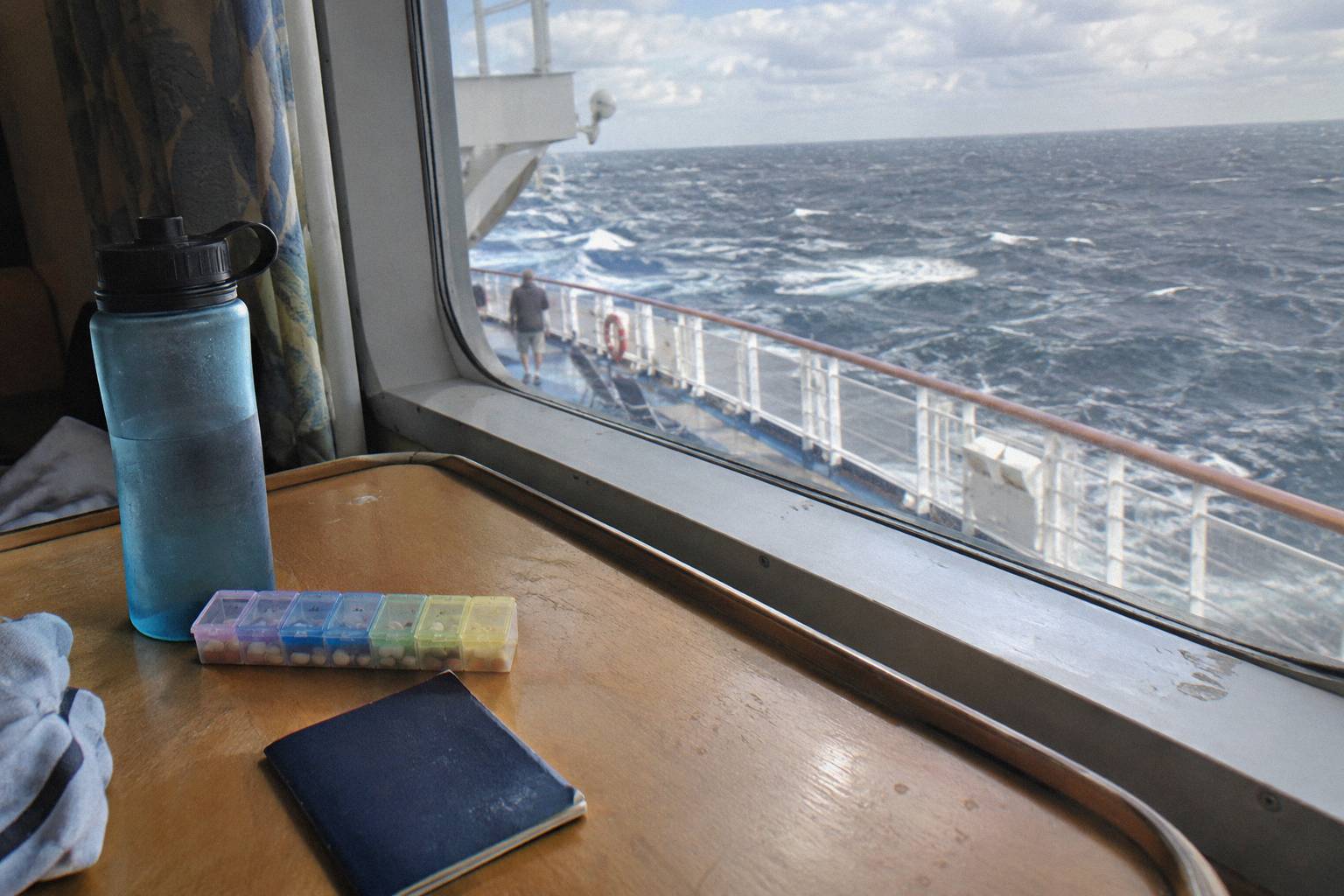
This page sits in Planning And Onboard Guides, the hub that covers everything from choosing an operator to what actually happens onboard once you have booked.
Quick Facts
| Fact | What The Sources Show |
|---|---|
| Charter and group sailings | Listed across 11 operators |
| Sailings showing sold out or waitlist | 29 of 90 |
| Atlantis Events interior fares | From $1,199 to $1,799 per person on 7-9 night sailings |
| VACAYA fares | Med eclipse cruise from $3,719; Madagascar to Seychelles from $12,537 |
| Olivia Travel fares | About $999 interior to $6,899+ for river and expedition |
| Waves of Pride fare basis | From $1,609.40 covering fare, taxes and gratuities, plus a separate $149-199 entertainment fee |
| Research basis | Official; prices move often |
Can You Bring PrEP Or HIV Medication On A Gay Cruise?
Yes. Cruise lines do not prohibit passengers from carrying their own prescribed medication, including PrEP and antiretroviral treatment, and no LGBTQ+ charter operator publishes any rule against either. What actually constrains you is customs law at each port your itinerary touches, plus the practical question of bringing enough doses for the whole voyage with a buffer. Plan the buffer, the packaging and the paperwork, and the cruise itself is the easy part.
Charter operators on this site, from Atlantis Events to VACAYA, charter mainstream ships rather than running their own vessels, which means the onboard framework is the host line's: a medical centre, a cabin, and the same medication-carrying practice any cruise passenger uses. Nothing in the operators' published material treats PrEP or HIV treatment as a special case. The planning questions are the same ones any long trip raises, just with a few sea-specific twists such as limited pharmacy stock and days at sea between ports.
The first twist worth naming is supply. A seven-night Caribbean charter with two pre-cruise travel days needs, at minimum, eleven doses of everything you take daily, and a twelve-night Mediterranean or expedition sailing needs correspondingly more. Delayed flights, a missed connection or a storm-driven itinerary change are the ordinary reasons travellers wish they had packed extra. Build the buffer before you think about anything else, because it is the single thing you cannot fix once the gangway lifts.
The second twist is where the medication lives. Checked bags get delayed and lost; cabins get hot; hand luggage stays with you. Everything prescription travels in your carry-on, in the pharmacy packaging it came in, with the pharmacy label matching your passport name. That single habit solves most customs conversations before they start.
If you are early in the decision and weighing which sailing suits your routine at all, ask a cruise consultant about routes before committing: a consultation is free and the answer may narrow your shortlist fast.
How Much Medication Should You Pack For A Cruise?
Pack your full daily requirement for every day of the cruise, plus travel days on each side, plus a buffer of several extra days for delays. For a 7-night sailing that means roughly two weeks of doses. Splitting your supply between two bags, so one lost suitcase cannot end your trip, is standard travel-medicine practice. Nothing about a charter cruise changes this arithmetic; it just makes the gap between ports more visible than on land.
Work the count out on paper before you pack. Days of cruise, plus the flight or drive out, plus the return, plus buffer. Travellers who use weekly or monthly dosing for PrEP should check where their next dose falls relative to the sailing dates and shift it if the calendar puts a renewal mid-ocean, because ship medical centres are not reliable places to arrange a scheduled injection or a new strip of tablets. That check takes ten minutes at booking time and saves a scramble at sea.
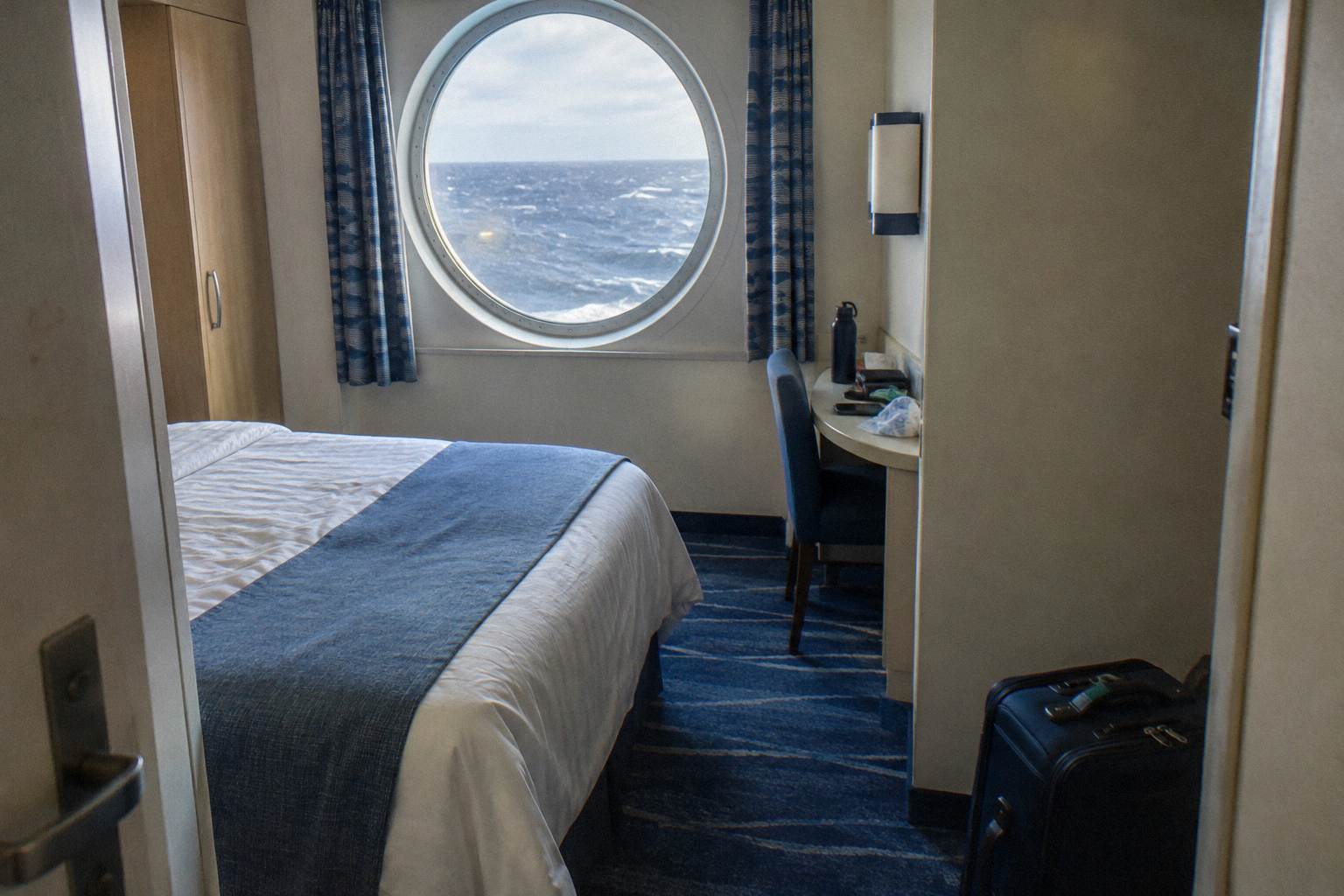
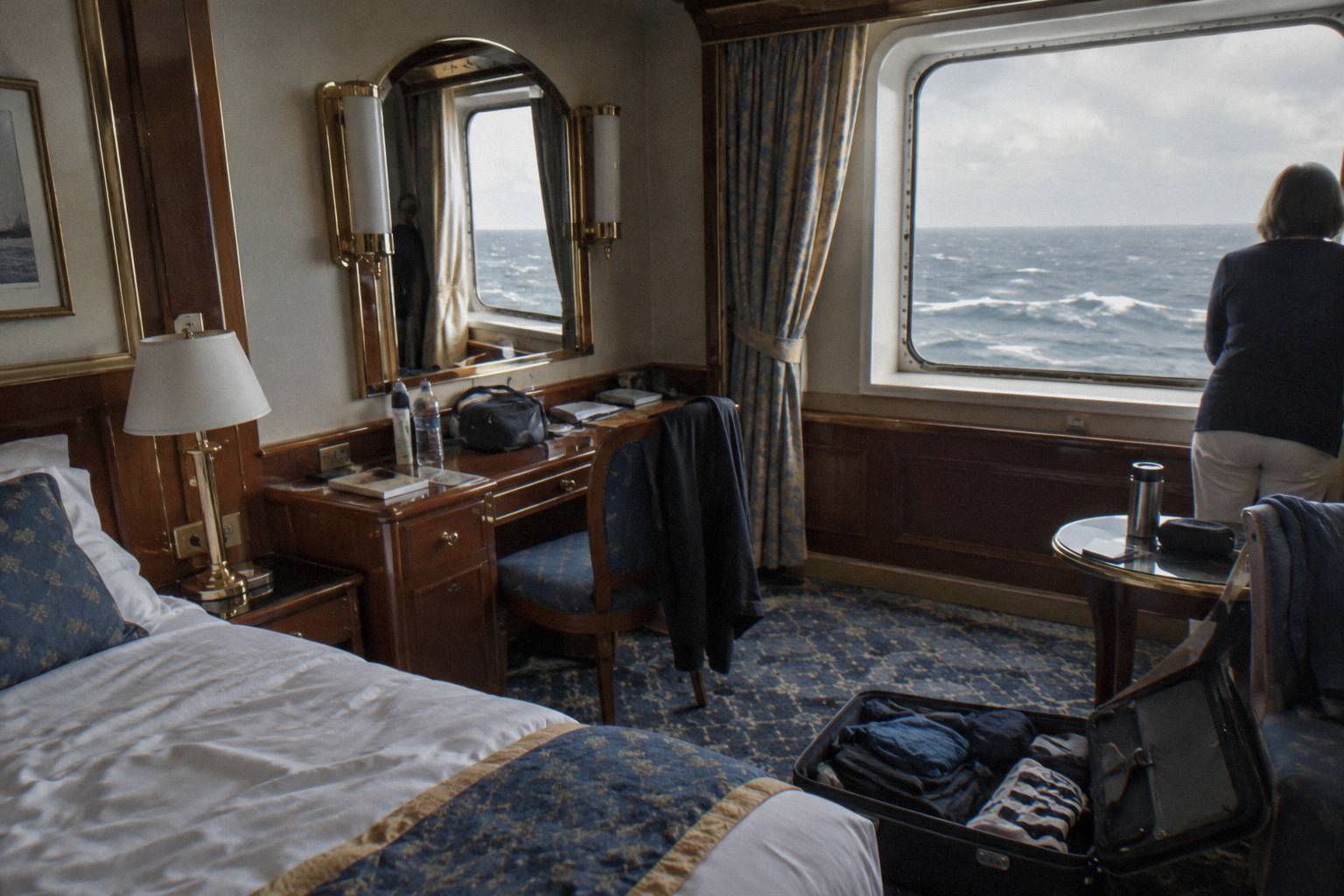
Storage on modern ships is friendlier than the old folklore suggests. Cabins on mainstream mega ships are air conditioned to a steady indoor temperature, and a drawer or the cabin safe out of direct sunlight is fine for tablets that live at room temperature at home. The cabin bathroom is the worst spot in the room: showers push humidity and temperature up and down all day. If your specific formulation has a cold-chain requirement, that is a conversation to have with the prescribing doctor and the cruise line's special-services team before booking, not at the pier.
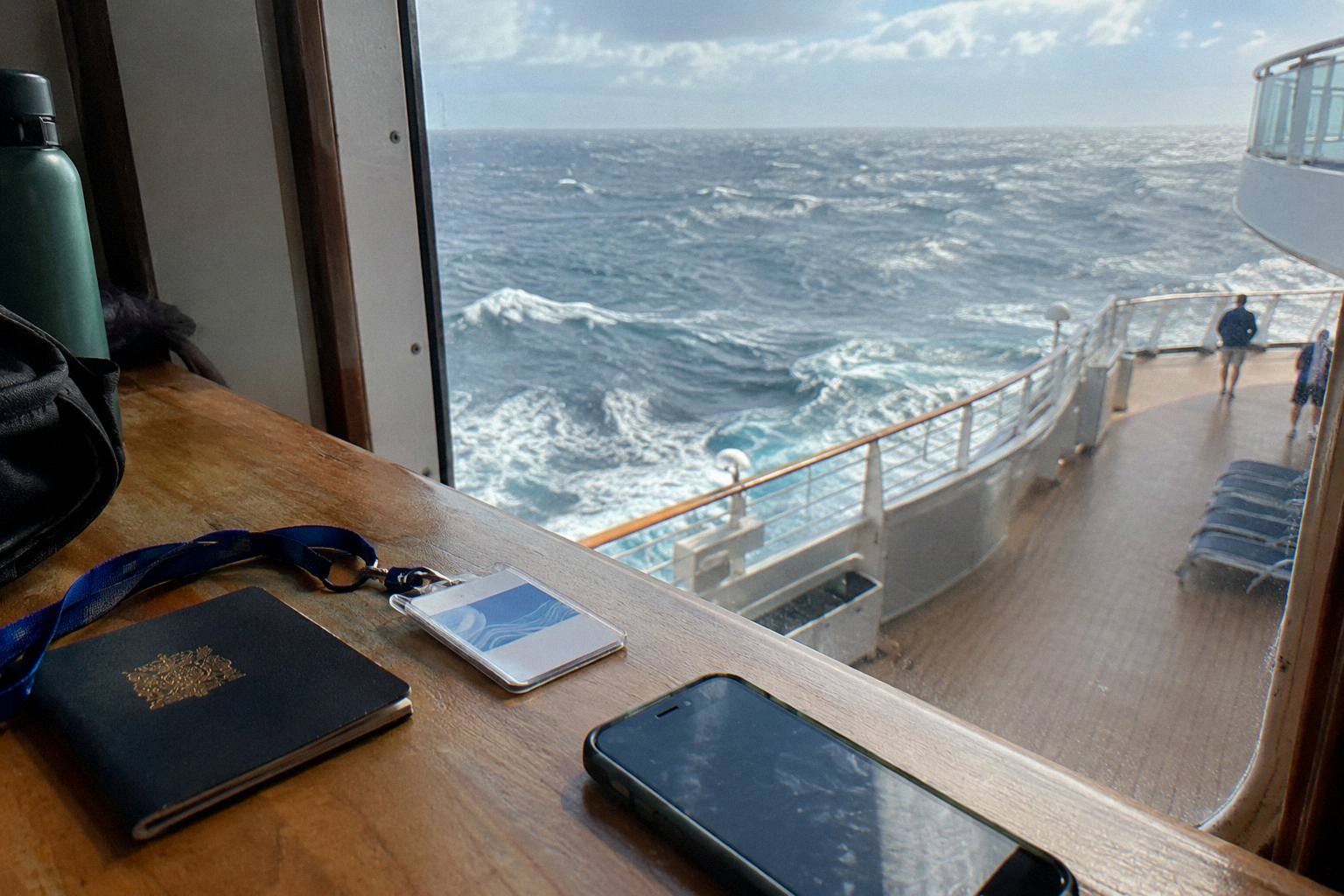
Documentation is the third part of the packing routine. A short letter from the prescribing doctor, or a printed copy of your prescription, naming you and the medication is the item customs officers ask for when they ask for anything at all. Keep it with the medication, not buried in a suitcase. Some travellers also photograph the pharmacy labels so a backup copy exists if paper goes missing with a lost bag.
What Can A Cruise Ship Medical Centre Actually Do?
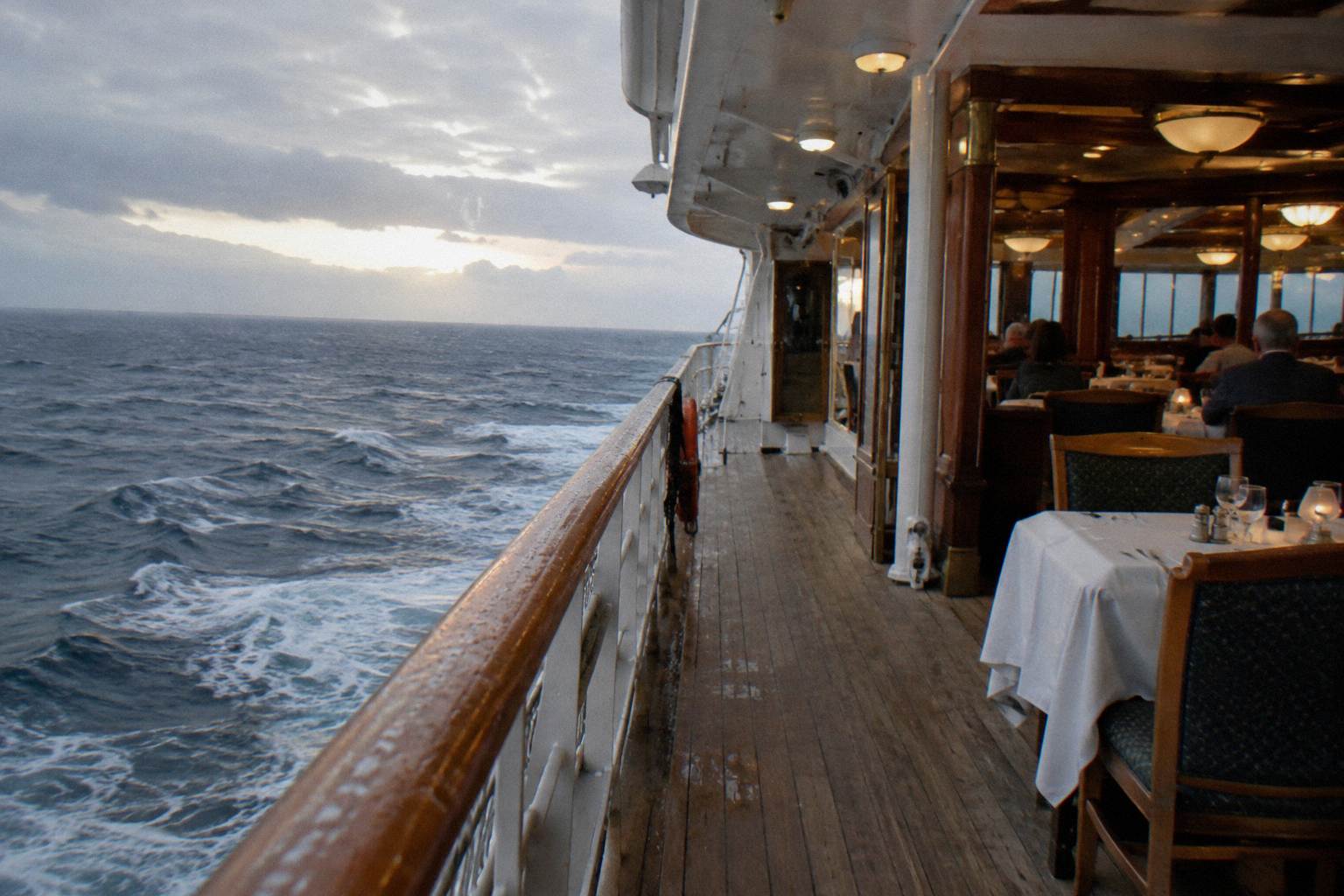
Every mainstream cruise ship carries a medical centre staffed around the clock by ship's doctors and nurses, equipped for urgent care, injuries and acute illness. What it is not is a pharmacy holding your prescription or a clinic for routine HIV monitoring. Operators publish the urgent-care scope; they do not promise routine prescription renewals, so treat the medical centre as a safety net and arrive fully supplied.
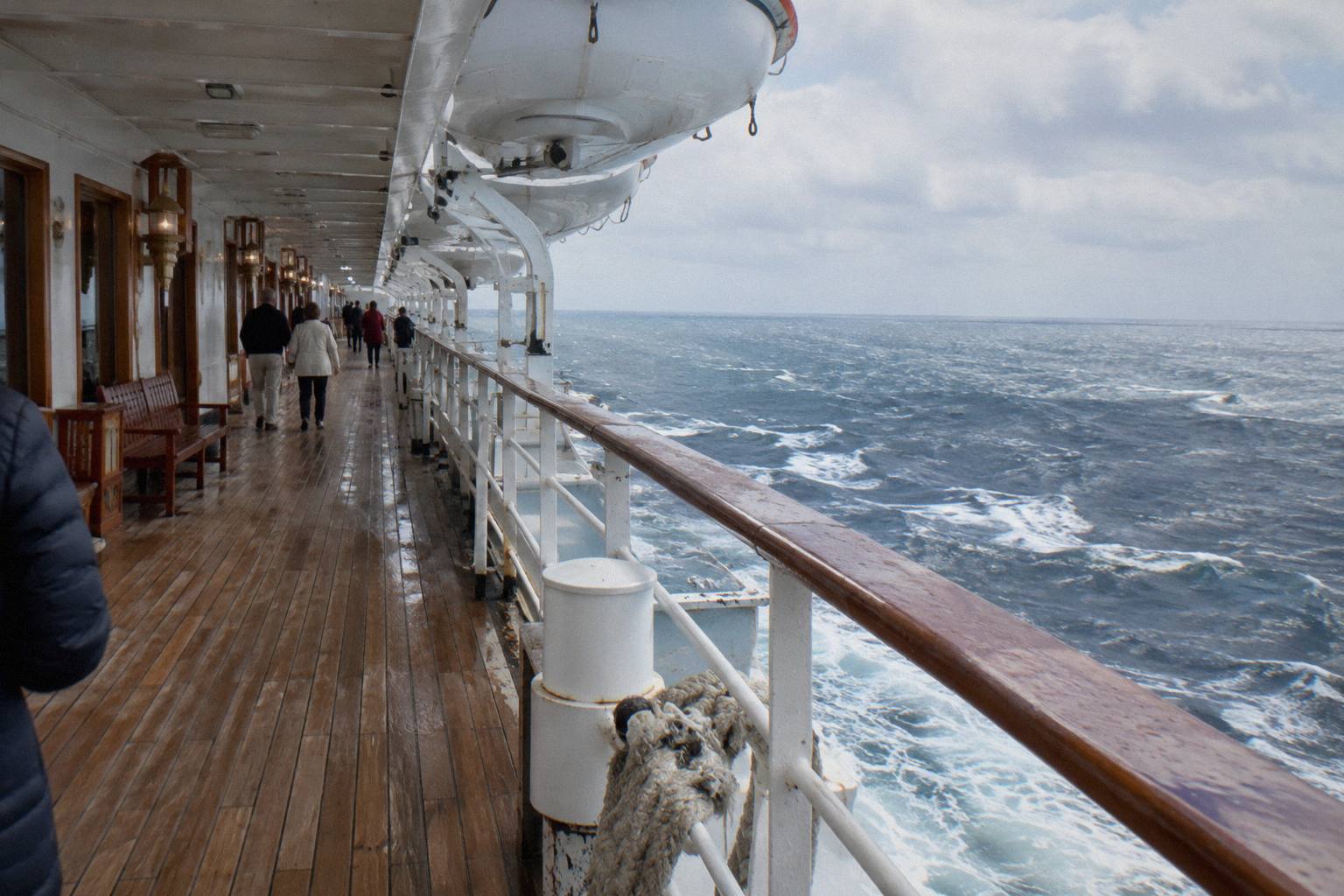
The honest framing is that a ship medical centre exists for the moment something goes wrong: a fever, a cut, a reaction, a prescription emergency that cannot wait for port. Visits are billed to you, typically at private-clinic style rates, and travel insurance that covers medical care at sea is worth having for exactly that reason. What the medical team can do, if you are running short because of a delay you could not control, is assess, stabilise and help arrange supply at the next suitable port. That is a fallback, never a plan.
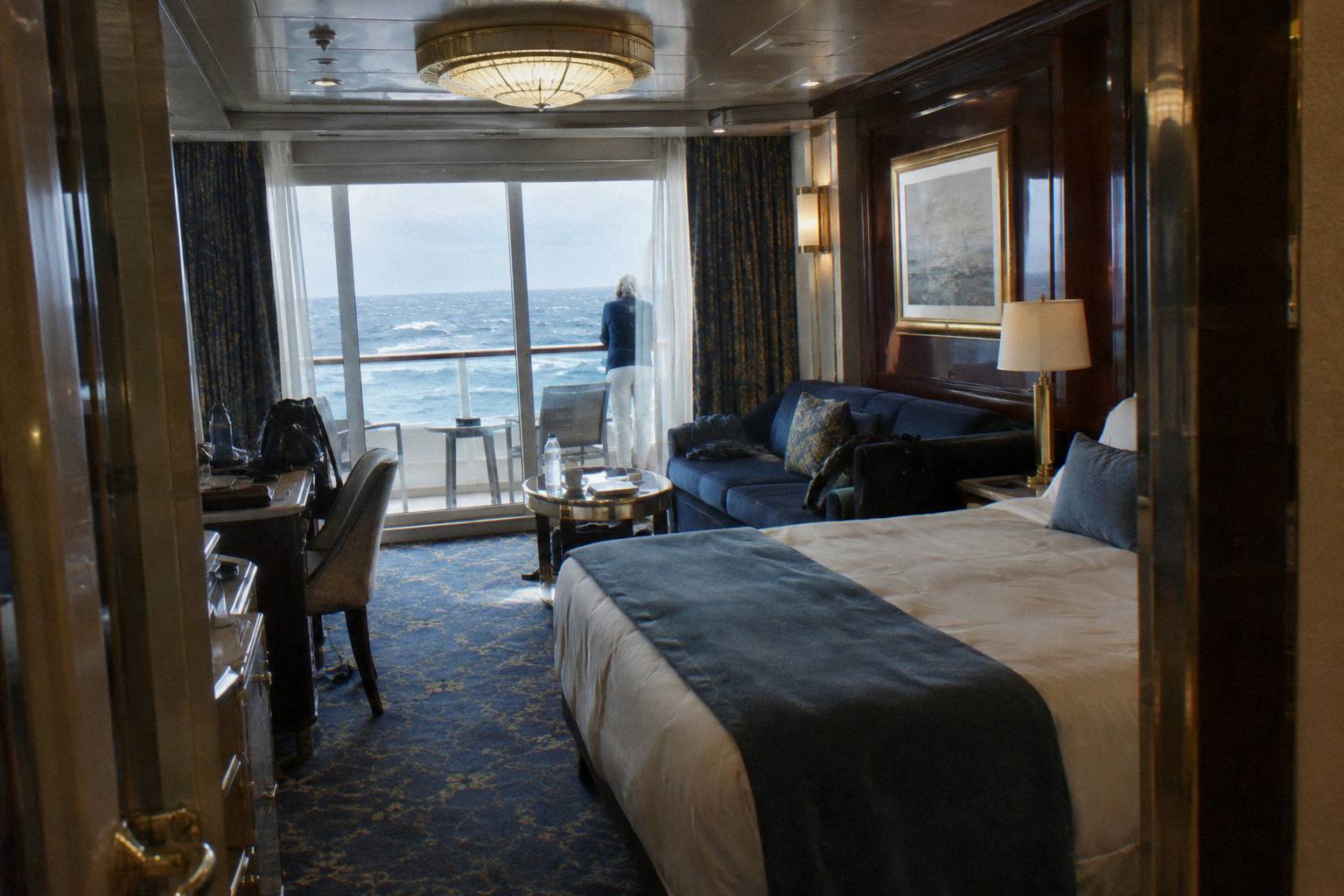
Two practical notes follow. First, if you have a stable, well-managed condition, there is no health screening barrier to booking a charter cruise in the operators' published booking terms; LGBTQ+ charter operators sell to their communities without condition-specific gatekeeping. Second, disclosure onboard is entirely your choice: the medical centre only knows your regimen if you tell them or need their help, and cabin stewards and event staff have no involvement in your medication at all.
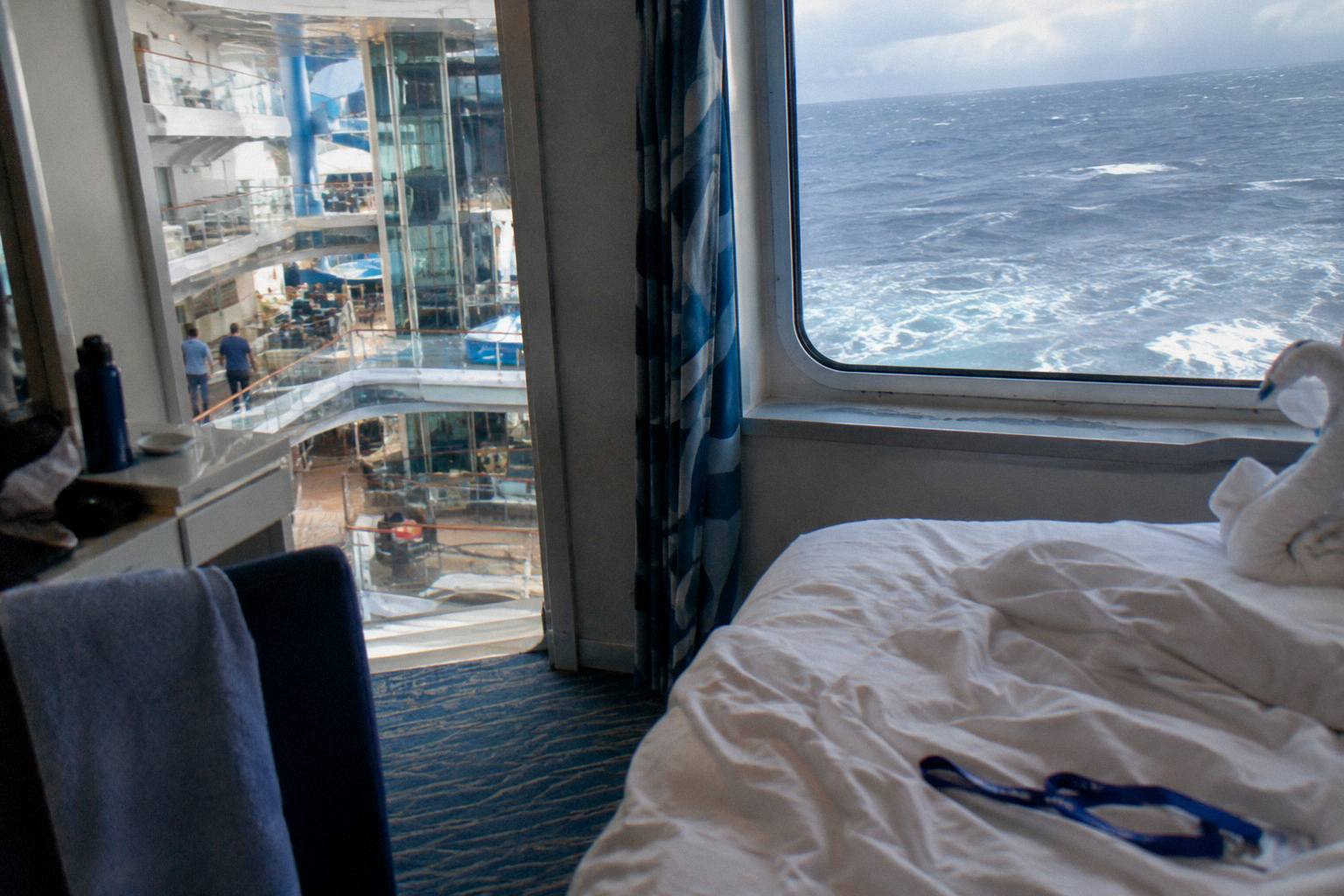
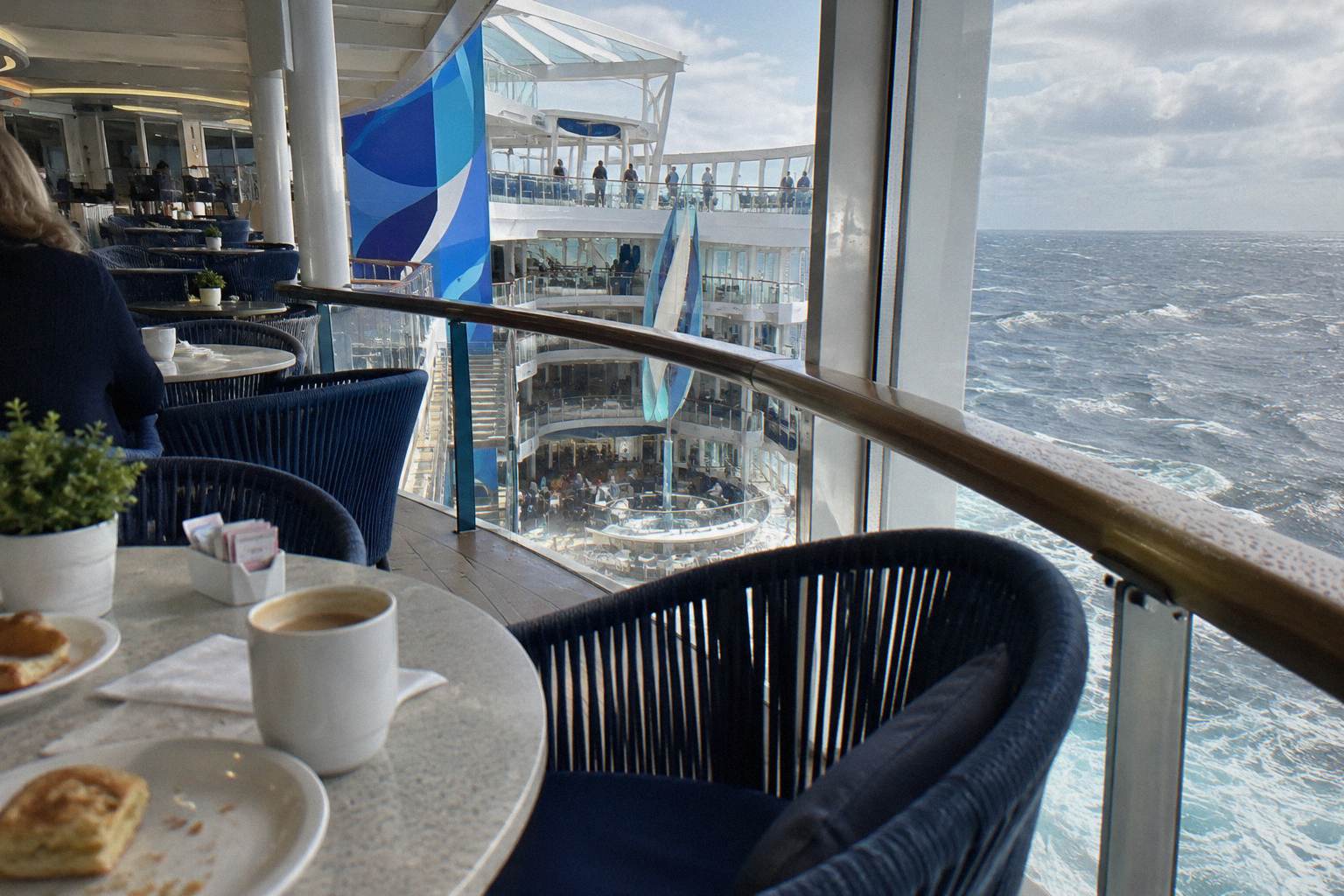
River and expedition ships, which appear later in this guide because they suit many LGBTQ+ travellers, carry smaller medical setups proportionate to their size and passenger counts, with an emphasis on the nearest shore facility. On an Amazon river sailing the ports are small and pharmacies are limited, which raises the stakes on packing correctly in the first place. On an expedition ship the same logic applies: the further from a big-city pharmacy your route runs, the more your own supply is the plan.
Do Port And Customs Rules Affect Carrying Medication?
Yes, and ports, not cruise lines, are where the real rules live. Some countries restrict or require documentation for certain medications, and a customs officer can ask for a doctor's letter or prescription copy at any port of entry. Check the official travel advice for every country on your itinerary before you sail, keep medication in original packaging, and carry the paperwork in the same bag as the tablets.
The published starting point for UK travellers is the Foreign, Commonwealth and Development Office's country-by-country travel advice, which carries medication entry rules, and US travellers can cross-check the State Department's country pages for the same destinations. Both are free, updated regularly, and specific. Read them for every country the ship calls at, not just the embarkation port, because technically each port call is an entry into that country even when the ship holds your passport.
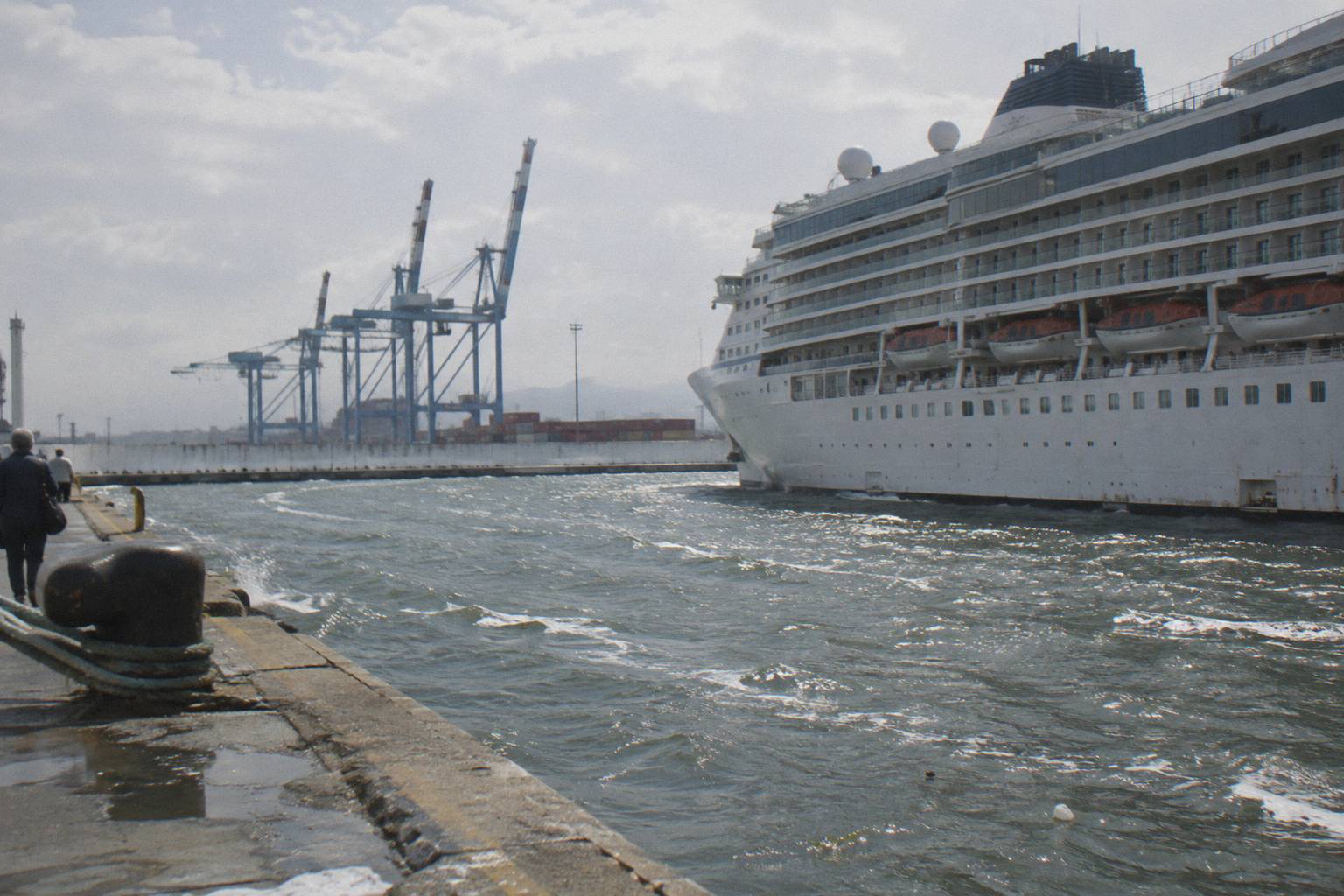
The pattern that catches travellers out is the multi-country itinerary. A Mediterranean sailing might touch three or four jurisdictions in a week; a Southeast Asia or Indian Ocean itinerary touches countries whose medication import rules differ more sharply. PrEP is legal and widely available in most mainstream cruise destinations, but the general rule stands regardless of the specific drug: original packaging, a matching name, a prescription or doctor's letter, and quantities consistent with personal use for the trip. Quantities that look like stockpiles invite questions anywhere in the world.
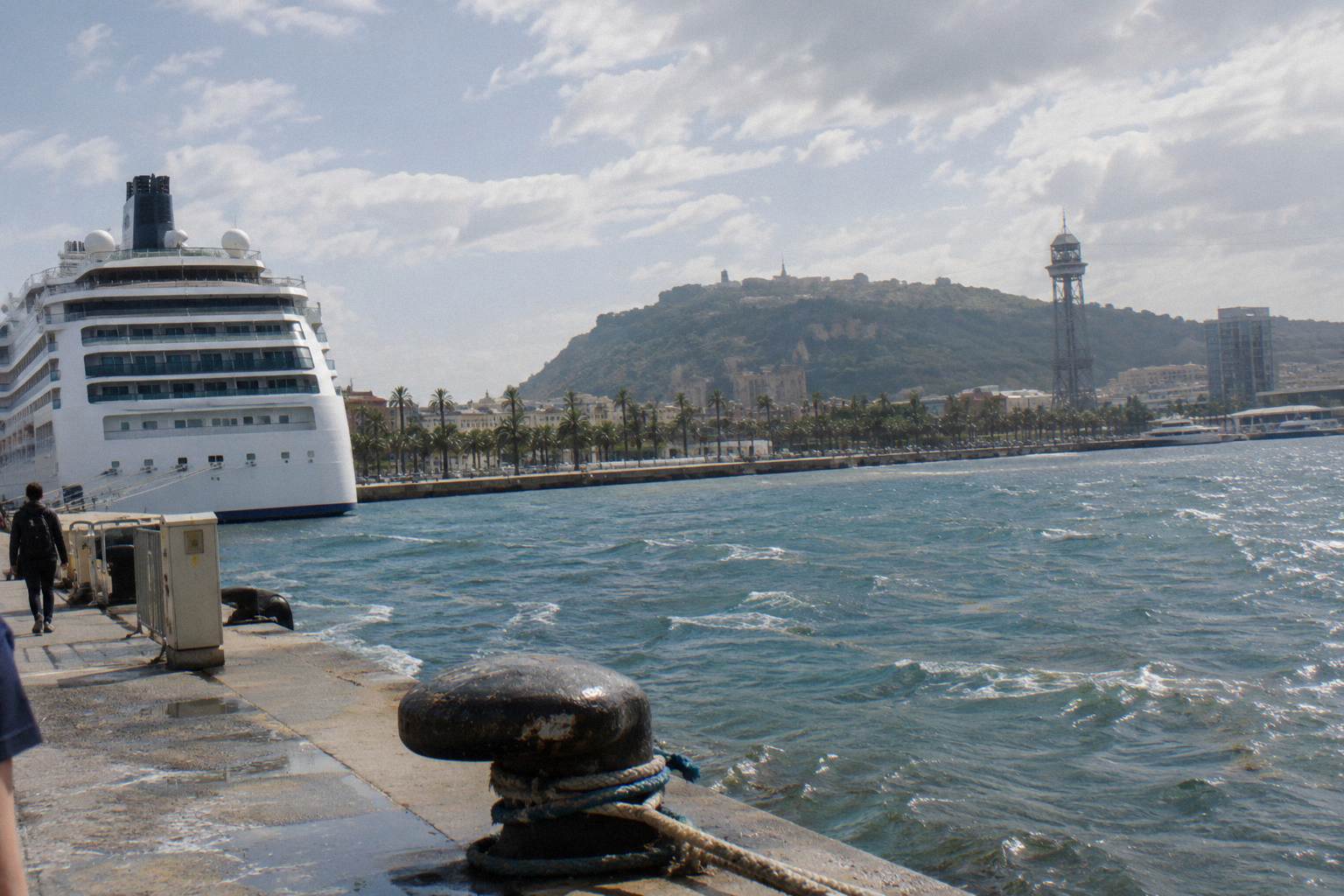
A few route-specific habits close the gap. Photograph your prescription and letter before you fly. Keep a couple of doses in your day bag for port days, with the rest secured in the cabin, so a shore excursion never separates you from your whole supply. And if your itinerary includes a country whose advice page flags your specific medication, a route check with a cruise consultant costs nothing and can confirm the ports on a sailing before you pay a deposit.
Which Ships Suit LGBTQ+ Cruisers Managing A Health Routine?
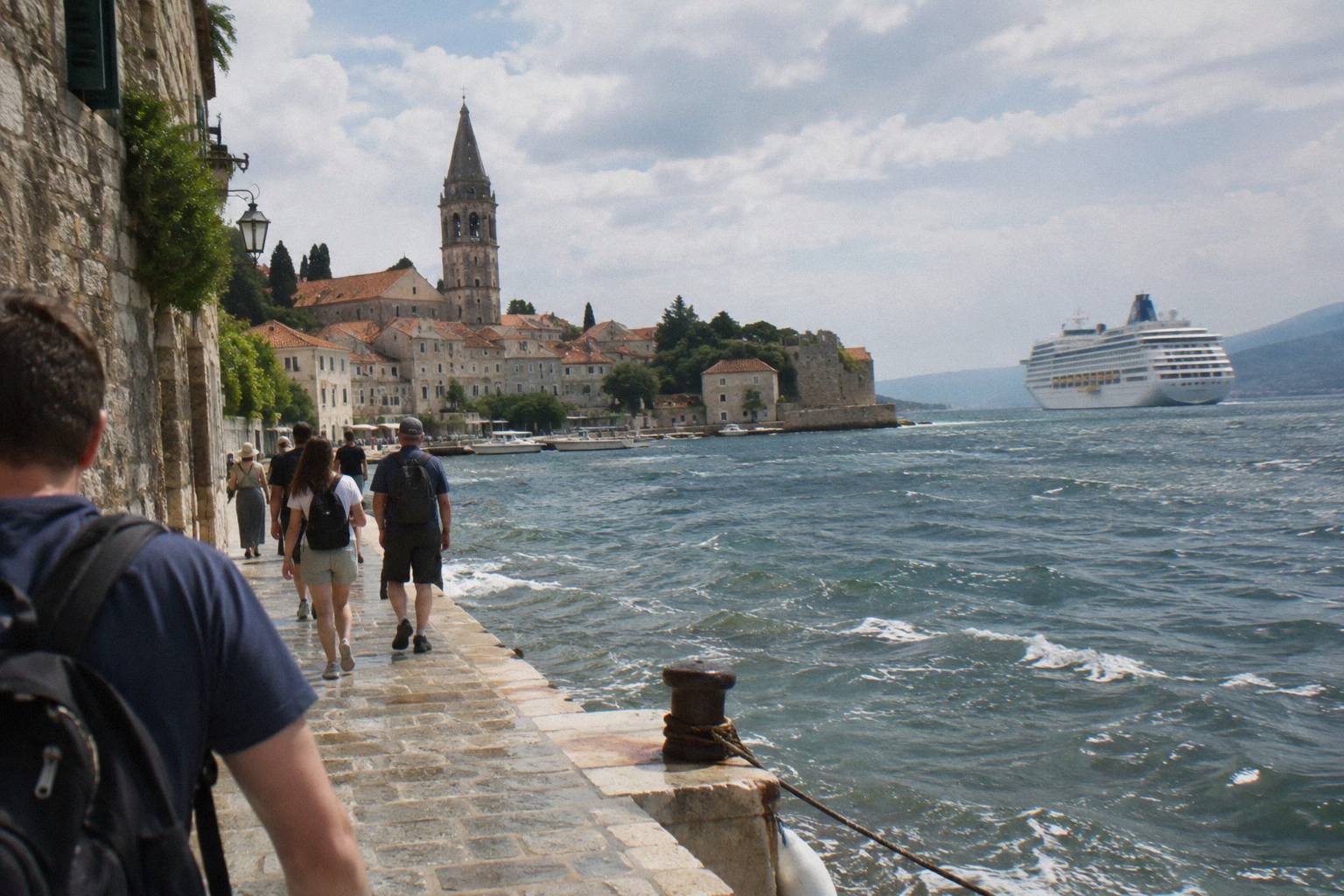
Ship choice matters less for medication rules than for logistics: how far the route runs from a full pharmacy, how stable the cabin environment is, and how long the stretches at sea are. Amazon river ships, mega ships and polar-capable expedition vessels, and all three host LGBTQ+ charters or group sailings. Pick by route comfort first, cabin type second, and the health routine adapts in any of them.
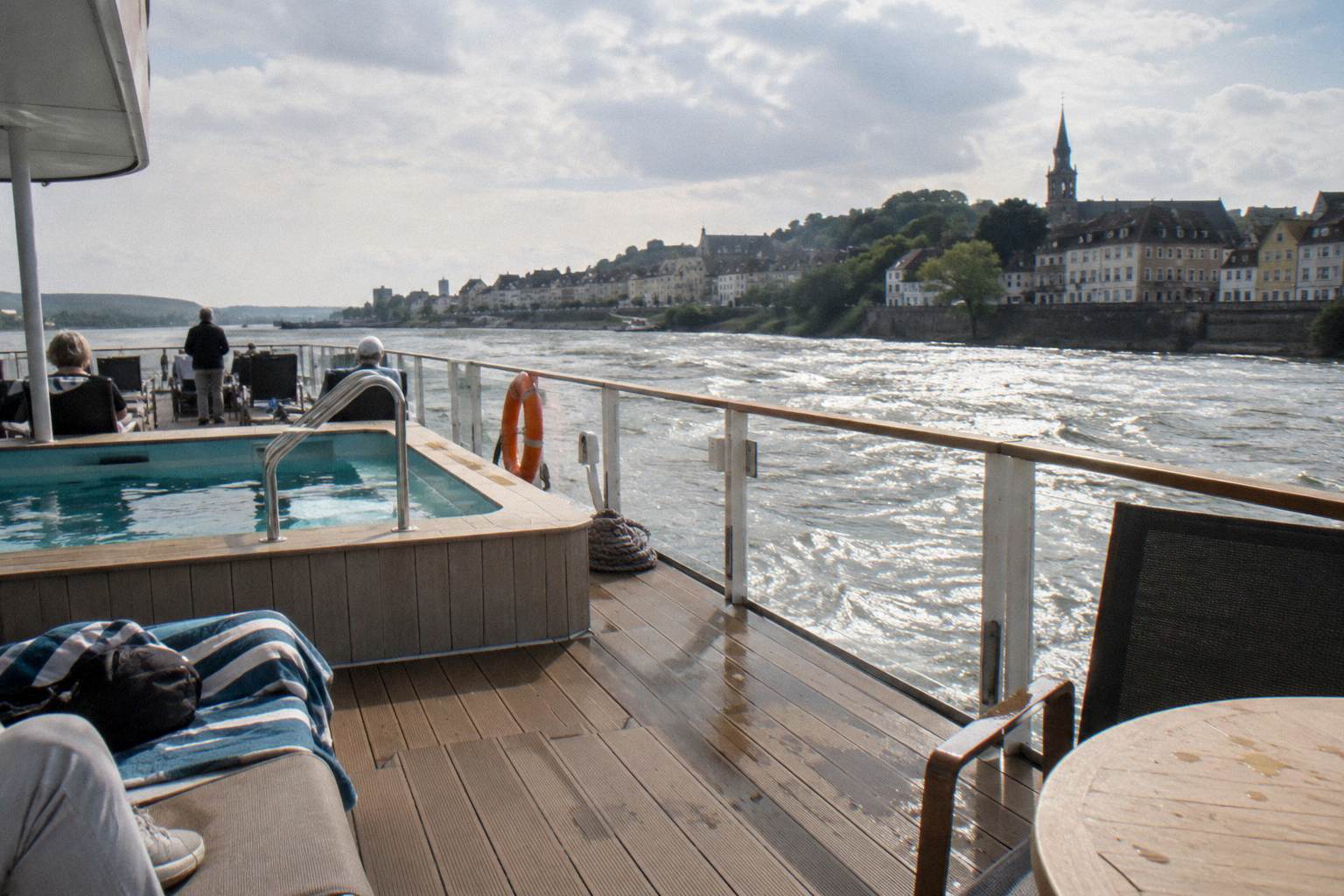
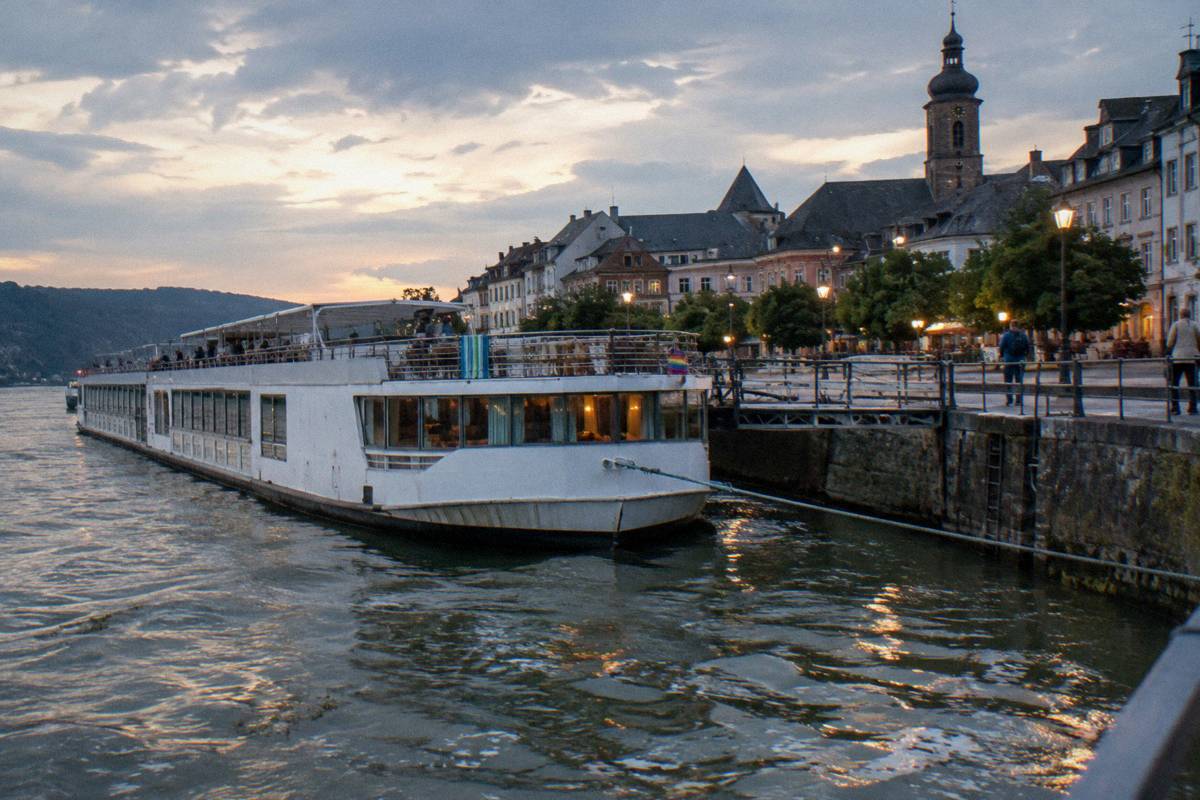
The river end of the spectrum is represented by Delfin III, Delfin Amazon Cruises' river ship sailing Peruvian Amazon itineraries. The appeal for many LGBTQ+ travellers is the intimacy: small passenger counts, slow pace, and a group that gets to know each other over days rather than in a party setting. The health-routine trade-off is honest: remote river ports have limited pharmacy infrastructure, so your own supply carries the full weight of the trip. Pack for Delfin III as if there were no pharmacy at all, because functionally there is not one you would rely on.
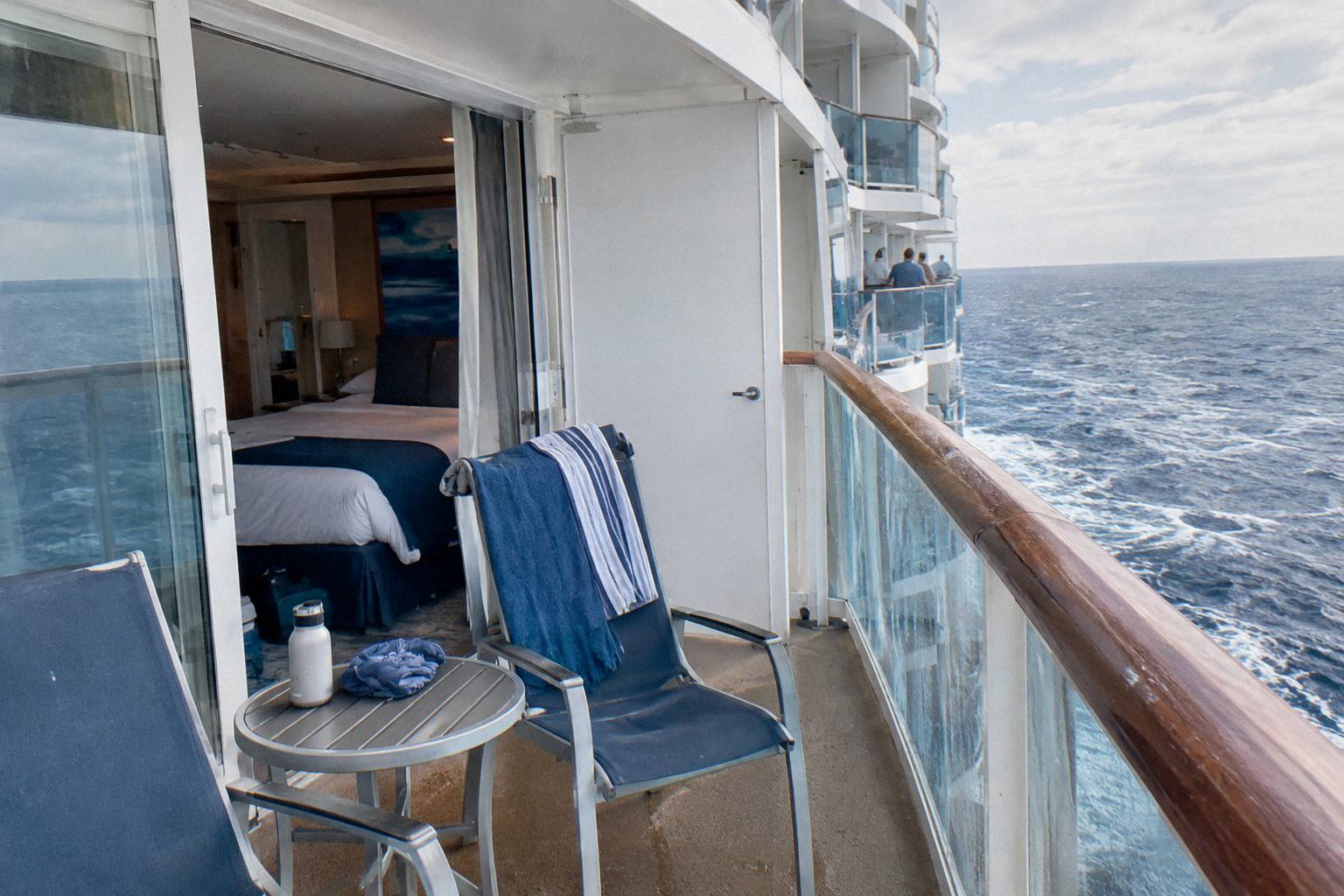
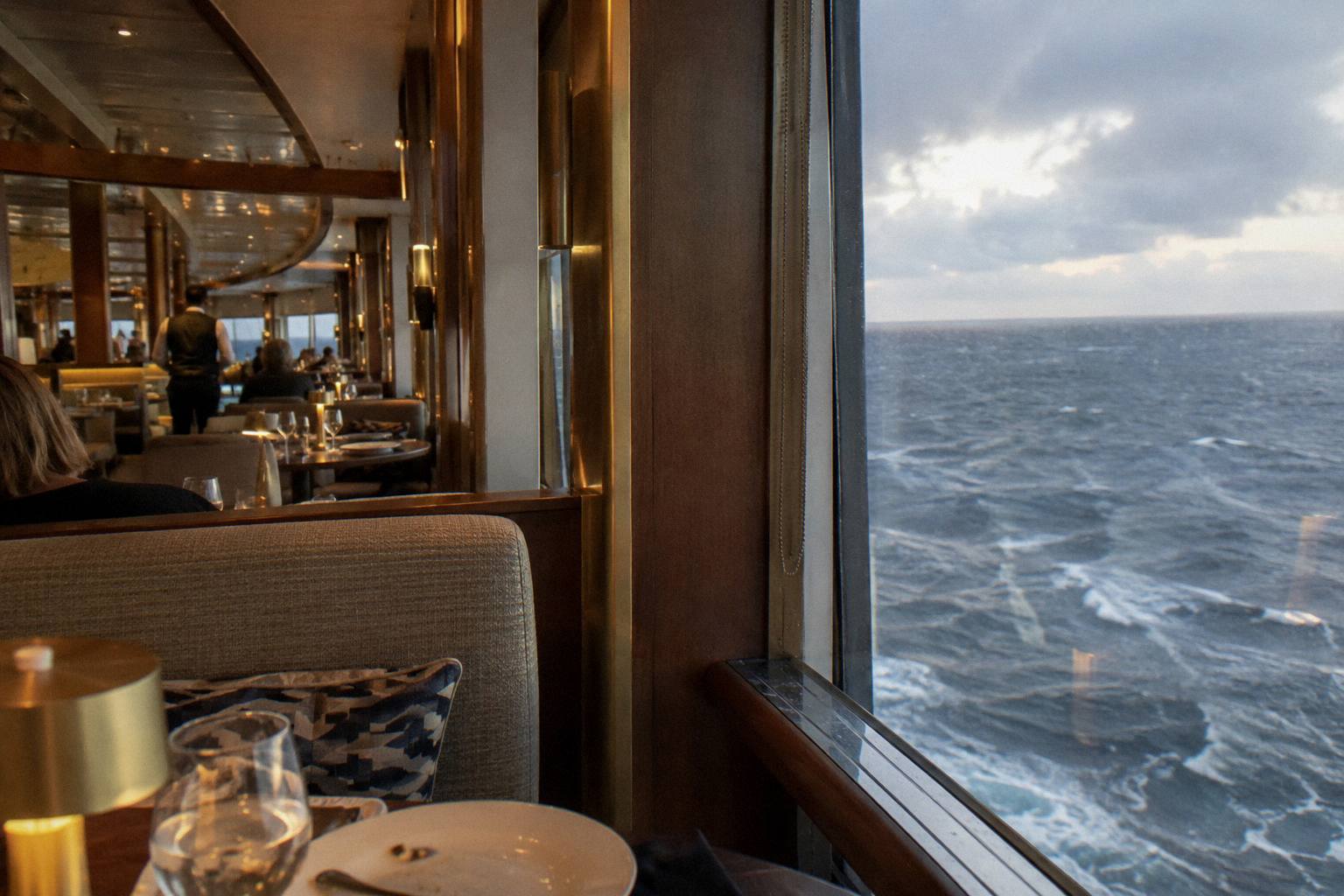
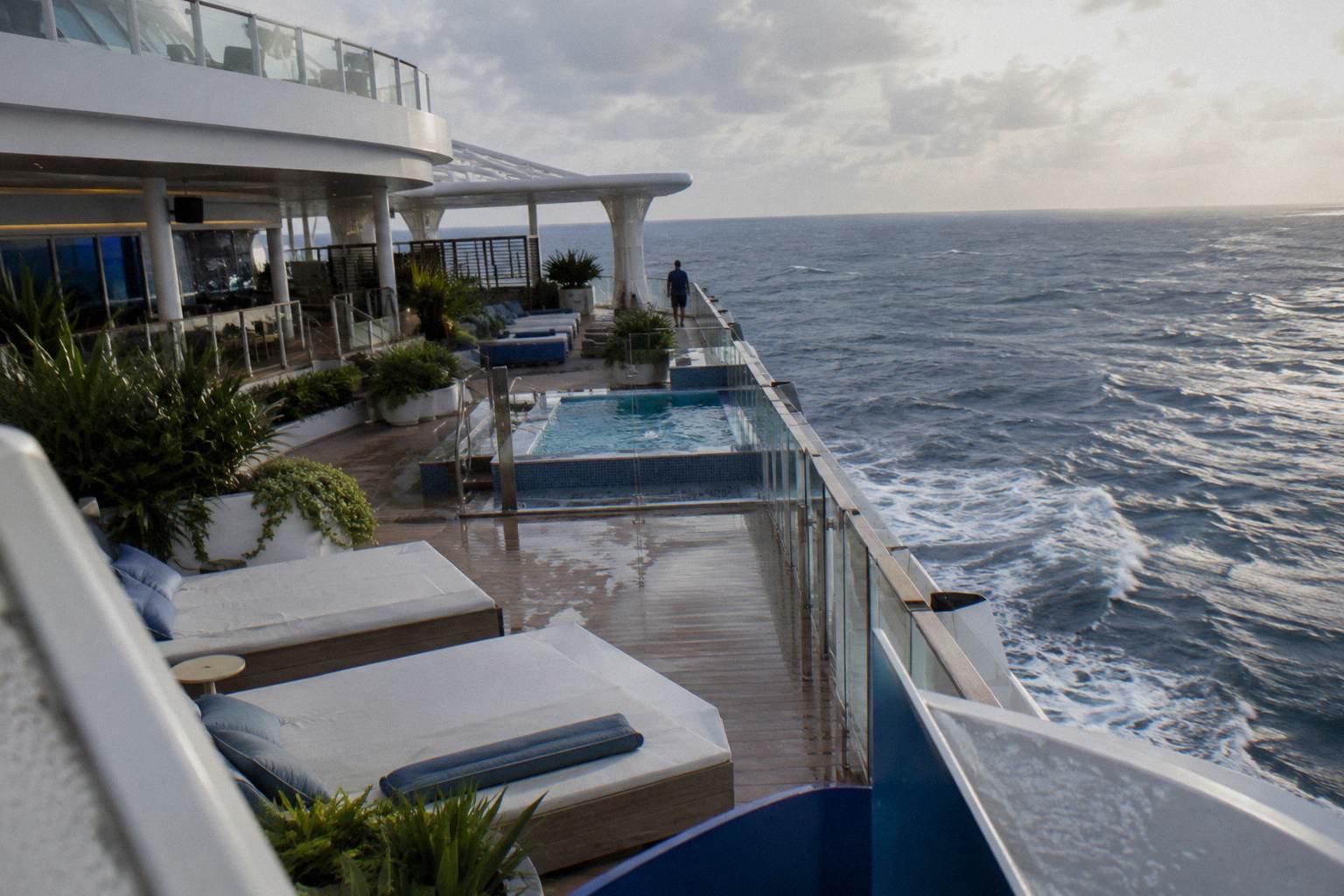
The mega-ship end is represented by Valiant Lady, Virgin Voyages' 2,770-guest vessel, a ship that has hosted LGBTQ+ charters historically and whose parent line publishes openly pro-Pride positioning, with Waves of Pride aboard a sister ship in September 2026 and Sapphic Sail charters on Scarlet Lady across 2026-2027. Mega ships carry full medical centres, cabin refrigeration on request for some categories, and itineraries that call at major ports with real pharmacies. For a traveller who values the reassurance of big-ship medical infrastructure alongside the party energy, this is the comfortable middle.
The expedition end is World Navigator, Atlas Ocean Voyages' expedition ship, the style of vessel behind the Antarctica sailings that operators like Out Adventures price up to $22,585 per person. Expedition routes put distance between you and shore facilities, and cold-chain or routine-care needs deserve a pre-booking conversation with the operator. What you get in exchange is the most dramatic scenery in cruising and a small-ship social atmosphere that many LGBTQ+ travellers prefer to a 3,000-guest deck party.
Comparing the three styles side by side is easier once the routes and seasons are on the table, and this site's gay cruise comparison guide breaks down the operator-level differences in detail.
What Does A Gay Cruise Booking Actually Cost?
Charter and group cruise prices start near $999 per person for an interior cabin on an Olivia Travel Holland America sailing and run to $22,585 at the expedition end, with the mainstream party charters clustering in the roughly $1,199 to $3,719 band. The fare you see is the operator's lowest-category price as published, per person, and it does not include flights, most drinks, or, on some charters, a separate entertainment fee.
The operator-level spread looks like this, per person, lowest category, as each operator publishes it:
| Operator | Audience | Published Per-Person Range | Upcoming Sailings |
|---|---|---|---|
| Atlantis Events | Gay men; women welcome | Interior $1,199-$1,799 (7-9 nights); $3,999 on the sold-out Oceania Marina | 6 |
| Olivia Travel | LGBTQ+ women | About $999 (HAL interior) to $6,899+ (river and expedition) | 19 |
| VACAYA | Mixed LGBTQ+ | From $3,719 (Med eclipse) to $12,537 (Madagascar to Seychelles); Polynesia from $6,330 | 8 |
| Brand g Vacations | Gay-centred, mixed | About $4,900 (Rhine) to $22,300 (Philippines/Taiwan/Japan luxury) | 24 |
| Out Adventures | Gay men / LGBTQ+ | $7,495 (Baja) to $22,585 (Antarctica) | 2 |
| Waves of Pride | Mixed LGBTQ+ and allies | From $1,609.40 including fare, taxes and gratuities, plus $149-199 entertainment fee | 1 |
Two reading notes on that table. First, sold-out status is real and common: every listed VACAYA 2026-2028 trip shows sold out or waitlist, as do four of Atlantis's six upcoming sailings. The published price is the entry point, not a promise of a cabin. Second, the fare basis differs between operators: Waves of Pride bundles taxes and gratuities into its figure while most others price the cabin alone, so direct number comparisons across rows mislead until you normalise the basis.
Where health planning touches cost, the items to budget are travel insurance that covers medical care at sea, your medication supply for the full trip plus buffer, and any doctor's-appointment cost for the documentation letter. Those are small numbers next to the fare, but they are the ones travellers forget. If the price bands above have you torn between, say, a $1,609.40 party sailing and a $7,495 expedition, get free help choosing a sailing before you commit either way.
Who Sails, What Is Included, And What To Book First?
Charter audiences differ sharply by operator: Atlantis Events centres gay men, Olivia Travel centres LGBTQ+ women, VACAYA and Brand g run mixed LGBTQ+ crowds, and BearCruise and R Family serve bears and families respectively. Inclusions follow the host line, so cabins, main dining and most onboard entertainment are in the fare, while drinks packages, specialty dining, shore excursions and, on some charters, headline event fees are extra. Book the cabin itself first, because supply is what runs out.
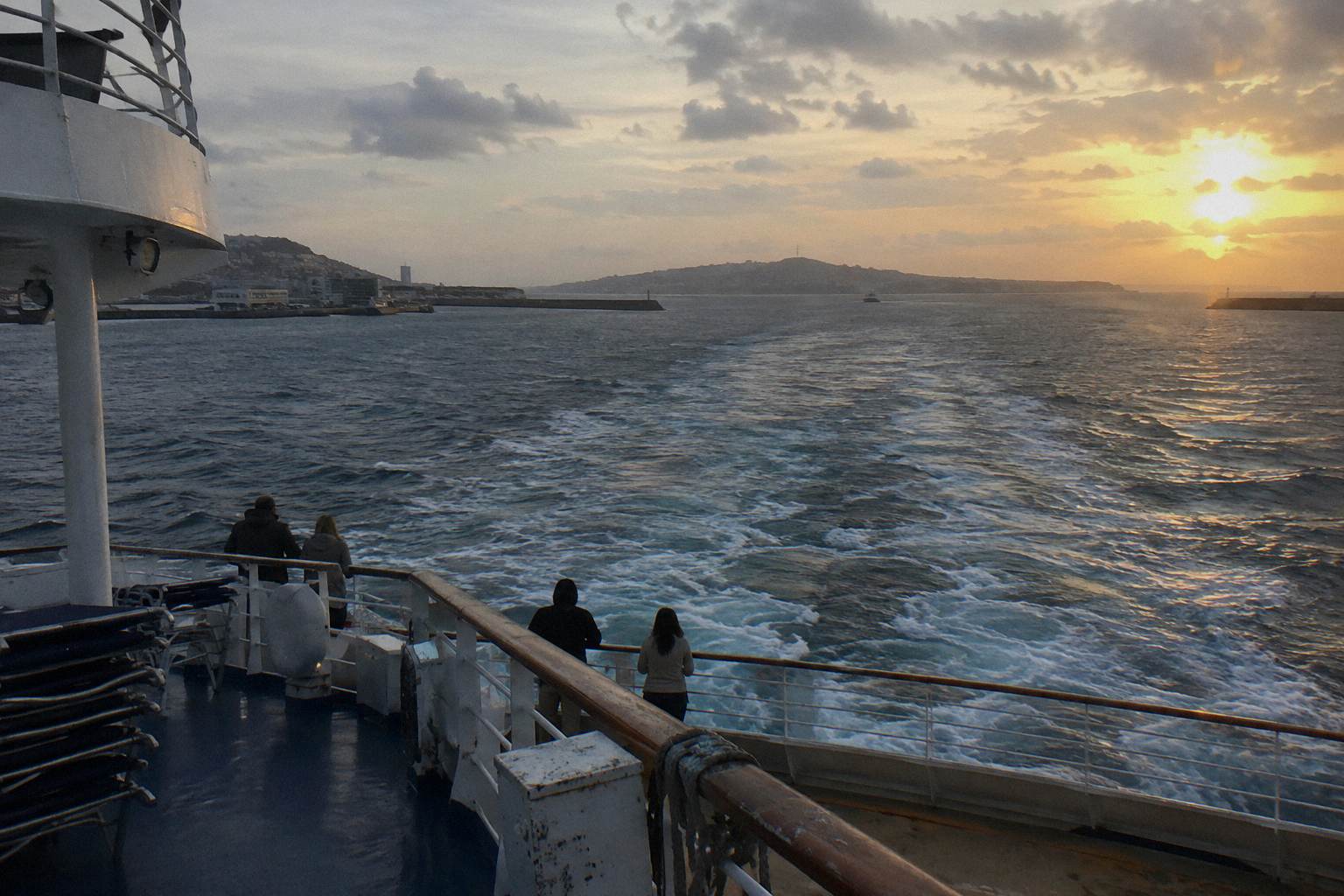
The audience question matters for a health-conscious first-timer more than it first appears, because the social pace differs. A 2,770-guest Atlantis or Virgin Voyages charter runs at festival energy, with late nights that a strict daily medication schedule survives perfectly well, but only if you build the routine around it. A Brand g Rhine river sailing or an Olivia expedition runs at a gentler tempo with earlier port mornings. Neither is more or less compatible with PrEP or treatment adherence; they simply reward different habits, and knowing your own rhythm before booking is the honest way to choose.
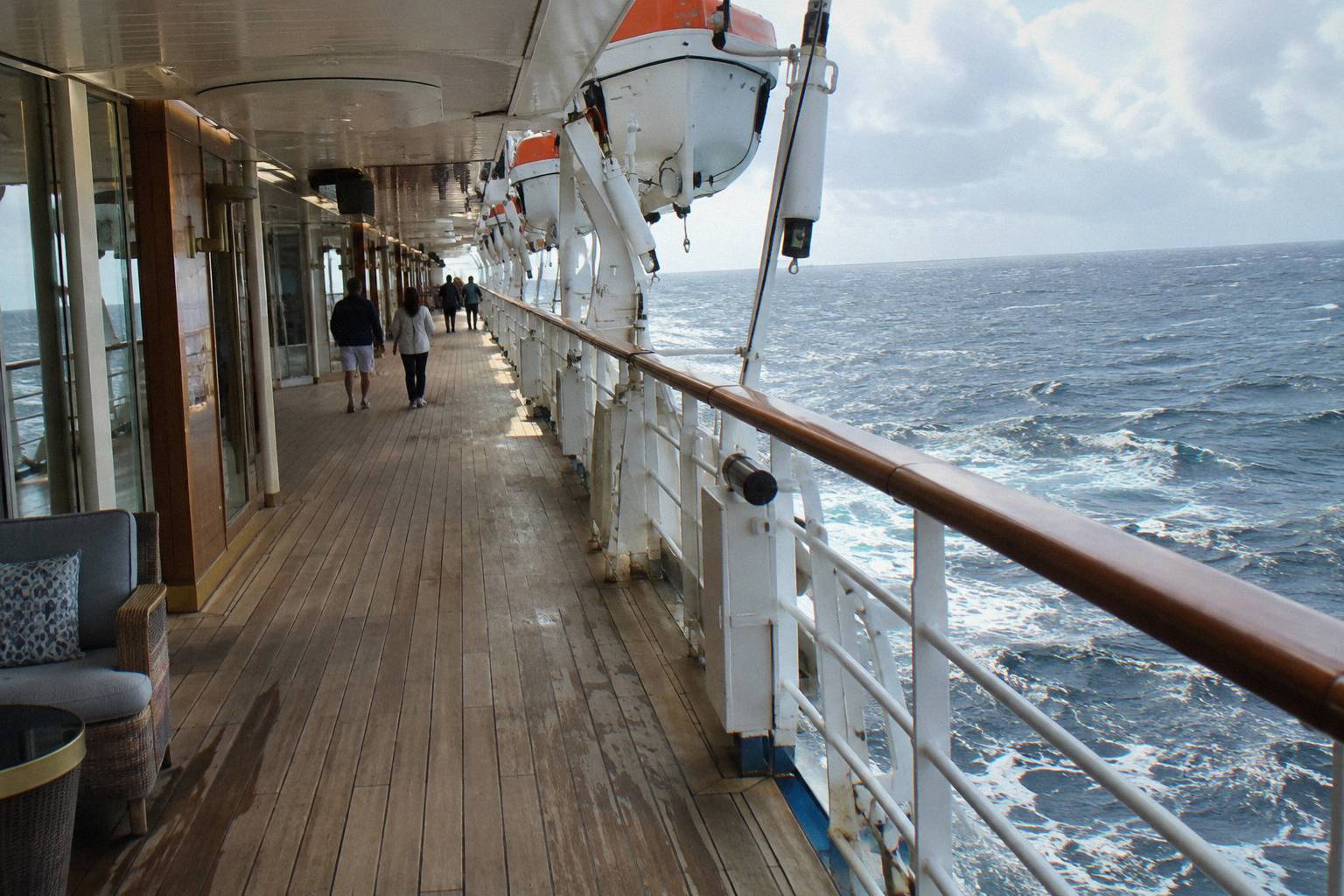
Inclusion boundaries are where budgets drift. Mainstream host lines include the cabin, main dining rooms, buffets and most entertainment. Extra costs typically include alcoholic drinks, specialty restaurants, Wi-Fi tiers, spa treatments, gratuities on some lines, and shore excursions, and charter operators add their own event programming on top. RSVP Vacations and VACAYA's official site both publish what their event programmes cover; read the specific sailing's page rather than assuming, because charter inclusions vary sailing to sailing even within one operator.
What To Book Early And What Can Wait
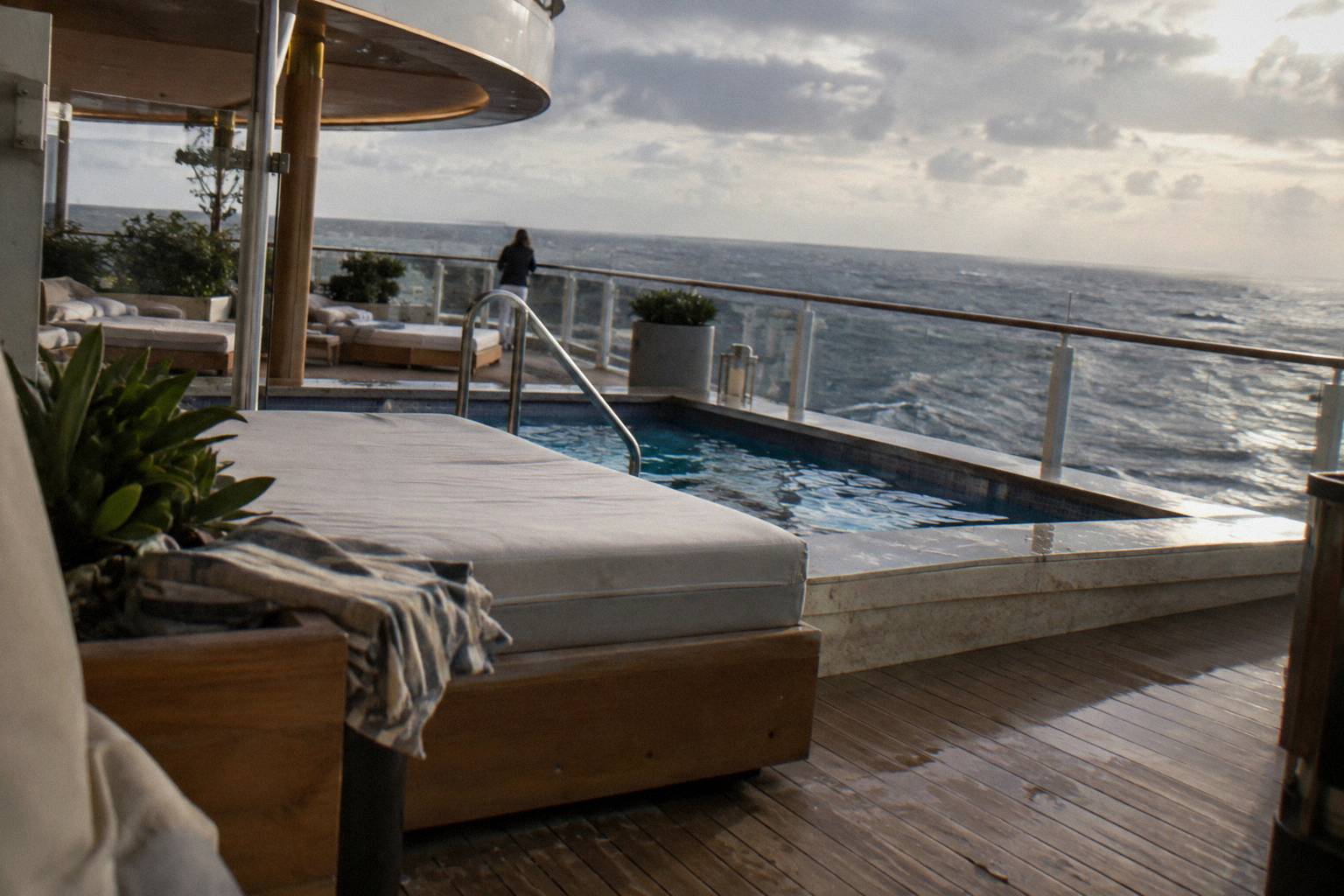
The booking-order logic is supply. Cabins on popular charters sell out or hit waitlist, so the booking itself is the time-sensitive decision. Interior and balcony categories on the big party sailings move first, especially the cheapest tiers, and operators like Atlantis already show four of six upcoming sailings constrained. Once you have picked a sailing that fits your dates, route and audience, the deposit secures the decision and everything else becomes a calendar task. The one early exception is any special request tied to your cabin, such as refrigeration, which needs to go to the operator at booking time.
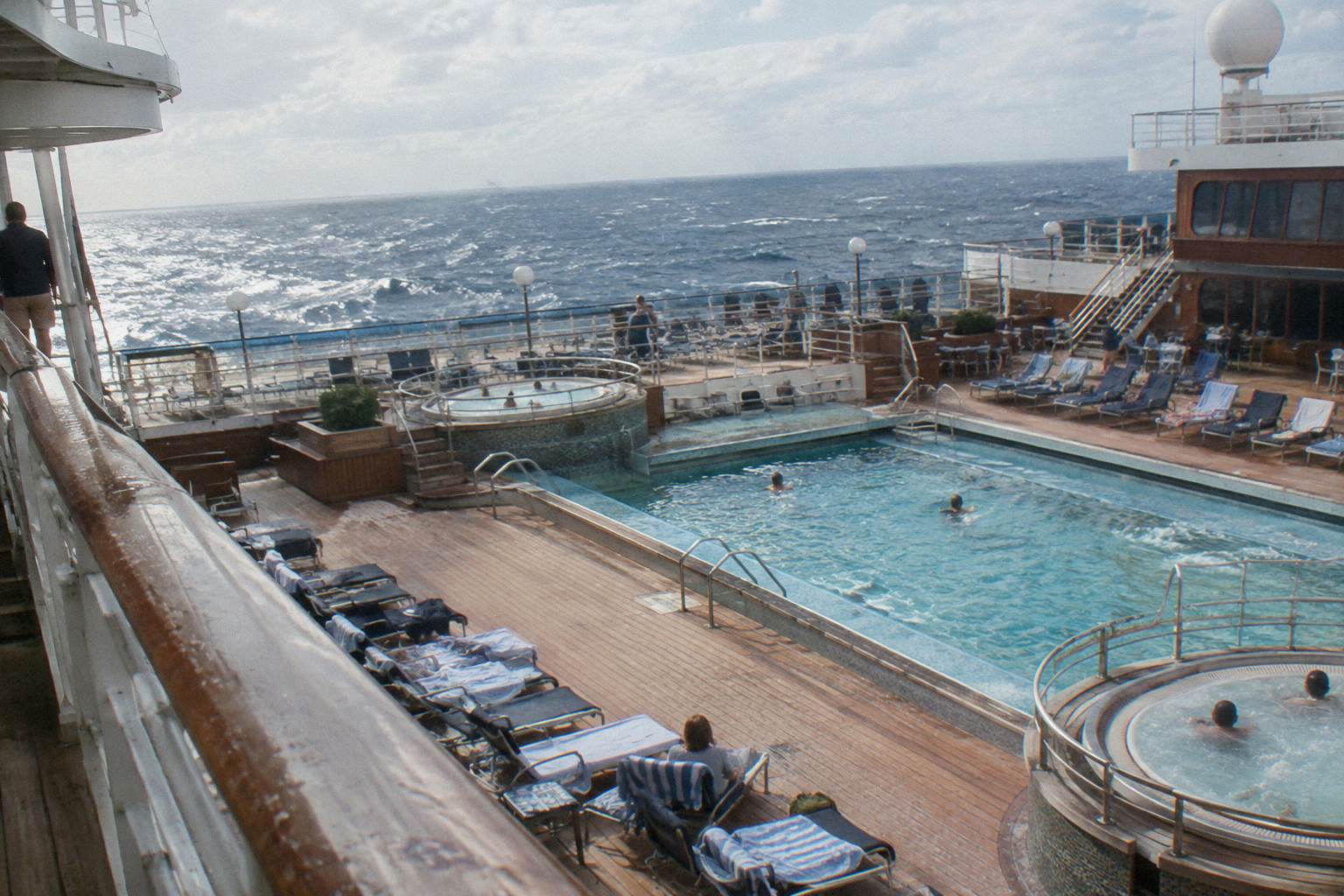
The pre-departure checklist then runs in a sensible order. Eight weeks out: confirm your medication supply covers the trip plus buffer, and book the doctor's appointment for the letter. Six weeks out: buy travel insurance that covers medical care at sea. Four weeks out: book excursions and any specialty dining, and log any cabin-related medical request with the operator. Two weeks out: photograph documents, split medication across bags, and re-check the official travel advice for every port. None of this is onerous; it is simply sequential, and sequence is what prevents the mistakes later on this page.
What can safely wait: drinks packages, spa slots, and most onboard bookings, which the host line's app handles before or during the sailing. What cannot wait: the cabin, the insurance, and the documentation. That hierarchy is the whole picture, and the sailing calendar shows why the cabin leads it.
| Operator | Sailings | Date Range | Sold Out Or Waitlist |
|---|---|---|---|
| Brand g Vacations | 24 | 2027-04-18 to 2028-10-14 | 5 |
| KelliGregg Travel / R Family Vacations | 13 | 2027-02-05 to 2028-09-02 | 0 |
| VACAYA | 8 | 2026-12-28 to 2028-12-16 | 8 |
| Big Gay Cruise | 6 | 2026-11-14 to 2028-02-06 | 0 |
| Atlantis Events | 6 | 2026-11-22 to 2027-08-22 | 4 |
| BearCruise | 6 | 2026-12-30 to 2028-07-09 | 0 |
For deeper background on the communities themselves, this site's guide to LGBTQ+ cruise audiences and operators covers who sails with whom, and the question of what actually happens onboard, nightlife included, is answered plainly in what happens on a gay cruise.
Mistakes That Trip Up Medication Planning On A Gay Cruise
The recurring mistakes are all preventable: packing exactly the number of days the cruise lasts with no buffer, putting medication in checked luggage, storing tablets in the humid cabin bathroom, skipping the doctor's letter, and assuming the ship's medical centre can renew a prescription on schedule. Each one turns a routine trip into a scramble, and each is fixed by a decision made at booking time rather than at the pier.
The buffer mistake deserves its own sentence because it is the most common shape of failure: the sailing is seven nights, the traveller packs eight days, the return flight cancels, and the arithmetic stops working in an airport hotel. Extra doses cost nothing relative to the fare and buy peace of mind that no onboard service can sell you afterwards. The same logic applies to splitting supply across two bags: a delayed suitcase is an inconvenience for clothes and a problem for medication.
The documentation mistake shows up at customs, not on the ship. Original packaging with your name on the pharmacy label, plus a doctor's letter, answers most questions before they are asked. Travellers who decant tablets into unlabelled organisers for the whole trip, with no backup documentation, are the ones who have the slow conversations at the port. Keep the organisers if you like them, but travel the original boxes and the letter alongside.
The assumption mistake is treating the ship as a floating pharmacy. Medical centres handle urgent care well, but a routine PrEP renewal or a scheduled monitoring appointment is not their function, and on river and expedition routes the next full pharmacy may be days away. Arrive supplied, insured and documented, and the medical centre becomes what it is designed to be: the emergency net you will most likely never use. For anything route-specific you are unsure about, a free cruise health and route consultation resolves it before deposit day.
Common Questions About PrEP, HIV And Health On A Gay Cruise
Can you bring PrEP on a cruise ship?
Yes. Cruise lines do not prohibit prescribed medication, and no LGBTQ+ charter operator on this site publishes any rule against PrEP. Carry it in original pharmacy packaging in your hand luggage, with a prescription or doctor's letter, and enough doses for the whole trip plus a buffer.
Do cruise ships have doctors and medical centres?
Mainstream ships carry a medical centre staffed by ship's doctors and nurses, equipped for urgent care and acute illness, with visits billed to the passenger. River and expedition ships carry smaller setups oriented to the nearest shore facility. None are substitutes for arriving with your full medication supply.
Can a ship pharmacy refill HIV medication mid-cruise?
Treat that as a fallback, not a plan. Ship medical centres stock a limited formulary and cannot be relied on for routine prescription renewals, especially on river and expedition routes far from major ports. Pack your full course plus extra days.
Do I need a doctor's letter to carry HIV medication abroad?
It is the single most useful document you can carry. A letter from your prescribing doctor naming you and the medication answers most customs questions at ports of entry. Pair it with the original pharmacy packaging and a matching passport name.
Which countries restrict medication imports on cruise routes?
Rules vary by country and by drug, so check the official travel advice, the FCDO country pages for UK travellers or the State Department pages for US travellers, for every port on your itinerary, not just the embarkation point. Original packaging, documentation and personal-use quantities satisfy most regimes.
Is travel insurance worth it for a gay cruise?
Yes, primarily for medical care at sea, which is billed privately and can be costly, and for trip interruption that extends your days away from home, which is exactly the scenario your medication buffer exists to cover. Buy insurance early enough that cancellation cover applies.
More Planning And Onboard Guides
 Atlantis Cruise CostWhat an Atlantis charter really costs, from base fare to bar bill.Read the guide
 Atlantis Dress CodeTheme nights, packing lists and what the operator actually publishes about dress.Read the guide
 Atlantis Cruise ShipsEvery ship Atlantis charters, with sailing dates, prices and what is on sale.Read the guide
 Atlantis Drink PackageWhat the sources really say about drinks and packages on Atlantis gay cruises.Read the guide