Can You Bring Condoms And Lube On A Cruise Ship?
Yes, you can bring condoms and lube on a cruise ship. No mainstream line or LGBTQ+ charter operator publishes a rule banning them. Here is what the lines actually say, how much to pack, and where the real limits sit.
This page sits in Questions Answered, the hub for the practical pre-booking questions LGBTQ+ cruise travellers actually ask before they commit to a cabin.
Quick Facts
| Fact | What The Sources Say |
|---|---|
| Allowed on board? | No line or charter operator checked publishes a ban on condoms or lubricant |
| Quantity limit published? | No cruise line states one |
| Carry-on or checked? | No cruise line restricts either; carry-on is the practical choice |
| Sold on board? | Shops exist on large ships, but cruise lines do not publish their stock range |
| Charter sailings tracked | 90 charter and group sailings across 11 operators |
| Sold out or waitlisted | 29 of those 90 sailings |
| Cheapest charter entry price tracked | Atlantis interior from $1,199 per person, 7 to 9 nights |
| Most expensive tracked | Brand g up to about $22,300 per person, lowest cabin |
Can You Bring Condoms And Lube On A Cruise Ship?
Yes. Condoms and personal lubricant are permitted on a cruise ship, and none of the cruise lines, river lines or LGBTQ+ charter operators checked for this page publish any rule that bans them, restricts their quantity, or treats them differently from any other personal care item you pack. You bring them the same way you bring toothpaste and sunscreen: in your luggage, through the terminal, into your cabin. The question sounds awkward to ask out loud, which is why it gets typed into search bars quietly the week before a sailing, and the honest answer is that this is one of the least controversial items in your bag.
Start with what a cruise actually is. You check in at a terminal, your bags pass through security screening on the way to the ship, and your cabin is your private room for the length of the sailing. Nothing in the published luggage guidance of the mainstream lines that host LGBTQ+ charters, including Virgin Voyages, Celebrity Cruises and Royal Caribbean, singles out condoms or lubricant. The bans that do exist and are published concern weapons, illicit drugs, drones and, on some lines, irons and candles. Sexual health supplies are not on any published prohibited list.
The practical reason the question matters more on a gay cruise than on a random mainstream sailing is density of intent. A charter like an Atlantis Events sailing is a party-forward, thousands-of-guests environment where a good share of the manifest is single and looking to meet people. Atlantis, founded in 1991 and the longest-running large-scale gay charter operator tracked here, lists interior fares from $1,199 to $1,799 per person on its current 7 to 9 night sailings. People booking that sailing are not booking it for the buffet alone, and packing accordingly is ordinary adult planning, not a provocation.
One honest caveat: absence of a published ban is not the same as a written permission slip. No cruise line publishes a page titled anything like a sexual health supplies policy, because no line writes one for toothpaste either. If you want a rule you can quote, the place it would live is the luggage and prohibited items FAQ of your specific line, and if it is silent, silence is your answer. Should anything about your sailing be unusual, a clothing-optional deck or a sex-positive themed charter, the charter operator's own FAQ is the document that governs, and reading it before you pack takes five minutes.
What The Cruise Lines And Charter Operators Actually Publish
The published record is silent on condoms and lube across every operator checked, and the only sexual-health-adjacent rules that do exist in writing concern prescription medication, which is a different category with different rules and its own paperwork. Lubricant is not a medication, condoms are not a medication, and neither triggers the medical-declaration processes that lines describe for prescription drugs. That distinction matters because well-meaning forum answers often blur the two, sending travellers down a declaration path that was written for PrEP and antiretrovirals, not for a box of condoms and a bottle of silicone.
The lines that host LGBTQ+ charters publish inclusivity language rather than item-level packing rules. Virgin Voyages states on its own pages that pride is baked into its identity rather than celebrated one month a year, and its ships have hosted third-party LGBTQ+ charters including a historical Atlantis charter on Scarlet Lady in 2020 and a Waves of Pride sailing on Resilient Lady in September 2026. None of that inclusivity language, and none of the charter pages behind it, carries a restriction on personal supplies. The welcome is the brand position; the luggage rules are the logistics page, and the logistics page does not mention condoms.
Charter operators behave the same way. Atlantis Events, whose official Atlantis Events site lists its current sailings and fares, publishes cabin categories, theme nights and entertainment lineups, not prohibited-items essays on intimacy supplies. VACAYA, founded in 2017, describes its audience as mixed LGBTQ+ men, women and allies, and its official VACAYA site covers destinations such as Polynesia from $6,330 per person and Madagascar to Seychelles from $12,537, both sold out. The gap between what operators do publish, prices, dates, themes, and what they do not, packing restrictions on condoms, is consistent across every operator checked.
The one place written rules do exist and touch this territory is prescription carriage, covered in our separate piece on bringing PrEP on a cruise ship. If you travel with prescription medication, that is the rulebook to read carefully, including original packaging and a copy of the prescription. Condoms and over-the-counter lube simply do not live in that framework, and treating them as if they do creates paperwork and anxiety that no line asks of you.
How Much To Pack For A Seven Night Sailing
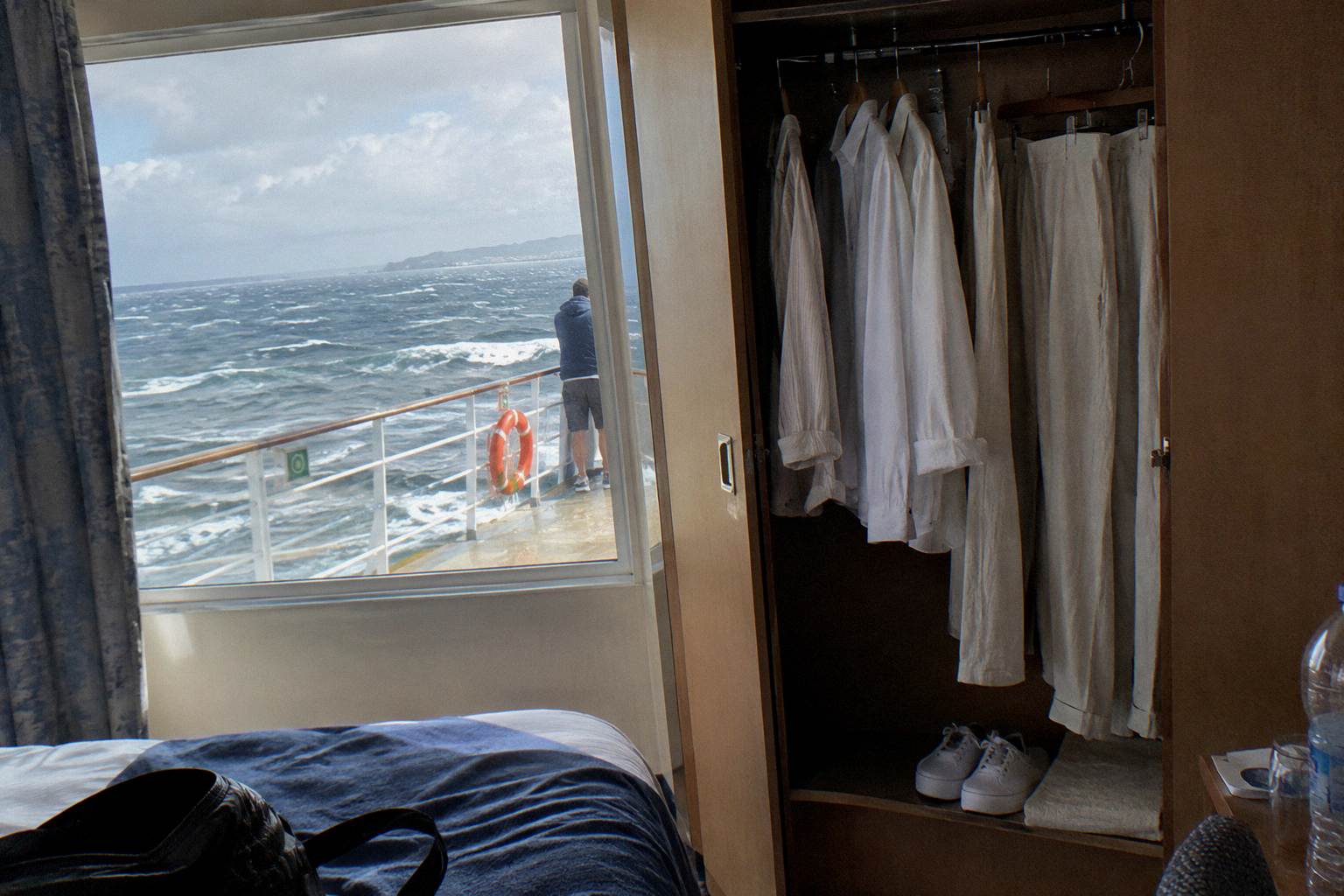
A working baseline for a seven night charter sailing is more than you think you will use, packed in hard-sided protection for the condoms and leak-proof containers for the lube, because resupply on board is unreliable in range, price and availability, and there is no pharmacy run at sea. Cruise lines do not publish onboard shop inventories, so no honest page can promise you that the ship's store stocks your condom size or a lube formula your body agrees with. Assume it does not, pack accordingly, and treat any onboard purchase as luck rather than a plan.
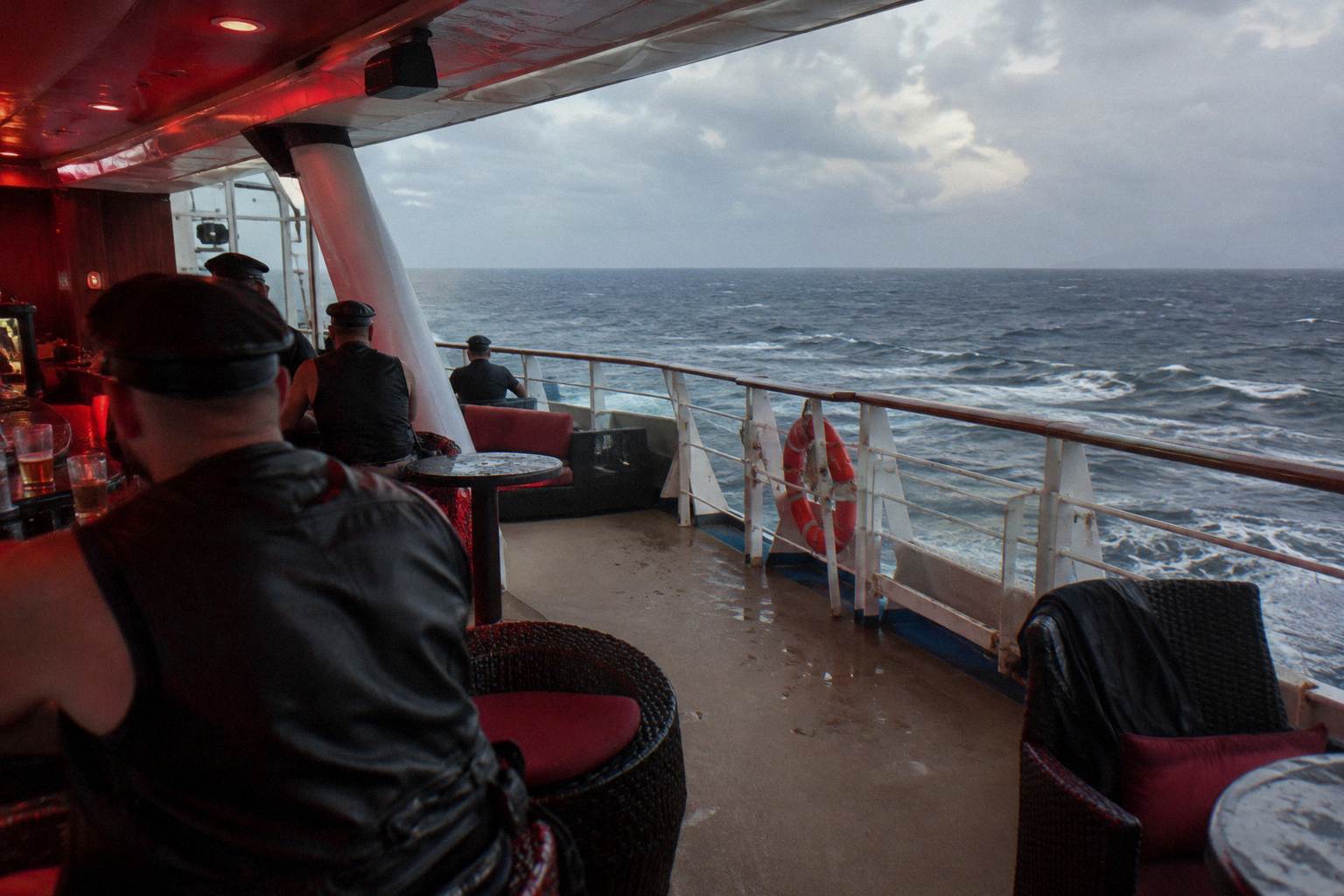
Condoms are fragile in ways people forget. Heat, friction and being crushed at the bottom of a suitcase degrade latex before its expiry date, and a checked bag sitting on a hot dock or in a cargo hold is a worse environment than a carry-on at your feet. A hard case, a sunglasses case or a purpose-made travel tin, costs a few dollars and removes the failure mode entirely. Rotate stock so the freshest expiry travels with you, and if you rely on a specific size or material, such as latex-free options, bring the full supply from home, since a narrow onboard range is the one thing every experienced cruiser agrees on without needing a survey to prove it.
| Item | Baseline For 7 Nights | Packing Note |
|---|---|---|
| Condoms | More than your realistic estimate, doubled | Hard-sided case, carry-on, check expiry dates |
| Lubricant | One small travel bottle sized for airport carry-on rules | Leak-proof cap, bagged separately |
| Backup lube | Sachets or a second small bottle | Sachets survive pressure changes well |
| Latex-free option | Full supply from home if you need it | Onboard range is not guaranteed in any source |
| Gloves or barriers | Personal preference, full supply | Not listed in any onboard inventory source |
| Disposal bags | Small zip bags | Cabins have bins, not bedside disposal |
Lubricant is a liquid, and the constraint that actually applies to it is the airport security rule on your way to the port, not anything the cruise line writes. A small travel bottle within the standard airport liquid allowance clears security in most jurisdictions; there is no single global liquid rule, so check your departure airport's own published limit rather than assuming. Larger bottles go in checked luggage with the cap taped or a layer of cling film under it, because a big bottle of silicone lube distributed through your formalwear is a packing error you only make once. Sachets are the middle path: sealed, pressure-resistant, and portioned.
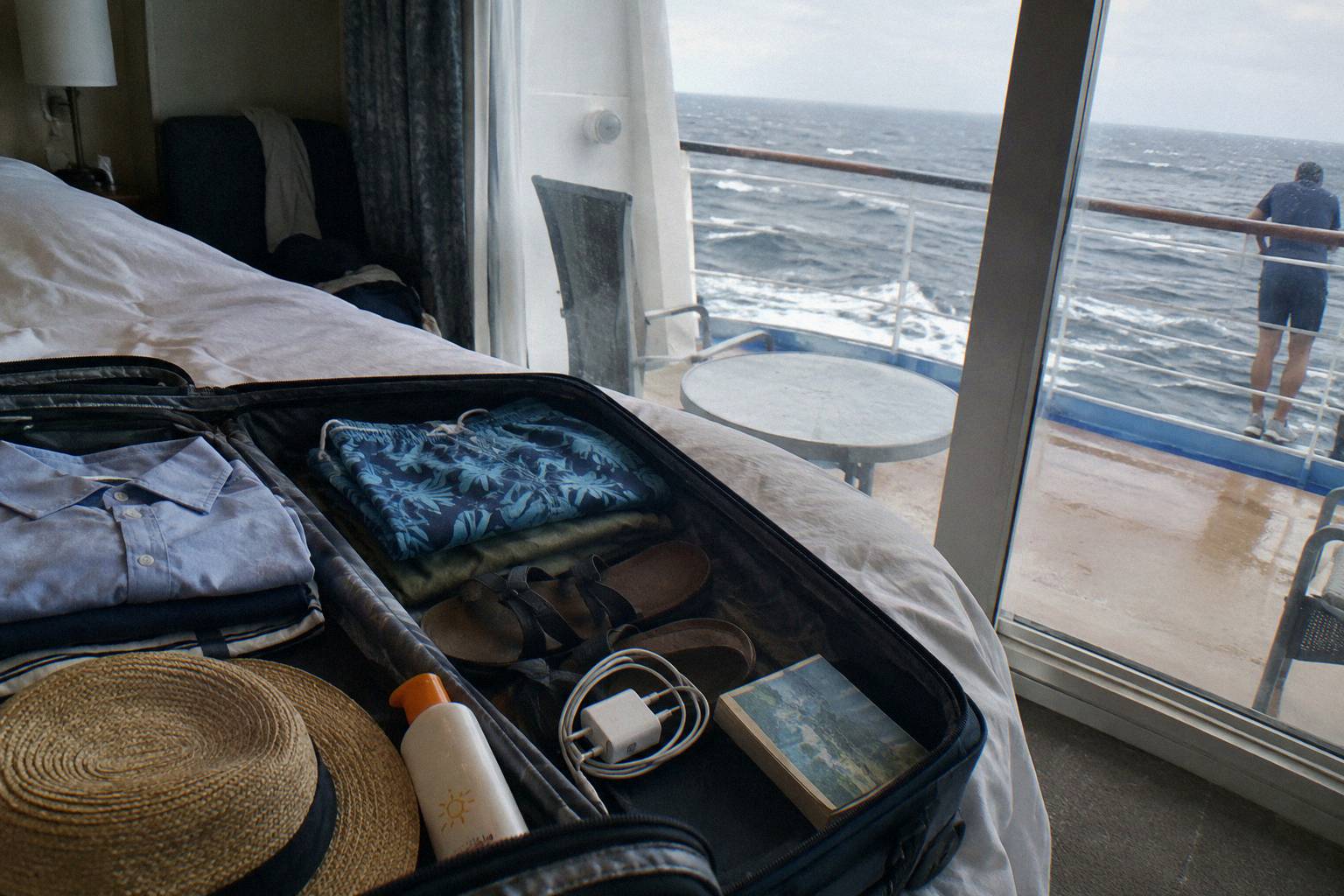
Quantity anxiety deserves a direct sentence: no cruise line publishes any limit on how many condoms or how much lube you may bring aboard, and no check-in process asks you to declare them. Bring what a seven night window could plausibly require. Nobody at the terminal is counting, nobody at the gangway cares, and the only person embarrassed by the contents of your bag is you, briefly, and only if you pack it badly enough that a security glance takes longer than usual. If you want a second opinion on your specific sailing, whether a 2,770-guest Virgin Voyages megaship or a 40-guest river boat, the free consultation answers packing and logistics questions before you book.
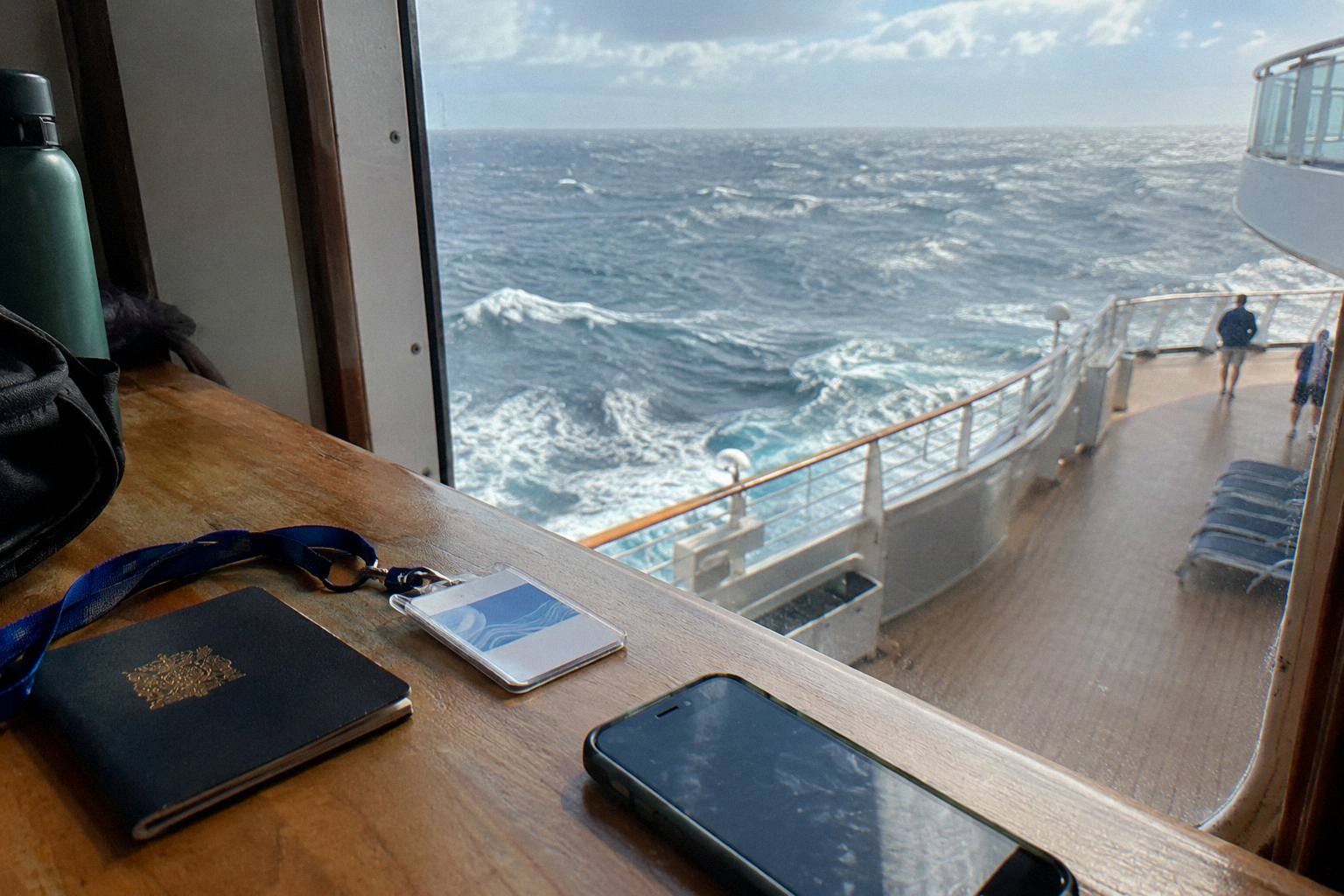
Buying On Board And Ashore: What It Actually Costs
The honest answer is that no cruise line publishes onboard prices for condoms or lubricant, so any specific figure you read online is invented, and the only defensible statement is that shipboard shops on large vessels carry a small convenience range at convenience pricing, while port pharmacies are the reliable resupply point on sea-day-light itineraries. This site prints numbers only where an operator published them, and here the operators publish nothing. What can be said from the record is structural: mega ships have shops, river boats mostly do not, and itinerary density determines whether you can resupply at all.
The structural difference is easiest to see across ship types. Valiant Lady and Scarlet Lady each carry 2,770 guests and sail big-ship itineraries with shops and guest services desks sized for a small town. Celebrity Beyond carries 3,260. At the other end, Delfin III is a Delfin Amazon Cruises river ship sailing Peruvian Amazon itineraries where the nearest pharmacy can be a skiff ride and half a day away. Nobody in the published record promises a shop on that river sailing, and packing for it means assuming there is nothing to buy, because structurally there may not be. That contrast, megaship convenience against expedition isolation, is a bigger factor for your packing list than any rule.
| Ship | Type | Guests | Built | Charter operators | Embarks from |
|---|---|---|---|---|---|
| Delfin IIIDelfin Amazon Cruises | River Ship | 44 | – | Brand g Vacations | – |
| Valiant LadyVirgin Voyages | Mega Ship | 2,770 | 2021 | Atlantis Events, BearCruise | San Juan, Barcelona |
| World NavigatorAtlas Ocean Voyages | Expedition Ship | 200 | 2021 | KelliGregg Travel / R Family Vacations | Oslo, London, Copenhagen |
Valiant Lady is the ship to look at closely if onboard convenience is part of your decision. As a Virgin Voyages mega ship carrying 2,770 guests, it runs the kind of full-service operation where a shop, a medical centre and round-the-clock guest services are structural features of the vessel rather than extras. That does not mean the shop stocks what you need, since cruise lines do not publish inventories, but it does mean the possibility of a purchase exists at all, which is more than a river sailing can say.
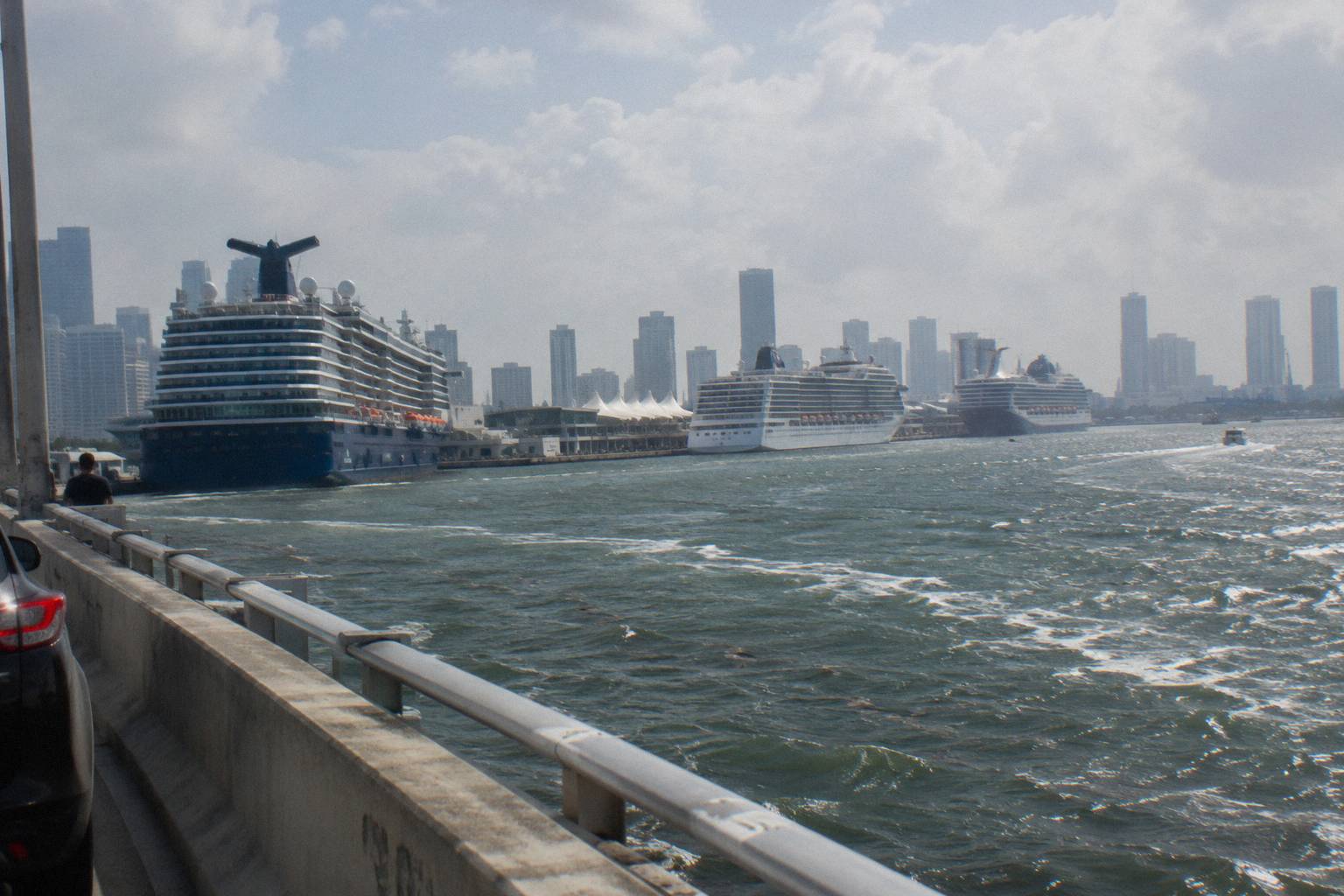
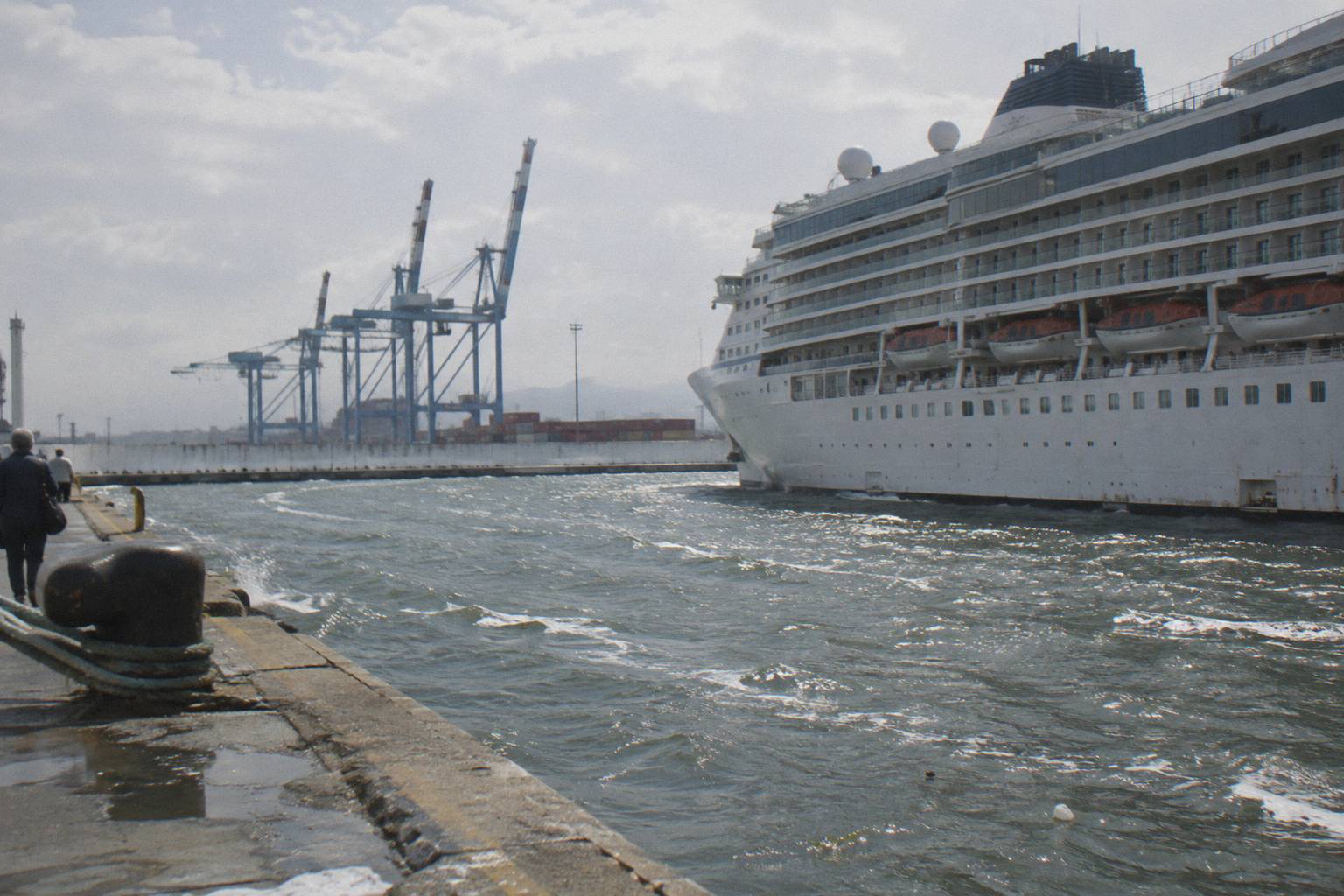
Port days are the real resupply channel on most itineraries. Caribbean sailings out of Florida, the backbone of Atlantis and VACAYA programming, call at towns with pharmacies, and a ten-minute walk from the pier on St. Thomas or San Juan restocks anything the ship could not. European and expedition itineraries are patchier: World Navigator and World Traveller, Atlas Ocean Voyages expedition ships, call at small ports where opening hours, siestas and tender schedules eat the window you planned to shop in. The discipline worth building is simple. Do not plan to buy anything. Then every purchase is a bonus instead of a dependency, and a sea day never leaves you short.
Charter sailing prices frame how much the cabin already cost you, which is why markups ashore sting. Atlantis lists interiors from $1,199 to $1,799 on current 7 to 9 night sailings, with its sold-out Oceania Marina sailing at $3,999. Waves of Pride lists from $1,609.40 covering fare, taxes and gratuities, plus a separate $149 to $199 entertainment fee. Against a four-figure cabin, a few dollars of convenience markup on a single item is noise; what is not noise is discovering mid-Atlantic that the shop stocks nothing you can use. Pack first, browse later, and put the price question to a specialist through the free gay cruise consultation when choosing between a megaship sailing with shops and a river or expedition sailing without.
Flying To The Port: The Leg That Actually Has Rules
The cruise line is the permissive party in this journey; the airline and the airport are where published rules exist, and they are liquid rules, not morality rules: keep carry-on lubricant within your departure airport's published liquid limit, keep condoms in protective casing, and carry prescription items in original packaging with documentation. Every mainstream airport security regime on earth is indifferent to condoms. The lube bottle is the only item in this discussion that a scanner will ever flag, and it is flagged as a liquid, in the same tray as your shampoo.
The published numbers to check before you fly are your airports' carry-on liquid limits and your airline's baggage policy. There is no single global limit, and limits differ between jurisdictions, so the reliable method is the airport's own website, read once, a week before departure. As a practical pattern: one small bottle within the carry-on liquid allowance, a larger backup in checked luggage if the sailing is long, sachets distributed between bags so no single lost suitcase ends your supply. Condoms travel anywhere; heat is their only enemy, and cabin-temperature carry-on beats a hot cargo hold every time. Other pages covering the same trip are gathered on Gay Cruises.
Prescription carriage is the neighbouring rulebook and worth respecting precisely. If you travel with PrEP or any prescription medication, the original pharmacy label and a copy of the prescription belong in your hand luggage, a pattern covered in detail in our answer on carrying PrEP on a cruise. Some destinations require documentation or advance declaration for certain medications, and the authoritative source is the travel-advice page for that country, such as UK FCDO or US State Department country pages, which the operators themselves direct travellers to. Lubricant and condoms require none of this paperwork anywhere in the published record.
Arrival logistics finish the picture. Sailings recommend arrival the day before departure, and a night in a port city gives you a pharmacy, a supermarket and a luggage-scale moment that the embarkation morning never will. Flying in same-day removes that buffer and turns every small mishap, a delayed bag, a long security line, a forgotten bottle, into a sailing-day problem. The published record here is operator scheduling, not a rule about condoms, but the practical effect is the same: the travellers who fly in early are the travellers who board with exactly what they packed, rather than a subset of it.
Small Ships, River Sailings And Expedition Vessels
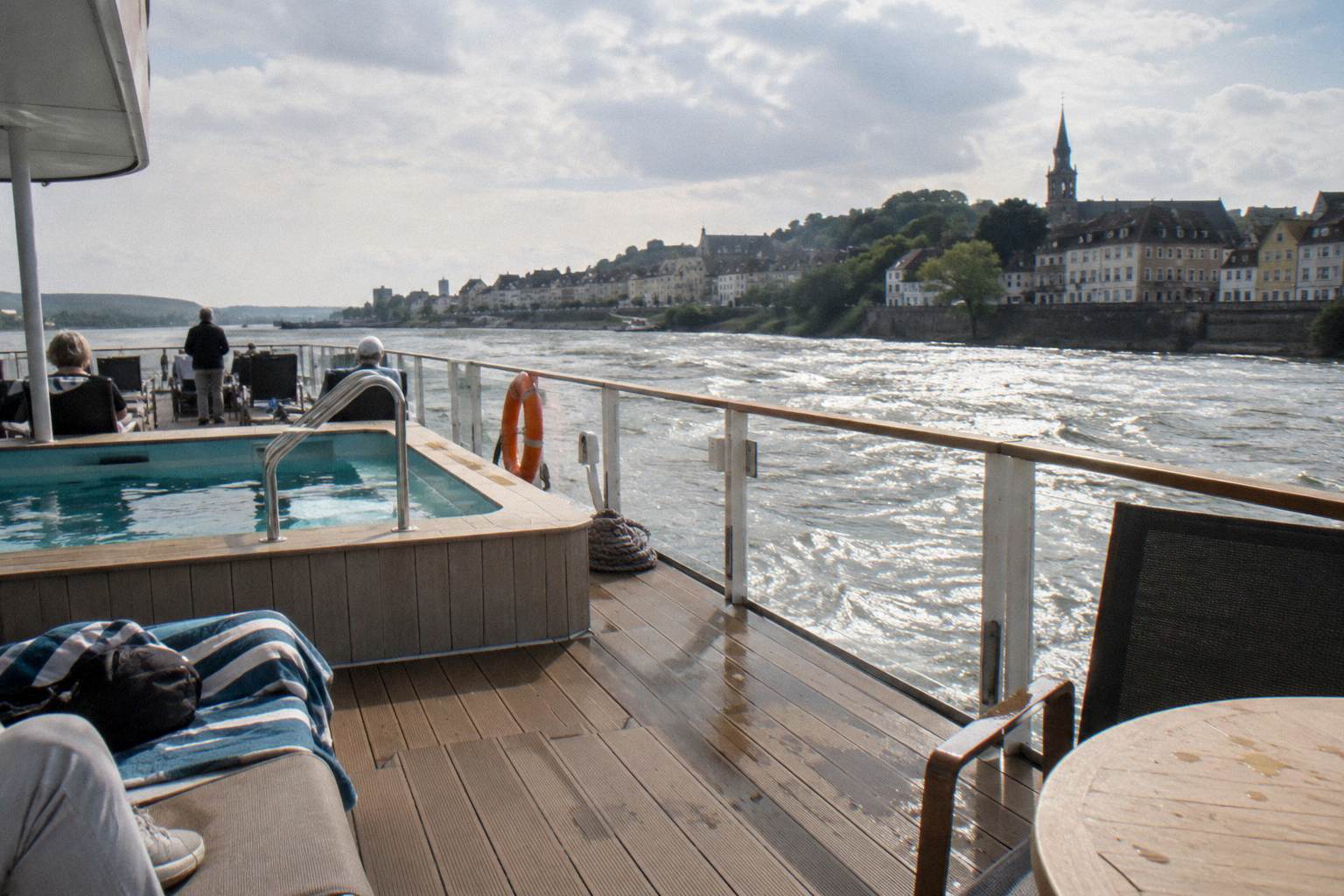
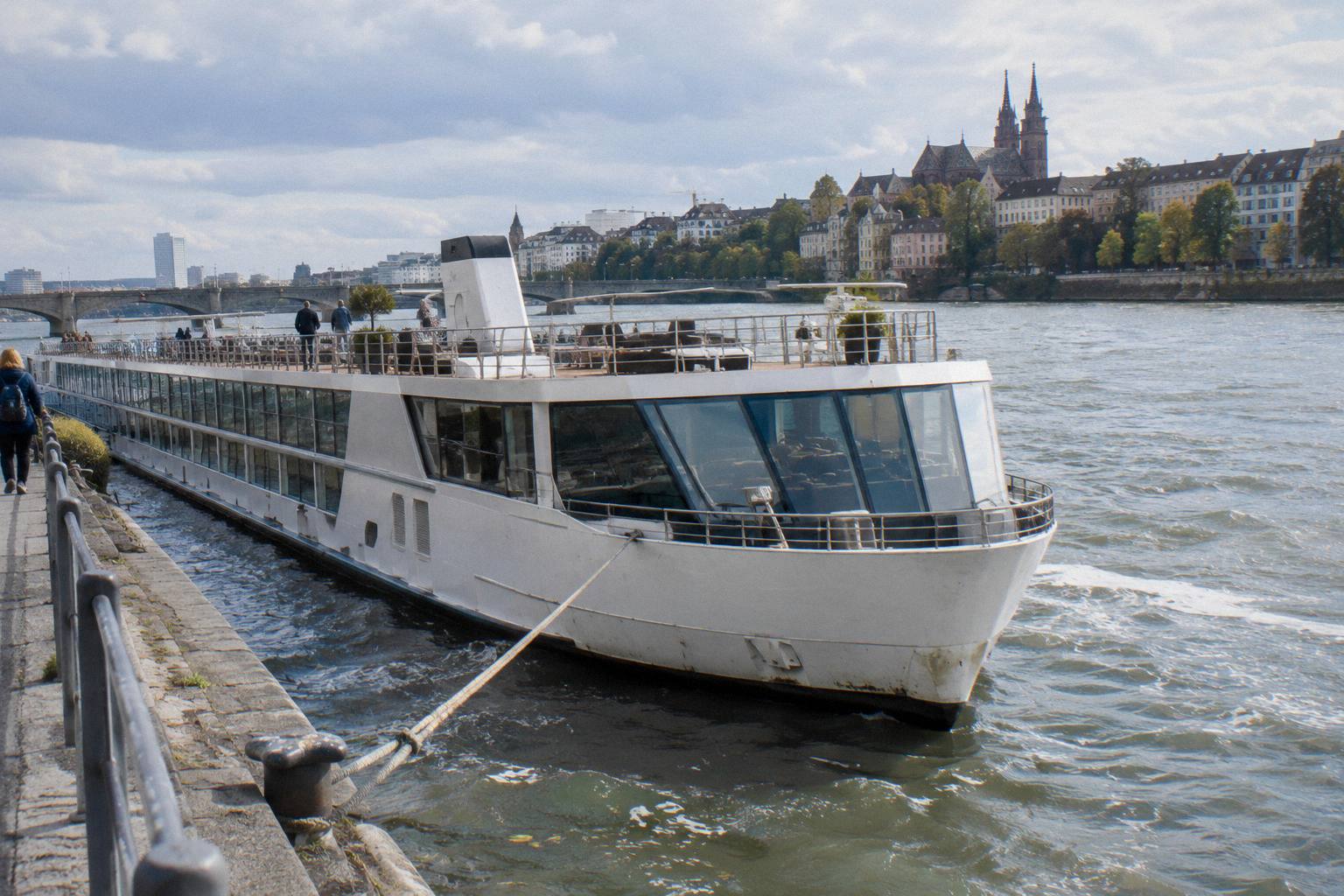
On river ships and expedition vessels the answer to the packing question does not change but the resupply question collapses entirely: Delfin III on the Amazon, World Navigator in polar waters and Amadeus Aurea on European rivers all operate far from reliable pharmacies, so the full supply you pack is the full supply you have, and planning for a cabin on one of these ships means planning like a backpacker, not a mall shopper. There is no midnight shop, no guest-services drawer of convenience items that any cruise line promises, and often no port stop built around retail at all.
Delfin III deserves the specific mention because it is the featured ship on this page and because it represents the extreme of the spectrum. A Delfin Amazon Cruises river ship, it sails itineraries where the cruise is the wildlife, the water and the guided skiff excursions, and where settlements along the river are not shopping destinations. The published record for this vessel covers its river, its operator and its class, and does not state a shop or pharmacy on board. That silence is the packing instruction. Everything intimate, medical and personal that a week on the Amazon could require travels down with you in your own luggage, packed against heat and humidity, which describes both the jungle climate and the interior of a bag left in a warm cabin.
Expedition sailings sit one step back toward civilisation but still demand full self-sufficiency. Out Adventures, founded in 2009 and running gay-group expeditions from $7,495 for Baja to $22,585 for Antarctica, lists just two announced sailings, both sold out or waitlisted, which tells you the other truth about this end of the market: capacity is tiny and sells out far in advance. Booking an expedition gay cruise is a decision made a year or more ahead, which is also exactly the right horizon for assembling a packing list that assumes zero resupply. The same logic covers Amadeus Aurea on European rivers, where pretty towns have pharmacies but port windows are short and evenings aboard are the point of the trip.
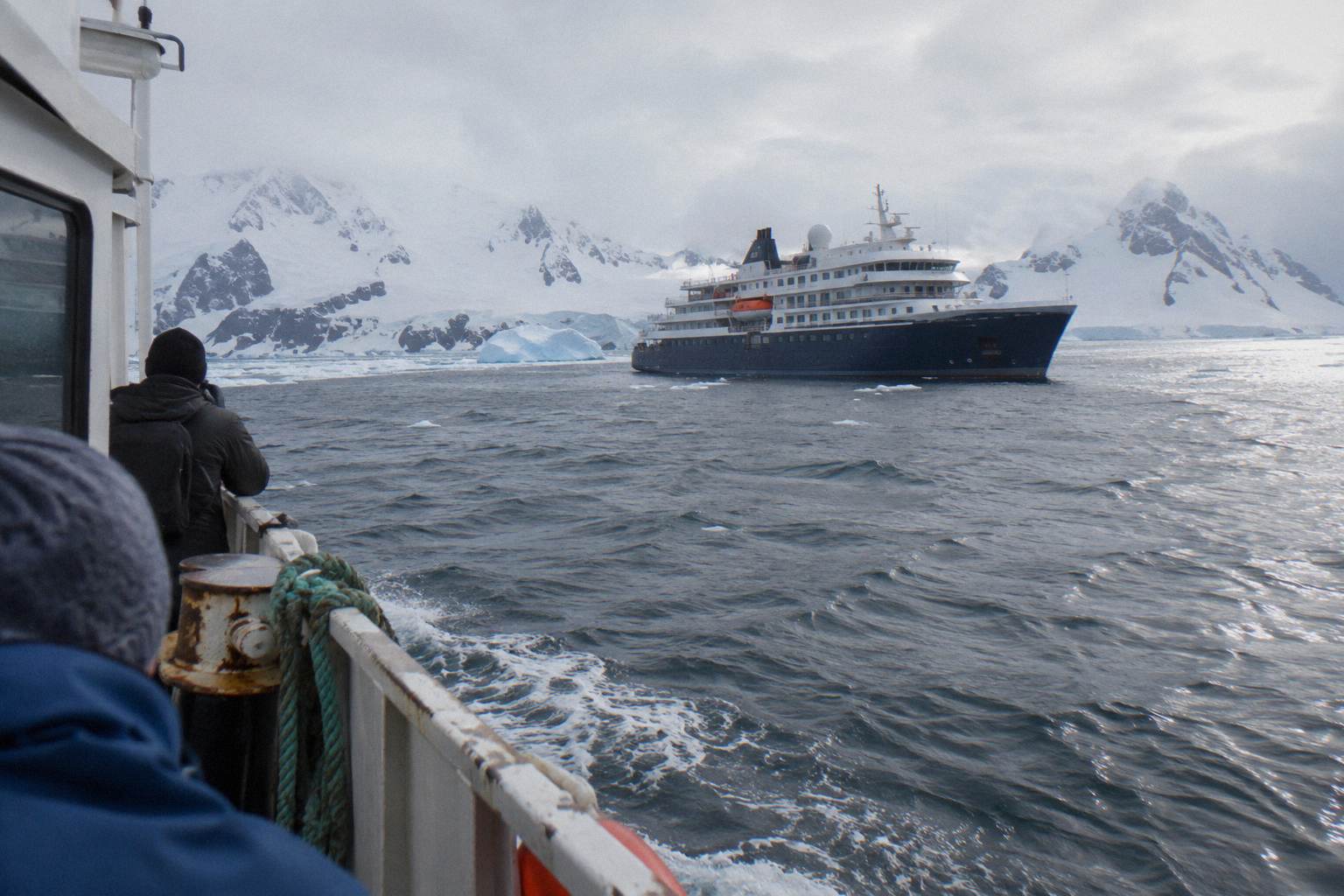
The contrast with the megaship end of the market is the useful takeaway for a booking decision. Allure of the Seas, built 2010 and one of the largest ships a gay charter has ever filled, and the Virgin Voyages pair at 2,770 guests each, are floating towns with shops, medical centres and guest services that run 24 hours. Nobody in the published record promises those shops stock what you need, but the structure at least allows a purchase. On a river or expedition sailing the structure does not allow it. If you are weighing a party week on a megaship against an intimate week up a river, resupply capability is a genuine differentiator, and both are honest options covered in our guide to the best gay cruise experiences by traveller type.
Who This Question Matters Most For
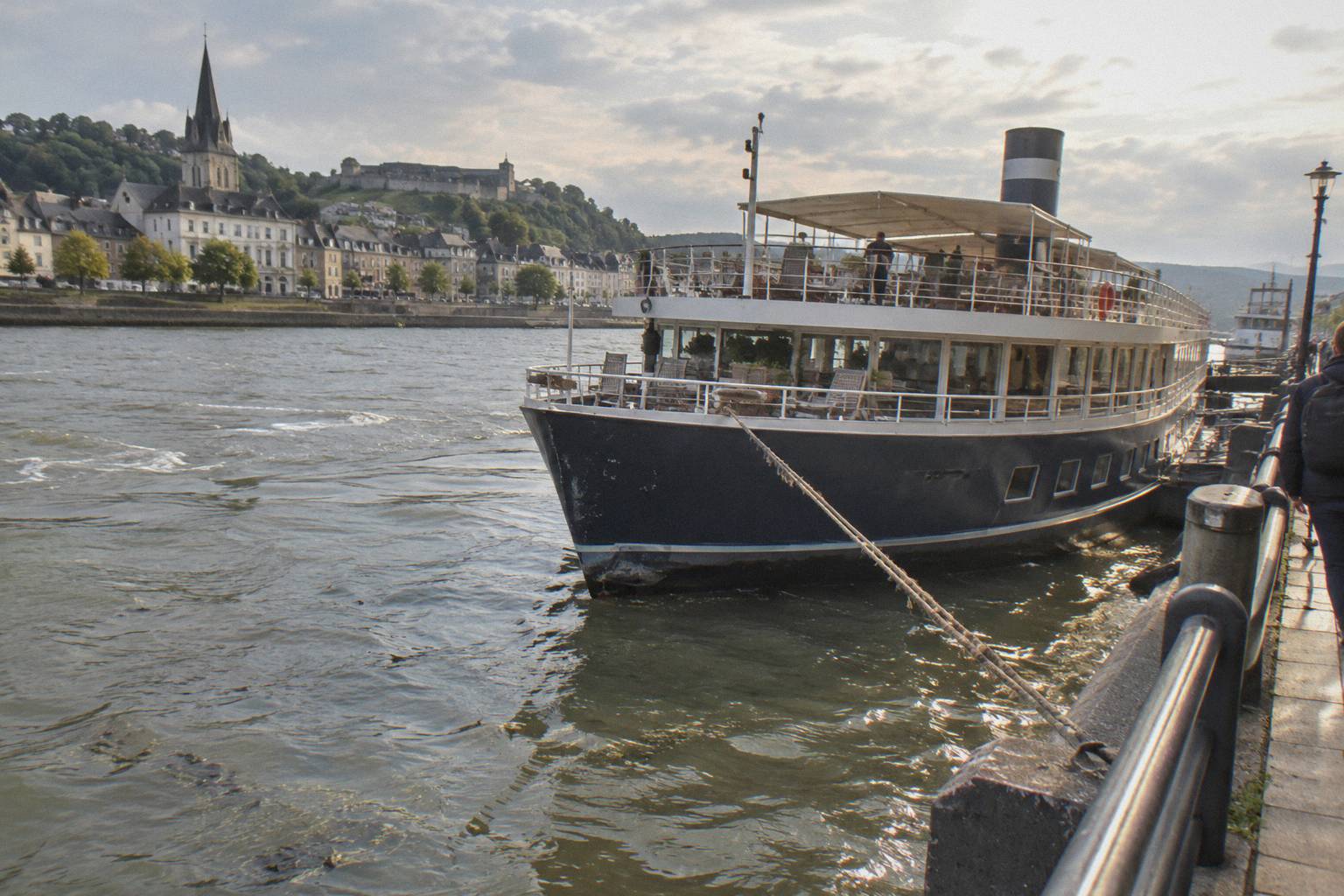
This question matters most to first-time charter bookers sailing solo, and matters least to couples on a mainstream sailing, because the charter environment is the one where expectations, opportunity and information gaps all peak at once: a single traveller on an Atlantis or VACAYA sailing is making a four-figure decision about a party-forward week and quietly googling logistics like this one at midnight. The sailing data makes the scale plain: 90 charter and group sailings across 11 operators, with 29 already sold out or waitlisted, and operators from BearCruise to Brand g each addressing a distinct slice of the community.
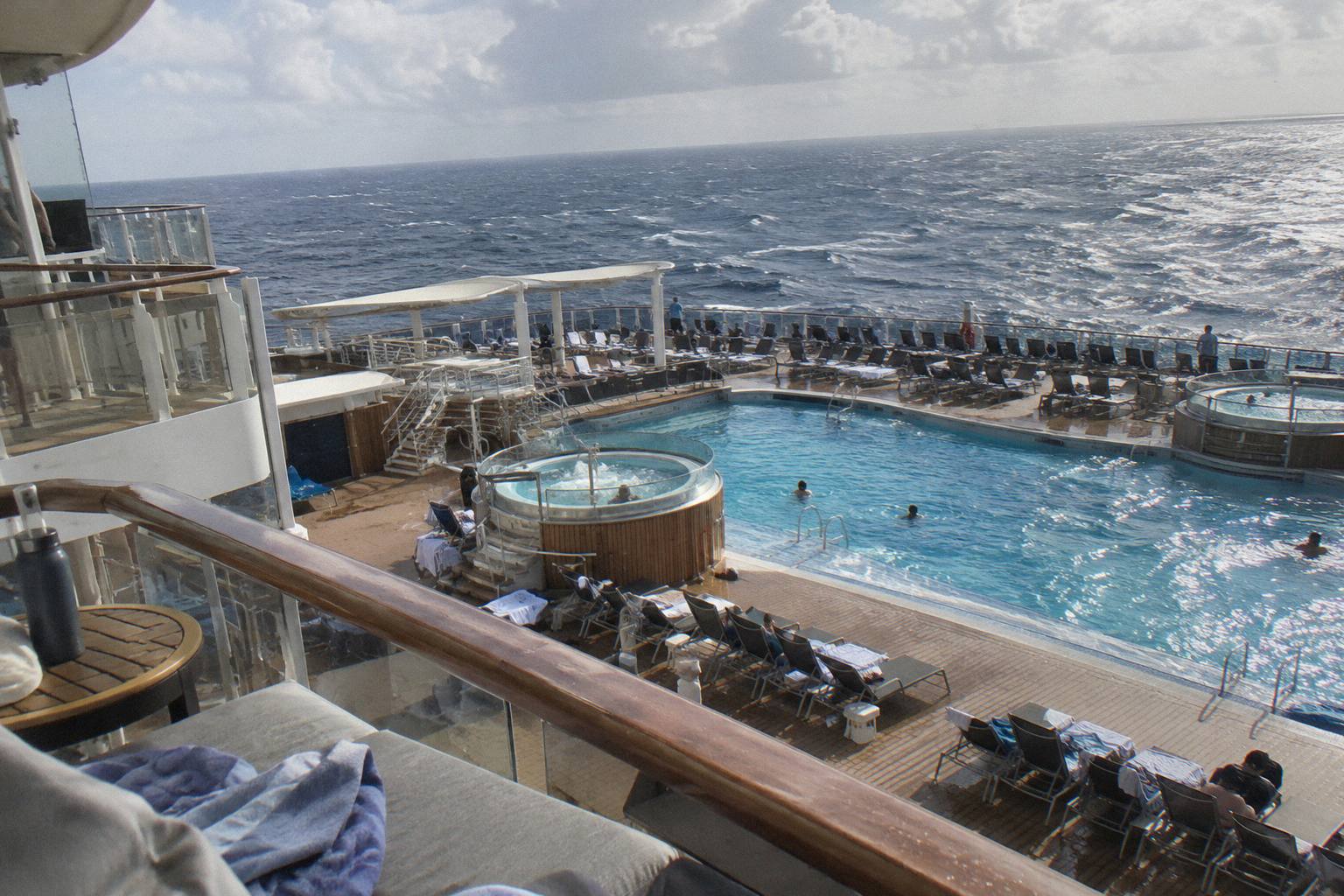
The audience splits matter because operators are explicit about them. Atlantis, founded 1991, addresses gay men with women welcome, and its six announced sailings carry four sold-out flags. VACAYA, founded 2017, addresses mixed LGBTQ+ travellers, men, women and allies, and all eight of its tracked sailings are sold out or waitlisted. Olivia addresses LGBTQ+ women across 19 sailings, with 10 already gone. Brand g, founded 2011 and gay-centred mixed, runs the widest calendar at 24 sailings from about $4,900 on the Rhine to about $22,300 for luxury Asia itineraries. KelliGregg and R Family Vacations, founded 2003, program for families with kids' programming across 13 sailings. Same packing answer, very different weeks.
| Operator | Audience | Founded | Price Per Person | Announced Sailings | Sold Out Or Waitlisted |
|---|---|---|---|---|---|
| Atlantis Events | Gay men, women welcome | 1991 | From $1,199 to $1,799 | 6 | 4 |
| VACAYA | Mixed LGBTQ+ | 2017 | About $3,719 to $12,537+ | 8 | 8 |
| Olivia Travel | LGBTQ+ women | Not published | About $999 to $6,899+ | 19 | 10 |
| Brand g Vacations | LGBT+, gay-centred | 2011 | About $4,900 to $22,300 | 24 | 5 |
| BearCruise | Bears and admirers | Not published | Not published | 6 | 0 |
| Out Adventures | Gay men / LGBTQ+ | 2009 | $7,495 to $22,585 | 2 | 2 |
For context on what a charter week actually feels like, our longer answer on what happens on a gay cruise covers the structure: theme nights, pool decks, entertainers and a crowd that chose the sailing deliberately. None of that published programming is explicit, and none of it needs to be for this packing question to be sensible. Adults travelling among adults plan for adult possibilities, the way they pack sunscreen for a beach they may or may not lie on. The RSVP official RSVP Vacations site, the oldest brand in the space alongside GaySail at 1985, frames its audience simply as LGBT, mixed, and its heritage is a reminder that this question has been quietly asked since before the internet answered it.
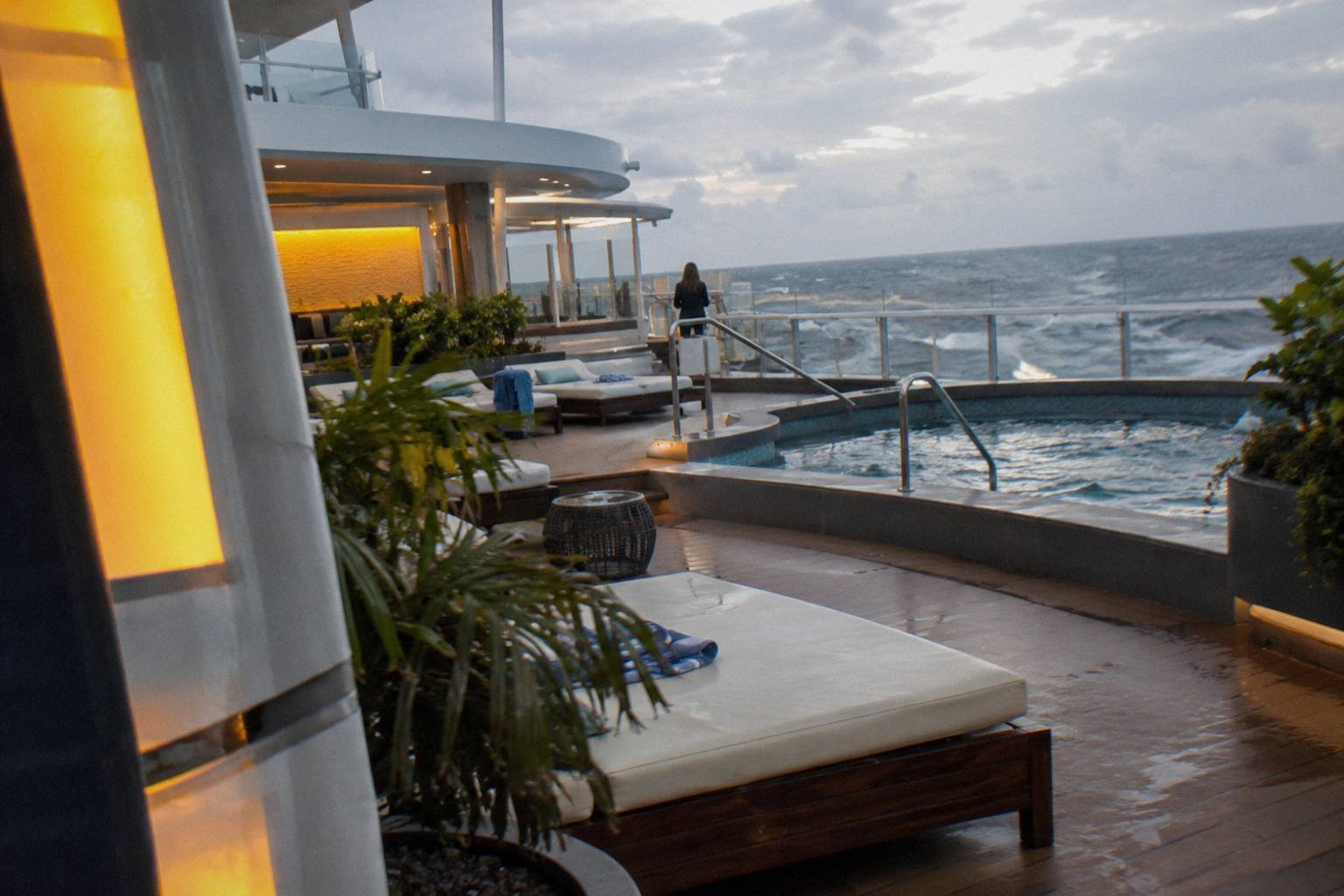
Couples on mainstream sailings round out the picture and mostly need the short version of everything above: yes, allowed, pack it, done. A mainstream ship hosting no charter is simply a hotel that moves, and cabins are private. The one cohort with genuinely different homework is anyone booking a themed or clothing-optional charter, where the charter operator's own FAQ is the governing document and occasionally states deck and event rules that mainstream passengers never see. Read the FAQ of your specific sailing, and when a themed sailing's rules are unclear, ask before booking rather than after.
Mistakes That Trip Up First Time Gay Cruisers
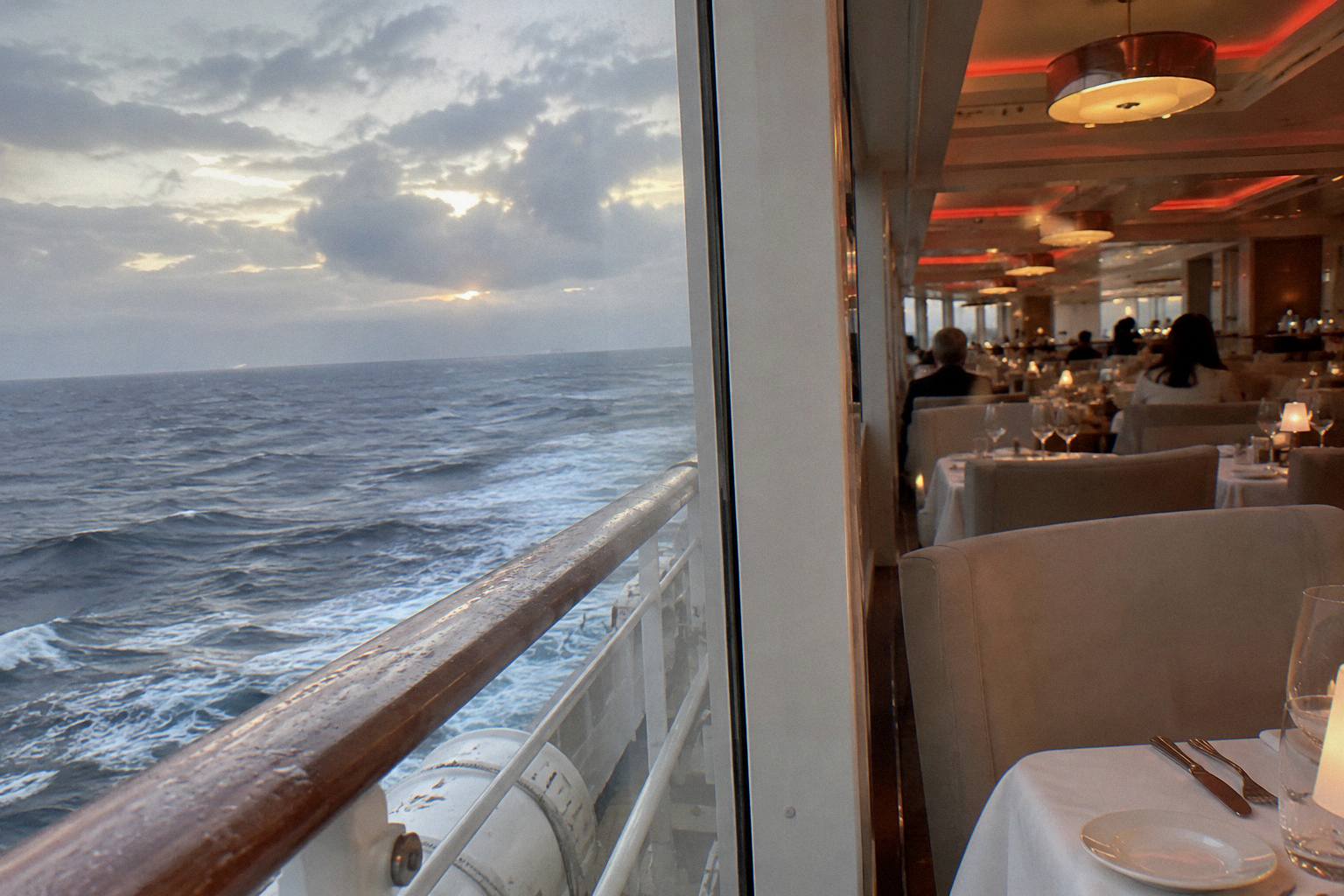
The mistakes that matter here are logistical, not moral: packing condoms without protection against heat and crushing, assuming the ship shop stocks anything at all, flying same-day to the port, checking the entire supply into one hold bag, and reading forum folklore as if it were a line's published rule. Every one of these is avoidable with a packing session the week before sailing, and none of them is embarrassing to fix in advance, which is the point of writing them down plainly.
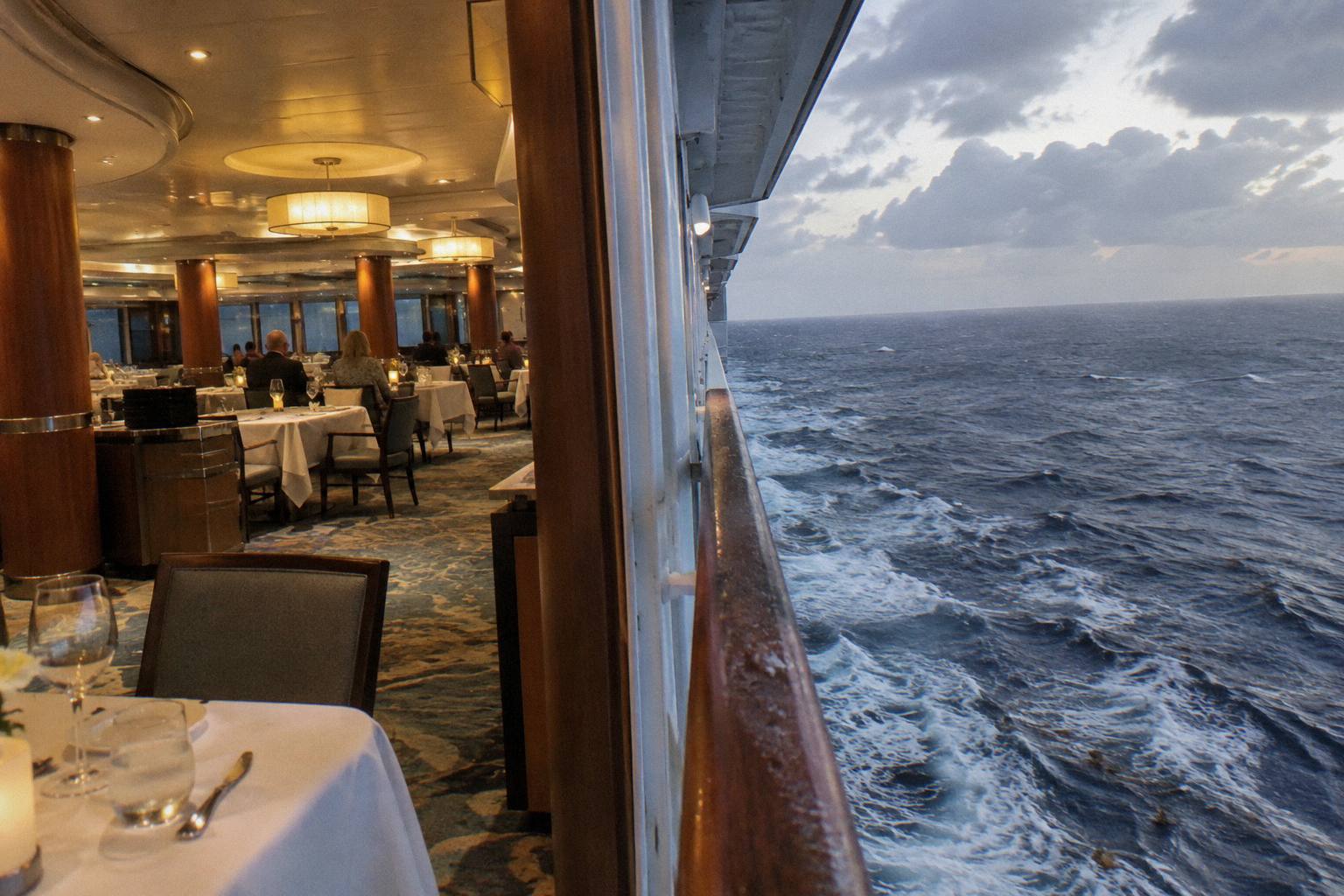
The heat-and-crushing mistake is the most common and the cheapest to fix. Latex fails in a wallet pocket for the same reason it fails at the bottom of a suitcase, sustained body or cargo heat plus friction, and a condom that has been sat on for a week of flights and embarkation is not one to trust. The fix is a hard case, a fresh pack, and carry-on placement. The second mistake is assuming resupply: cruise lines do not publish onboard inventories, so the shop-stocks-everything assumption is a guess dressed as a plan, and on river and expedition sailings it is almost certainly wrong. Pack like the shop is empty and be pleasantly surprised otherwise.
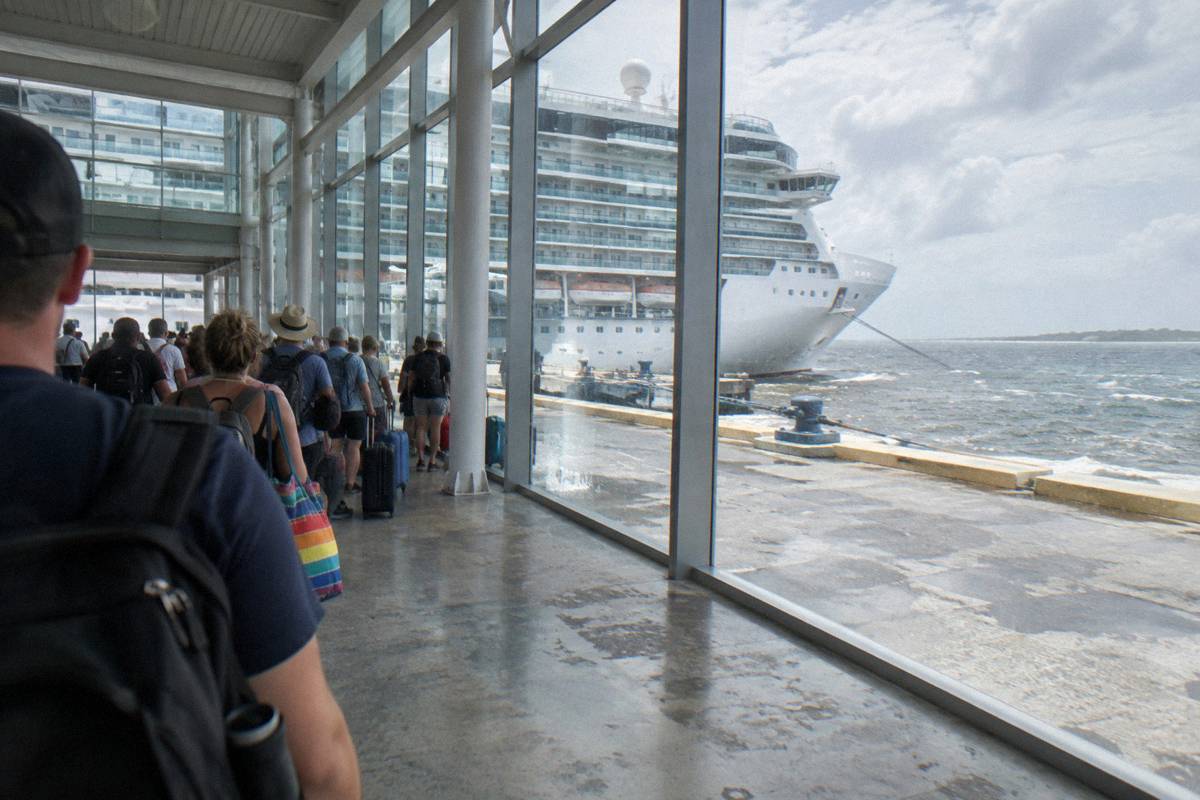
The remaining mistakes are scheduling and research failures. Flying in on sailing day removes every buffer between a delayed bag and a departed ship, and operators' own arrival guidance points the other way. Putting the full supply in one checked bag ties your week to one baggage-handling chain; splitting stock between carry-ons is free insurance. And treating any forum post as a line's rule, including the anxious ones insisting you must declare things or hide things, imports rules that the lines themselves do not publish. The published record is permissive and silent, as covered at the top of this page, and a specific line's own luggage FAQ outranks every stranger's recollection. When in doubt about a specific charter's rules, a specialist who knows the sailing can settle it before you pay a deposit, through the same free consultation this site offers.
Common Questions About Condoms And Lube On A Cruise
Can You Bring Condoms And Lube On A Cruise Ship?
Yes. No cruise line or LGBTQ+ charter operator checked for this page publishes a ban, a quantity limit or a declaration requirement for condoms or personal lubricant. Pack them in your carry-on, protect condoms from heat and crushing, and bottle lube within your airport's liquid limits on the way to the port.
Do Cruise Ship Shops Sell Condoms And Lube?
Large ships have shops, but cruise lines do not publish their stock range or prices, so no honest page can promise what they carry. Treat onboard shopping as a bonus, not a plan, and pack your full supply from home, especially your specific size, material or lube formula.
Is There A Limit On How Much You Can Bring?
No cruise line publishes any quantity limit for condoms or lubricant, and no published check-in process asks you to declare them. Bring what your sailing length could plausibly require. The only published limits that touch this topic are airline liquid rules on the flight to the port.
Should Condoms Go In Carry-On Or Checked Luggage?
Carry-on, in a hard case. Checked bags pass through hotter, rougher environments where latex degrades, and a delayed hold bag can take your supply with it. Carry-on keeps condoms at cabin temperature and in your control from home to cabin.
Are The Rules Different On A Gay Charter Sailing?
No charter operator checked publishes a restriction on these items. The difference on charters is environmental: party-forward sailings with thousands of guests, such as Atlantis events, make packing ahead more relevant. For themed, clothing-optional or sex-positive charters, the charter operator's own FAQ is the governing document.
What About River Ships And Expedition Vessels?
The allowance is the same but resupply mostly disappears. River ships like Delfin III on the Amazon and expedition vessels like World Navigator sail far from reliable pharmacies, and neither line states a shop on board. Pack the entire supply you could need, since there may be nothing to buy for the length of the sailing.
More Questions Answered
 Straight On A Gay CruiseWho is actually welcome on a gay cruise, operator by operator, and how to be a good ally guest.Read the answer
 What Happens On BoardThe rundown of a gay cruise: who sails, what a day looks like, costs and rules.Read the answer
 Average Age On BoardNo operator publishes a passenger age average; audience, price and itinerary reveal who each sailing actually draws.Read the answer
 Gay Passenger NumbersWhich ships actually carry the most gay passengers? Charter capacity, not demographics, holds the answer.Read the answer