Gay South America Cruises
South America combines legal same-sex marriage in Brazil, Argentina and Chile with expedition coasts and river systems that several LGBTQ+ charter operators serve. This guide sets out who sails here, what the official advice says, and what the ships cost.
This page sits in Regions And Ports, the hub for choosing where in the world your next gay cruise sails.
Quick Facts
| Fact | Detail |
|---|---|
| Countries with legal same-sex marriage | Brazil, Argentina (since 2010), Chile (since 2022), Colombia |
| Countries with conservative-attitude advisories | Ecuador, Peru (UK FCDO wording) |
| Charter operators serving the region | Brand g Vacations, Olivia Travel, VACAYA |
| Brand g Vacations price range | About $4,900 to $22,300 per person, lowest cabin |
| Olivia Travel price range | About $999 to $6,899+ per person across its programme |
| Featured ship for the region | Scarlet Lady, Virgin Voyages, 2,770 guests, built 2020 |
| South America sailings for 2026-2027 | Checked per operator; the calendar page tracks live status |
| Source of legal guidance | UK FCDO local laws pages, cross-checked against US State Department text |
| Consultation | Free, no obligation, through a vetted agency partner |
Is South America A Good Region For A Gay Cruise?
It is a strong region, and the law is the reason. Brazil, Argentina, Chile and Colombia all have legal same-sex marriage on the books, which is a better legal baseline than most cruise regions can offer. Ecuador and Peru legalise same-sex activity but carry FCDO notes about conservative social attitudes, so the experience varies by port rather than by country cluster. Ships are plentiful, from mega ships to expedition vessels.
The legal picture matters more here than in the Caribbean or the Mediterranean because South American port calls are longer and shore time is a bigger share of the trip. A region where four of the six countries perform same-sex marriage means a couple can travel, check in as a couple, and share shore excursions without the paperwork questions that arise in jurisdictions without partnership recognition. That is a practical benefit, not just a symbolic one.
The product range is wide. Mainstream lines including Virgin Voyages, Holland America Line and Royal Caribbean position ships around the continent, and expedition operators run Antarctica and Chilean fjord itineraries from southern ports. Gay and LGBTQ+ charters overlay that: Brand g Vacations lists 24 announced sailings, Olivia Travel lists 19, and VACAYA lists 8, though not all of those are South America specific. The Gay Cruises programme pages track which of the 90 charter and group sailings have a South American port call.
One honest caveat: South America is not the densest region for full-ship gay charters. The Caribbean and Mediterranean carry more headline takeovers. What South America offers instead is a mix of legal safety, dramatic geography and a small set of high-quality charter products, which suits travellers who want the destination as much as the party. If the onboard atmosphere is the priority, compare it against the 2026 Atlantis Events sailings before committing to a region choice.
There is also a pace argument. South America itineraries tend to be longer, often ten nights or more, because the distances between great ports are real: Buenos Aires to Rio is an overnight at sea, the Chilean fjords demand days of scenic cruising, and any Antarctica extension adds its own block of days. Travellers who enjoy sea days and the slow unfolding of a coastline do very well here. Travellers who want a new port every single morning sometimes find the southern itineraries quieter than expected, and that temperament match is worth an honest self-assessment before booking.
Which Gay Charters Sail South America?
Three operators on the current roster are the names to watch: Brand g Vacations for luxury river and ocean products, Olivia Travel for LGBTQ+ women, and VACAYA for mixed LGBTQ+ groups. Atlantis Events has no South America sailing listed in its current seven to nine night range. Pricing starts around $4,900 per person at the low end and runs past $22,300 for the top luxury itineraries.
Brand g Vacations is the most active luxury gay-centred operator, founded in 2011 with 24 announced sailings. Its published price range runs from about $4,900 per person for a Rhine river trip to about $22,300 per person for a Philippines, Taiwan and Japan luxury itinerary, lowest cabin category. Not every sailing touches South America, but the operator's portfolio includes long-haul itineraries of the kind that reach the continent's coasts and river systems.
Olivia Travel, the LGBTQ+ women's specialist, lists 19 announced sailings with prices from about $999 per person for a Holland America Line interior cabin to $6,899 and above for river and expedition products. Its single listed sailing is a Southeast Asia itinerary rather than South America, which shows how the calendar shifts: the region assignments move with each season's charter announcements, and a consultation catches the newest placements before they sell out. VACAYA, founded in 2017, lists 8 announced sailings with prices from $3,719 to $12,537 and above, though all of its 2026 to 2028 trips show sold out.
The table below pulls the operator data together so the region's charter landscape is visible at a glance.
| Operator | Audience | Founded | Published Price Per Person | Announced Sailings |
|---|---|---|---|---|
| Brand g Vacations | LGBT+, gay-centred, mixed | 2011 | About $4,900 to $22,300 | 24 |
| Olivia Travel | LGBTQ+ women | Not stated | About $999 to $6,899+ | 19 |
| VACAYA | Mixed LGBTQ+ | 2017 | About $3,719 to $12,537+ | 8 |
| Atlantis Events | Gay men, women welcome | 1991 | From $1,199 to $1,799 on 7-9 night sailings | 6 |
| RSVP Vacations | LGBT, mixed | 1985 | Not published | 0 |
Note the last row: RSVP Vacations, one of the oldest names in gay cruising, shows zero announced sailings and no published price. That is a data point, not a verdict; operators announce in waves, and a free sailing consultation gets you the current placement list rather than a snapshot. For trip timing, the charter calendar guide tracks what is open versus waitlisted.
Beyond the headline charters, a layer of smaller and regional brands rounds out the market. Source Journeys does not publish pricing for its 3 announced sailings. Out Adventures, founded in 2009, lists 2 announced sailings ranging from $7,495 for a Baja trip to $22,585 for Antarctica, the latter being the most expensive single itinerary anywhere on the calendar. Neither is a South America specialist per se, but expedition products of that Antarctica type depart from the continent's southern ports, which pulls them into the region's orbit.
Ports And Their Laws: What The Official Advice Says
The UK FCDO file shows same-sex marriage legal in Brazil, Argentina, Chile and Colombia, and same-sex relations legal in Ecuador and Peru with conservative social attitudes noted there. No country carries an LGBT-specific travel warning. The wording matters in port: marriage rights shape hotel and excursion check-ins, attitude notes shape street-level behaviour.
The legal baseline comes from the UK FCDO local laws pages, cross-checked against US State Department text. Four countries give full marriage equality. Argentina's has been law since 2010, Chile's since 2022, and Brazil and Colombia both show marriage legal with no attached advisory text. For a cruise passenger that means shared cabins, shared excursion bookings and next-of-kin questions all resolve normally in those jurisdictions.
Ecuador and Peru are the two with qualifications. The FCDO wording for Ecuador reads: "Same-sex relations are legal in Ecuador. However, local attitudes towards the LGBT+ community can be conservative and there is still societal discrimination." For Peru: "Same-sex sexual activity is legal in Peru, but social attitudes are generally conservative. Crimes against the LGBT+ community are not included in hate crime legislation and same-sex partnerships are not formally recognised." Those are factual statements of law and attitudes, not travel warnings, and they are the only advisory text for the region.
| Country | Same-sex relations | Marriage or partnership | Official advice |
|---|---|---|---|
| Brazil | legal | marriage legal | null FCDO page |
| Argentina | legal | marriage legal since 2010 | null FCDO page |
| Chile | legal | marriage legal since 2022 | null FCDO page |
| Ecuador | See the FCDO advice | – | Same-sex relations are legal in Ecuador. However, local attitudes towards the LGBT+ community can be conservative and there is still societal discrimination. FCDO page |
| Peru | See the FCDO advice | – | Same-sex sexual activity is legal in Peru, but social attitudes are generally conservative. Crimes against the LGBT+ community are not included in hate crime legislation and same-sex partnerships are not formally recognised. FCDO page |
| Colombia | legal | marriage legal | null FCDO page |
The practical read for port days is straightforward. In Santos, Buenos Aires, Valparaiso and Cartagena the legal environment matches anything in Europe or North America. In Ecuadorian and Peruvian ports, the law permits same-sex activity but partnership recognition is absent, so discretion in public affection is a reasonable local adjustment rather than a legal necessity. The FCDO Colombia local laws page and its Brazil, Argentina and Chile equivalents carry the full current text if you want to read the source directly.
It helps to know how the marriage dates cluster, because they tell you how settled each legal environment is. Argentina legalised in 2010, making it one of the earliest countries in the world to do so and giving it more than a decade and a half of settled practice in hotels, hospitals and tour operators. Brazil and Colombia follow the same pattern with no qualifications attached. Chile is the newcomer, with marriage equality only since 2022, so institutional comfort in Valparaiso and Santiago is real but younger. None of this changes a port day materially; it simply explains why the region reads as reliably welcoming on paper.
Season And Weather
The austral summer, December through March, is the window for the southern ports and Antarctica extensions, and it lines up with the northern winter, which is why South America appeals as a cold-season escape. Rio and Buenos Aires sit in the tropics and subtropics, so summer runs hot. The shoulder months of November and March thin the crowds.
Cruise lines position their South America ships for the austral summer because the Chilean fjords, Cape Horn and the Antarctic peninsula are summer-only products at this latitude. A December sailing out of Buenos Aires or a January call at Rio lands you in peak summer heat and peak beach season, which is exactly the atmosphere many gay travellers want from Brazil. The one listed sailing for this data set departs 6 December, an 11-night Olivia Travel itinerary on Star Seeker from Phuket, which illustrates that the December window matters globally, not just for this continent.
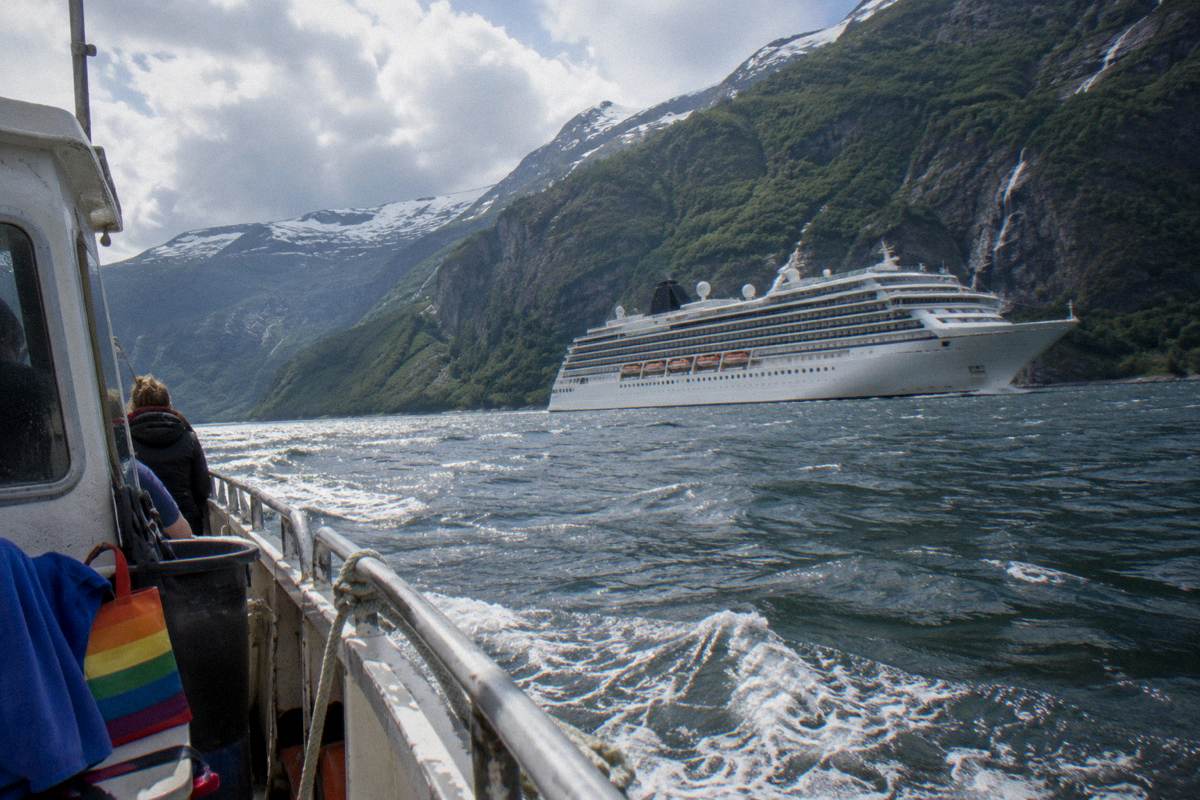
Timing interacts strongly with price. Austral summer berths sell on the same curve as Mediterranean summer berths: book the shoulder and you get cooler weather and thinner crowds, book the peak and you pay for it. The operator price ranges, from about $999 on an Olivia interior cabin to five figures for luxury expeditions, are lowest-category baselines, and the peak weeks are where those baselines climb fastest. A consultation on sailing dates costs nothing and often surfaces the weeks where the fare gap is widest.
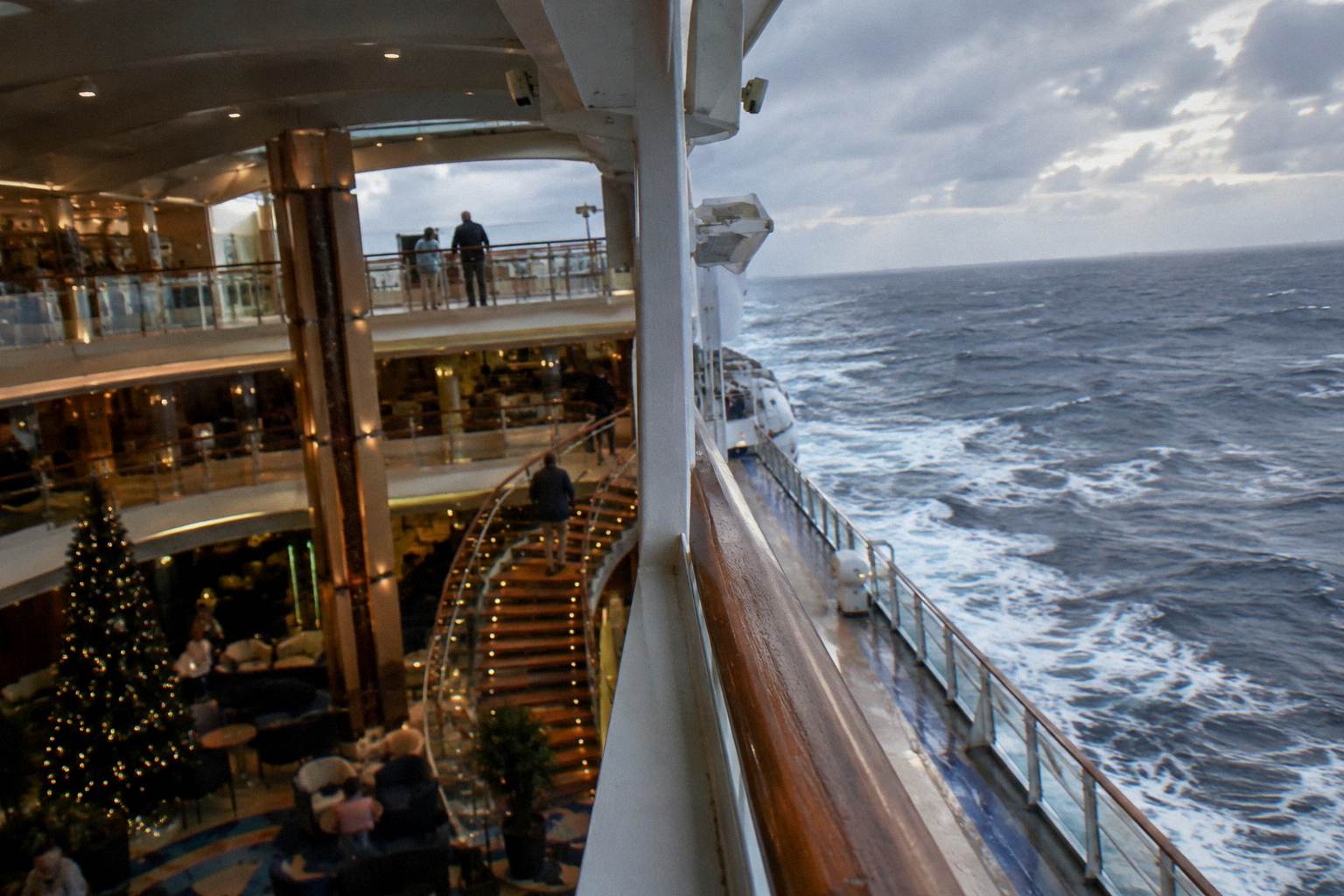
For weather realism: Rio in January regularly sees temperatures that make midday shore excursions a morning-or-evening proposition, and the southern legs around Cape Horn can deliver four seasons in one sailing. Packing for a South America cruise is a two-wardrobe exercise, swimwear and serious layers, more than for any other warm-region itinerary except an Antarctic combination. The Amazon stretch, if your itinerary includes it, adds humidity on top: Manaus and the upper river sit close to the equator, so a single voyage can run from equatorial heat to near-polar cold within two weeks of sailing.
Ships Used In The Region
Mainstream tonnage dominates: Virgin Voyages' Scarlet Lady and Resilient Lady, Holland America's Eurodam, Royal Caribbean's Freedom of the Seas and Windstar's Star Seeker all appear with South American relevance or LGBTQ+ charter history. Expedition and river products, including Avalon Panorama, cover the interior and polar edges. Ship choice here drives the whole trip shape.
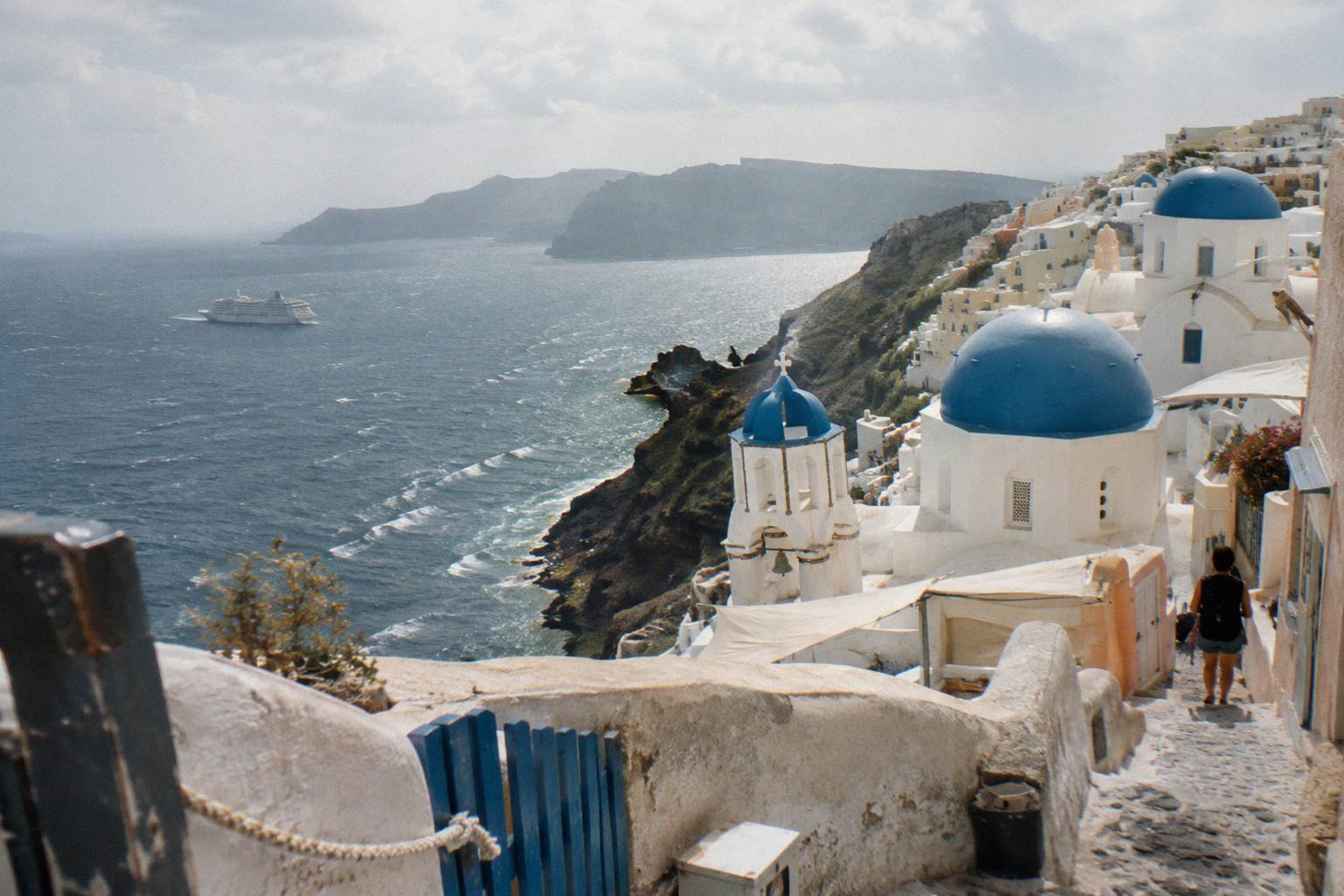
Scarlet Lady is the featured ship for this page for a reason. The 2,770-guest, 2020-built mega ship carried an Atlantis Events charter historically in 2020, and Virgin Voyages' own pride programming states that pride is "baked into our identity" rather than a monthly celebration, which makes the ship itself a comfortable base for LGBTQ+ travellers even outside a full charter. Her sister Resilient Lady hosts the Waves of Pride charter in September 2026, and Scarlet Lady hosts Sapphic Sail across 2026-2027 sailings, so the Virgin fleet is carrying an unusual density of gay and LGBTQ+ charters right now.
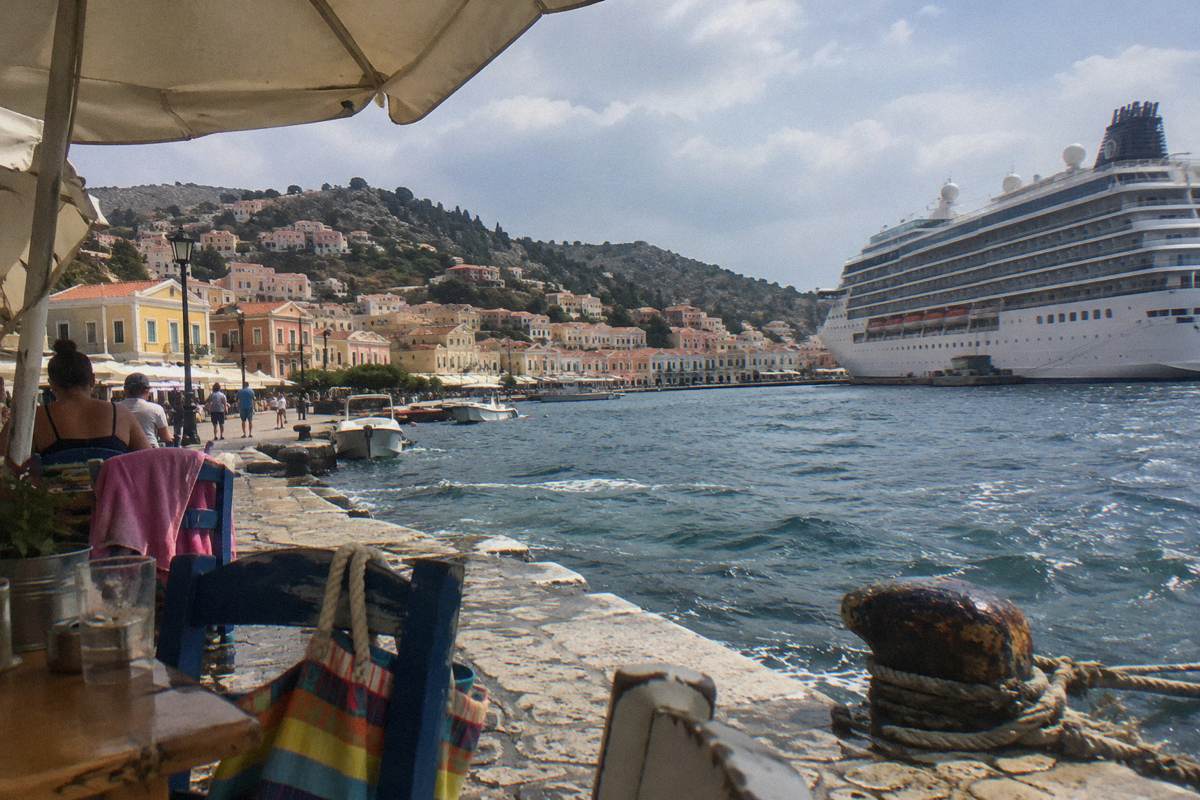
The other end of the size range matters just as much in this region. Expedition ships like World Navigator and Le Dumont d'Urville run the fjords and polar itineraries that are South America's signature products, and river tonnage like Avalon Panorama serves the Amazon and tributary systems. Holland America's Eurodam, 2,104 guests, built 2008, is a common hull in Olivia Travel's programme at the about $999 entry point, showing how the LGBTQ+ charter market in this region leans on mainstream ships rather than dedicated tonnage. Freedom of the Seas, at 3,782 guests built 2006, represents the very large end, the model that suits the big-group charter parties more than the scenic southern routes.
For a quick side-by-side of three hulls relevant to the region and its charters:
| Ship | Type | Guests | Built | Charter operators | Embarks from |
|---|---|---|---|---|---|
| Scarlet LadyVirgin Voyages | Mega Ship | 2,770 | 2020 | Atlantis Events, BearCruise, Big Gay Cruise | Miami, Athens (Piraeus) |
| Resilient LadyVirgin Voyages | Mega Ship | 2,770 | 2022 | Atlantis Events | Miami, Barcelona |
| Avalon PanoramaAvalon Waterways | River Ship | 166 | 2011 | Olivia Travel | Frankfurt |
Choosing between a mega ship party atmosphere and a small-ship expedition experience is the biggest fork in planning a South America trip, and it is worth talking through the ship options with a partner agent who can price both. The charter comparison guide breaks the same trade-off down operator by operator.
What A South America Cruise Costs
Charter products in the region run between about $999 and $22,300 per person in the lowest cabin category, depending entirely on operator and ship class. An Olivia Travel interior on a mainstream hull sits near the floor; a Brand g luxury itinerary sits at the ceiling. Those are baselines the operators published, not quotes, and status moves fast, with 29 of 90 sailings already sold out or waitlisted.
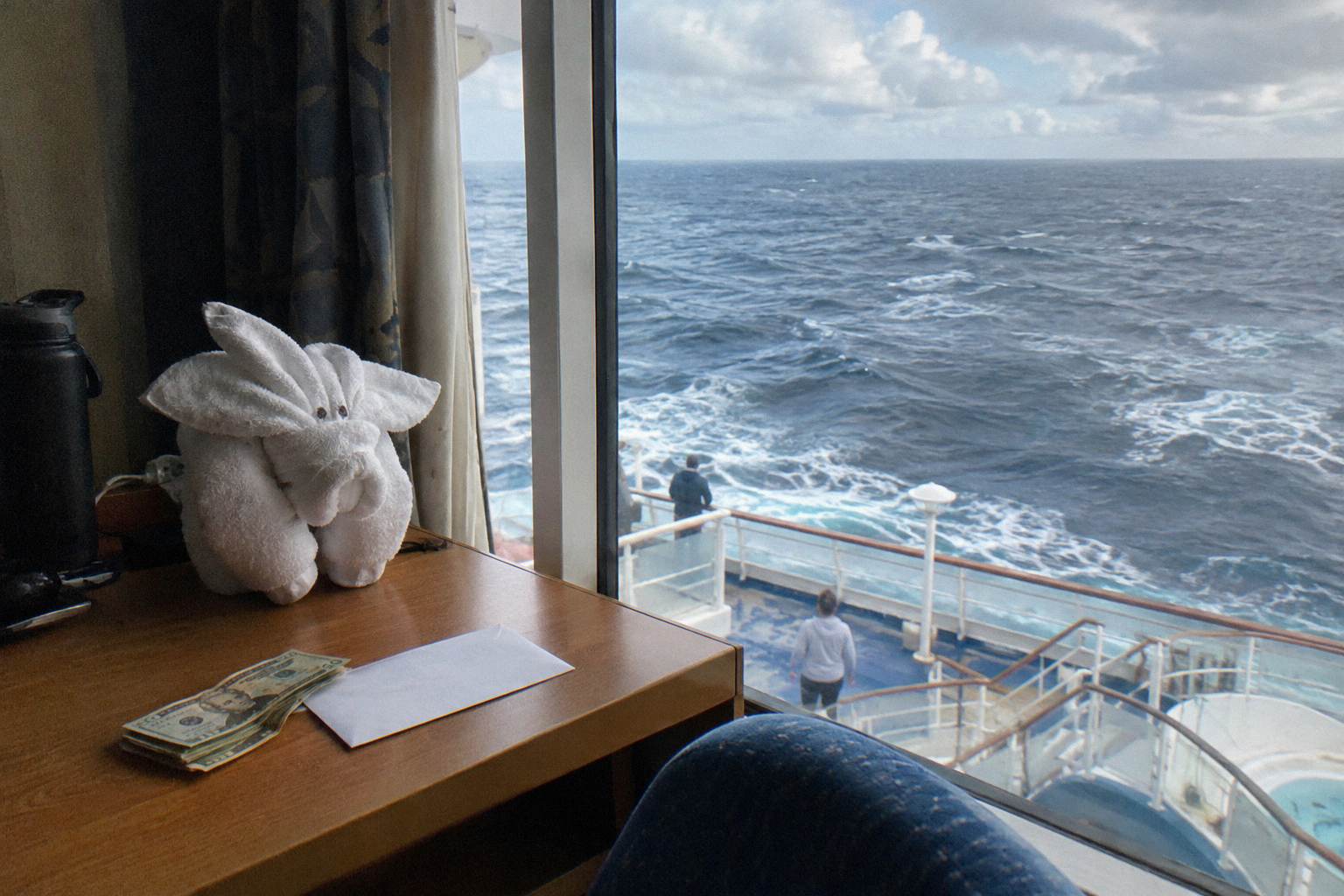
Price in this region is a product of ship class more than of destination. The same week of coastline costs radically different amounts depending on whether you are on a 3,782-guest Freedom of the Seas hull, a mid-size Holland America ship or a Ponant expedition vessel, because the fare buys different space ratios, inclusions and itineraries. The table below shows how the published entry points line up across the operators' prices.
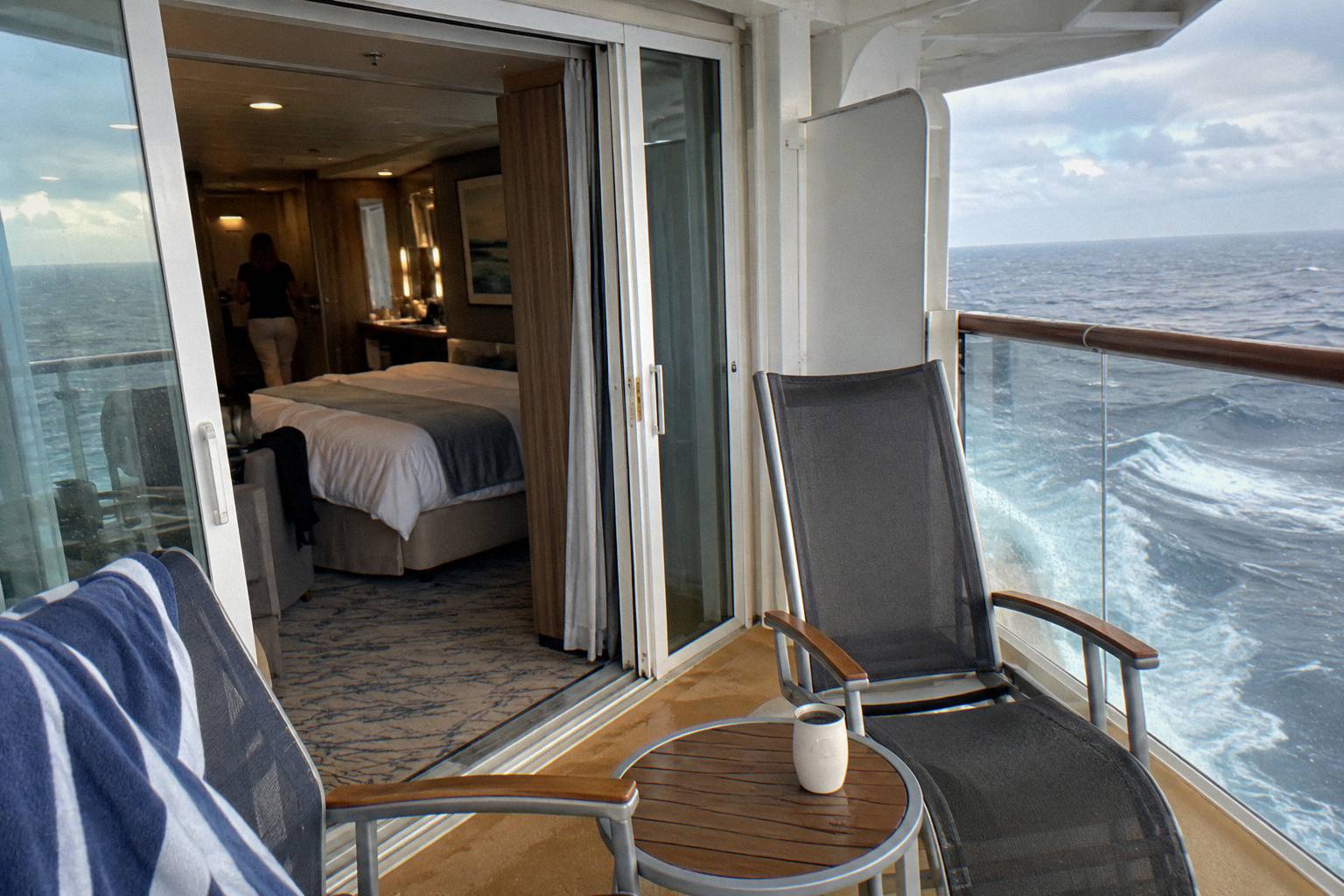
| Operator Or Product | Published From Price Per Person | Basis |
|---|---|---|
| Olivia Travel, Holland America interior | About $999 | Lowest category, mainstream hull |
| Atlantis Events, 7-9 night sailings | From $1,199 to $1,799 | Interior, current sailings |
| Waves of Pride | From $1,609.40 | Fare, taxes and gratuities, plus a $149-199 entertainment fee |
| VACAYA, Mediterranean eclipse cruise | From $3,719 | Lowest category, 2026-2028 trips sold out |
| Brand g Vacations, Rhine | About $4,900 | Lowest cabin, river product |
| Brand g Vacations, Philippines, Taiwan and Japan | About $22,300 | Lowest cabin, luxury itinerary |
Two honest notes on those numbers. First, Atlantis's $3,999 Oceania Marina sailing shows sold out, which is the pattern across the premium end of the market: 29 of the 90 charter and group sailings already show sold out or waitlist status. Second, the Waves of Pride figure is unusual in that it bundles taxes and gratuities but charges a separate $149 to $199 entertainment fee, a structure worth understanding before comparison shopping. The deals guide covers where the discounts actually appear in this market.
On Shore Safety, Practically
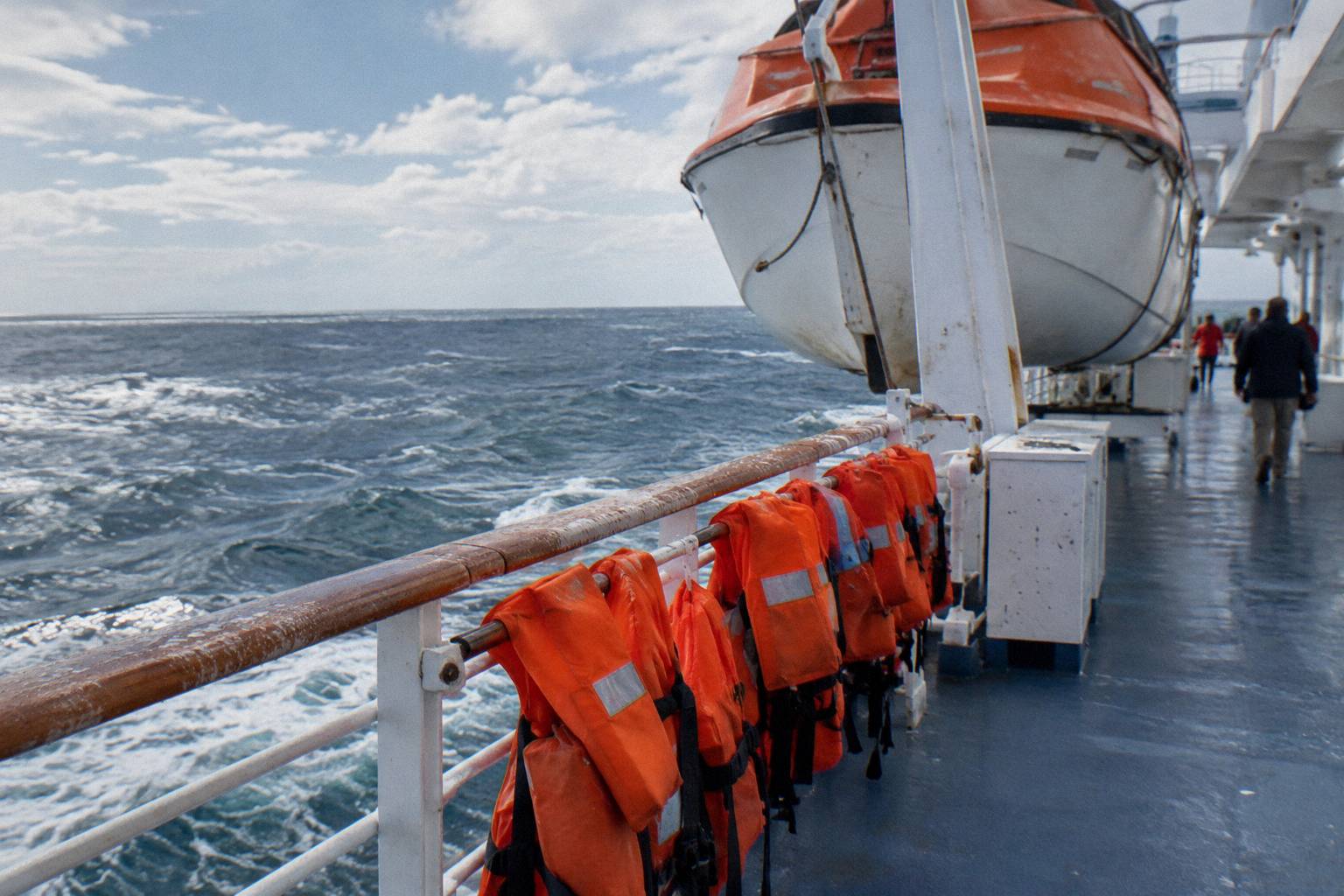
The official advice for the region contains no LGBT-specific warnings, so the practical guidance is ordinary cruise-port safety plus the two attitude notes for Ecuador and Peru. Marriage and activity legality in Brazil, Argentina, Chile and Colombia means no documentation anxiety at hotels or tours. Standard urban caution applies in the big port cities, exactly as FCDO advises for any visitor.
The honest framing is that the FCDO texts quoted above are the whole of the official LGBT-relevant guidance: legality everywhere, conservative attitudes in two countries, no warnings anywhere. What remains is general port safety. Large Brazilian and Argentine port cities have the same profile any cruise destination of their size has, and the FCDO's general travel advice for those countries covers crime precautions in the standard way it would for any traveller, not an LGBT-specific overlay.
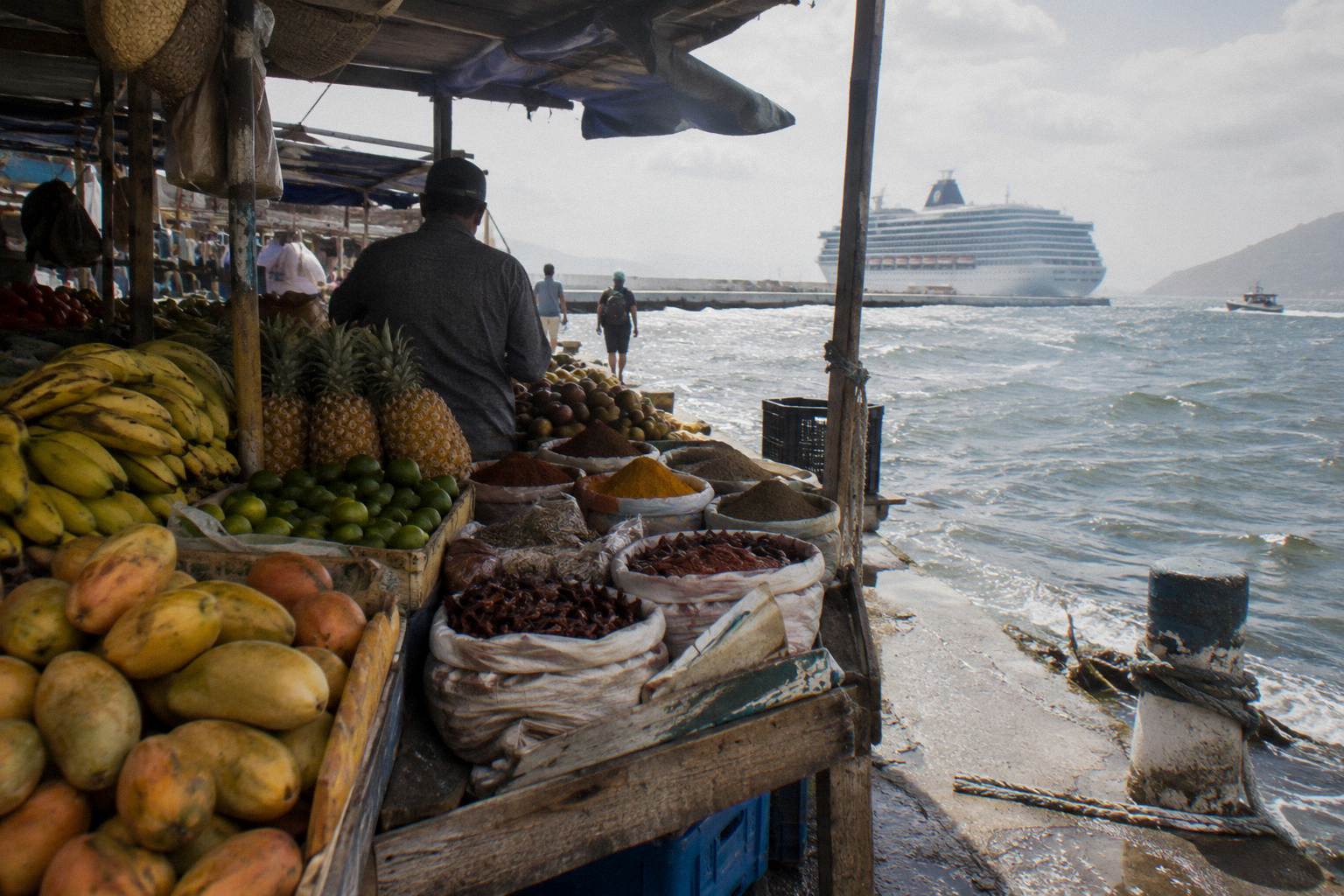
Three practical habits fit the advisory text. In Ecuadorian and Peruvian ports, where the FCDO notes conservative attitudes, keeping public affection modest is a reasonable read of the local texture. On organised excursions, couple status causes no friction, since operators book by cabin and the marriage-recognising countries make shared documentation routine. And for anyone with medication needs, carrying prescriptions in original packaging is standard advice for any international cruise, and the guidance here stays within what operators themselves publish, which is to say: keep it factual, keep it private, follow ship rules.
Shore safety is also a ship-choice question. Expedition itineraries in the far south run with guided landings, which removes most independent-navigation risk, while mega ship port calls in Rio or Buenos Aires leave you on your own in a big city. If you want the guided model, ask about expedition options when you plan; the consultation is free.
A final shore note that is easy to overlook: flight logistics. South America itineraries frequently start and end in different countries, Buenos Aires out and Santiago back being a classic pattern, and open-jaw flights cost more than returns. Building a night's buffer before embarkation matters more here than in the Caribbean too, because the long-haul flights from North America and Europe arrive early morning and any delay ripples straight into embarkation. Budget for both in the total trip cost, not just the fare.
Mistakes That Trip Up First Time South America Cruisers
The three repeated errors are booking the wrong season, assuming the whole continent shares Brazil's legal climate, and treating operator price baselines as quotes. The austral summer window is short, Ecuador and Peru carry conservative-attitude advisories, and 29 of 90 sailings are already sold out or waitlisted. Each mistake is avoidable with one planning decision made early.
Season mistakes come first. Travellers who book by northern-hemisphere reflex, expecting a Mediterranean-style June season, find the southern ports cold, quiet or outright closed for the fjord and polar products. The December to March window is the whole game for the southern itinerary, and booking inside it late means paying peak fares or missing cabins entirely, which matters more in a market this thin.
The second error is legal uniformity. Brazil, Argentina, Chile and Colombia recognise marriage; Peru does not recognise same-sex partnerships at all, per the FCDO wording, and Ecuador notes societal discrimination. A couple who plan excursions and overnight stays as if every port were Buenos Aires will meet friction in Callao or Manta that they did not expect. The fix is reading the port list, not just the brochure.
Third, price anchoring. The published figures, from about $999 to $22,300 per person, are lowest-category baselines as the operators wrote them, and items like the Waves of Pride entertainment fee sit outside the headline number. Comparing a river baseline against an expedition baseline, or a sold-out sailing against an open one, produces decisions based on numbers that do not describe the same product. For solo travellers specifically, the roommate matching guide covers one route around the single supplement.
Common Questions About Gay South America Cruises
Is South America safe for gay and LGBTQ+ cruisers?
The official UK FCDO advice shows same-sex relations legal in all six countries, same-sex marriage legal in Brazil, Argentina, Chile and Colombia, and no LGBT-specific travel warnings anywhere. Ecuador and Peru carry notes on conservative social attitudes, and Peru does not formally recognise same-sex partnerships, so discretion in those ports is a reasonable adjustment.
Which gay charter operators sail South America?
Brand g Vacations, Olivia Travel and VACAYA are the active names, with 24, 19 and 8 announced sailings respectively. Not every sailing touches the continent; Atlantis Events lists no South America itinerary in its current range. A consultation gets the live placement list.
What does a gay cruise in South America cost?
Verified published prices run from about $999 per person for an Olivia Travel interior on a mainstream hull to about $22,300 for Brand g Vacations' top luxury itinerary, lowest cabin category. Those are operator baselines, not quotes, and 29 of the 90 sailings already show sold out or waitlist status.
When is the best time to cruise South America?
The austral summer, December through March, is the main window, especially for the Chilean fjords and any Antarctica extension. Rio and Buenos Aires run hot at the peak, and November and March shoulder weeks offer cooler weather and thinner crowds at lower fares.
Which ships carry LGBTQ+ charters in the region?
Virgin Voyages ships are the current hub: Scarlet Lady hosts Sapphic Sail on 2026-2027 sailings and carried an Atlantis charter in 2020, while Resilient Lady hosts Waves of Pride in September 2026. Holland America and Windstar hulls, including Eurodam and Star Seeker, appear in Olivia's programme.
Do I need to hide being a couple in South American ports?
None of these countries prohibits same-sex relations. In Brazil, Argentina, Chile and Colombia, marriage is legal and couple documentation is routine. In Ecuador and Peru the FCDO notes conservative social attitudes, so modest public affection in those ports simply reads the local texture accurately; it is not a legal requirement.
More Regions And Ports
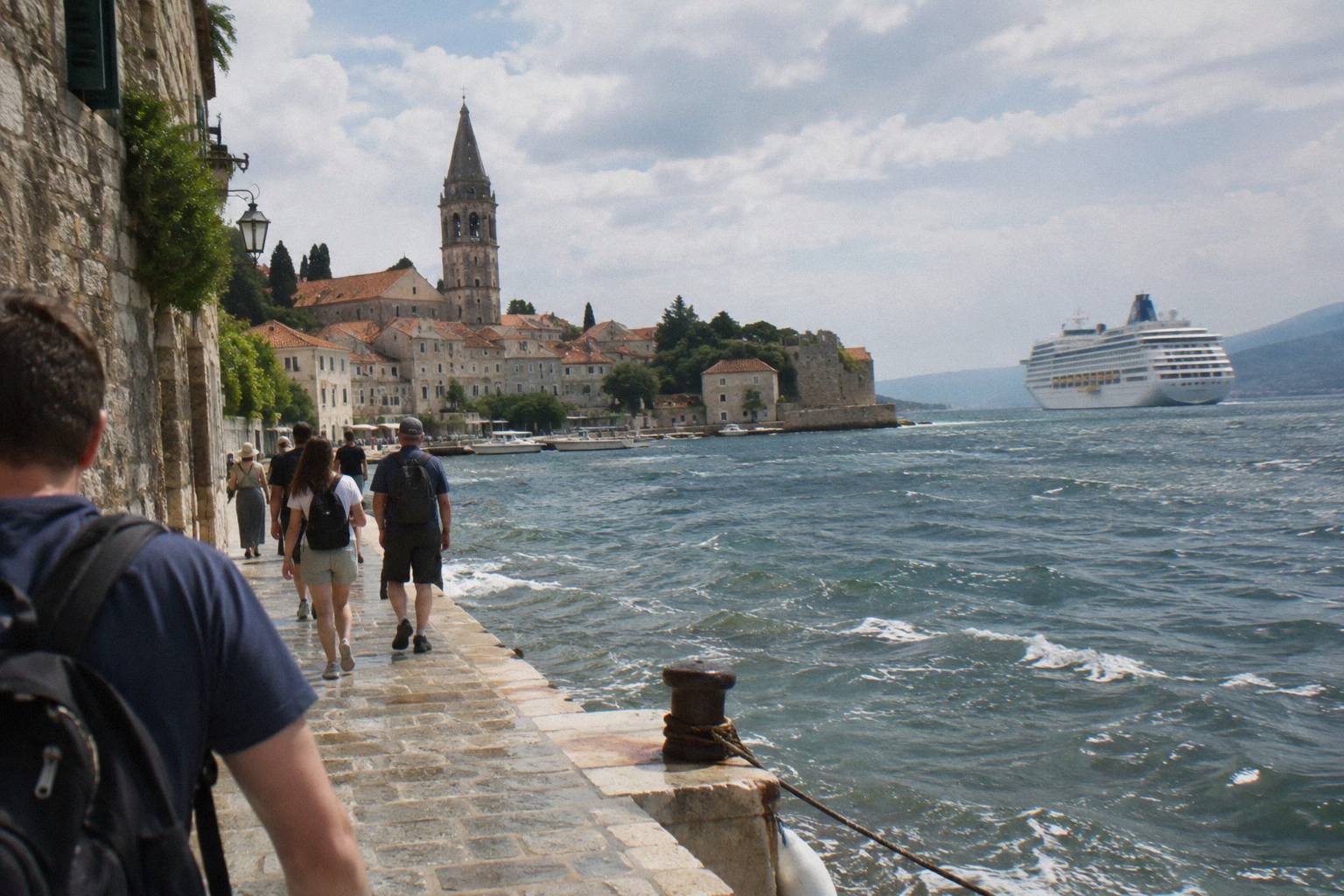 Caribbean Gay CruiseGay charters, port laws and ship picks for a Caribbean gay cruise.Read the guide
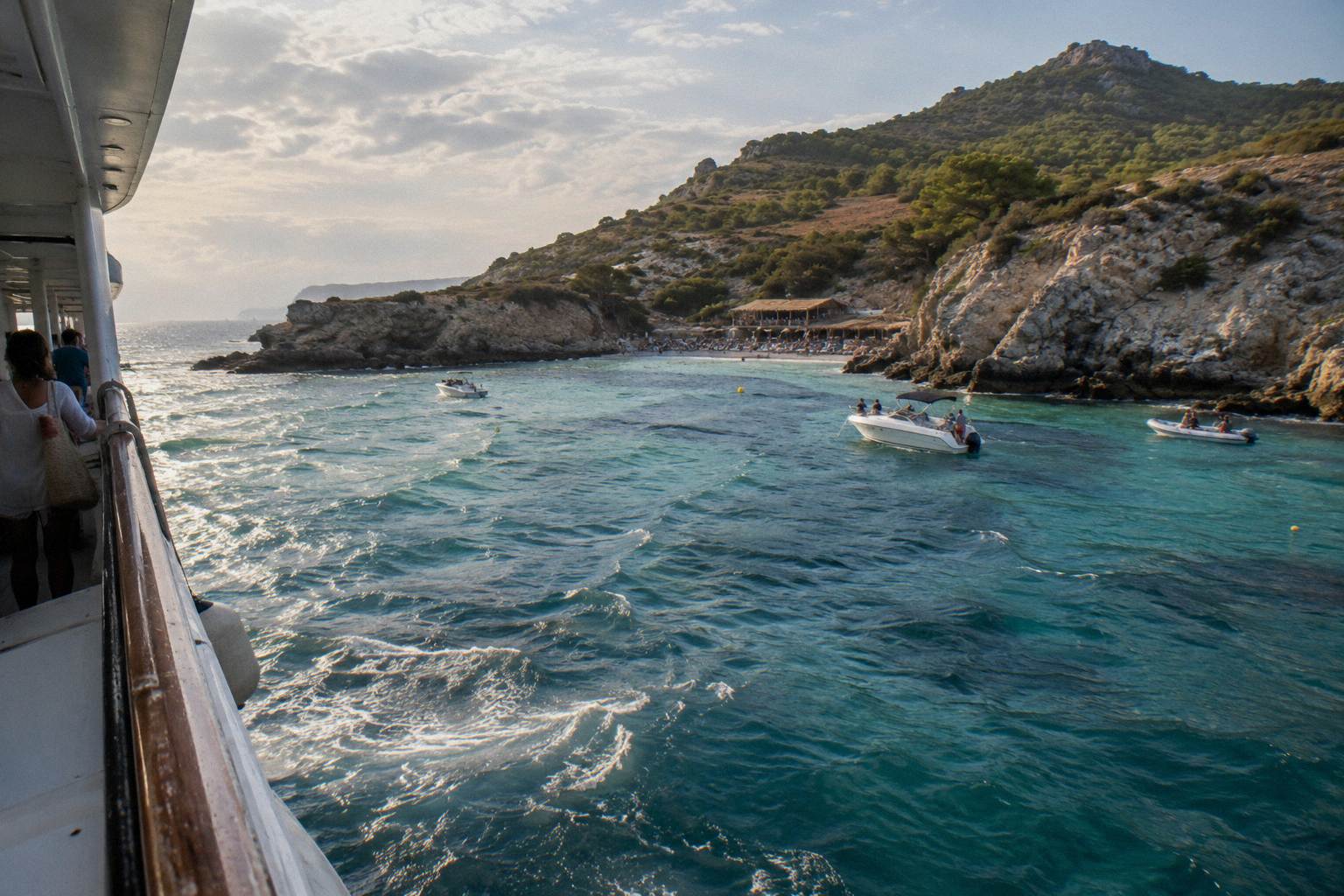 MediterraneanGay charters, ships and port-by-port legal advice for the Mediterranean.Read the guide
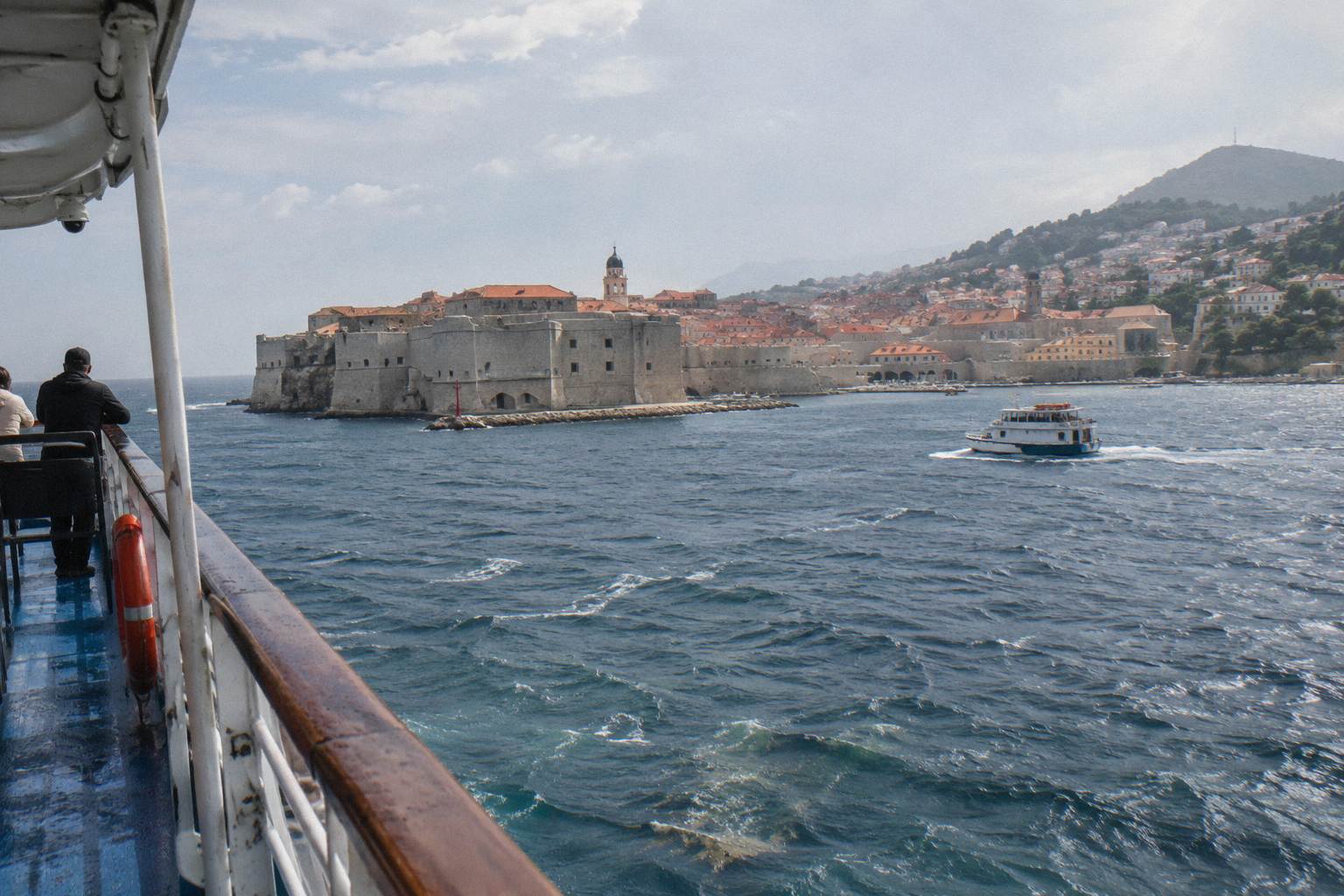 Greek IslesGay charters from Athens across the Greek Isles: operators, ships, laws and season.Read the guide
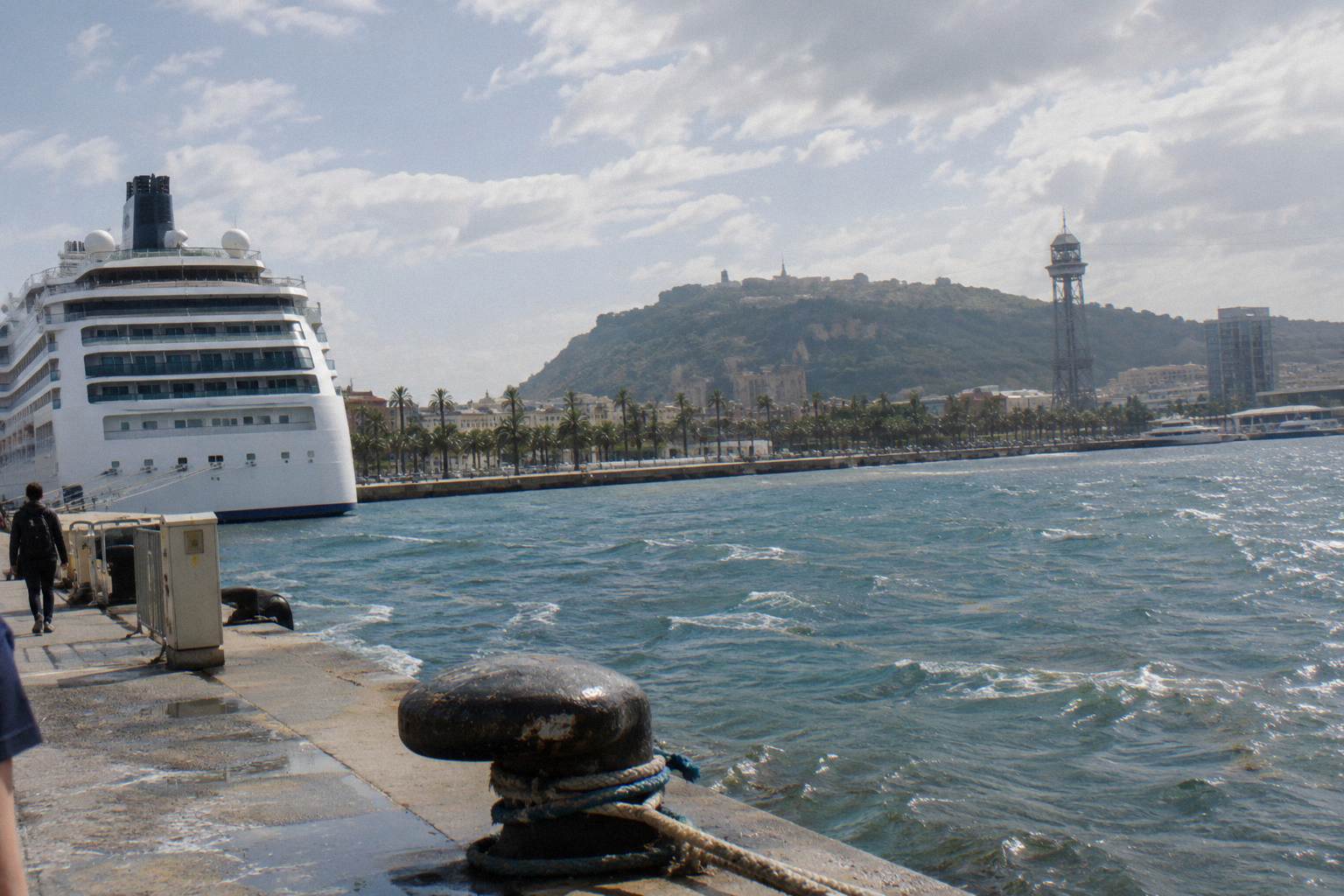 Gay Europe CruisesCharters, port laws, ships and season advice for a gay Europe cruise.Read the guide