Gay Expedition And Small Ship Cruises
Expedition cruising is the fastest-changing corner of gay and LGBTQ+ travel: small ships, remote regions, and a handful of charter operators now running polar and far-flung itineraries for the community. Here is what the operators covered here show.
This page sits inside Regions And Ports, the hub that breaks down where gay and LGBTQ+ charters actually sail and what each region demands of you as a planner.
Quick Facts
| Fact | Value |
|---|---|
| Charter and group sailings | 90, across 11 operators |
| Sailings sold out or waitlist | 29 of 90 |
| Out Adventures price range | $7,495 (Baja) to $22,585 (Antarctica) per person |
| VACAYA expedition availability | All 2026-2028 trips sold out |
| VACAYA Polynesia price | From $6,330 per person |
| VACAYA Madagascar to Seychelles price | From $12,537 per person |
| Same-sex relations at covered ports | Legal in Norway, Iceland, Argentina, Chile, Ecuador |
| Marriage at covered ports | Legal in Argentina since 2010, Chile since 2022 |
What A Gay Expedition Cruise Actually Is
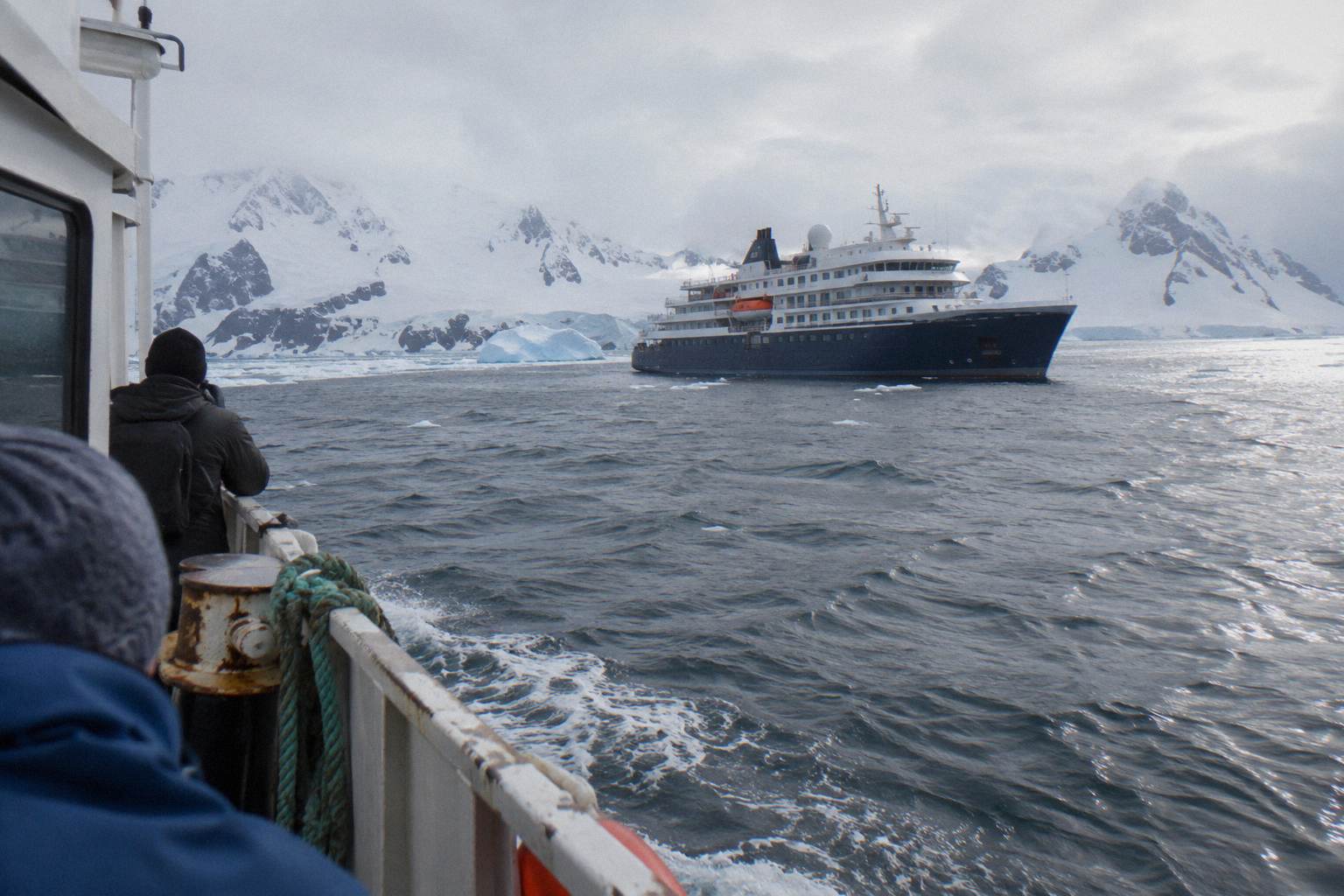
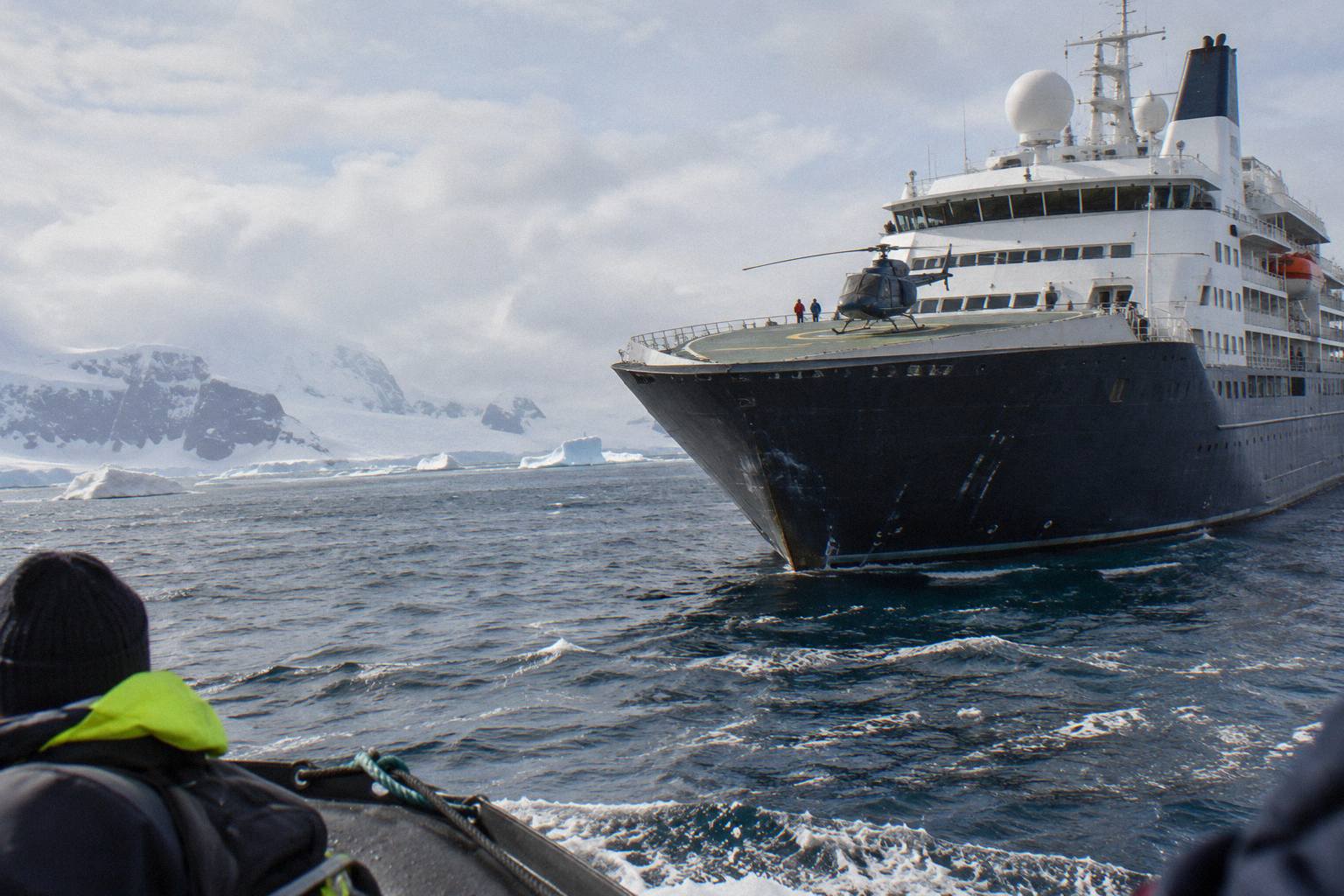
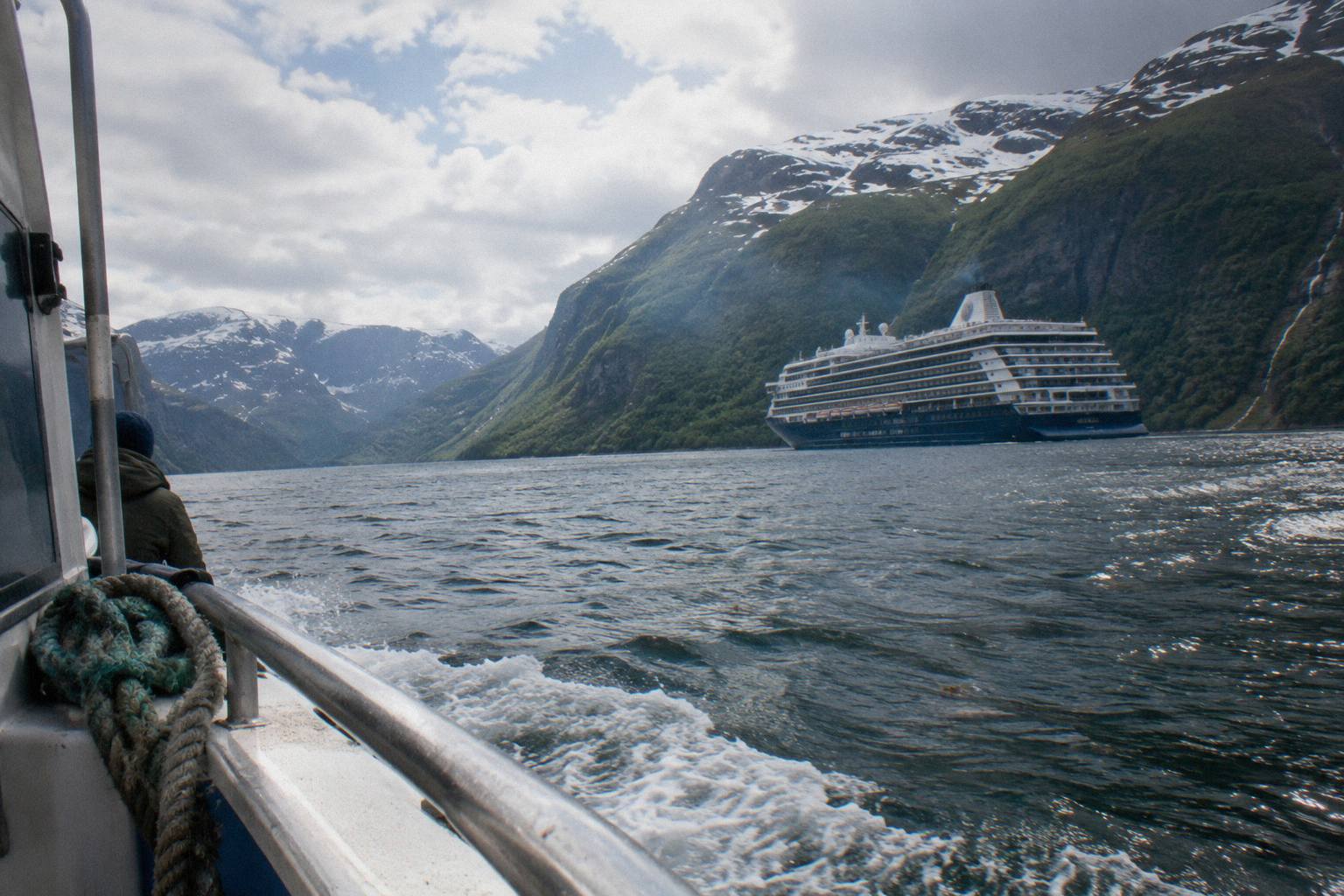
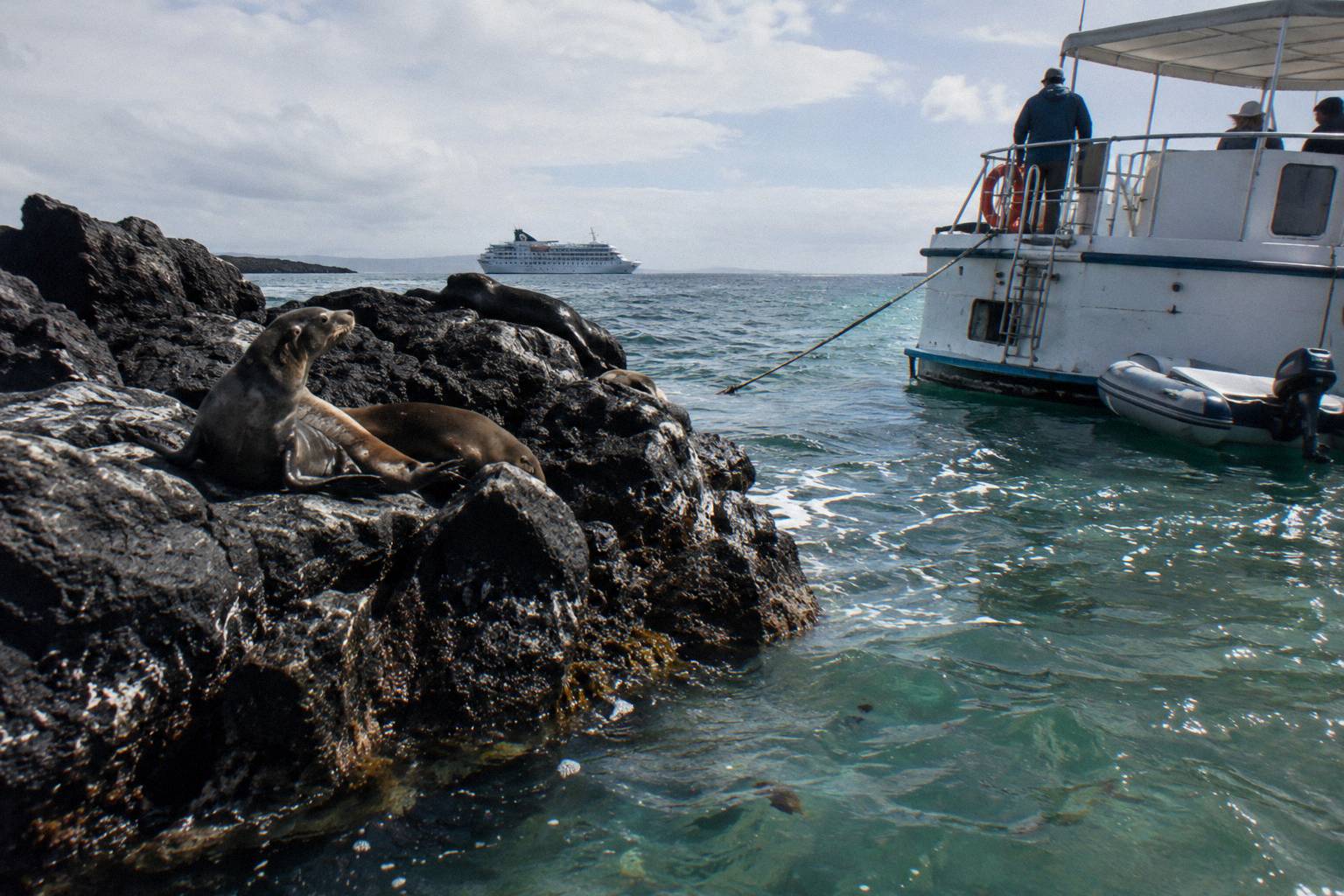
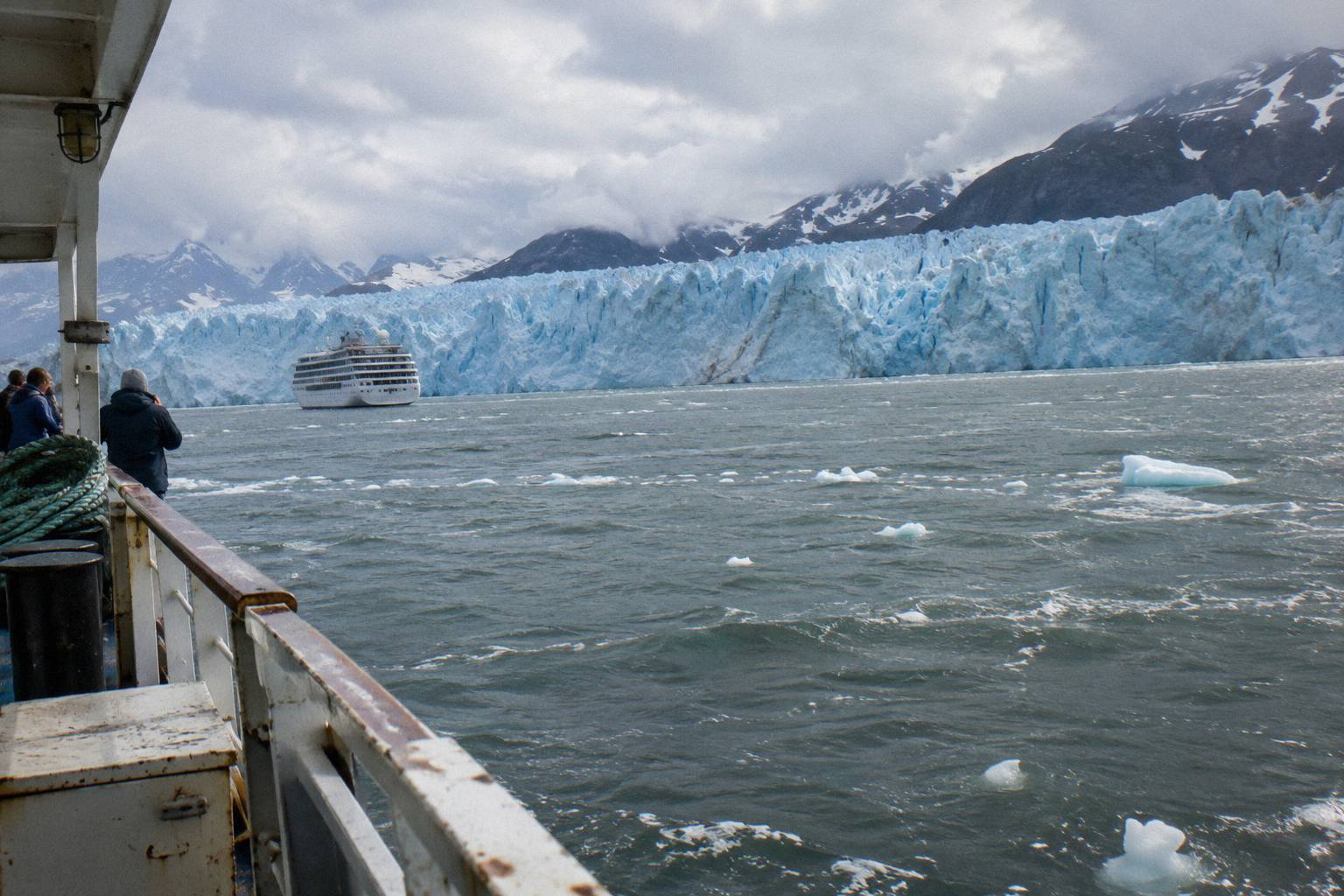
An expedition cruise is a voyage on a small, purpose-built ship into regions a mega ship cannot reach, such as Antarctica, the Arctic, Patagonia fjords or remote Pacific atolls, with the itinerary built around landings, zodiacs and wildlife rather than pool decks and theatre shows. Gay and LGBTQ+ expedition cruising layers a charter or organised group onto that format, and published fares show it is priced accordingly: these are the highest per-person fares anywhere on this site.
The distinction matters more here than in the Caribbean charter market. An Atlantis Events sailing on a mega ship buys you a floating resort with thousands of fellow guests; the operator's current interior fares run from $1,199 to $1,799 per person on 7-9 night sailings. An expedition product buys you a ship that may carry a fraction of that number, a remote destination, and a far smaller group of LGBTQ+ travellers who booked the same voyage. According to Out Adventures' published figures, the range runs from $7,495 per person for Baja to $22,585 for Antarctica, and those are lowest-cabin fares.
Two operators dominate the far end of this market. Out Adventures, founded in 2009 and aimed at gay men and the wider LGBTQ+ community, lists two upcoming sailings. VACAYA, founded in 2017 with a mixed LGBTQ+ audience, has eight sailings, every one of them showing sold out or waitlist, with historical pricing from $3,719 for a Mediterranean eclipse cruise to $12,537 for Madagascar to Seychelles. Brand g Vacations stretches the definition further, running up to $22,300 per person for a Philippines, Taiwan and Japan luxury voyage aboard small luxury vessels.
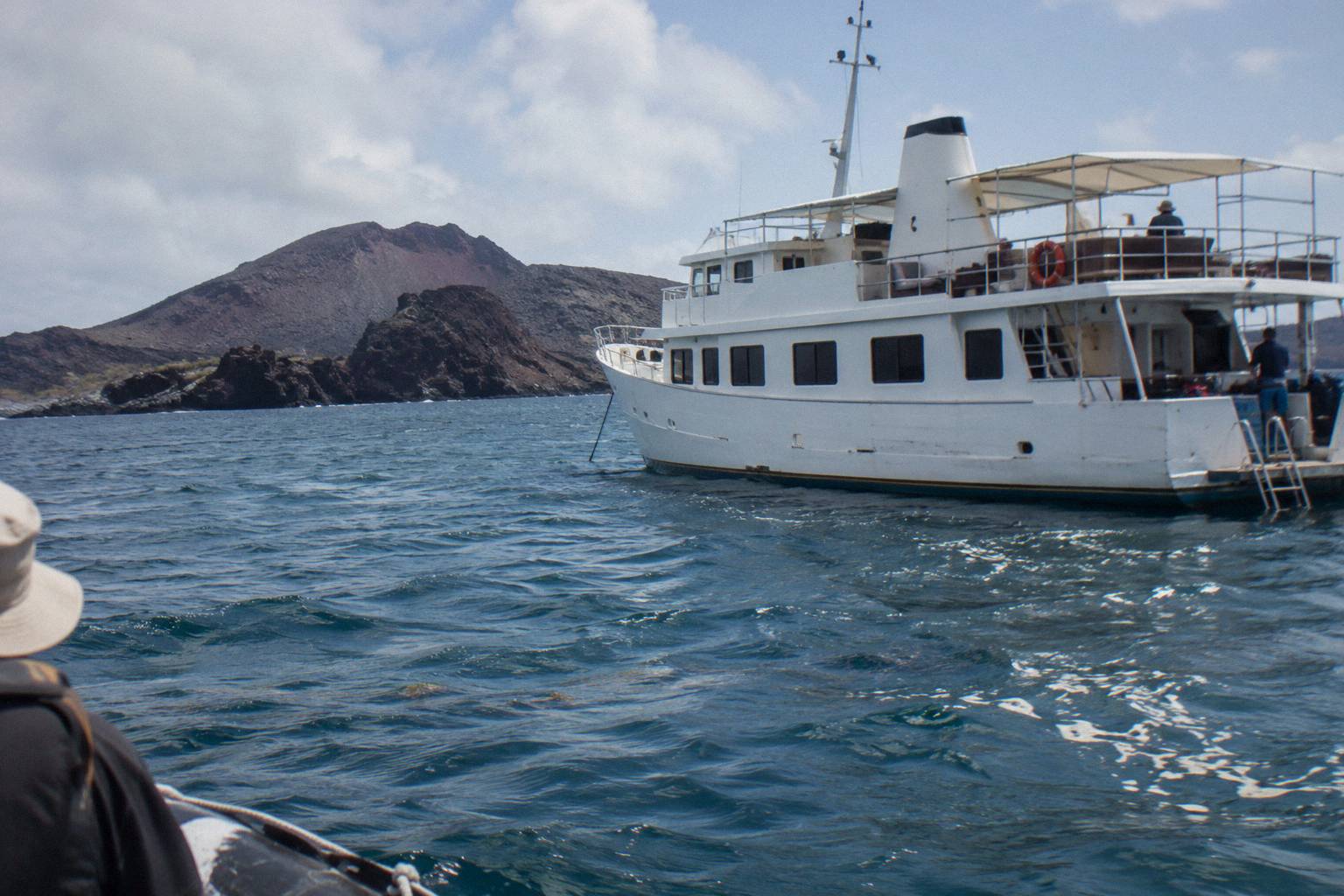
There is also a middle category worth naming, because the boundaries blur. Small-ship cruising, as distinct from hard expedition cruising, covers vessels like Windstar's Star Seeker or luxury yachts that reach smaller ports without ice-strengthened hulls or zodiac operations. Some operators, notably Brand g and Source Journeys, sell this tier, and travellers searching for expedition experiences often actually mean this softer product. The differences show up in what your days look like: a true expedition day has two or three landings by zodiac and a fleet of parkas by the gangway, while a small-ship luxury day has a marina platform, water toys and a champagne anchor in a quiet bay. Both are valid; they are simply not the same purchase.
The practical takeaway from the numbers: expedition gay cruising is booked further ahead and sells out harder than mainstream charter cruising. VACAYA's entire 2026-2028 expedition calendar showing sold out is the clearest signal in the dataset, and it is why planning windows for these voyages run long. If a polar or remote-region sailing is the goal, the free consultation covers expedition options and can check live availability against what any published page shows.
Is Expedition Cruising A Good Fit For LGBTQ+ Travellers
Yes, with a clear-eyed view of what changes at sea versus ashore. At sea, the ship operates under the operator's own inclusive charter rules, and the mainstream lines hosting these groups publish explicit inclusivity statements. Ashore, the port countries covered by official advice all state same-sex relations are legal, though Ecuador's advisory adds that societal discrimination persists. The law and the welcome are two different documents.
The at-sea side is straightforward. Virgin Voyages, whose ships host LGBTQ+ charters including a historical Atlantis Events charter on Scarlet Lady in 2020 and Waves of Pride on Resilient Lady in September 2026, publishes its stance plainly: pride is, in the line's own words, a philosophy baked into its identity rather than a once-a-year celebration. Expedition hosts like Ponant and Atlas Ocean Voyages operate the ships, while the charter brands bring the community programming on board.
The ashore side is where official advice earns its place in your planning. The UK FCDO page for Iceland states that same-sex sexual activity is legal and same-sex relationships are recognised in law, with a dedicated section of further advice for LGBT+ travellers. For Norway, the US State Department guidance cross-checked in the research states there are no legal restrictions on consensual same-sex sexual relations, and Norway decriminalised in 1972. Argentina has allowed same-sex marriage since 2010 and Chile since 2022. Ecuador's advisory carries the one caution flag in the set: same-sex relations are legal, but local attitudes can be conservative and societal discrimination still exists.
None of this amounts to a travel warning, and it should not be dramatised into one. It is calibration. An LGBTQ+ traveller stepping ashore in Reykjavik or Ushuaia is in jurisdictions with full legal equality on paper; the same traveller in a small Ecuadorian port town should read the advisory's own wording and make personal choices accordingly. It is also worth remembering that expedition days are mostly spent in places with no permanent population at all: on an Antarctic sailing, the majority of landings are on continent shoreline, glaciers and research-adjacent sites where the only law in force is the Antarctic Treaty's environmental protocol. The social questions that matter on a Mediterranean or Caribbean port day simply do not arise at a penguin colony.
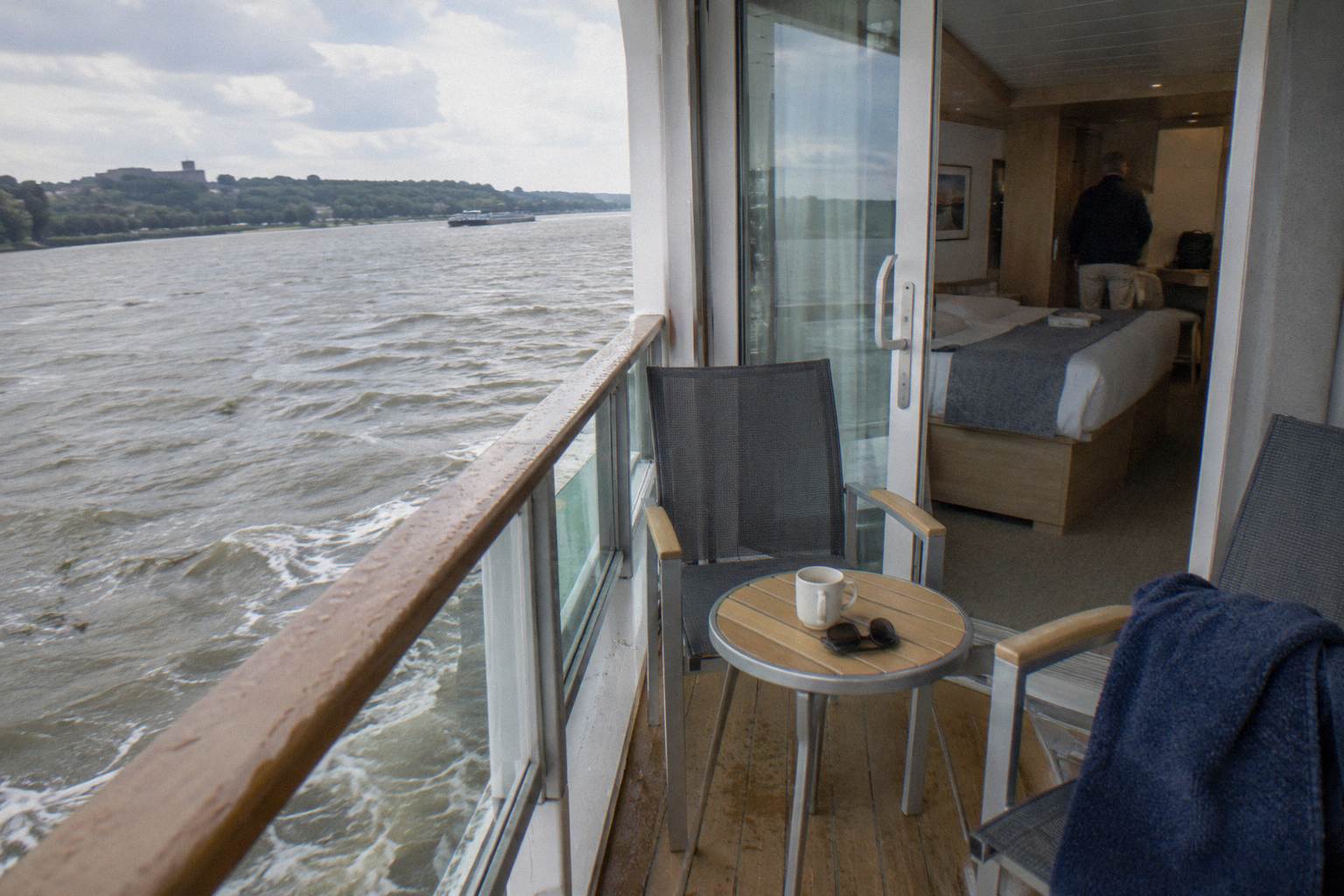
The question of being openly gay aboard is answered more fully in its own guide, and for expedition ports the short version is: at sea, yes; ashore, check the country row. Expedition communities are small by design, with guest counts in the low hundreds rather than the thousands, and the operators in this space market specifically to LGBTQ+ travellers, so the on-board environment is the part of the trip you can treat as settled.
Which Gay Charters Sail Expedition Regions
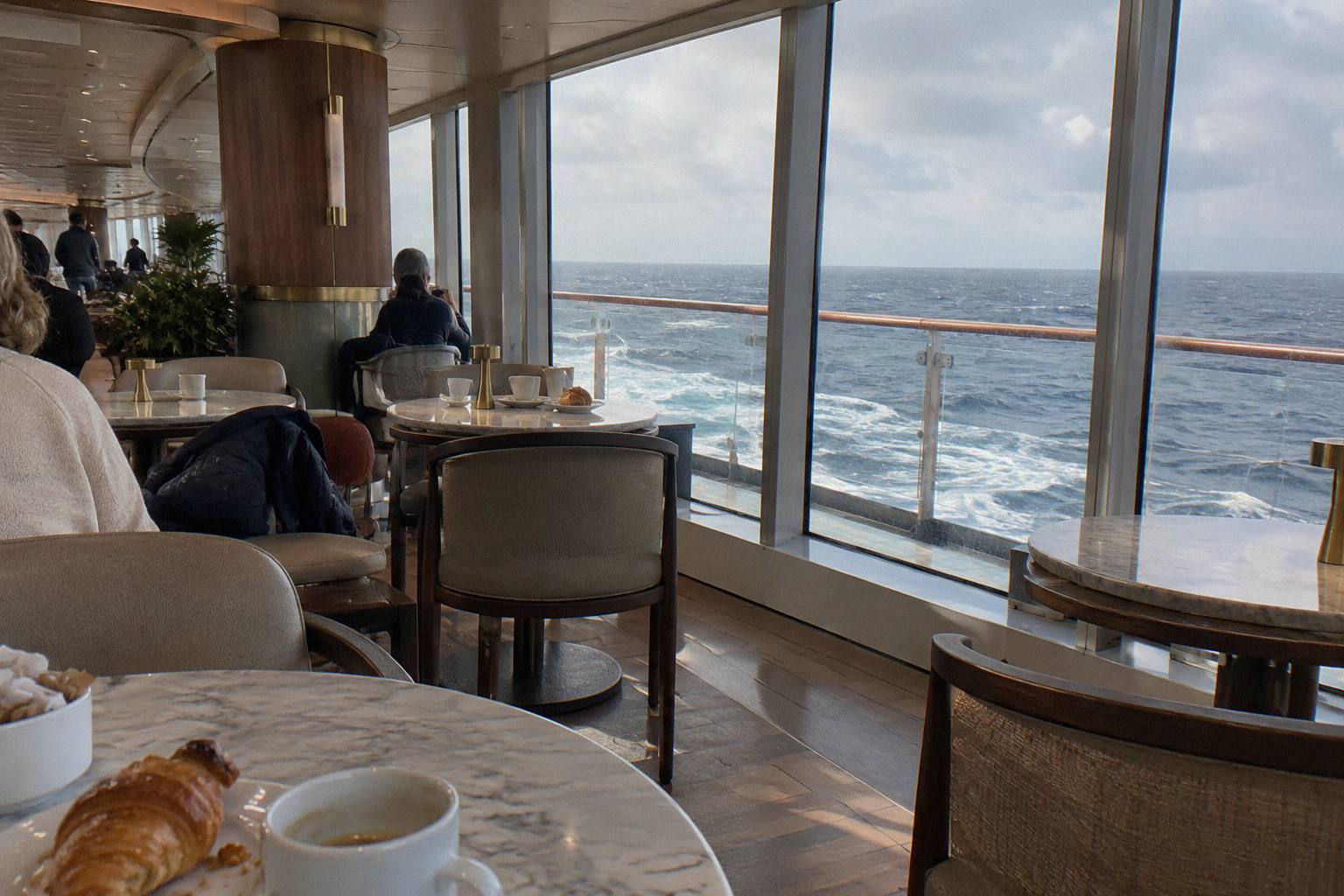
The sailings file shows the expedition and remote-region market concentrated in a handful of operators: Out Adventures with 2 sailings, VACAYA with 8, Brand g Vacations with 24 group departures that include luxury small-ship routes, and KelliGregg Travel / R Family Vacations with 13. Of the 90 sailings across 11 operators, 29 show sold out or waitlist, and the expedition subset sells out at a higher rate than the calendar overall.
The table below is drawn from the sailings data and filtered to expedition-region rows. Read the sold-out counts as a planning signal rather than a closed door: waitlists exist, and operators announce new departures, with VACAYA showing 8 and Brand g 24 announced upcoming sailings.
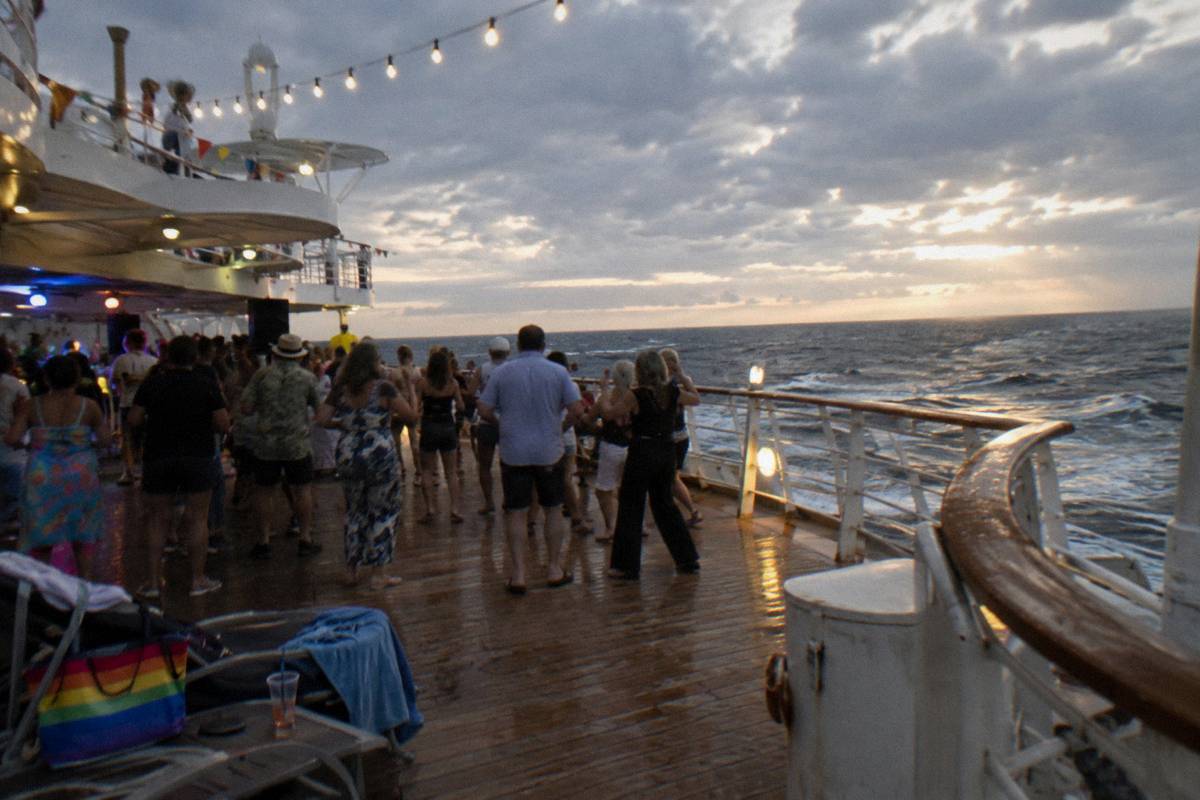
Operator by operator, the pricing shape looks like this, using only figures the operators publish as lowest per-person cabin fares.
| Operator | Audience | Published per-person range | Sailings | Sold out or waitlist |
|---|---|---|---|---|
| Out Adventures | Gay men / LGBTQ+ | $7,495 to $22,585 | 2 | 2 |
| VACAYA | Mixed LGBTQ+ | About $3,719 to $12,537 (2026-2028 trips sold out) | 8 | 8 |
| Brand g Vacations | LGBT+, gay-centred mixed | About $4,900 (Rhine) to $22,300 (Philippines/Taiwan/Japan) | 24 | 5 |
| Source Journeys / Source Events | LGBTQ+ luxury | About $6,900 to $13,900, per one 2026 cost guide | 3 | 0 |
| KelliGregg Travel / R Family Vacations | LGBTQ+, families | Not published | 13 | 0 |
Note the gap in that table: RSVP Vacations, BearCruise and several smaller brands publish no per-person fare for expedition routes, which means print no number rather than guess. Where a figure is operator-stated it is stated here; where only a cost guide reports it, as with Source Journeys, that weakness is named rather than smoothed over.
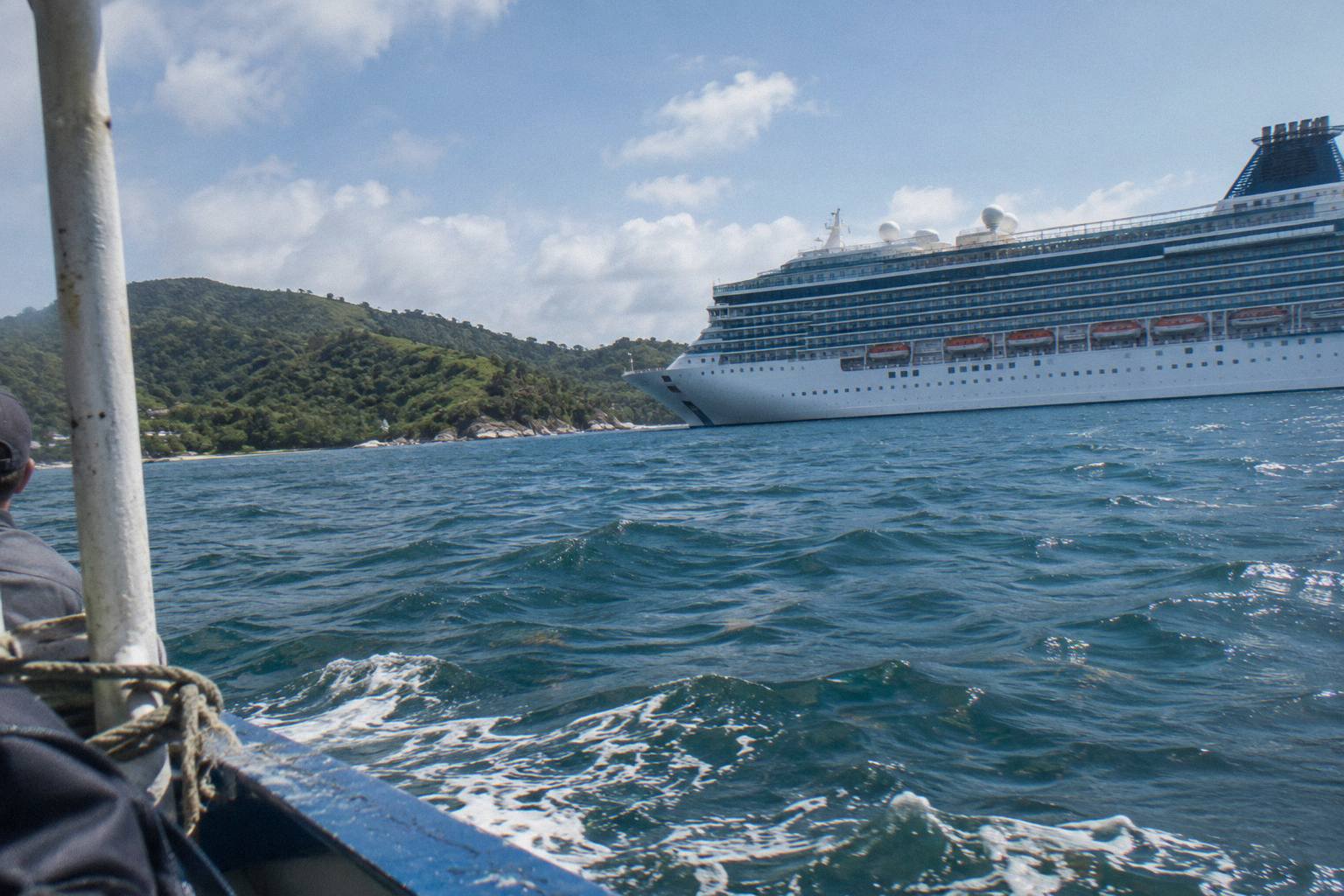
The audience mix also differs sharply from the mega-ship charter world, and it matters when choosing. VACAYA is mixed LGBTQ+, men, women and allies together, which produces a different on-board culture than a gay-men-focused product like Out Adventures' core audience or Atlantis in the mainstream space. KelliGregg Travel and R Family Vacations build kids programming into their 13 departures, making them the family option in a segment otherwise dominated by adults-only luxury. Brand g sits gay-centred but mixed, and Source Journeys pitches itself at the LGBTQ+ luxury tier. In a segment where you will see the same faces for a week on a 200-guest ship, that composition is arguably a bigger driver of your experience than the itinerary itself, and it is the single most useful question to bring to a planning conversation.
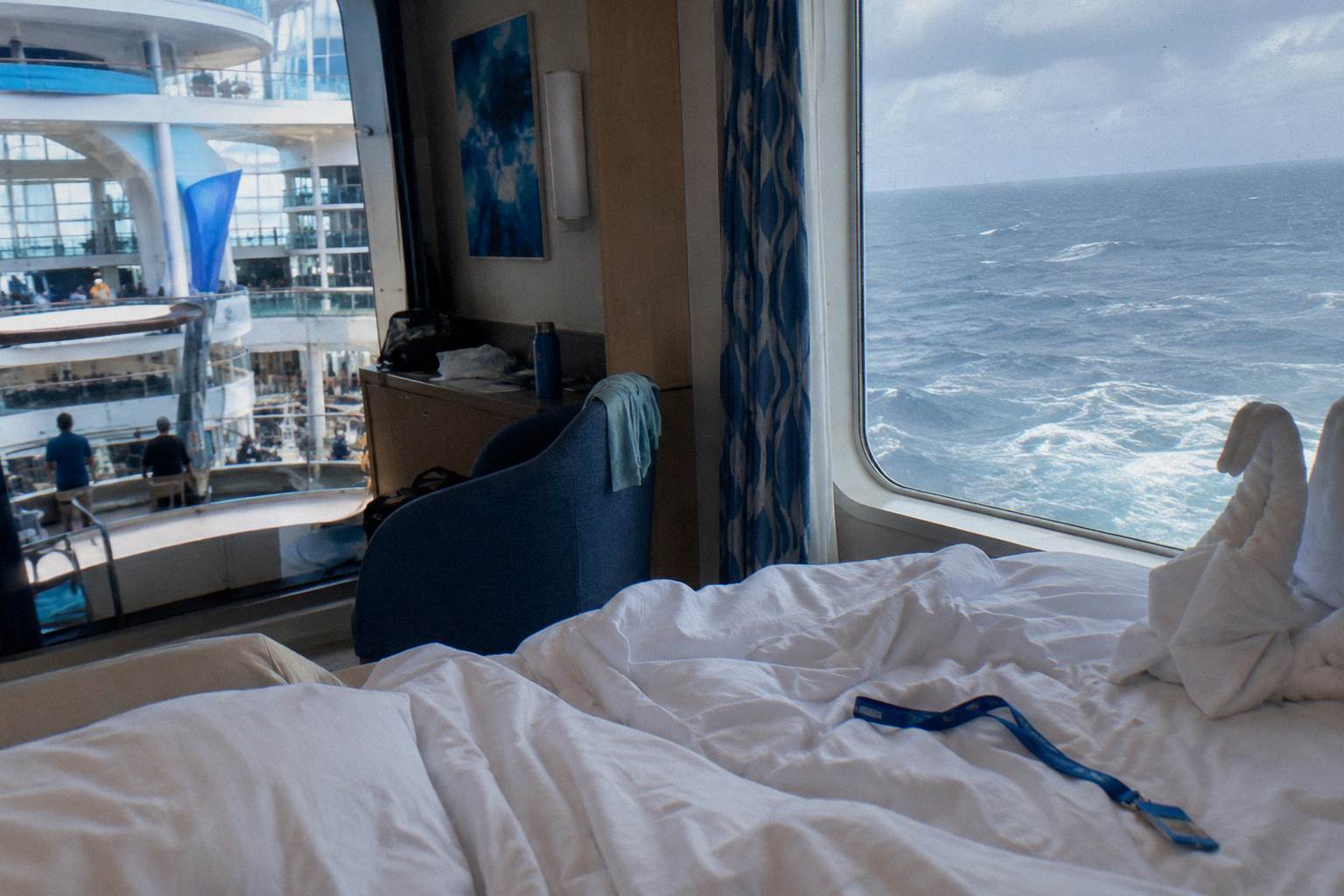
Anyone weighing these fares against a mainstream charter should also glance at the Atlantis cruise cost breakdown for the price floor at the other end of the market.
Ports And Their Laws
Official advice covering the expedition port countries is uniformly clear on legality: same-sex relations are legal in Norway, Iceland, Argentina, Chile and Ecuador, with marriage legal in Argentina since 2010 and Chile since 2022, and partnership rights recognised in Iceland by law. The only advisory that adds caution is Ecuador's, which notes conservative local attitudes and ongoing societal discrimination. Antarctica itself is governed by treaty, not domestic law.
The full advisory texts, from the UK FCDO pages and US State Department guidance, are rendered in the table below. Quote-level accuracy matters here, so the wording is given as the sources wrote it.
| Country | Same-sex relations | Marriage or partnership | Official advice |
|---|---|---|---|
| Argentina | legal | marriage legal since 2010 | null FCDO page |
| Chile | legal | marriage legal since 2022 | null FCDO page |
| Ecuador | See the FCDO advice | – | Same-sex relations are legal in Ecuador. However, local attitudes towards the LGBT+ community can be conservative and there is still societal discrimination. FCDO page |
| Antarctica (note) | See the FCDO advice | – | FCDO page |
| Iceland | See the FCDO advice | – | Same-sex sexual activity is legal in Iceland and same-sex relationships are recognised in law. Read more advice for LGBT+ travellers . FCDO page |
| Norway | legal (decriminalised 1972) | legal | There are no legal restrictions on consensual same-sex sexual relations... (travel.state.gov); null for FCDO FCDO page |
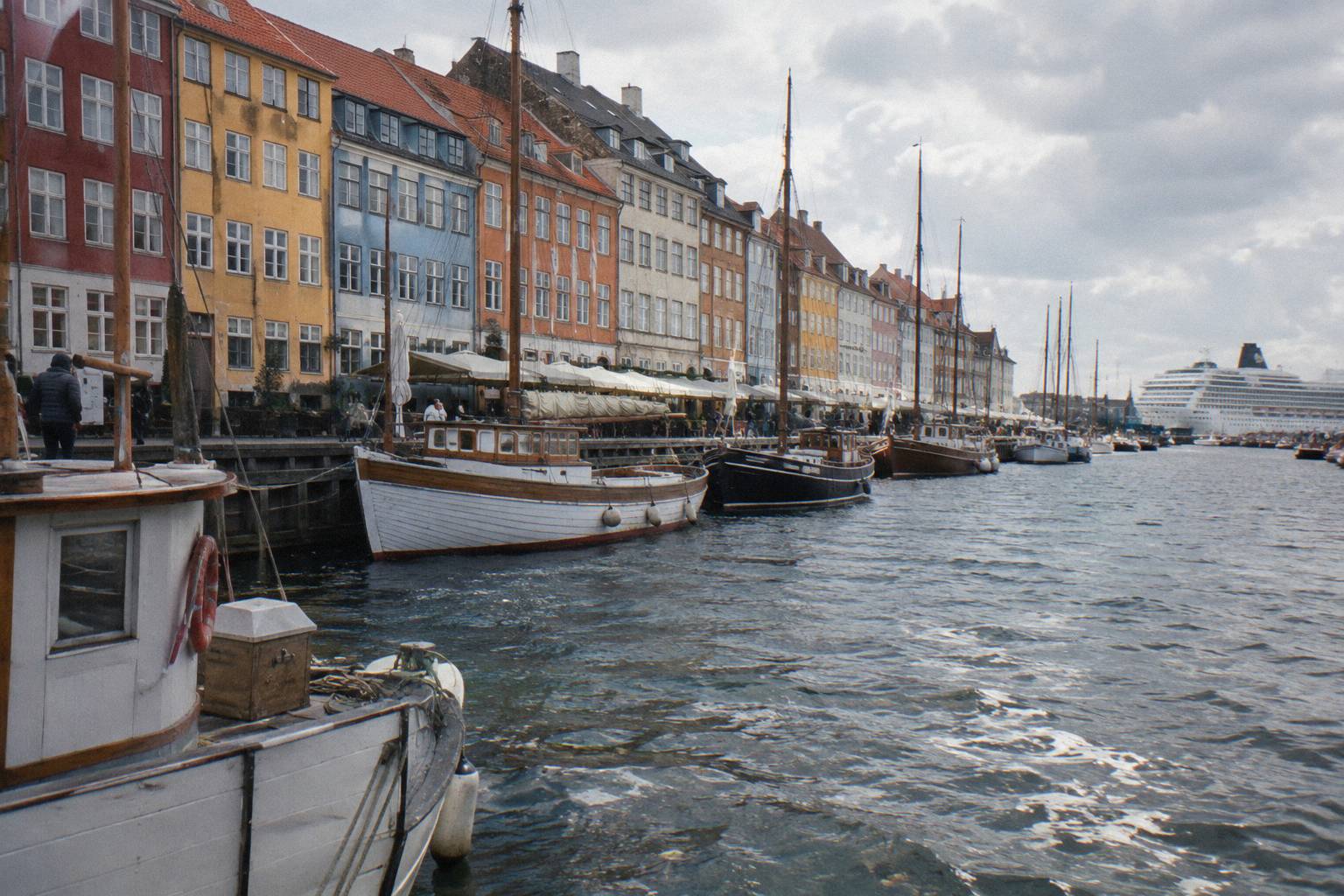
Two of these rows deserve the primary links. The FCDO Iceland local laws page is the source for the Iceland wording and carries the FCDO's dedicated LGBT+ traveller advice section, worth reading in full before an Arctic or North Atlantic itinerary. For the South American side, the FCDO Argentina local laws page and the FCDO Chile local laws page cover the two countries that bracket most Patagonian and Antarctic gateway routes, Buenos Aires and Santiago plus the port of Ushuaia through Chilean waters.
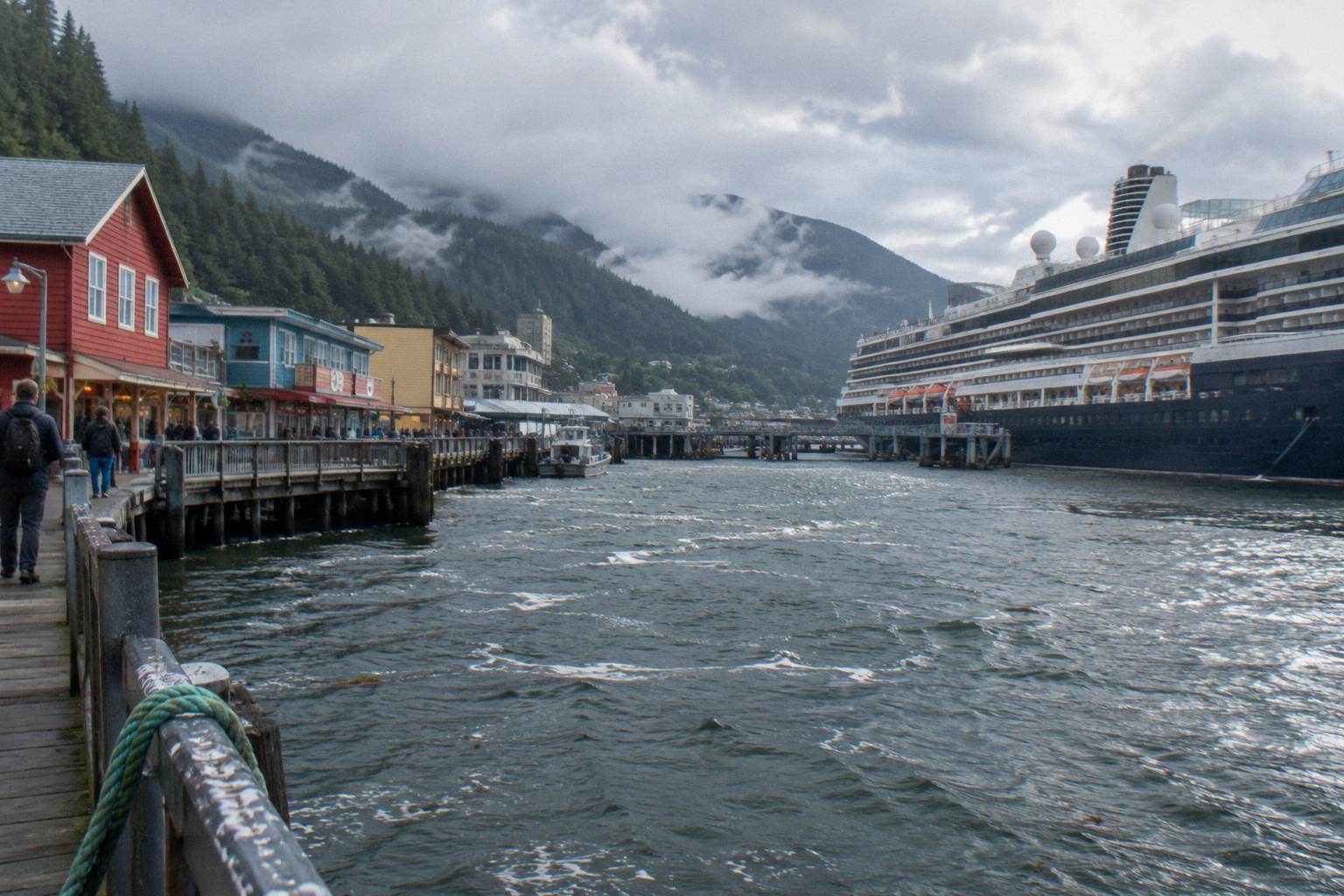
The pattern across all five countries is that legality is settled and the remaining variance is social, not legal. That is a genuinely favourable picture compared with many warm-water cruise regions, and it removes the single biggest question LGBTQ+ travellers rightly ask first. What it does not remove is the ordinary expedition-port reality: these are small towns, often seasonal, sometimes conservative in Ecuador's case, and behaviour that is unremarkable in Reykjavik may read differently in a fishing village. The advisory texts say exactly that, in exactly those measured terms.
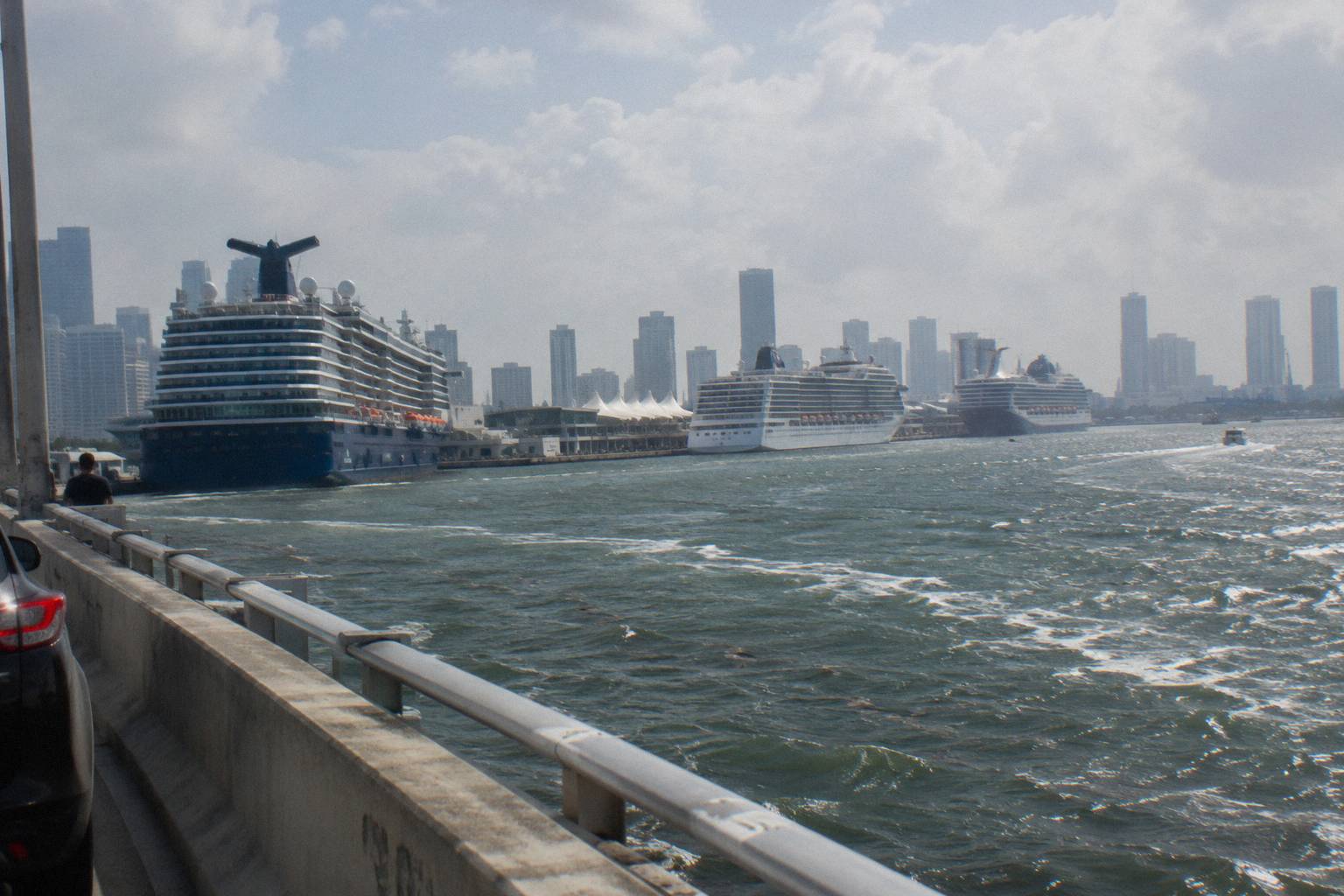
One more nuance the official pages themselves point toward: advisory wording covers the country as a whole, while cruise ports are specific places. Buenos Aires and Santiago are capital cities with visible LGBTQ+ life; the Patagonian towns a ship calls at are far smaller. Norway's guidance applies from Oslo to the Svalbard gateway of Longyearbyen, but those two places feel nothing alike. The law travels with you across the whole jurisdiction; the social temperature does not, and a bit of local reading before each port call is the cheap insurance. Keep the advisory pages bookmarked rather than screenshotting them once, since wording does get updated.
Season And Weather
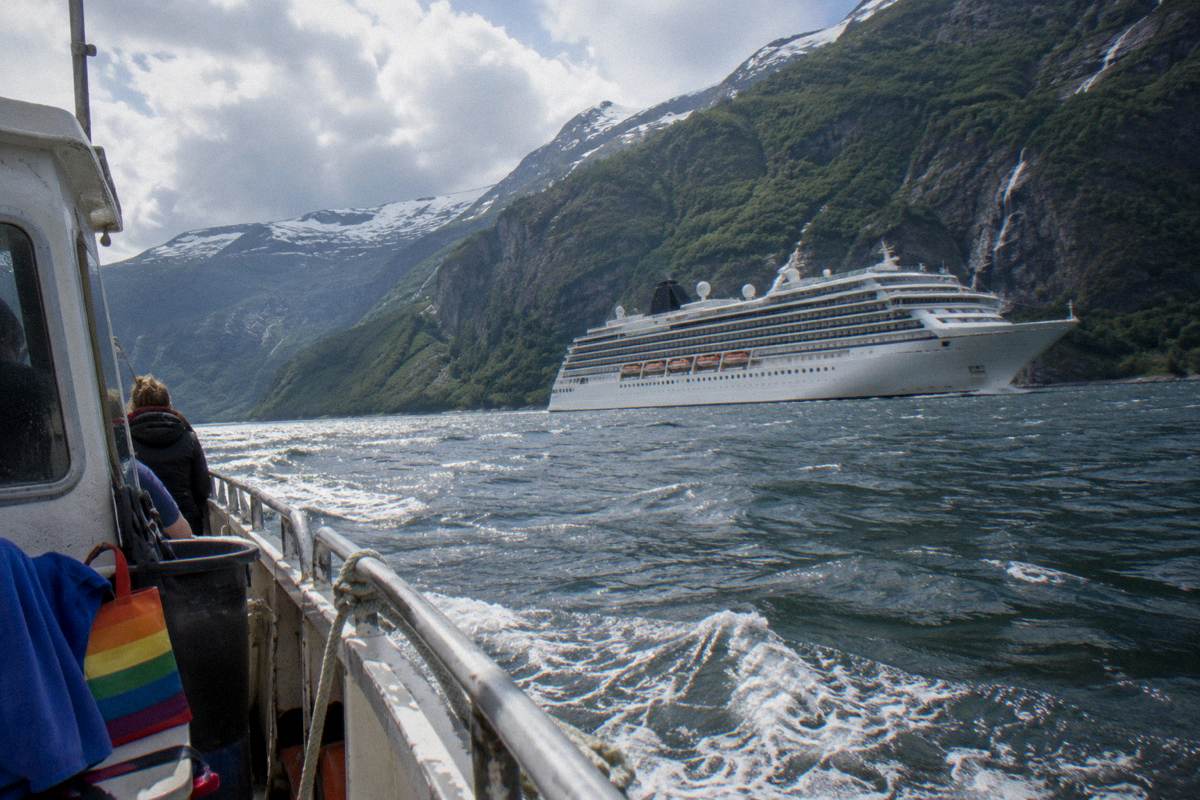
Expedition seasons are short and hard-edged in ways Caribbean cruisers never meet: Antarctica effectively runs the austral summer, roughly November through March, while Arctic Norway and Iceland run the northern summer months, and the operators' departure dates reflect that, with Out Adventures sailings in December and February. Weather is not a footnote here, it is the schedule, and the wrong month means cancelled landings.
The sailings data backs this up in the operator calendars. Out Adventures' two sailings fall on 2027-12-08 and 2028-02-05, squarely inside the Antarctic window. VACAYA's eight run from 2026-12-28 to 2028-12-16. Brand g's 24 departures stretch from 2027-04-18 to 2028-10-14, which is what a mixed river, coastal and far-flung portfolio looks like when it is laid out on a calendar: the polar dates cluster in the respective summers, the Asia and Europe dates fill the shoulders.
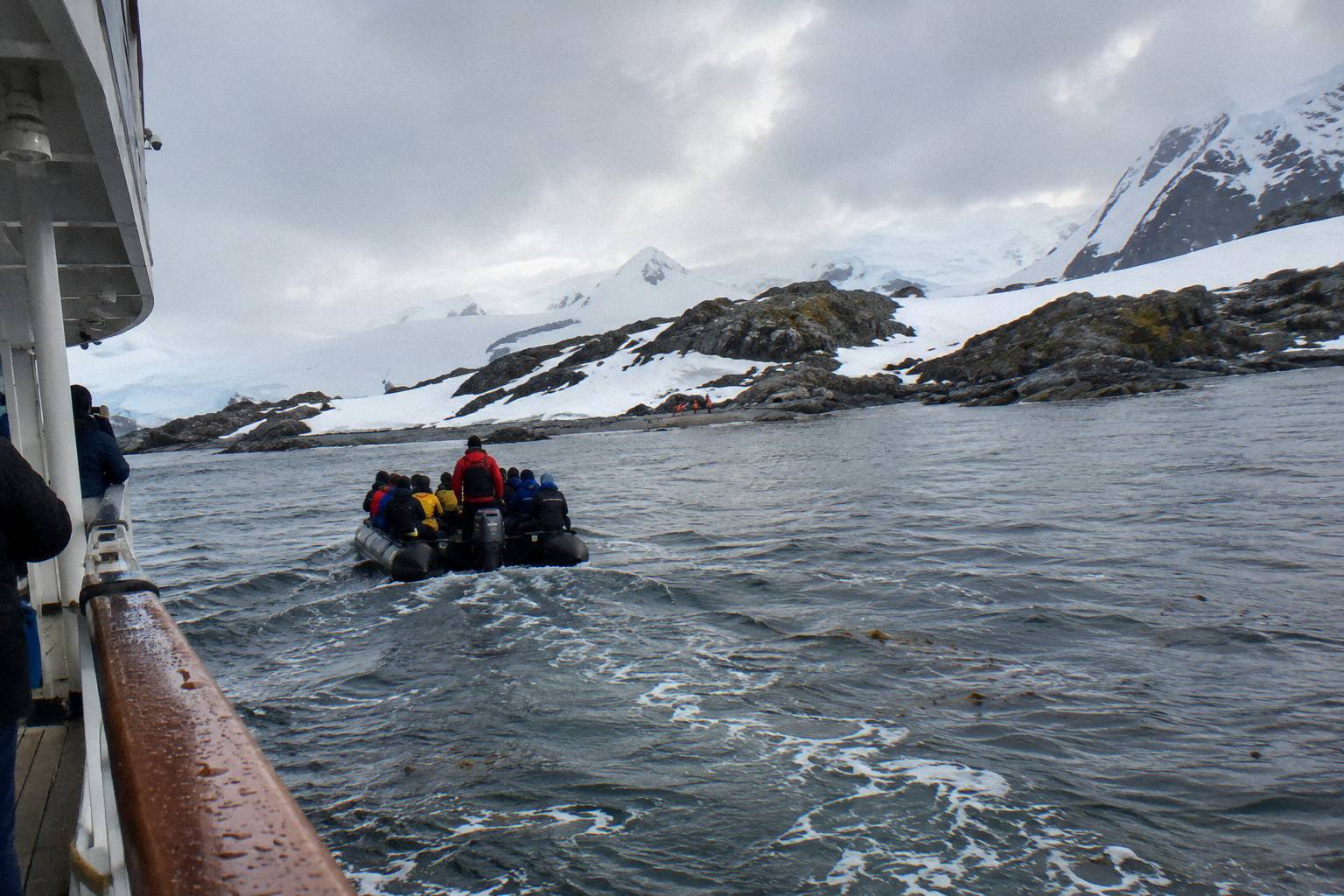
What that means in practice, month by month for the main regions:
| Region | Core Season | What The Window Gives You | The Trade-Off |
|---|---|---|---|
| Antarctica | November to March | Peak wildlife and longest days in December and January | Fares at the top of the range, such as the $22,585 Out Adventures voyage |
| Arctic Norway and Svalbard | June to August | Midnight sun, accessible fjords and wildlife | The narrowest booking window, sells out hardest |
| Iceland and North Atlantic | May to September | Milder weather, full port access | Peak crowds at popular ports |
| Patagonia and Chilean fjords | November to March | Glacier routes open, Ushuaia gateway active | Wind is a real factor for landings |
| Galapagos (Ecuador) | Year-round, with warm and cool seasons | Wildlife activity in every month | Read the Ecuador advisory's social-caution wording |
Within even those windows, the shoulder weeks behave differently. Early-season Antarctic voyages in November see more pristine ice and courtship behaviour among wildlife but colder, shorter days; late-season trips in February and March get warmer air, more whale activity and receding ice that opens some routes while closing others. In Svalbard, the June ice edge sits lower and the August light starts to tilt, changing both the wildlife and the photographic feel of the week. These intra-season differences are why two travellers on the "same" Antarctic cruise can describe entirely different trips, and why the specific departure date matters as much as the itinerary name when you compare fares.
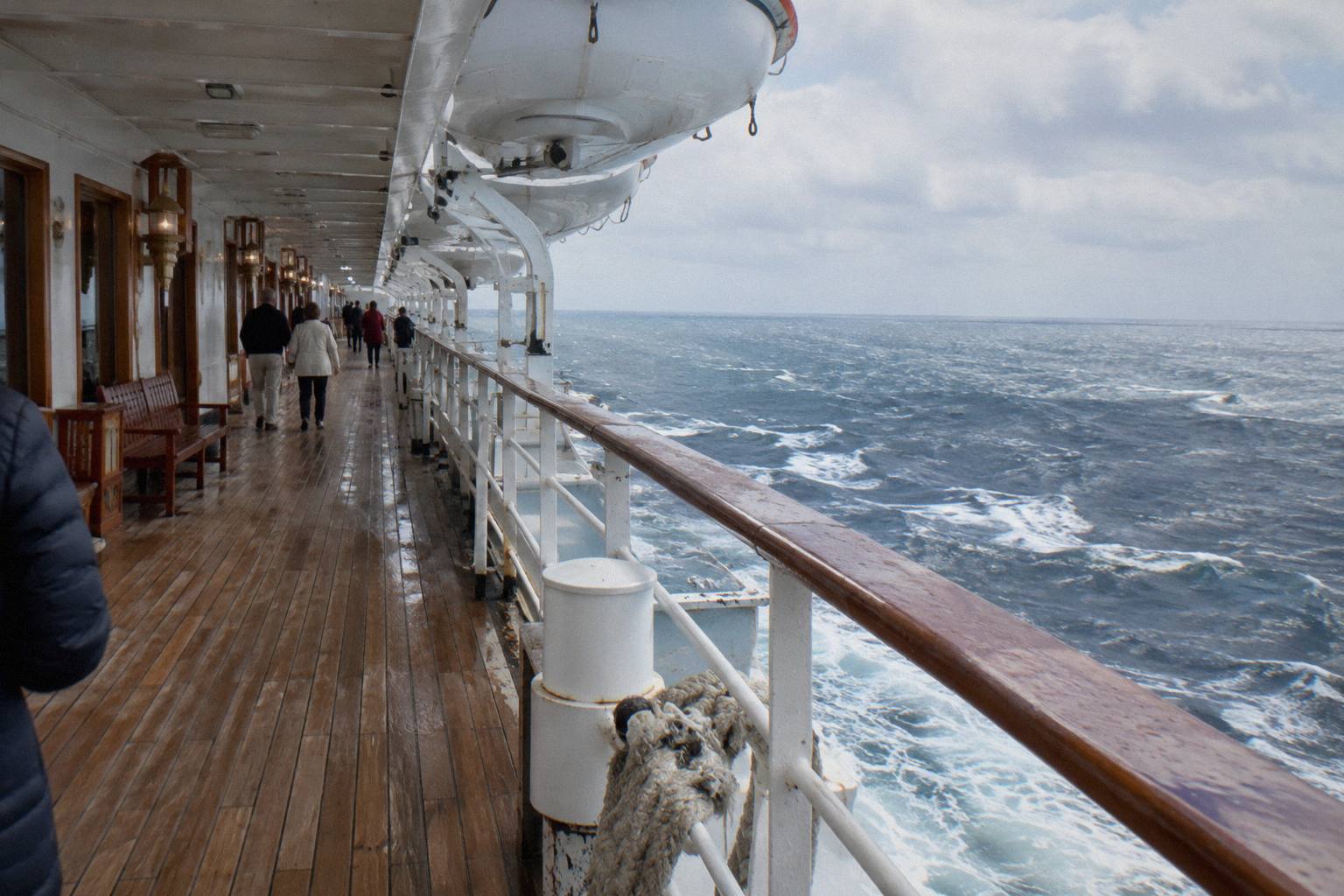
The season decision and the price decision are the same decision on an expedition booking. A February Antarctica sailing and a June Svalbard sailing are different products with different wildlife, different daylight and different fares, and the published per-person figures move with them. Anyone unsure which window matches their tolerance for cold, motion or cost can put the season question to a free consultation before committing to a date.
Ships Used On Gay Expedition Routes
The expedition fleets used by the operators covered here are small purpose-built vessels, led by Le Dumont d'Urville of Ponant and World Navigator of Atlas Ocean Voyages, with Windstar's Star Seeker in the small-ship middle ground. Charter groups on the mainstream side sail larger tonnage, including Scarlet Lady and Resilient Lady of Virgin Voyages at 2,770 guests each. Ship size and ice class decide which landings are possible at all.
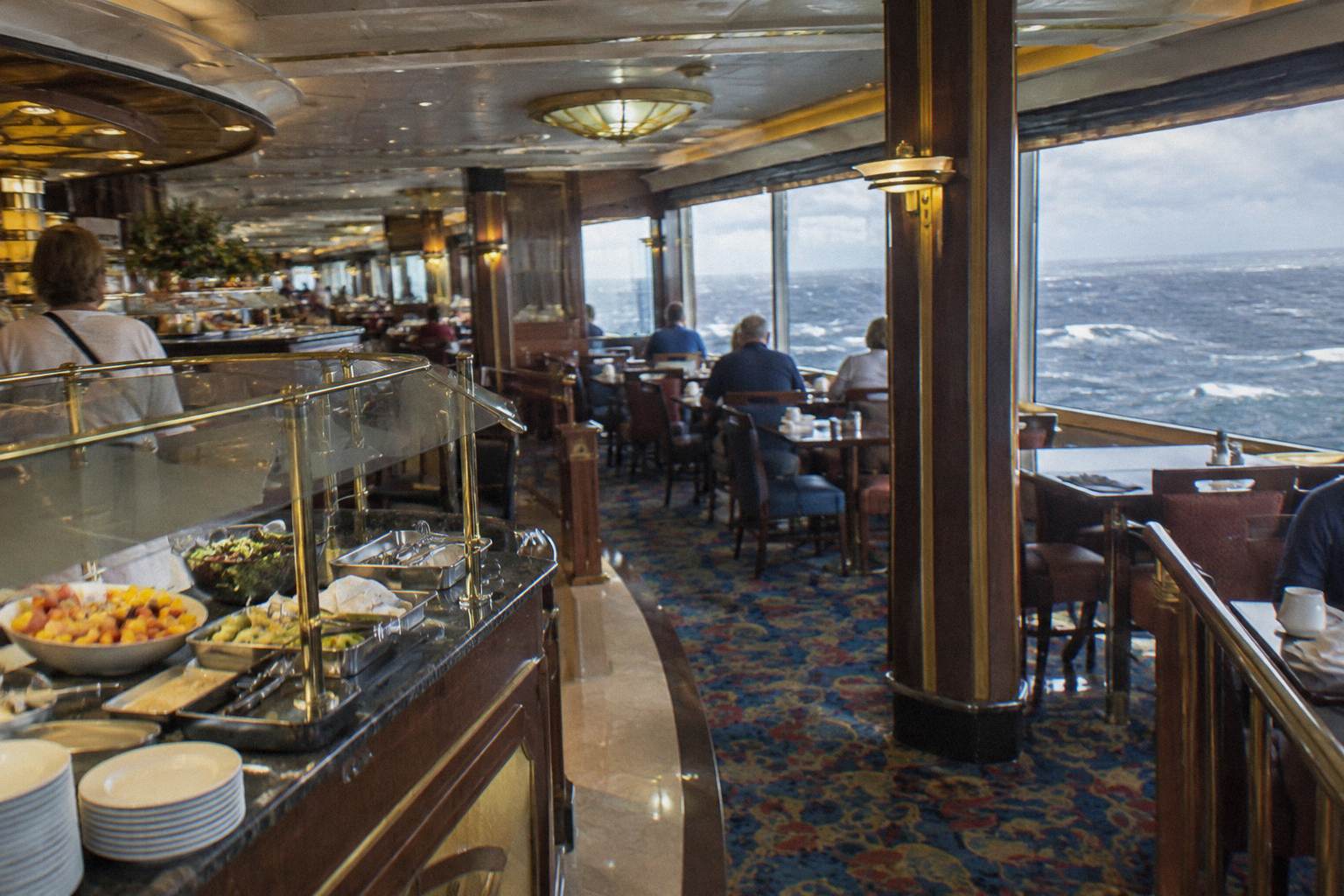
The comparison trio below shows the spread of ships a gay or LGBTQ+ traveller might realistically be choosing between: the mega-ship resort experience of the Virgin Voyages sisters versus a river vessel like Avalon Panorama for the inland-waterways alternative.
| Ship | Type | Guests | Built | Charter operators | Embarks from |
|---|---|---|---|---|---|
| Scarlet LadyVirgin Voyages | Mega Ship | 2,770 | 2020 | Atlantis Events, BearCruise, Big Gay Cruise | Miami, Athens (Piraeus) |
| Resilient LadyVirgin Voyages | Mega Ship | 2,770 | 2022 | Atlantis Events | Miami, Barcelona |
| Avalon PanoramaAvalon Waterways | River Ship | 166 | 2011 | Olivia Travel | Frankfurt |
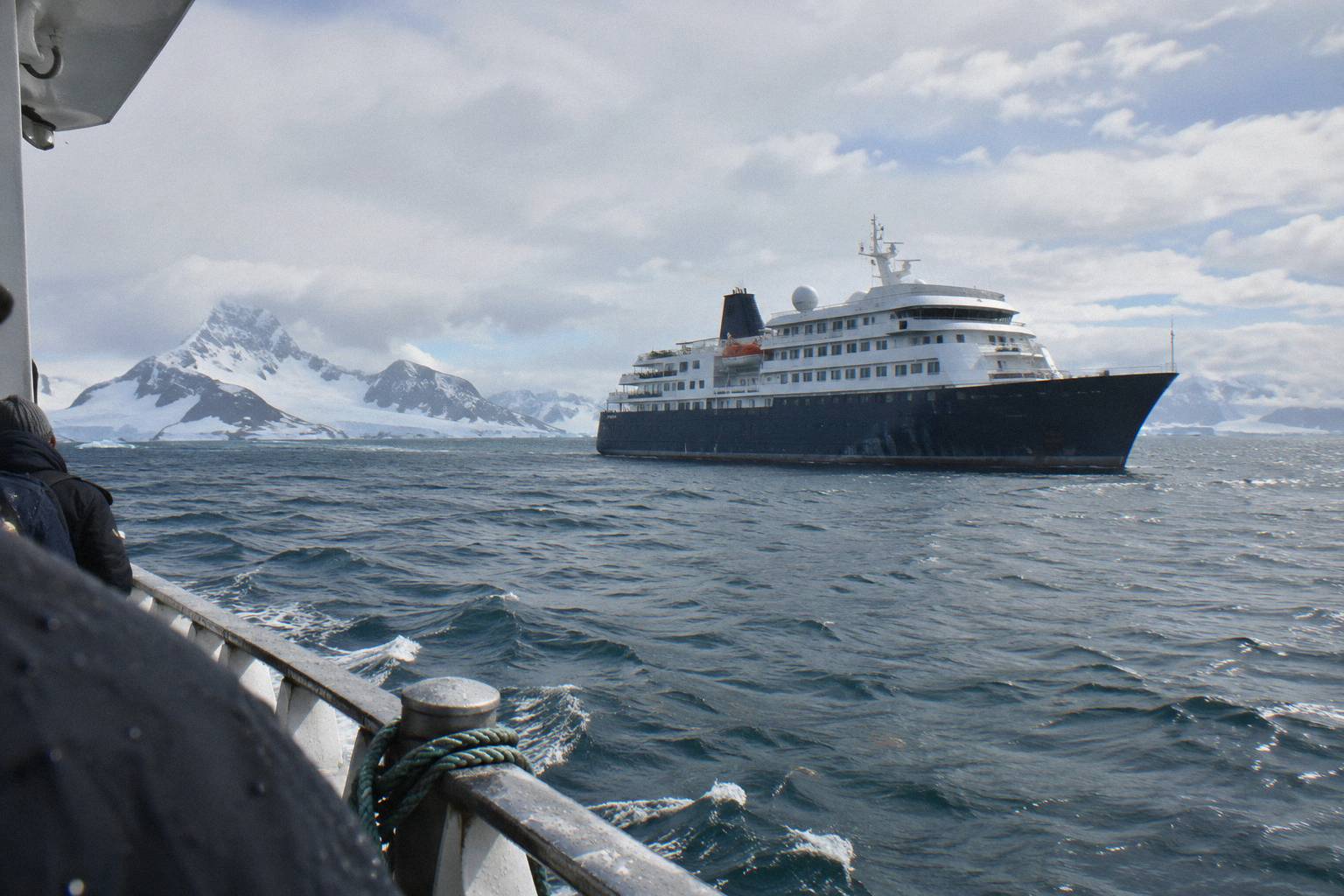
For the true expedition end, two dedicated expedition ships stand out. Le Dumont d'Urville sails for Ponant, the French expedition line whose vessels operate the polar itineraries that brands like Out Adventures build gay group departures around.
World Navigator, from Atlas Ocean Voyages, is the other expedition hull listed, representing the newer entrants in the polar and remote-region market where LGBTQ+ charter and group inventory has been growing.
On the mainstream charter side, Scarlet Lady remains the reference point for what a big-ship gay cruise looks like, and it is the featured ship on this page: a 2,770-guest vessel built in 2020, historically chartered by Atlantis Events in 2020 and hosting Sapphic Sail charters across 2026-2027 sailings. Its guide page sits at Scarlet Lady, ship guide. Sister ship Resilient Lady, built 2022, carries the Waves of Pride charter in September 2026.
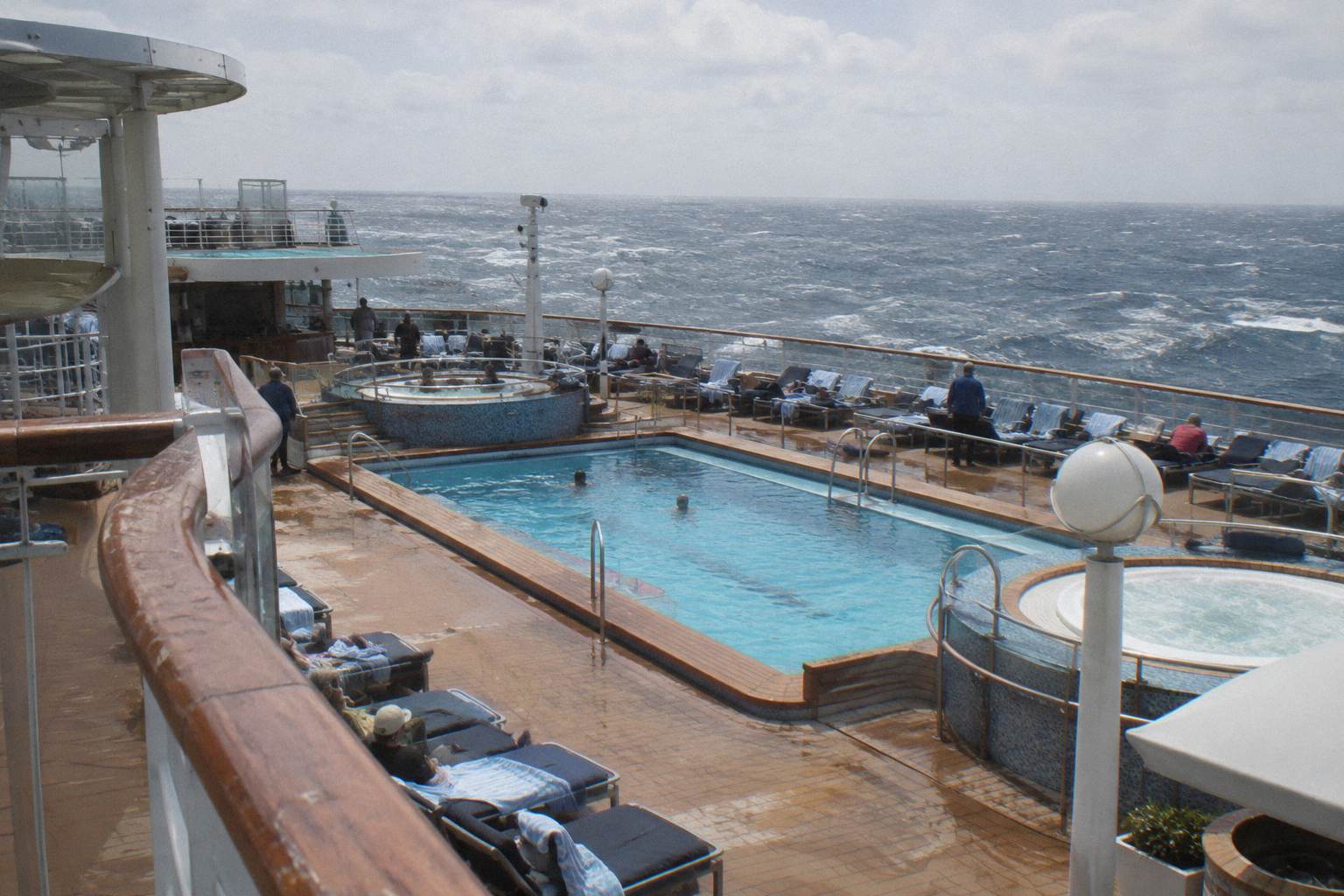
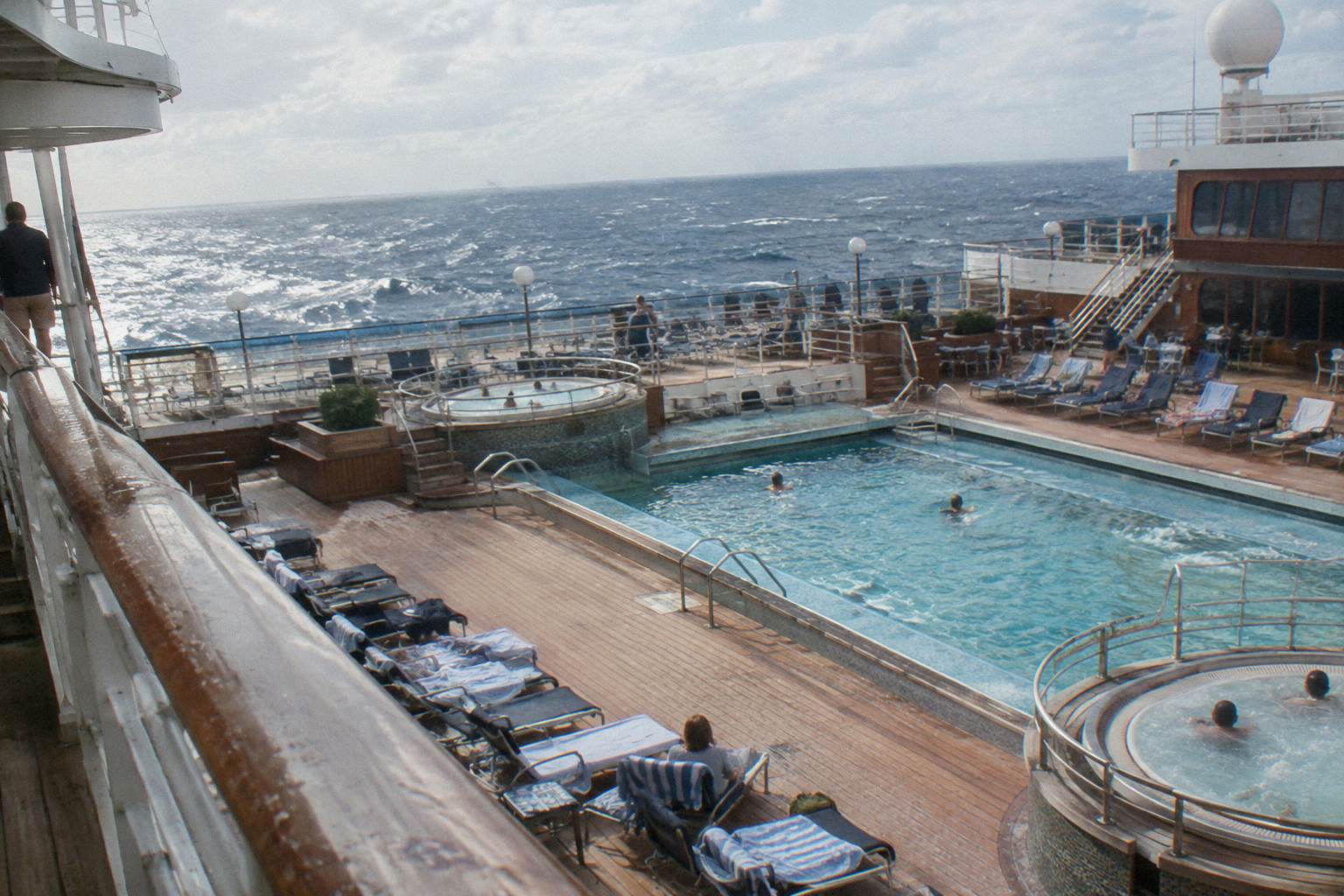
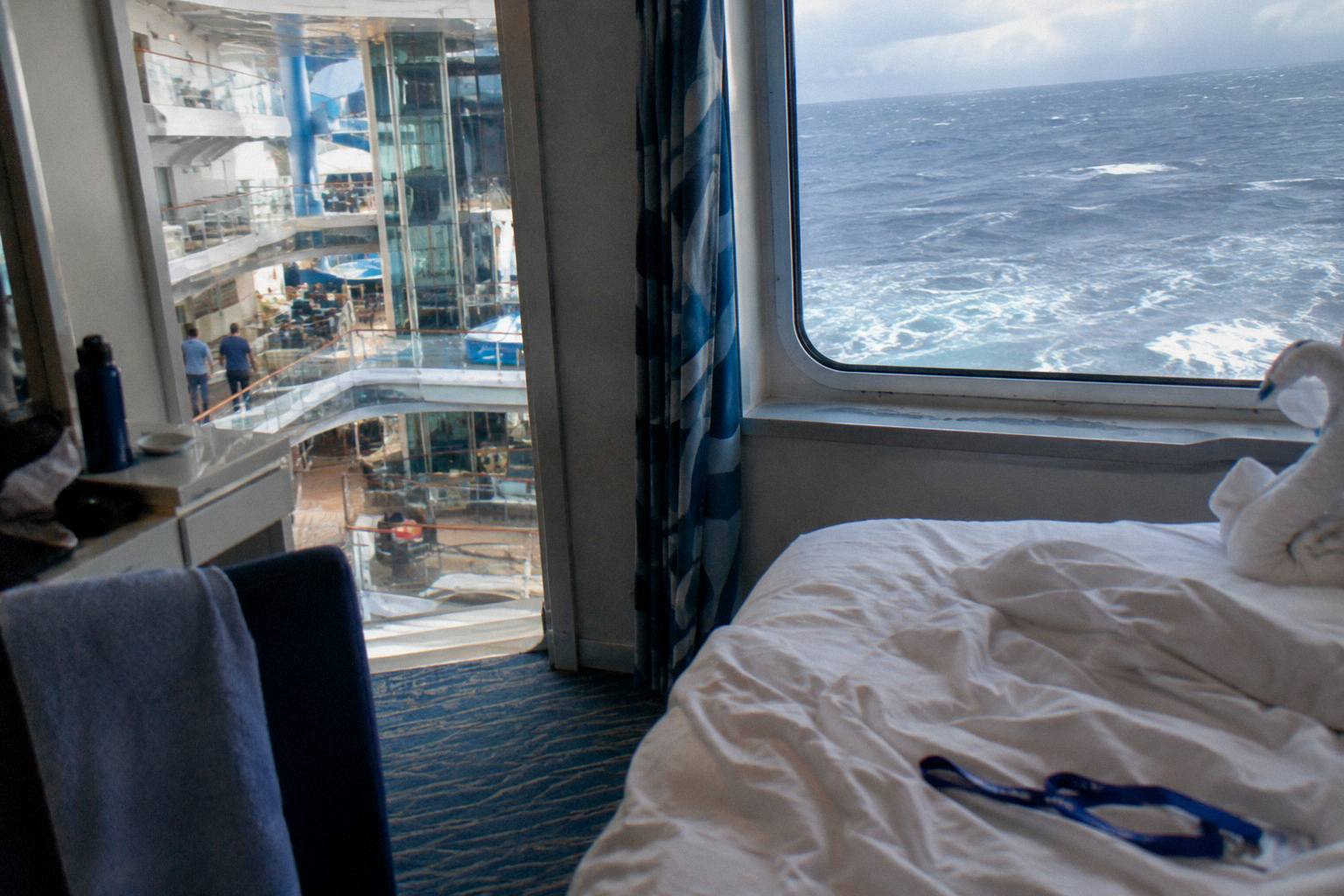
The choice between these and the expedition hulls is really a choice between a resort holiday afloat and a destination-first voyage, and the two experiences share almost nothing but the word cruise. A practical way to test which you actually want: ask what you would do with a sea day. If the honest answer involves a spa, a nightclub and a late dinner, the mega ship is your product, and other large tonnage in this class, such as Eurodam, hosting Olivia departures for LGBTQ+ women, belongs on your shortlist alongside the Virgin ships. If the honest answer involves binoculars, a lecture on ice formations and being first onto the zodiac, the expedition hulls are where your money should go. Some travellers do both in one year, and the operators' calendars make that easy to sequence.
On Shore Safety
The official advisory texts for the expedition port countries give LGBTQ+ travellers a clean legal bill and one social caution, Ecuador's note on conservative attitudes and societal discrimination. Beyond orientation-specific advice, on-shore safety in expedition ports is dominated by ordinary logistics: extreme weather, remote medical care, strict Antarctic treaty rules and Zodiac landing procedures. Treat the legal table as settled and put your attention on weather and distance from help.
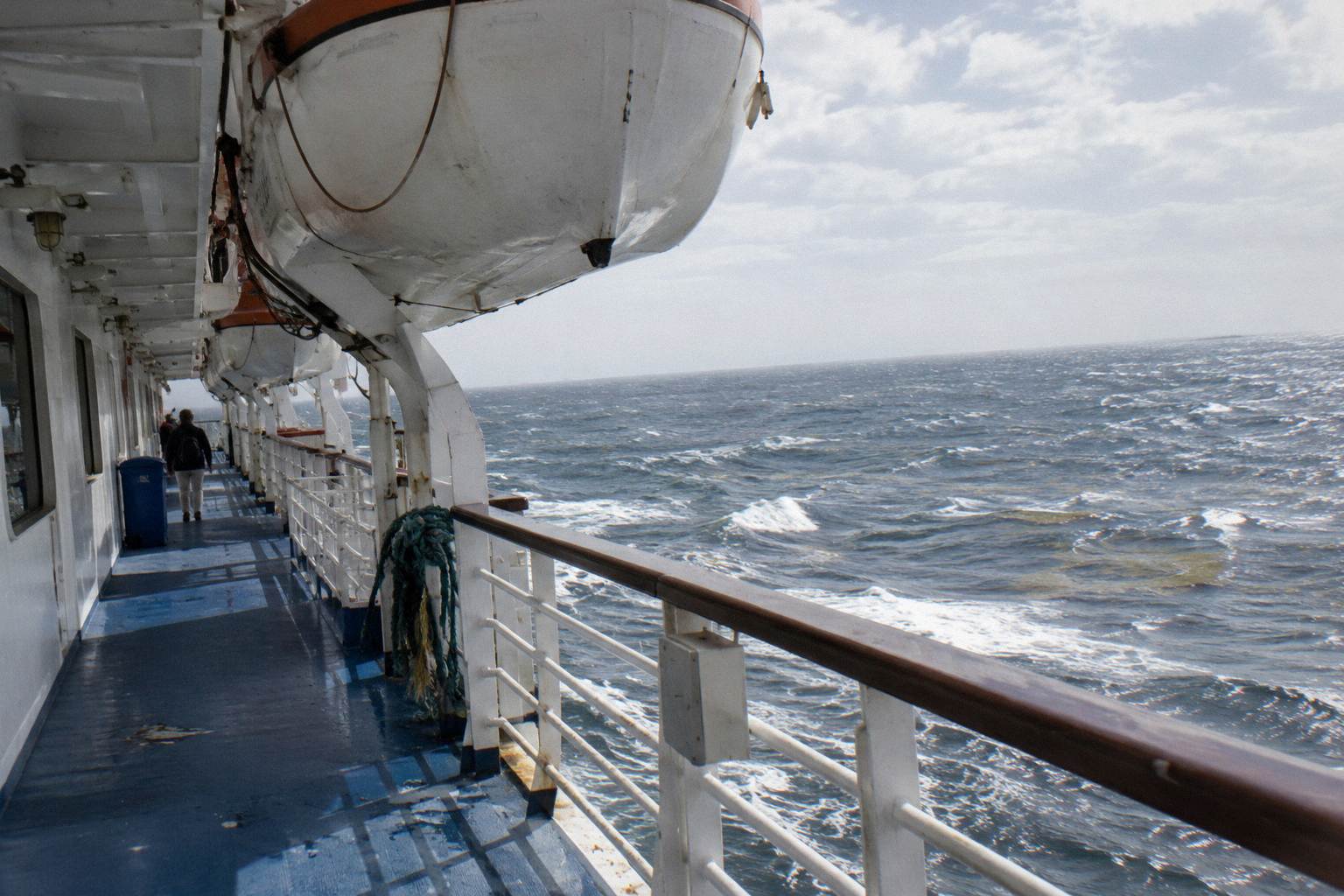
The orientation-specific guidance is short because the law is short. Iceland's FCDO page states same-sex sexual activity is legal and relationships are recognised, and points LGBT+ travellers to further advice. Norway's US State Department guidance states there are no legal restrictions on consensual same-sex sexual relations. Argentina and Chile are full marriage-equality jurisdictions. The practical reading: in Nordic and South American expedition ports, an LGBTQ+ couple faces no legal exposure and no advisory-level caution beyond what any traveller gets. Ecuador alone asks for situational awareness, per its advisory wording on conservative attitudes.
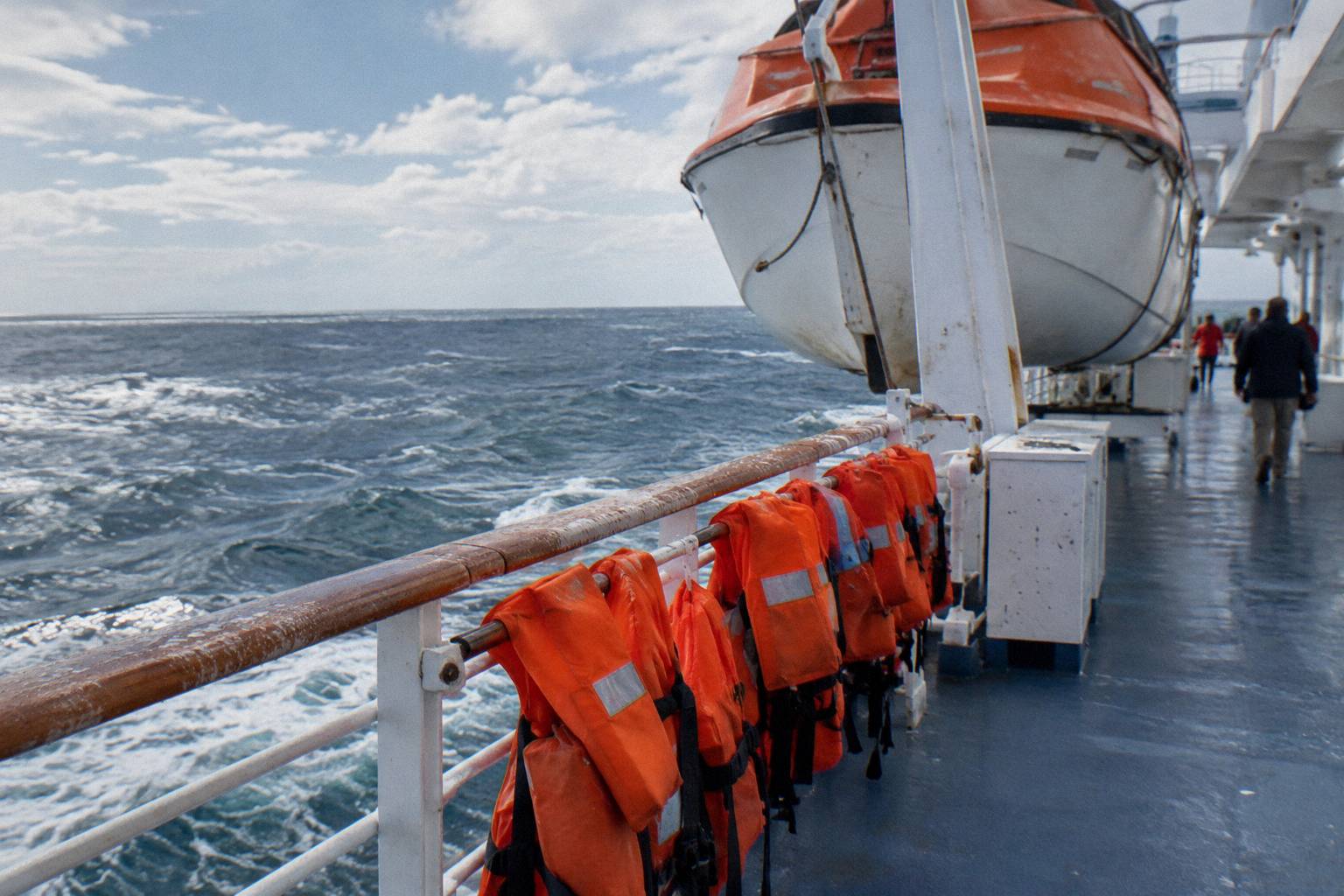
The expedition-specific layer is bigger. Weather cancels landings, and landings are the product, so build slack into any post-cruise flight plans rather than booking a tight connection the day a voyage ends; the advisory pages for these regions all treat weather disruption as normal. Medical care in polar regions is distant by definition, which is why expedition operators screen health forms and carry medical staff. In Antarctica, treaty rules govern everything from where you may step to how close you may approach wildlife, and briefings on board are mandatory, not optional theatre. None of this is a warning against going; it is the operating reality of the product, and the operators' own published rules, which govern conduct on any Gay Cruises charter or group sailing, state it plainly.
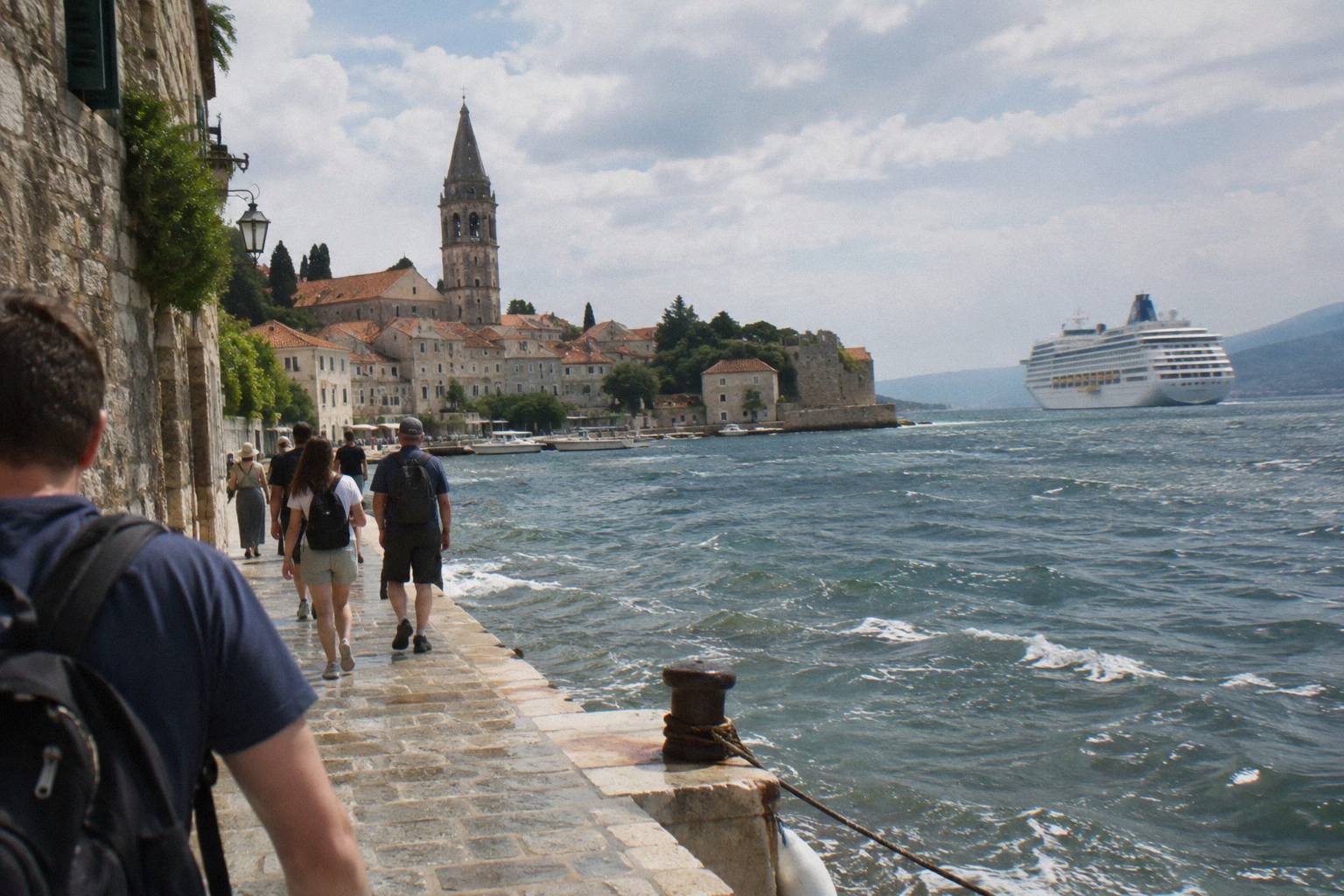
A few concrete habits close most of the remaining gap. Dress in more layers than the forecast suggests, because zodiac rides generate wind chill the town thermometer does not show. Carry the ship's card or a port map, since expedition towns have patchy signage and quieter streets than any Caribbean call. Keep phone batteries warm, because cold drains them far faster than the battery meter predicts, and a dead phone in a foreign small port is an avoidable problem. Attend the daily briefings even when they seem repetitive, because landing plans change morning-of and the announcement is where you learn your zodiac group has moved up an hour.
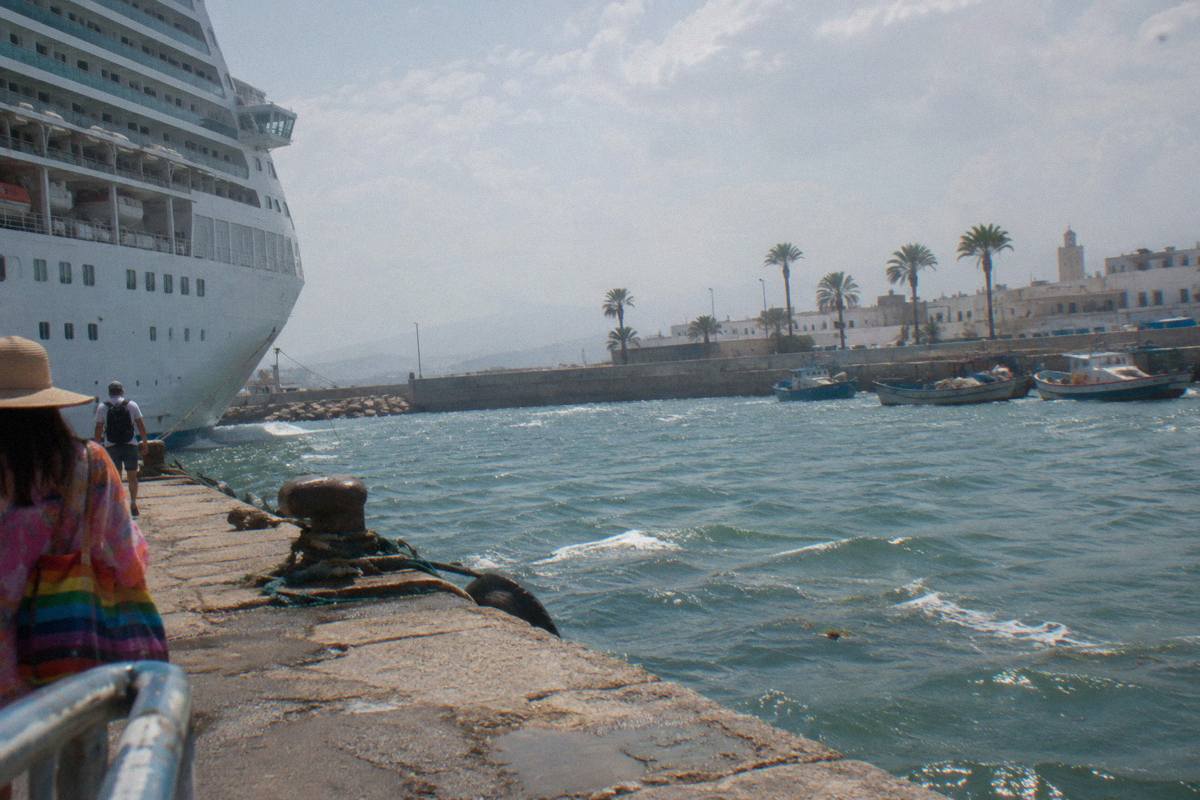
A final practical note on shore days in small ports: cash, layers and a return-time margin solve more problems than any app. Expedition towns are small, seasonal and often cash-preferred at the margins, and the ship will not wait past its published departure. The mistakes section below covers the booking-side errors that cost real money; this section's job is the walking-around-side, and the advisory texts support exactly what is written here and nothing more.
Mistakes That Trip Up First Time Expedition Cruisers
The costliest mistakes in the dataset are timing mistakes: waiting on a voyage whose class already shows sold out or waitlist, booking the wrong month for the region's season, comparing a mega-ship charter fare against an expedition fare as if they were the same product, and flying home the day the ship docks. With 29 of 90 sailings showing sold out or waitlist, this end of the market punishes late deciders harder than any other.
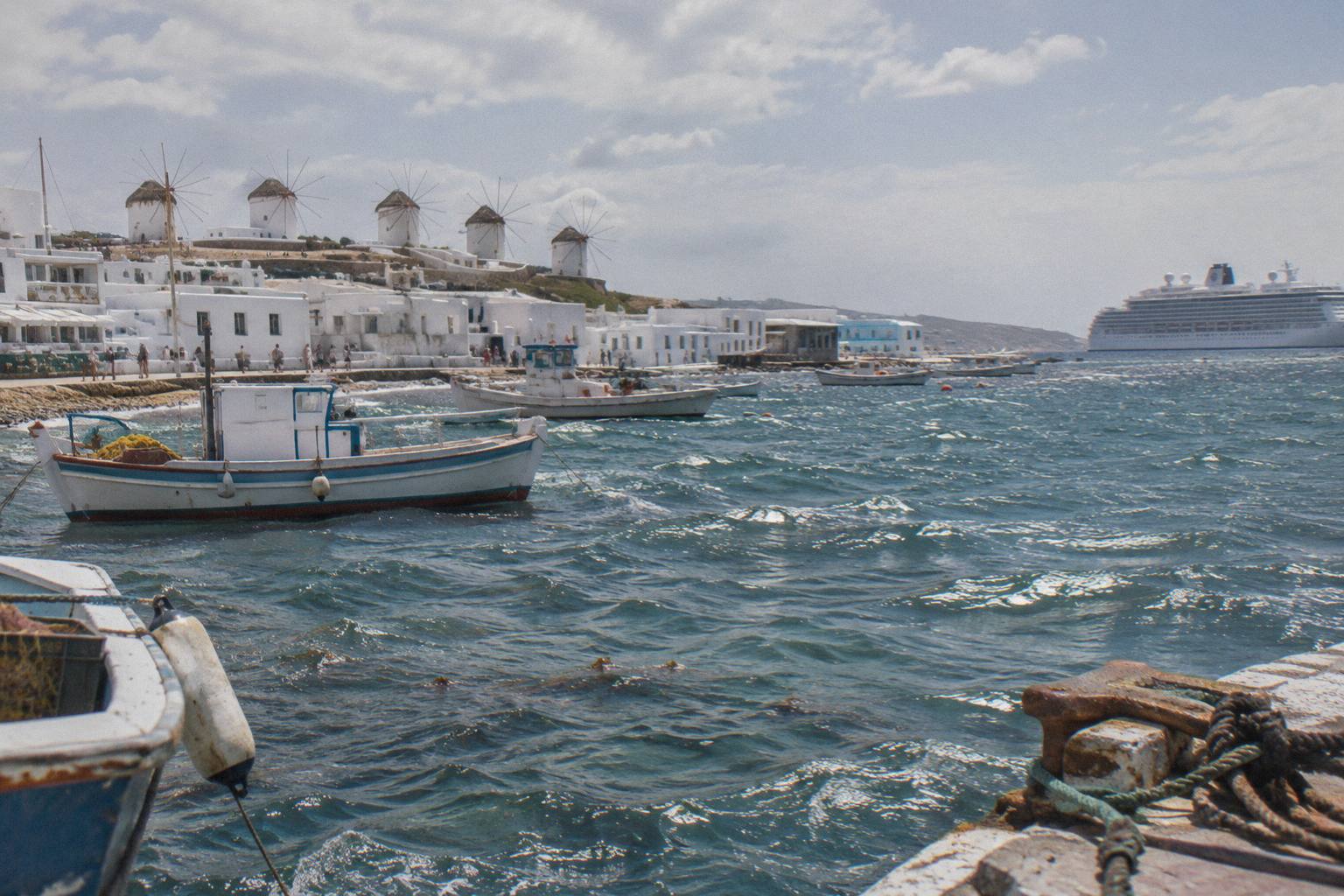
The first mistake is treating expedition inventory like Caribbean inventory. It is not. VACAYA's 2026-2028 trips are sold out; Out Adventures' two sailings show sold out; even the larger Brand g calendar has 5 of 24 departures flagged. A reasonable planning horizon is a year or more ahead, and the published fares are lowest-cabin starting points, not the number for a balcony on a polar crossing.
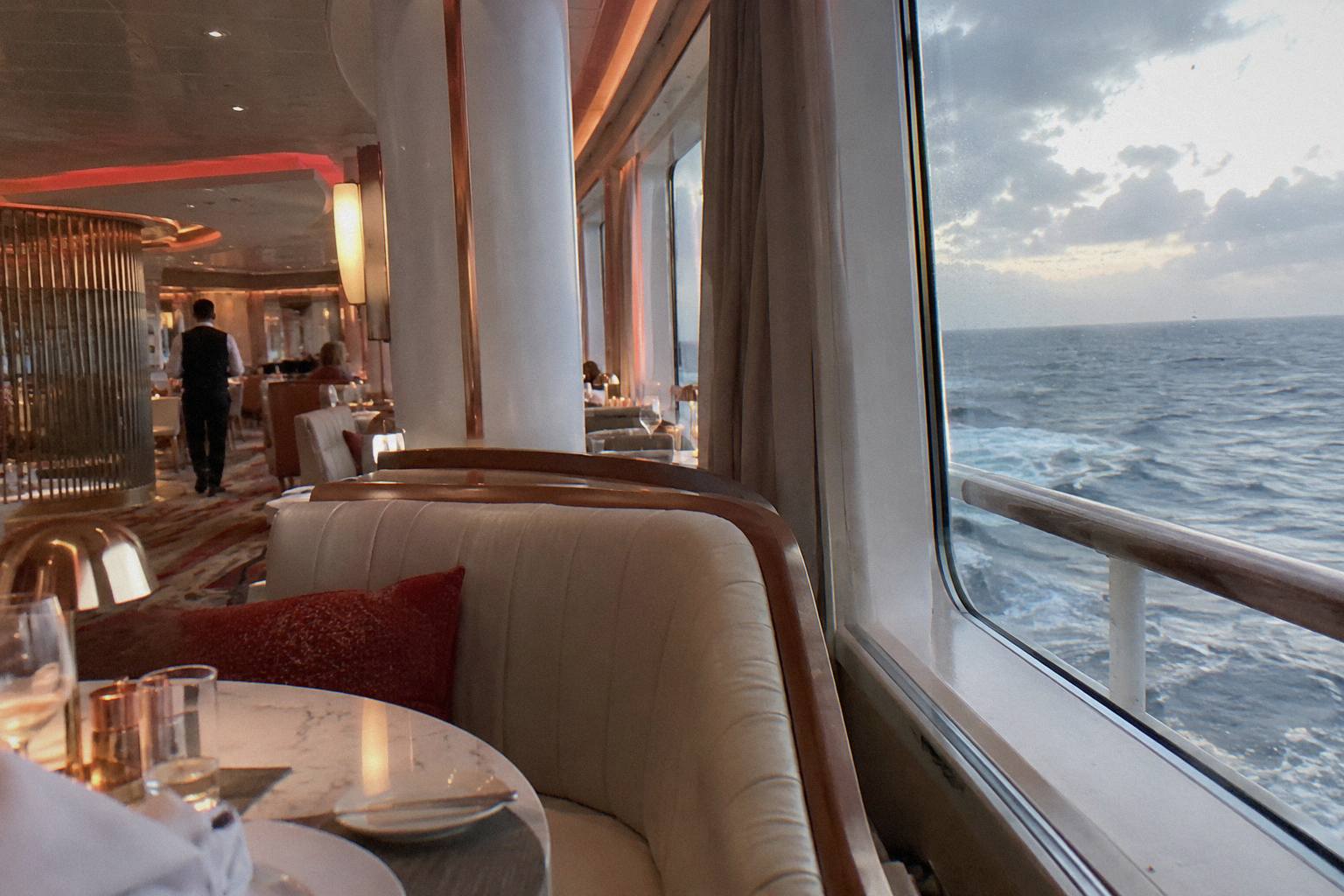
The second is fare-category confusion. A $1,199 Atlantis interior and a $22,585 Antarctica voyage are both per-person cruise fares and share nothing else. Comparing them decides nothing; the honest comparison is within region and ship class. The third is season error, booking Patagonia in its winter or Svalbard in its dark months, which the calendar table above exists to prevent. The fourth is the tight post-voyage flight: expedition ships run late, and the operators themselves treat weather delay as routine. The fifth is skipping the fine print on what an expedition fare includes versus a mainstream one, because inclusions differ by operator, so ask before assuming.
Two softer mistakes deserve a mention because they are common in group travel of any kind. One is booking the operator before checking the audience fit: a mixed LGBTQ+ sailing, a gay-men-focused product and a family departure are different weeks at sea, and the operator descriptions in the table above exist precisely so you can match the room to yourself. The other is under-preparing for the physical reality of expedition days, where boarding a zodiac from a moving gangway and walking on wet rock are ordinary activities; if mobility or balance is a concern, raise it with the operator or your planning partner before deposit day, not at the gangway. Neither mistake is expensive to avoid, and both are expensive to discover mid-voyage.
Common Questions About Gay Expedition Cruises
Are there gay expedition cruises to Antarctica?
Yes. Out Adventures lists an Antarctica voyage at $22,585 per person in the lowest cabin category, and VACAYA has run high-end expedition itineraries, though its 2026-2028 trips show sold out. Availability moves fast in this segment, so check current status before planning around any published date.
Is a gay expedition cruise more expensive than a regular gay cruise?
Substantially, yes. Mainstream charter interior fares run from about $1,199 per person, while expedition products start around $7,495 and reach $22,585 per person at the lowest-cabin level. The two price a different product: remote destinations, small ships and included expedition programming versus a resort ship.
Which ships do gay expedition charters actually use?
Dedicated expedition ships include Le Dumont d'Urville (Ponant) and World Navigator (Atlas Ocean Voyages), with Windstar's Star Seeker in the small-ship tier. Charter groups on the mainstream side use larger tonnage such as Scarlet Lady and Resilient Lady, both 2,770-guest Virgin Voyages vessels.
Is it safe to be openly gay in expedition ports?
Official advice states same-sex relations are legal in Norway, Iceland, Argentina, Chile and Ecuador, with marriage legal in Argentina since 2010 and Chile since 2022. Ecuador's advisory alone adds that local attitudes can be conservative and societal discrimination exists. The Nordic and South American gateway ports carry no such caution.
When is the best season for a gay expedition cruise?
Antarctica runs the austral summer, November to March; Arctic Norway and Iceland run June to August and May to September; Patagonia routes cluster from November to March. The operator calendars match these windows, with the polar departures falling in December through February.
Do gay expedition sailings sell out quickly?
Yes: 29 of 90 sailings show sold out or waitlist, and VACAYA's full expedition calendar plus both Out Adventures sailings are in that group. Planning a year or more ahead is the realistic approach for this segment.
More Regions And Ports
 Caribbean Gay CruiseGay charters, port laws and ship picks for a Caribbean gay cruise.Read the guide
 MediterraneanGay charters, ships and port-by-port legal advice for the Mediterranean.Read the guide
 Greek IslesGay charters from Athens across the Greek Isles: operators, ships, laws and season.Read the guide
 Gay Europe CruisesCharters, port laws, ships and season advice for a gay Europe cruise.Read the guide