Wifi, Phones And Staying Connected On A Gay Cruise
Wifi on a gay cruise works the way wifi works on any cruise ship, with a few charter-specific quirks around apps, group chats and port-day data. Here is what the operators and lines actually publish, and how to plan around the weak spots.
This page sits in Planning And Onboard Guides, the hub that covers everything from choosing an operator to life on board.
Quick Facts
| Fact | Value |
|---|---|
| Charter and group sailings tracked across 11 operators | 90 |
| Sailings showing sold out or waitlist | 29 of 90 |
| Atlantis Events, founded | 1991 |
| Atlantis interior fares on current 7-9 night sailings | From $1,199 to $1,799 per person |
| VACAYA fare range across 2026-2028 trips | About $3,700 to $12,500+ per person |
| Olivia Travel upcoming sailings | 19 |
| Brand g Vacations lowest cabin fares | About $4,900 (Rhine) to $22,300 (Philippines, Taiwan, Japan) |
| Mega ship guest counts | 2,770 (Virgin Voyages ships) to 3,260 (Celebrity Beyond) |
How Does Wifi Actually Work On A Gay Cruise?
The wifi on a gay cruise is provided by the cruise line that owns the ship, not by the charter brand whose name is on the sailing. When Atlantis, VACAYA or Olivia charters a vessel, the ship's existing internet service, its pricing and its package tiers stay exactly as the line runs them every other week of the year. That means you research connectivity by ship, not by party.
A gay cruise is, technically, a full-ship charter. An operator like Atlantis Events, founded in 1991, takes over an entire vessel, brings its own entertainers, theme parties and programming, and sells the cabins itself. What it does not bring is its own satellite dish. The internet on board is the same system the host line uses on every sailing, run by the same provider, at the same speeds and prices the line publishes.
This matters for planning. If your sailing is on a mega ship such as Allure of the Seas or Celebrity Beyond, the connectivity picture is the one Royal Caribbean or Celebrity Cruises describe on their own pages, and those pages are where you should check package names and prices before you sail. If it is on an expedition ship like World Navigator or World Traveller from Atlas Ocean Voyages, or a river ship like Delfin III, the picture is different again, and in some cases the operator page does not state an internet inclusion at all, in which case you ask before booking rather than assume.
One practical upshot: your cabin number, deck and dining are set by the charter, but your login, your package and your billing for wifi go through the line's own portal once on board. Keep the sailing documents the charter sends you, and separately note which line operates the ship, because that is the name you will search for package details.
What Does Wifi Cost On Board, And When Should You Buy It?
Internet on a cruise ship is almost never bundled into the fare on mainstream mega ships: it is sold as a package, priced per person, per day or per voyage, and the line's own site lists the current tiers. Booking the package before departure, through the line's pre-cruise area, is often cheaper than buying it once on board, and some tiers only exist pre-cruise. Prices move, so read the line's page for your ship rather than a summary.
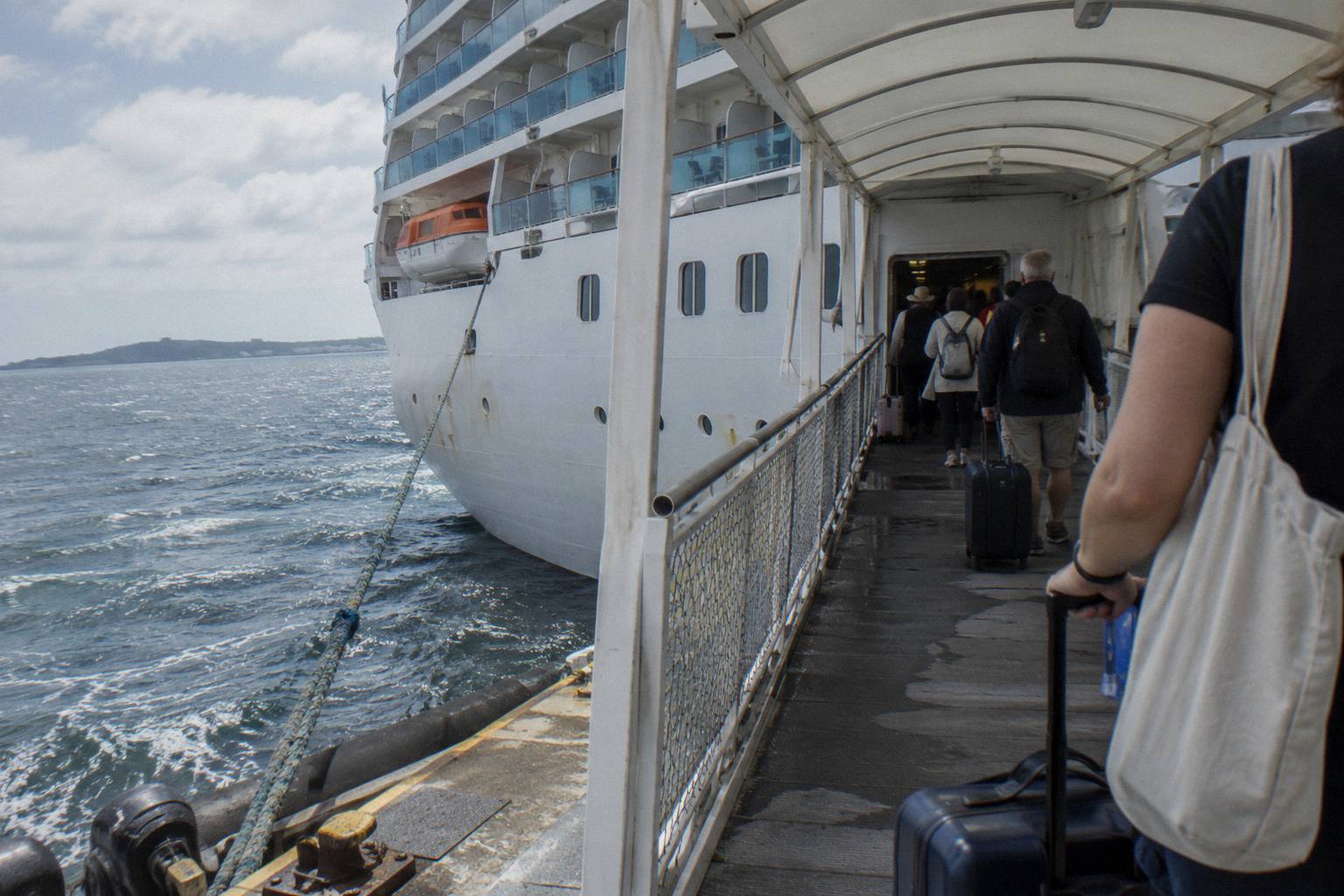
The reason to research this early is that wifi is one of the few cruise costs that behaves like an airline seat: the same package can cost differently depending on when and where you buy it, and the on-board desk has no flexibility. The line's pre-cruise checkout is the place to compare a social-messaging-only tier against a full-streaming tier, and to decide whether one device or every device in the cabin needs coverage.
For a gay cruise specifically, think about how you will actually use data. Charter sailings run on group energy: shared calendars, deck-plan group chats, last-minute party venue changes announced in an app or a chat thread. Messaging tiers are cheap and handle that load comfortably. Video calls and streaming are where the expensive tiers earn their keep, and where sea-day congestion makes even expensive tiers feel slow.
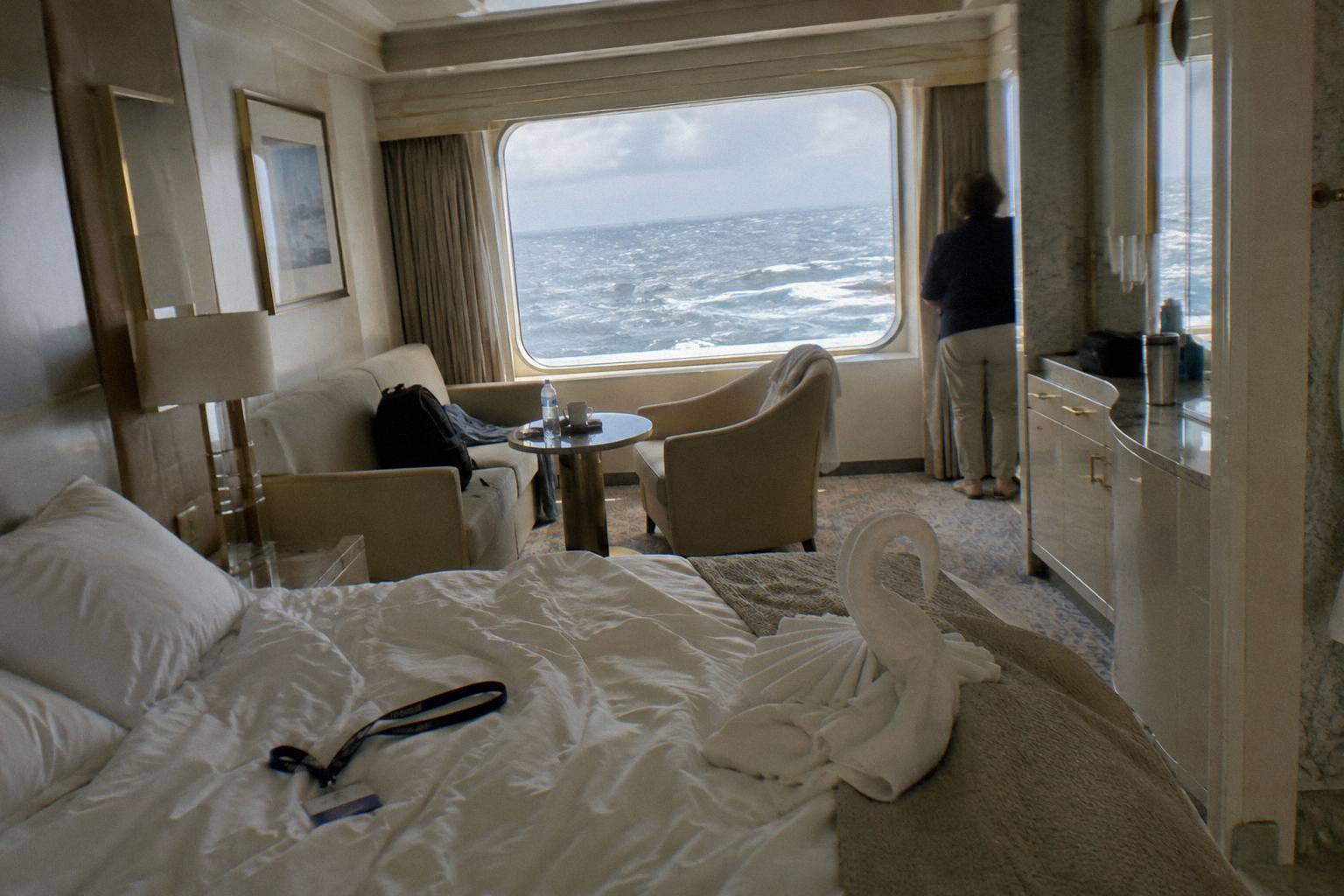
A second, honest caution: the sailing status of the charter itself matters more than any wifi tier. Of the 90 charter and group sailings tracked across 11 operators, 29 showed sold out or waitlist status, including every VACAYA trip on the board. Securing the cabin comes first; the wifi package can wait until you have a booking to attach it to. If you are weighing operators and price points, get free help choosing a sailing before you spend time comparing internet tiers for ships you may not sail on.
| Connectivity Decision | What To Know | When To Act |
|---|---|---|
| Package tier | Messaging-only tiers cover chat apps; streaming tiers cost more and sell the speed to match | Compare on the host line's page before the sailing |
| Purchase timing | Pre-cruise purchase through the line is often priced below on-board rates | After the charter booking is confirmed |
| Devices | Packages are usually per device, so a cabin of two may need two packages or a shared plan | Before departure |
| Loyalty status | Higher tiers in the host line's loyalty programme sometimes include basic wifi | Check before buying anything |
| Port days | Terrestrial networks in port are almost always faster than the ship at anchor | Plan downloads and calls for port days |
The same caution about published fares applies to connectivity. The operators' fare information focuses on cabin price, entertainment and events, not internet inclusion, and several do not state a wifi policy at all. Where an operator page is silent, the honest answer is to ask before booking. Never assume a luxury fare includes connectivity: river and expedition fares sometimes do, and mainstream mega ship charters almost never do.
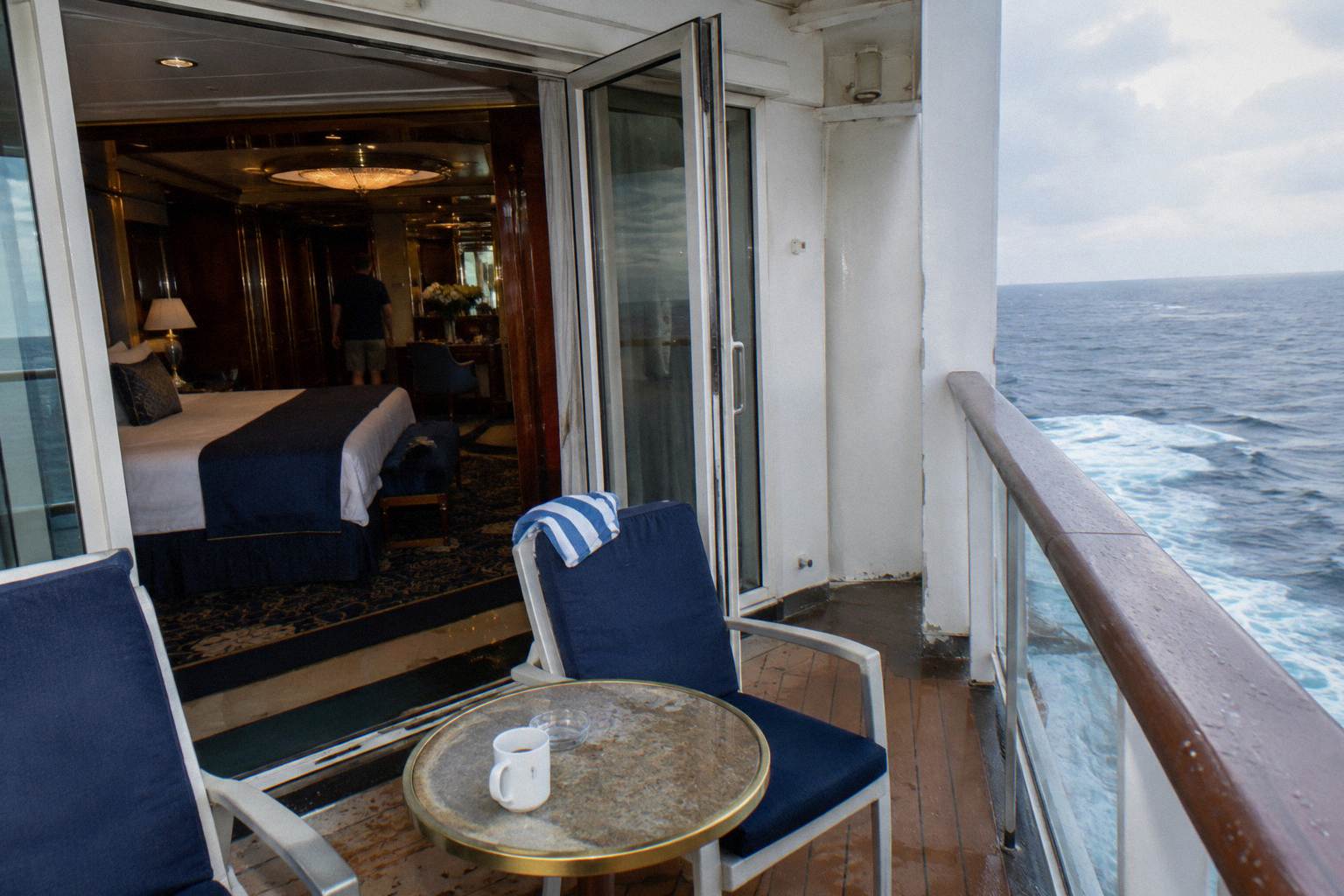
Looking across the operators with upcoming sailings, the published price data says a lot about fare structure and nothing directly about wifi. Atlantis Events lists interior fares from $1,199 to $1,799 per person on its current 7-9 night sailings. Olivia Travel's range runs from about $999 for a Holland America interior to $6,899 and above for river and expedition product. Brand g Vacations spans roughly $4,900 on the Rhine to $22,300 for its Philippines, Taiwan and Japan luxury sailing, and Source Journeys lists fares of about $6,900 to $13,900.
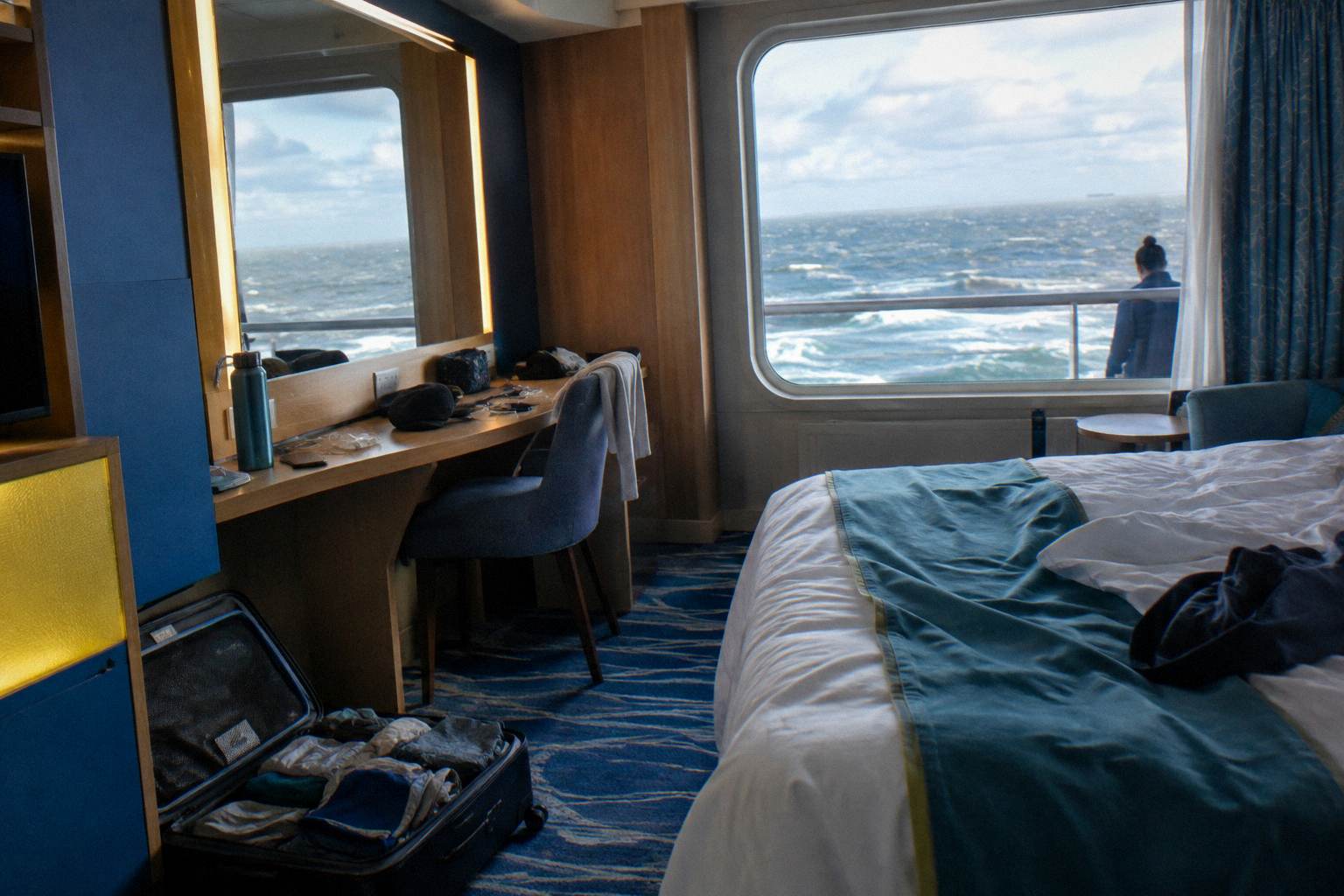
None of those fare quotes, as published, break out an internet line item, and these charter operators do not publish wifi inclusions. That is normal: connectivity is a ship-level detail, and the operators' marketing pages talk about parties, ports and performers. The right question to ask any operator or agency before booking is whether the host line's wifi is included in the charter fare, sold at a discount through the charter, or bought directly from the line. The answer varies ship by ship even within one operator's calendar, because Atlantis alone sails across multiple host lines.
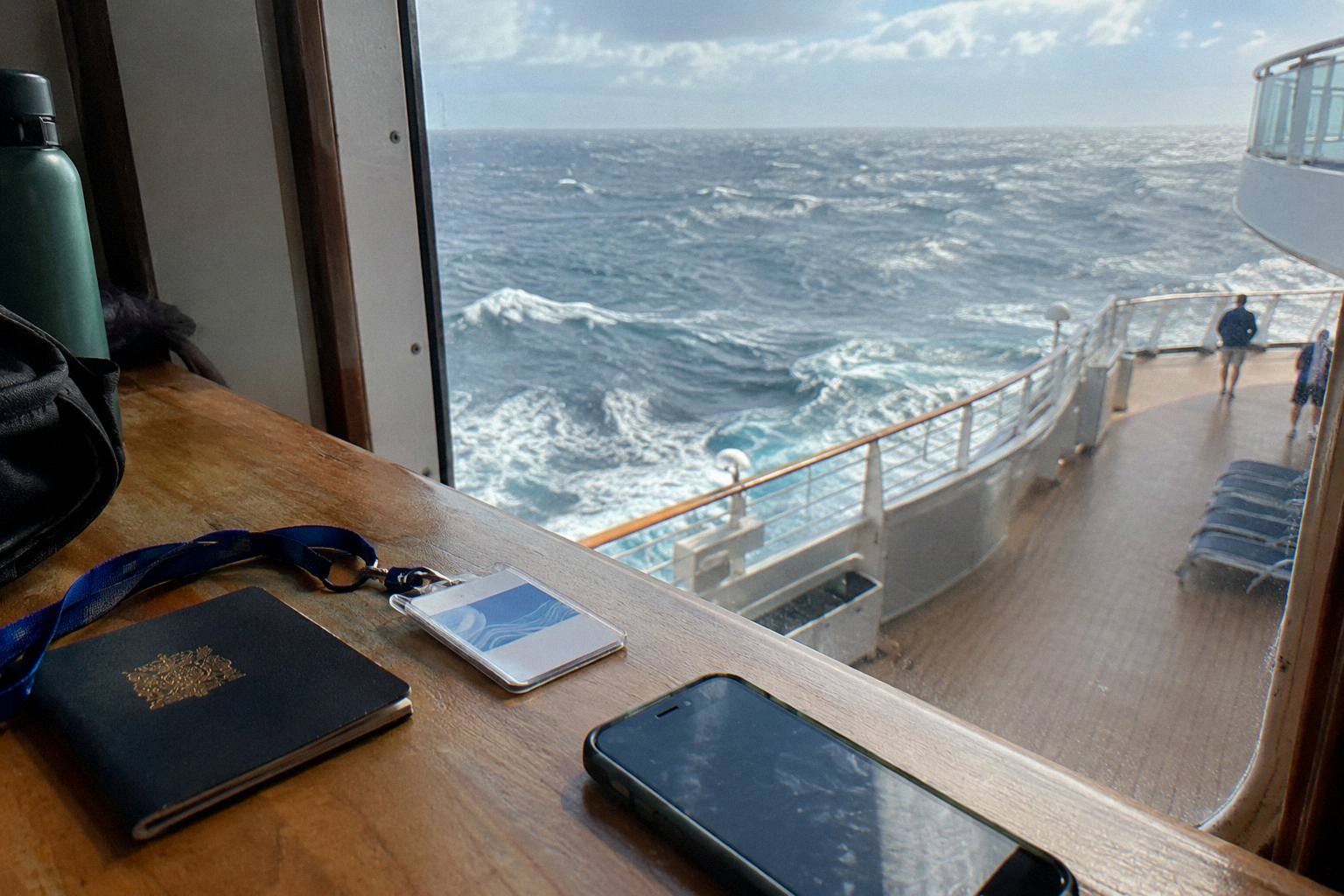
Waves of Pride, with one sailing on the board priced from $1,609.40 covering fare, taxes and gratuities plus a separate $149-199 entertainment fee, is a good example of why you read the fine print: the published inclusions answer some questions and leave others, like internet, unstated. If the connectivity answer changes which sailing you pick, that is a decision moment, and a free consultation can settle it before you commit to a fare.
| Operator | Upcoming Sailings | Sold Out Or Waitlist | Published Fare Basis |
|---|---|---|---|
| Brand g Vacations | 24 | 5 | About $4,900 to $22,300 per person, lowest cabin |
| Olivia Travel | 19 | 10 | About $999 to $6,899+ per person |
| VACAYA | 8 | 8 | About $3,700 to $12,500+ per person |
| Atlantis Events | 6 | 4 | Interior from $1,199 to $1,799 (7-9 nights) |
| BearCruise | 6 | 0 | Not published |
| KelliGregg Travel / R Family Vacations | 13 | 0 | Not published |
| Big Gay Cruise | 6 | 0 | Not published |
| Source Journeys / Source Events | 3 | 0 | About $6,900 to $13,900 per person |
| Out Adventures | 2 | 2 | $7,495 to $22,585 per person |
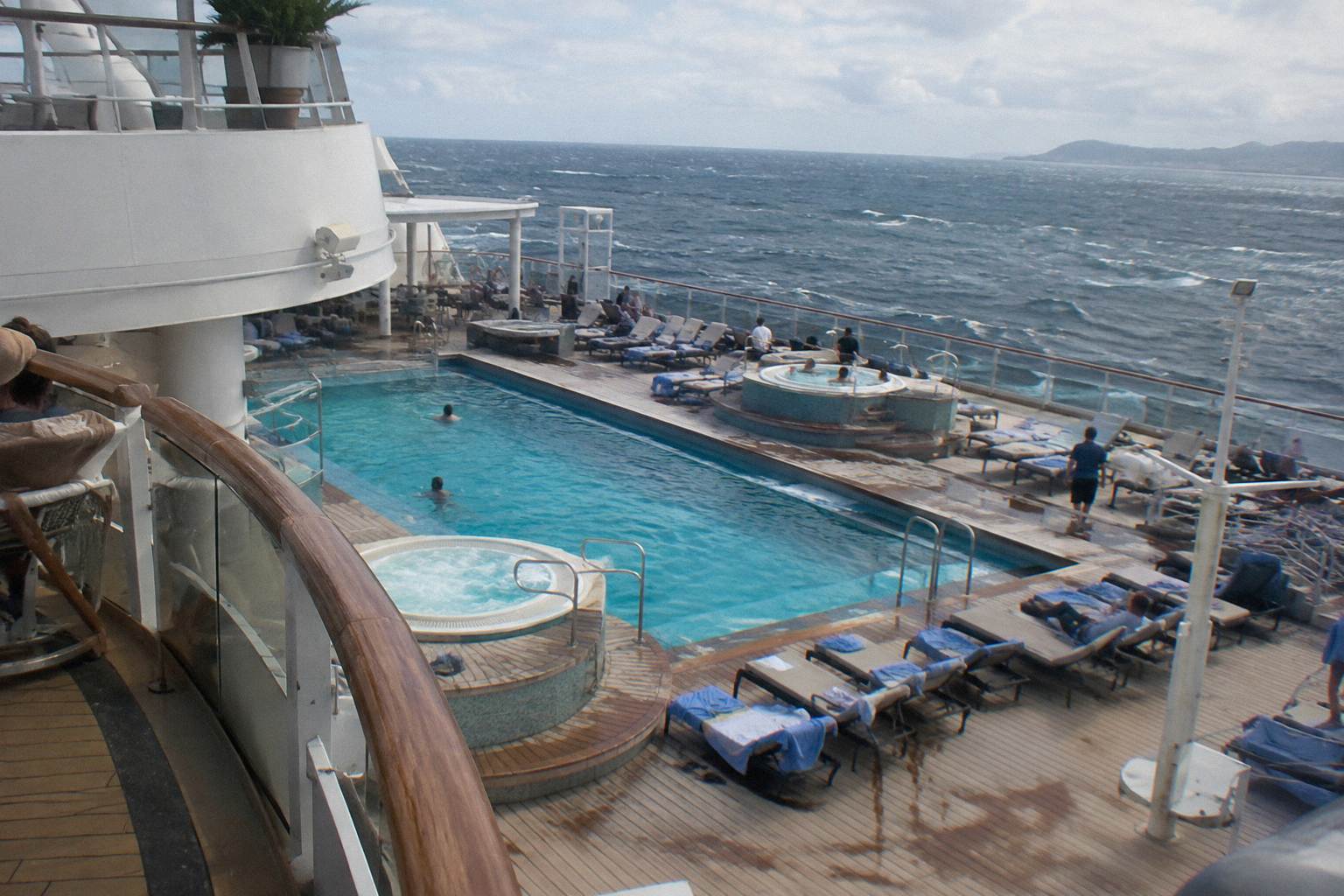
Which Networks Does Your Phone Use At Sea?
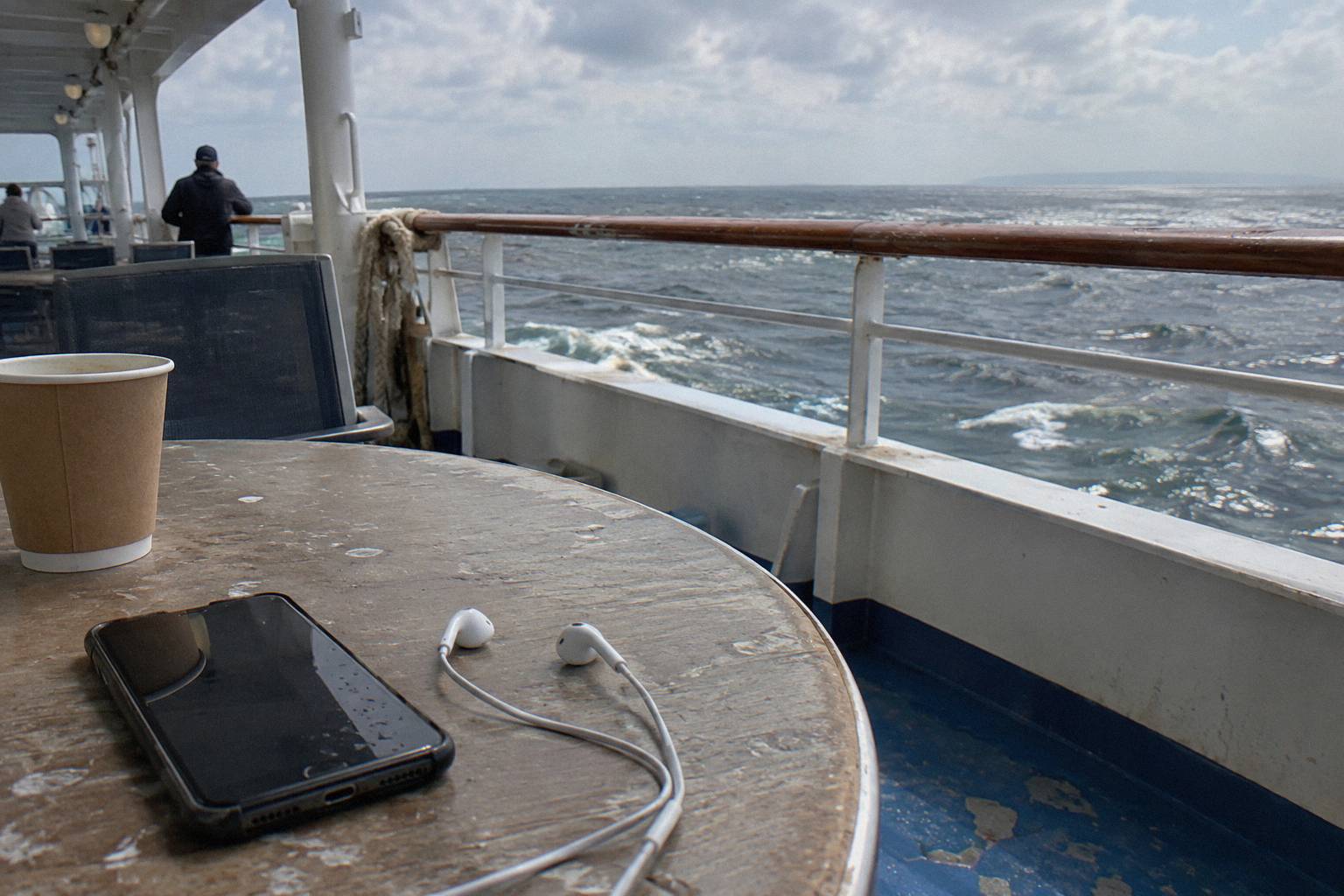
At sea your phone has two options: the ship's cellular tower, which is satellite-backed and billed at international roaming rates, and the ship's wifi, which you buy as a package. The standard setup is airplane mode with wifi enabled, which kills roaming entirely and leaves you on the package. Forgetting this is the single most common way travellers rack up a shocking phone bill after a cruise.
Shipboard cellular, sometimes called maritime roaming, works and is convenient, and it is priced accordingly. Your home carrier treats a connection to the ship's tower as international roaming at premium rates, and that applies to data as well as calls and texts. For a week-long sailing that is a poor trade against a wifi package, unless you only need the occasional SMS.
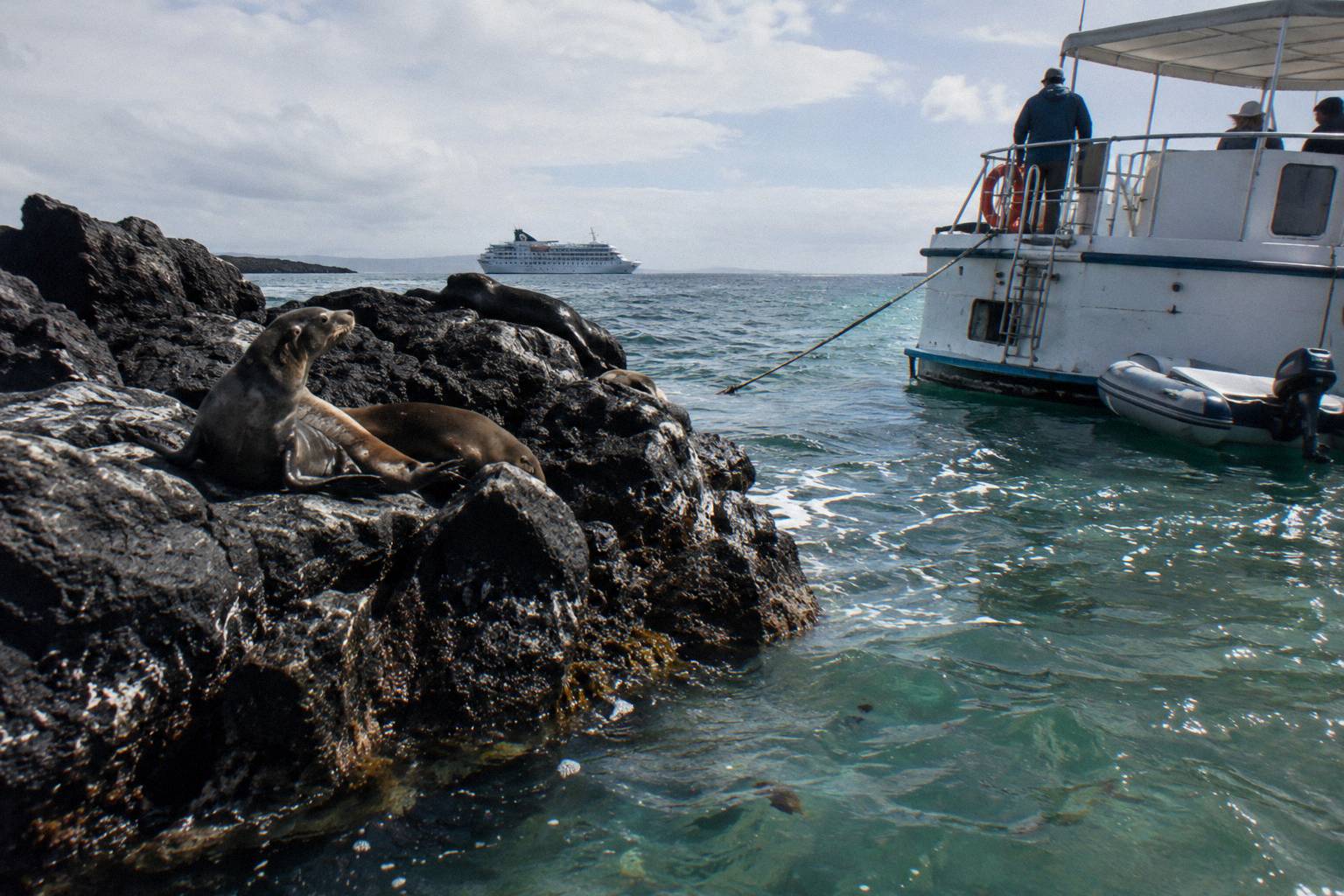
Turning on airplane mode and joining the ship's wifi network instead gives you a fixed, known cost. The trade-off is that iMessage, WhatsApp and similar apps over wifi replace SMS for messaging, which works only when the people you are messaging are also reachable on those apps. Before you sail, make sure the people who need to reach you have at least one messaging app installed, and share your sailing dates with them.
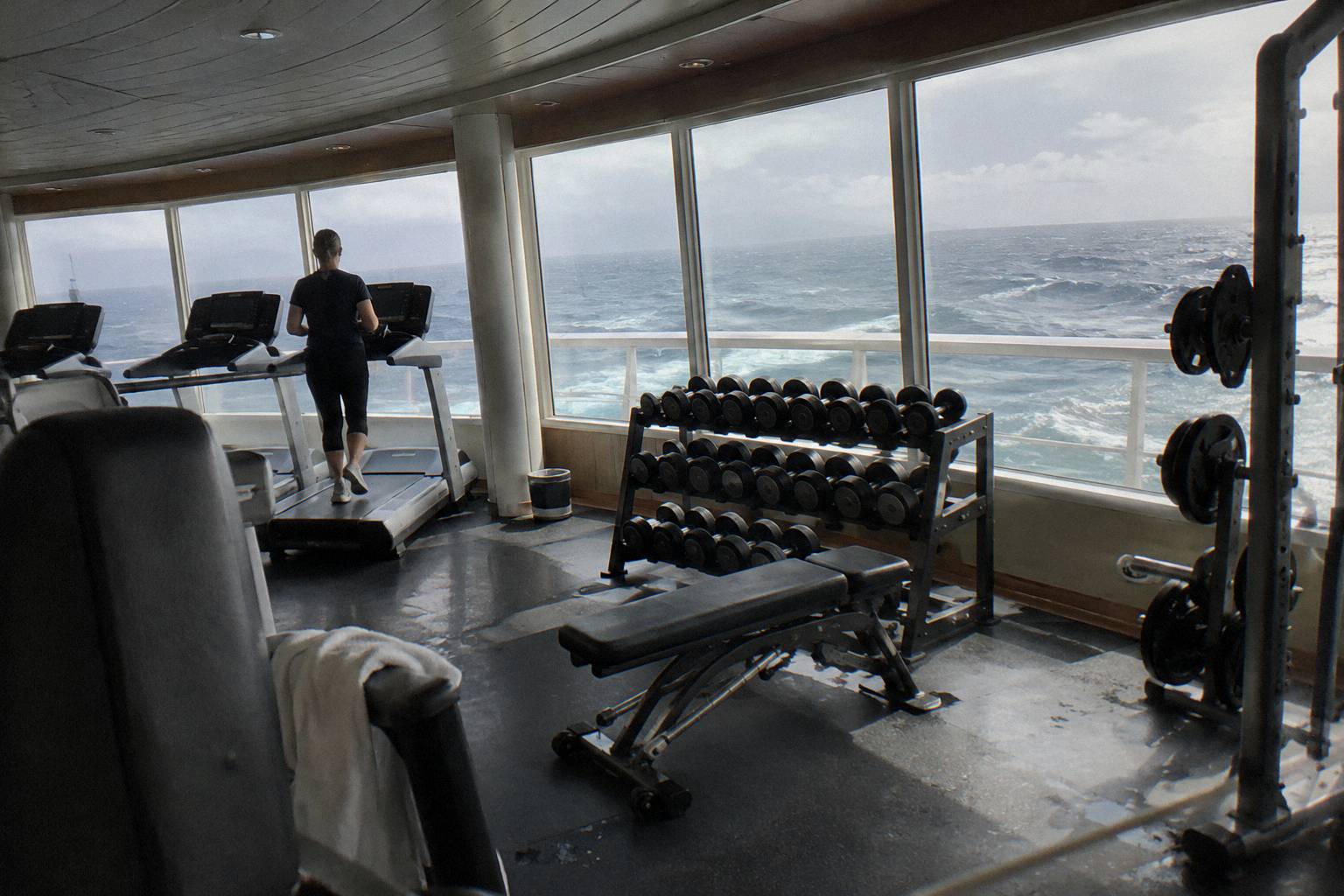
The third option is patience. Port days put the ship within reach of ordinary terrestrial networks, and a local eSIM or an international roaming plan from your home carrier, priced for the destinations on your itinerary, will usually outrun the ship's satellite link comfortably. On Caribbean sailings that is straightforward. On the more remote itineraries in the current charter calendar, such as VACAYA's Madagascar to Seychelles trip listed from $12,537 per person, or the Antarctica voyages in Out Adventures' range up to $22,585, port-day connectivity thins out and the ship's link may be the only one for days at a time.
How Does Connectivity Differ By Ship Type?
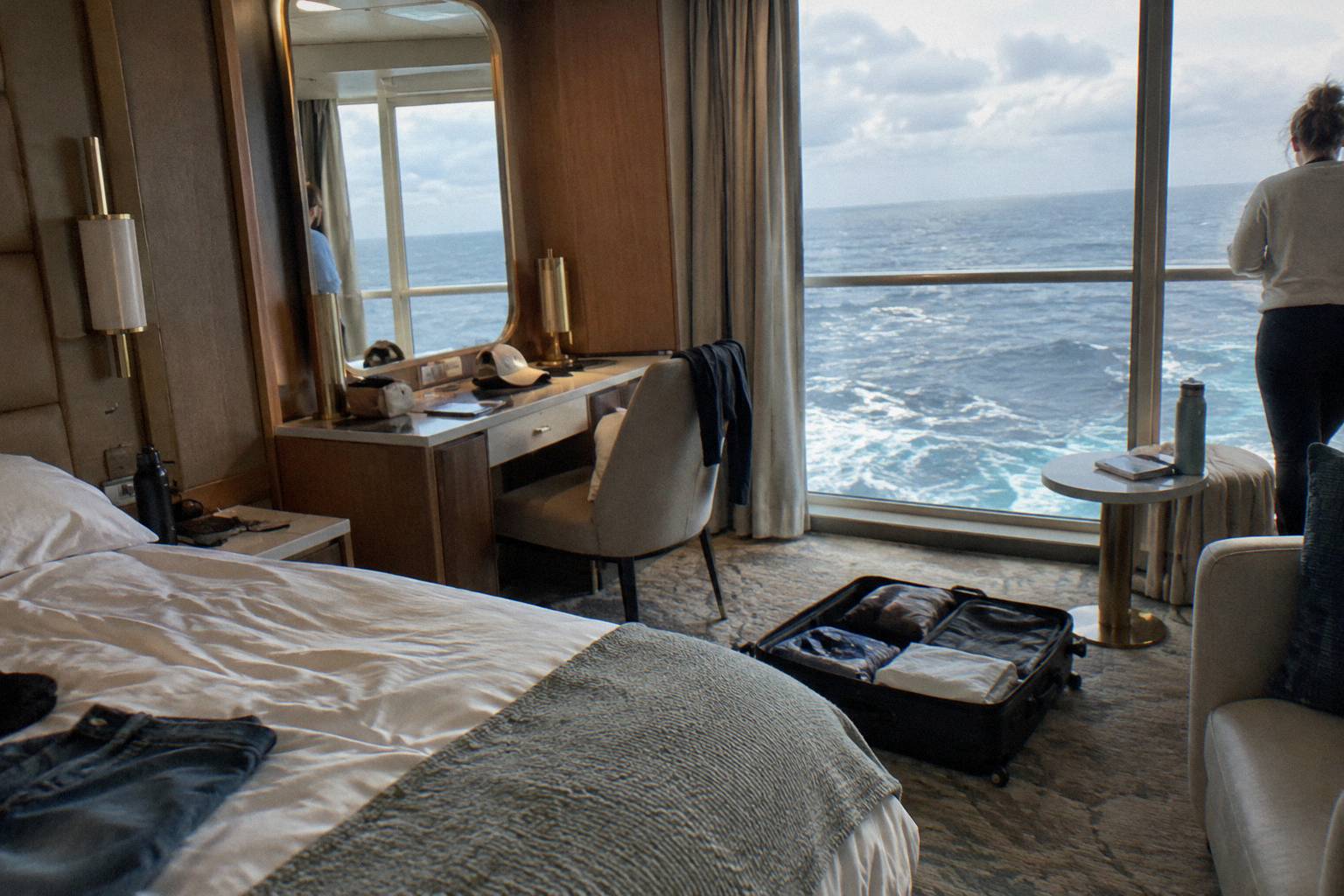
Ship type predicts your wifi experience better than anything on the charter brochure. Modern mega ships carry the newest satellite systems and the most simultaneous users. Expedition ships lean on older satellite links that must work far from land. River ships, spending their days within sight of shore, often piggyback on terrestrial mobile networks, which makes them the surprise connectivity winners of the three.
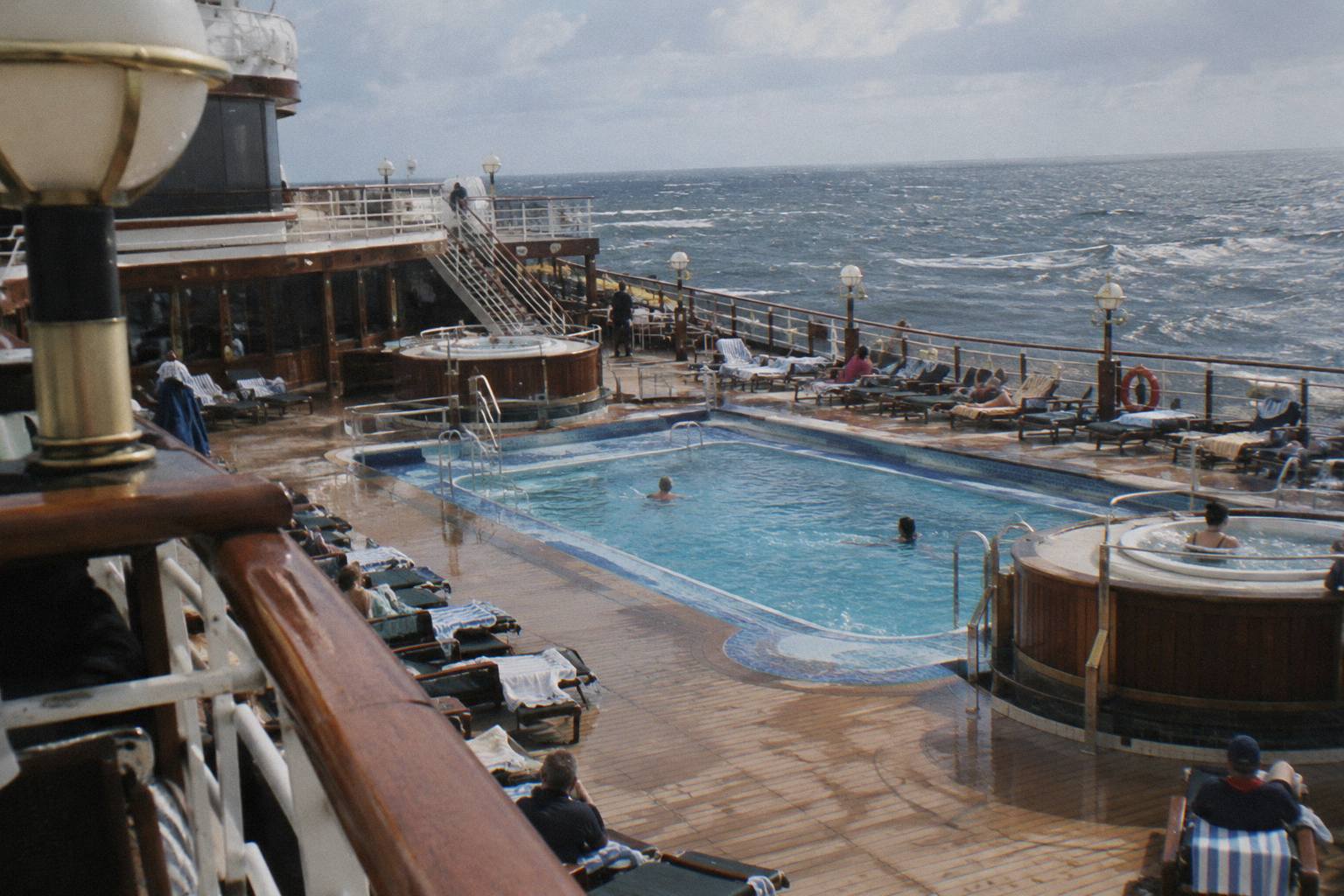
Consider the three ships a typical gay cruise shopper actually compares. Valiant Lady, Virgin Voyages' 2,770-guest mega ship, represents the big-ship case: a vessel built in the era of high-throughput satellite constellations, carrying thousands of people who all want to post photos at once. Delfin III, a river ship on the Amazon with Delfin Amazon Cruises, represents the river case: a small vessel gliding past populated shoreline, close enough to mobile masts that connectivity can be less of a problem than guests expect, though the operator's own page is the place to confirm what is included. World Navigator, Atlas Ocean Voyages' expedition ship, represents the polar and remote case, where the satellite link is a lifeline and speeds reflect that.
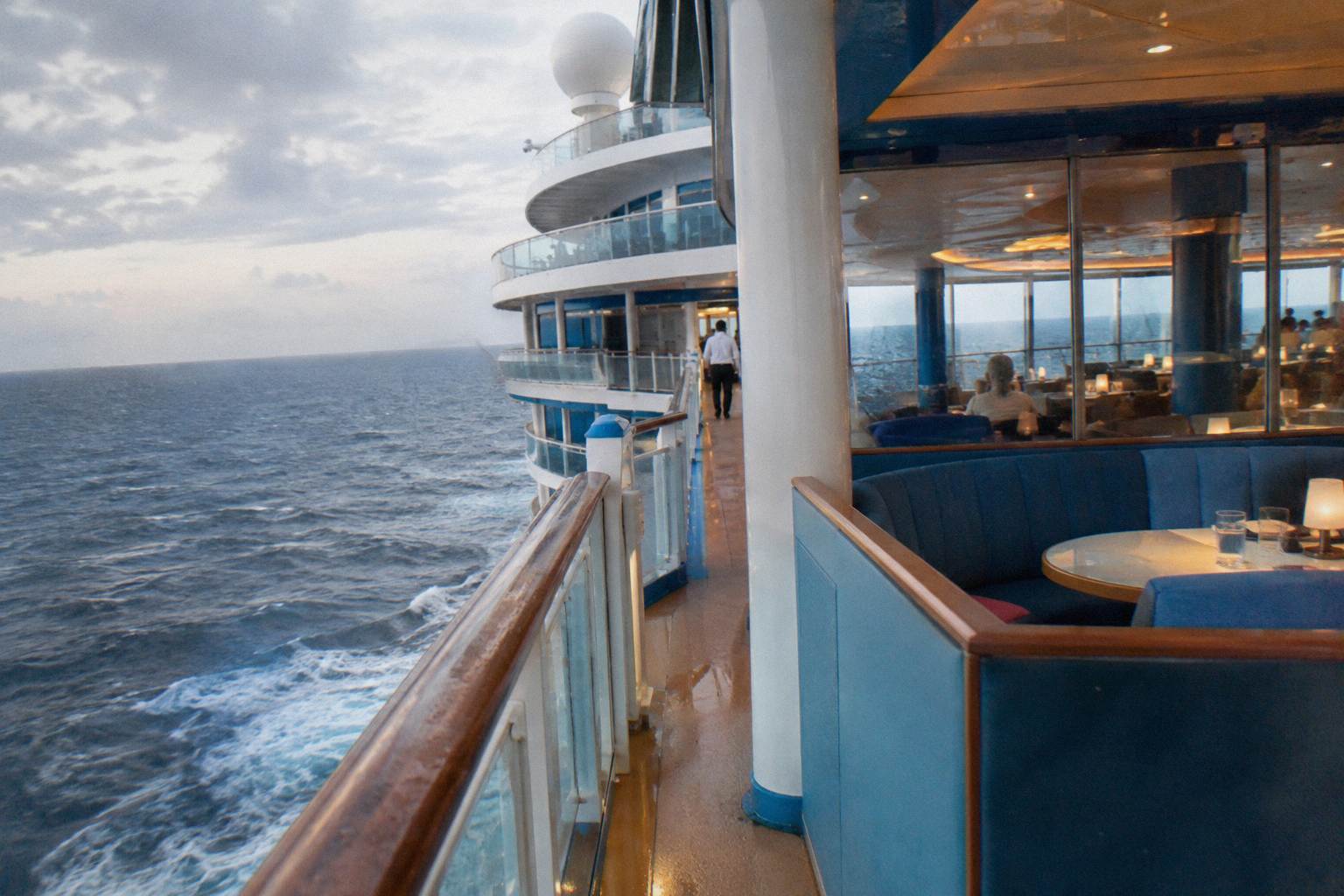
The comparison below puts the three side by side on the facts that matter for a booking decision, including where each type of ship sails and what that means for your phone.
| Ship | Type | Guests | Built | Charter operators | Embarks from |
|---|---|---|---|---|---|
| Delfin IIIDelfin Amazon Cruises | River Ship | 44 | – | Brand g Vacations | – |
| Valiant LadyVirgin Voyages | Mega Ship | 2,770 | 2021 | Atlantis Events, BearCruise | San Juan, Barcelona |
| World NavigatorAtlas Ocean Voyages | Expedition Ship | 200 | 2021 | KelliGregg Travel / R Family Vacations | Oslo, London, Copenhagen |
Virgin Voyages deserves a special note here, because its ships host more LGBTQ+ group sailings than any other line in the current data. The line's own pride statement reads, in part, that pride is a philosophy baked into its identity, and its vessels have hosted Atlantis Events historically on Scarlet Lady in 2020, Waves of Pride on Resilient Lady in September 2026, Sapphic Sail on Scarlet Lady for 2026-2027 sailings, and Odyssey Pride in October-November 2026. Every one of those guests uses the same shipboard network, so if you have sailed a Virgin ship before, you already know roughly what to expect from its connectivity.
What Is Wifi Like On River And Expedition LGBTQ+ Sailings?
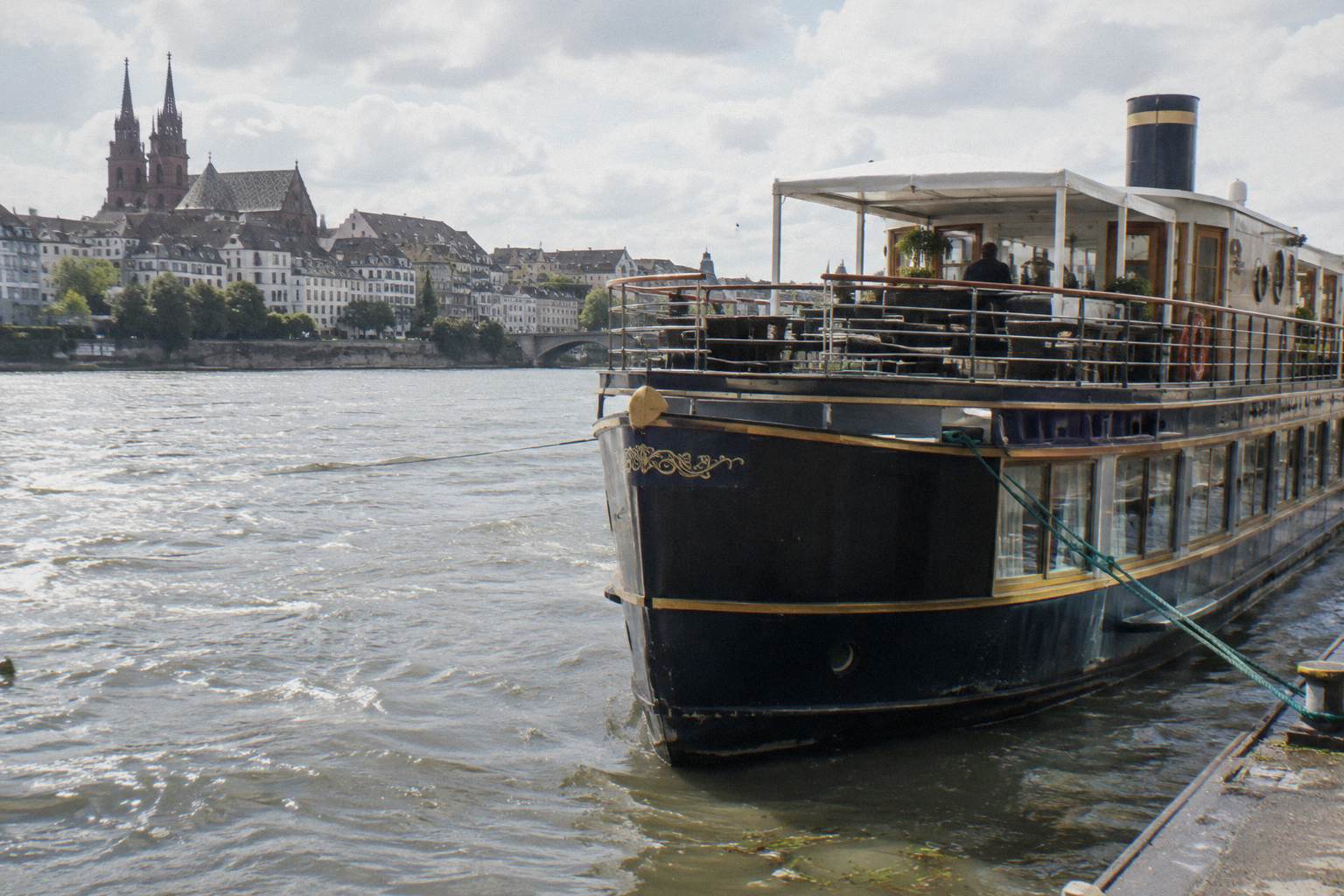
On river and expedition sailings, connectivity expectations should be set by the destination, not the brand. A Rhine sailing with Brand g or an Amazon sailing on Delfin III travels within reach of shore networks for much of the route, while an Antarctic expedition on an Atlas ship crosses open water where satellite is the only option. Ask specifically what the fare includes, because some expedition fares do bundle internet while mainstream fares do not.
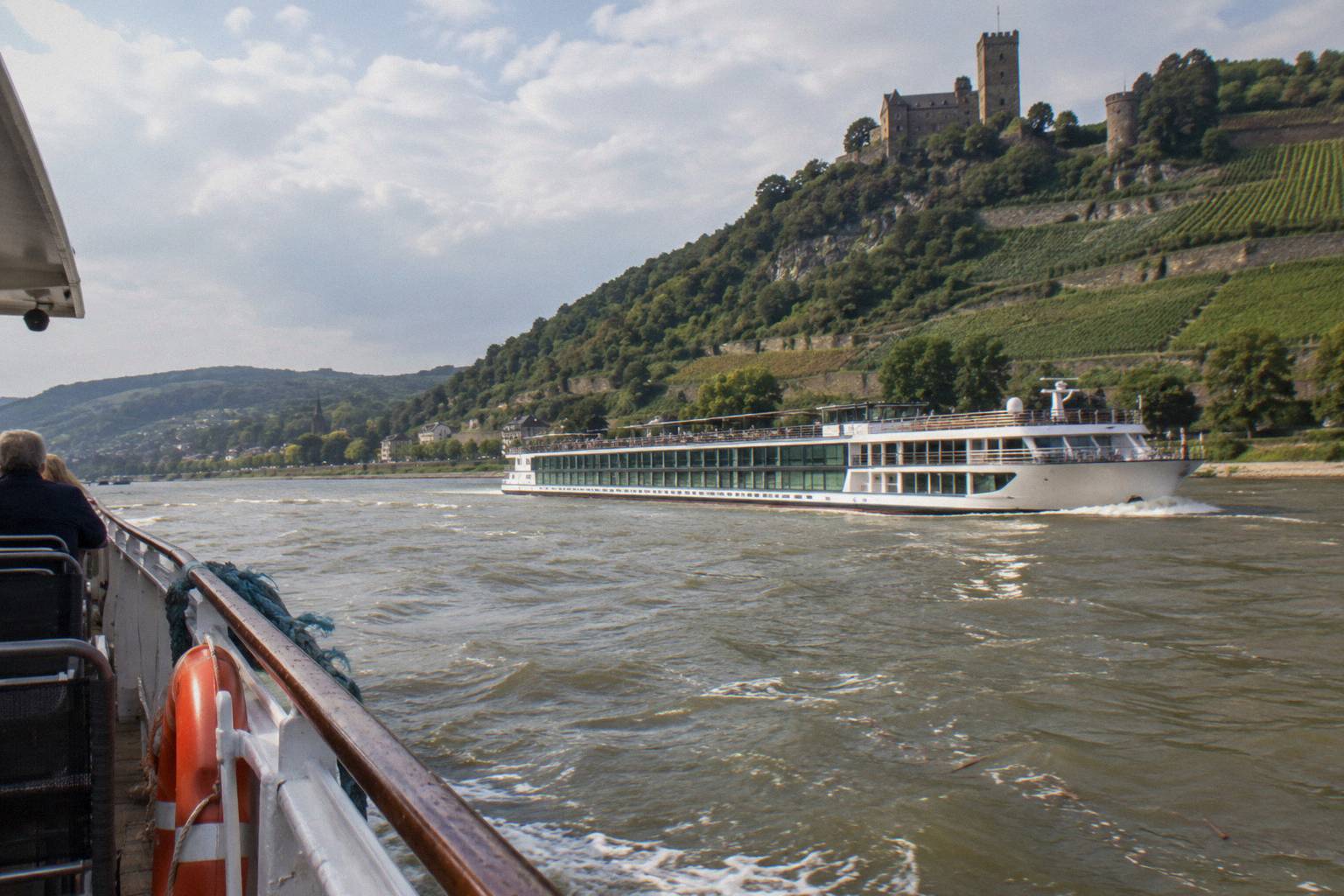
The river case is the most encouraging. Vessels like Delfin III and Amadeus Aurea spend their days on inland waterways, often within mobile coverage of the riverbank, and river lines commonly fit amplification for terrestrial signal alongside any satellite backup. Brand g Vacations, founded in 2011, runs 24 sailings from April 2027 to October 2028, many on European rivers, and its lowest Rhine fares start around $4,900 per person. KelliGregg Travel and R Family Vacations add 13 sailings with family programming from February 2027. For any of these, the question to ask is whether the river operator's wifi is included in the fare, and the operator page or your agency partner will have the answer for the specific vessel. The full index of guides sits on Gay Cruises.
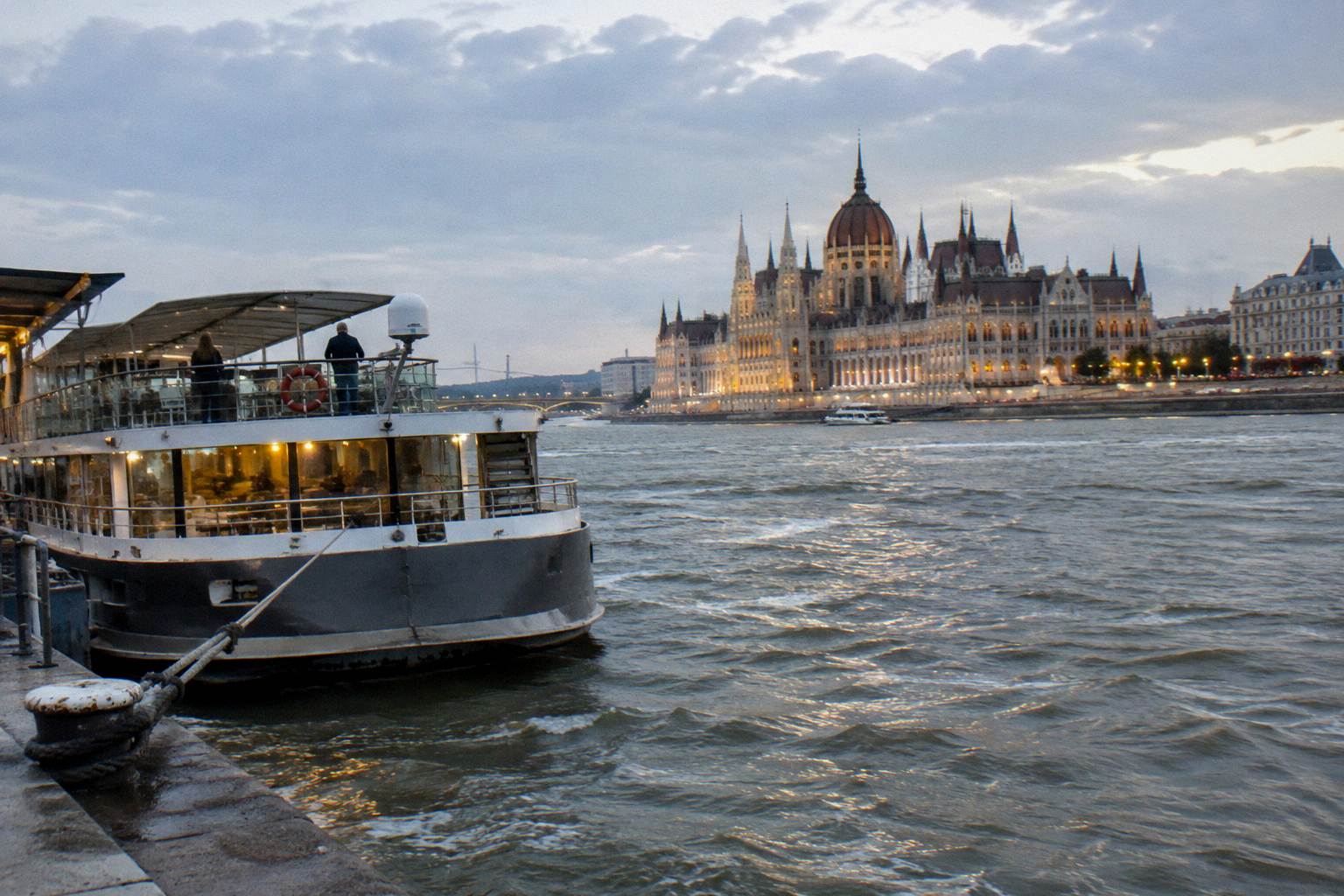
Delfin III itself is the featured ship on this page for a reason: it is the kind of vessel where connectivity is least discussed and most worth asking about. A luxury Amazon river ship sailing remote stretches of the Peruvian Amazon is exactly where the assume-nothing rule pays off, so put internet on your list of questions before you book.
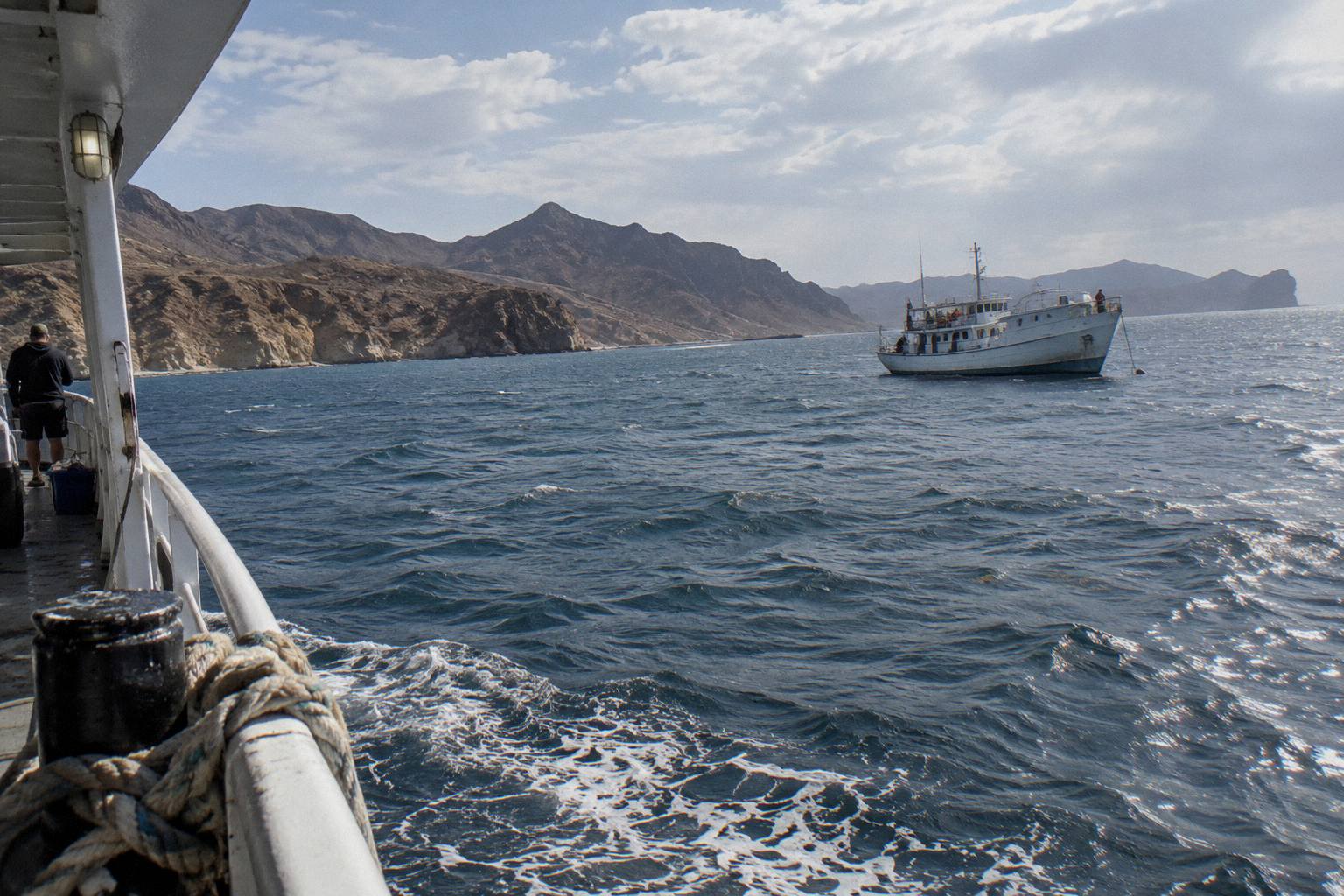
Expedition sailings are the other extreme. Out Adventures lists two sailings, both showing sold out or waitlist, with fares from $7,495 in Baja to $22,585 in Antarctica, and Atlas Ocean Voyages' World Navigator and World Traveller operate in similarly remote theatres. There, the ship's satellite link carries everything from guest messaging to the expedition team's ice reports, and operators of remote voyages often state their internet policy precisely because guests ask. Read it before you sail rather than after.
Which Apps And Habits Keep You Connected On A Charter?
The tools that matter on a gay cruise are the charter's own communication channel, one or two messaging apps, offline maps and downloaded entertainment. Group sailings live on last-minute information: venue changes, weather-moved parties and pop-up events spread through app notifications and chat threads, so being reachable is part of the experience, not a distraction from it.
Start with the charter's channel. Operators like VACAYA and RSVP Vacations, the latter founded in 1985, communicate with their guests through their own channels before and during sailings, and full-ship charters often push schedule updates through a dedicated app, a Facebook-style group or a chat thread. Whichever it is, join it before departure day, because that is where the week's real itinerary assembles itself.
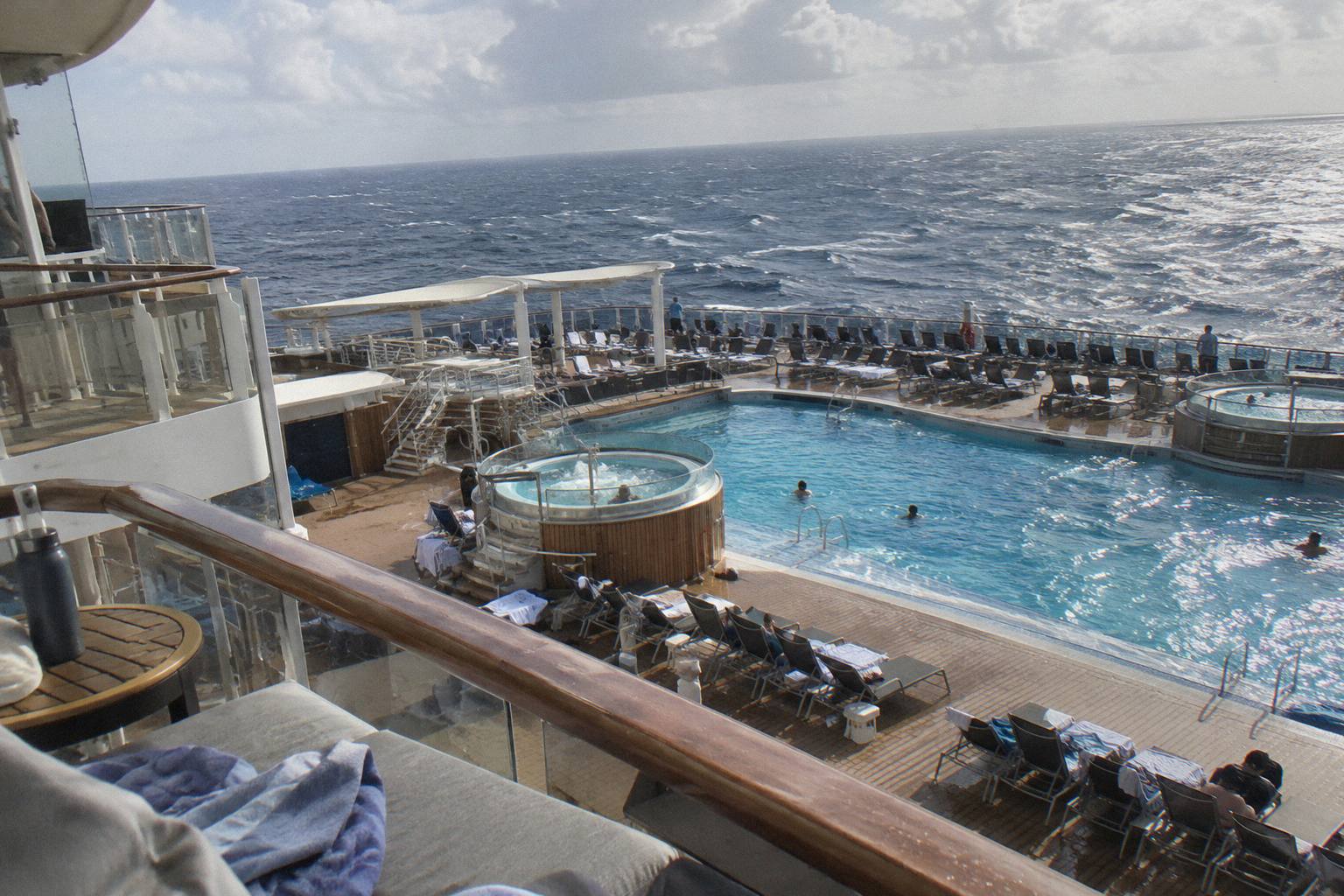
Then set up your messaging stack. WhatsApp and iMessage over wifi cover most needs, and a messaging-only wifi tier handles them. Download offline maps for every port before you fly, plus any boarding passes, dinner reservations and show tickets as screenshots, so nothing depends on a live connection. Load a few downloads for sea days: the ship's theatre shows, the pool-deck playlists and the midnight parties are the real entertainment on a charter, and streaming on a congested sea-day link is the weakest way to spend one.
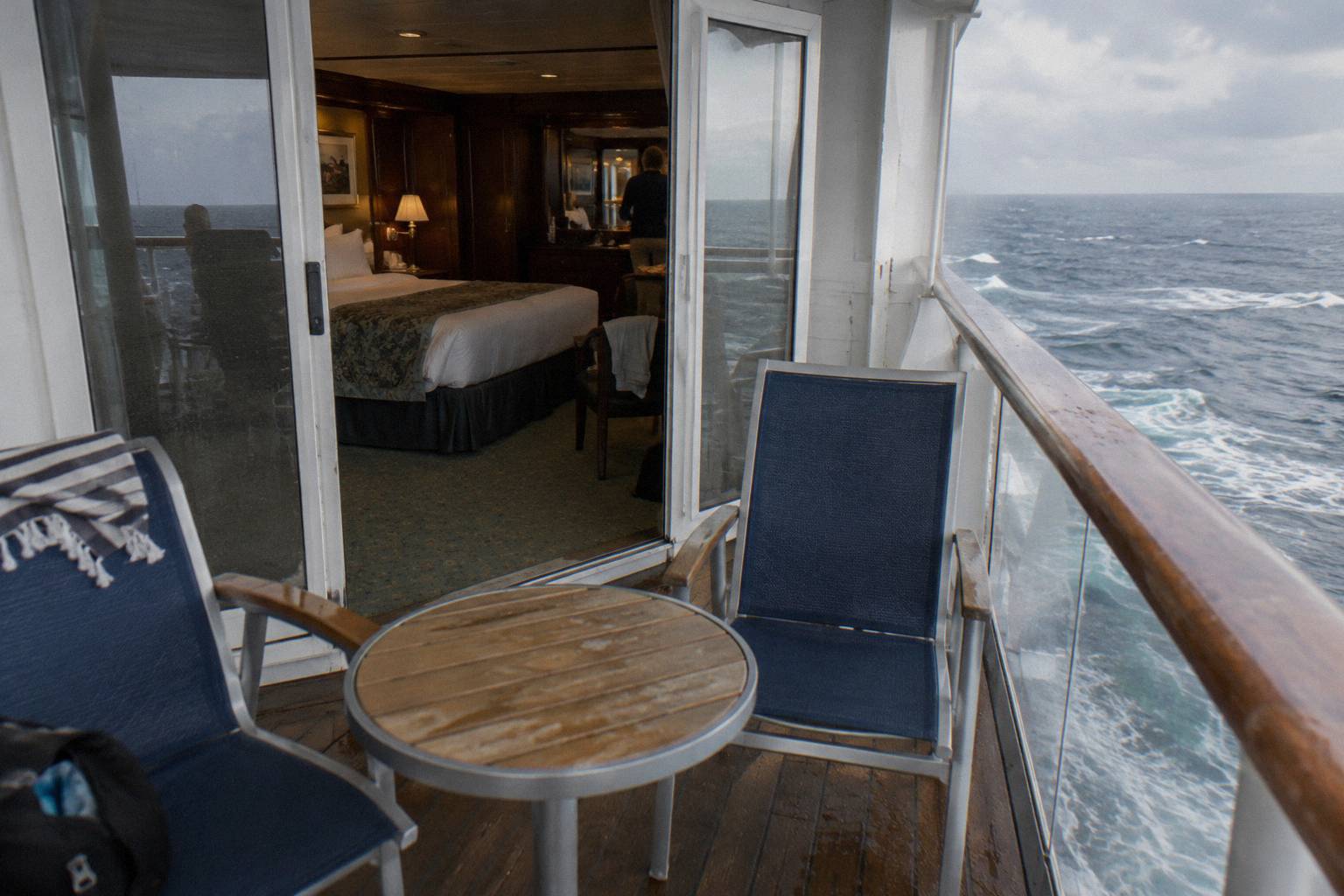
Finally, agree on a low-tech fallback with your travel party. Mega ships are big; Allure of the Seas and Celebrity Beyond carry thousands of guests, and even a ship of 2,770 like Valiant Lady has plenty of places to miss each other. A fixed meeting point and a check-in time still solve the lost-friend problem better than any package, a point any veteran of the big Atlantis sailings will recognise. For a sense of the onboard social world these charters build, see what happens on a gay cruise.
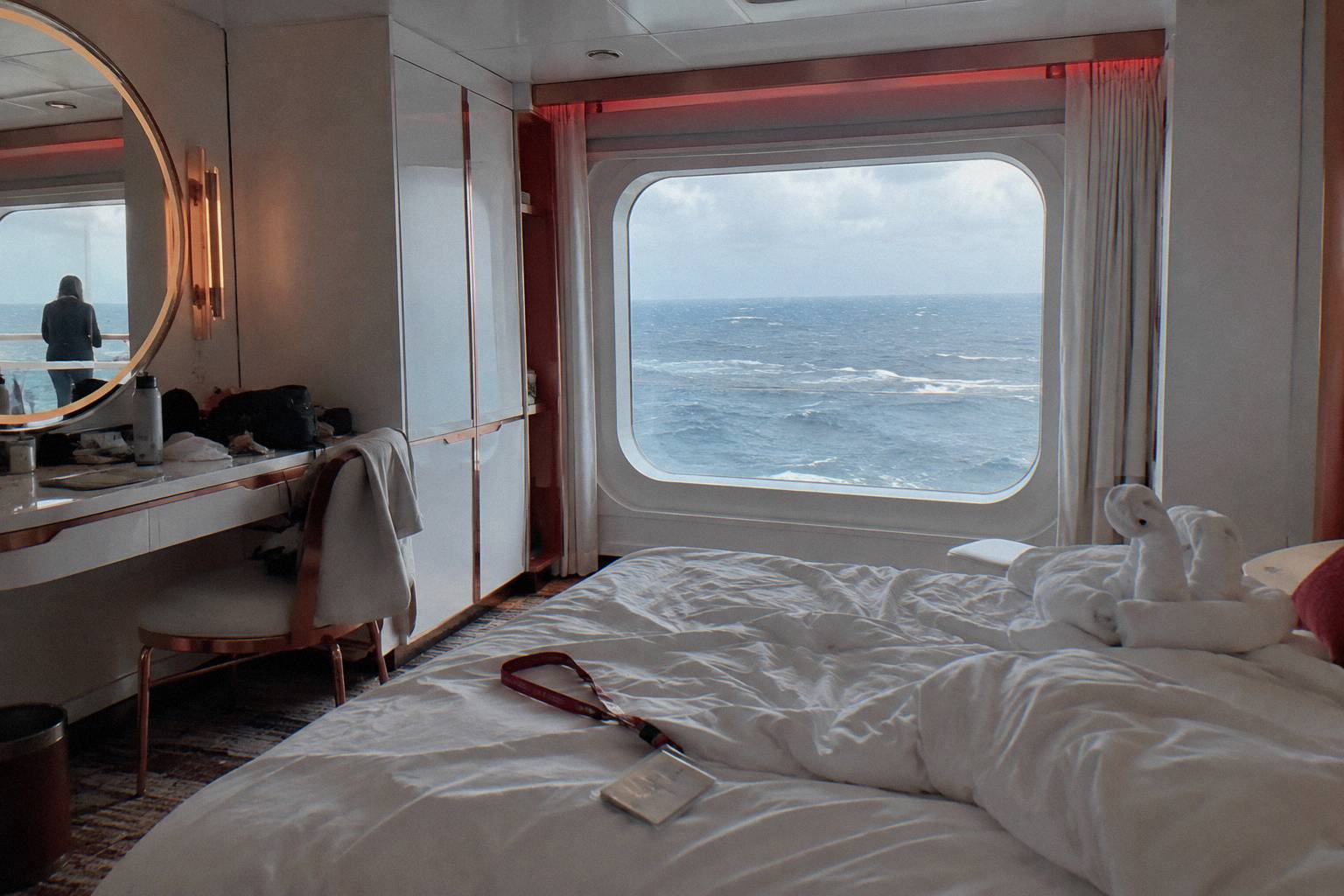
How Do Port Days And Travel Advice Affect Your Phone Plan?
Port days are your connectivity resets: terrestrial networks ashore are faster and cheaper than the ship, so plan calls, uploads and updates for those hours. An eSIM for the countries on your itinerary, bought before departure, is the simplest way to use them. Before you travel, read the official travel advice for each destination, since entry rules and local regulations affect your phone as much as your passport.
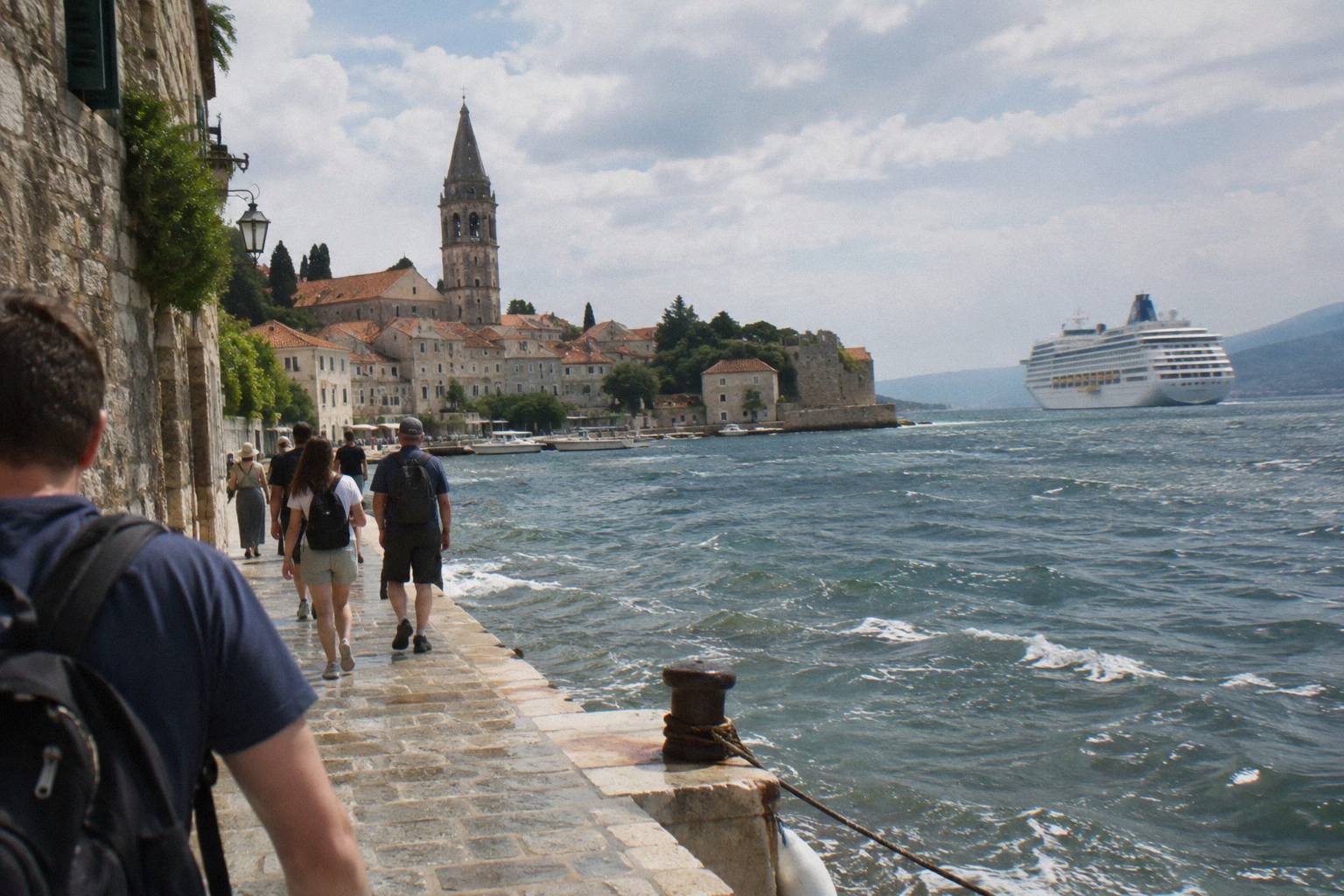
The mechanics are simple. When the ship docks, your phone can reach ordinary mobile networks again, either on your home carrier's roaming plan or on a local eSIM profile you activated for the trip. An eSIM bought in advance lets you choose a data allowance per country or region, install it at home, and switch it on when you arrive, which removes the pressure of finding a shop in port. A seven-night Caribbean sailing might give you three or four usable port half-days; plan the big uploads and the video calls for those windows.
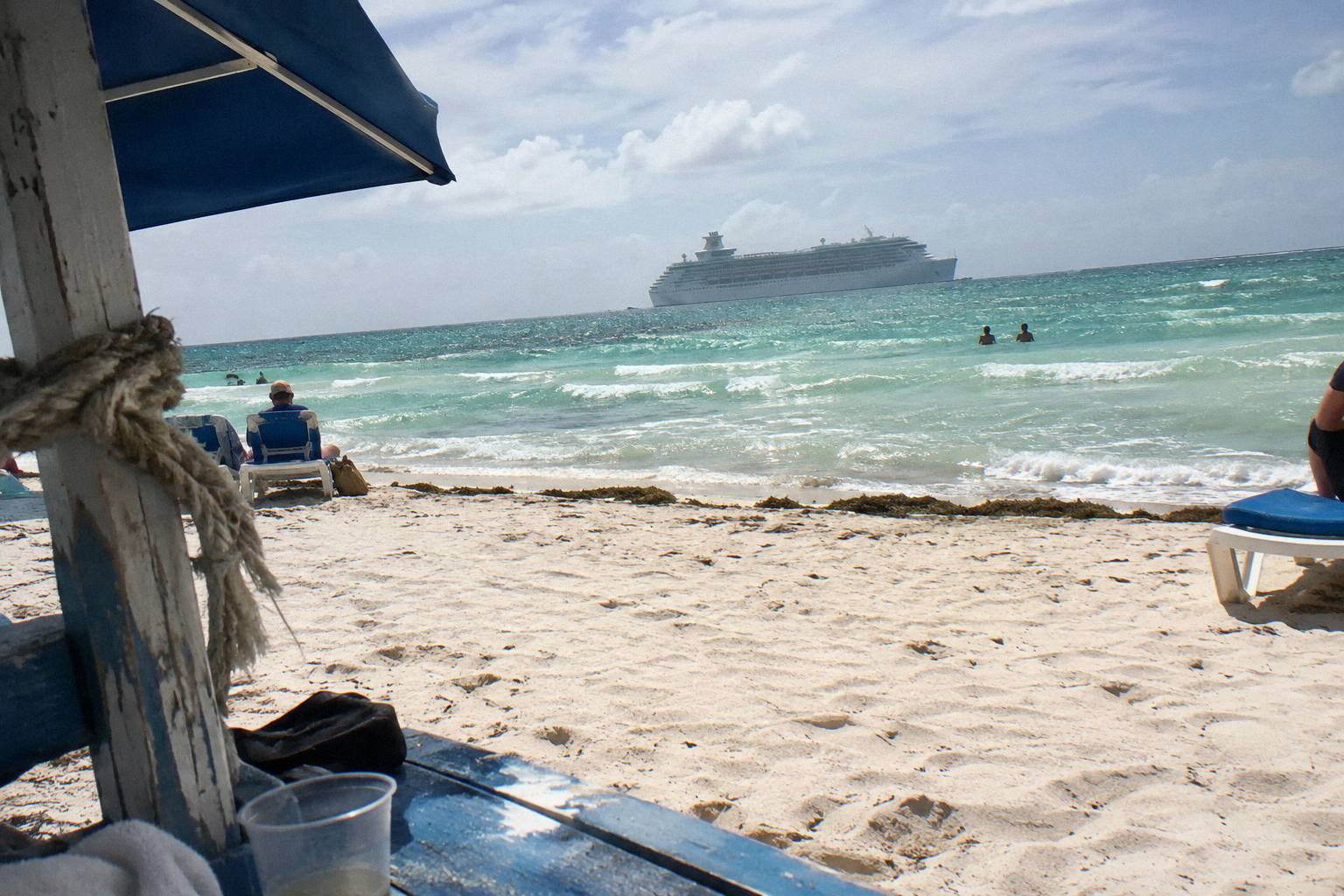
The other reason to plan by destination is that official travel advice changes. UK FCDO travel advice and US State Department country pages cover entry requirements, local laws and connectivity-relevant practicalities for every destination on the charter calendar, and reading them for your specific ports is part of booking responsibly, especially on the far-flung itineraries. VACAYA's 2026-2028 range alone spans the Mediterranean, Madagascar, Seychelles and Polynesia, and Source Journeys' sailings from June 2028 run to October 2028 on long-haul routes.
For a fuller picture of the ships and lines whose itineraries you are choosing between, our guide to gay friendly cruise lines covers the host lines themselves, and gay cruise packages explains what a charter fare typically bundles and what, like wifi, it leaves to the host line.
Mistakes That Trip Up First Time Connected Cruisers
The recurring wifi mistakes are paying for roaming by accident, buying the wrong package tier for how you actually communicate, assuming connectivity is included because the fare was expensive, and leaving every download for sea day. Each one is avoidable in ten minutes of planning before you fly. Airplane mode with wifi on should be a reflex the moment you step aboard.
The first mistake is the roaming bill. Shipboard cellular is a real network your phone will happily join, and it is billed at premium international rates through your home carrier. The fix costs nothing: airplane mode, then wifi on, then the ship's network. Do it at embarkation, not after your first day at sea.
The second is buying a streaming tier for a messaging life. Most guests on a charter need chat apps, a group thread and the odd photo upload, and the cheapest tier covers that. Paying for speed you will not use is the mirror-image error. The third is assuming inclusion. Fares like Brand g's $22,300 luxury sailing feel like they should include everything, and some expedition fares genuinely do include internet, but these charter operators do not publish wifi inclusions, so ask rather than assume, and if the answer matters to your choice, ask it in a free consultation first.
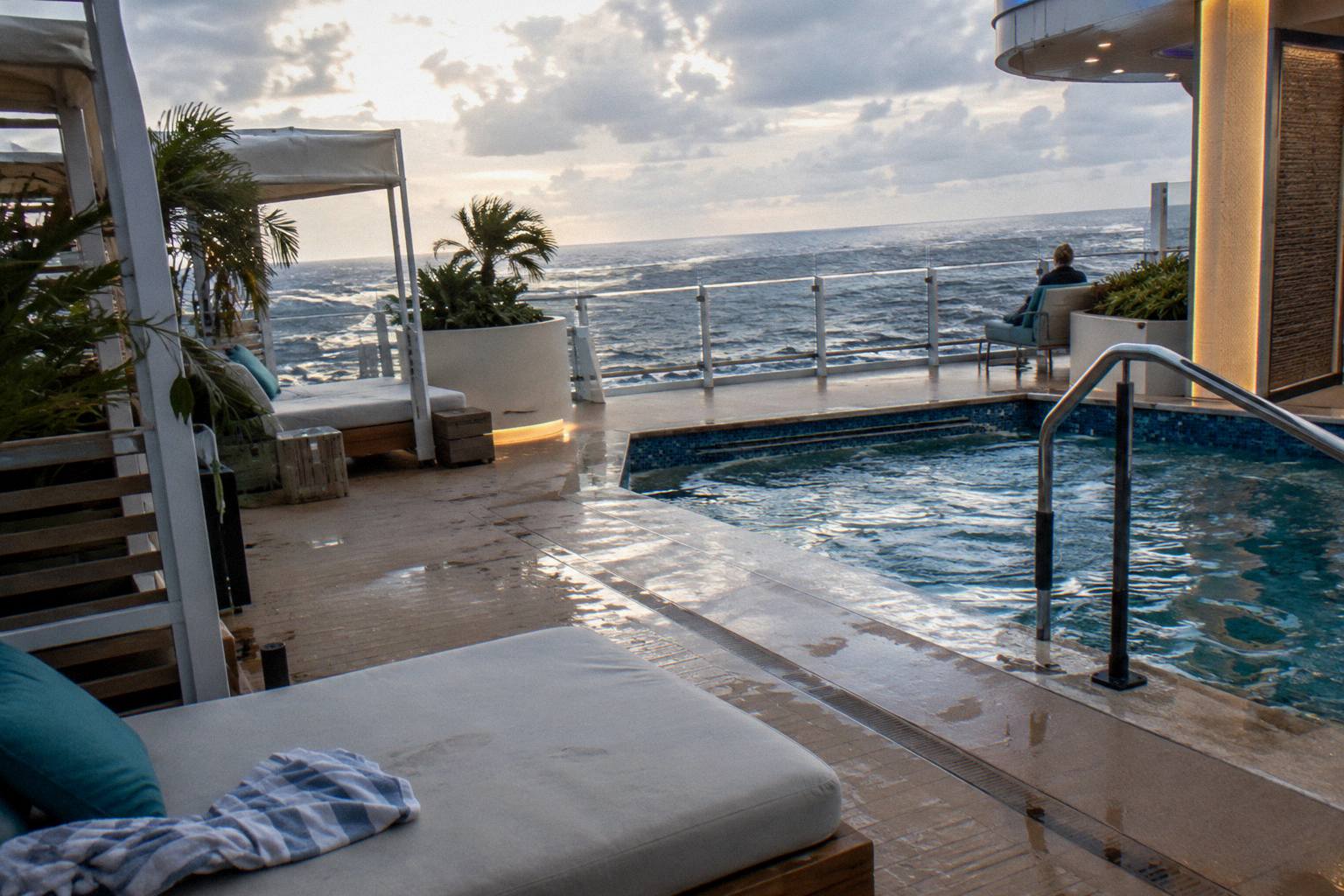
The fourth mistake is treating sea day as download day. Peak evening hours on a full ship are the slowest the network ever gets, and a week of 2,770 guests posting from the same pool deck is a genuine stress test. Download entertainment before you fly, sync your offline maps, and let the ship's own parties carry the sea days instead. The fifth, specific to charters, is ignoring the operator's communication channel until day two, by which time you have already missed a venue change or a surprise event.
Common Questions About Wifi On A Gay Cruise
How does wifi actually work on a gay cruise?
The ship's internet is owned and run by the host cruise line, not the charter operator. An Atlantis, VACAYA or Olivia sailing uses the exact network, packages and pricing the line offers on every sailing, so research connectivity by ship and host line.
What does wifi cost on a gay cruise?
These charter operators do not publish wifi package prices. Costs are set by the host line per package tier and change often, so check the line's own page for your ship, and expect pre-cruise purchase to be priced below on-board rates.
Should I use the ship's cellular or airplane mode with wifi?
Airplane mode with wifi on is the standard setup. Shipboard cellular routes through a satellite-backed tower billed at premium international roaming rates, which adds up quickly across a week at sea.
Do any operators include internet in the fare?
Some river and expedition fares bundle internet, and mainstream mega ship fares generally do not, but none of the operator pages checked here state a wifi inclusion for their charters. Ask the specific question before booking.
Will wifi be fast enough for streaming?
It depends on the ship and the hour. Modern mega ships carry high-throughput satellite systems but share them with thousands of guests, and evening peak hours are the slowest. Download entertainment before you fly rather than relying on sea-day streaming.
What is the best plan for port days?
Use terrestrial networks ashore. An eSIM for the countries on your itinerary, installed before departure, gives you fast data in port for calls, uploads and updates, and official UK FCDO and US State Department travel advice covers each destination's practicalities before you go.
More Planning And Onboard Guides
 Atlantis Cruise CostWhat an Atlantis charter really costs, from base fare to bar bill.Read the guide
 Atlantis Dress CodeTheme nights, packing lists and what the operator actually publishes about dress.Read the guide
 Atlantis Cruise ShipsEvery ship Atlantis charters, with sailing dates, prices and what is on sale.Read the guide
 Atlantis Drink PackageWhat the sources really say about drinks and packages on Atlantis gay cruises.Read the guide