Seasickness On A Gay Cruise
Most gay cruise bookings happen on big modern ships, calm river vessels or expedition vessels in sheltered water, and motion is manageable with the right ship, cabin and timing choices. This guide sets out what the operator pages show and how to pick a sailing when seasickness is the worry.
This page sits in Planning And Onboard Guides, the hub for practical decisions that come up between choosing a gay cruise and stepping aboard.
Quick Facts
| Fact | What The Sources Show |
|---|---|
| Sailings covered | 90 charter and group sailings across 11 operators |
| Sold out or waitlist | 29 of the 90 sailings |
| Largest ship listed | Valiant Lady and Scarlet Lady, 2,770 guests each |
| Largest mega ship by guests | Celebrity Beyond, 3,260 guests, built 2022 |
| Calmest water category | River, including Delfin III on the Amazon |
| Atlantis Events price range | Interior from $1,199 to $1,799 on current 7-9 night sailings |
| VACAYA availability | All 2026-2028 trips covered show sold out |
| Nearest sailing covered | Big Gay Cruise, 2026-11-14 |
Is Seasickness A Real Risk On A Gay Cruise?
Yes, seasickness is a real risk on a gay cruise, but no more so than on any other sailing on the same ship and route. What matters for your stomach is the hull, the itinerary and the cabin, not whether Atlantis Events, VACAYA or Olivia Travel chartered the ship. A nervous first timer can sail comfortably by choosing calm waters with care.
The 90 charter and group sailings covered here span 11 operators and nearly every category of vessel, from small sailing yachts in the GaySail and Pride Sailing Holidays mould to mega ships carrying thousands. That spread is good news for a motion-wary traveller, because it means the market contains genuinely calm options rather than one kind of cruise. The first decision is therefore not which brand to sail with but which kind of water you are willing to float on.
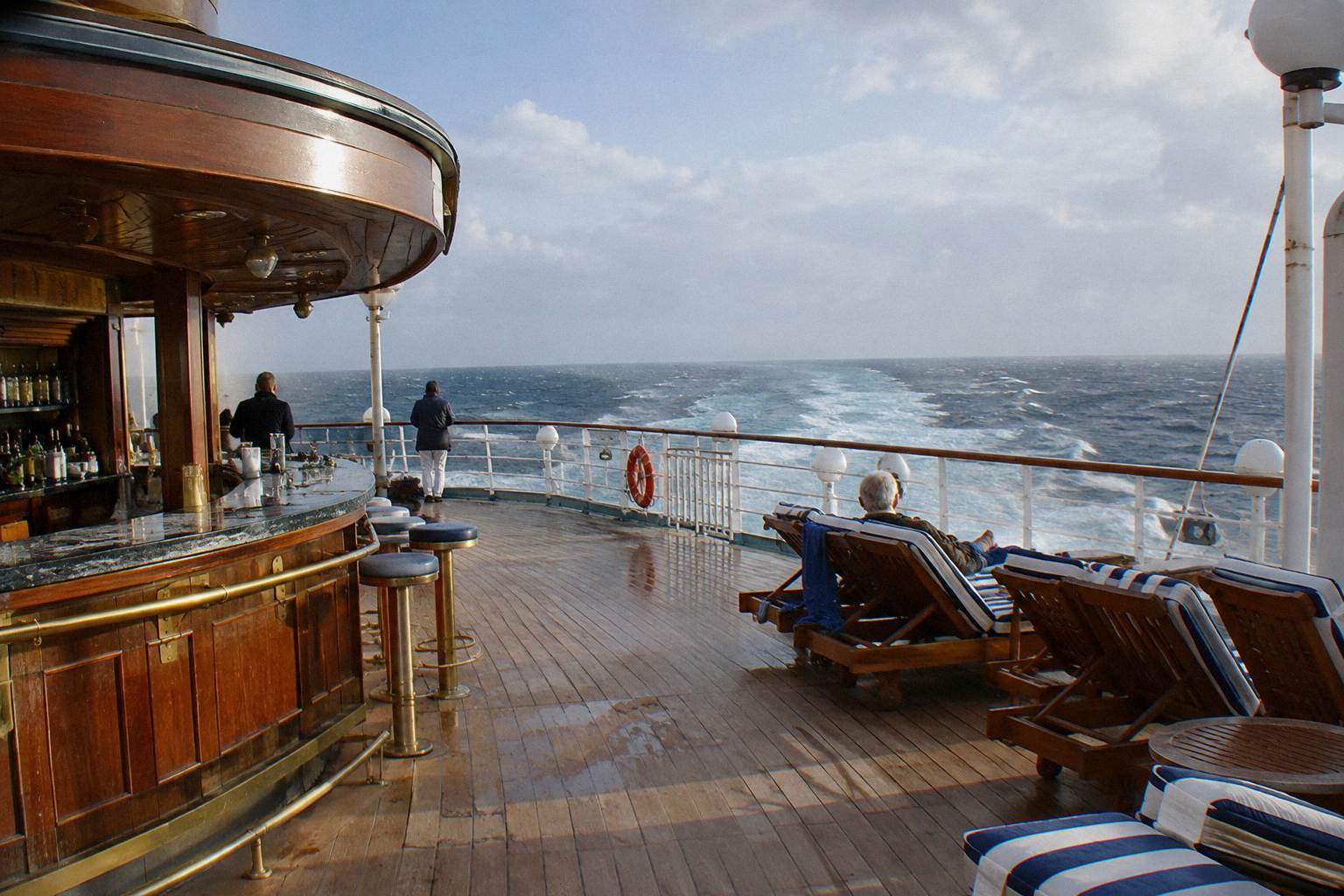
Open-ocean crossings are where motion is most likely to be felt: transatlantic positioning sailings, passages between island chains, and the Drake Passage on Antarctic itineraries. River itineraries sit at the opposite end. The Amazon sailings operated by Delfin Amazon Cruises, for example, run on flat inland water where the swell that triggers most seasickness simply does not exist. Expedition and coastal routes fall somewhere between, and the specific crossing matters more than the label on the ship.
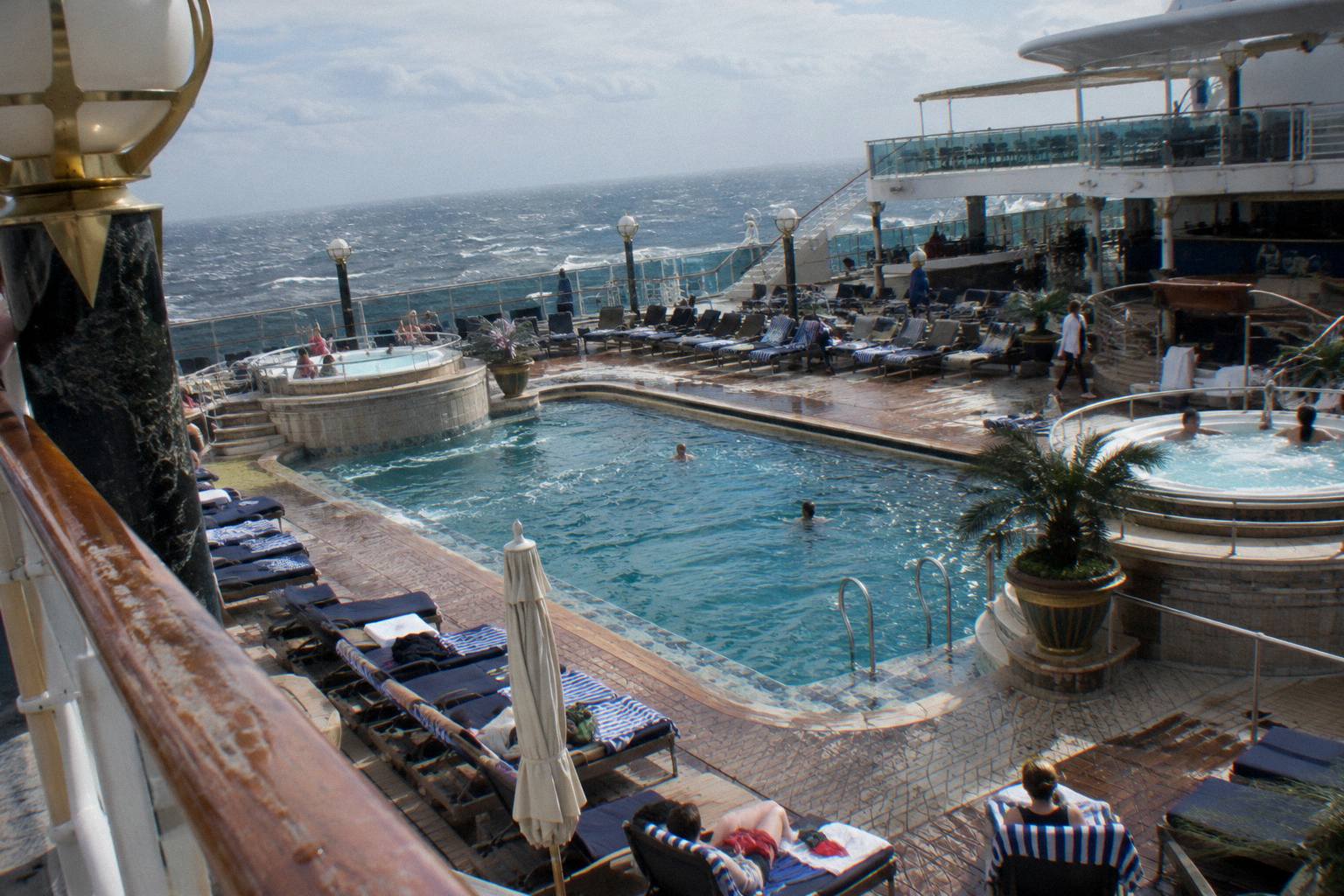
One point worth making early: charter groups often fill a ship that also sells mainstream voyages, so the vessel's inherent behaviour in swell is identical either way. If a particular hull suits your stomach on a standard sailing of the same ship, it will suit it under charter. What changes on a charter is the entertainment, the crowd and the atmosphere, topics covered in our guide to what actually happens on a gay cruise.
Which Waters Feel Calmest: River, Expedition Or Mega Ship?
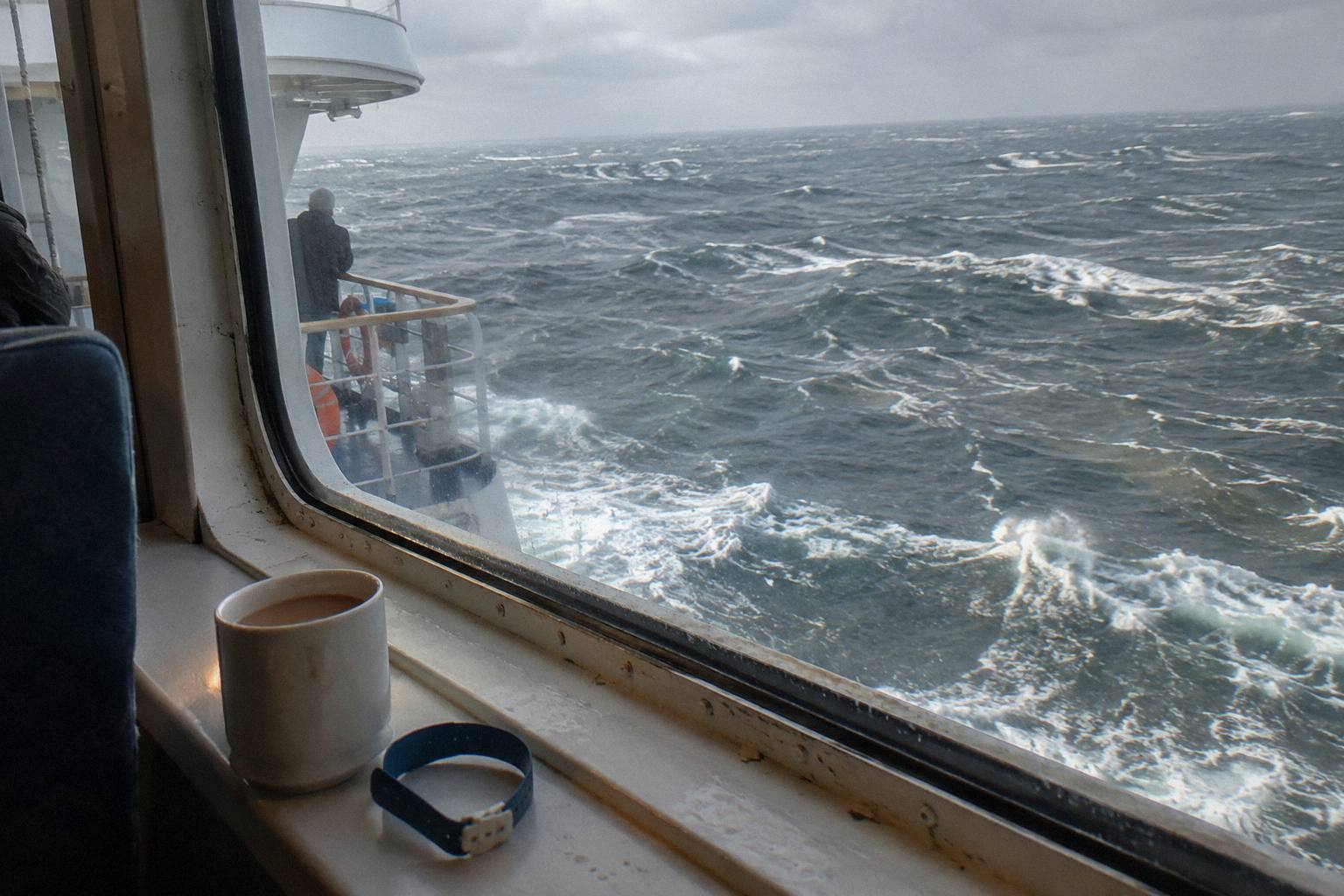
River water is the calmest category, sheltered coastal routes sit in the middle depending on the specific crossing, and mega ships are the steadiest vessels at sea thanks to size and stabilisers, though they still move in real swell. The safest booking for a nervous cruiser is a river cruise such as Delfin III on the Amazon, where the itinerary never meets the open ocean. The riskiest is any itinerary built around a long open crossing.
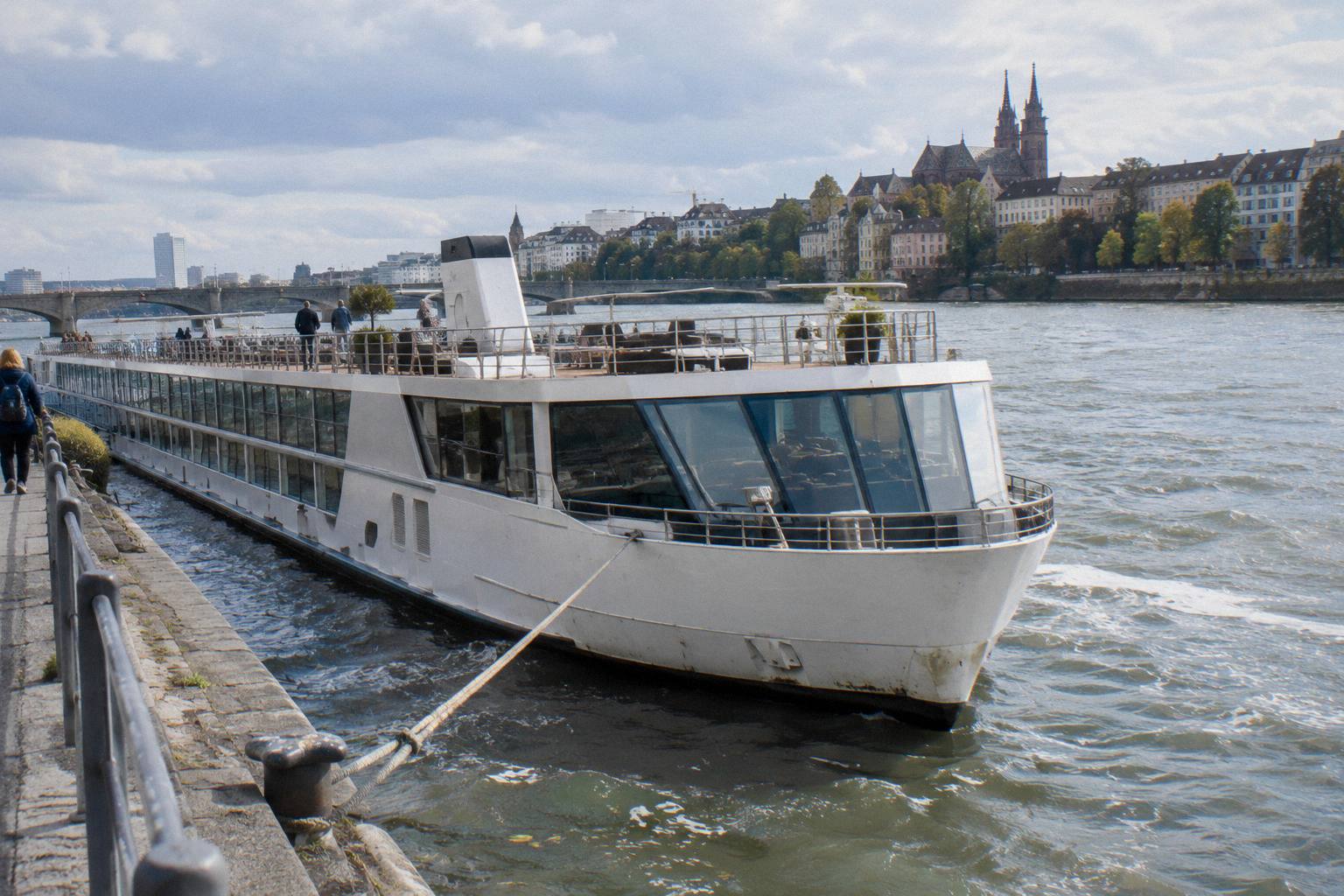
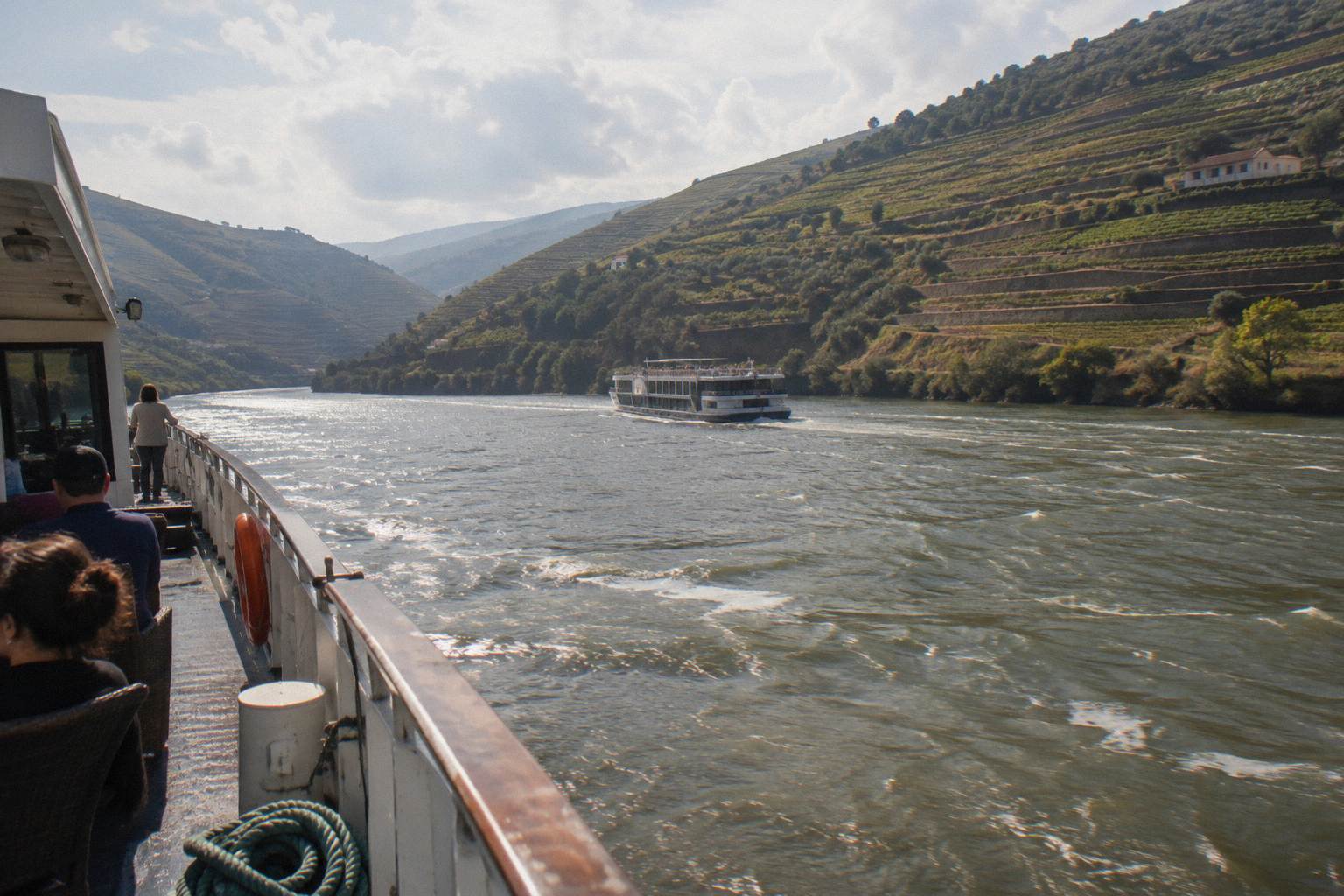
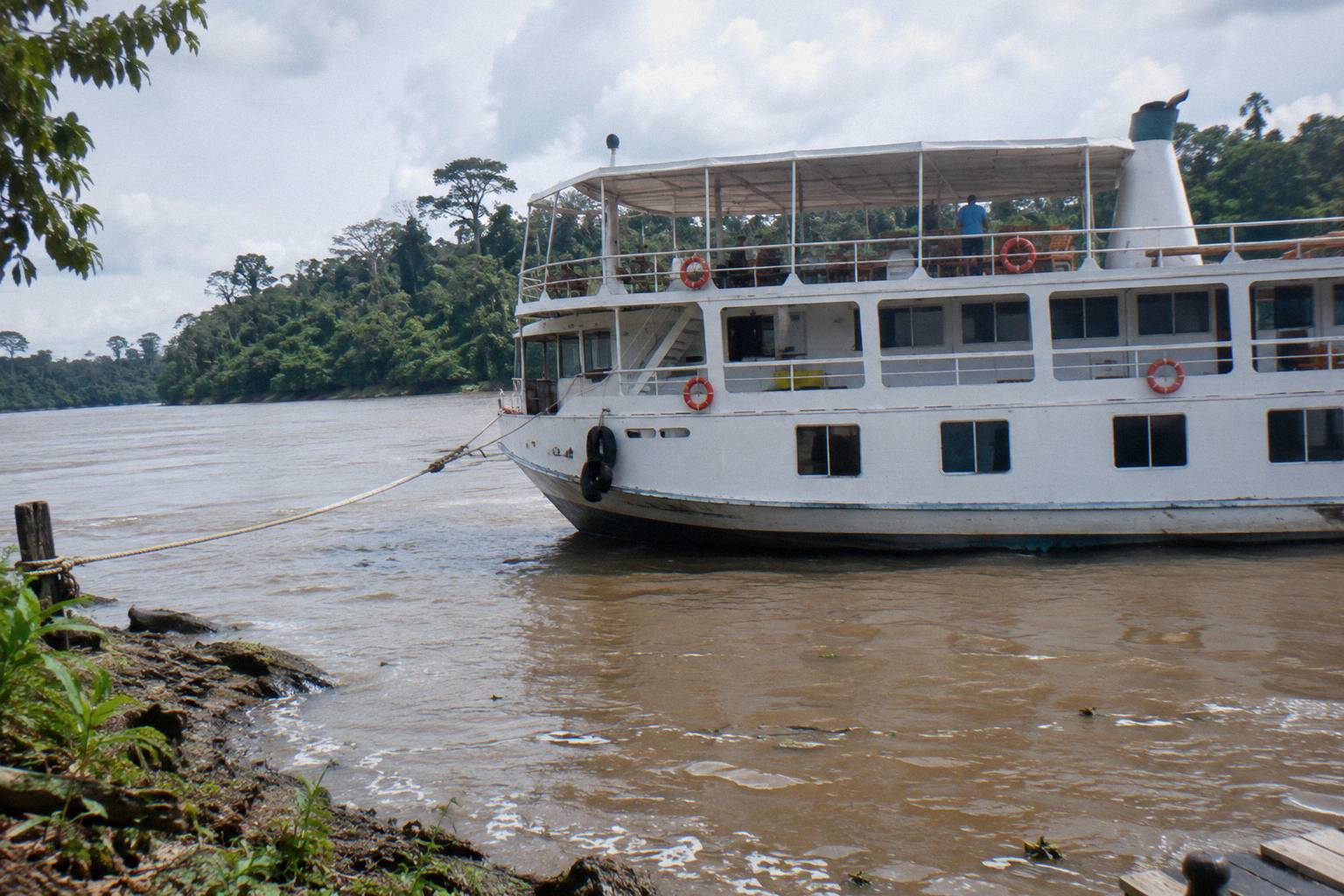
The ships covered on this site fall into three clear categories, and they behave differently in water. River ships are the easiest call: an Amazon itinerary with Delfin Amazon Cruises spends its whole week on inland waterways, and the motion that triggers nausea is largely absent. That makes river sailings the natural recommendation for a first timer whose stomach is the main worry, and it is why the Delfin III features on this page.
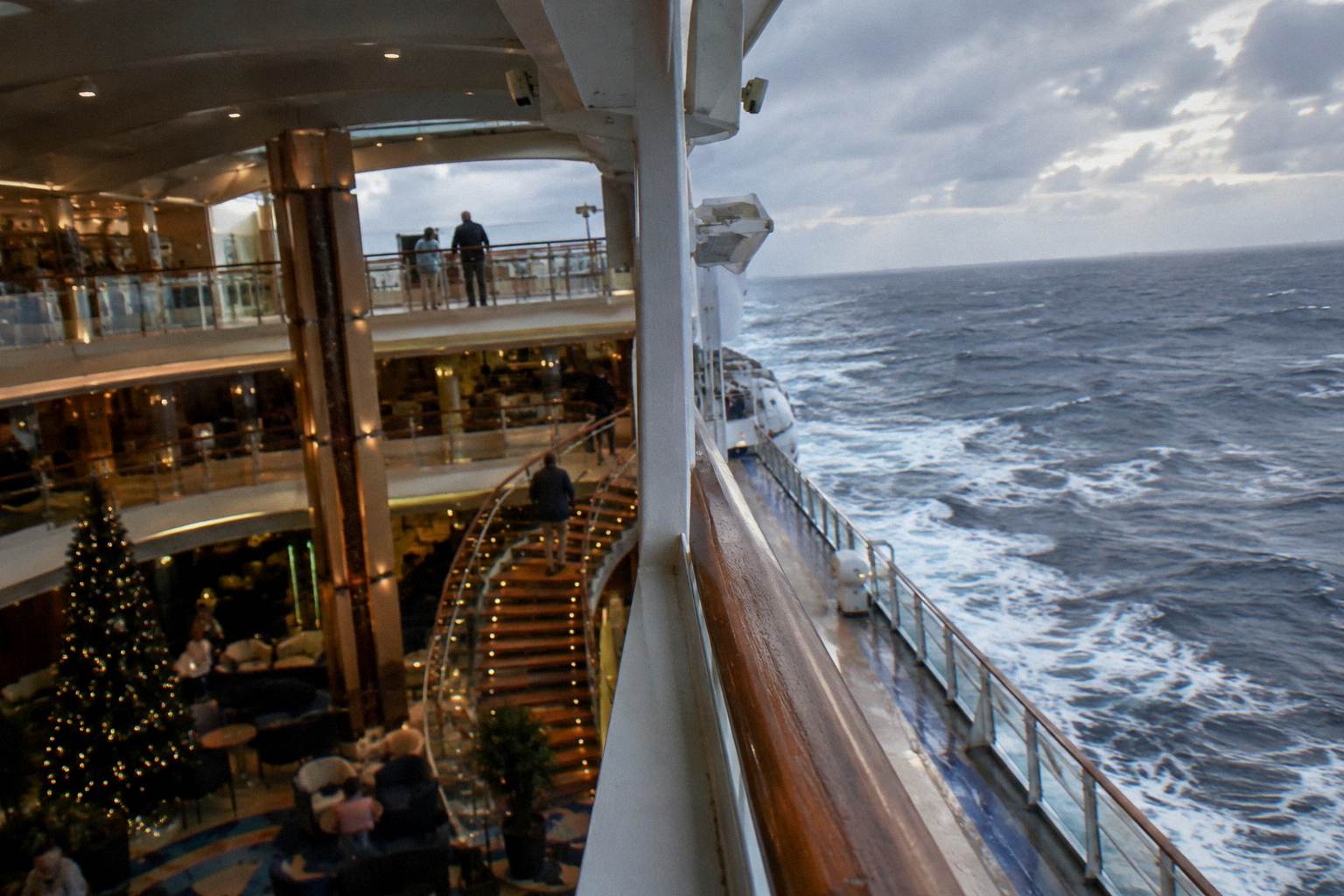
Mega ships such as Valiant Lady and Celebrity Beyond are a different proposition. Their size works in your favour, and a 2,770 or 3,260 guest hull with stabilisers is a genuinely steady platform in moderate conditions, but no ship is motionless in a heavy sea. The itineraries matter: a Caribbean sailing from Florida touches relatively protected water between islands, while a transatlantic repositioning exposes the same hull to days of open ocean.
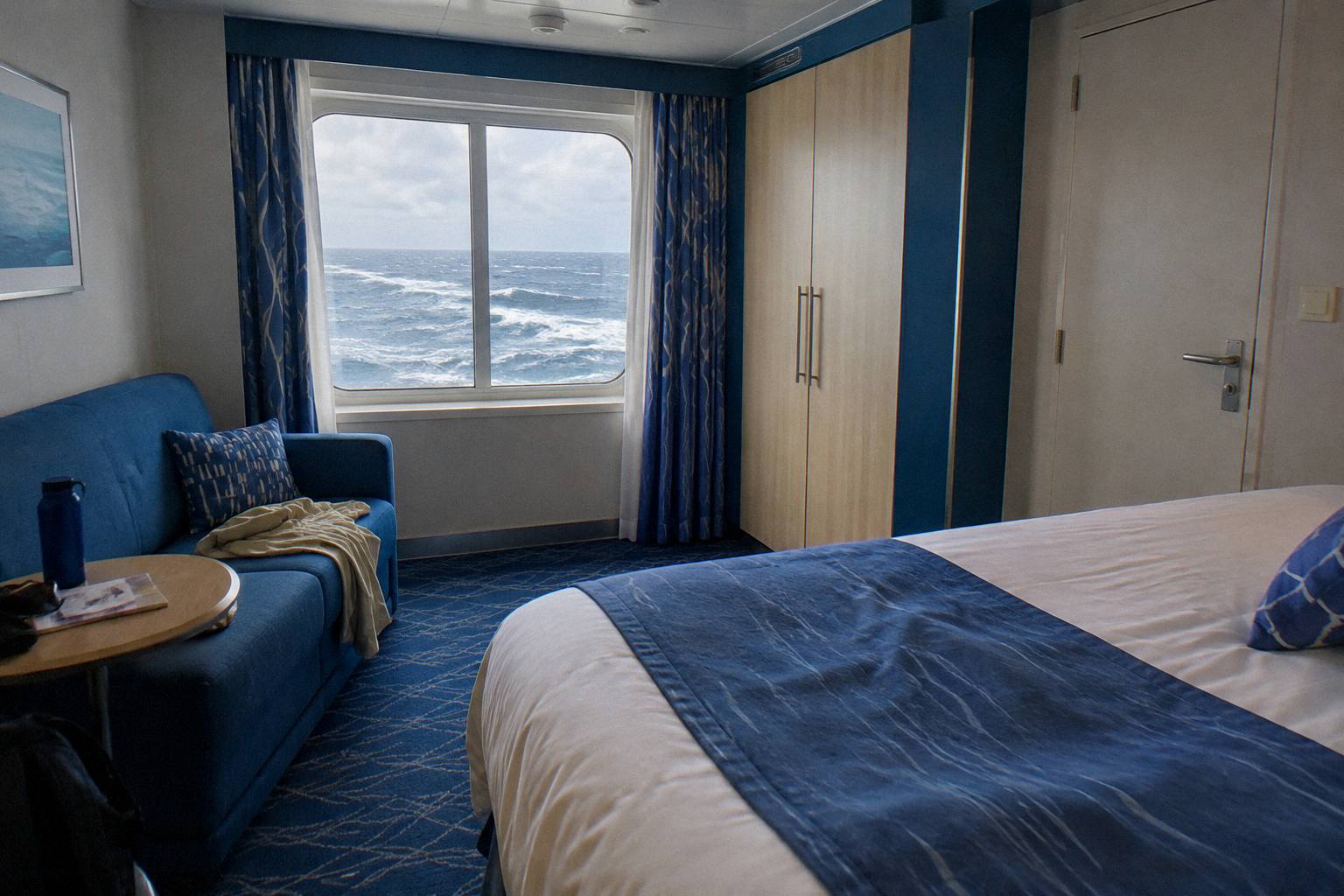
Expedition ships such as World Navigator and World Traveller from Atlas Ocean Voyages are the hardest to generalise about, because expedition routes vary so much. Sheltered coastal Antarctica sailing inside the peninsula is one experience; the Drake Passage crossing that gets you there is another entirely. If an expedition cruise is the dream, the crossing question is the one to ask before anything is booked, and a free consultation can size up the route against your tolerance for motion.
The comparison below shows the three ships this page leans on, side by side.
| Ship | Type | Guests | Built | Charter operators | Embarks from |
|---|---|---|---|---|---|
| Delfin IIIDelfin Amazon Cruises | River Ship | 44 | – | Brand g Vacations | – |
| Valiant LadyVirgin Voyages | Mega Ship | 2,770 | 2021 | Atlantis Events, BearCruise | San Juan, Barcelona |
| World NavigatorAtlas Ocean Voyages | Expedition Ship | 200 | 2021 | KelliGregg Travel / R Family Vacations | Oslo, London, Copenhagen |
The broad pattern holds across the whole roster, and the table below summarises how each category behaves when the water starts moving.
| Vessel Category | Example | Typical Motion Exposure | Best Fit For A Nervous Cruiser |
|---|---|---|---|
| River ship | Delfin III, Amadeus Aurea | Minimal; flat inland waterways | The safest first cruise, full stop |
| Mega ship | Valiant Lady, Scarlet Lady, Celebrity Beyond, Allure of the Seas | Low in moderate seas; still felt in heavy swell and on long crossings | Good, if the itinerary avoids long sea-day blocks |
| Expedition ship | World Navigator, World Traveller | Varies by route; crossings can be demanding | Only with an honest look at the specific crossing |
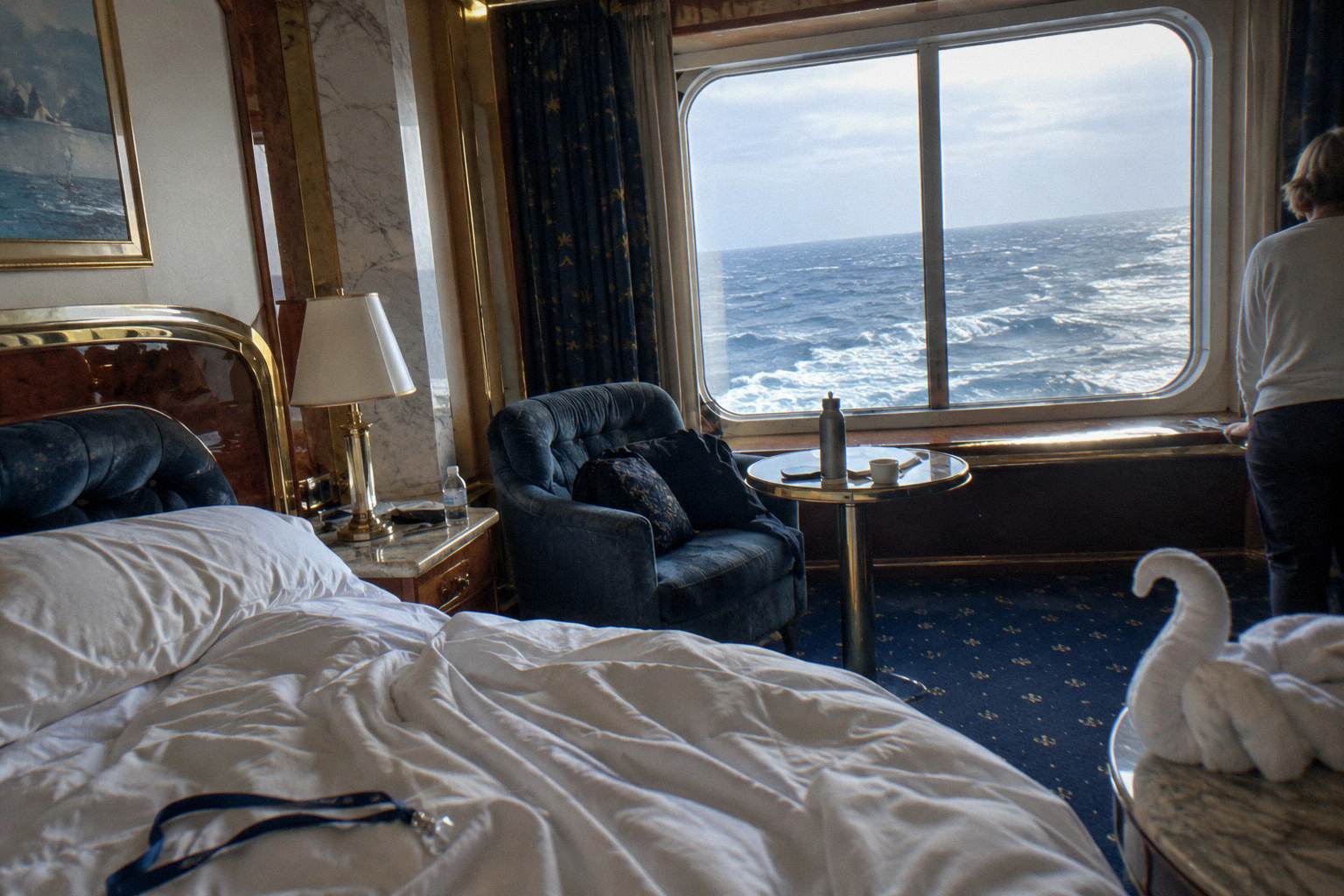
One practical way to apply all this is to read the day-by-day itinerary rather than the ship name. If the schedule shows back-to-back sea days with no port in between, you are looking at an open crossing regardless of how large the vessel is, and that is the pattern most likely to test a sensitive stomach. If instead the ship calls at a port nearly every day, the route is hugging sheltered water, which is why the Caribbean pattern between Florida and the islands sits toward the gentler end for mega ships.
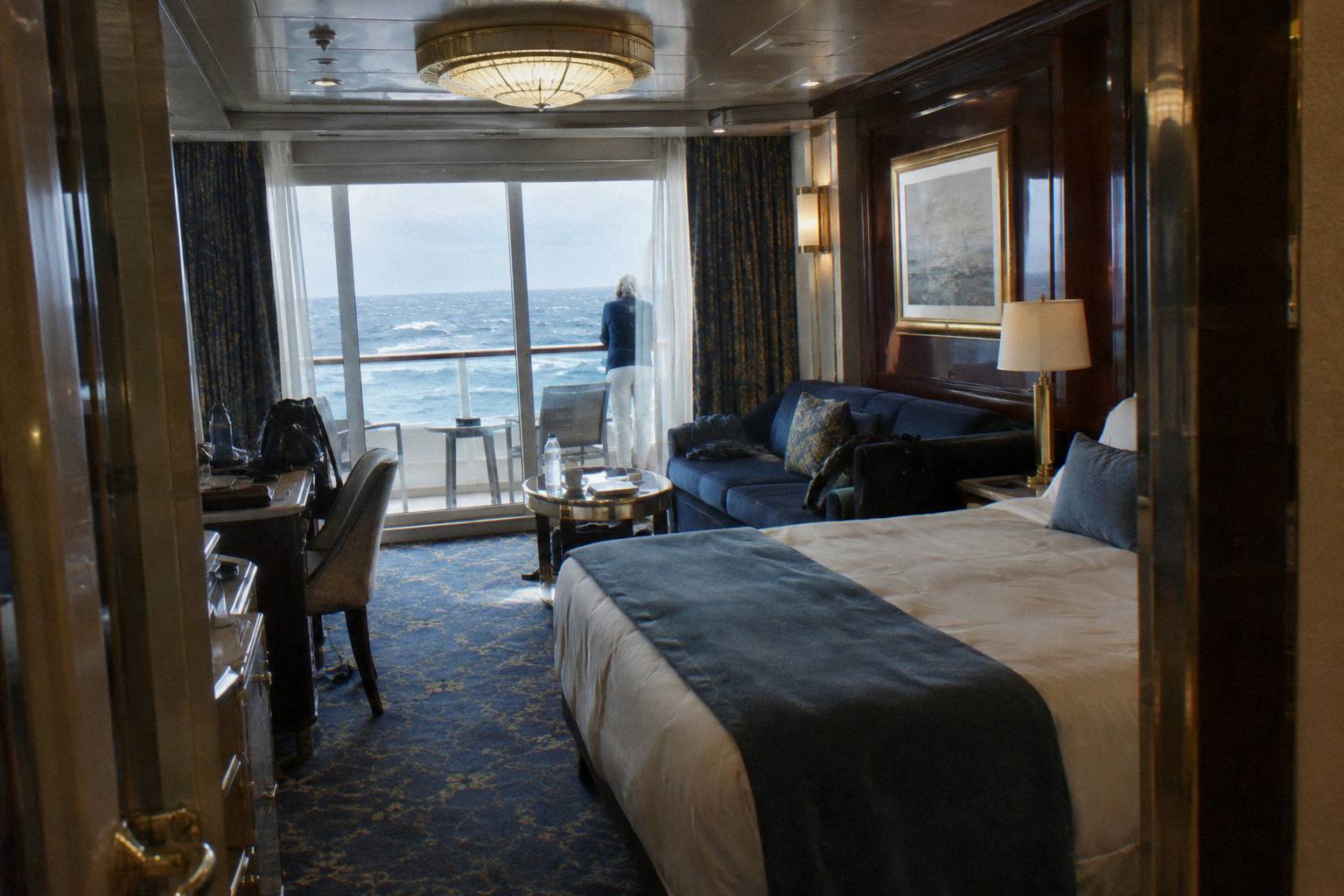
For the expedition category, the same logic splits a single sailing into two very different experiences. The days spent inside the Antarctic peninsula can be calm and scenic, while the stretch that carries you there and back is the demanding part. Asking which days are crossing days, and how many there are, tells you more than any brochure description of the ship itself.
Finally, if the choice comes down to a close call between two sailings, the free consultation linked above exists for exactly this. Matching your own history with motion sickness against the specific crossings on a route is the single most useful step before booking, and it costs nothing to ask.
Where Should You Book A Cabin When Motion Worries You?
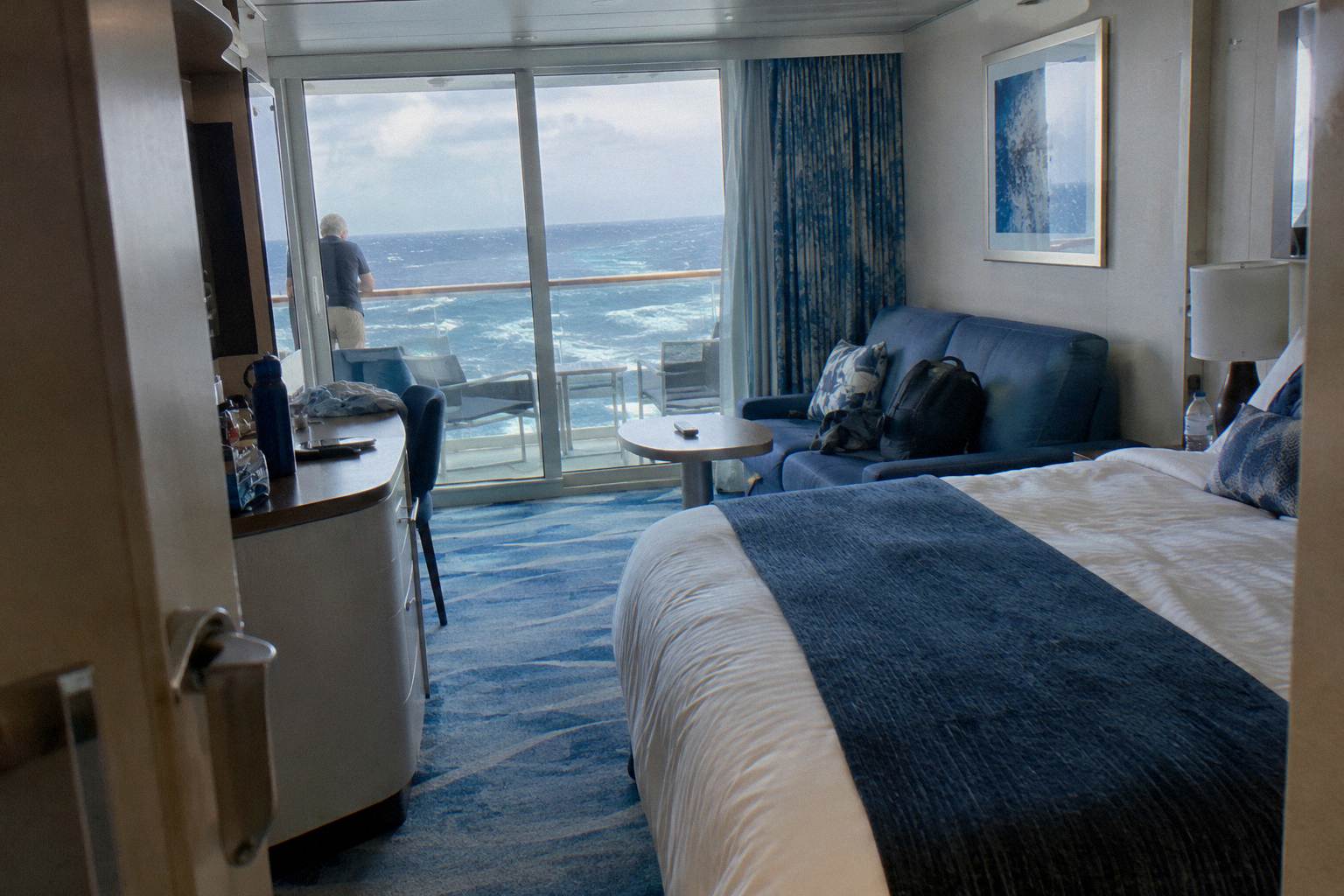
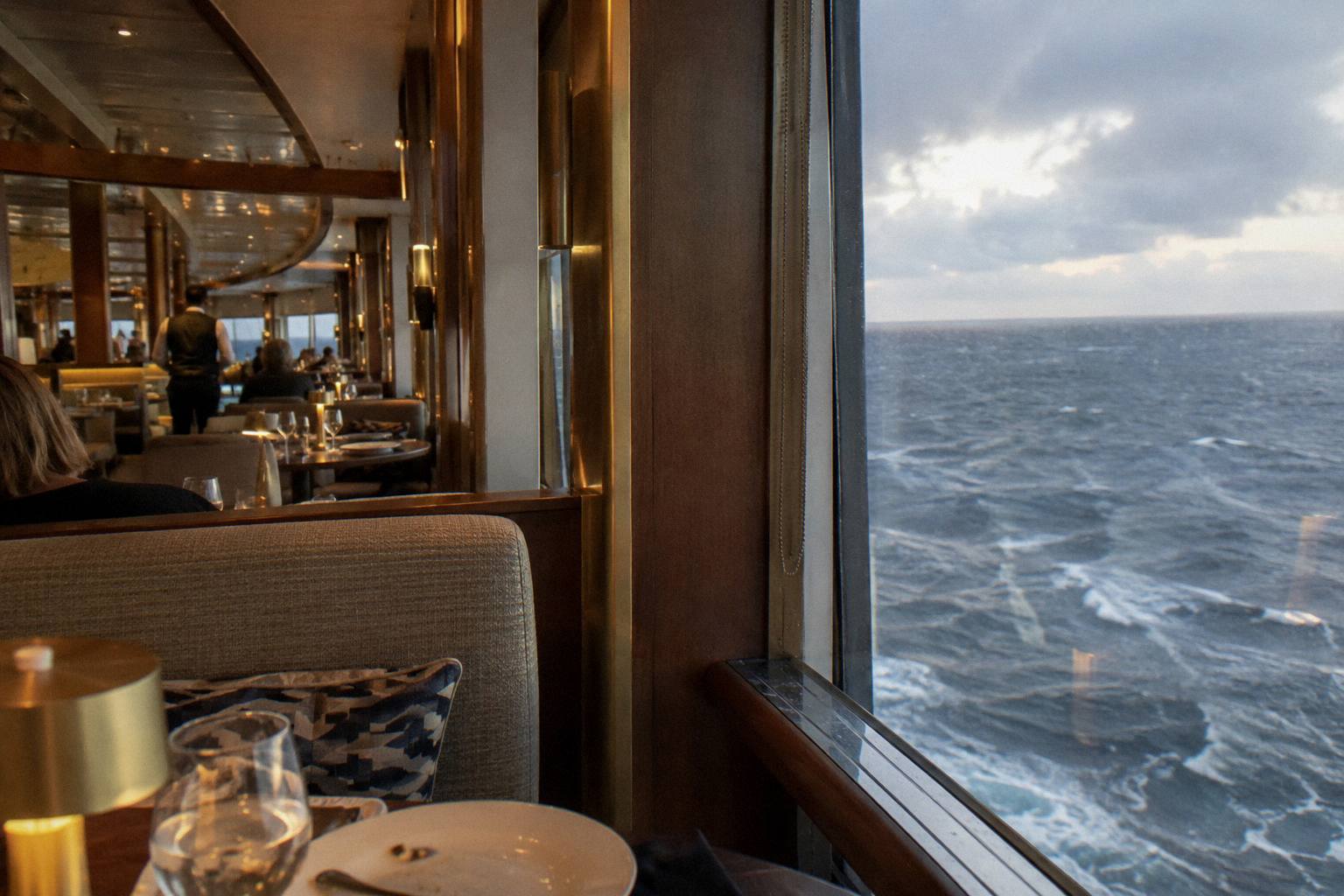
Book low, central and mid-deck, because cabins near the middle of the ship experience the least movement in any swell, while high forward cabins near the bow experience the most. This applies to every ship in the fleet regardless of operator, and it is one of the few choices that costs nothing extra under many fare structures. The cabin choice is the easiest lever a seasickness-prone cruiser controls.
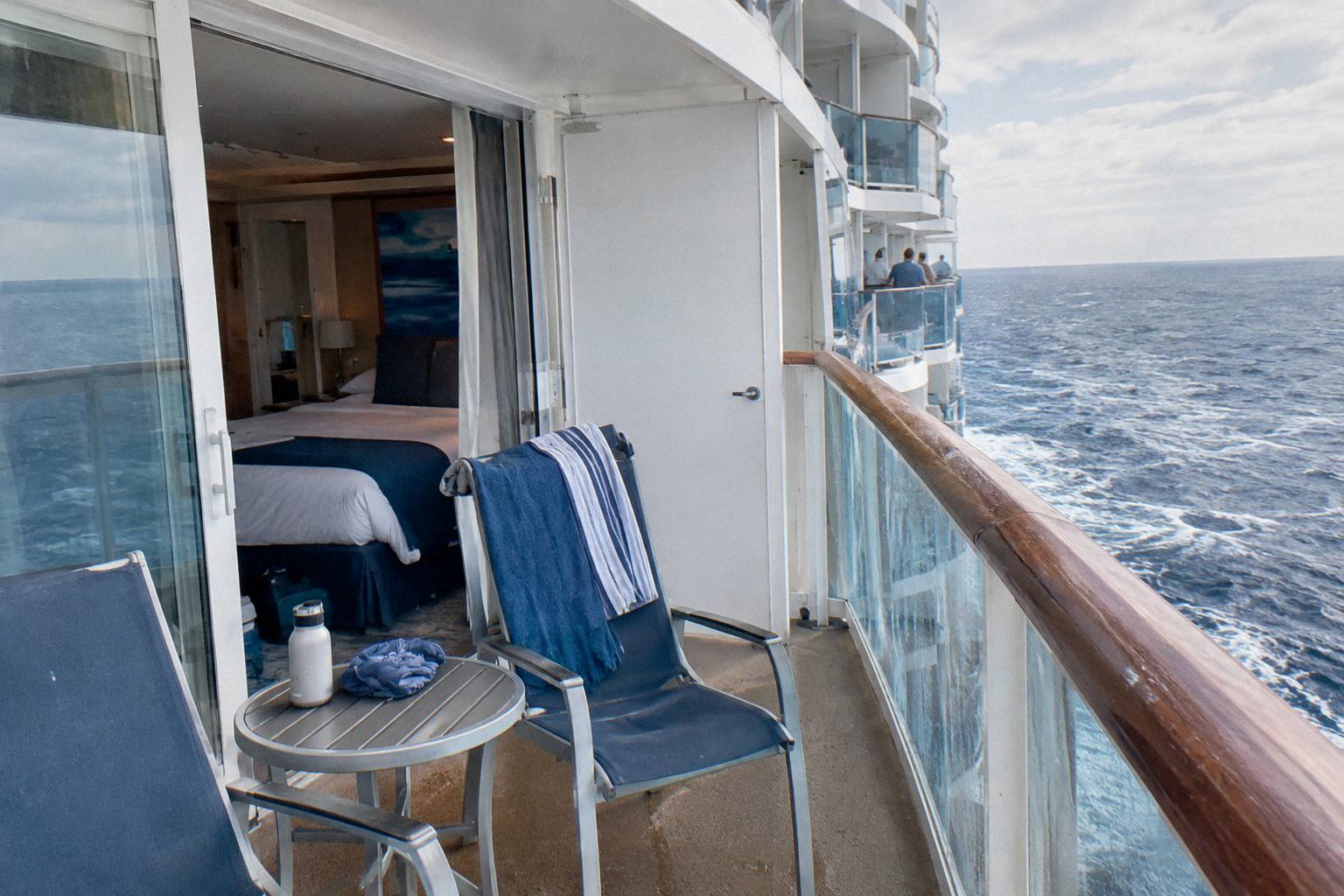
The physics is simple and well understood across the industry: a ship pitches and rolls around its centre, so the further your cabin sits from that centre, vertically or horizontally, the more arc you travel through with every movement. A mid-ship inside or ocean view on a lower deck moves least; a top-deck suite at the bow rides the largest arc. On a mega ship such as Scarlet Lady, the difference between those two positions in the same swell is significant, and on a small river ship it barely registers because the whole vessel is barely moving.
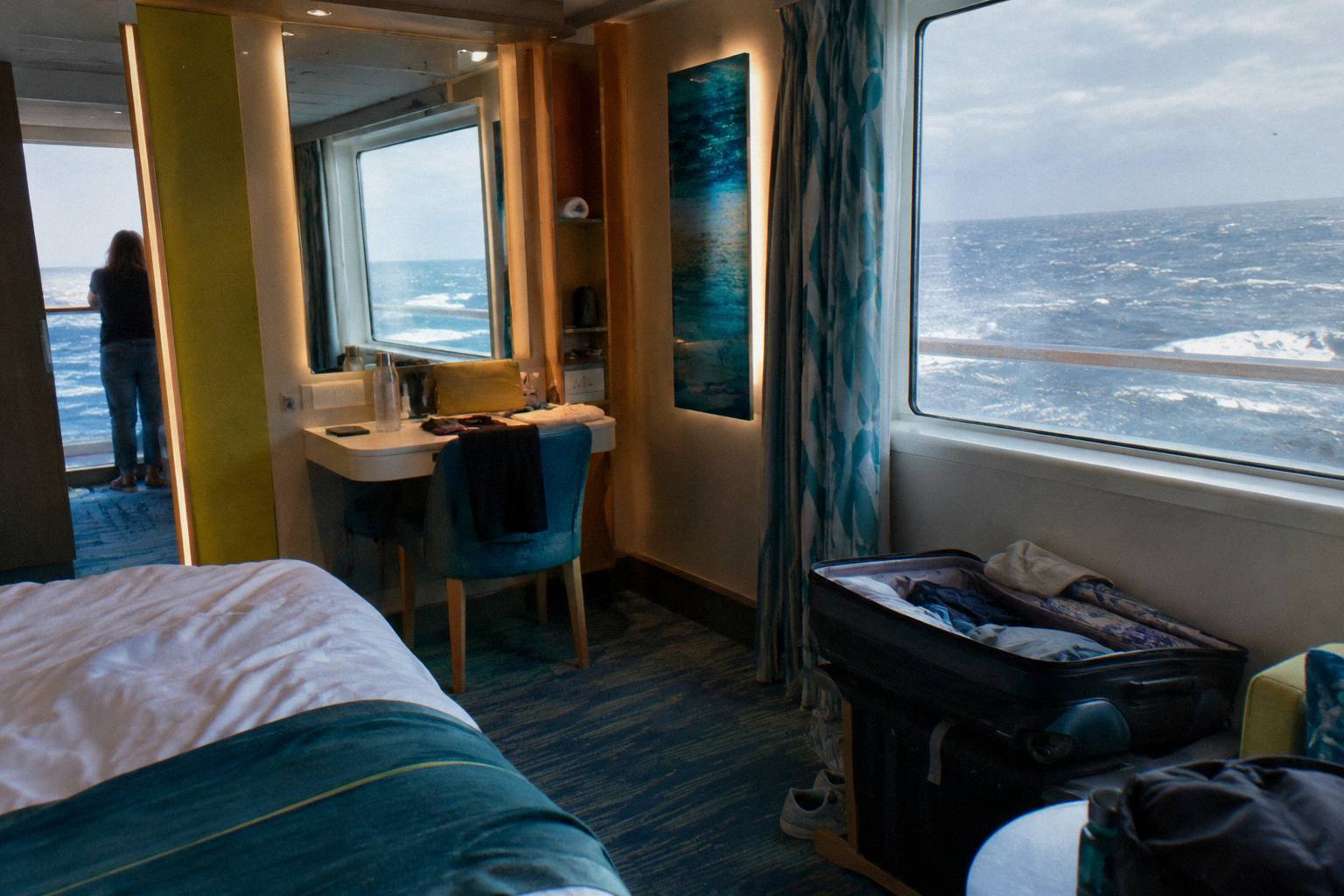
Price interacts with this in a way that favours the nervous. The lowest categories on most fare structures, the interiors and small ocean views, are usually mid-ship on mainstream hulls, which means the cheapest cabin is often also the steadiest. Atlantis Events lists interior fares from $1,199 to $1,799 per person on its current 7-9 night sailings, according to the Atlantis Events official site, and those interior categories are exactly where a motion-wary cruiser wants to be anyway. The premium suites at the top of the ship are, ironically, the worst real estate for a sensitive stomach.
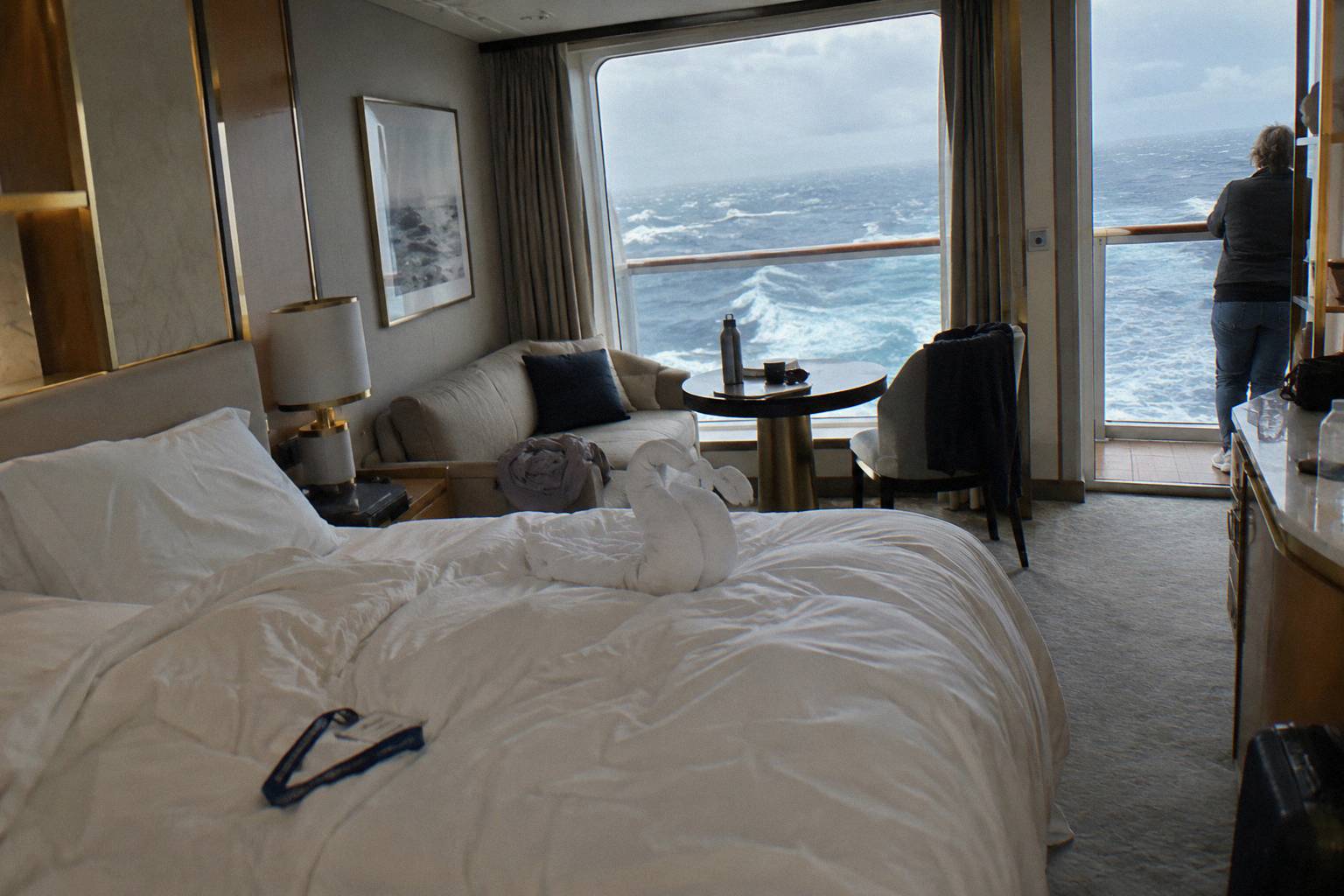
Two practical notes before you choose. First, charter operators allocate cabins in blocks, so the mid-ship interiors can go first when a charter opens, which is an argument for deciding early rather than browsing late. Second, if a balcony matters to you for other reasons, a mid-ship balcony on a lower deck is a reasonable compromise between fresh air and stability. If the cabin map of a specific sailing is the thing holding up your decision, ask a free consultation to walk through it before the mid-ship categories fill.
Does A Charter Or Group Sailing Change The Seasickness Picture?
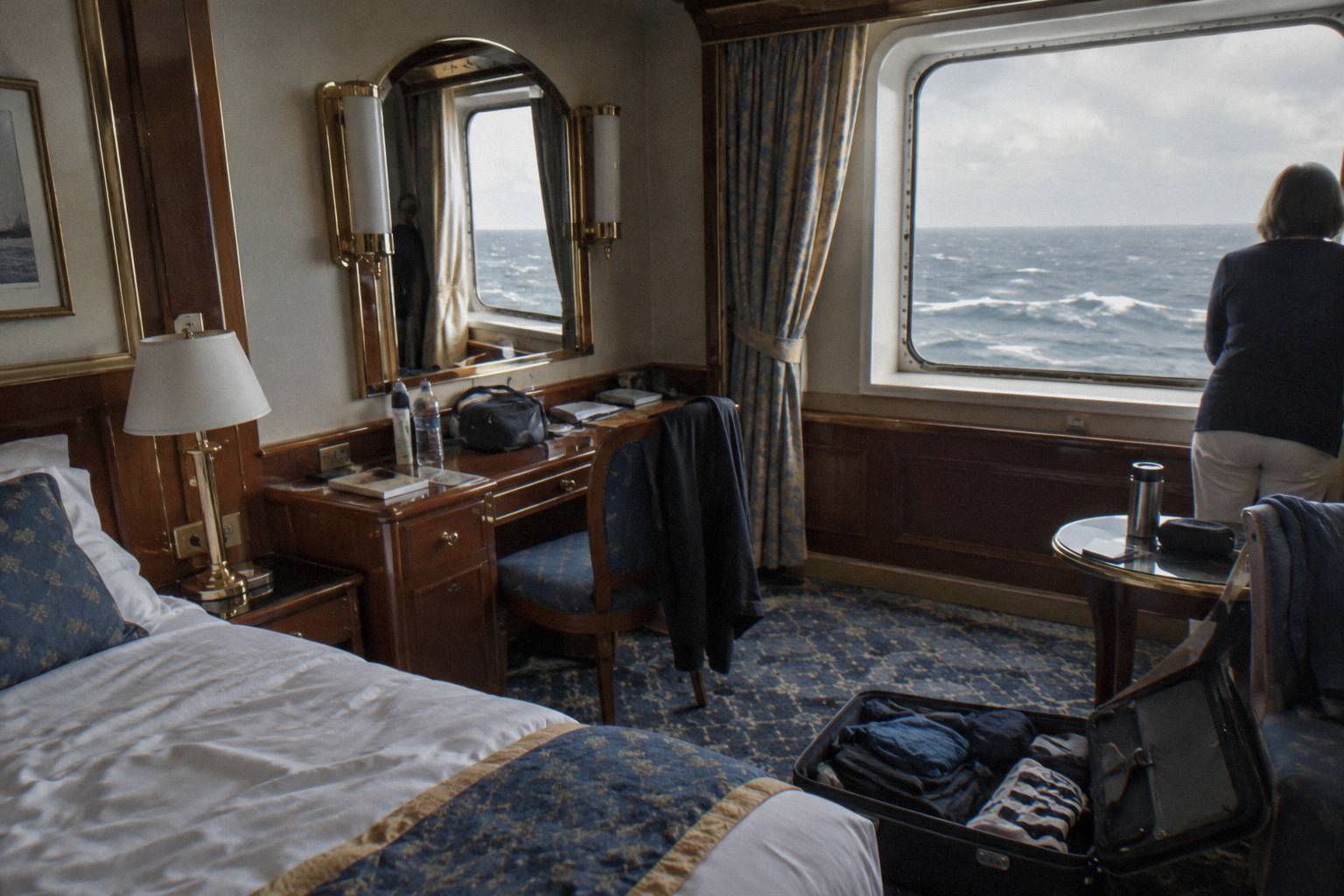
It changes the atmosphere, not the motion. A chartered mega ship behaves exactly like the same hull on a mainstream sailing, so the seasickness variables remain the ship, the route, the season and the cabin. What charters do change is how quickly cabins sell and which cabin locations remain, which is why motion-wary travellers on charter sailings benefit from booking early rather than waiting for a deal.
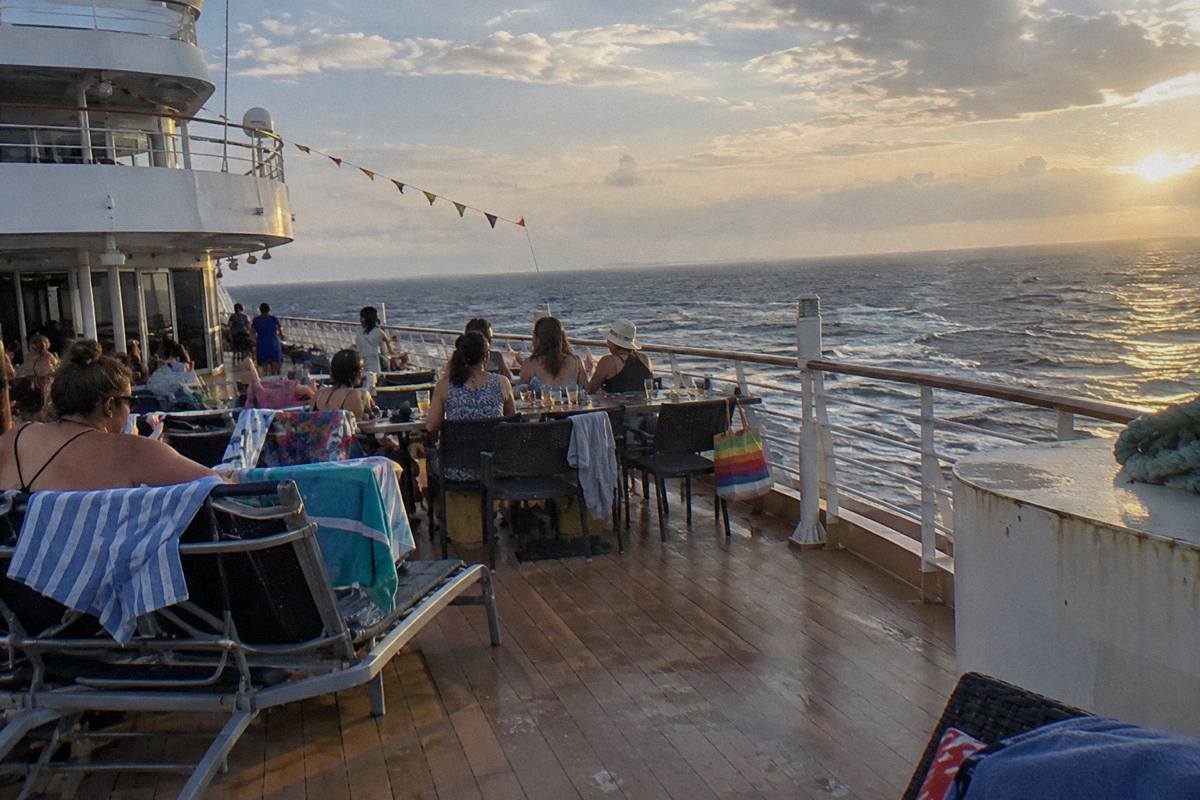
The 90 sailings covered split by operator in ways that matter for planning. Atlantis Events has 6 sailings between 2026-11-22 and 2027-08-22, and 4 of those already show sold out or waitlist status. VACAYA shows 8 sailings and all 8 are sold out or waitlisted, consistent with its own statement that its 2026-2028 trips covered are gone. Olivia Travel lists 19 sailings with 10 showing sold out or waitlist. When the steadiest cabins in the middle of the ship go first on popular charters, late bookers get whatever is left, which is often high and forward.
| Operator | Sailings Covered | Date Range | Sold Out Or Waitlist |
|---|---|---|---|
| Brand g Vacations | 24 | 2027-04-18 to 2028-10-14 | 5 |
| Olivia Travel | 19 | 2026-12-02 to 2028-05-24 | 10 |
| KelliGregg Travel / R Family Vacations | 13 | 2027-02-05 to 2028-09-02 | 0 |
| VACAYA | 8 | 2026-12-28 to 2028-12-16 | 8 |
| Atlantis Events | 6 | 2026-11-22 to 2027-08-22 | 4 |
| Big Gay Cruise | 6 | 2026-11-14 to 2028-02-06 | 0 |
| BearCruise | 6 | 2026-12-30 to 2028-07-09 | 0 |
| Out Adventures | 2 | 2027-12-08 to 2028-02-05 | 2 |
The table above is worth reading twice for a nervous cruiser. The operators with zero sold-out sailings, Big Gay Cruise, BearCruise and KelliGregg Travel, are the ones where a mid-ship cabin choice is still realistically open, and where there is time to weigh the itinerary's waters before committing. The operators with heavy sold-out counts are the ones where the cabin map narrows fastest. Neither column tells you anything about motion itself, but both tell you how much choosing room you have.
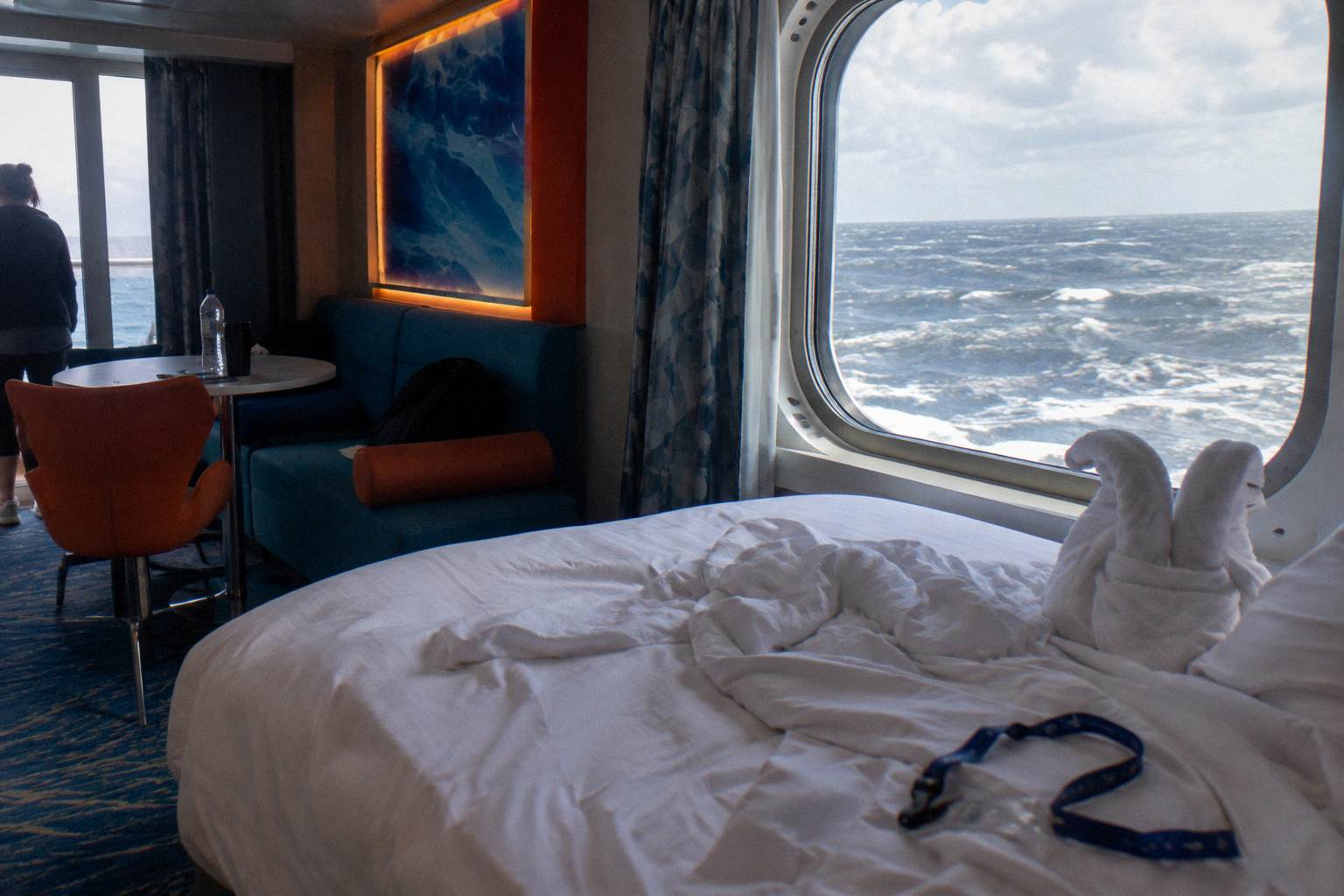
The audience mix is a separate question and a pleasant one: charters range from Atlantis Events, founded in 1991 and aimed at gay men, through Olivia Travel for LGBTQ+ women, to mixed LGBTQ+ brands such as VACAYA and family-focused R Family Vacations programming. None of that affects the hull's behaviour, and if you are still weighing whether these sailings welcome you at all, our piece on whether straight people go on a gay cruise covers the door policy question directly.
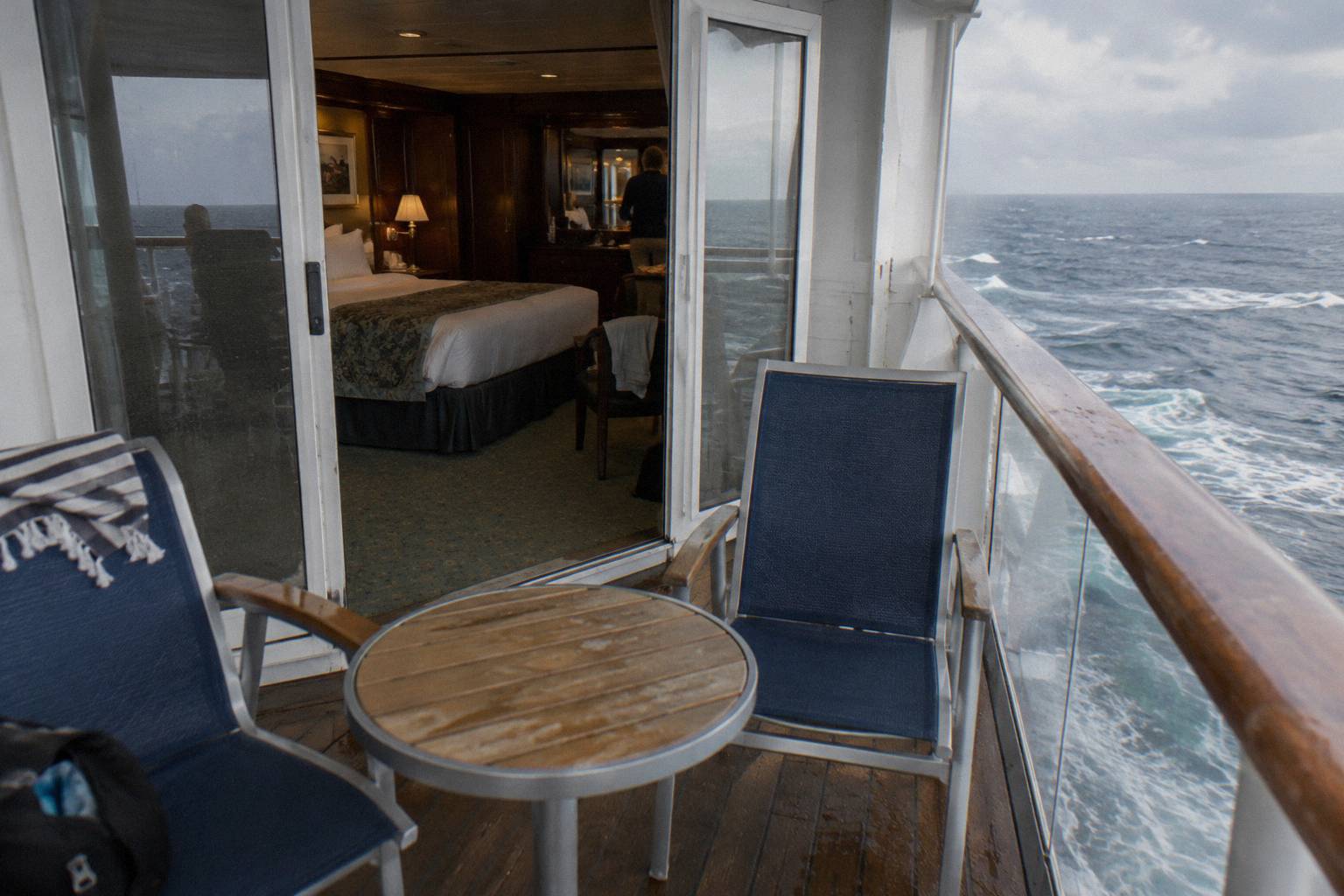
What Helps Against Motion Once You Are Aboard?
The standard toolkit is well established: over-the-counter motion remedies taken before symptoms start, acupressure wristbands, ginger, time on deck with eyes on the horizon, and a cabin low and mid-ship when you can get one. Medical options exist for severe cases and are worth discussing with a pharmacist or doctor before the sailing rather than during it. None of it is gay-cruise-specific, and none of it contradicts the operator pages covered here.
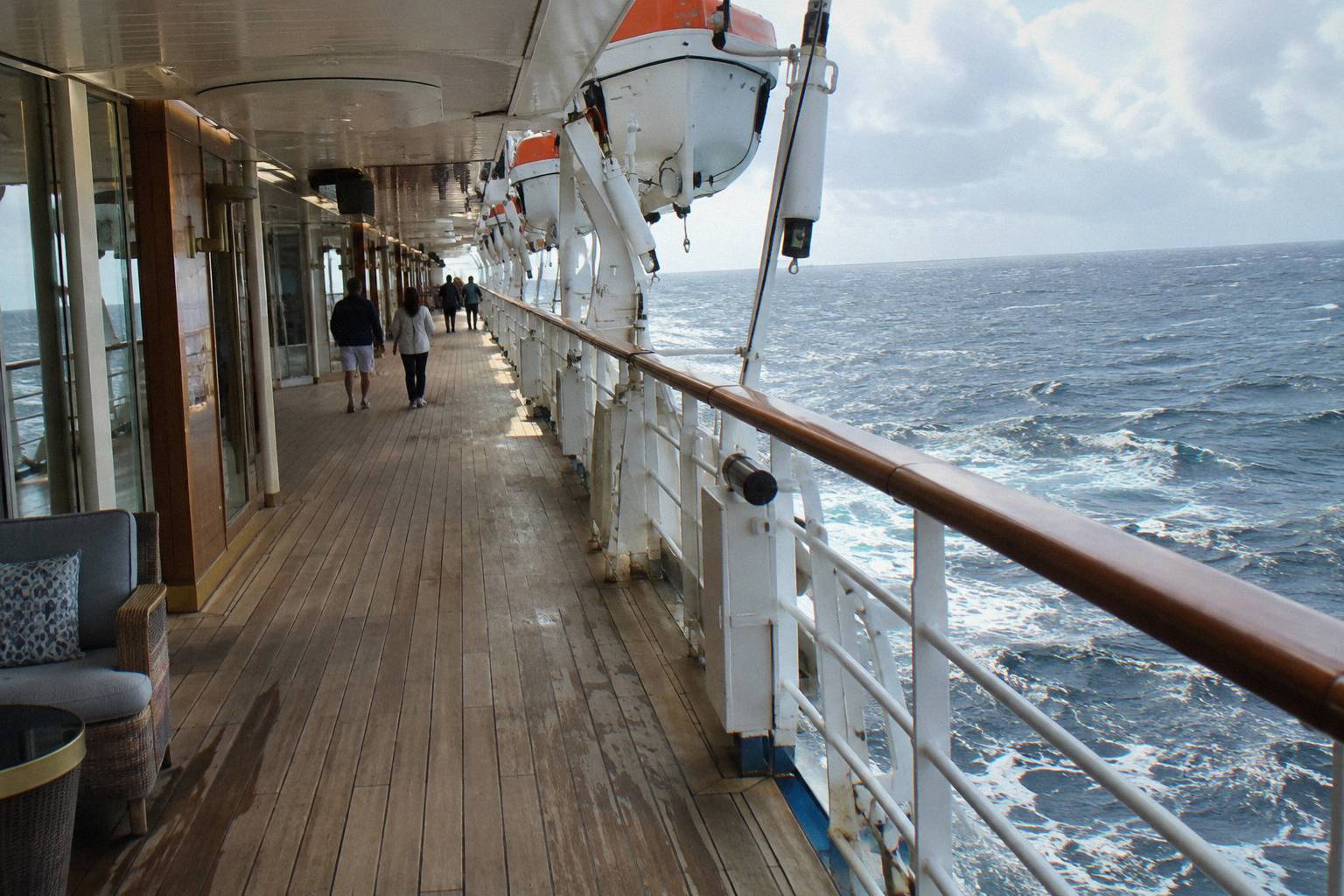
The most useful principle is timing. Motion remedies of every kind work better as prevention than as cure, which means the practical plan is to have whatever you intend to use in your bag and in your system before the first open-water evening, not purchased at the ship's shop after dinner. On a river sailing such as Delfin III's Amazon itineraries, most guests will never feel the need; on a mega ship crossing open water between port days, the first full sea day is the moment to be prepared for. The wider set of guides lives on Gay Cruises.
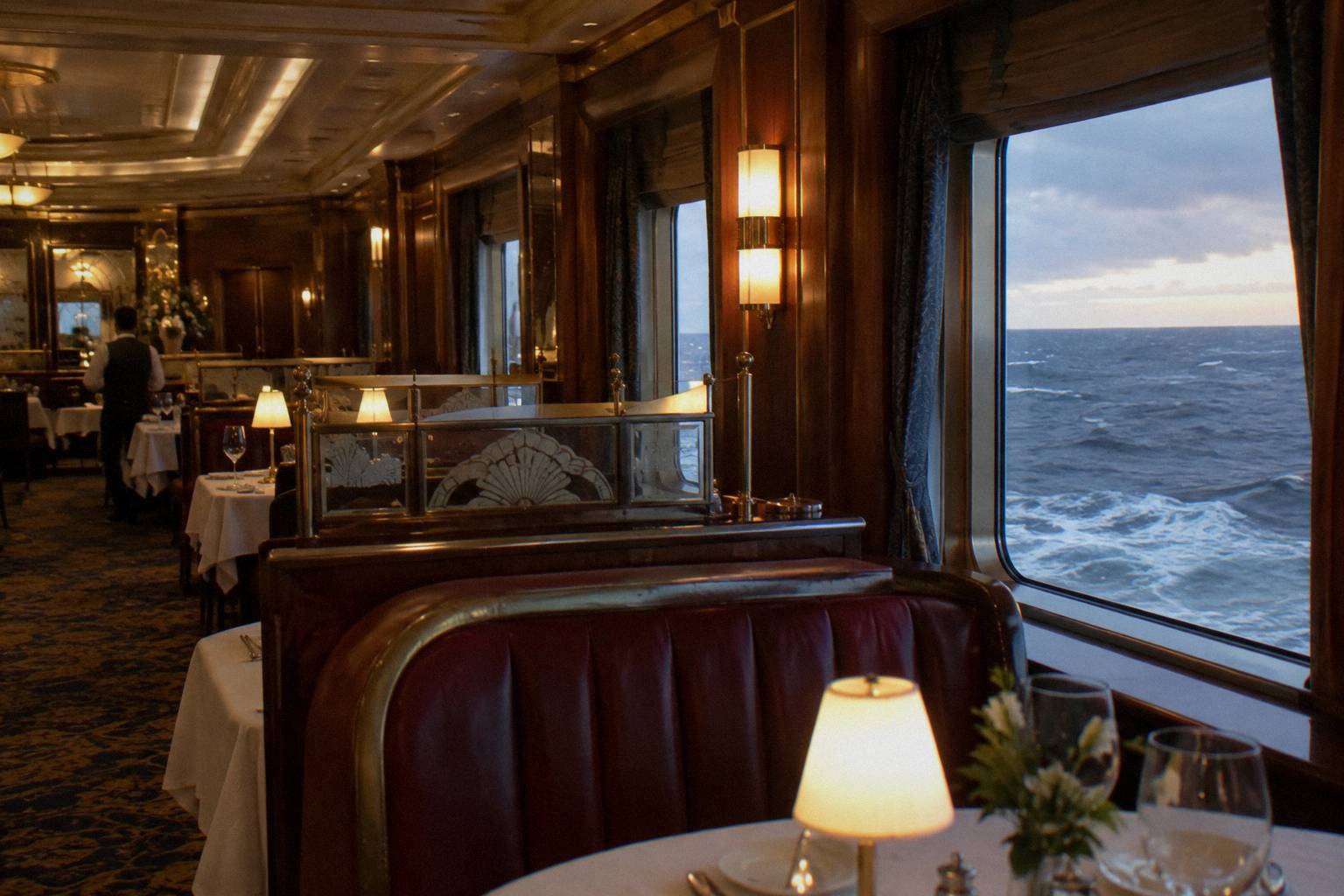
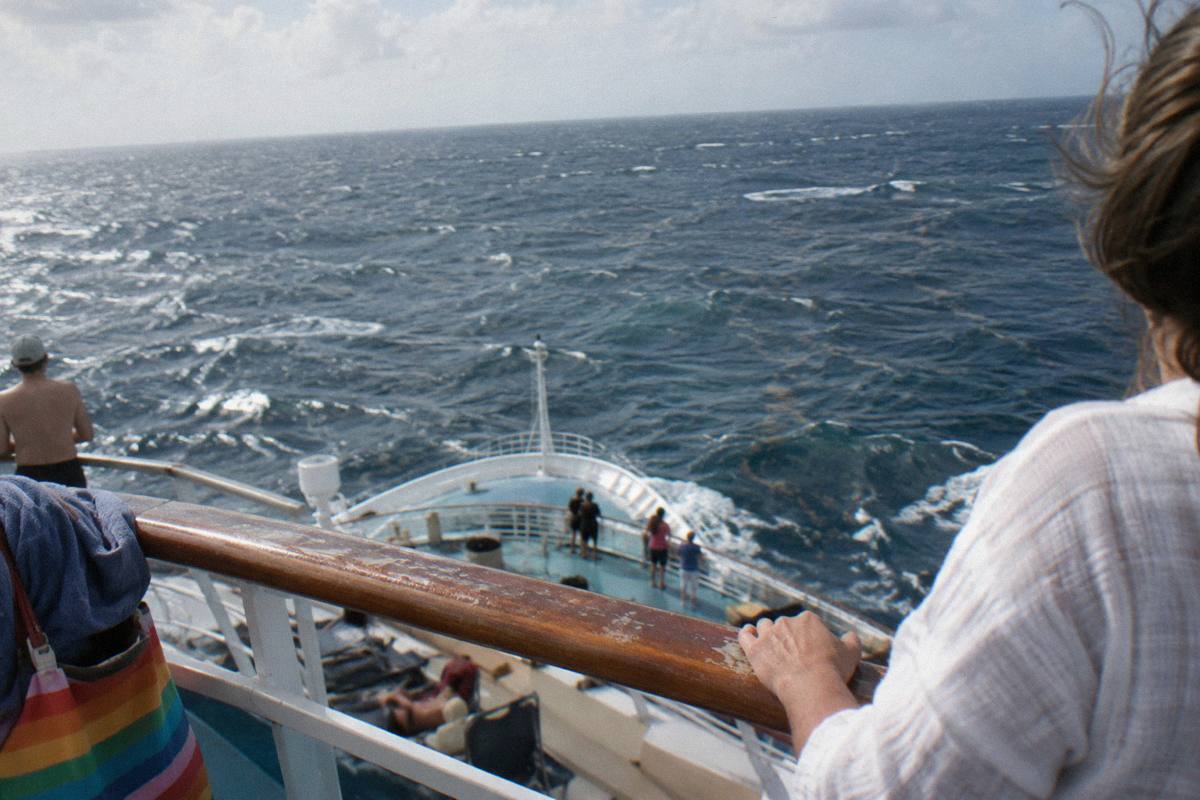
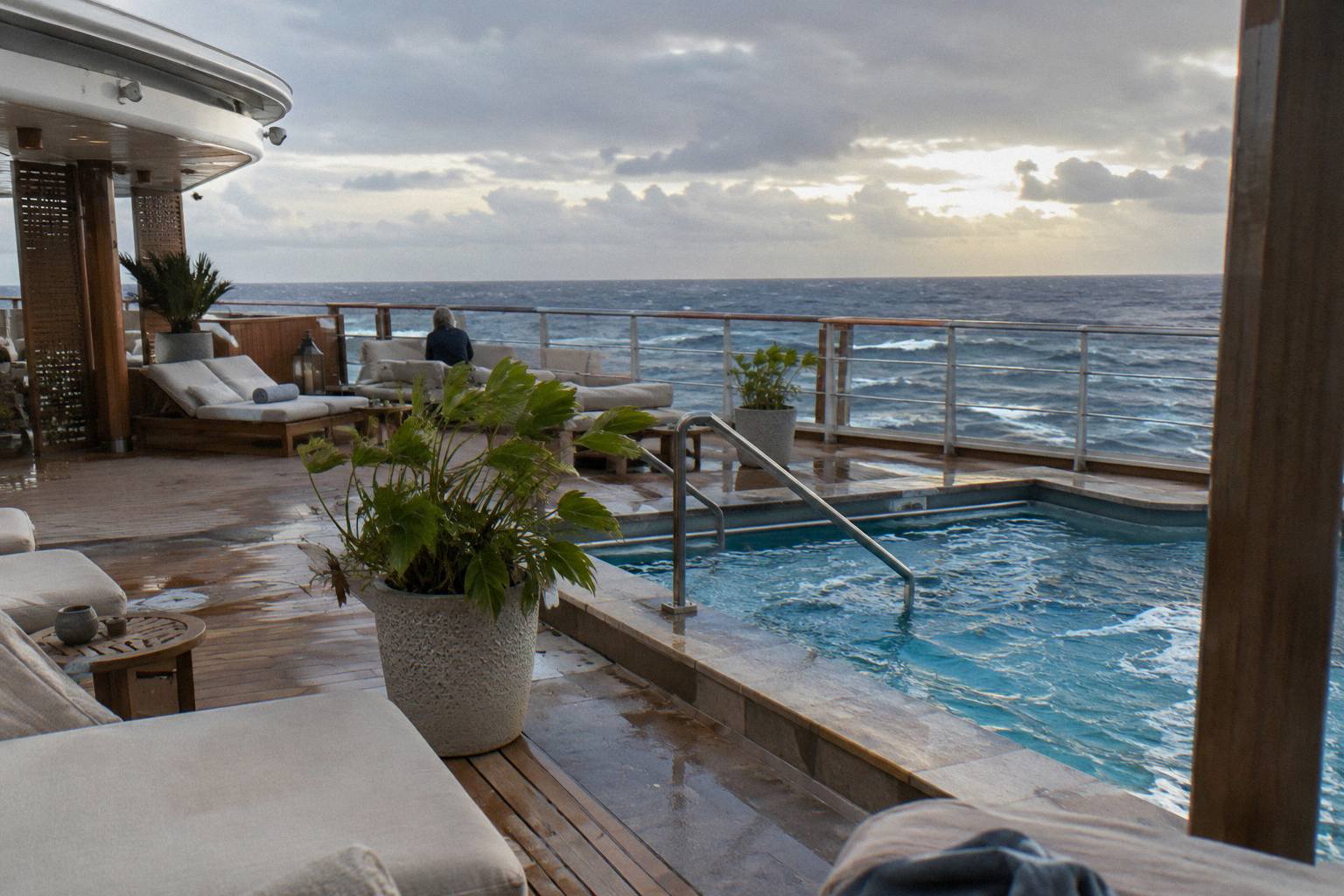
Behaviour matters more than people expect. Being on an open deck with a clear horizon line gives your eyes and inner ear the same story, which is the core of why deck time helps; lying in an interior cabin with no visual reference does the opposite. Eating lightly, avoiding heavy alcohol on the first evening at sea, and staying hydrated are the standard companions to that. If your sailing is a nightlife-heavy charter, pacing the first night against the first sea day is simply sensible planning.
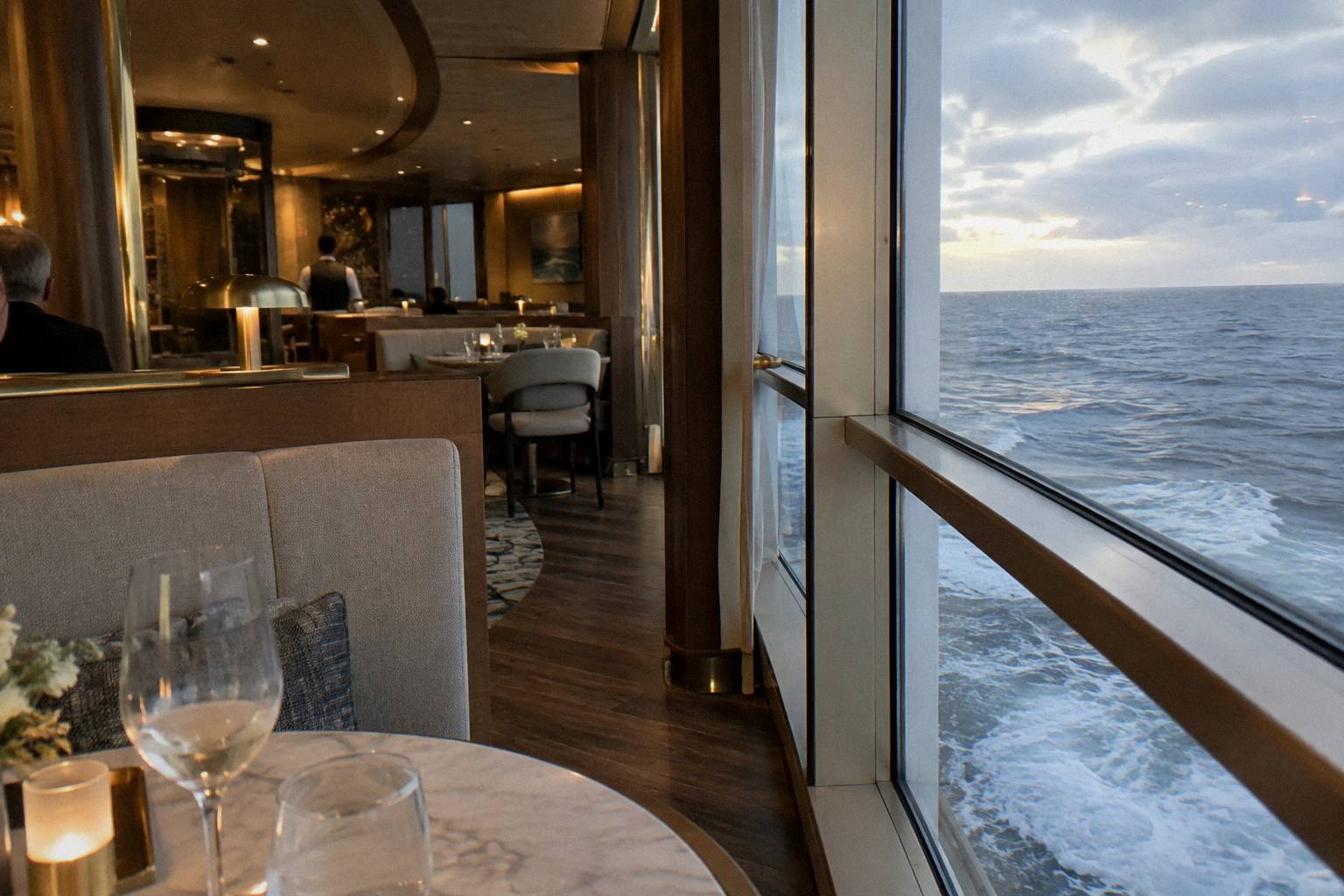
For travellers with a known severe history, the medical route is a pre-cruise conversation. Prescription motion options exist and need professional advice, and this page deliberately prints no doses, brand claims or success figures, because operators publish none. That is also true of the onboard medical centre: mainstream lines carry one, it is there for worse cases than nausea, and its cost is not an inclusion to assume on any fare.
Which Sailings Suit A Nervous First Time Cruiser?
The calmest entries in the current file are river itineraries, and the most available calm options are the operators with zero sold-out sailings: Big Gay Cruise with 6 sailings from 2026-11-14, BearCruise with 6 from 2026-12-30, and KelliGregg Travel with 13 from 2027-02-05. Brand g Vacations offers the widest calendar, 24 sailings to 2028-10-14, with only 5 sold out, including Rhine river product from about $4,900 per person.
Brand g is worth a closer look from a purely motion-driven standpoint. Its 24 listed sailings run to October 2028, its Rhine itineraries are river product with the calm that implies, and its lowest-cabin fares run from about $4,900 per person on the Rhine up to about $22,300 for its Philippines, Taiwan and Japan luxury product. For a traveller who wants a gay-centred mixed atmosphere on flat water, a Rhine sailing is arguably the single best fit in the whole file.
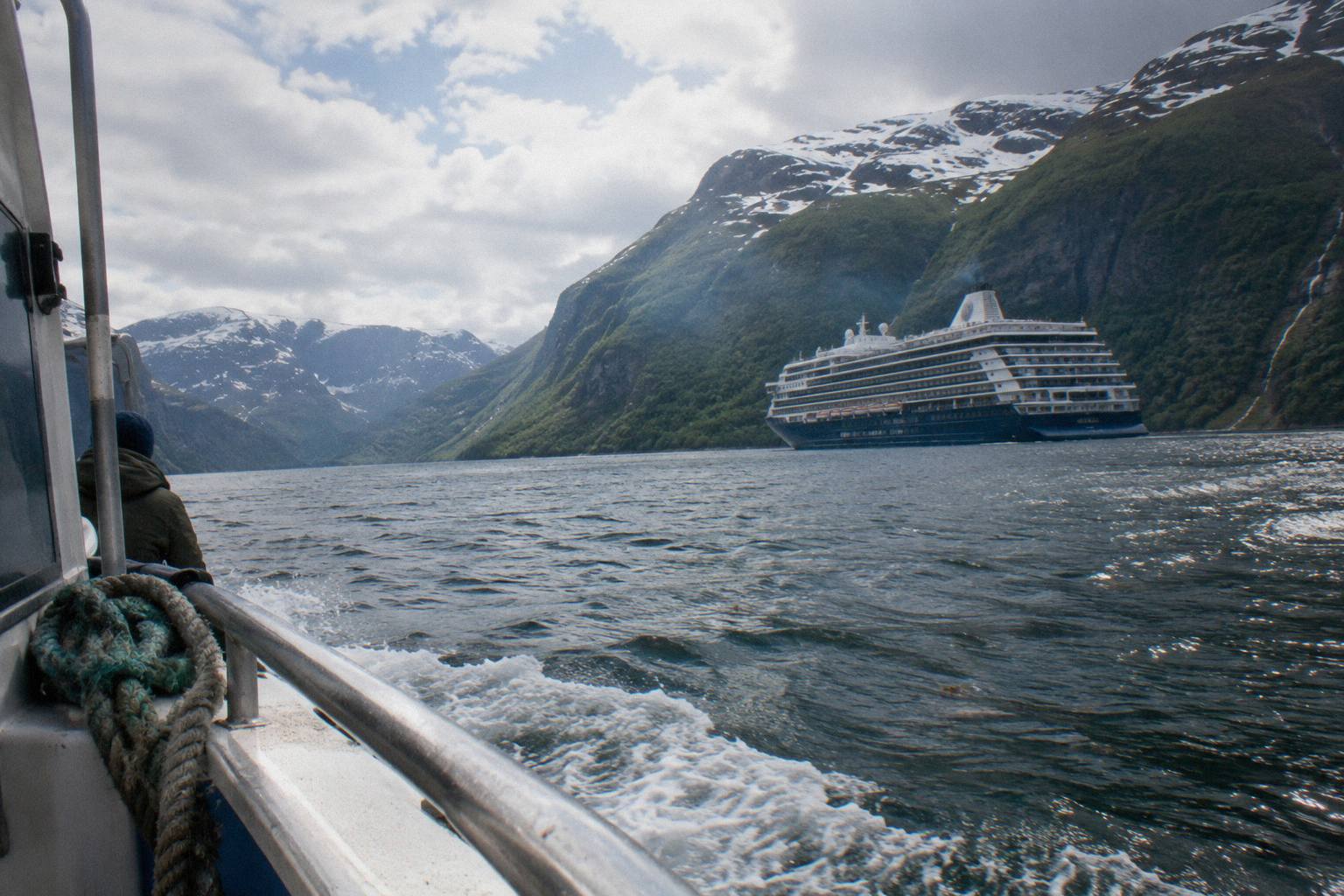
Out Adventures sits at the opposite pole: its 2 listed sailings are both sold out or waitlisted, and its fare range runs from $7,495 for Baja to $22,585 for Antarctica. The Antarctica fare is a useful marker here, because that itinerary type includes the Drake Passage, the most notoriously motion-heavy crossing in cruise travel. A motion-wary traveller should treat expedition polar product as a dream-itinerary question that needs honest self-assessment, not an impulse booking.
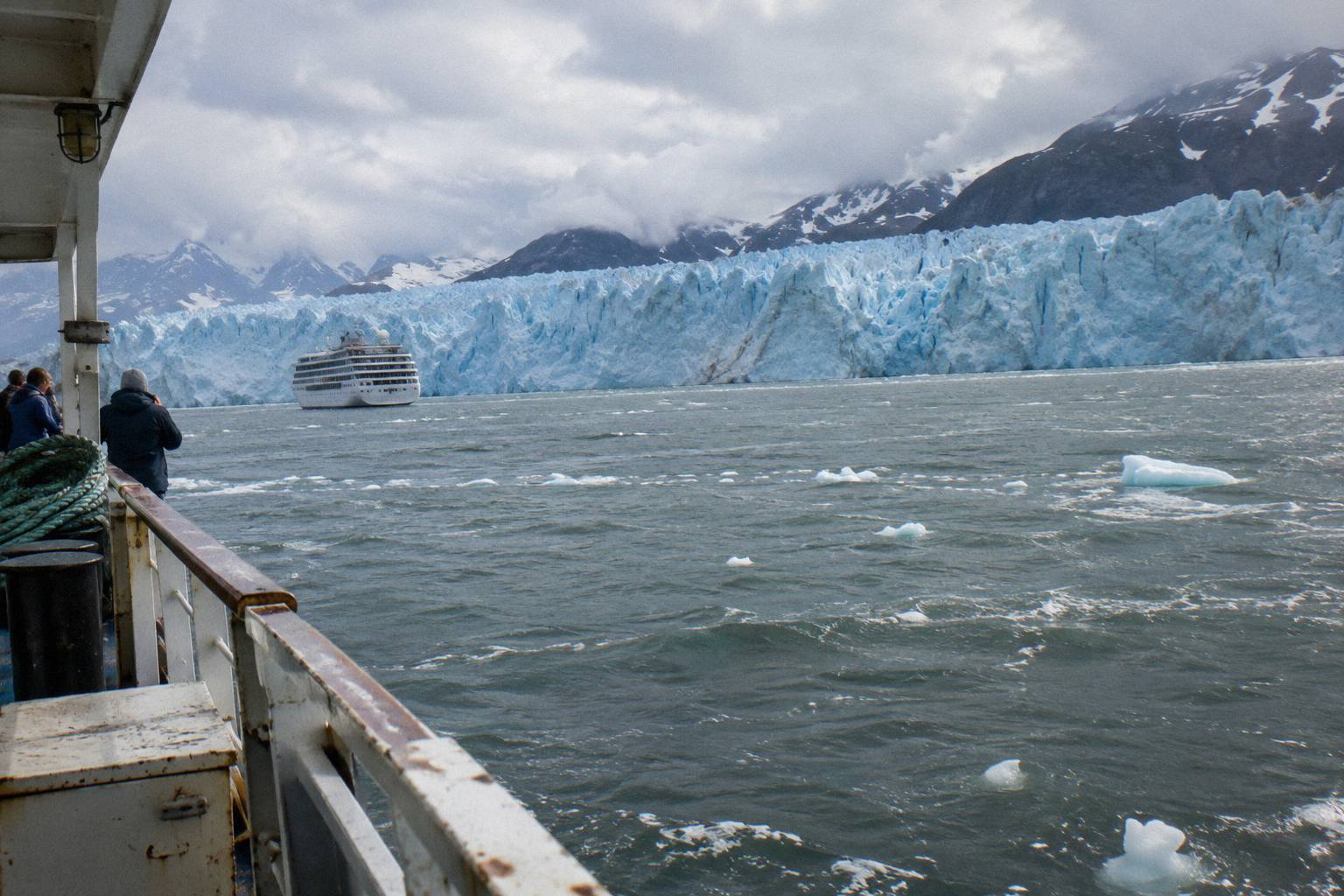
Price anchors help frame the calm end too. Olivia Travel's listed fares run from about $999 for a Holland America interior to $6,899 and above for river and expedition product, and the operators publish their figures on their own pages, including the VACAYA official site. Where an operator does not publish a fare, as with RSVP Vacations, BearCruise and several others, this page prints no number. If matching a fare to a water type is where you have got to, compare calm itineraries with a free consultation before committing to a date.
Does Season And Route Choice Matter For Motion?
Yes, and often more than the ship. The same hull can feel like two different vessels on a sheltered summer itinerary and a windy winter crossing, and route shape matters: short hops between close islands involve less open water than long sea days between distant ports. The listed sailings cluster in the Caribbean, the Mediterranean and river and polar regions, so matching dates to the calmer seasons of your chosen region is a real decision.
Caribbean sailing, which anchors much of the Atlantis and Big Gay Cruise calendar, is at its most settled outside hurricane season, with the late spring and early winter months typically the gentlest for swell. That said, the Caribbean is a relatively protected sea compared with the open Atlantic, and the mega ships used on these routes are large platforms. The bigger seasonal question for Caribbean-bound cruisers is really weather disruption risk rather than day-to-day motion.
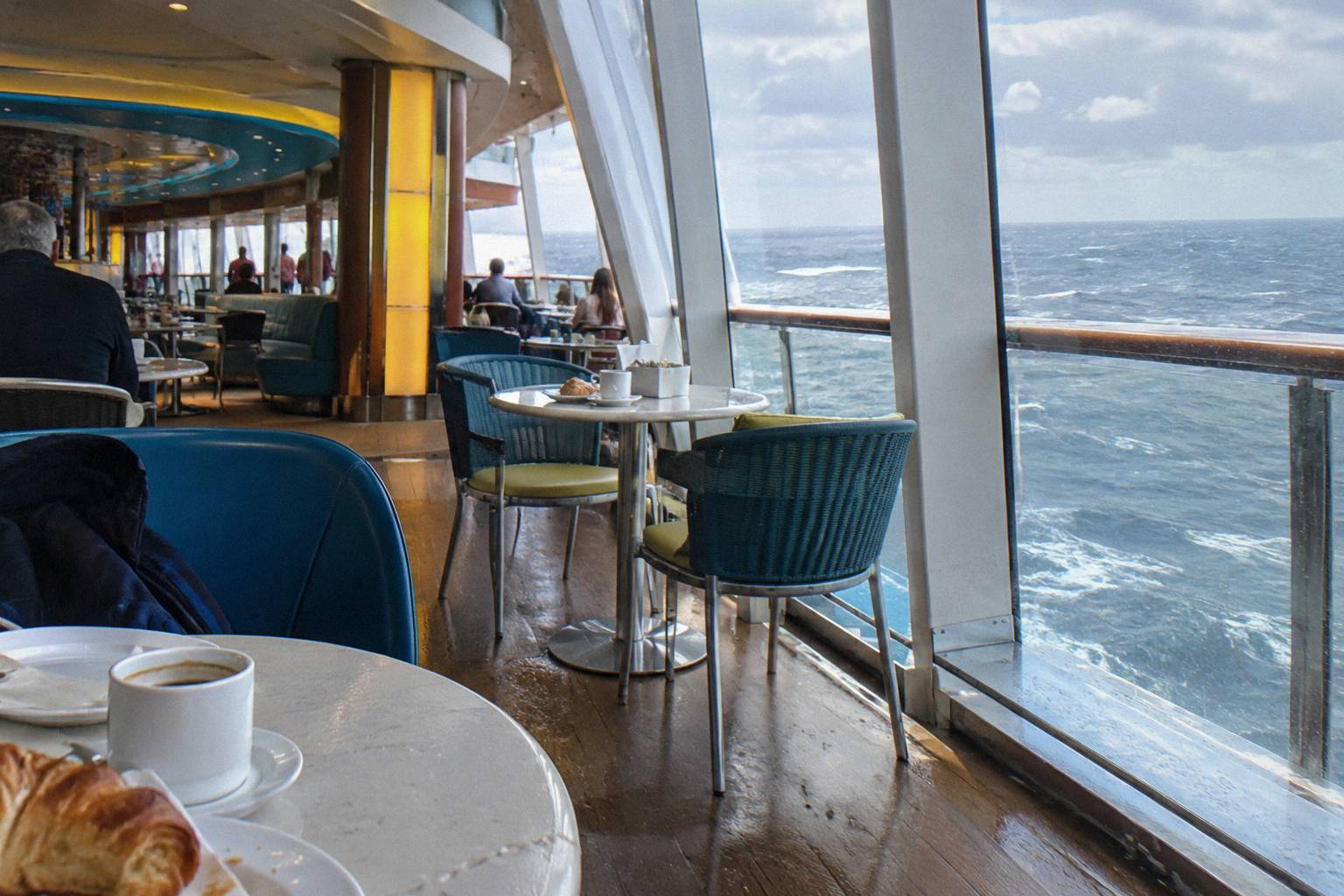
The Mediterranean, home to several VACAYA, Brand g and Source Journeys itineraries, is generally calm in high summer and can produce real swell in the shoulder months when winds funnel through straits and between islands. A Greek islands itinerary with short hops behaves very differently from a long passage from Barcelona into the Atlantic. Reading the day-by-day route for sea-day count is the habit worth building here: more consecutive sea days means more exposure to whatever the open water is doing.
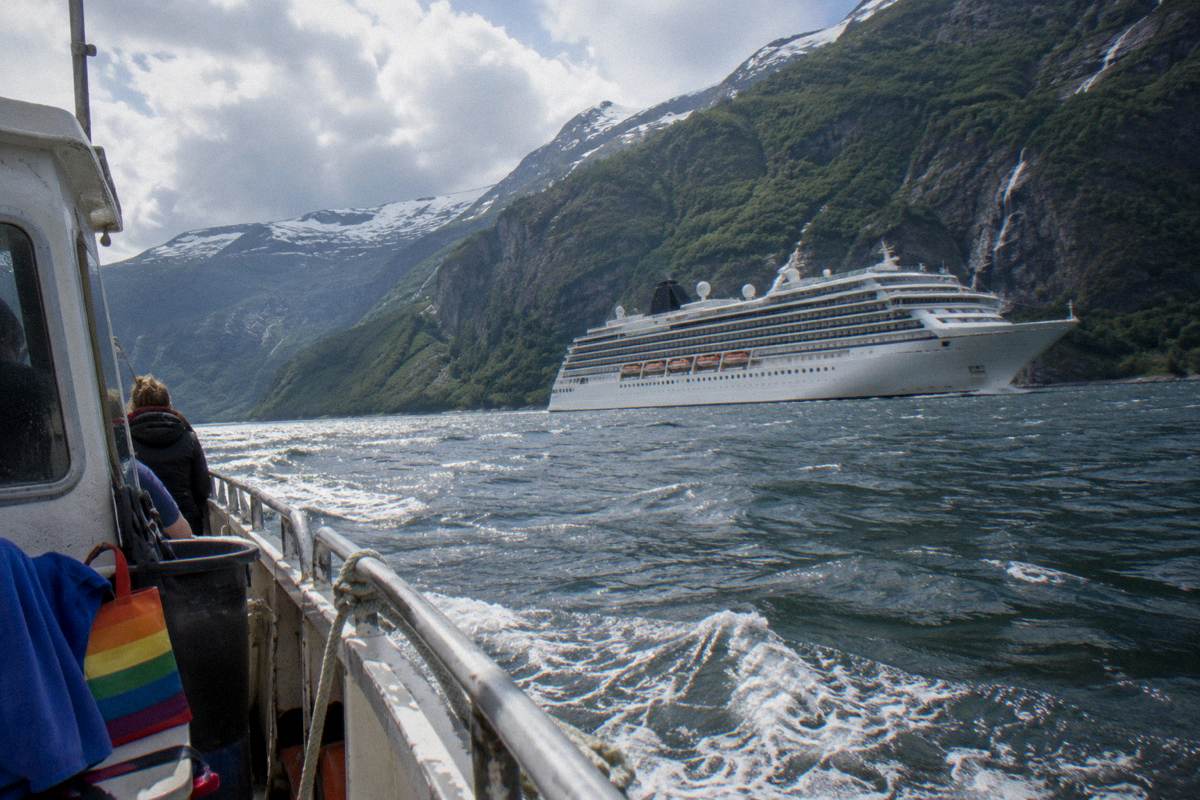
Polar and expedition routes deserve the starkest honesty. Antarctic itineraries, such as the Out Adventures sailing referenced above, include crossings that even seasoned cruisers prepare for deliberately. Arctic and coastal expedition product varies, and Atlas Ocean Voyages' World Navigator and World Traveller itineraries span both sheltered and exposed segments. If your heart is set on an expedition cruise but your stomach is not, that mismatch is exactly the kind of thing a consultation exists to resolve, and the RSVP Vacations official site is one more operator page worth reading for its own itinerary footprint.
Mistakes That Trip Up Motion-Wary Gay Cruise Bookers
The recurring mistakes are choosing the brand before the water, booking late and losing the mid-ship cabins, assuming a bigger ship is a motionless ship, ignoring the crossing on expedition itineraries, and leaving remedies to the onboard shop instead of the pre-cruise pharmacy run. Each of these is avoidable at the planning stage, and none costs money to avoid. Travellers who enjoy these cruises on a nervous stomach are the ones who decided the water question first.
The costliest mistake in practice is ordering the decision backwards. Shoppers fall for an operator's atmosphere, which is fair, and then discover the only sailing that fits their calendar is one with four consecutive sea days on open ocean. The workable order is water, then ship, then cabin, then brand, and the operators' own pages support that order with genuinely calm options at several price points, from Olivia Travel interiors around $999 to Brand g's Rhine river product from about $4,900.
The second mistake is waiting. With 29 of 90 sailings already showing sold out or waitlist status, and VACAYA's entire on-file calendar gone, the mid-ship cabin categories on popular charters narrow quickly. Waiting also removes the option to pick a sailing whose route shape suits you, because the choice set shrinks month by month. Our gay cruise calendar guide lays out the dating in full.
The third is assuming comfort inclusions that do not exist. Remedies, wristbands and ginger are retail purchases, an onboard medical consultation is not a free inclusion on any fare structure described here, and no operator page promises motion-related anything. Checking what a fare actually includes, which our gay cruise packages guide covers in detail, prevents the surprise, not the swell.
Common Questions About Seasickness On A Gay Cruise
Is seasickness common on a gay cruise?
No more or less than on any cruise of the same ship and route. The charter brand does not change how the hull behaves in swell. What determines your experience is the category of vessel, the water it sails on and where your cabin sits, which is why river sailings are the calmest entries covered here and long open-ocean crossings are the most demanding.
Which ships are best if I worry about motion?
River ships are the steadiest category, and Delfin III, which sails Amazon itineraries for Delfin Amazon Cruises, is the featured river option on this page. Among sea-going vessels, the mega ships listed, Valiant Lady and Scarlet Lady at 2,770 guests and Celebrity Beyond at 3,260, are the largest and most stable platforms, provided their itinerary avoids long open crossings.
Does a cabin location really make a difference?
Yes. Cabins low in the ship and close to its centre move least, while high forward cabins near the bow move most. On mainstream fare structures the cheapest categories, interiors and small ocean views, are often mid-ship, so the steadiest berth is frequently also the most affordable one.
Are expedition gay cruises bad for seasickness?
It depends entirely on the crossing. Antarctic itineraries, such as the Out Adventures sailing listed at $22,585, include the Drake Passage, which is one of the most demanding stretches of water in cruise travel. Sheltered coastal expedition segments are a different experience. Ask about the specific crossing before booking any expedition cruise.
Should I book early to get a better cabin for motion?
On charter sailings, yes. Operators allocate cabins in blocks, mid-ship categories tend to go first, and 29 of the 90 listed sailings already show sold out or waitlist status. Booking early preserves both the steadiest cabin locations and the ability to choose a sailing whose route shape suits you.
Where can I get help choosing a calm sailing?
Through the free consultation on this site, which costs nothing and carries no obligation. It walks through the waters, the ships and the cabin locations for the sailings covered here, and the reader is handed to a vetted LGBTQ+ specialist travel agency partner only if they choose to take the next step.
More Planning And Onboard Guides
 Atlantis Cruise CostWhat an Atlantis charter really costs, from base fare to bar bill.Read the guide
 Atlantis Dress CodeTheme nights, packing lists and what the operator actually publishes about dress.Read the guide
 Atlantis Cruise ShipsEvery ship Atlantis charters, with sailing dates, prices and what is on sale.Read the guide
 Atlantis Drink PackageWhat the sources really say about drinks and packages on Atlantis gay cruises.Read the guide