Is A Gay Cruise Safe? Onboard Safety And Consent
Gay cruise safety has two halves: the ship, where operators publish conduct and consent rules you can read before booking, and the ports, where local laws vary sharply between neighbours. This guide covers both, with verified operator pricing and port-law facts.
This page sits in Planning And Onboard Guides, the hub that carries the operator reviews, calendar and comparison pages used throughout this article.
Quick Facts
| Fact | Figure |
|---|---|
| Charter and group sailings | 90 across 11 operators |
| Sailings showing sold out or waitlist | 29 of 90 |
| Atlantis Events interior fares, 7-9 nights | $1,199 to $1,799 per person |
| VACAYA fare range | $3,719 (Med eclipse) to $12,537 (Madagascar to Seychelles) |
| Brand g Vacations fare range | About $4,900 (Rhine) to $22,300 (Asia luxury) |
| Out Adventures fare range | $7,495 (Baja) to $22,585 (Antarctica) |
| Jamaica same-sex relations | Criminalised; up to 10 years prison |
| Bahamas same-sex relations | Legal since 1991; age of consent 18 |
| Virgin Voyages charters | Atlantis, Waves of Pride, Sapphic Sail, Odyssey Pride |
Is A Gay Cruise Safe? The Direct Answer
The shipboard half of gay cruise safety is well covered: a charter takes over a working cruise ship that already runs international safety certification, an infirmary and a security team, and the charter adds its own conduct rules on top. What actually varies, and varies sharply, is the ports: of the 19 countries in the port-law file, legality of same-sex relations runs from fully legal with marriage in Greece and Norway to criminalised with prison terms in Jamaica. Read the route before you read the deck plan.
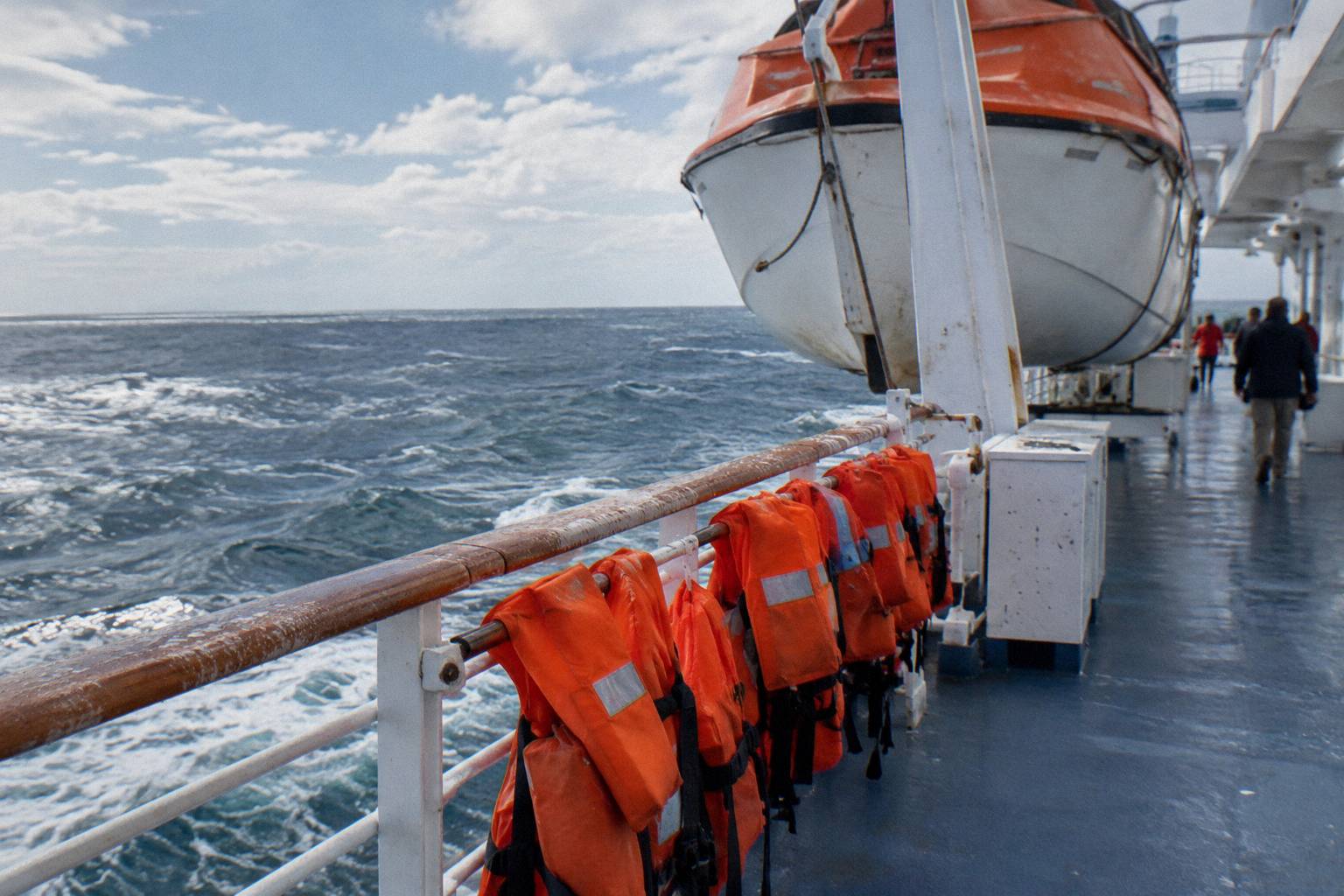
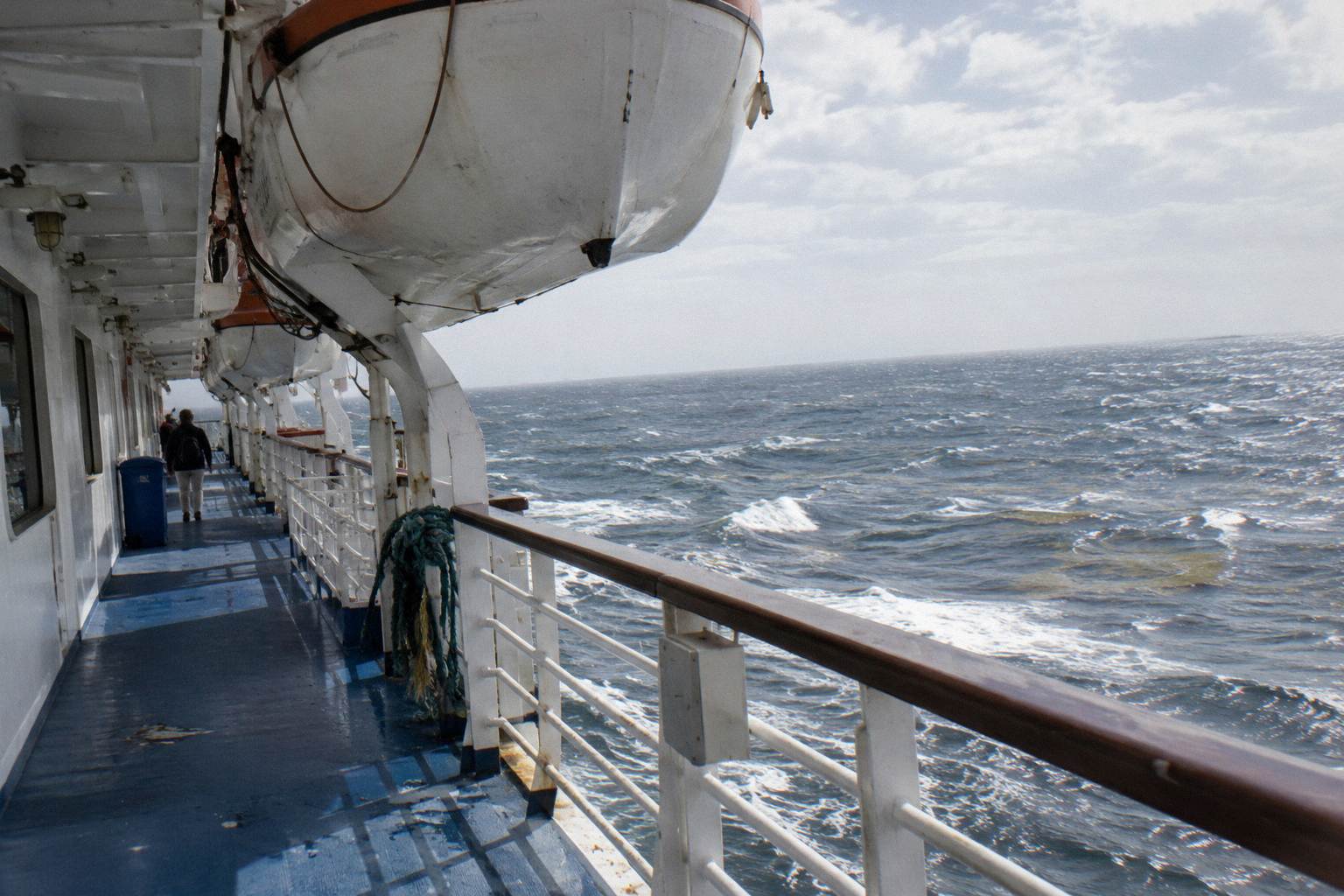
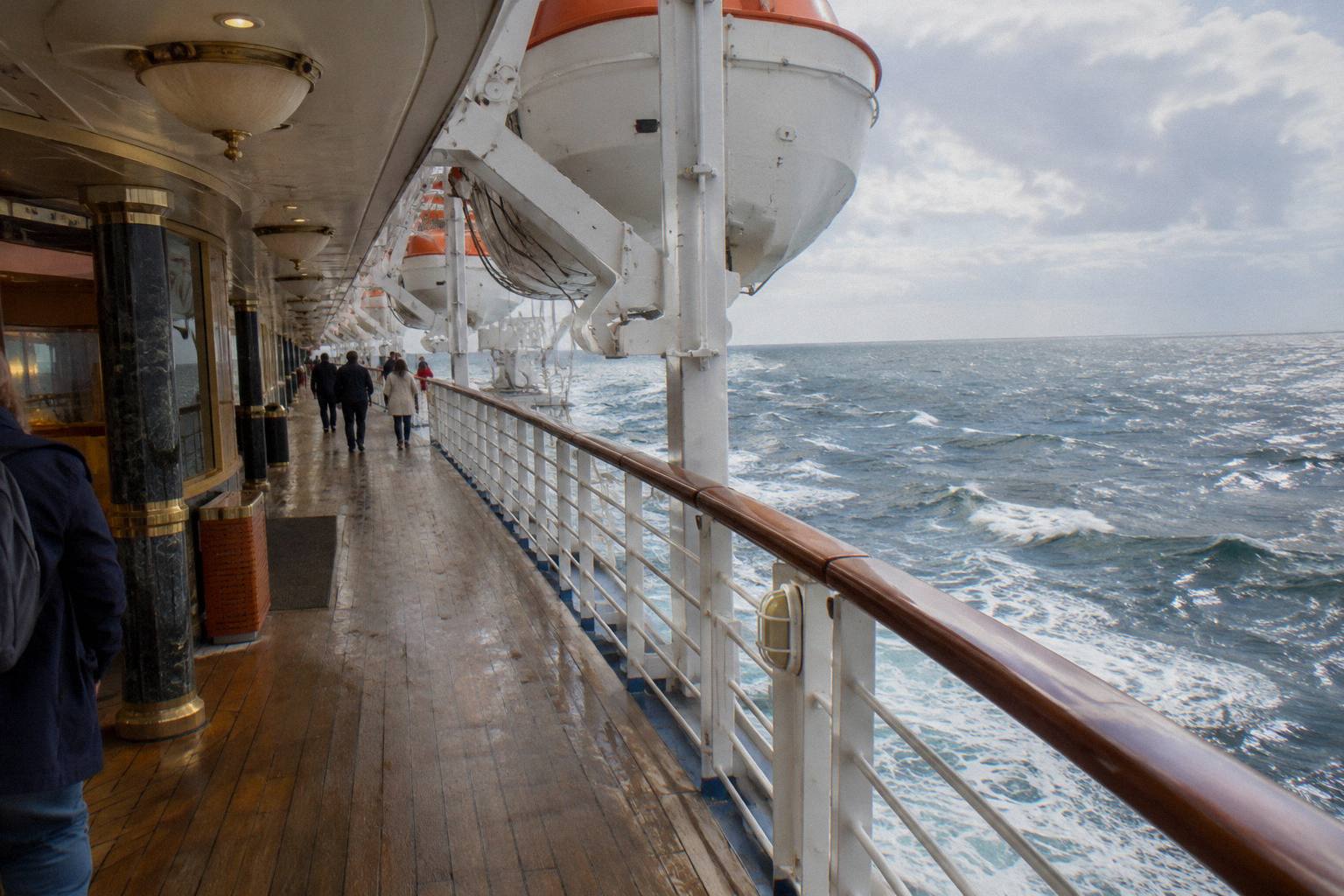
A gay cruise in the charter sense is not a purpose-built vessel. Atlantis Events, VACAYA, Olivia Travel, Brand g Vacations and the other operators charter or block-book cabins on ships operated by mainstream lines. Virgin Voyages, for instance, has hosted an Atlantis charter on Scarlet Lady, plus Waves of Pride on Resilient Lady in September 2026, Sapphic Sail on Scarlet Lady across 2026-2027, and Odyssey Pride in October and November 2026. That means the physical safety layer, lifeboats, drills, medical staff, security, is the same layer every passenger on that ship gets, whichever sailing they bought. The line does not run a lighter crew because a charter has taken the deck.
The second layer is the charter's own conduct framework. Operators publish audience definitions and behaviour expectations before you pay a deposit, and those documents are readable in advance. This site's dedicated page on onboard consent and conduct goes through that layer in detail, because consent rules are the part of the safety picture that differs most from a standard mainstream sailing.
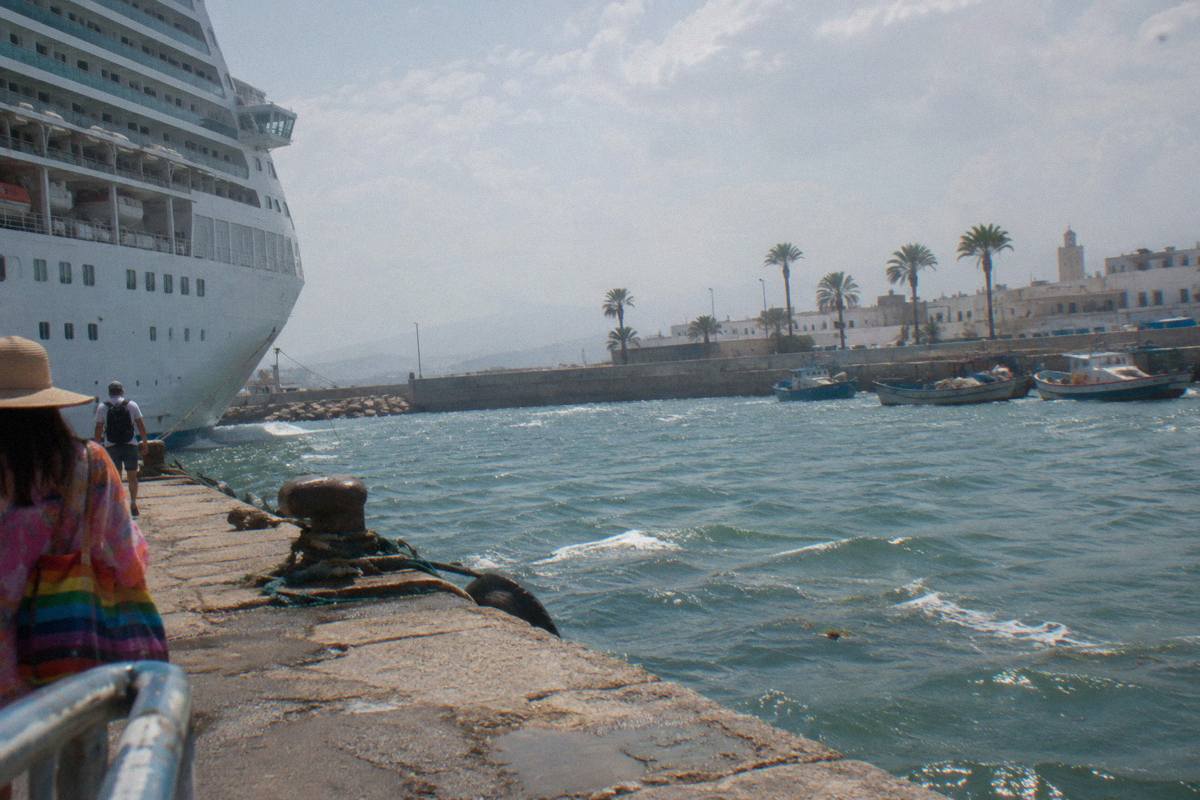
The third layer, the one no operator can smooth over, is the law at each port of call. A ship is largely a floating extension of its flag state at sea, but ashore you are under local jurisdiction, and local jurisdiction in the Caribbean alone ranges from legal since 1991 in the Bahamas to criminalised in Jamaica. That asymmetry is the single most decision-relevant safety fact in this whole file, and it is why the rest of this guide spends as much time on ports as on ships.
Who Sails: The Operators And Their Audiences
Eleven operators account for the 90 charter and group sailings, and each publishes who the sailing is for: Atlantis for gay men, Olivia for LGBTQ+ women, VACAYA mixed LGBTQ+, Brand g gay-centred mixed, BearCruise for bears and admirers. Audience clarity is itself a safety feature, because most conduct friction traces to a passenger booking a vibe mismatched to their expectations, not to anything happening on deck. Choose the audience before the itinerary.
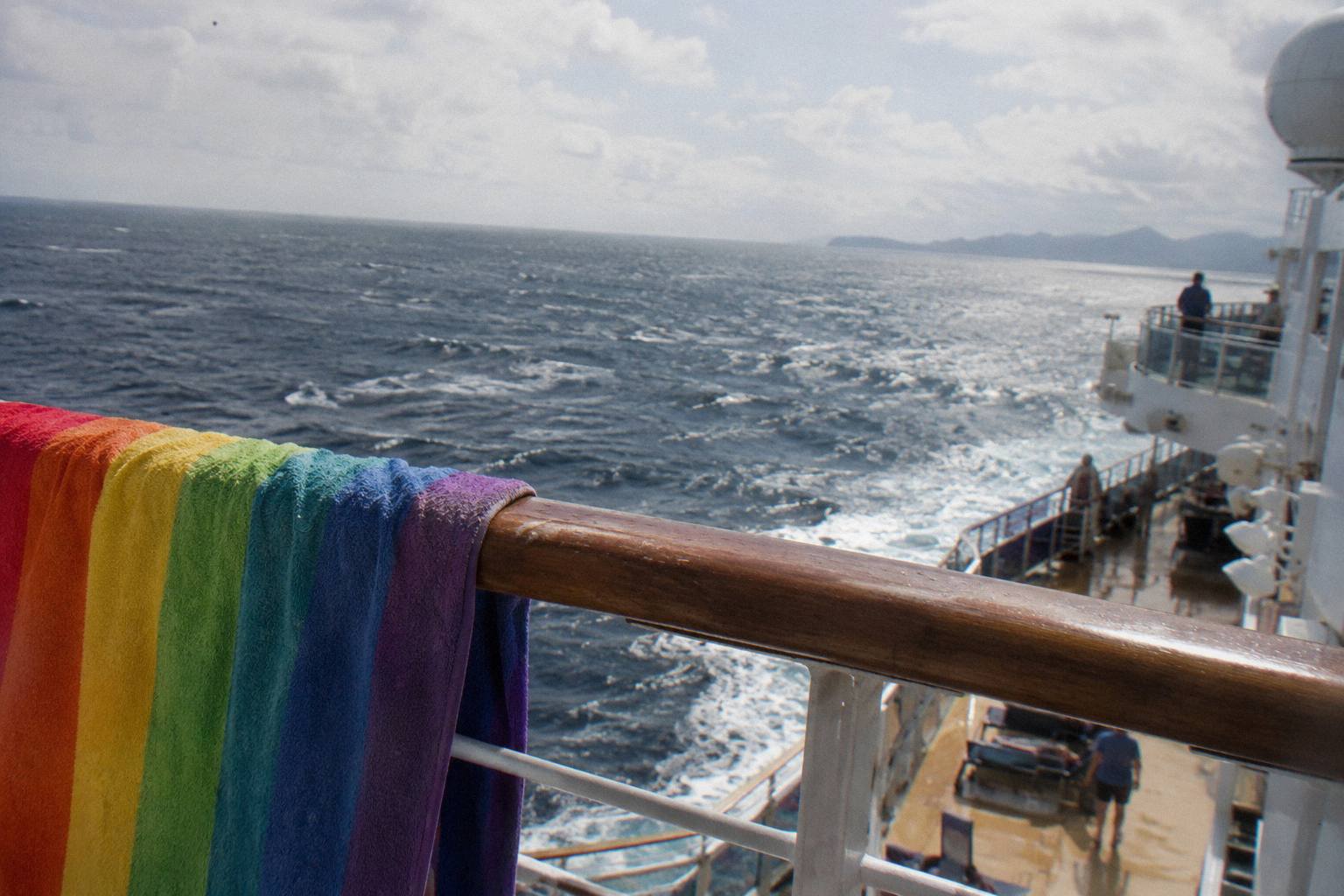
The operator file is explicit about audiences. Atlantis Events, founded 1991, sails for gay men with women welcome. Olivia Travel, with 19 sailings from December 2026 to May 2028, centres LGBTQ+ women. VACAYA, founded 2017, is mixed LGBTQ+ including allies, and all of its 2026-2028 trips show sold out. Brand g Vacations, founded 2011, runs gay-centred mixed charters with 24 sailings. KelliGregg Travel and R Family Vacations, founded 2003, explicitly serve LGBTQ+ families and allies, with kids programming. BearCruise, Tryst and the small-group sailing operators each serve narrower audiences again.
| Operator | Audience | Sailings | Sold Out Or Waitlist |
|---|---|---|---|
| Brand g Vacations | LGBT+, gay-centred mixed | 24 | 5 |
| Olivia Travel | LGBTQ+ women | 19 | 10 |
| KelliGregg / R Family | LGBTQ+ and allies, families | 13 | 0 |
| VACAYA | Mixed LGBTQ+ | 8 | 8 |
| Atlantis Events | Gay men, women welcome | 6 | 4 |
| BearCruise | Bears and admirers | 6 | 0 |
| Big Gay Cruise | Mixed LGBTQ+ and allies | 6 | 0 |
| Out Adventures | Gay men / LGBTQ+ | 2 | 2 |
| Tryst Cruises | Gay, nightlife brand | 2 | 0 |
| Waves of Pride | LGBTQ+ | 1 | 0 |
| Source Journeys | LGBTQ+ luxury | 3 | 0 |
Two safety-relevant patterns sit in that table. First, availability and audience do not correlate with risk: the two operators with zero waitlisted sailings, R Family and BearCruise, are simply earlier in their booking cycles. Second, the fully sold-out VACAYA and Out Adventures listings show that demand for mixed and gay-men charters outruns supply, which pushes many shoppers toward comparing waitlists against open cabins on other operators. If you are weighing that trade-off, a free consultation can sort open cabins from waitlists across operators in one pass: start at a free gay cruise consultation before you commit time to sold-out listings.
Onboard Safety And Consent Rules
Onboard, the applicable rules are the host line's passenger conduct policy plus the charter's own published rules, and both are enforceable: security can remove a passenger at the next port. The operators publish no invented percentages, survey results or incident statistics for these sailings. What is verifiable is structural: certified crews, infirmaries, and consent language the operators publish in advance. Read the conduct policy the same week you compare fares.
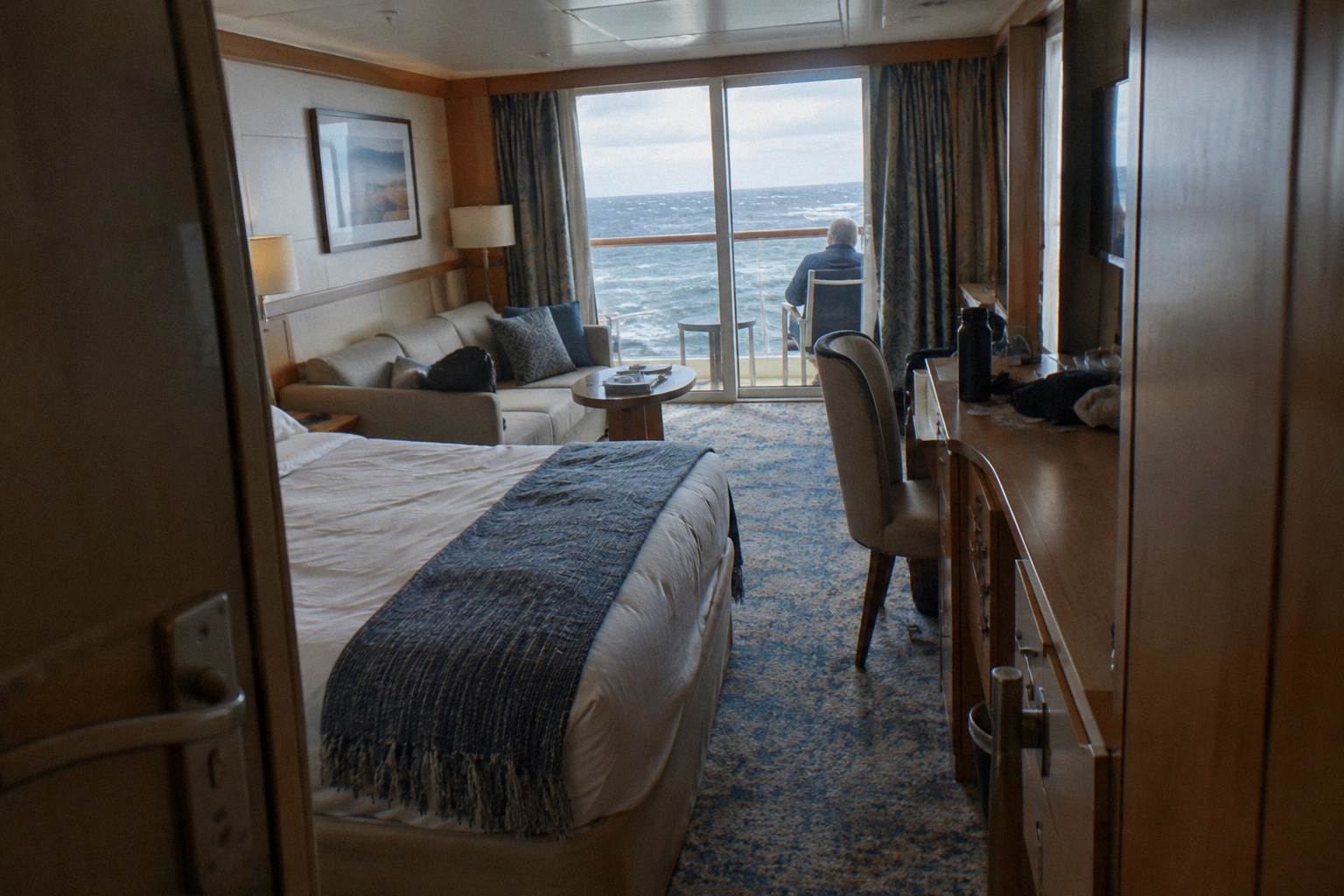
Consent policy deserves the same pre-booking attention as cabin category. The host line's code of conduct governs harassment, unwanted touching and intoxication for every sailing, chartered or not, and the charter operator typically layers its own guidance for events, clothing-optional areas where they exist, and photography. Because these documents differ between operators, the only reliable method is to read the specific sailing's published terms rather than generalising from forum threads. Where an operator page does not state a rule, this file records that plainly rather than filling the gap with a plausible guess.
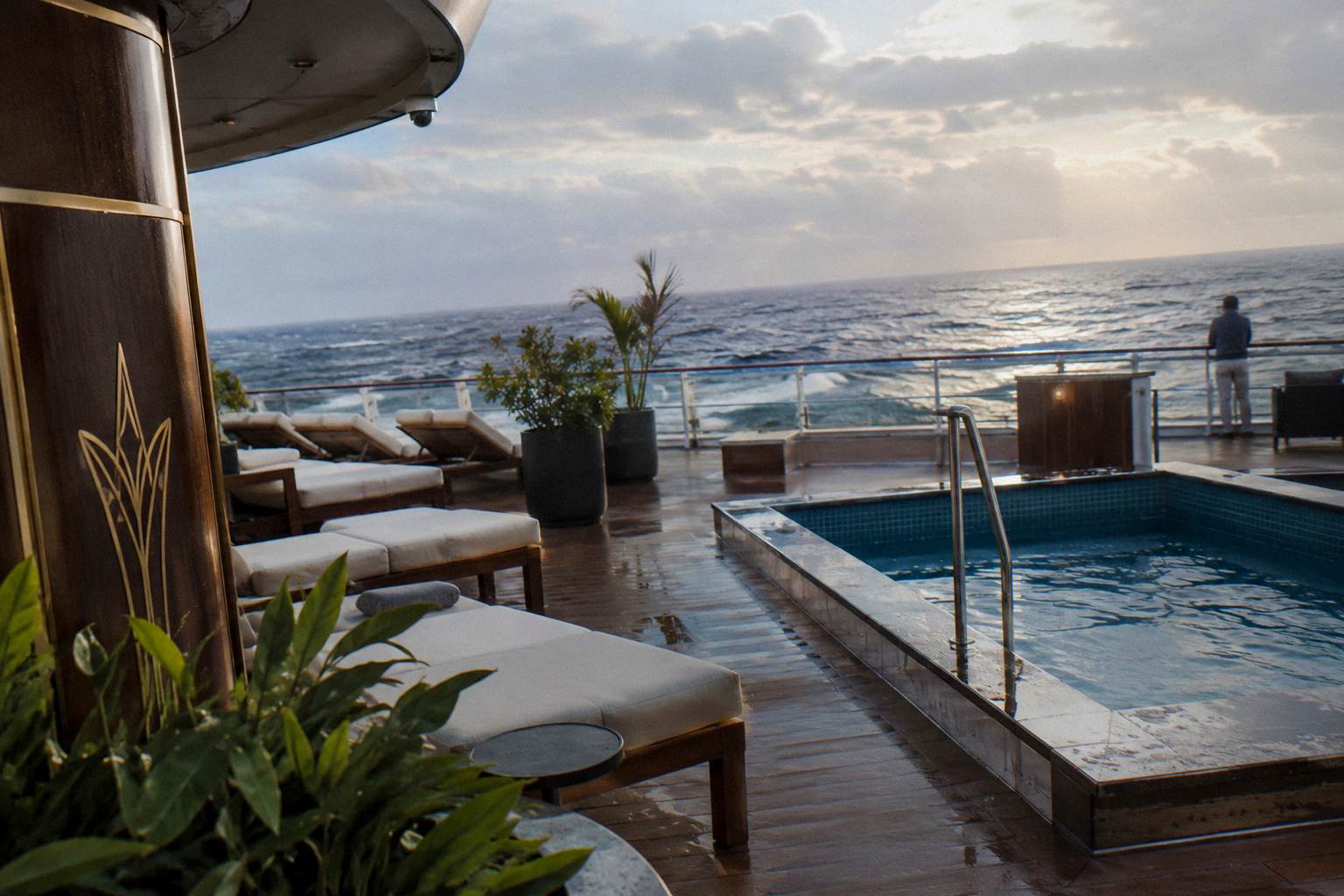
Sensitive onboard topics, hookups, PrEP storage, sex-positive programming, are covered on the operators' own published terms in the dedicated consent guide linked above, and this guide does not add rules the operators have not written. What the safety file does support is the practical point that medical care is onboard: expedition ships and mega ships alike carry medical staff, and river ships coordinate with shoreside providers. For medication, the standard cruise-industry advice is to carry it in hand luggage in original packaging; nothing in the operator file contradicts that.
If your safety questions are less about conduct and more about which ship culture feels right, that is a matching question as much as a safety one, and talking through your options for free with someone who knows the operators beats guessing from a deck plan.
Port Safety And Local Laws At The Docks
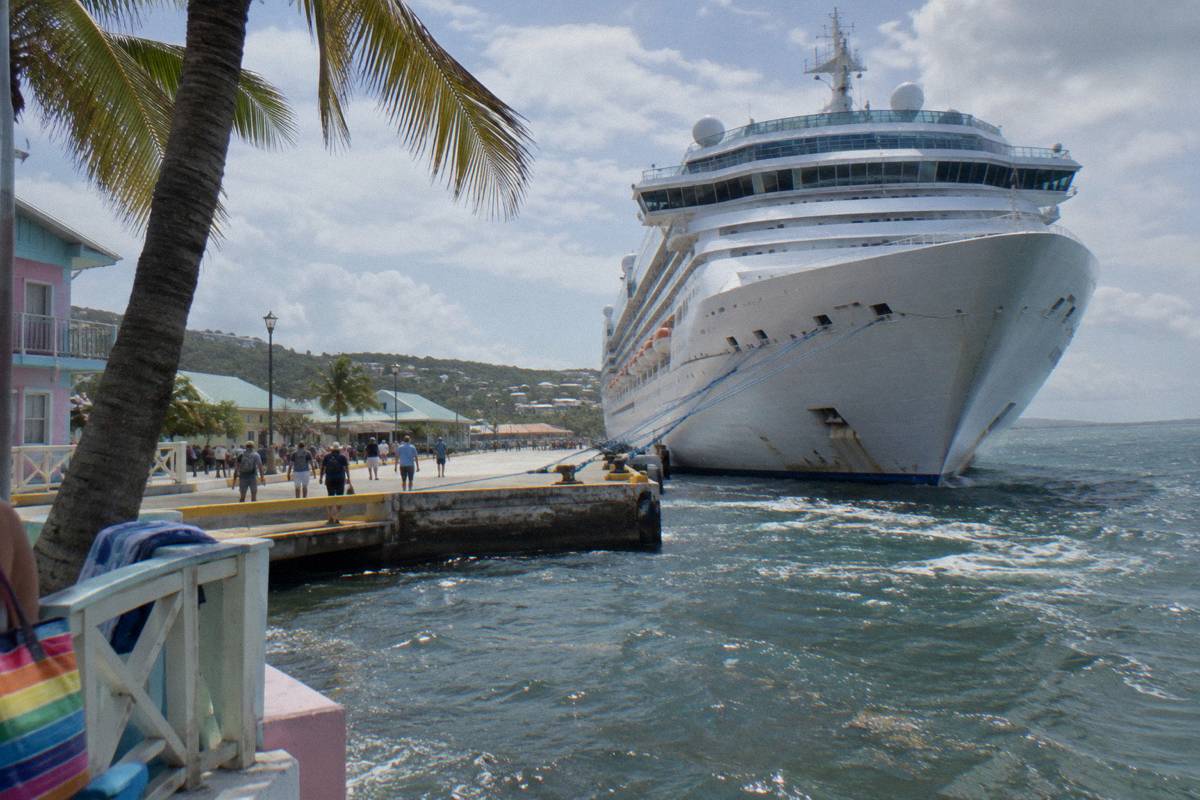
Same-sex activity is legal in the Bahamas (since 1991, age of consent 18) and legal in Cuba, where partnerships are recognised, but it is criminalised in Jamaica, with up to 10 years in prison for male same-sex activity. Greece has allowed same-sex marriage since 2024, while Turkey recognises no partnership, and the UK FCDO publishes the local-laws guidance behind these entries, so a route is only as comfortable as its least welcoming port.
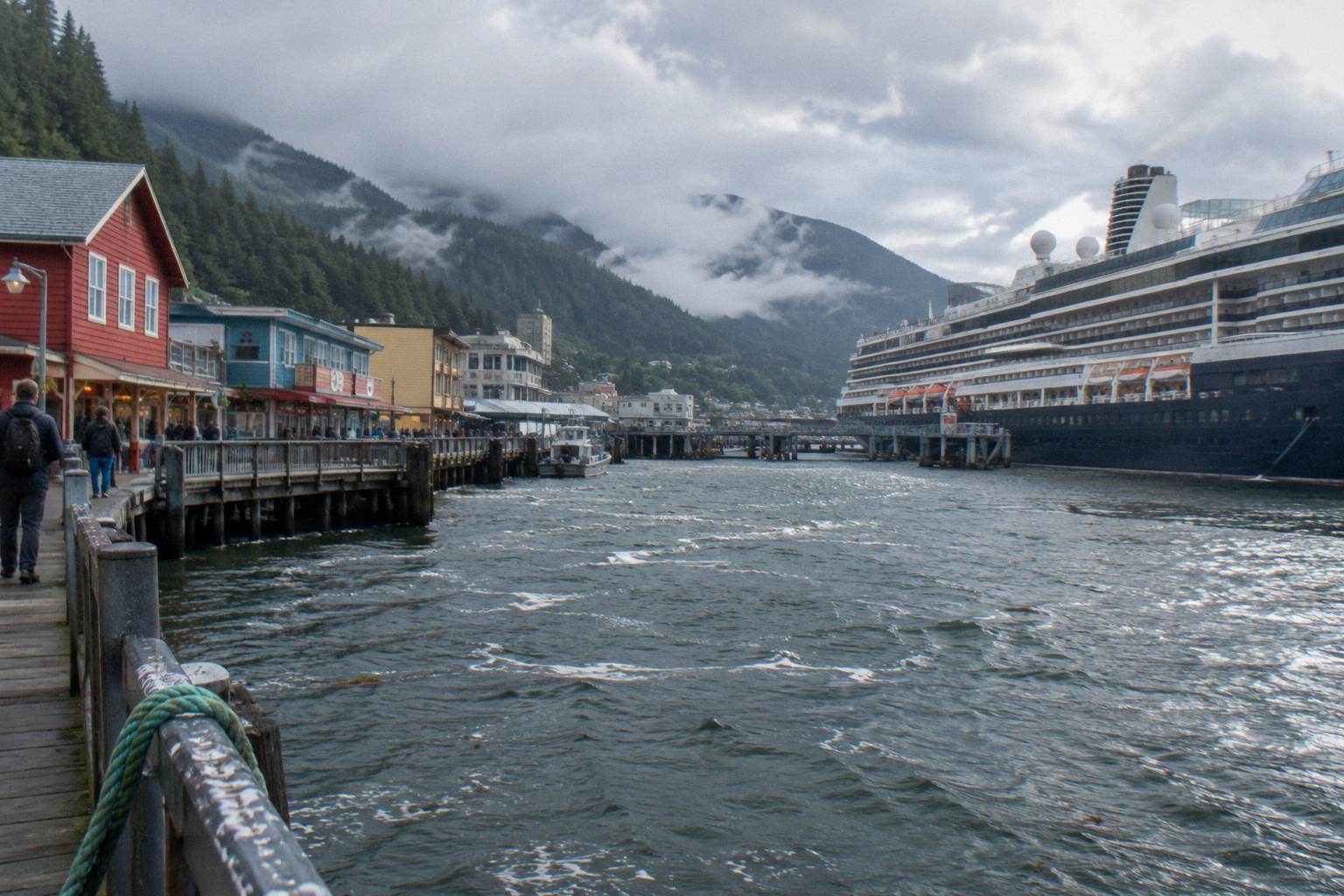
The practical reading of these laws is calmer than the statutes suggest, but it is still a real input. Western Caribbean routes that call at Falmouth or Ocho Rios pass through Jamaican jurisdiction, where the statute is unambiguous, and the FCDO spells it out on its Jamaica local laws and customs page. Eastern Caribbean routes calling at Nassau pass through the Bahamas, where the FCDO's Bahamas local laws page records legality since 1991 with a same-sex age of consent of 18. The Cayman Islands does not state a position, and the Cayman Islands FCDO page is the source to check before an itinerary that calls at George Town.
| Country | Same-Sex Relations | Marriage Or Partnership |
|---|---|---|
| Bahamas | Legal since 1991; age of consent 18 | Not stated |
| Jamaica | Criminalised; up to 10 years prison | Not stated |
| Cuba | Legal, decriminalised 1979 | Legal, recognised |
| Greece | Legal, decriminalised 1951 | Marriage legal since 2024 |
| Italy | Legal | Civil unions, no marriage |
| Turkey | Legal, public-morality provisions noted | Null |
| Norway | Legal, decriminalised 1972 | Legal |
| Morocco | Null | Null |
| Egypt | Null | Null |
Two rows deserve a plain note. Morocco and Egypt publish no position here; Mediterranean and Canary-position itineraries sometimes include Moroccan calls, so ask the operator directly what their guidance is for that port. Turkey is legal but the FCDO notes public-morality provisions that can be used in ways that touch same-sex couples, which is a "read the advisory" port rather than a "skip" port. The deeper dive on one specific case is the site's blog piece is Jamaica safe for gay cruise passengers, and the same method applies to any route you are weighing.
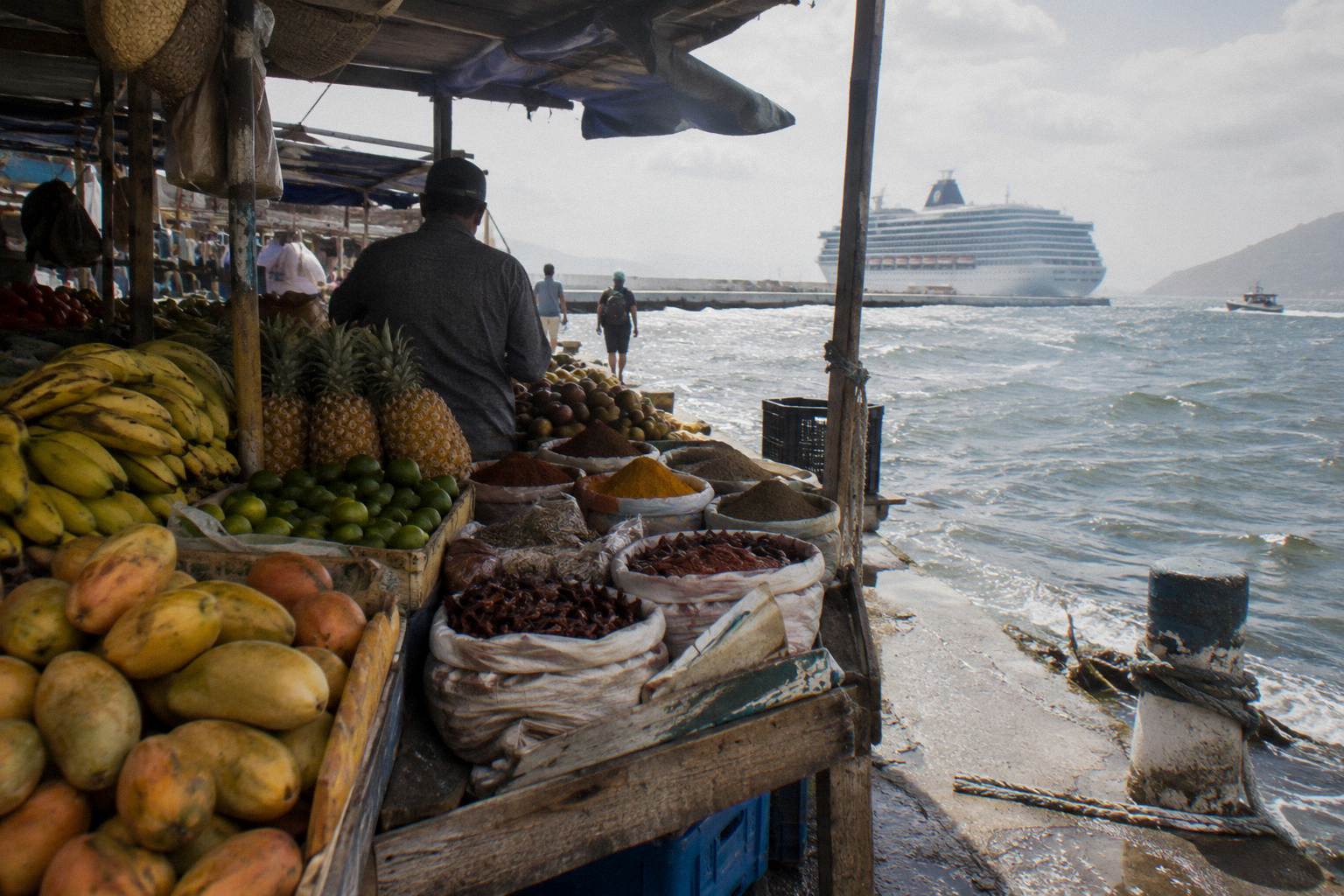
Charter operators running routes through legally difficult ports generally publish their own port guidance, and shore excursions booked through the sailing are run with the operator's knowledge of the destination. The decision this section hands you is a route decision, and it is the right moment for help choosing a gay cruise route that matches the ports you are comfortable walking ashore in.
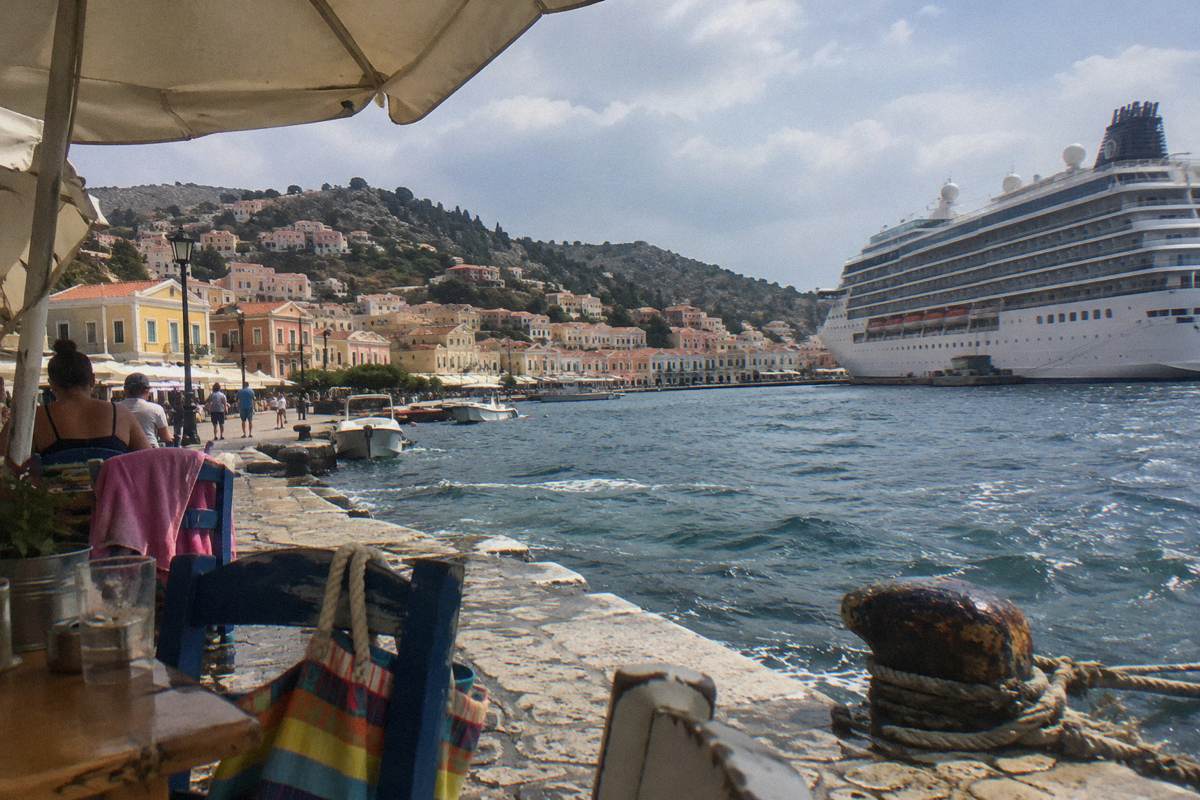
Two itinerary patterns are worth mapping against the table before you book. Mediterranean sailings that mix Greek and Turkish calls move between the two ends of the table in a single week: Greece has marriage while Turkey records no partnership at all, so a couple holding the same behaviour can stand in very different legal positions depending on which gangway they walk down that day. Norwegian and Italian ports sit at the permissive end, with Norway fully legal and Italy offering civil unions rather than marriage, which matters mostly for paperwork rather than day-to-day behaviour ashore.
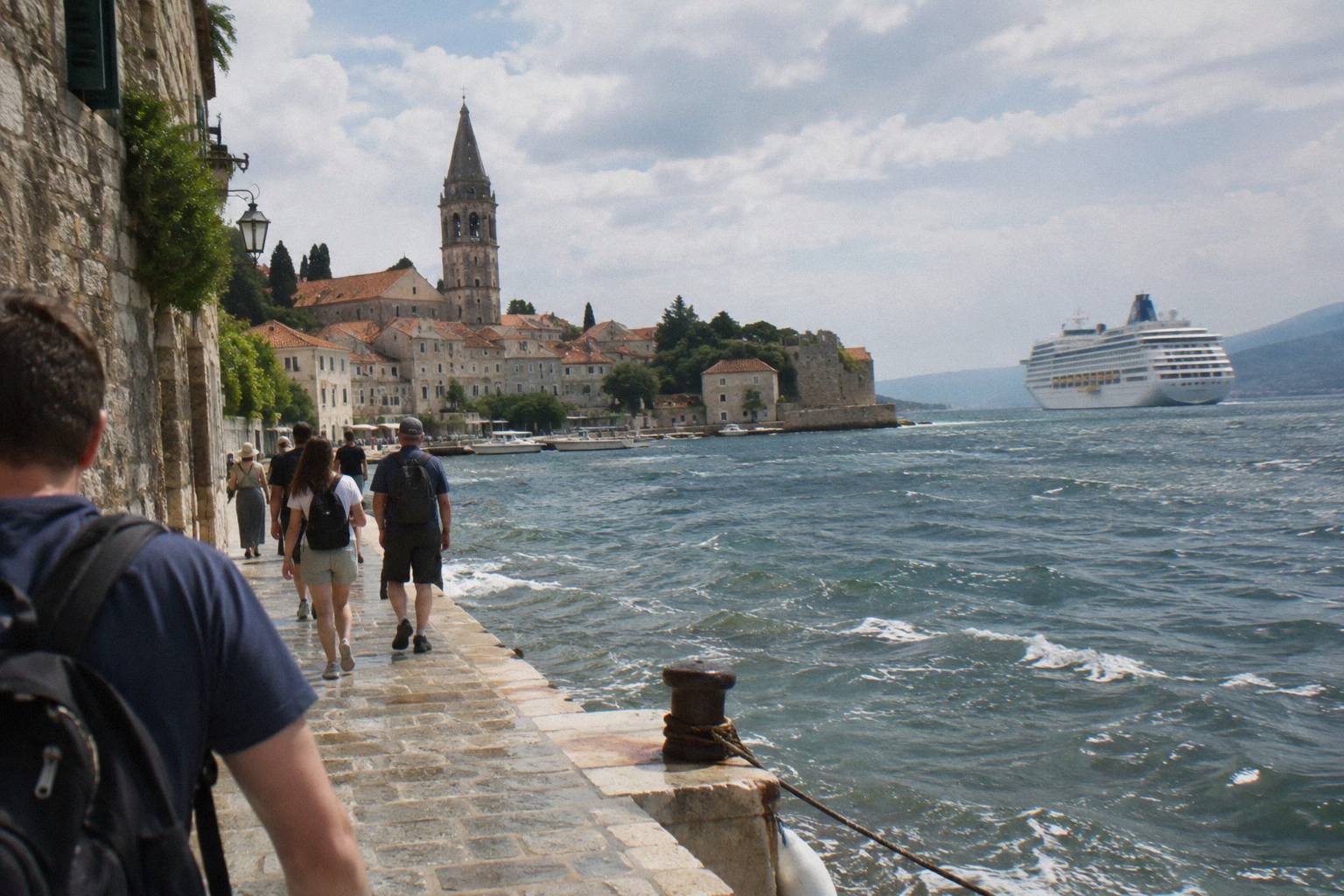
Cuba also splits the difference in a way many passengers do not expect. Same-sex relations have been legal there since 1979 and partnership is recognised, which places Havana and other Cuban calls among the more legally straightforward stops a Caribbean route can include. That sits in sharp contrast with Jamaica on the western side of the sea, so a route swap from Falmouth to Havana changes the legal picture more than any change of ship or season does. When an itinerary mixes ports from different rows of the table, the planning rule stays simple: pack for the strictest port on the list, not the average one.
What To Book: Ships That Fit Your Comfort Level
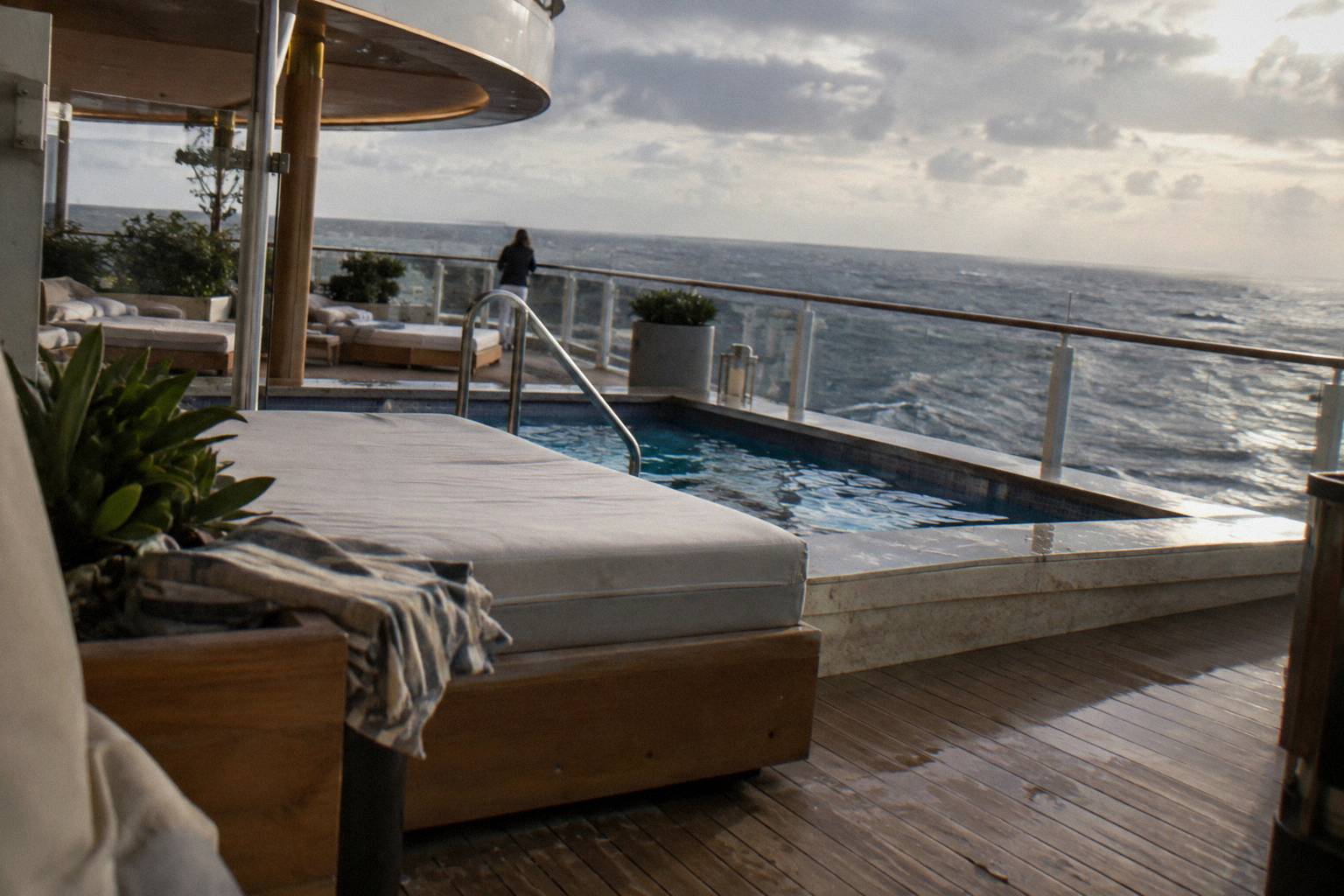
Ship size is a safety and comfort variable most shoppers underweight. The ships covered here span river ships like Delfin III, expedition ships like World Navigator, and mega ships like Valiant Lady and Celebrity Beyond at 2,770 and 3,260 guests. A smaller ship means fewer anonymous spaces and a crew who learns names fast; a mega-ship charter means scale and headline entertainment. Neither is safer on paper, so match the format to how you like to travel.
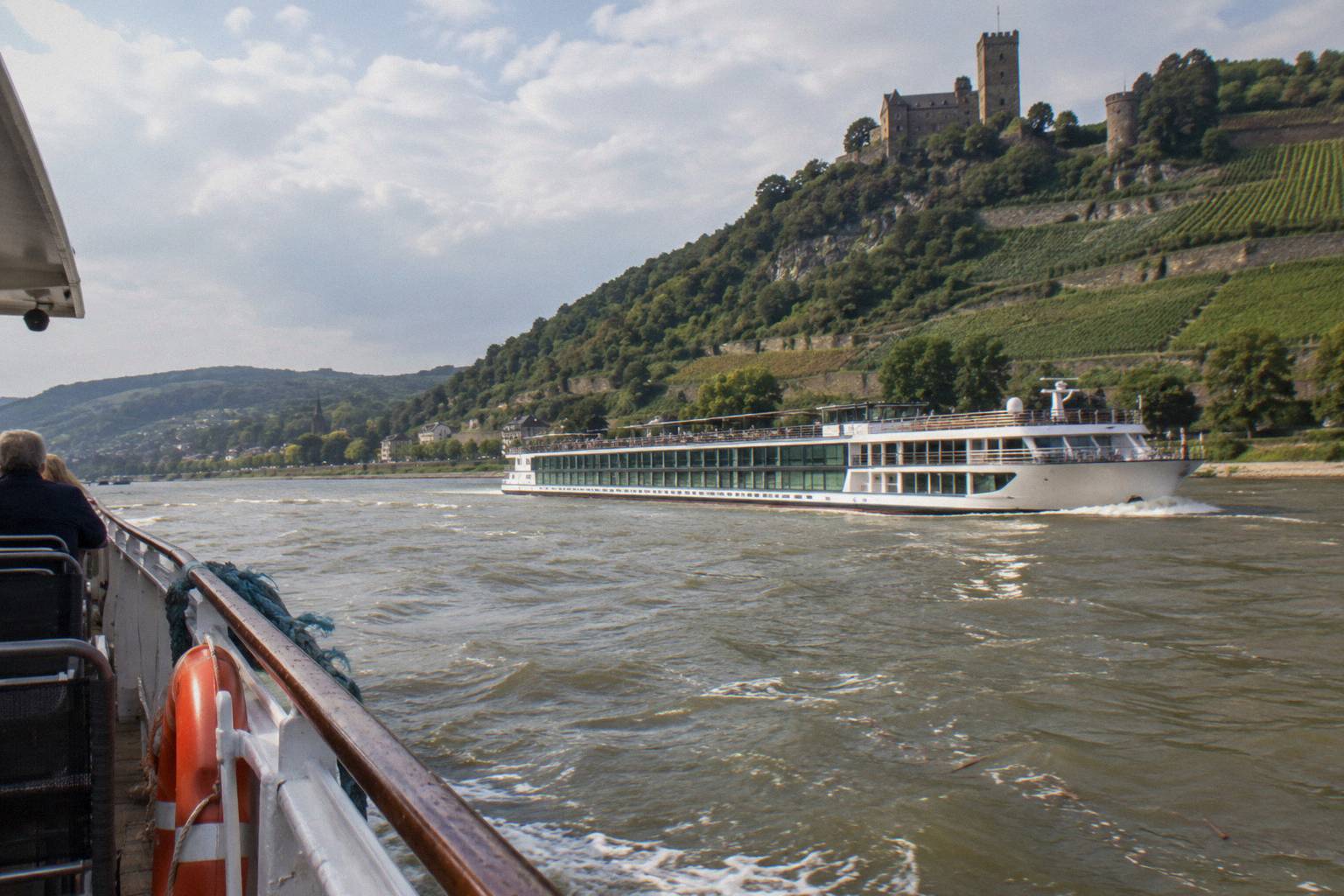
The river format is the quietest option among the ships covered here. Delfin III, the featured ship on this page, is Delfin Amazon Cruises' river vessel sailing the Peruvian Amazon, an itinerary entirely inside one country, which removes the multi-jurisdiction port question altogether. Brand g Vacations' river sailings, from about $4,900 per person on the Rhine at the lowest cabin, sit in this format too. For a traveller whose main safety question is port law, a single-country river itinerary is the simplest possible answer: one legal regime, small guest counts, and shoreside logistics handled by an operator who runs the same route repeatedly. The Amazon corridors Delfin sails are also far from the nightlife-district port calls that generate most advisory questions. The rest of the planning pages sit on Gay Cruises.
At the other end, mega-ship charters put thousands of LGBTQ+ passengers on one vessel, which changes the onboard atmosphere more than the safety apparatus. Virgin Voyages' ships host multiple third-party charters, so the line's own inclusive stance, which its page frames as year-round rather than seasonal, combines with charter-scale crowds. Scarlet Lady, built 2020, and Valiant Lady each carry 2,770 guests; Celebrity Beyond, built 2022, carries 3,260. These are working cruise ships with full security and medical departments; the choice is crowd tolerance, not safety hardware. A side-by-side of the headline ships lives in the operator and ship comparison guide.
Between the two formats sit the Atlas Ocean Voyages expedition ships, World Navigator and World Traveller, the vessels behind Out Adventures' $22,585 Antarctica sailing and the expedition end of Olivia's range. Expedition cruising adds ice-class itineraries and destination-focused programming, with far fewer guests per sailing and longer stretches at sea between calls. If your safety calculus includes "fewer people, more structure", expedition and river formats answer that directly, and they do it while keeping the full medical provisioning a remote itinerary demands.
What Safety Costs: Cabin Pricing Across Operators
The fare spread runs from about $999 per person for an Olivia interior on a Holland America sailing to $22,585 for Out Adventures' Antarctica expedition, with Atlantis interiors at $1,199 to $1,799 on 7-9 night sailings and Brand g from about $4,900. Price tracks format and itinerary, not safety level. Decide the format first, the operator second, and the fare will largely decide itself.
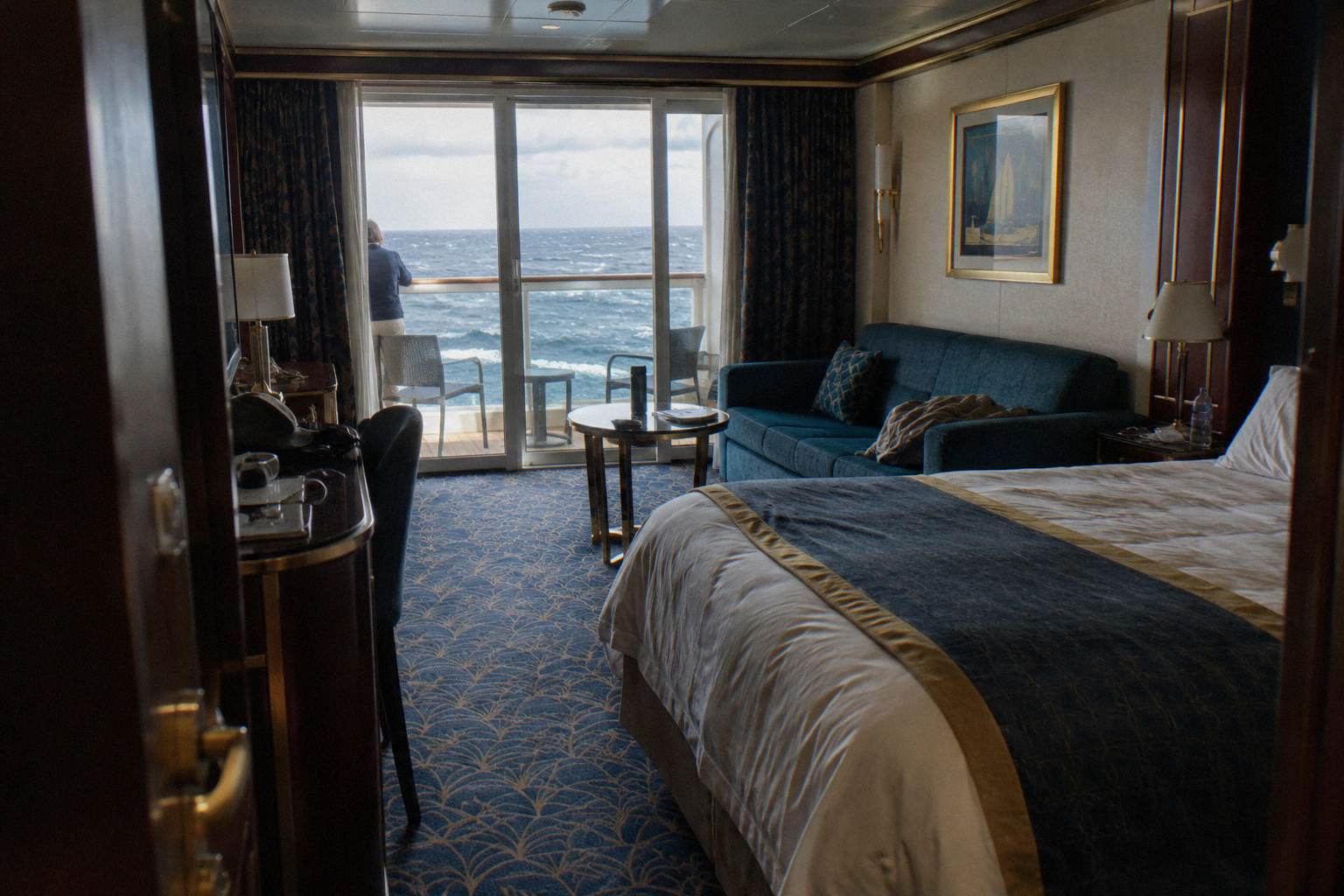
Every figure in this section is per person at the lowest category the operator published. Atlantis Events lists interiors from $1,199 to $1,799 on current 7-9 night sailings, and $3,999 on the sold-out Oceania Marina. Olivia Travel spans about $999 to $6,899 and above depending on river and expedition product. Brand g Vacations runs from about $4,900 on the Rhine to $22,300 for its Philippines, Taiwan and Japan luxury itinerary. VACAYA's 2026-2028 trips, from $3,719 on the Mediterranean eclipse cruise to $12,537 for Madagascar to Seychelles and $6,330 for Polynesia, all show sold out. Waves of Pride lists from $1,609.40 covering fare, taxes and gratuities, with a separate $149 to $199 entertainment fee.
| Operator | Fare Basis | From (Per Person) |
|---|---|---|
| Olivia Travel | HAL interior, lowest category | About $999 |
| Atlantis Events | Interior, 7-9 nights | $1,199 |
| Waves of Pride | Fare, taxes, gratuities; entertainment fee $149-199 extra | $1,609.40 |
| Brand g Vacations | Rhine, lowest cabin | About $4,900 |
| VACAYA | Med eclipse cruise, sold out | $3,719 |
| Out Adventures | Antarctica expedition | $22,585 |
Source Journeys does not publish its fares. RSVP, BearCruise, Big Gay Cruise and Tryst do not publish a fare. The honest framing for all of these figures is that they are the operator's own published starting points, not live quotes, and cabins at the lowest category sell first. A free consultation exists precisely to turn published ranges into a real shortlist with current availability, before a fare you assumed was open disappears into a waitlist.
Health, Documents And Practical Preparation
Preparation is the safety layer you control entirely. Passport validity well beyond your return date, travel insurance that covers medical evacuation, medication in hand luggage, and a copy of the FCDO advisory for each country on your route cover most of the practical risk. The FCDO pages for all 19 port countries are the authoritative source. None of this is gay-cruise-specific except the port advisory reading, and none of it is optional.
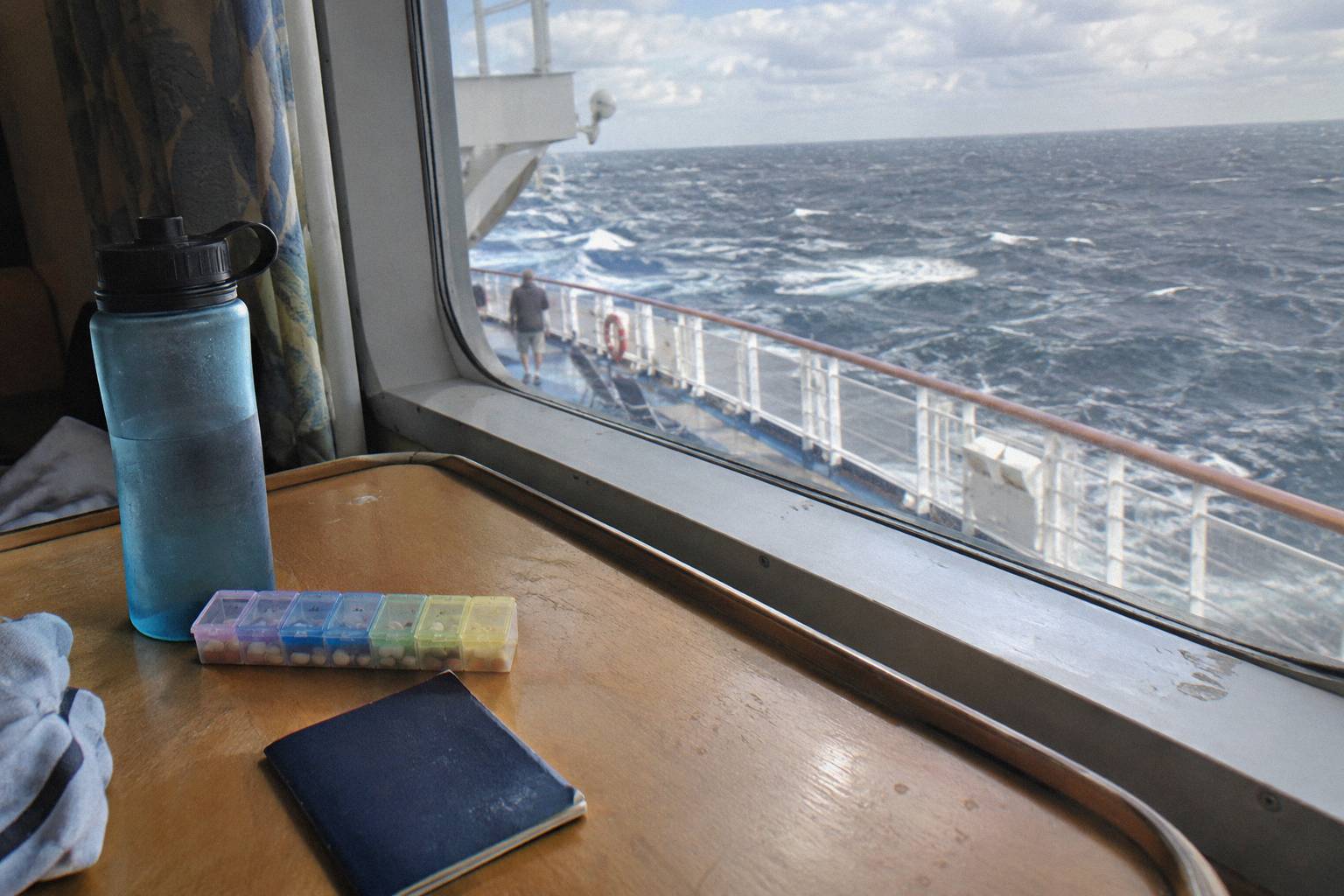
Documents first. Every international sailing needs a passport, and the standard cruise-industry guidance is validity for six months beyond the trip; nothing in the operator pages contradicts that. Insurance second: mainstream lines bill medical care onboard separately from the fare, and expedition itineraries, think Antarctica or the Amazon, are the ones where evacuation cover matters most, which tracks with their fares sitting at the top of the range. Medication third: carry it onboard in hand luggage, in original packaging, with enough for the whole voyage plus buffer, because ports do not reliably stock what a home pharmacy stocks. It is worth checking with the cruise line in advance about refrigeration if any of your medication needs it, since cabin minibars are not medical-grade coolers.
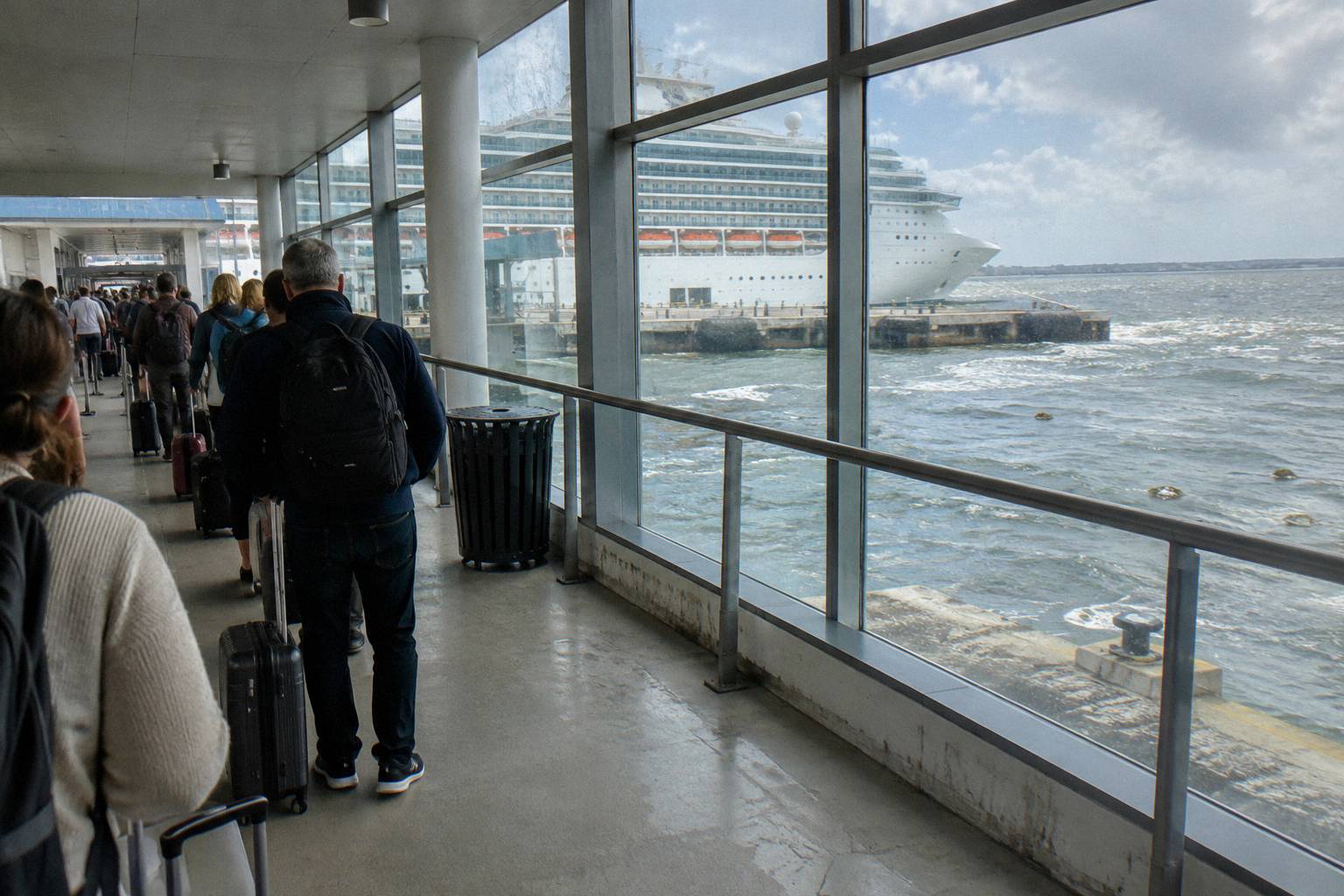
The port-advisory habit is the one genuinely specific to this site's readership. Before booking, read the FCDO or State Department local-laws page for each country on the itinerary, not just the first port. A route can start in Miami and still call at Nassau and Falmouth, two ports at opposite ends of the legality table above. This is a ten-minute task that changes which sailings make your shortlist, and it is exactly the kind of question worth raising when you request a free consultation.
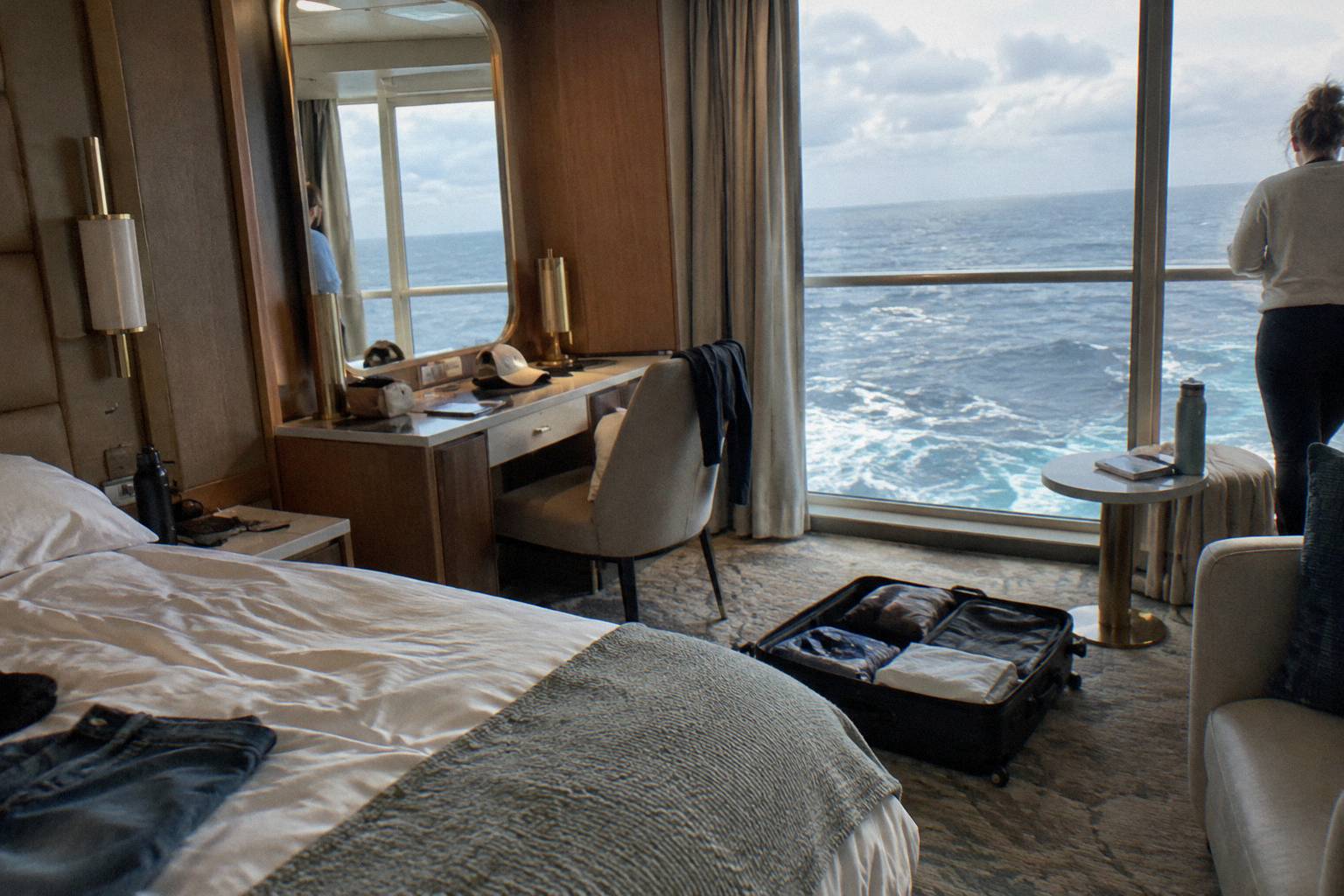
Finally, the shipboard basics that apply to any cruise: attend the muster drill, note the medical centre's location on the first day, save the ship's emergency contact procedure in your phone, and use cabin safes for documents. Charter sailings add one more: keep the charter operator's own conduct and event rules handy in the app or printed programme, since those are the rules security actually enforces on charter nights.
Mistakes That Trip Up First Time Gay Cruisers
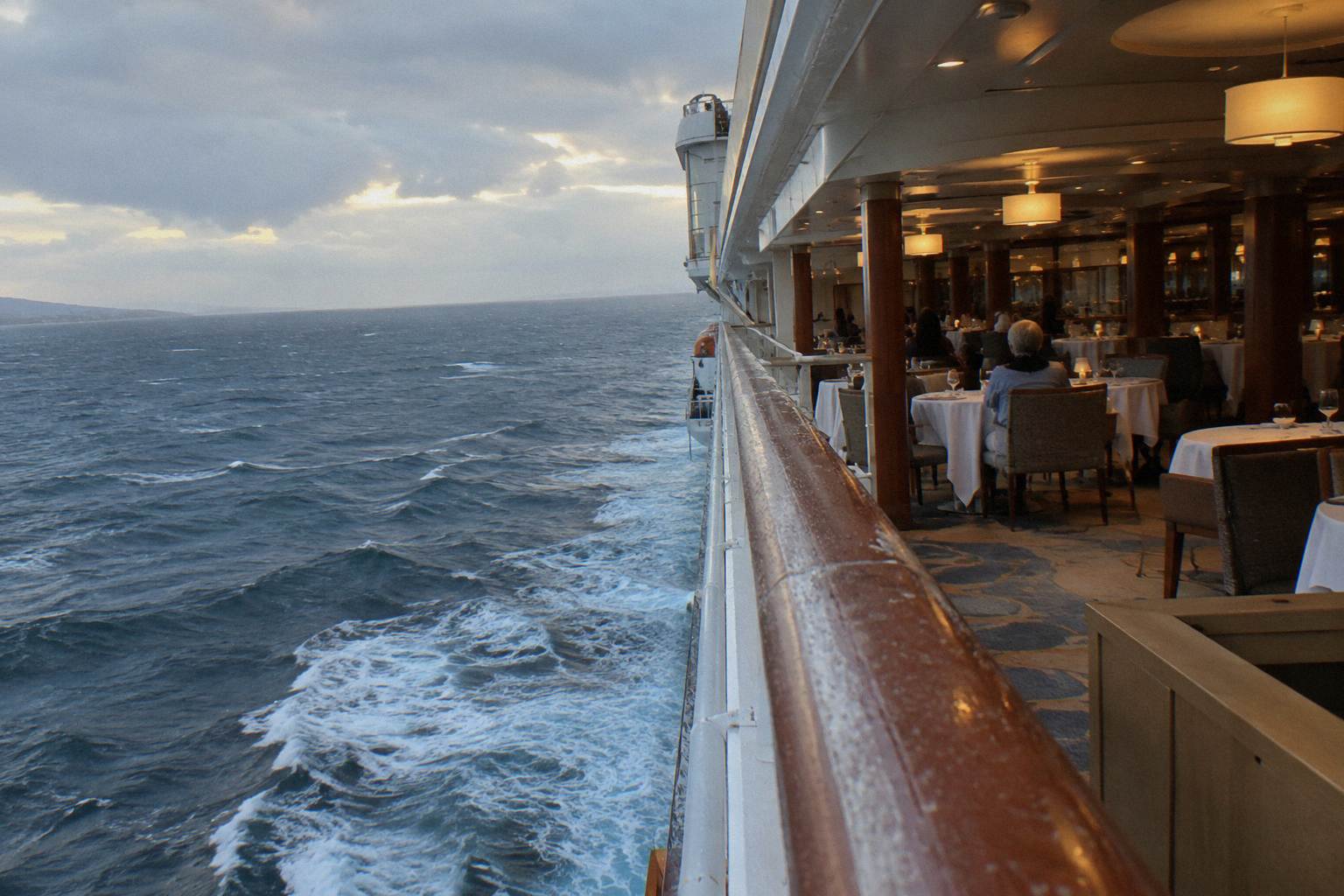
The recurring mistakes are concrete: booking an itinerary before checking the port-law table, assuming a sold-out operator means no options remain, comparing fares across different formats as if they were equivalent, and skipping the charter's own conduct rules until onboard. Each is avoidable in minutes at the planning stage. The 29 sold-out or waitlisted sailings of 90 also make the timing mistake, waiting too long, the most expensive one.
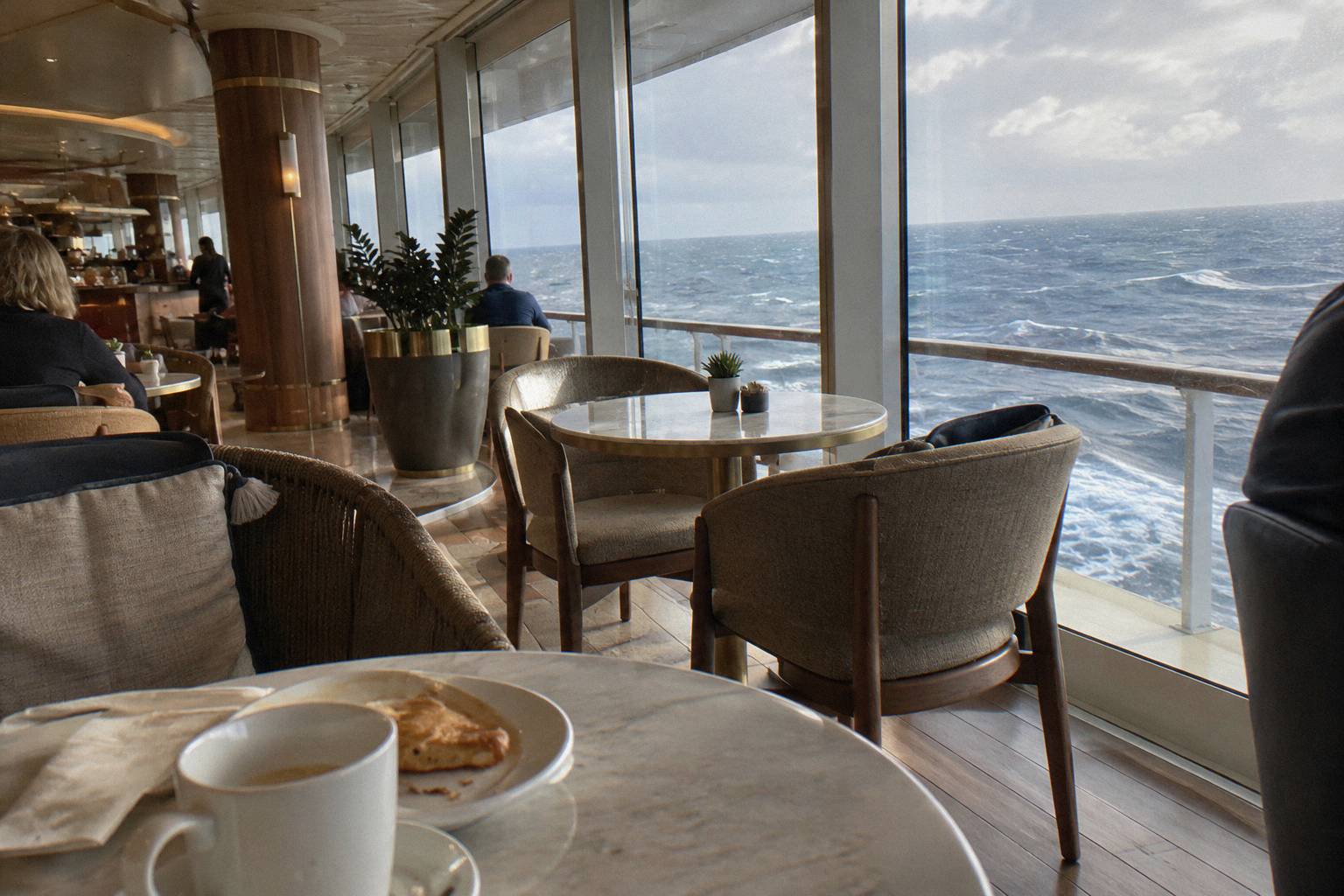
The port mistake is first because it is the biggest. A shopper who falls in love with a Western Caribbean mega-ship charter and only then reads the Jamaica statute has done the research backwards. One third of the sailings listed show sold out or waitlist status, with VACAYA and Out Adventures fully sold out, so the second mistake, treating one operator's waitlist as the whole market, closes doors that other listed operators keep open. The third mistake, fare comparison across formats, treats a $999 interior on a mainstream line as interchangeable with a $22,585 Antarctica expedition; the safety-relevant differences between those products are enormous, from guest count to medical provisioning to jurisdiction.
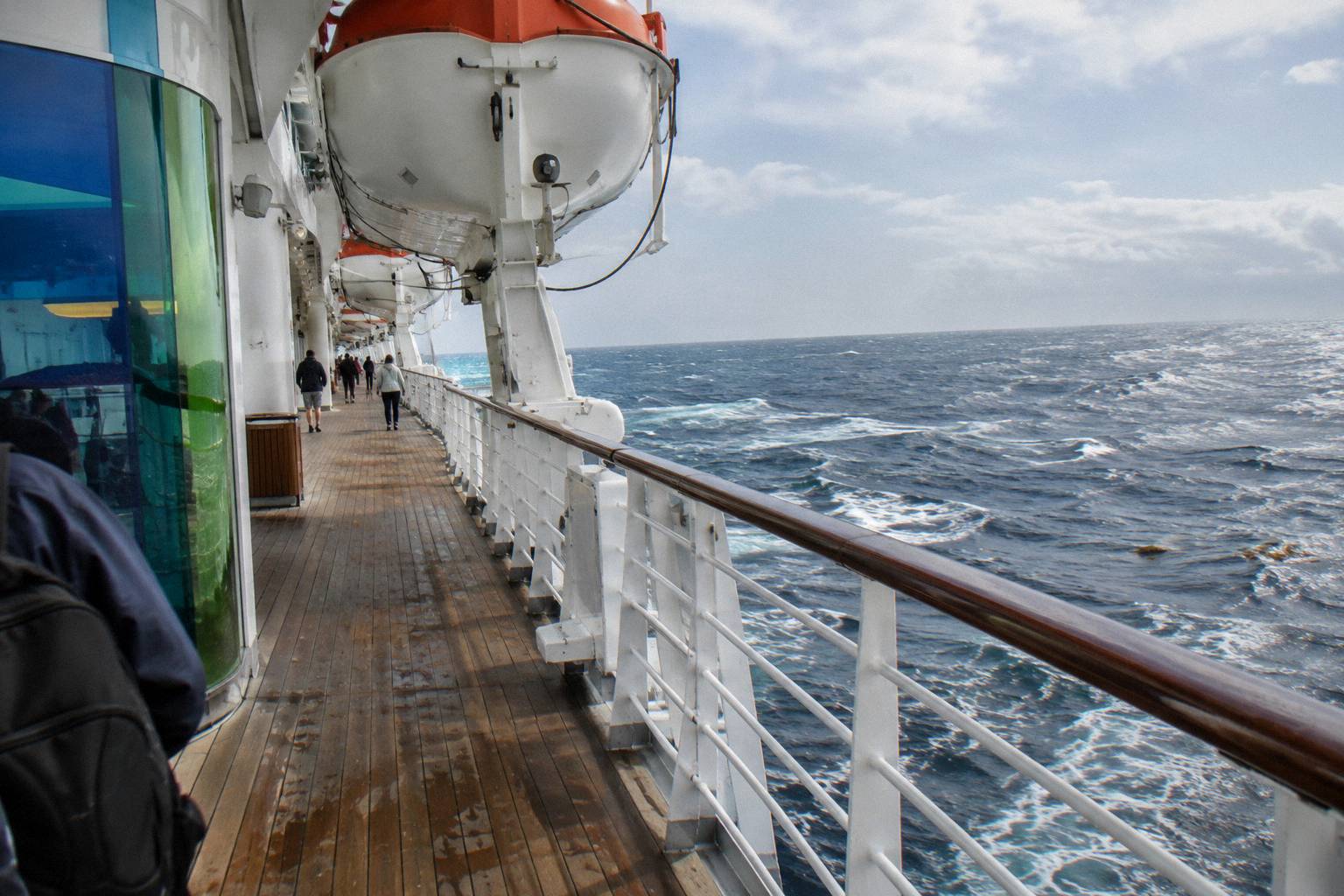
The fourth mistake is under-reading the audience line. An Atlantis sailing for gay men, a VACAYA mixed sailing and an Olivia sailing for women are different experiences by design, and the operator pages are explicit about it. Booking against the stated audience is a comfort mistake, and comfort is part of the safety picture. The fifth is skipping the conduct and consent rules until departure, when they are published in advance and differ by operator. The site's consent guide covers that layer fully, and it takes one sitting to read.
Common Questions About Gay Cruise Safety
Is A Gay Cruise Safe?
Onboard, yes in the structural sense: charters sail on mainstream cruise ships with certified crews, medical staff and security, plus the charter operator's own conduct rules. The variable part is the itinerary. Check the port-law status of every country on the route before booking, since the range runs from legal with marriage in Greece and Norway to criminalised in Jamaica.
Are Gay Cruises Legal?
The sailings themselves are legal everywhere they operate; these are standard cruise charters by commercial operators. What varies is local law at ports of call. Same-sex relations are legal in the Bahamas since 1991 and in Cuba since 1979, and criminalised in Jamaica with up to 10 years in prison for male same-sex activity.
Which Ports Should Gay Cruisers Check Before Booking?
Read the FCDO or State Department local-laws page for every country on the itinerary. Jamaica is the clearest caution in the Caribbean, Morocco and Egypt have no published position, and Turkey is legal but carries an FCDO note on public-morality provisions. Greece, Norway, Cuba, Italy and the Bahamas are on the legal side of the table.
Do Charter Operators Have Their Own Safety Rules?
Yes. Each operator publishes audience definitions and conduct expectations before departure, layered on top of the host line's passenger conduct code, which security enforces on every sailing. The dedicated consent and conduct guide on this site walks through that layer in detail.
Do Smaller Ships Offer Better Safety?
No source supports a safety ranking by ship size. River ships like Delfin III and expedition ships like World Navigator carry far fewer guests and often sail single-country or single-region itineraries, which simplifies the port-law picture. Mega ships like Valiant Lady and Celebrity Beyond carry full-scale security and medical departments. Match format to comfort, not to a safety claim.
What Should I Prepare Before A Gay Cruise?
A passport valid well beyond your return date, travel insurance including medical evacuation, medication in hand luggage in original packaging, and a read of the FCDO advisory for each port. Add the charter operator's own conduct and event rules, which are published in advance and enforced onboard.
More Planning And Onboard Guides
 Atlantis Cruise CostWhat an Atlantis charter really costs, from base fare to bar bill.Read the guide
 Atlantis Dress CodeTheme nights, packing lists and what the operator actually publishes about dress.Read the guide
 Atlantis Cruise ShipsEvery ship Atlantis charters, with sailing dates, prices and what is on sale.Read the guide
 Atlantis Drink PackageWhat the sources really say about drinks and packages on Atlantis gay cruises.Read the guide