Passports And Documents For A Gay Cruise
Passports, visas and port-law basics every LGBTQ+ cruise shopper should sort before requesting a quote on a gay or mixed charter sailing.
This page sits in Planning And Onboard Guides, the hub for everything you sort before and during a gay cruise booking.
Quick Facts
| Fact | Detail |
|---|---|
| Passport validity | At least six months beyond your return date on most itineraries |
| Sailings tracked | 90 charter and group sailings across 11 operators |
| Sold out or waitlist | 29 of the 90 sailings tracked |
| Next Atlantis sailing | 2026-11-22, with 4 of its 6 sailings sold out or waitlist |
| Olivia price floor | About $999 per person for a Holland America interior |
| Brand g price range | About $4,900 (Rhine) to $22,300 (Philippines, Taiwan, Japan) |
| Jamaica port law | Male same-sex activity illegal, up to 10 years in prison |
| Bahamas port law | Same-sex relations legal since 1991, equal age of consent 18 |
What Documents Do You Need For A Gay Cruise?
Every cruiser needs a passport valid on the sailing date, and on most routes valid for six months beyond the return, plus any visa or electronic clearance each port country requires. Closed-loop cruises from the United States technically allow a birth certificate, but a passport is what operators and port authorities actually want. Your booking confirmation and travel insurance details complete the set.
The document set for a gay cruise is, in almost every respect, the same set any cruiser carries. The charter nature of the sailing, whether it is an Atlantis Events charter for gay men, an Olivia Travel sailing for LGBTQ+ women, or a mixed VACAYA departure, changes the crowd and the programming, not the immigration counter. What changes your paperwork is the route, the flag of the ship and your own citizenship. That distinction is worth internalising early, because it tells you where to spend your planning time: on the itinerary and your passport, not on any myth of special LGBTQ+ paperwork.
Three practical points from the sailing data matter here. First, the listings cover 90 charter and group sailings across 11 operators, running from 2026-11-14 out to 2028-10-14, so there is a real spread of destinations and therefore document requirements. Second, 29 of those 90 already show sold out or waitlist status, which means the cabin you want may require quick paperwork, not months of deliberation. Third, operators price per person in the lowest cabin category, so a name change on a document after booking can cost real money if it forces a rebooking.
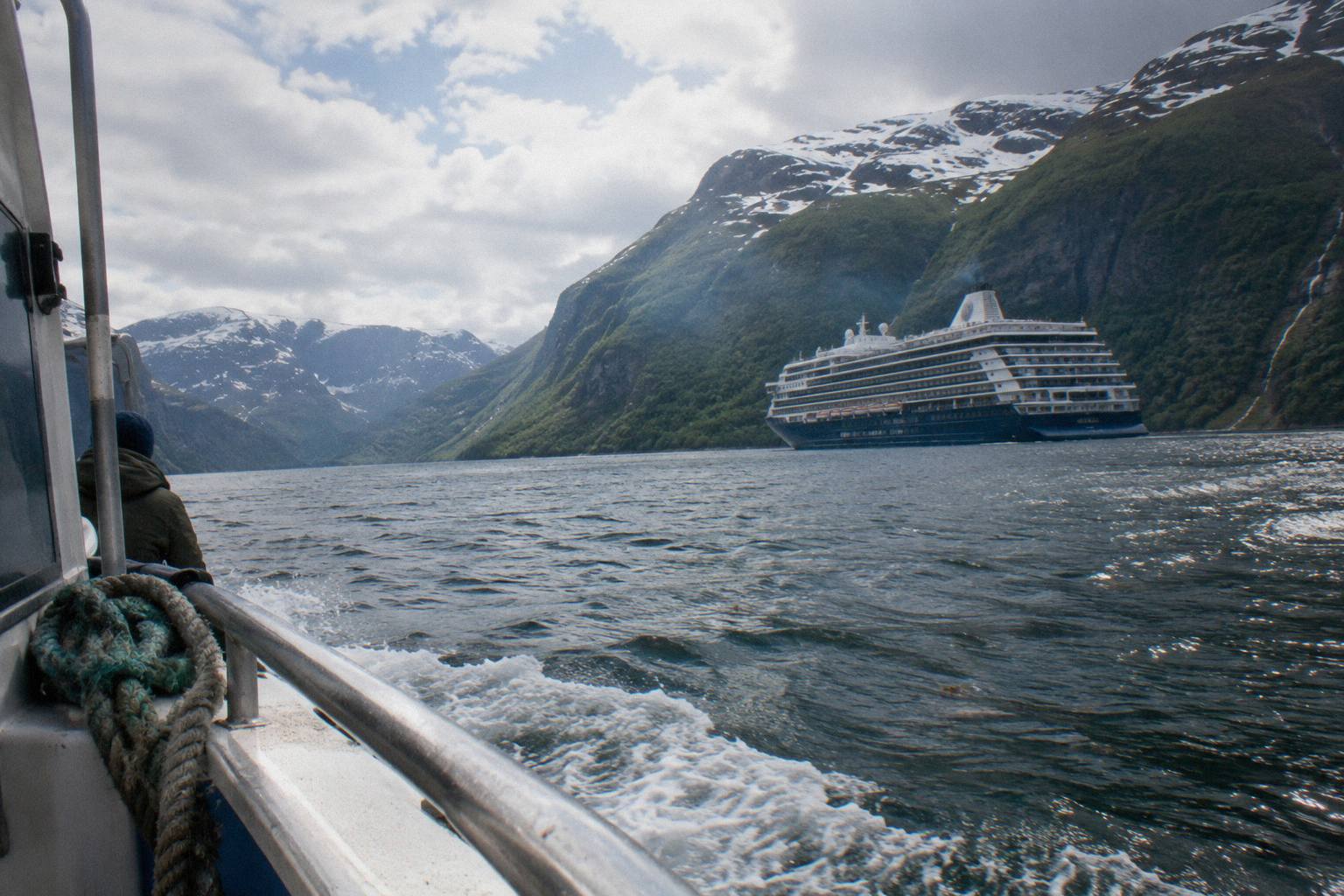
The category of ship also shapes the paperwork experience, though not the requirements themselves. A mega ship like Valiant Lady or Celebrity Beyond processes thousands of passports through a terminal built for scale, while a river ship like the Delfin III boards a small guest list and rechecks documents at land borders along the way. Neither is harder in principle, but both reward arriving with everything already consistent.
Before you commit to a specific sailing, it is worth mapping your citizenship against the route. A free consultation on route and documents does exactly that, at no cost and with no obligation to book.
How Long Should Your Passport Be Valid?
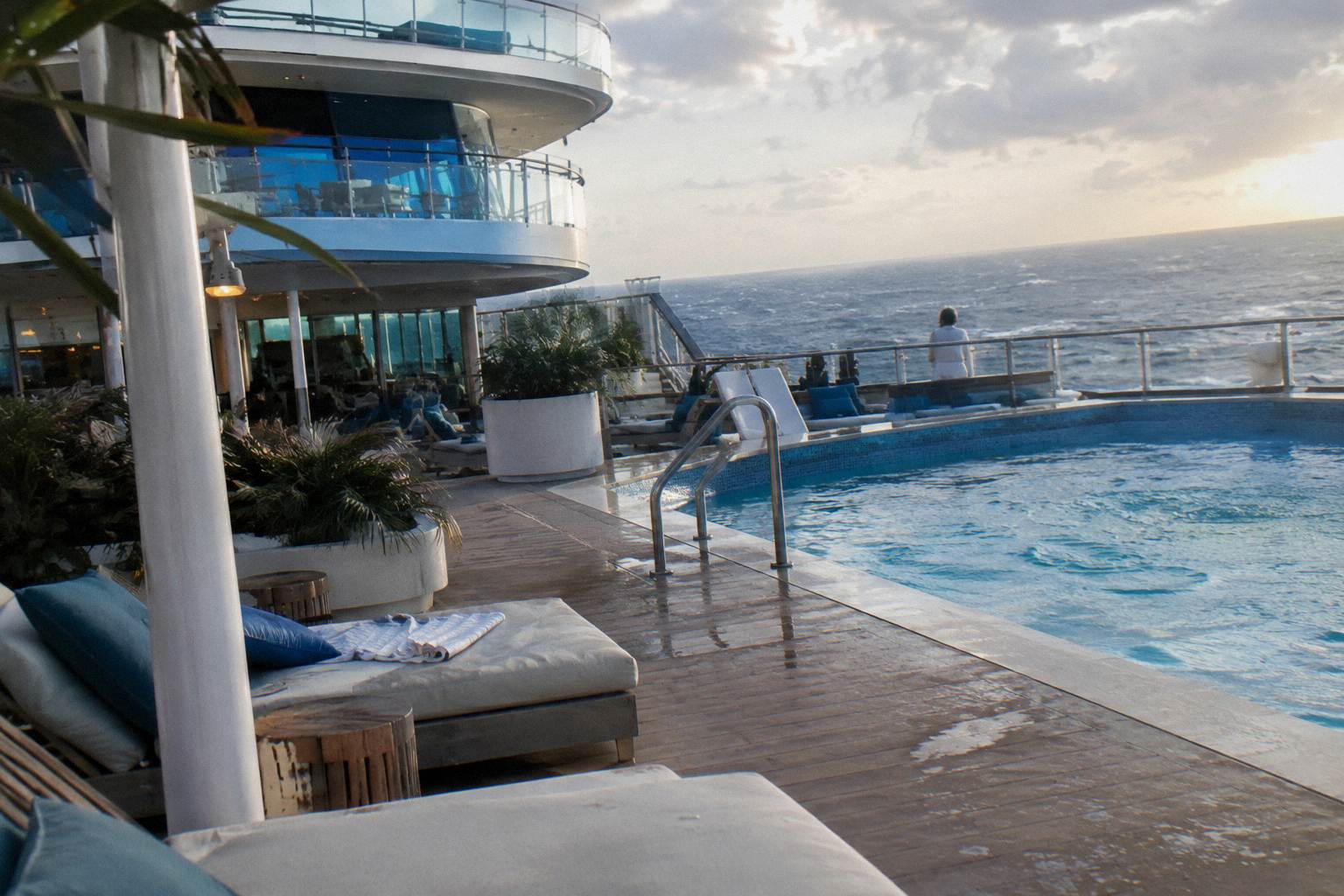
Six months beyond your return date is the working standard, because many countries on cruise routes apply a six-month validity rule at check-in and at the port, and the cruise line enforces the strictest rule on the itinerary. A passport valid only to your travel date can get you denied boarding with no refund. If your passport expires within about nine months of your sailing, renew it first.
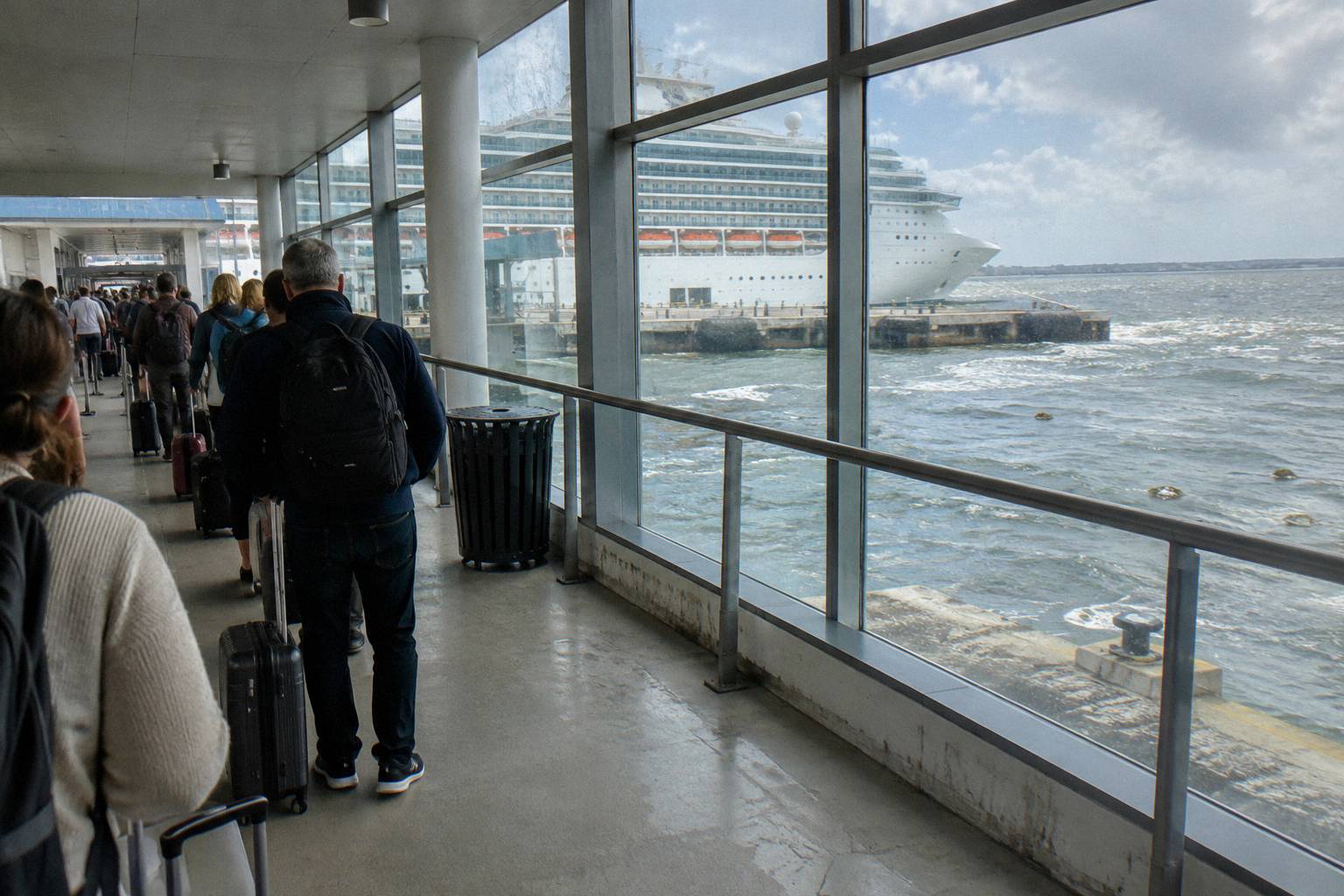
The reason the six-month rule dominates is that the ship visits several jurisdictions in one week, and the operator applies the strictest requirement among them to every passenger. A Caribbean itinerary that calls at the Bahamas, Jamaica and the Cayman Islands is governed by whichever of those three applies the toughest validity test, not by your home country's rule. Renewal timelines vary by issuing country, and demand surges before northern-hemisphere summer and the December holiday sailings, which is exactly when many charter departures cluster: Olivia Travel alone has 19 sailings from 2026-12-02 onward.
A second document detail that catches cruisers: the name on your passport must match the name on the booking. For transgender and non-binary travellers especially, an old name on a loyalty account or an outdated gender marker can create friction at check-in. Some countries on the port-law list do not recognise same-sex marriage or partnership at all, and Turkey's advisory notes that public-morality provisions may be applied in ways that affect LGBTQ+ travellers, so consistent documents across passport, booking and insurance remove one avoidable layer of stress.
The practical habit is simple: check the expiry date, check the name, and check any gender-marker rules for your destination before you pay a deposit. The cost planning piece matters too, and the Atlantis cruise cost guide shows how per-person fares from $1,199 to $1,799 on current 7-9 night sailings stack up against the paperwork timeline. If the renewal and the deposit are racing each other, the renewal wins, because operators will not hold a cabin on a passport that cannot legally carry you there.
Which Ports On Gay Cruise Routes Have Laws Affecting LGBTQ+ Travellers?
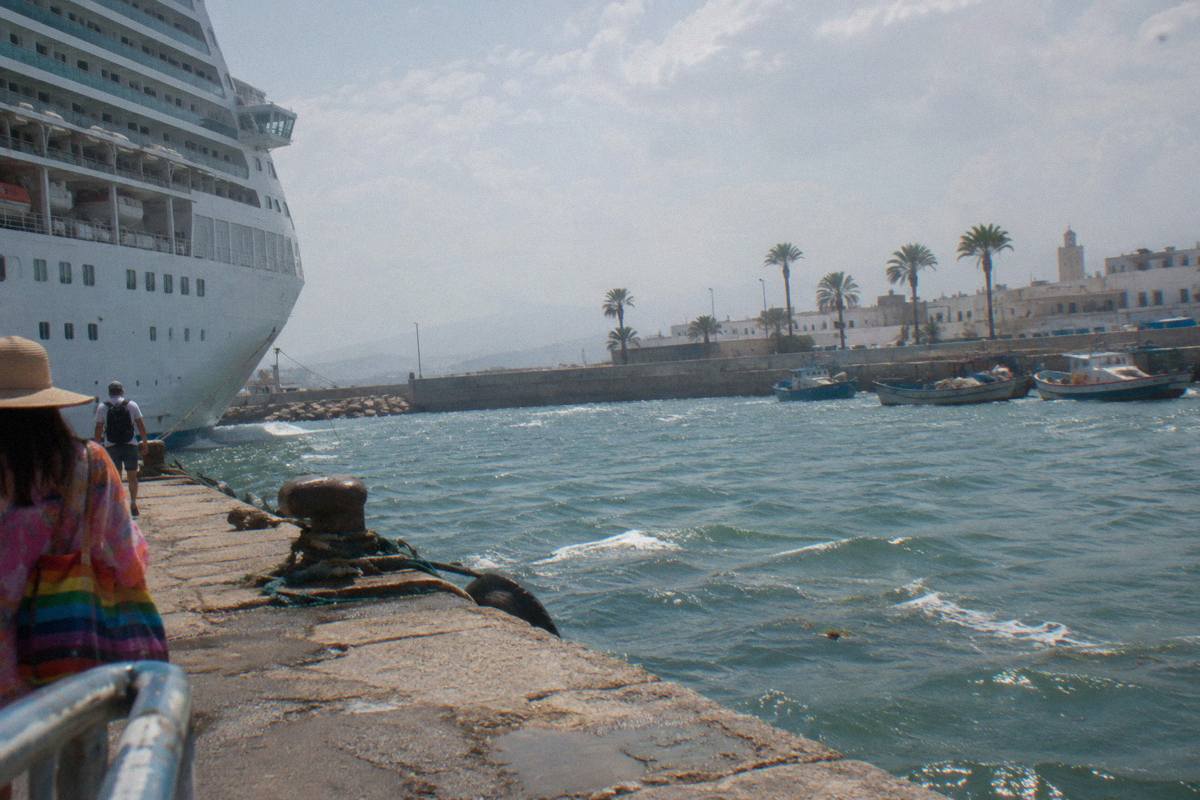
Jamaica criminalises male same-sex activity, with penalties up to 10 years in prison, and is the most significant port-law fact on mainstream Caribbean routes. The Bahamas has been legal since 1991 with an equal age of consent of 18. Turkey legalised in principle but its advisory warns public-morality provisions may be misused. Morocco and Egypt have no clear legal status stated by the operators, so caution applies.
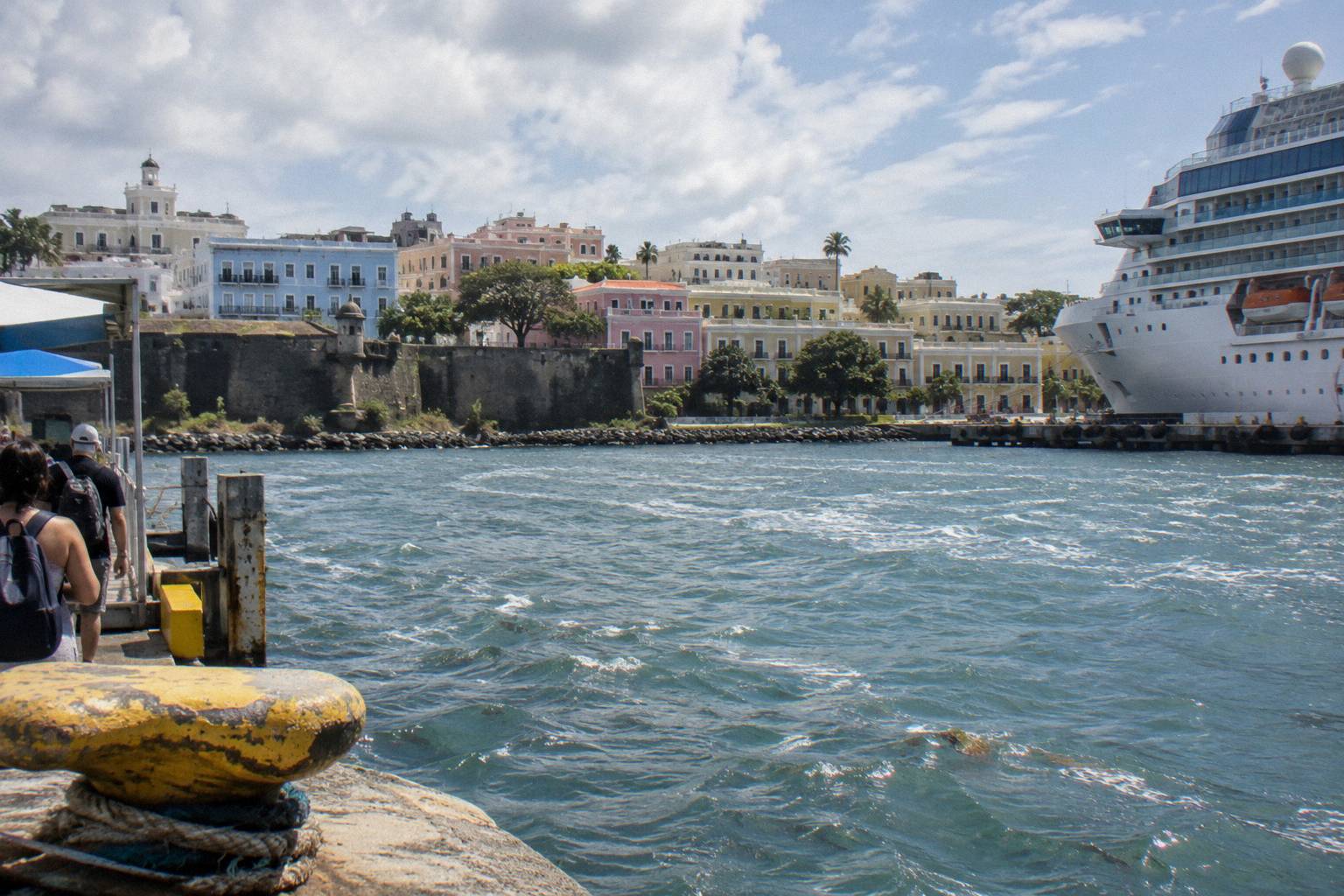
This is where document planning and destination awareness overlap. You can hold a perfect passport and still want to know how the law stands at each call. The port-law data covers 19 countries, and the picture is genuinely mixed: Cuba decriminalised in 1979 and recognises partnerships, Greece decriminalised in 1951 and legalised marriage in 2024 after civil unions from 2015, Italy offers civil unions but not marriage, Norway has full legal recognition, and Spain's legal recognition is not stated. The UK Foreign Office publishes the local-laws pages behind these entries, and two of the most relevant are the FCDO Bahamas local laws page and the FCDO Jamaica local laws page.
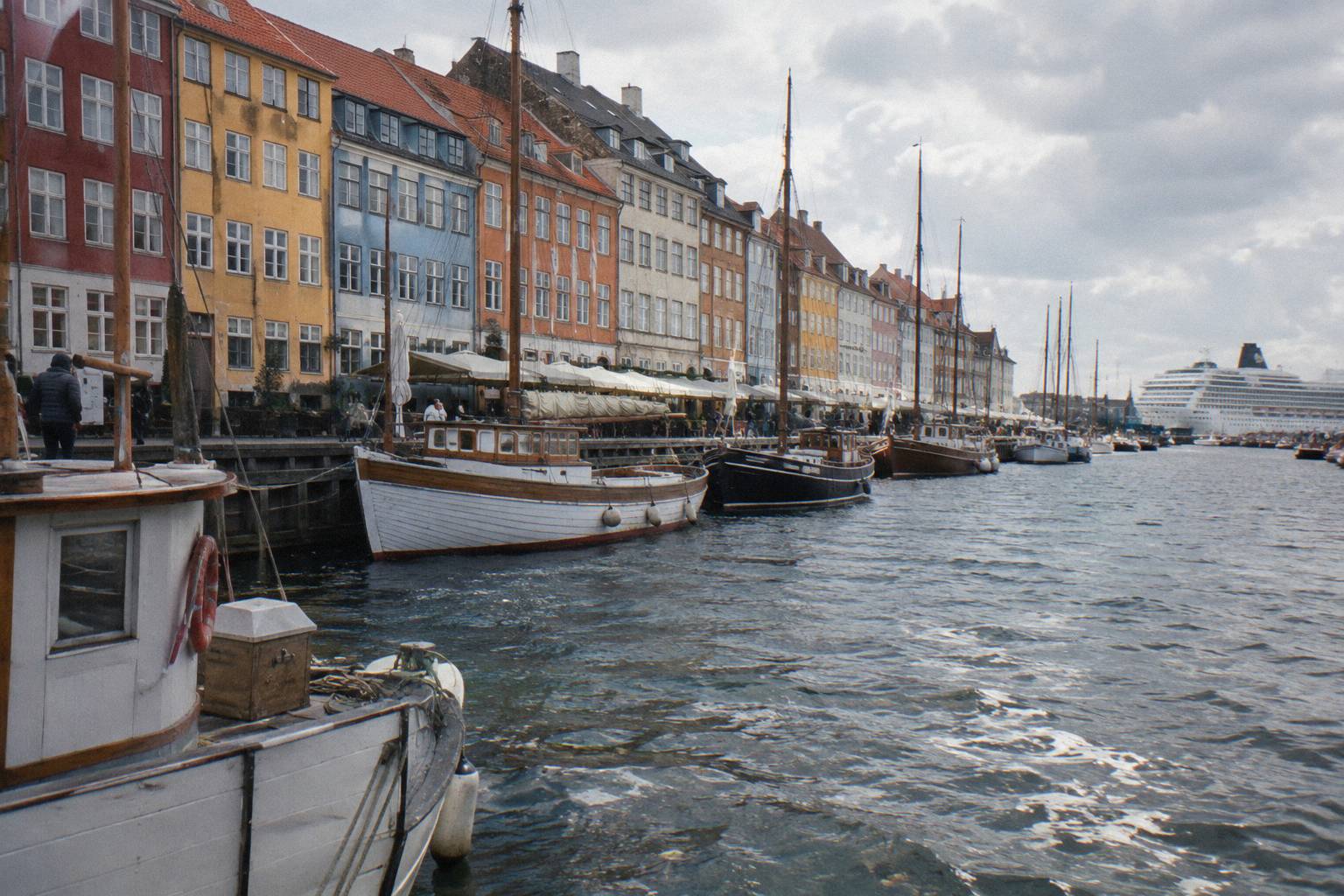
On a cruise, the ship is your base and port calls are short, but the law of the country you are standing in applies while you are ashore. That is a reason to read the advisory, not a reason to avoid the sailing. Operators have run Caribbean charters for decades, including the Atlantis-all-gay-Caribbean route covered in the all-gay Caribbean cruise guide, and the practical approach is awareness of local norms rather than alarm. Reading the local-laws page for each call, the same source behind the entries below, is a ten-minute task that changes how you carry yourself ashore without changing anything aboard.
| Country | Same-Sex Relations | Marriage Or Partnership |
|---|---|---|
| Bahamas | Legal since 1991, age of consent 18 | Not stated |
| Jamaica | Criminalised for men, up to 10 years prison | Not stated |
| Cuba | Legal, decriminalised 1979 | Recognised |
| Greece | Legal, decriminalised 1951 | Marriage legal since 2024 |
| Italy | Legal | Civil unions legal, no marriage |
| Turkey | Legal in principle, public-morality provisions noted | Not recognised |
| Norway | Legal, decriminalised 1972 | Legal |
| Morocco | No clear status published | No clear status published |
Fields marked not stated mean nobody publishes a position, and that is worth knowing plainly rather than guessing. If a route's legal picture affects which sailing you pick, a conversation about ports and comfort levels can narrow the 90-departure list to the itineraries that suit you.
Reading the table as a whole, a pattern emerges that helps you plan. Four of the countries listed decriminalised across a spread of decades, from 1951 to 1991, while the partnership picture lags behind: only Greece, Cuba, and Norway show recognition of any kind, and three entries show no stated position at all. Italy sits in the middle, legal on relations but civil unions only. What that means in practice is that two neighbouring ports on the same itinerary can carry very different legal contexts, so the port order matters as much as the port list when you are weighing a sailing.
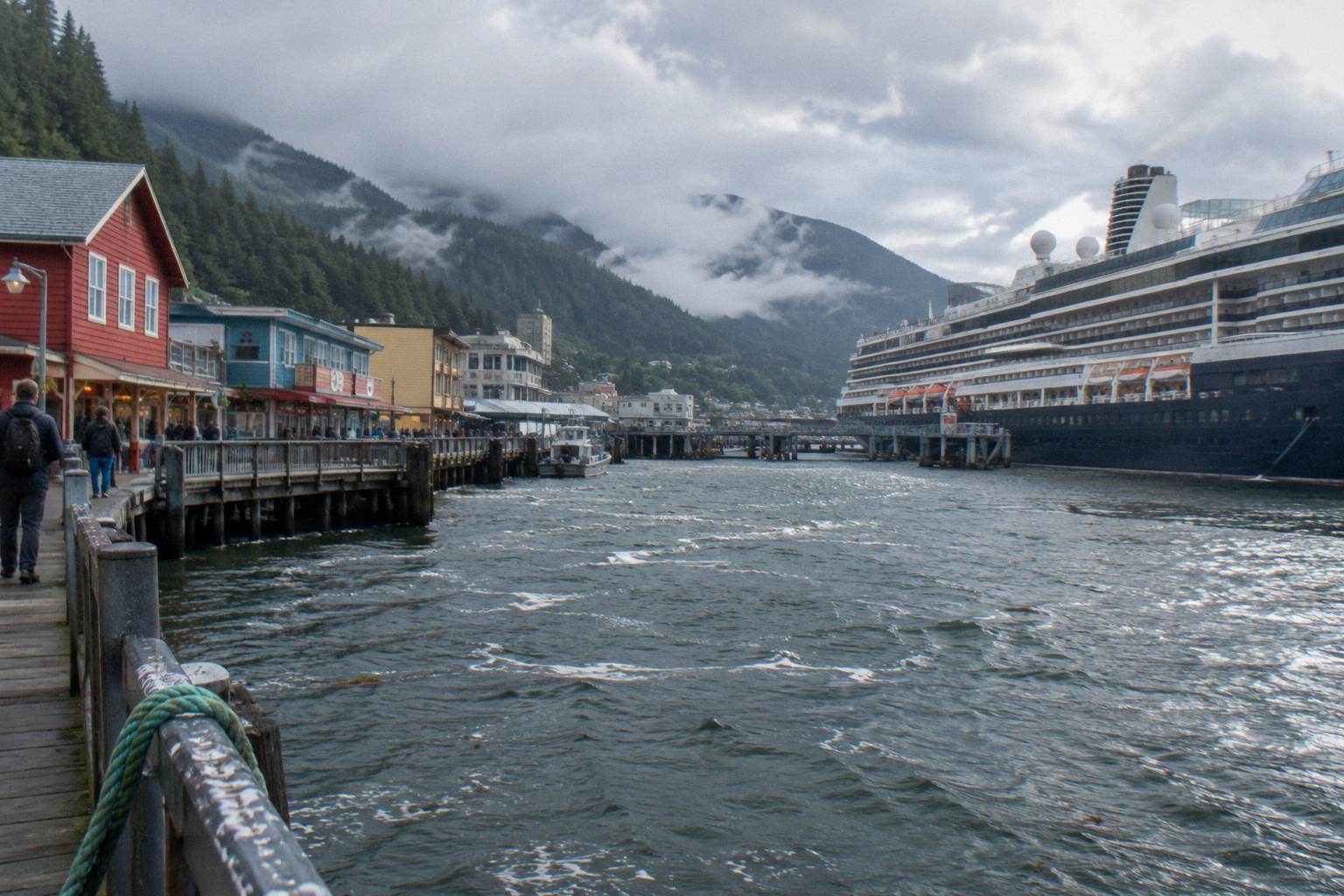
One further distinction is worth holding onto when you read these entries. Legality and recognition are separate questions, and the table tracks both. Norway shows full marks on each count, Turkey is legal in principle but with recognition not stated and a public-morality warning attached, and Jamaica sits at the far end with criminalisation for men. The "not stated" fields are not the same as a ban; they mean the source publishes no position either way, which is exactly why the local-laws pages linked above are worth opening yourself before you sail rather than relying on secondhand summaries.
Do You Need A Visa Or Electronic Clearance For A Cruise?
It depends on your citizenship and the ports, not on the cruise being an LGBTQ+ charter: many European and Caribbean itineraries need no advance visa for short tourist calls, while the United States requires an ESTA or equivalent from visa-waiver nationals even for transit, and some destinations require advance authorisation that cannot be sorted at the pier. Your sailing's final port list decides the answer.
The structural point is that a cruise touches multiple immigration regimes in days, and each one evaluates you separately even though you sleep on the same ship. Operators do not publish country-by-country visa rules beyond the port-law entries, so the honest answer is that visa requirements must be checked against the final itinerary, after booking, against your own passport. What is clear is the scale of the choice: Brand g Vacations alone has 24 sailings from 2027-04-18 to 2028-10-14, spanning river Europe to the Philippines, Taiwan and Japan, and those are wildly different visa pictures.
Two timing facts from the sailing data shape how early you should act. Atlantis Events shows 4 of its 6 listed sailings sold out or waitlist, and VACAYA shows all 8 of its 2026-2028 trips sold out, so popular cabins go early. Meanwhile Olivia's 19 sailings and KelliGregg and R Family's 13 family-friendly departures still show open status across their full runs, meaning there is time to renew a passport or apply for clearance before paying in full. The mistake is buying first and discovering a visa problem after.
Electronic travel authorisations deserve a specific mention, because they are the fastest-growing paperwork trap in cruise travel. These clearance schemes are typically applied for online days in advance, cost a modest fee, and cannot be granted at the pier, so a cruise that transits a country requiring one will deny boarding to a passenger without it. Since itinerary port lists are only confirmed at booking, add a diary reminder to check authorisation requirements the day your documents arrive, not the week you fly.
A useful companion question, if you are weighing a mixed or all-gay sailing for the first time, is covered in the post on whether straight people go on a gay cruise, which explains the audience mix across operators like VACAYA and Big Gay Cruise.
River Cruises And Expedition Ships: Do Documents Differ?
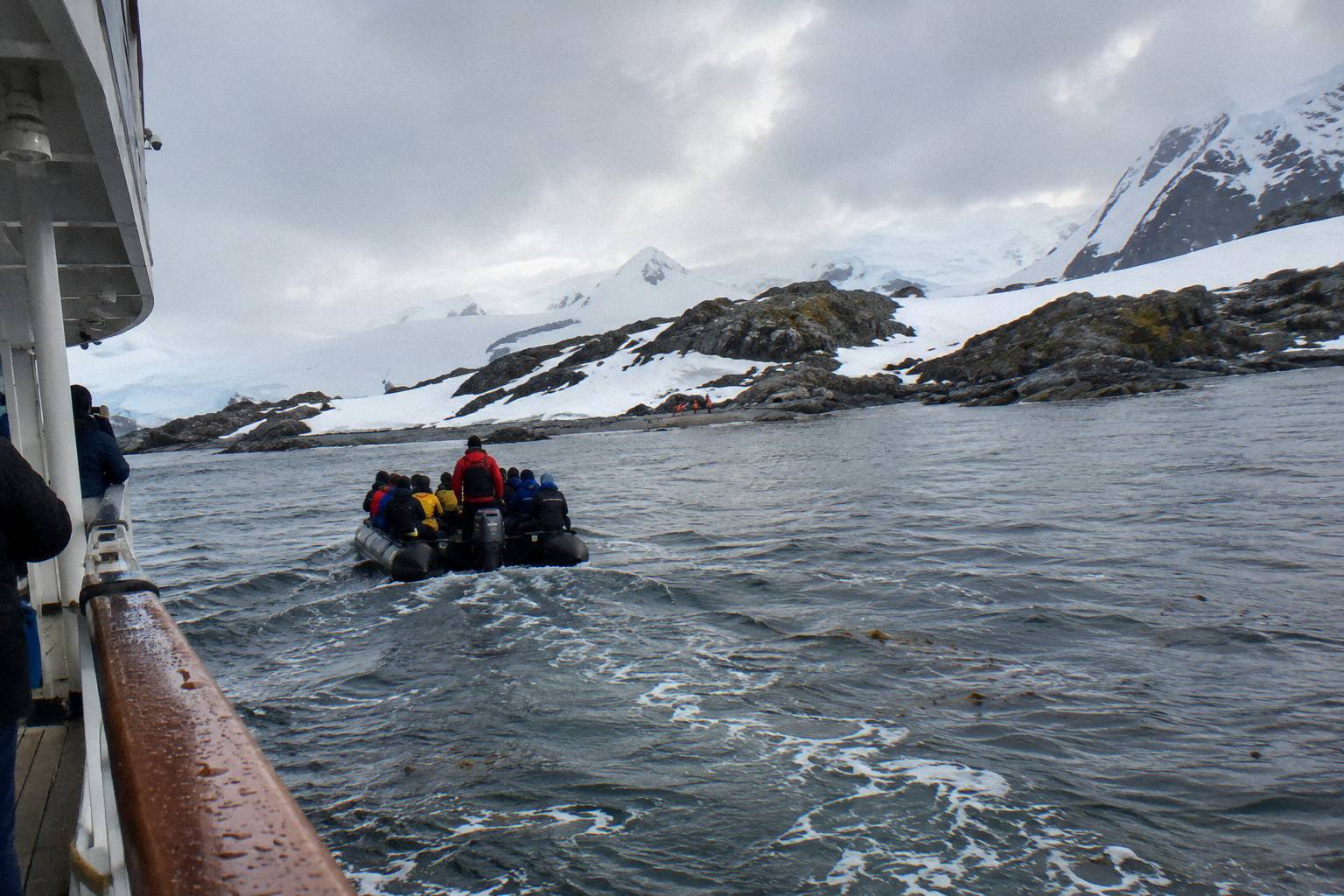
River and expedition itineraries usually cross more land borders than sea cruises, so your passport is stamped or scanned more often and Schengen or multi-country rules matter more, while expedition routes to remote regions can require additional permits the operator arranges. The document types are the same, but the failure modes differ, because a missed river transfer can strand you between countries.

Brand g Vacations, an LGBT+ operator founded in 2011, lists its Rhine river product on its site at about $4,900 per person in the lowest cabin, and Amadeus River Cruises and Delfin Amazon Cruises both operate river ships among the operators covered here. River cruising in Europe mostly sits inside the Schengen area, where one set of external border rules covers many countries, but the operator pages and your own consulate remain the sources for what your nationality needs. In the Amazon, the Delfin III sails Peruvian waters, which simplifies the port picture but still requires the right entry documents for Peru itself.
The Delfin III is the featured river ship here for a reason: river products reward document discipline because the ship repositions along the river and your embarkation point may differ from your arrival airport. That means flight documents, transfer confirmations and the ship's own boarding details all need to agree with the passport. On the Gay Cruises site's roster, the expedition side is represented by Atlas Ocean Voyages' World Navigator and World Traveller, whose polar and remote itineraries add another layer: expedition operators typically specify document requirements in pre-voyage communications that mainstream Caribbean charters never mention.
Comparing the three categories side by side shows how the document workload shifts:
| Ship | Type | Guests | Built | Charter operators | Embarks from |
|---|---|---|---|---|---|
| Delfin IIIDelfin Amazon Cruises | River Ship | 44 | – | Brand g Vacations | – |
| Valiant LadyVirgin Voyages | Mega Ship | 2,770 | 2021 | Atlantis Events, BearCruise | San Juan, Barcelona |
| World NavigatorAtlas Ocean Voyages | Expedition Ship | 200 | 2021 | KelliGregg Travel / R Family Vacations | Oslo, London, Copenhagen |
The table shows the contrast in one glance: a 2,770-guest mega ship like Valiant Lady boards thousands of passports through a terminal process built for scale, a river ship like Delfin III handles a small guest list across land borders, and an expedition ship like World Navigator adds remote-region requirements. None is harder in principle, but each rewards checking the specifics before you commit.
What Should You Carry With Your Documents?
Carry your passport, your booking confirmation from the charter operator, proof of travel insurance, and a backup of each: a phone photo of the passport data page plus a printed copy in a separate bag. Add any medication documentation in original labelled packaging, and keep a credit card for the onboard account, which every operator requires at check-in. Nothing on this list is LGBTQ+-specific.
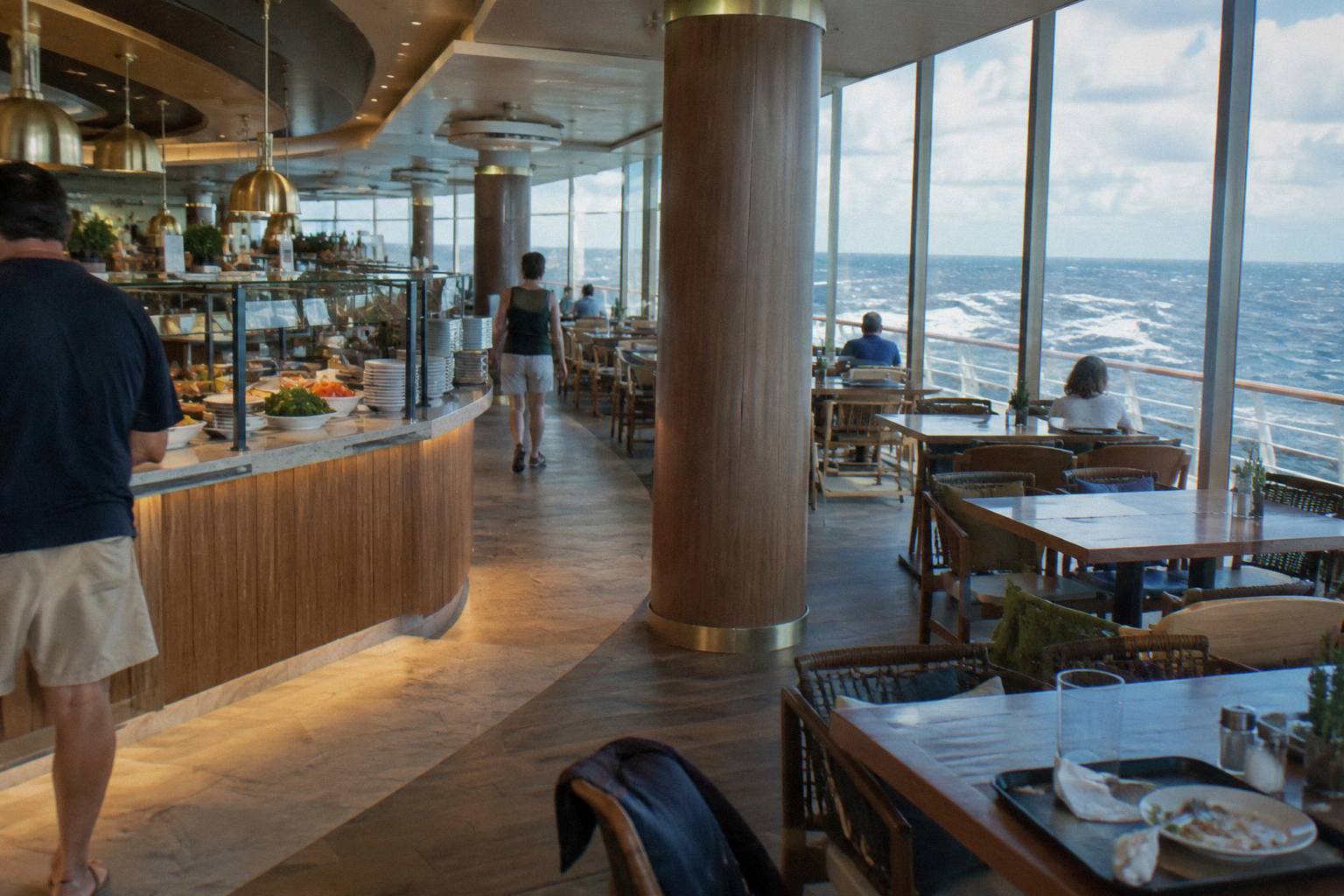
The backup habit matters more on a cruise than on a city break because the ship moves. If your bag goes to Rome while you go to Civitavecchia, a photo of your passport and a printed copy are what get you aboard and get your consulate moving. Operators with the clearest documented price structures, like Waves of Pride at $1,609.40 covering fare, taxes and gratuities with a separate $149-199 entertainment fee, issue itemised confirmations that double well as document backups, since the fee breakdown is explicit rather than bundled.
For medication, sensitive topics like PrEP are covered only where an operator or official source states a position, and no operator document rules on medication appear. The safe general practice, drawn from standard cruise check-in requirements rather than any claim about a specific line, is original packaging plus a letter from a prescribing doctor. Rules differ by destination, and for destinations with sensitive local laws the FCDO Barbados local laws page is an example of the official source to read rather than a forum.
A final carry item deserves its own line: the charter operator's emergency contact and your travel insurance policy number, stored where you can reach them without wifi. Charter sailings are run by specialist companies rather than the cruise line whose livery is on the hull, so the number that matters when a document problem arises is the charter operator's, not the ship's reception desk.
| Document | Why It Matters At Check-In | Backup Habit |
|---|---|---|
| Passport | Identity and validity checks at every port | Photo of data page plus printed copy |
| Booking confirmation | Links your name to the cabin and charter manifest | Screenshot plus emailed PDF |
| Travel insurance | Required by some operators, useful at all | Card with policy number |
| Medication in original packaging | Customs and medical checks | Doctor's letter |
| Credit card | Onboard account setup | Second card in a separate bag |
How Do Prices And Booking Steps Shape Your Document Timeline?
Price is per person in the lowest cabin on every operator file: Atlantis runs $1,199 to $1,799 on current 7-9 night sailings, Olivia from about $999, VACAYA from $3,719 to $12,537, Brand g from $4,900 to $22,300, and Out Adventures from $7,495 to $22,585. Deposits bind your name to the cabin, so your passport needs to be valid and correctly named before the first payment.
The operator prices are all per person, lowest category, as the operators wrote them, and they move often, as. That means the figures above are planning anchors, not quotes. What they do show is the spread: a seven-night Caribbean charter and a Madagascar-to-Seychelles luxury sailing are different products with different document burdens, and the more expensive and remote the sailing, the earlier you should have every document settled. The remote end of the range also tends to involve flights with connections through countries you never considered, and each transit point is a place your passport and any authorisations get checked.
Booking steps also differ by operator. RSVP Vacations, founded 1985, shows no price and zero announced sailings, while Atlantis shows six, VACAYA eight, Olivia nineteen and Brand g twenty-four. Source Journeys and Source Events prices are unconfirmed, a reminder that some figures are firmer than others. When a sailing fits both your budget and your passport reality, a free consultation before you commit is the simplest way to check both at once.
Mistakes That Trip Up First Time Gay Cruise Bookers
The recurring mistakes are travelling on a passport with under six months of validity, mismatched names between passport and booking, checking visas only after final payment, assuming every port on the itinerary shares one legal system, and treating a sold-out listing as a reason to skip paperwork on the next choice. Each mistake is cheap to avoid and expensive to fix.
The validity mistake is the most common form of the first one: a passport that expires two months after the cruise is valid for your travel dates but fails the six-month rule that the strictest port on the route applies. The name-mismatch mistake hits anyone whose documents were updated mid-planning, and it interacts badly with charter manifests, which are fixed to the operator's passenger list rather than a generic cruise line system.
The port-law mistake is subtler. Assuming Jamaica's rules match the Bahamas, or that a Mediterranean sailing treats every call identically, is exactly the assumption the FCDO advisories exist to correct. The sailing-overview mistake is financial: with 29 of 90 sailings already sold out or waitlist, hesitation on one operator often pushes you toward another, and each operator change can mean a different route and therefore different documents. The calendar guide at the gay cruise calendar lays out the departure map so you can compare routes before you fall for one.
Common Questions About Cruise Passports And Documents
Do I need a passport for a gay cruise?
Yes in practice. A passport valid for six months beyond your return date is the standard across cruise routes, and even where a closed-loop US cruise technically allows a birth certificate, a passport is the document port authorities and operators work with. The charter being an LGBTQ+ sailing changes nothing about this requirement.
Can I board with a passport that expires soon after the cruise?
Riskily. Many countries apply a six-month validity rule, and the cruise line enforces the strictest rule among your ports on every passenger, which can mean denied boarding with no refund. If your passport expires within about nine months of your sailing, renew before booking.
Do LGBTQ+ travellers need different documents?
No. The document set is identical to any cruise. The LGBTQ+-specific planning is about destination awareness, since the port-law data shows Jamaica criminalises male same-sex activity while the Bahamas has been legal since 1991, so reading the advisory for each call matters more than any extra paperwork.
Will my same-sex marriage be recognised at every port?
Not everywhere. The port-law data shows Greece has legal marriage since 2024, Norway recognises marriage, Italy offers civil unions only, Turkey does not recognise same-sex partnership, and several countries publish no position. For customs and immigration purposes your passport and booking are what count.
When should I sort documents relative to booking?
Before the first payment. Deposits bind your name to the cabin, and popular departures sell fast: the operator's site already shows 29 of the 90 sailings as sold out or waitlist. Renew the passport first, then book, then check visas against the final port list the operator issues.
Do river and expedition cruises need extra paperwork?
Sometimes. River itineraries cross more land borders so your passport is checked more often, and expedition operators may specify additional requirements in pre-voyage communications. The document types are the same, but check the operator's stated requirements for the exact route before paying.
More Planning And Onboard Guides
 Atlantis Cruise CostWhat an Atlantis charter really costs, from base fare to bar bill.Read the guide
 Atlantis Dress CodeTheme nights, packing lists and what the operator actually publishes about dress.Read the guide
 Atlantis Cruise ShipsEvery ship Atlantis charters, with sailing dates, prices and what is on sale.Read the guide
 Atlantis Drink PackageWhat the sources really say about drinks and packages on Atlantis gay cruises.Read the guide