Accessible And Neurodivergent Friendly Gay Cruise Options
Ninety charter and group sailings are listed here across 11 operators, and the right ship for an accessible or neurodivergent friendly gay cruise depends more on the vessel and the charter than on the brand.
This page sits in Planning And Onboard Guides, the hub for everything between choosing a sailing and stepping aboard.
Quick Facts
| Fact | Value |
|---|---|
| Charter and group sailings | 90 across 11 operators |
| Sailings sold out or waitlisted | 29 of 90 |
| Largest ship covered | Celebrity Beyond, 3,260 guests, built 2022 |
| Virgin Voyages ships in roster | Scarlet Lady (2020) and Valiant Lady, 2,770 guests each |
| Atlantis interior fares | $1,199 to $1,799 per person on current 7 to 9 night sailings |
| Olivia fare range | About $999 to $6,899+ per person |
| VACAYA availability | All 2026 to 2028 trips listed show sold out |
| Featured accessible-category ship | Delfin III, Amazon river ship |
| Detailed accessibility specs published by operators | Not stated on the pages checked |
What Does Accessible Actually Mean On A Gay Cruise?
Accessible on a gay cruise means three separate questions answered at once: the physical ship, the charter's own pace and programming, and the ports the itinerary touches. A river ship, an expedition vessel and a 2,770 guest mega ship give completely different accessibility outcomes even under the same operator. No operator publishes a full accessibility specification, so each sailing has to be checked on its own vessel before booking.
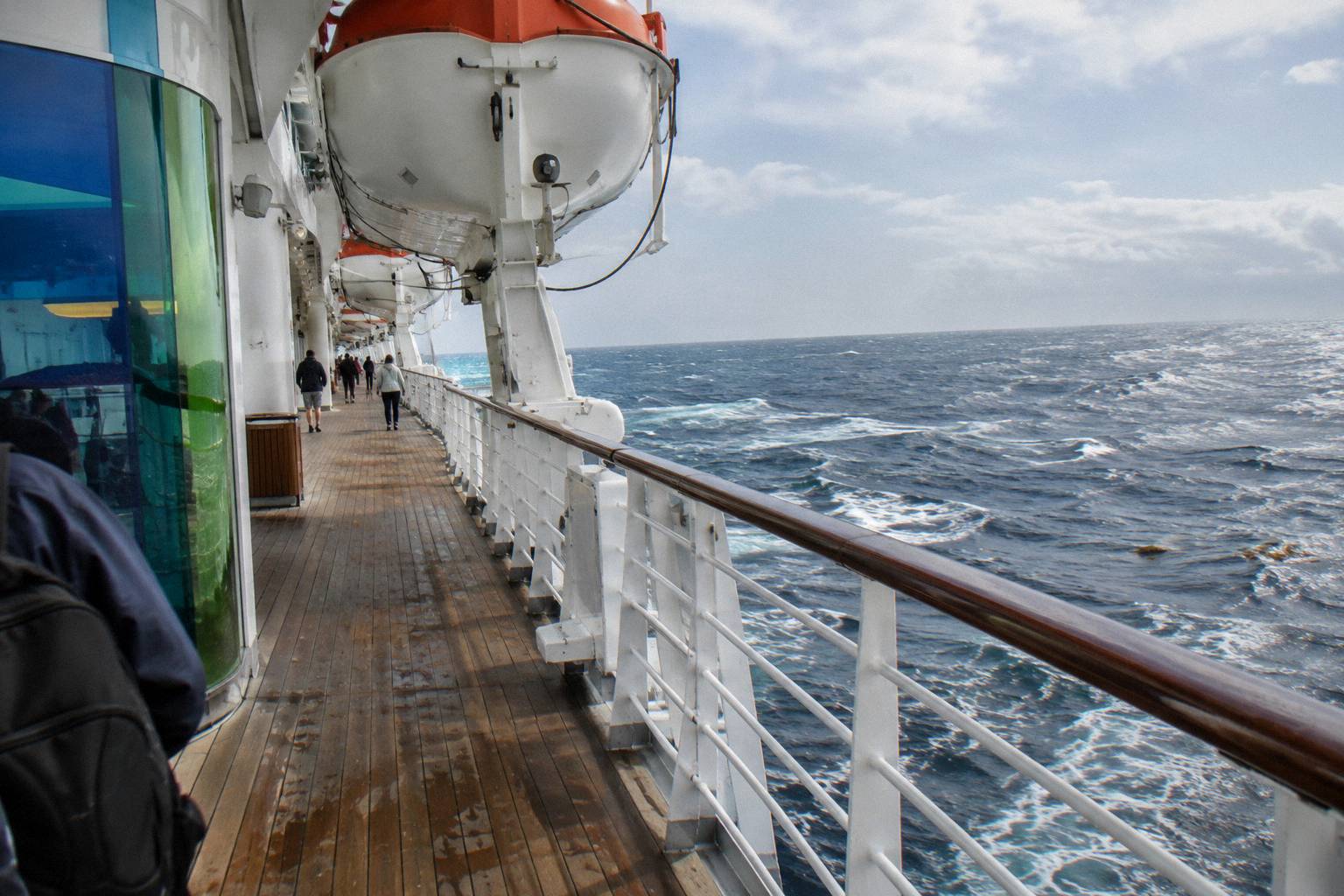
The first layer is the vessel itself. The ships covered here span vessels as different as the Delfin III, an Amazon river ship, and Celebrity Beyond, a 3,260 guest mega ship built in 2022. River ships generally carry far fewer people than ocean mega ships, which changes queueing, corridor traffic and how far anything is from anything else. Expedition ships such as the Atlas Ocean Voyages vessels sit between the two. None of the operator pages checked state cabin doorway widths, lift coverage or pool hoist availability, and this page will not invent those details: the honest position is that they must be requested per sailing.
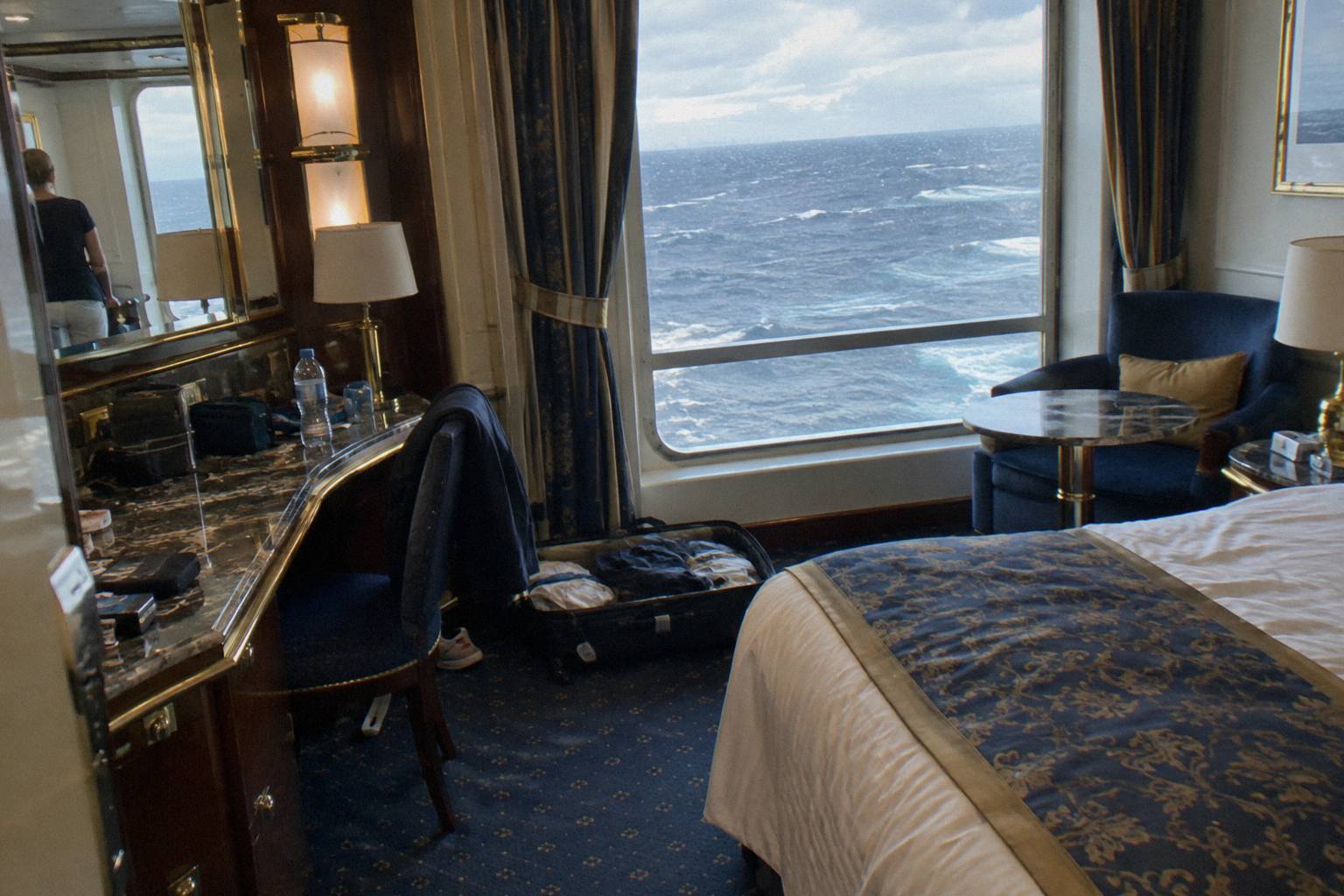
The second layer is the charter. A gay charter takes over a whole ship or a large block of cabins, and the charter operator, not the cruise line, controls the entertainment schedule, the party calendar and the crowd profile. Gay Cruises as a publisher tracks these charters rather than mainstream accessibility certifications, because the charter decides whether a sailing is a nonstop nightlife product or a calmer group trip. Tryst Cruises is listed as a nightlife brand, while R Family Vacations carries kids programming, which signals very different onboard noise and rhythm.
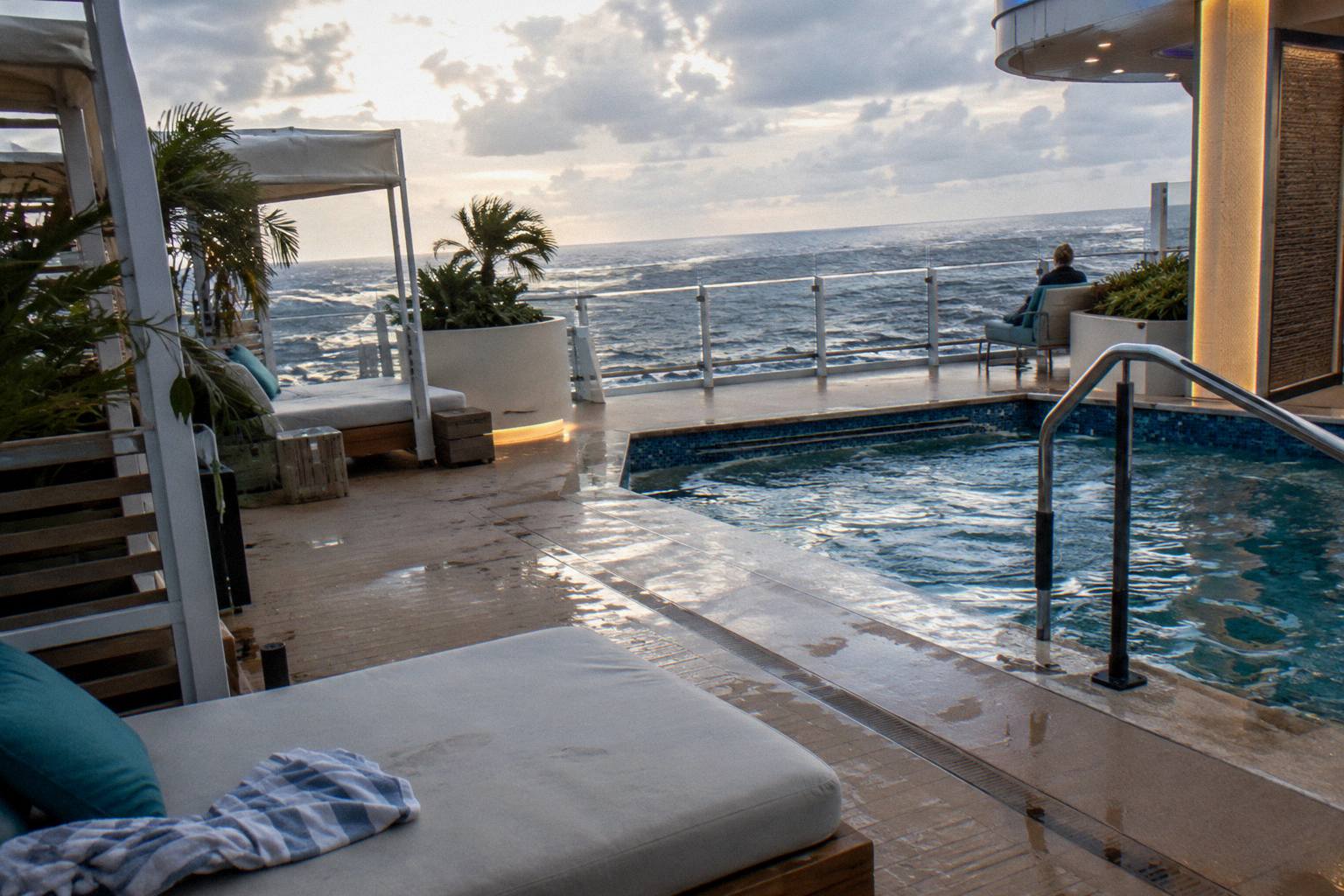
The third layer is the ports. An itinerary is only as accessible as its tenders, gangways and shore infrastructure, and the facts gathered cover the operators and sailings rather than port-by-port mobility access. For port-law and destination questions, the site's destination pieces, such as St Thomas friendliness for cruise passengers, cover the welcoming side, while physical access at each call is a question to raise per itinerary.
For most readers the practical sequence is sailing first, vessel second, cabin category third. That order matters because 29 sold out or waitlisted sailings show how quickly inventory in the accessible categories disappears, and those categories are usually the smallest block on any ship. Reversing the sequence, picking a date and only then discovering the cabin will not work, turns an accessibility question into a cancellation request, and cancellation terms are set per operator and per sailing rather than by any industry-wide rule.
Which Operators Run LGBTQ+ Sailings, And On What Ships?
Eleven operators have charter or group sailings, and they split cleanly by audience and by vessel type. Atlantis Events and BearCruise charters sit on mega ships, Olivia Travel runs 19 sailings largely on mainstream lines, Brand g Vacations runs 24 including river product, and Atlas and river options like the Delfin III serve the smaller-ship end. Which operator fits depends on audience, budget and ship size, in that order.
The volume picture is the place to start. Brand g Vacations has 24 announced upcoming sailings, Olivia Travel 19, KelliGregg Travel and R Family Vacations 13, VACAYA 8, Atlantis Events 6, Big Gay Cruise 6, BearCruise 6, with Tryst Cruises, Waves of Pride, Out Adventures and Source Journeys holding the remainder. Availability skews differently: all 8 VACAYA sailings show sold out or waitlist, as do 10 of Olivia's 19 and 4 of Atlantis's 6, while Brand g shows 5 of 24 and BearCruise and Big Gay Cruise show none.
| Operator | Audience | Sailings | Sold out or waitlist | Fare basis |
|---|---|---|---|---|
| Atlantis Events | Gay men, women welcome | 6 | 4 | Interior $1,199 to $1,799 on current 7 to 9 night sailings |
| Olivia Travel | LGBTQ+ women | 19 | 10 | About $999 to $6,899+ |
| Brand g Vacations | LGBT+, gay-centred, mixed | 24 | 5 | About $4,900 to $22,300 per person |
| VACAYA | Mixed LGBTQ+ and allies | 8 | 8 | About $3,719 to $12,537, sold out |
| Out Adventures | Gay men and LGBTQ+ | 2 | 2 | $7,495 to $22,585 |
| BearCruise | Bears and admirers | 6 | 0 | Not listed |
| Waves of Pride | LGBTQ+ | 1 | 0 | From $1,609.40 with a separate $149-199 entertainment fee |
Ship size matters for accessibility more than any logo. The Atlantis Events official site confirms the audience and fare basis above but, like the other operators checked, does not publish per-ship accessibility specifications. Virgin Voyages appears repeatedly as a host line: its own pride programming page states that inclusivity is, in the line's words, baked into its identity, and its ships have historically hosted Atlantis on Scarlet Lady, with Waves of Pride on Resilient Lady in September 2026 and Sapphic Sail on Scarlet Lady in 2026 and 2027. Odyssey Pride is also listed on a Virgin Voyages ship in October and November 2026, which makes Virgin hardware one of the most chartered mainstream platforms in the LGBTQ+ market.
That mainstream-host pattern is worth understanding before choosing, and the site's guide on gay charter versus gay friendly mainstream cruising breaks it down. The short version: a full charter means the charter operator's programming on a mainstream line's hardware, so accessibility services come from the line while the atmosphere comes from the charter.
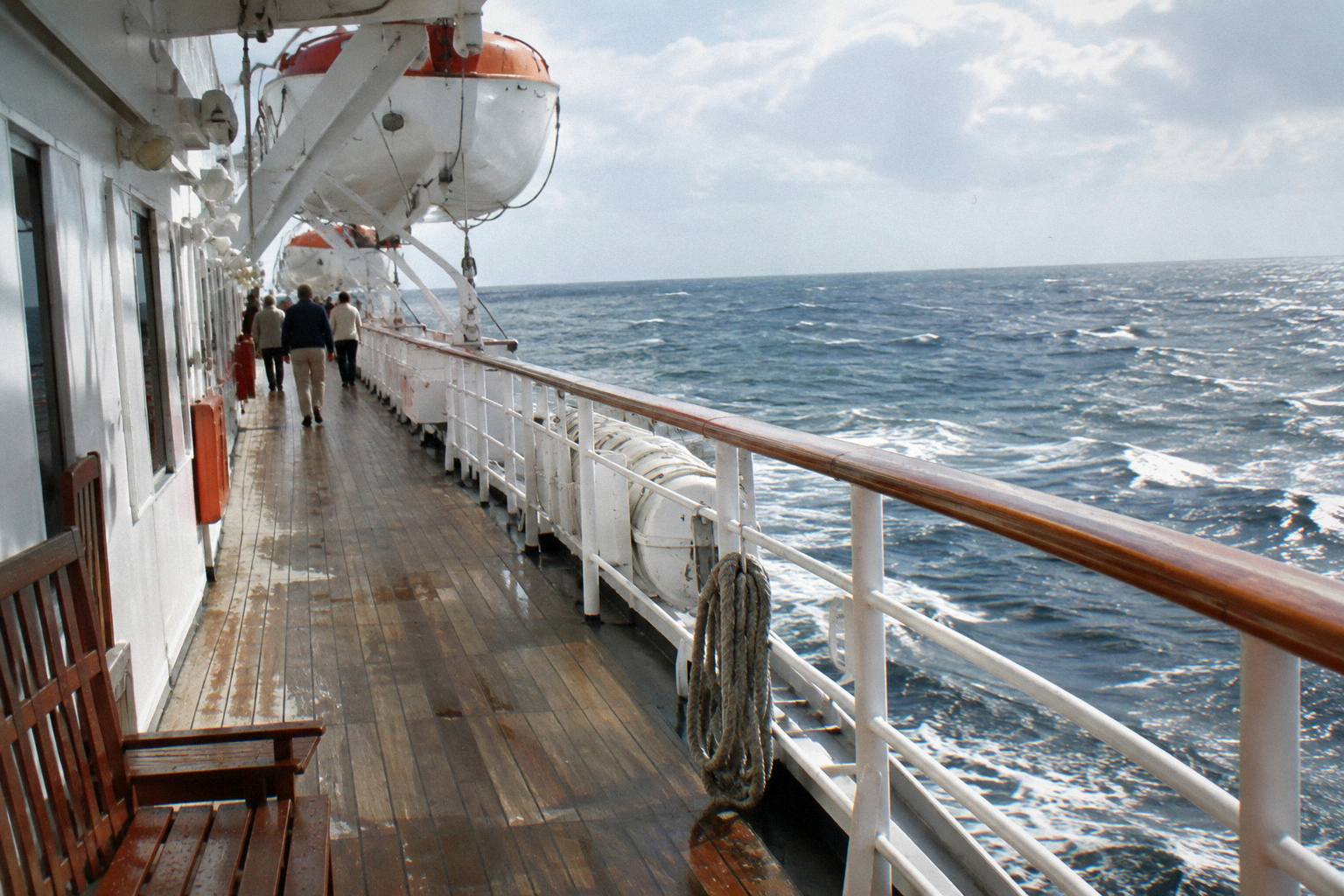
If ship size and audience already point you at two or three candidates, it is worth having the vessel-level accessibility questions asked before you commit to a sailing. A free consultation on accessible options puts those questions to the right person without you having to chase each operator separately.
What Does An Accessible Gay Cruise Cost?
Expect roughly $999 to $1,799 per person for mainstream cabins: Olivia interiors start near $999, Atlantis interiors on current 7 to 9 night sailings run $1,199 to $1,799, and Waves of Pride starts at $1,609.40 with taxes and gratuities plus a $149 to $199 entertainment fee. At the luxury end, Brand g spans about $4,900 on the Rhine to $22,300, while expedition product tops the on-file range at $22,585.
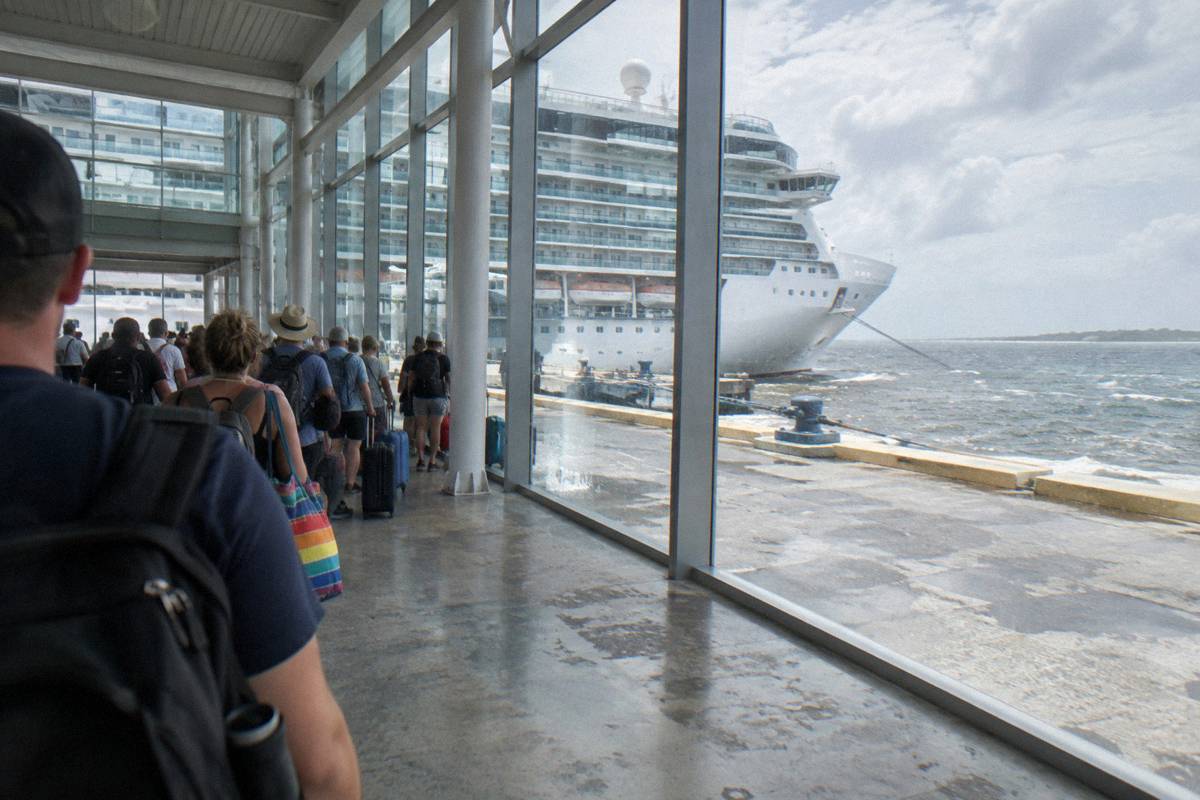
Cheapest is not the same as most suitable. An interior cabin is the lowest fare basis on several operators, and for a traveller with mobility equipment an interior cabin is often exactly the wrong category: the fare basis says nothing about doorway widths or bathroom configuration, because those figures are not published. Budget for the category you actually need, not the headline from-fare, and expect accessible categories to sit mid-range rather than at the bottom of the price list.
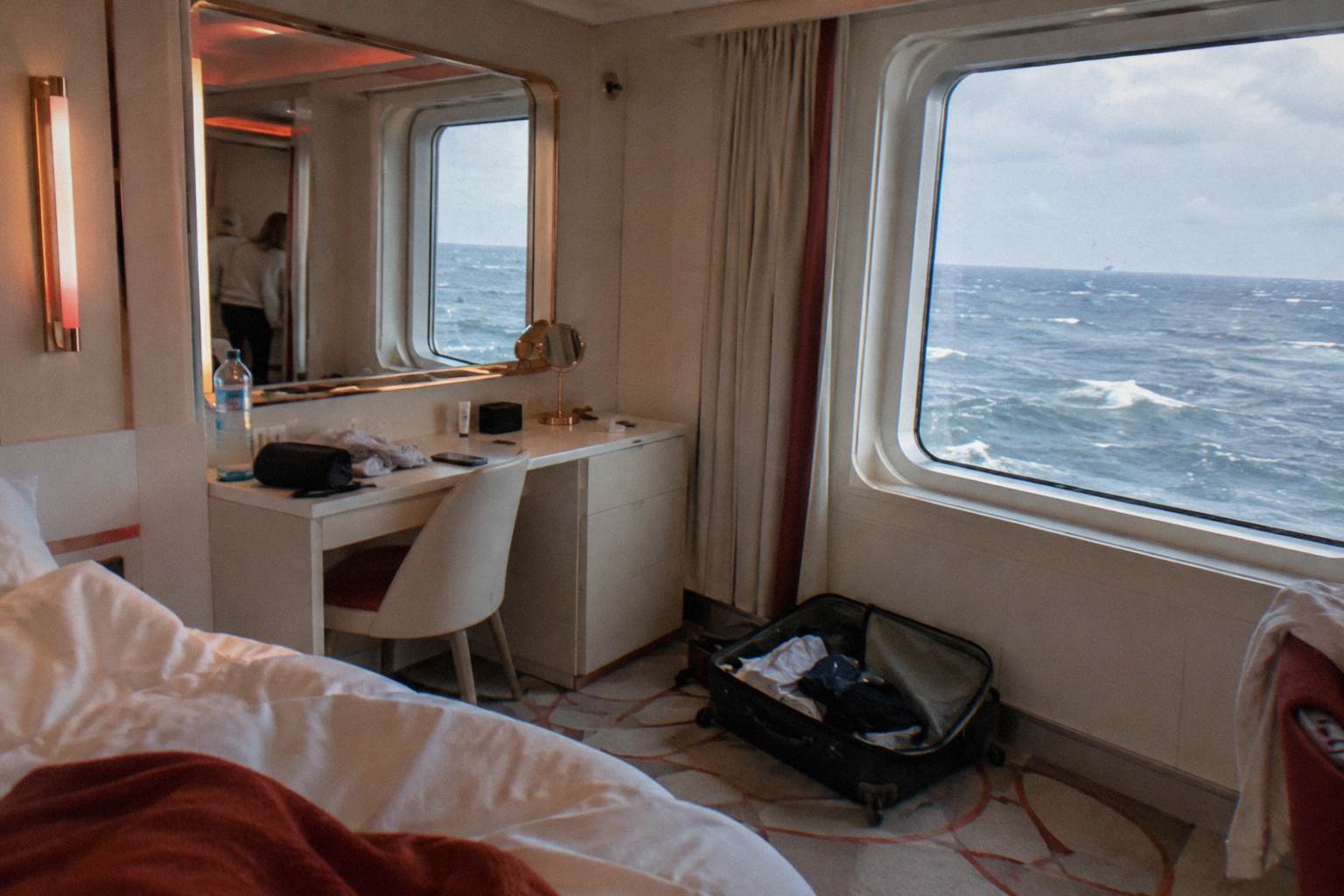
The fare structures differ enough to compare carefully. Waves of Pride's published $1,609.40 covers fare, taxes and gratuities, with entertainment charged separately at $149 to $199, so the sticker and the all-in number differ by design. Brand g's about $4,900 to $22,300 span is a lowest-cabin-per-person basis across everything from Rhine river product to a Philippines, Taiwan and Japan luxury itinerary. Source Journeys does not publish full fare details on its site, so pricing must be treated as indicative rather than firm.
| Operator | Fare | What the fare covers |
|---|---|---|
| Olivia Travel | From about $999 (HAL interior) to $6,899+ | Interior through river and expedition categories |
| Atlantis Events | $1,199 to $1,799 interior | Current 7 to 9 night sailings; $3,999 on the sold-out Oceania Marina |
| Waves of Pride | From $1,609.40 | Fare, taxes and gratuities; entertainment $149 to $199 separate |
| VACAYA | From $3,719 (Med eclipse) to $12,537 (Madagascar to Seychelles) | All trips listed show sold out |
| Brand g Vacations | About $4,900 to $22,300 | Lowest cabin per person, Rhine through luxury Asia |
| Out Adventures | $7,495 (Baja) to $22,585 (Antarctica) | Expedition-led itineraries; both on-file sailings show sold out |
VACAYA's range, from $3,719 on a Mediterranean eclipse cruise to $12,537 for Madagascar to Seychelles and $6,330 for Polynesia, illustrates the other cost reality on this market: availability. All of its 2026 to 2028 trips listed show sold out, so a fare you can see is not a fare you can book. The VACAYA official site is the place to watch for reopenings.
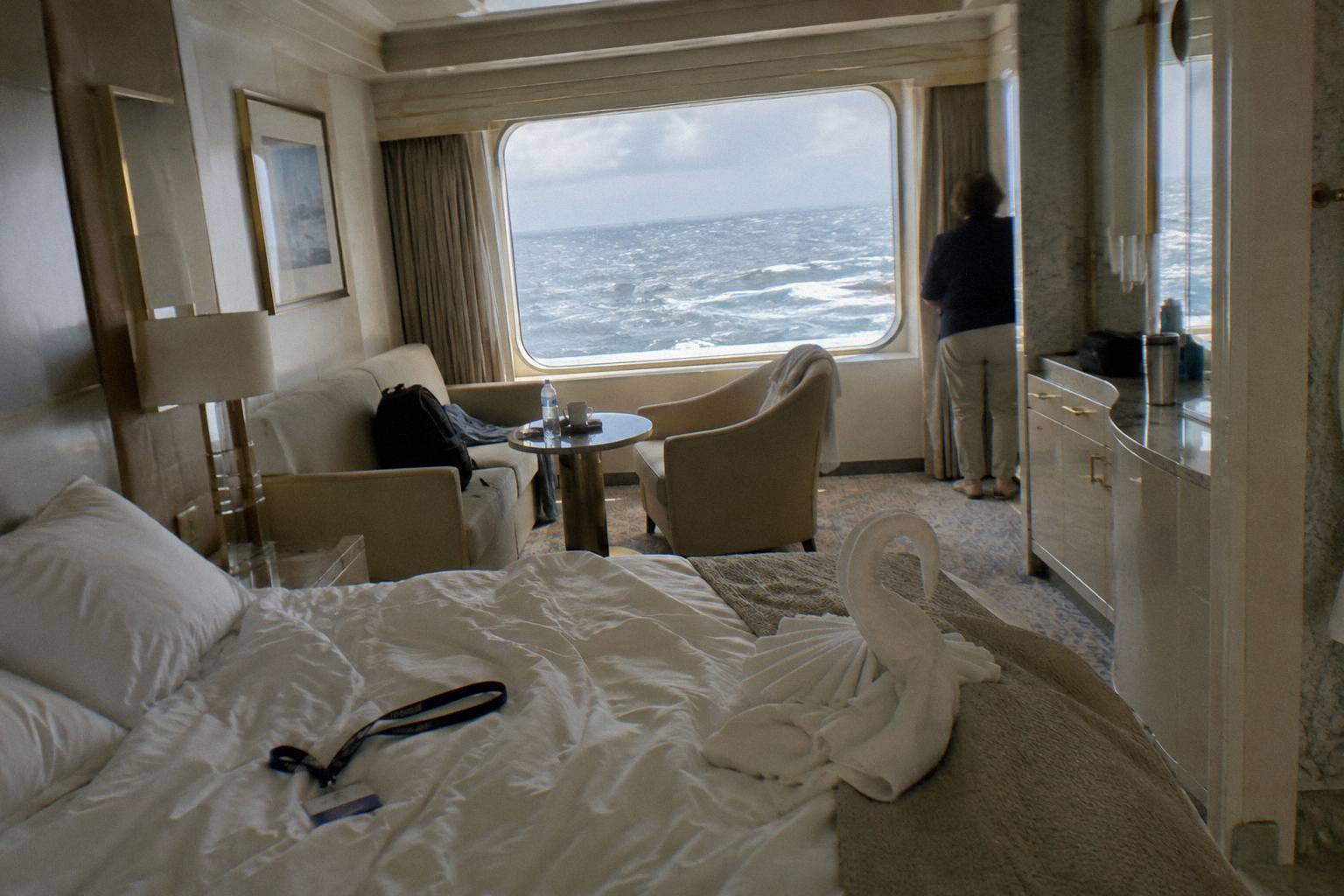
For anyone weighing a specific sailing against a specific budget, this is the natural point to get the real numbers checked: a free quote on your sailing costs nothing and carries no obligation.
Who Sails On These Charters, And Why It Matters For Sensory Needs?
Crowd profile drives the onboard experience as much as ship hardware. Atlantis charters are aimed at gay men with women welcome, Olivia at LGBTQ+ women, VACAYA at a mixed LGBTQ+ and ally crowd, BearCruise at bears and admirers, and R Family at LGBTQ+ families with kids programming. For neurodivergent travellers, those audience differences translate directly into noise levels, schedule density and how predictable the onboard day feels.
The audience column in the operator table is not marketing fluff, it is a planning input. A nightlife brand like Tryst Cruises implies late schedules and amplified entertainment by design. At the other end, KelliGregg Travel and R Family Vacations, with 13 sailings and zero sold out, carries kids programming, which usually means earlier rhythms and daytime-heavy activity. Neither profile is better; they serve different nervous systems and different holiday aims.
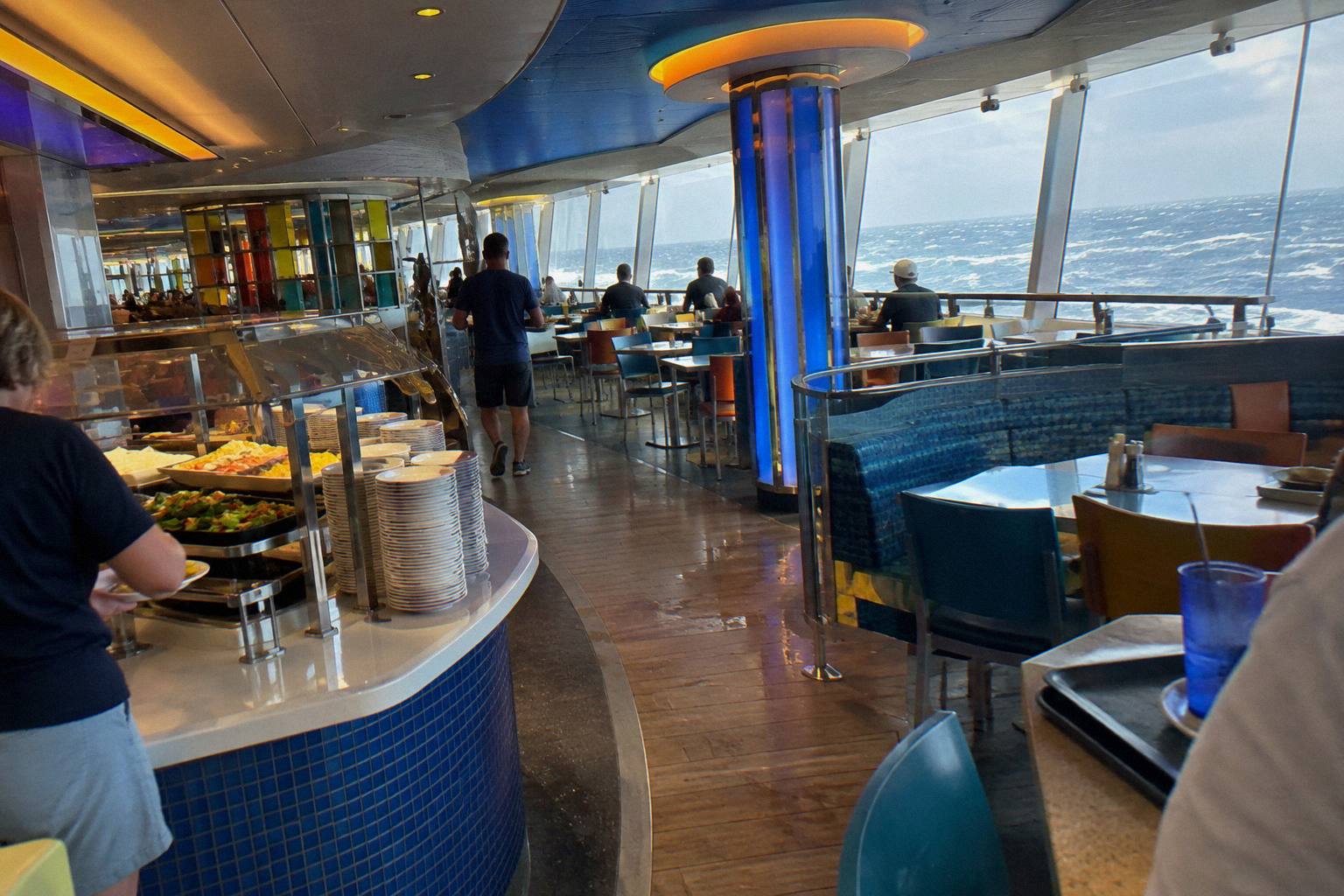
Ship size compounds the audience effect. A 2,770 guest Virgin Voyages ship under an Atlantis charter is a dense, high-energy environment by construction, while an Amazon river sailing on the Delfin III or a small-group sailing yacht with Pride Sailing Holidays or GaySail, both operators with gay men's small-boat product, is a fraction of the headcount. Fewer guests generally means fewer simultaneous noise sources, shorter queues and easier retreat, though the operators do not publish sensory-specific programming, quiet hours or low-sensory events.
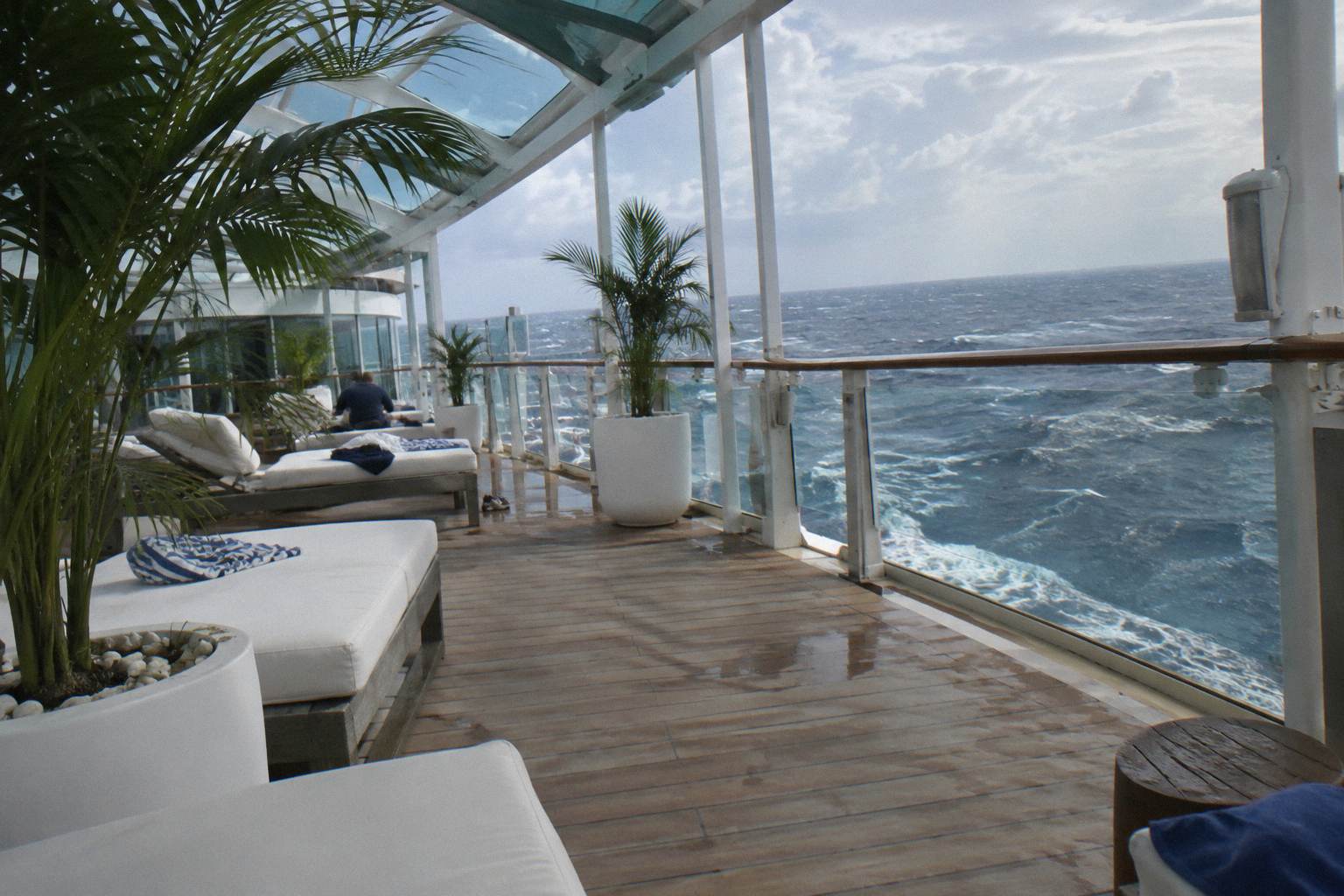
For readers new to the market, the piece on the party scene on gay friendly mainstream cruises gives the other half of this picture: what happens when you sail a mainstream line without a charter at all. The audience question also feeds directly into the booking decision, because the same ship can host a family-oriented group one month and a nightlife charter the next, and only the sailing date tells you which experience you are buying.
What Services And Cabin Types Should You Ask About Before Booking?
Ask, in writing, about five things: accessible cabin categories and their actual dimensions, lift and elevator coverage across decks, tendering policy at ports, service animal and equipment policy, and boarding assistance procedure. None of the operator pages checked publish these details, so a verbal yes at a call centre is not enough, and the answers must name the specific ship, not the line.
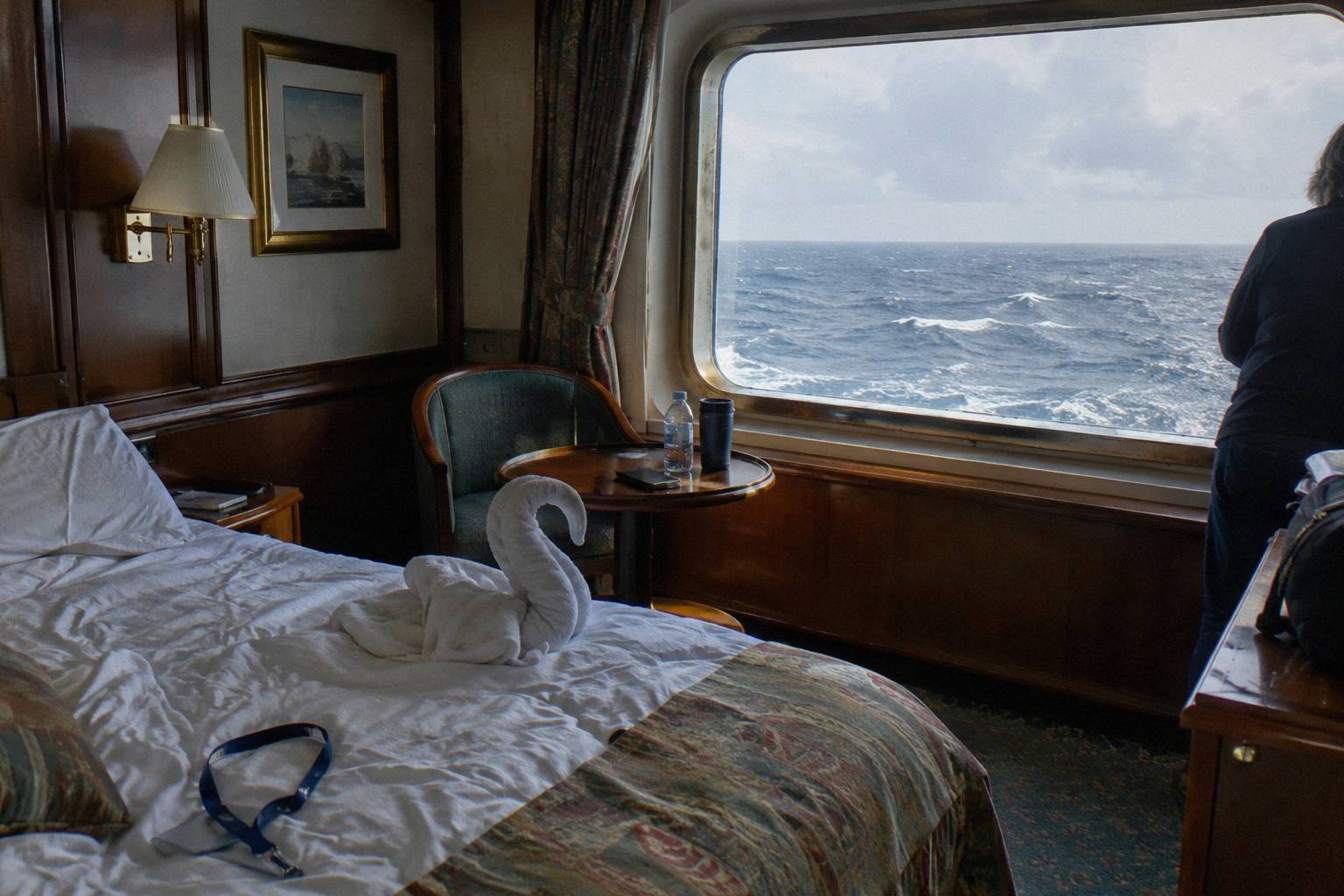
The reason for the ship-specific demand is simple. The same operator charters different vessels across its calendar: Virgin Voyages hosting appears under Atlantis, Waves of Pride and Sapphic Sail banners on different ships, and Olivia's 19 sailings span mainstream lines at price points from about $999 to $6,899+. Accessibility hardware lives on the vessel, so the question is always what Celebrity Beyond or Valiant Lady or Delfin III offers, never what the brand offers.
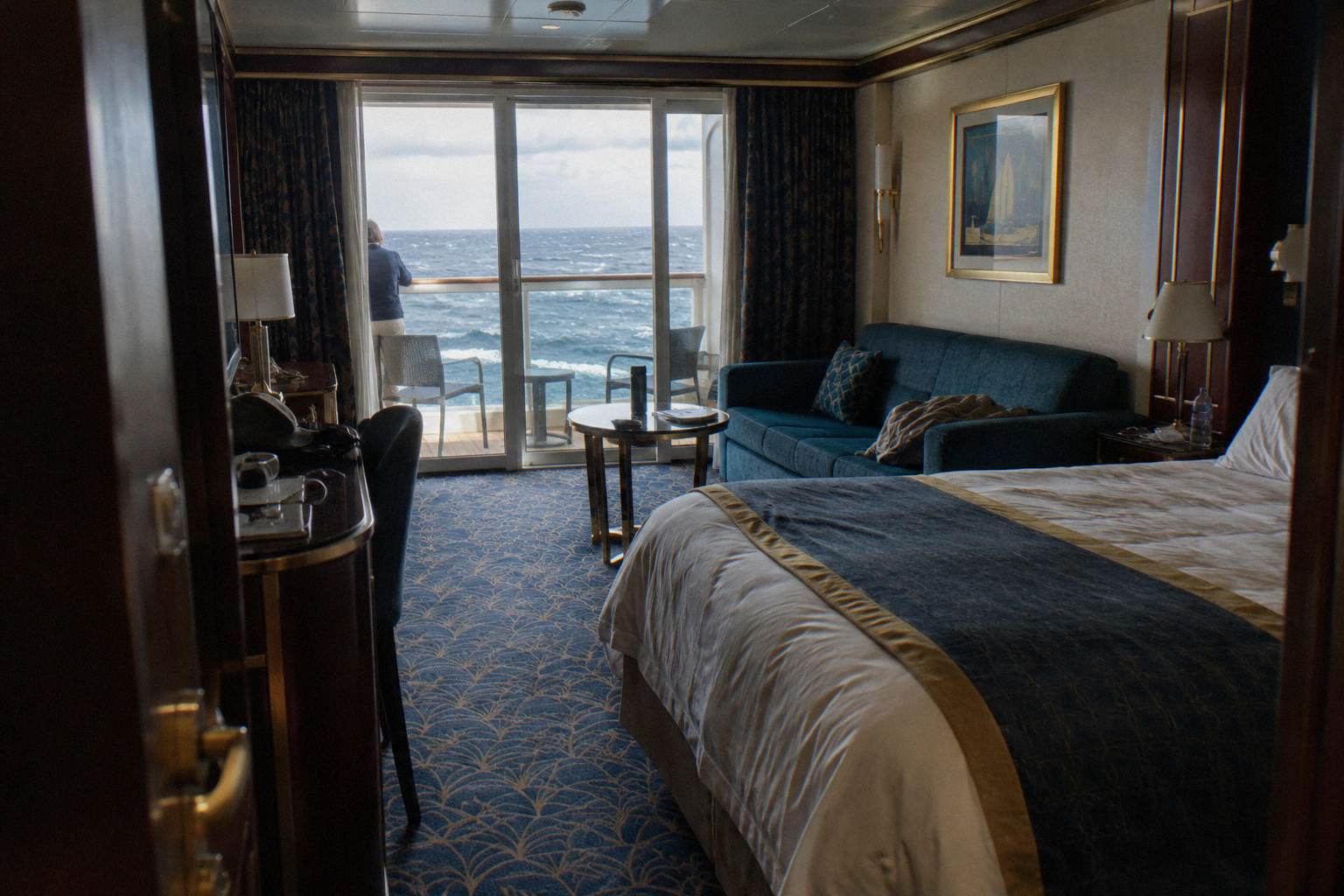
Tendering deserves its own line in any request. Where a ship anchors off a port and boats guests ashore, mobility equipment can be excluded from certain calls for safety reasons, and that is an itinerary question, not a cabin question. The operators cover sailings, not per-port tendering policy, so the honest answer is that this must be asked per itinerary. The same applies to river product: water levels can change gangway arrangements on rivers, a real consideration for the Delfin III's Amazon itineraries.
This is exactly the kind of multi-part question a consultation exists to chase. A free consultation for accessibility questions puts the cabin, lift, tender and equipment questions to the operator in one structured request.
River And Small Ship Options: The Delfin III And Its Peers
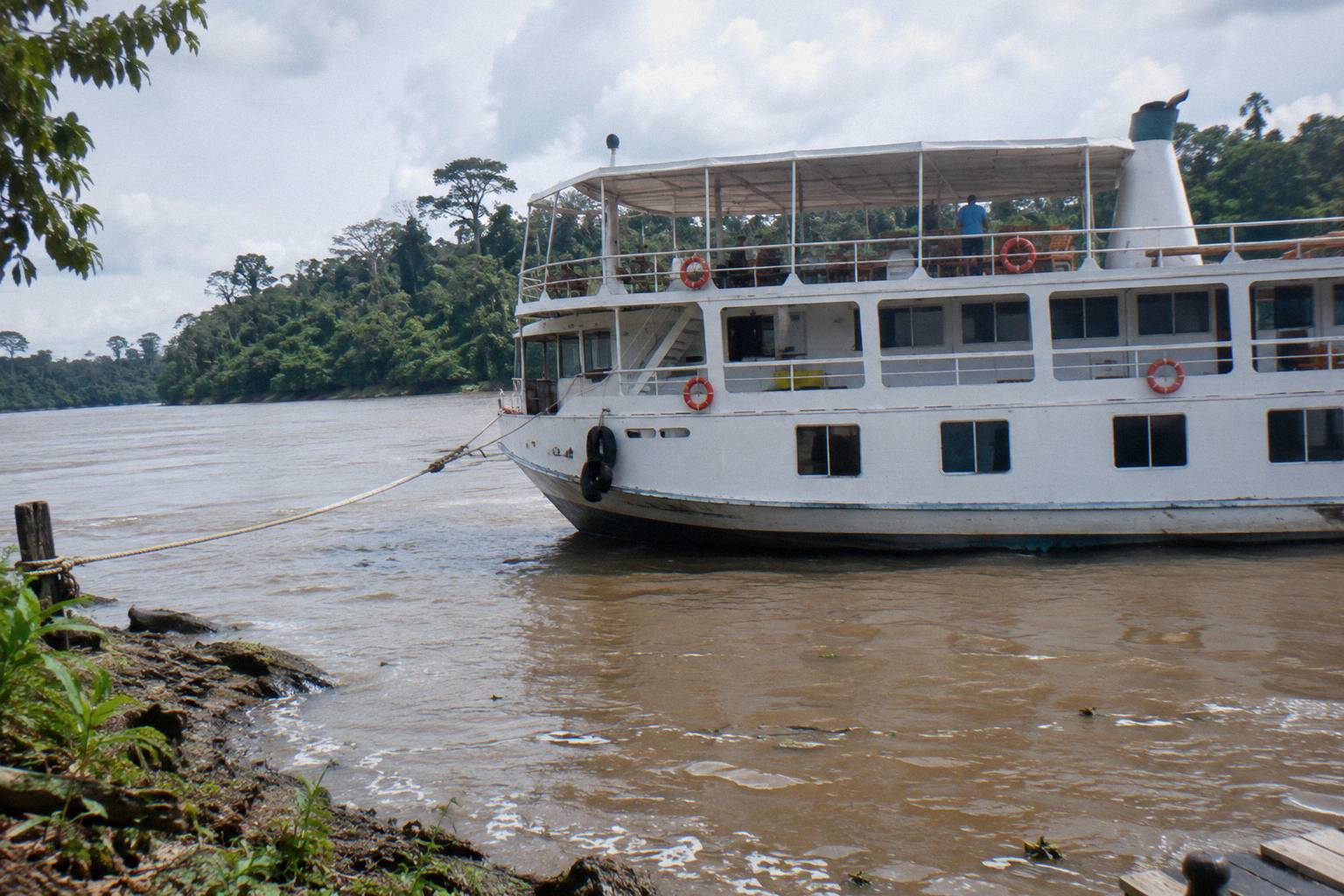
The small-ship end of the LGBTQ+ market is where accessibility planning gets easiest to reason about. The Delfin III, an Amazon river ship from Delfin Amazon Cruises, carries a fraction of a mega ship's headcount; the Atlas Ocean Voyages expedition ships World Navigator and World Traveller serve the polar end; and Amadeus River Cruises' Amadeus Aurea covers European rivers. Brand g's river product from about $4,900 is the gay-chartered route into river cruising.
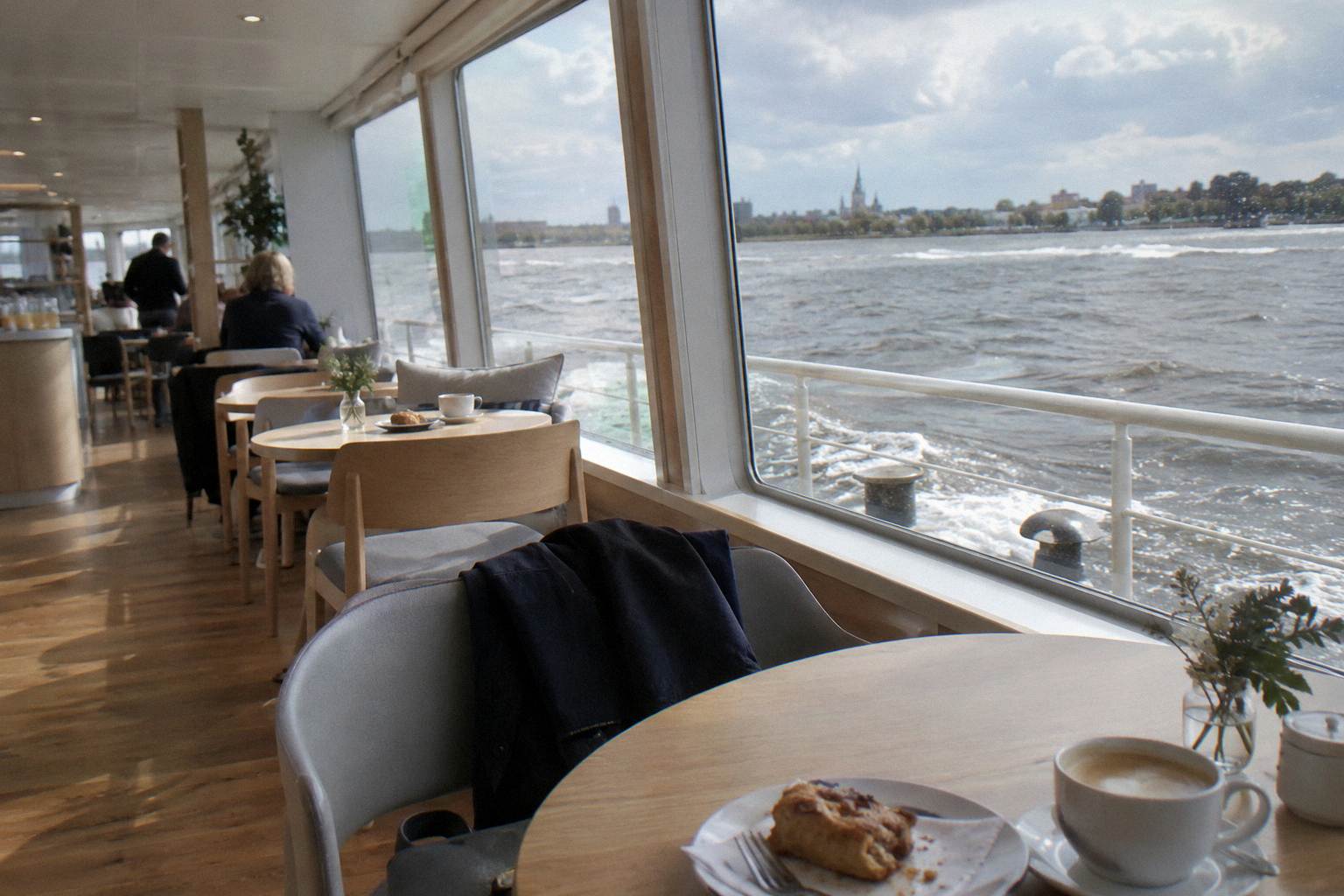
River ships trade scale for intimacy. On a vessel the size of the Delfin III, distances are short, public rooms are few, and the daily schedule is built around shore excursions rather than arena-scale entertainment. That profile suits travellers for whom a 3,260 guest mega ship is the wrong answer, whether for mobility, sensory or simply preference reasons. The trade-off is hardware: the operator's site does not state lift coverage or cabin specifications for the Delfin III, and Amazon river operations add water-level variables that ocean ships do not have, so those specifics must be confirmed before booking.
Expedition ships occupy the middle ground. The World Navigator and World Traveller, Atlas Ocean Voyages expedition vessels, pair small-ship headcounts with remote itineraries, which cuts both ways for accessibility: fewer people and calmer public spaces on one hand, zodiac landings and expedition logistics on the other. Out Adventures, whose sailings run $7,495 for Baja up to $22,585 for Antarctica and show sold out, is the LGBTQ+ operator most associated with this end of the market. The remote-itinerary questions around tenders and landings apply with full force here.
| Ship | Type | Operator line | What the operator's site states |
|---|---|---|---|
| Delfin III | River ship | Delfin Amazon Cruises | Amazon itineraries; accessibility specs not stated |
| Amadeus Aurea | River ship | Amadeus River Cruises | European river product; specs not stated |
| World Navigator | Expedition ship | Atlas Ocean Voyages | Small-ship expedition; specs not stated |
| World Traveller | Expedition ship | Atlas Ocean Voyages | Small-ship expedition; specs not stated |
| Valiant Lady | Mega ship | Virgin Voyages | 2,770 guests; hosts third-party LGBTQ+ charters |
| Celebrity Beyond | Mega ship | Celebrity Cruises | 3,260 guests, built 2022 |
For readers comparing the charter route against simply sailing a mainstream line with good accessibility hardware, the guide to the best gay cruise options covers both paths side by side.
Neurodivergent Friendly Planning: Schedule, Cabin Location And Downtime
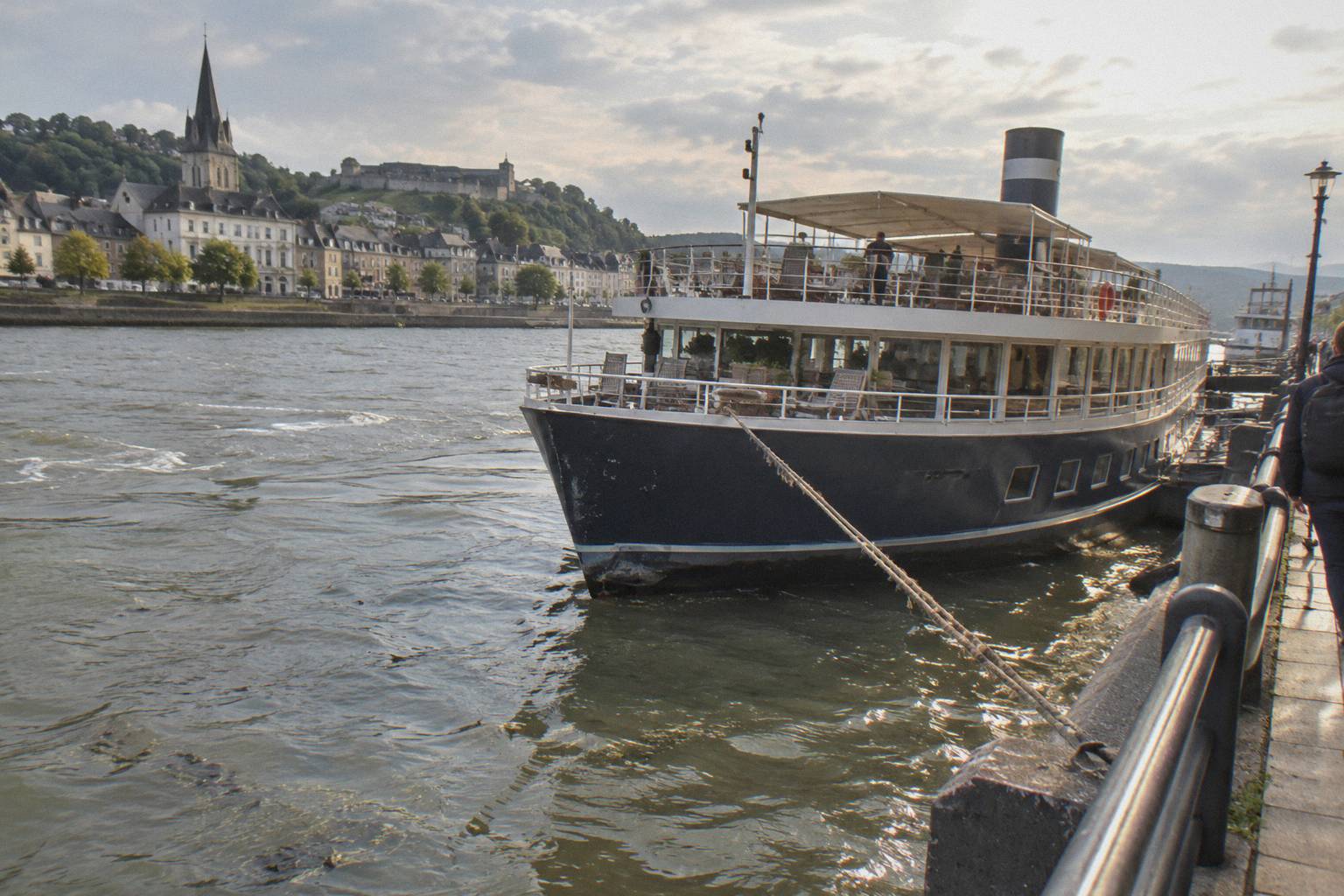
Neurodivergent friendly planning on a gay cruise comes down to three controllable choices: the charter's tempo, the cabin's position relative to noise, and the sailing's length. A nightlife charter on a 2,770 guest ship, a family-oriented R Family sailing and a seven night river itinerary produce three entirely different sensory loads, and no operator publishes quiet-hour or sensory-room programming, so the load must be inferred from ship, audience and schedule.
Start with tempo. The operator descriptions are the best available proxy: Tryst Cruises is named as a nightlife brand, BearCruise and Atlantis sit at the high-energy end of the men's market, Big Gay Cruise and VACAYA describe mixed LGBTQ+ and ally audiences, and R Family carries kids programming. Those descriptions are the operators' own positioning, not accessibility claims, and should be read as atmosphere indicators only.
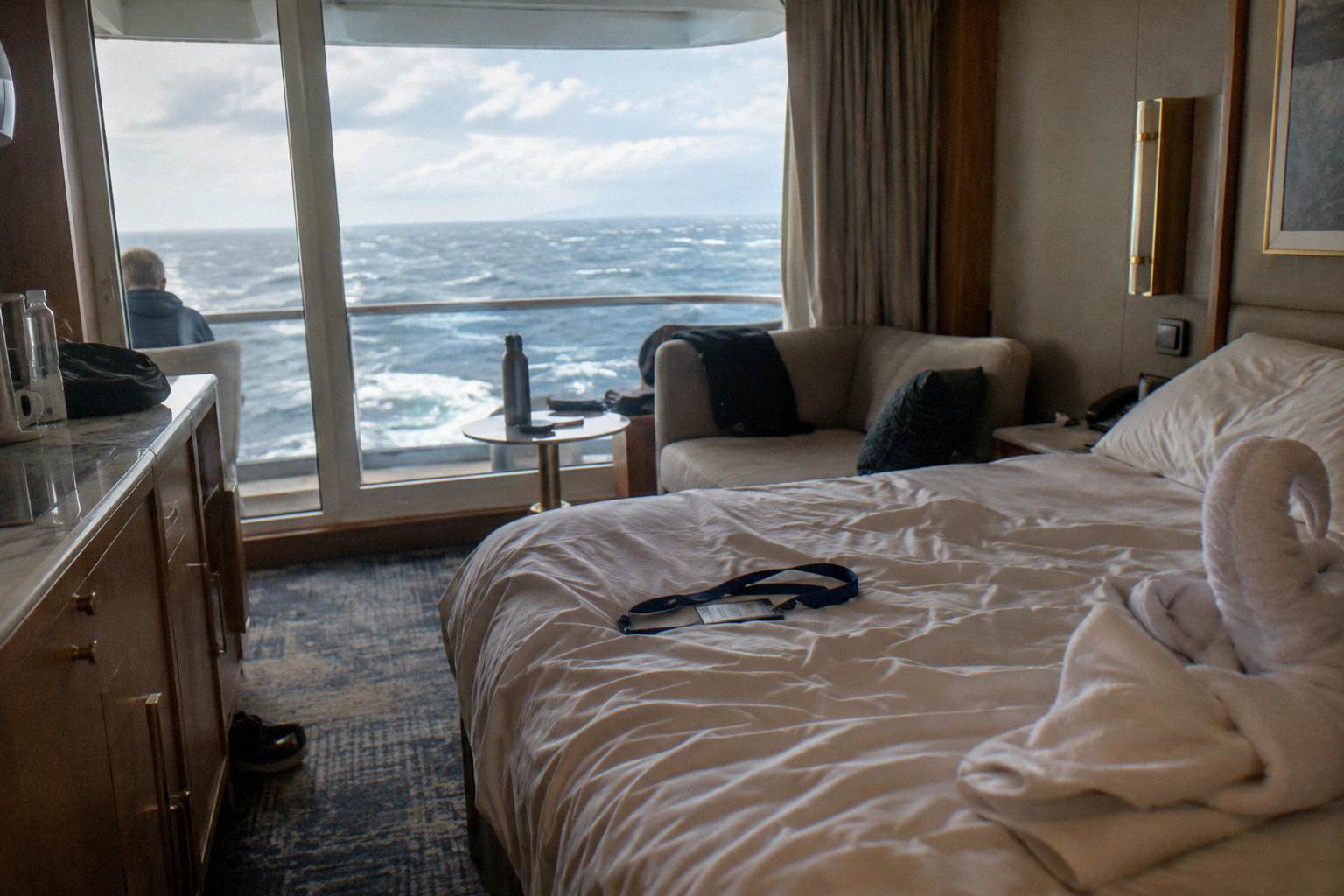
Cabin location is the second lever, and it is a mainstream-line question rather than a charter question. Deck plans for ships like Scarlet Lady, Valiant Lady or Celebrity Beyond are published by the lines, and a cabin away from the theatre, pool deck and nightclub zones is the standard mitigation for noise sensitivity. Since charters move the party calendar around the ship, it is worth asking the charter operator where its headline events actually sit before choosing a deck, because a charter can relocate late-night programming relative to the line's standard layout.
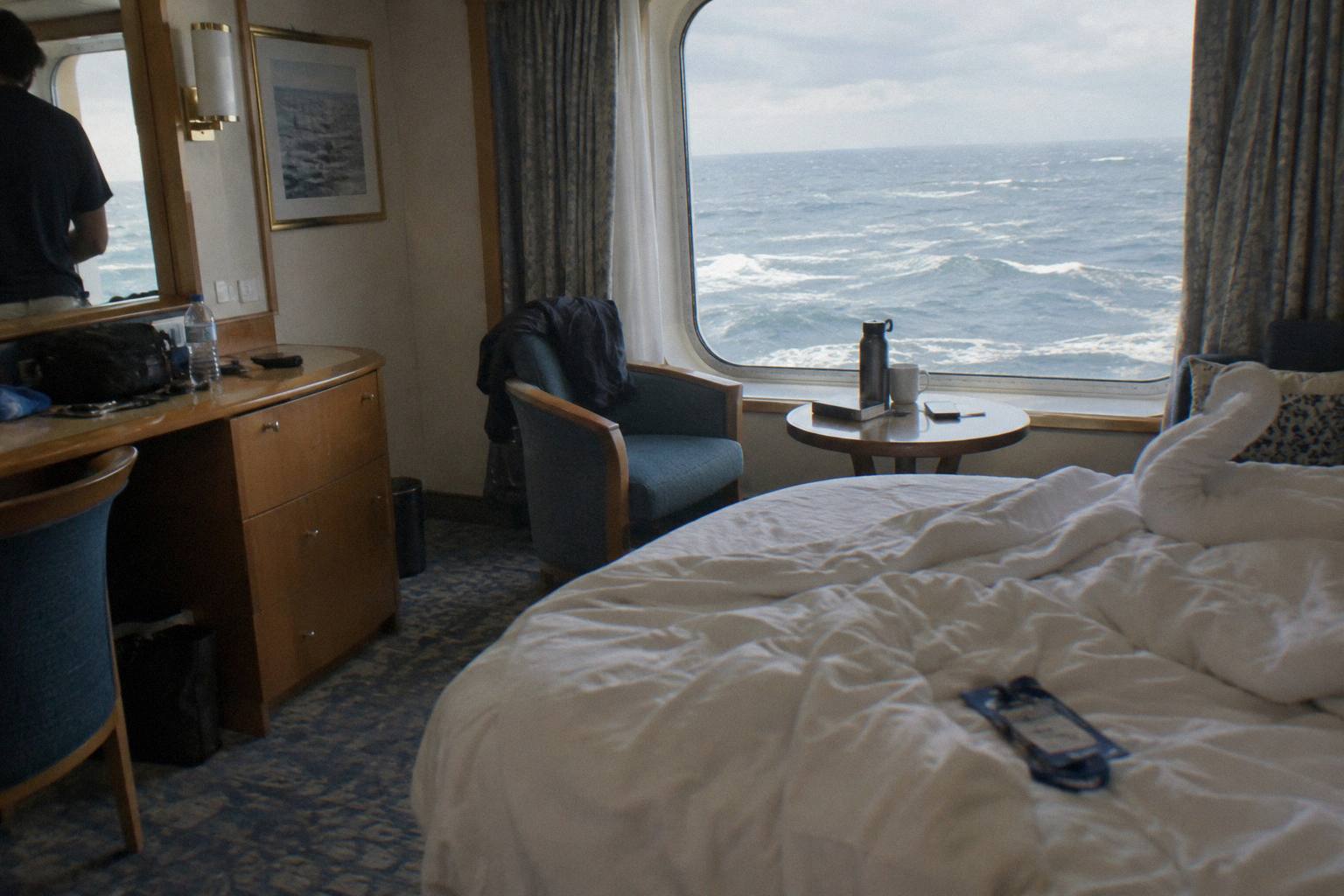
Sailing length is the third. Atlantis's current fare basis covers 7 to 9 night sailings, Olivia's 19 sailings run to May 2028, and Brand g's 24 stretch to October 2028, so there is genuine choice in duration. A shorter sailing is a lower-commitment test of whether a charter's atmosphere works, and the site's calendar guides, such as gay cruise options for 2027, lay out what is scheduled by year. Downtime planning matters here too: on any chartered ship the cabin is the one space fully under your control, so cabin choice is effectively sensory policy.
Mistakes That Trip Up Accessible Gay Cruise Planning
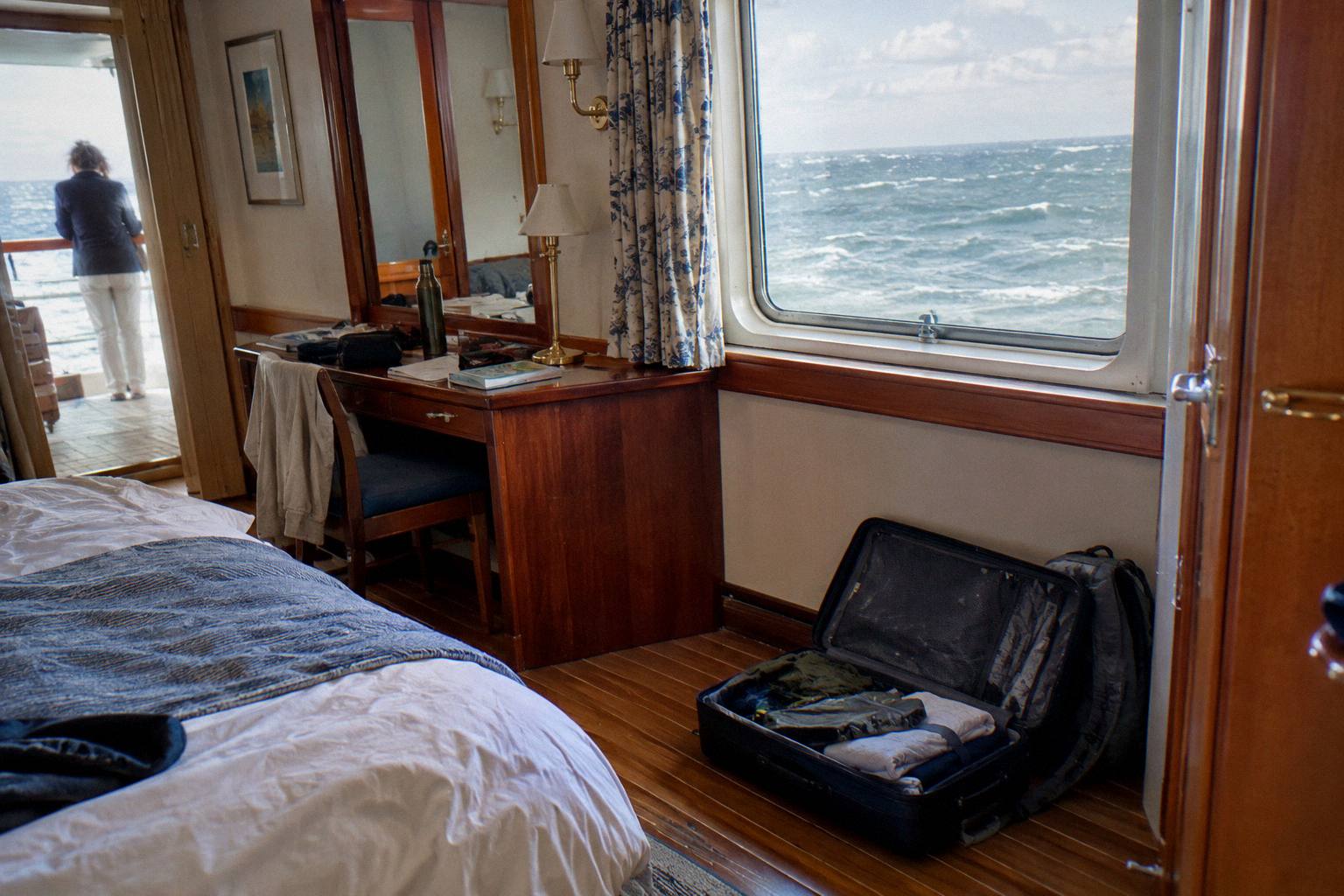
The recurring mistakes are booking the sailing before confirming the cabin category, trusting a line-level accessibility answer for a chartered ship, ignoring tendering and river water levels, assuming the from-fare is the accessible-cabin fare, and waiting on sold-out-heavy inventory. Twenty-nine of the 90 sailings already show sold out or waitlist, and every one of these errors gets more expensive the later it is caught.
Booking the date before the cabin is the most common sequence error. Accessible categories are the smallest inventory block on any ship, so the correct order is to confirm the category exists on your sailing, then pay. The 29 sold out or waitlisted sailings, including all 8 VACAYA trips and 10 of 19 Olivia sailings, show how fast whole charters close, which tempts rushed bookings, but a cruise booked without a usable cabin is a refund problem, not a holiday.
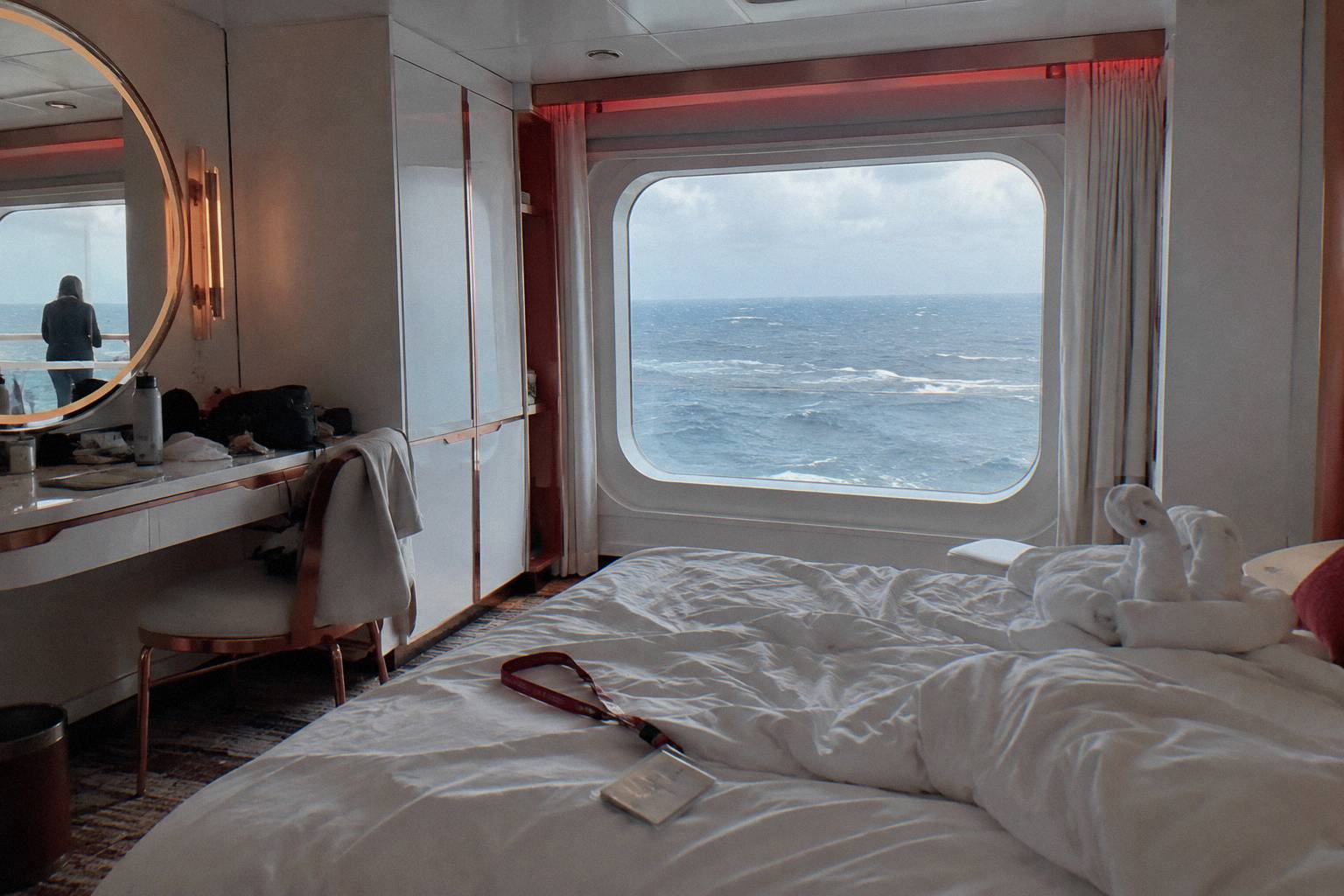
The second mistake is the line-versus-ship confusion. When an operator like Waves of Pride charters Resilient Lady, the accessibility services belong to Virgin Voyages' hardware, but the schedule, entertainment and crowd belong to the charter. An answer from the cruise line about its standard product does not describe what the charter will do with the ship, and the RSVP Vacations official site and its peers publish sailing details, not vessel accessibility specs, so both sides must be asked.
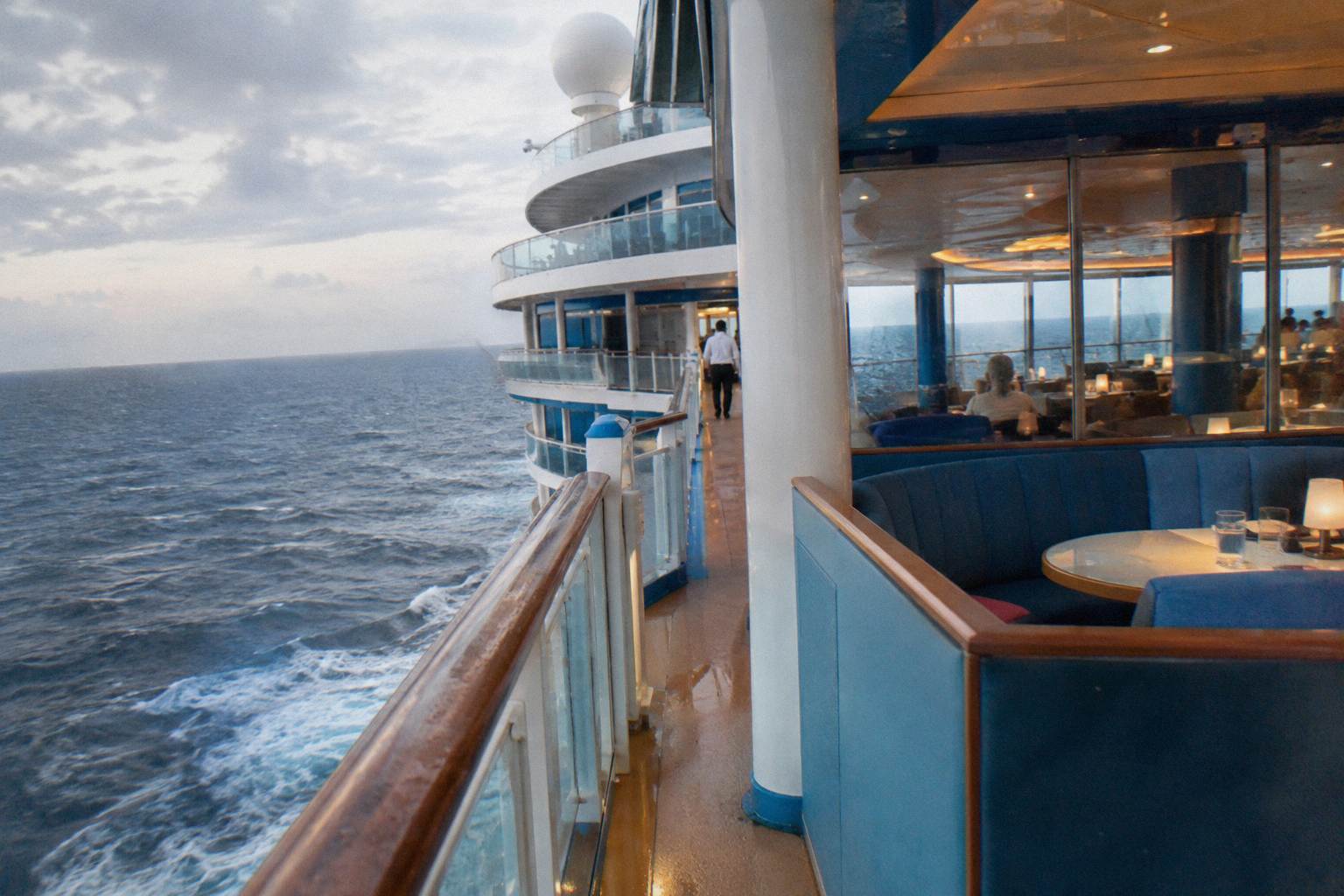
The third is itinerary optimism. Expedition landings, tender ports and Amazon river water levels can each change what a mobility-impaired traveller can actually do ashore, regardless of what the cabin allows onboard. Ask per port, in writing, before the balance payment date rather than after. The fourth, quieter mistake is skipping the questions altogether because the operator's marketing reads welcoming: inclusivity statements, like the one Virgin Voyages publishes about pride being baked into its identity, describe culture, not cabin hardware, and both need checking separately.
Common Questions About Accessible Gay Cruise Options
Are gay cruise charters accessible?
The ships they charter range from river vessels to 3,260 guest mega ships, and accessibility varies by vessel, not by charter brand. No operator page checked publishes detailed accessibility specifications, so the cabin and service questions must be confirmed against the specific ship for the specific sailing before booking.
Which ships are best for mobility needs?
The operators do not publish an accessibility ranking.
The practical approach is to match ship type to needs: river ships like the Delfin III or Amadeus Aurea for short distances and small headcounts, newer mega ships like Celebrity Beyond, built 2022, for modern hardware, and to request written specs in every case.Are there quieter gay cruise options for neurodivergent travellers?
Yes, by profile rather than by label. Family-oriented R Family sailings, river product from about $4,900 with Brand g, and small-ship sailing options imply calmer schedules than nightlife charters. No operator page checked publishes quiet hours or sensory programming, so ask about schedule density and cabin location before booking.
How much does an accessible gay cruise cost?
Published entry fares run from about $999 for an Olivia interior to $1,799 for Atlantis interiors on 7 to 9 night sailings, up to $22,585 for Out Adventures' Antarctica expedition. Accessible cabin categories usually sit above the from-fare, and operators do not publish those prices.
Do sold out sailings ever reopen?
They can, but the record only reflects status as shown on operator pages: 29 of 90 sailings show sold out or waitlist, including all VACAYA trips listed. Waitlisting through the operator or a consultation is the standard route back in.
Can I get help matching a cabin to my needs before booking?
Yes. The site's free consultation puts your accessibility requirements against real cabins on real sailings, with no obligation. Where a hand-off is needed you are sent to a vetted LGBTQ+ specialist travel agency partner, and the consultation itself costs nothing.
More Planning And Onboard Guides
 Atlantis Cruise CostWhat an Atlantis charter really costs, from base fare to bar bill.Read the guide
 Atlantis Dress CodeTheme nights, packing lists and what the operator actually publishes about dress.Read the guide
 Atlantis Cruise ShipsEvery ship Atlantis charters, with sailing dates, prices and what is on sale.Read the guide
 Atlantis Drink PackageWhat the sources really say about drinks and packages on Atlantis gay cruises.Read the guide