What Is The Male To Female Ratio On A Gay Cruise?
The honest answer is that no operator publishes an exact headcount split, but the audience each brand courts tells you the ratio before you ever board.
This page sits in Questions Answered, the hub where pre-booking questions about LGBTQ+ cruising get straight answers.
Quick Facts
| Fact | What The Sources Say |
|---|---|
| Exact published ratios | None of the operators publishes a male to female headcount |
| Atlantis Events audience | Gay men, founded 1991, women welcome per its own site |
| Olivia Travel audience | LGBTQ+ women |
| VACAYA audience | Mixed LGBTQ+, men, women and allies, founded 2017 |
| Brand g Vacations audience | LGBT+, gay-centred and mixed, founded 2011 |
| Sailings on record | 90 charter and group sailings across 11 operators |
| Sold out or waitlist | 29 of those 90 sailings |
| Big Gay Cruise audience | Mixed LGBTQ+ and allies |
What Is The Male To Female Ratio On A Gay Cruise?
There is no single ratio, because "a gay cruise" covers several distinct products: Atlantis Events charters cater to gay men and skew heavily male, Olivia Travel charters cater to LGBTQ+ women and skew heavily female, and mixed brands like VACAYA or Brand g fall somewhere in between. No operator publishes a verified headcount split, so the audience each brand states on its own site is the best available signal.
The question usually arrives with a booking attached. Somebody is weighing a specific sailing, wondering whether they will be one of a handful of women in a crowd of thousands of men, or one of a few men on a ship chartered for women, or simply whether the word "mixed" on a flyer means anything real. Those are fair questions, and the answer is knowable, just not as a number. It is knowable as a brand-by-brand picture, and this article builds that picture from operator sources only.
Start with what is documented. Gay Cruises as a publisher tracks charter and group sailings from operator sources, and 90 such sailings across 11 operators are on record for the current booking window. Each of those operators states its audience plainly on its own pages. That stated audience, not an invented statistic, is what this article works from throughout, and where a field is simply not stated, the page says so once and moves on.
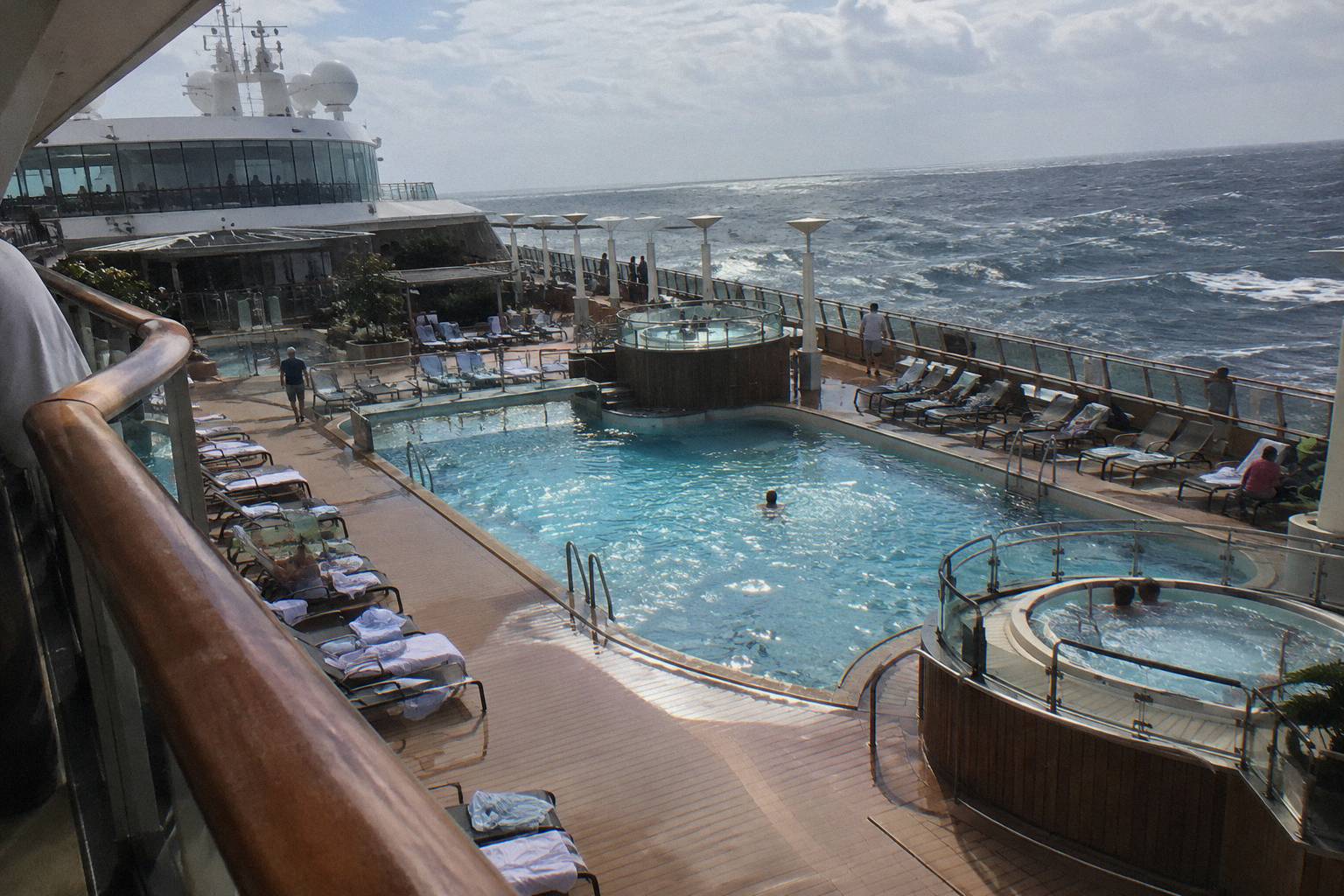
The cruise itself is the product here, and it is worth being precise about which one. A river ship like Delfin III, a mega ship like Valiant Lady and an expedition ship like World Navigator each host completely different charter crowds, so the ratio question changes shape with the vessel as much as with the brand. A reader who asks the question about a 2,770-guest mega ship is asking something quite different from a reader asking it about an Amazon river vessel.
Why There Is No Published Number
No cruise line publishes an exact percentage because the gender mix shifts with every sailing, and operators prefer to describe the crowd they design for rather than promise a fixed split. A brand that markets itself to gay men while welcoming all guests is signaling its target audience through programming, pricing, and entertainment, not guaranteeing any particular balance on any given departure, so no verifiable number exists to cite.
What can be verified is the audience line each operator publishes. Atlantis Events, founded in 1991, describes its audience as gay men, with women welcome on the terms its own site explains. Olivia Travel describes an audience of LGBTQ+ women. VACAYA, founded in 2017, describes a mixed LGBTQ+ audience of men, women and allies. Brand g Vacations, founded in 2011, describes an LGBT+ audience that is gay-centred and mixed. These four lines cover most of the market between them and map the whole spectrum from male-skewed to female-skewed to balanced.
Two of the charter brands whose pricing is on record also show how differently the product is packaged. Atlantis lists interior fares from $1,199 to $1,799 per person on its current 7 to 9 night sailings, while VACAYA's trips run from about $3,719 for a Mediterranean eclipse cruise to $12,537 for Madagascar to Seychelles, with Polynesia from $6,330. Different price points pull different crowds, and crowd composition follows the price as surely as it follows the branding.
There is also a practical reason the number never appears: the sailing list moves constantly. Of the 90 sailings on record, 29 already show sold out or waitlist status, and new departures are announced while others close. A ratio accurate for one sailing would be wrong for the next, so operators sell the audience and let the headcount take care of itself.
If the ratio matters to your decision, it is worth putting the question to someone who tracks the live sailing lists. A free consultation on charter audiences costs nothing and carries no obligation, and it is the one place you can ask who actually books a given ship and get an answer grounded in current inventory rather than forum folklore.
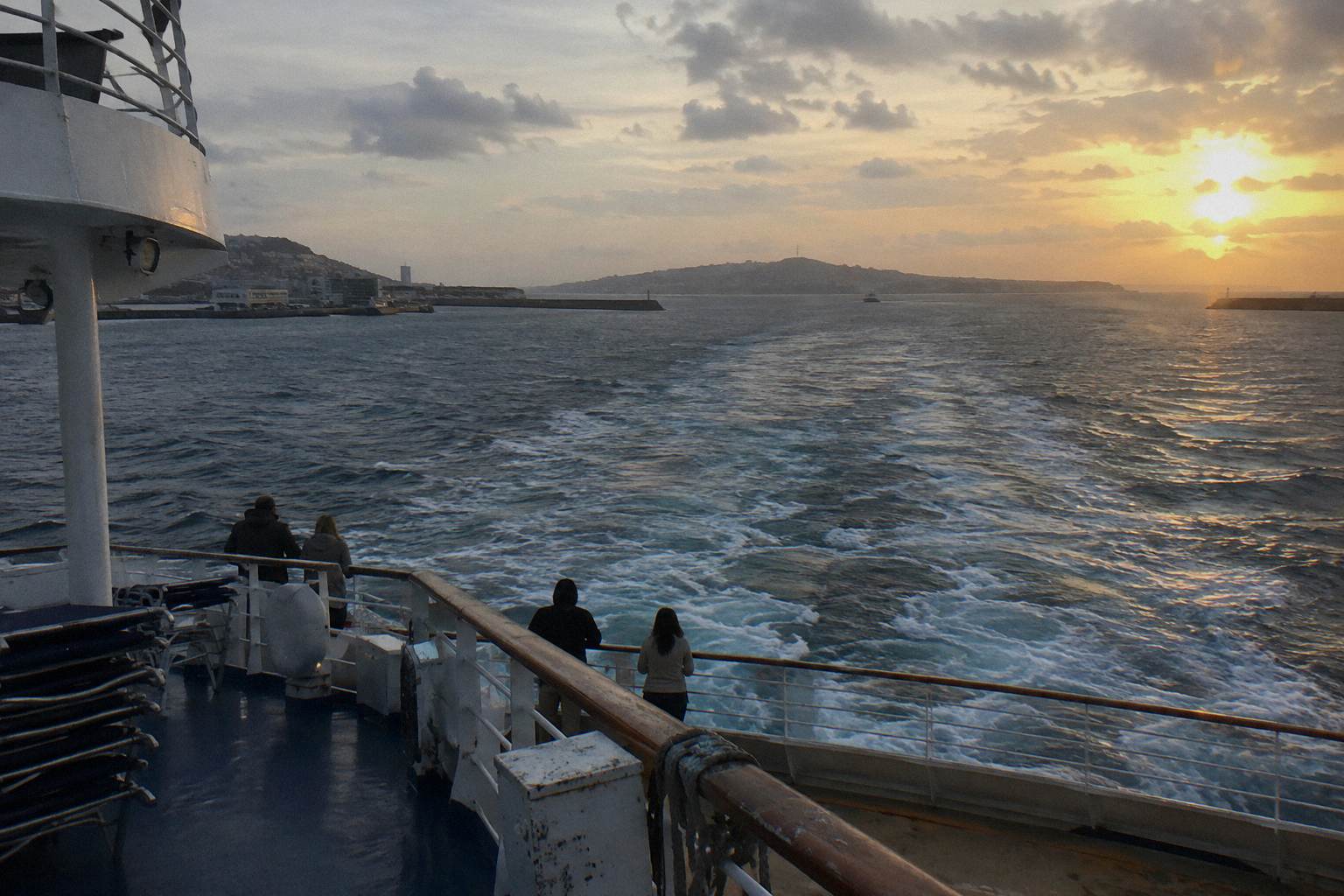
Men-Focused Charters: What Atlantis Audiences Look Like
Atlantis Events is the clearest example of a male-focused gay cruise charter: the operator itself describes its audience as gay men, with women welcome, and builds its programming, entertainers, and atmosphere around that crowd. No exact ratio is published, but anyone asking about an Atlantis sailing should assume a heavily male ship based on the operator's own description, not anecdote or guesswork.
Atlantis is also the most established brand in the category, founded in 1991, and it remains active: six upcoming sailings are announced, running to August 2027, and four of its current sailings show sold out or waitlist status on operator pages. Demand of that kind says something about who keeps coming back, and a brand in its fourth decade with sold-out departures is not one whose core audience is drifting.
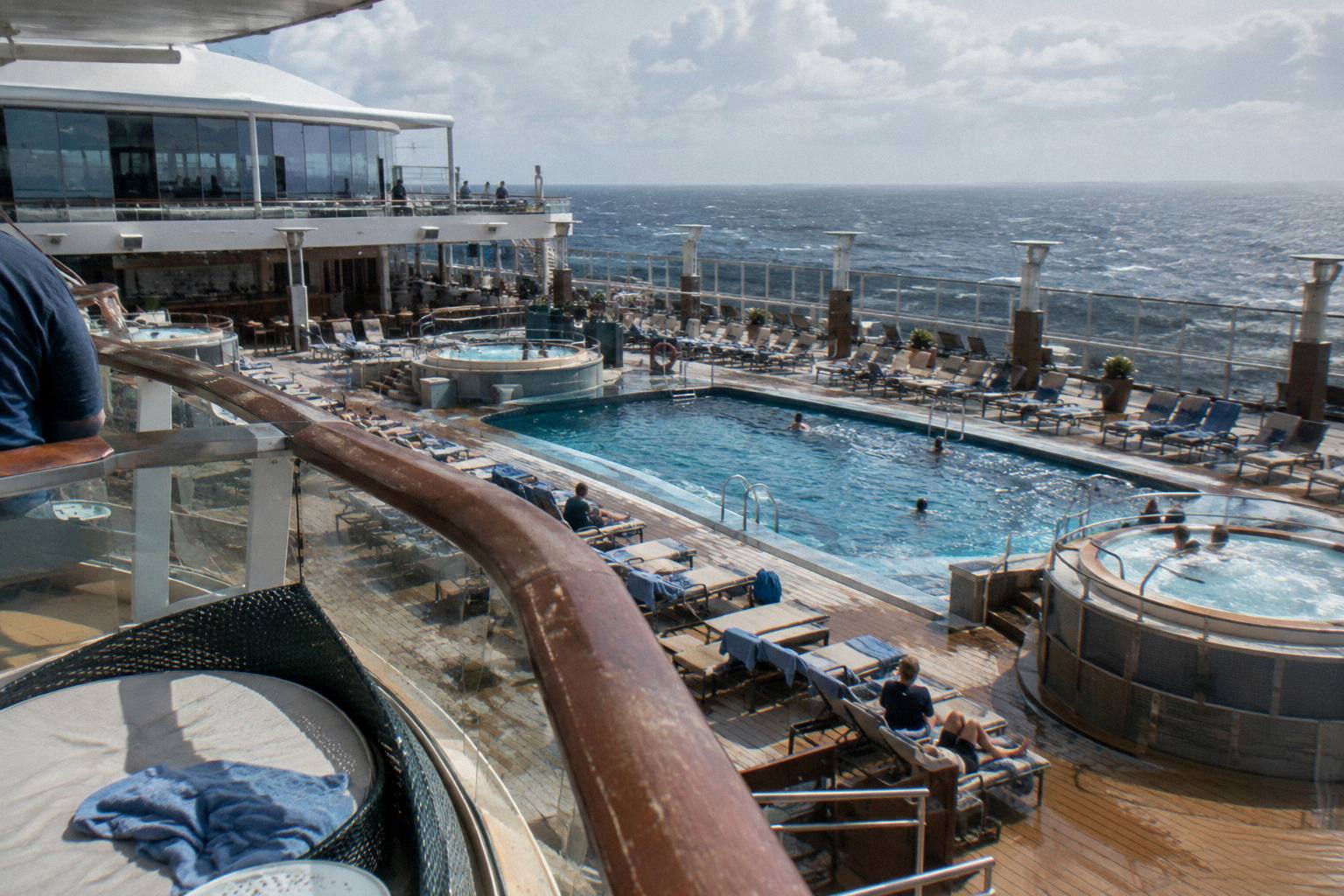
The Atlantis Events official site is the primary source for its audience description, and it is worth reading directly rather than relying on secondhand summaries. Its historical charter on Scarlet Lady in 2020 also matters here: Virgin Voyages ships have hosted third-party LGBTQ+ charters, which is how a mainstream line ends up with a heavily male crowd for one week and a general crowd the next. The same hull, two completely different social worlds.
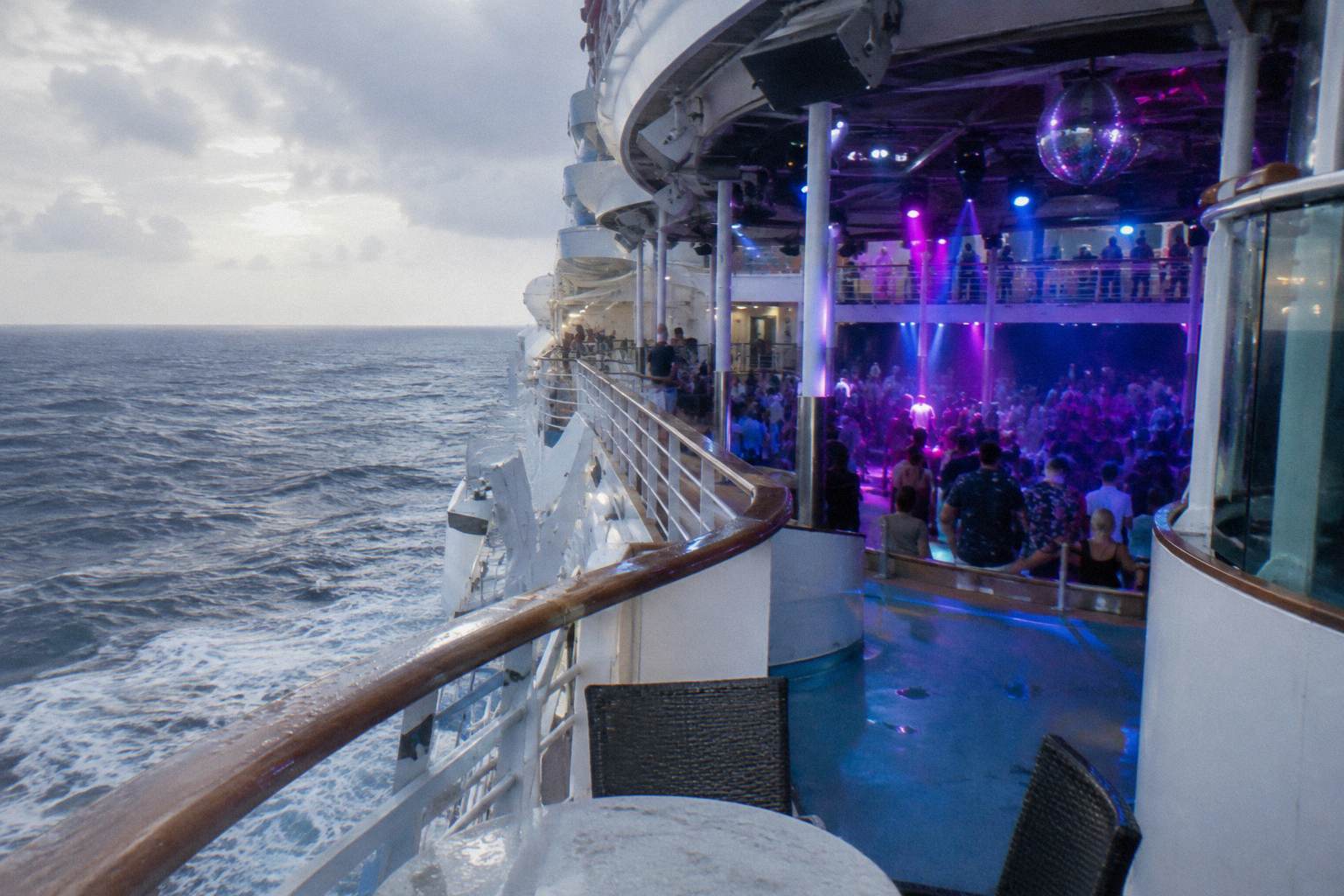
BearCruise, with six sailings on record and none sold out or waitlist, targets bears and admirers, another explicitly male gay audience. Tryst Cruises, a gay nightlife brand with two announced sailings from October 2027, sits in the same male-skewed family, as does GaySail, a gay men sailing-yacht operator founded in 1985. If your question is really whether there will be women on the ship, these are the brands where the honest answer is few, by design and stated openly.
Women-Focused Charters: The Olivia Picture
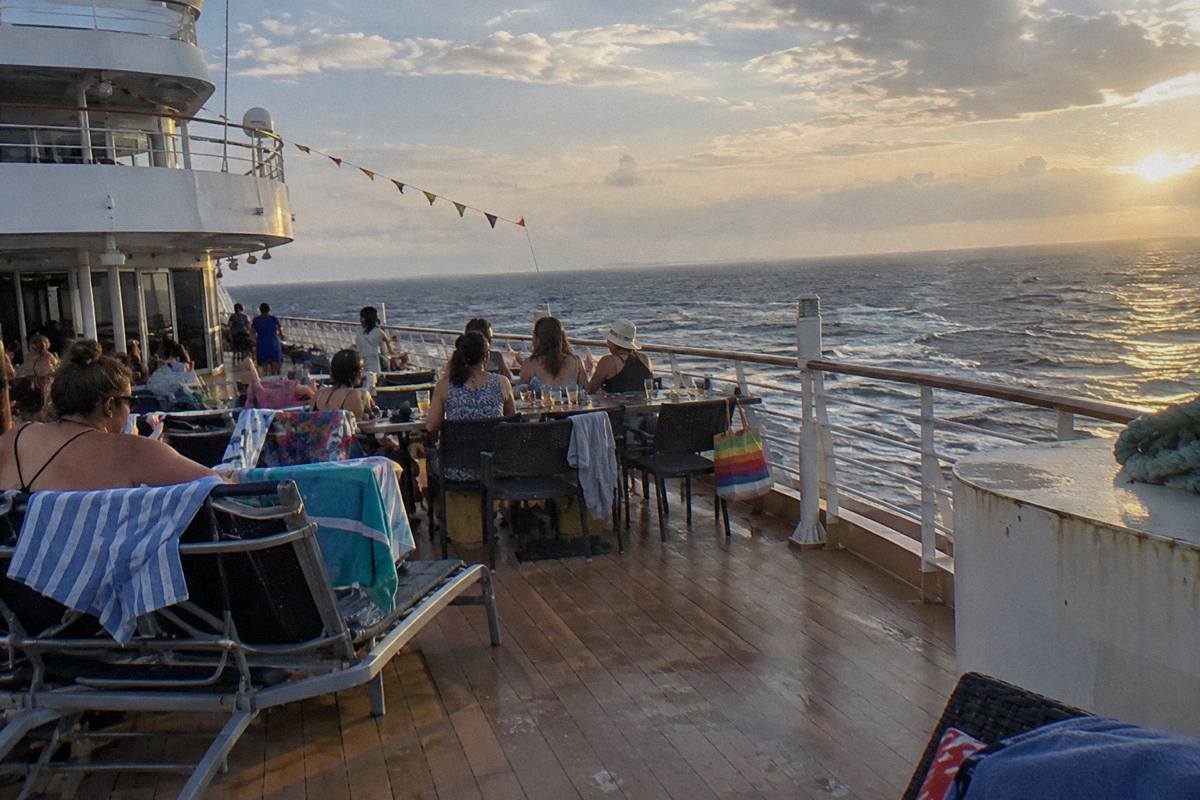
Olivia Travel is the clear leader among women-focused LGBTQ+ charters, with nineteen sailings on record for the current window, more than any other operator tracked here, running from December 2026 to May 2028. Ten of those departures show sold out or waitlist status, the crowd skews heavily female, and since no operator publishes a precise gender split, the audience line plus departure volume is the full verifiable picture.
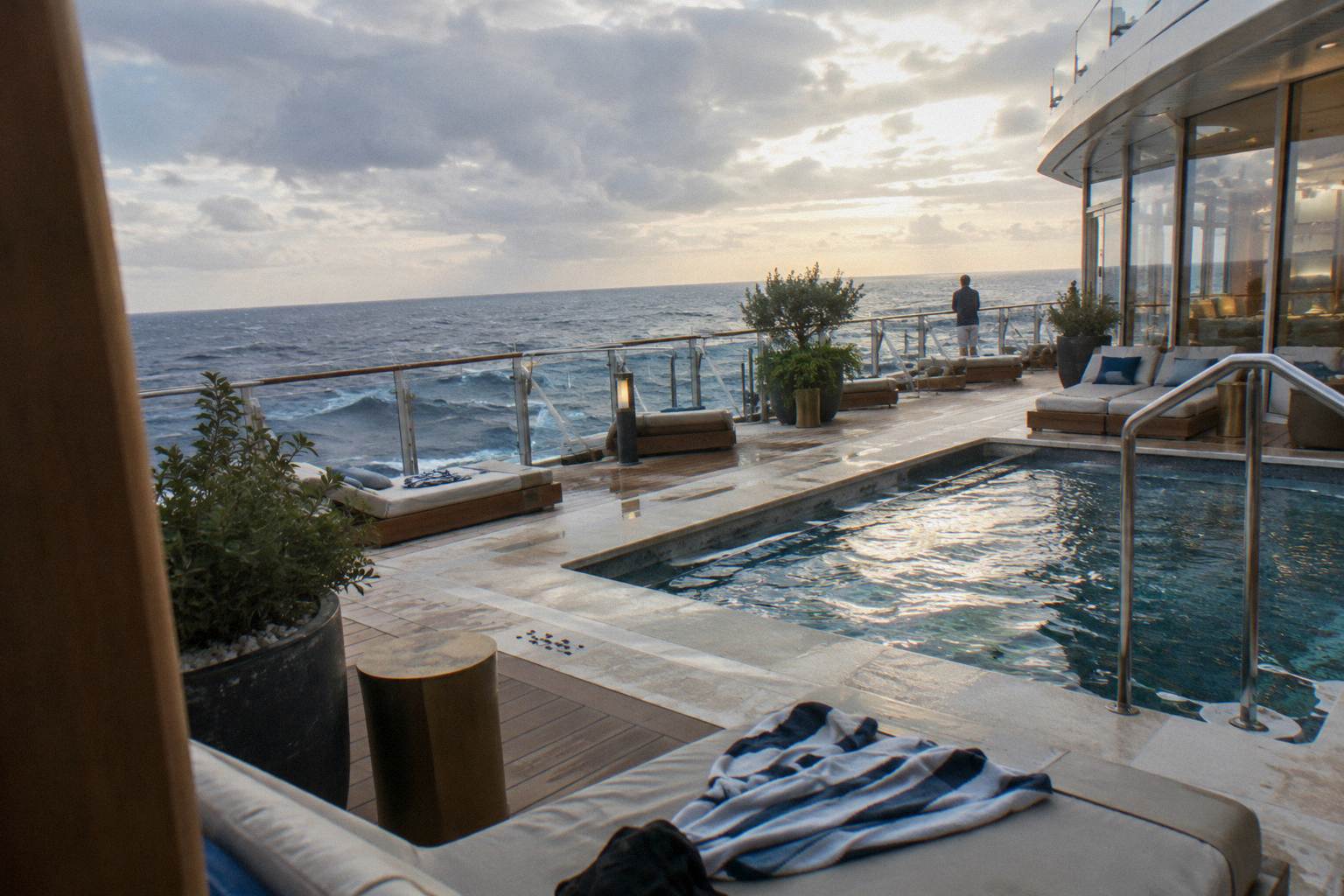
Olivia's pricing spans a wide range, from about $999 per person for a Holland America interior to $6,899 and up for river and expedition sailings. That breadth matters for the ratio question in a practical way: the cheaper large-ship sailings draw bigger crowds, while the river and expedition products are small-ship experiences where a handful of guests either way changes the feel of the whole voyage. Ten sold-out or waitlisted departures out of nineteen also tell you the audience is loyal and books early.
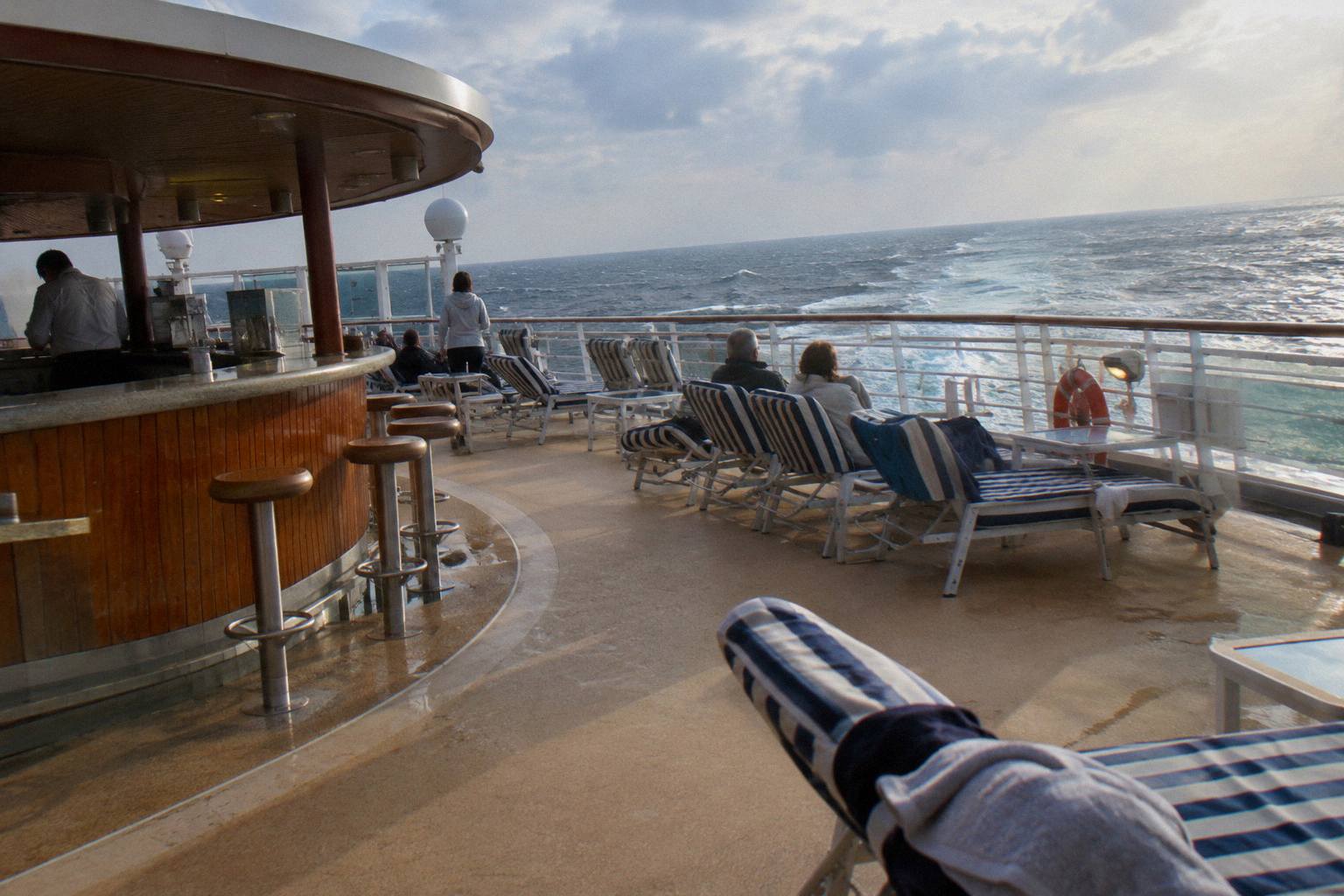
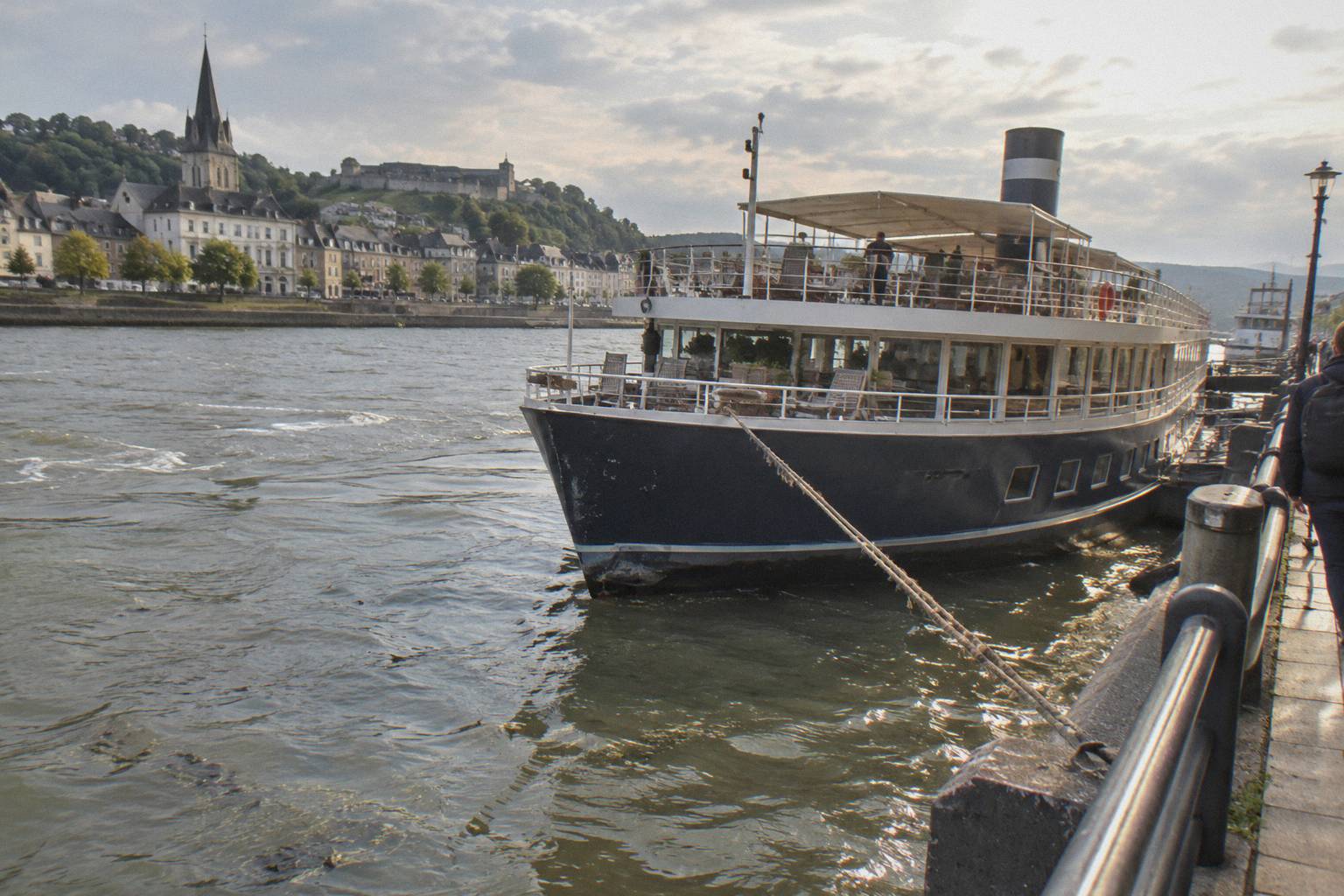
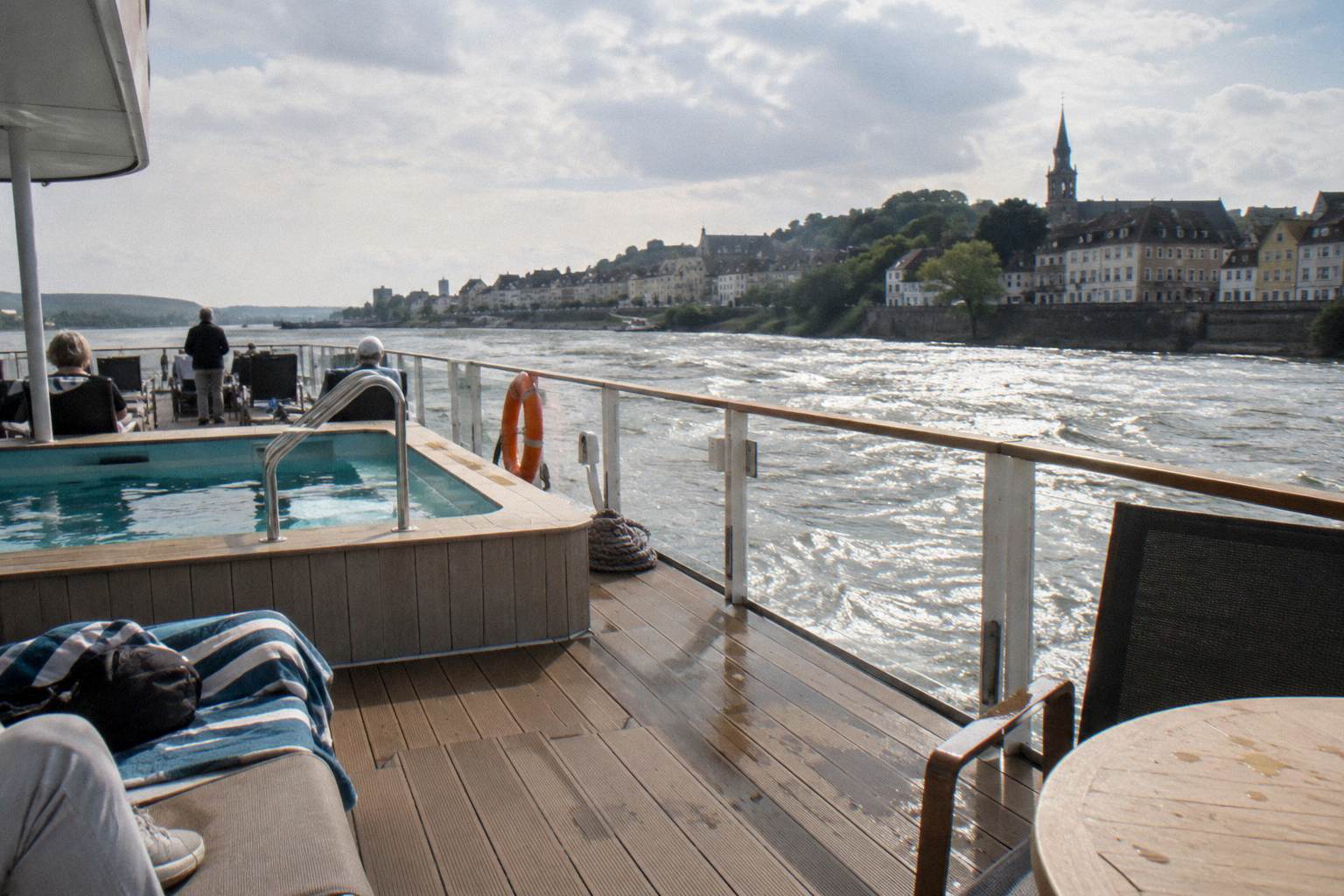
A river charter is the extreme case. Amadeus Aurea, an Amadeus River Cruises vessel, is the kind of ship such programming uses for river departures, and on a river ship the audience is small enough that the ratio almost stops being a statistic and becomes the actual composition of the dining room. That is true of any small-ship gay cruise, whatever the brand and whatever the crowd.
Olivia does not publish a founding year. What is documented is the audience line, the sailing count and the price range, and those three facts answer most of what a pre-booking reader actually wants to know before committing to a cabin.
Mixed LGBTQ+ Brands: Where The Ratio Actually Balances
VACAYA, Brand g Vacations, and Big Gay Cruise are the main operators that explicitly market to a mixed LGBTQ+ and allies audience, making them the honest answer for travelers seeking balance. VACAYA welcomes men, women, and allies, Brand g describes an LGBT+ audience that is gay-centred and mixed, and Big Gay Cruise advertises a mixed crowd across its six sailings. None publishes an exact ratio, but all three design their programming for a balanced room.
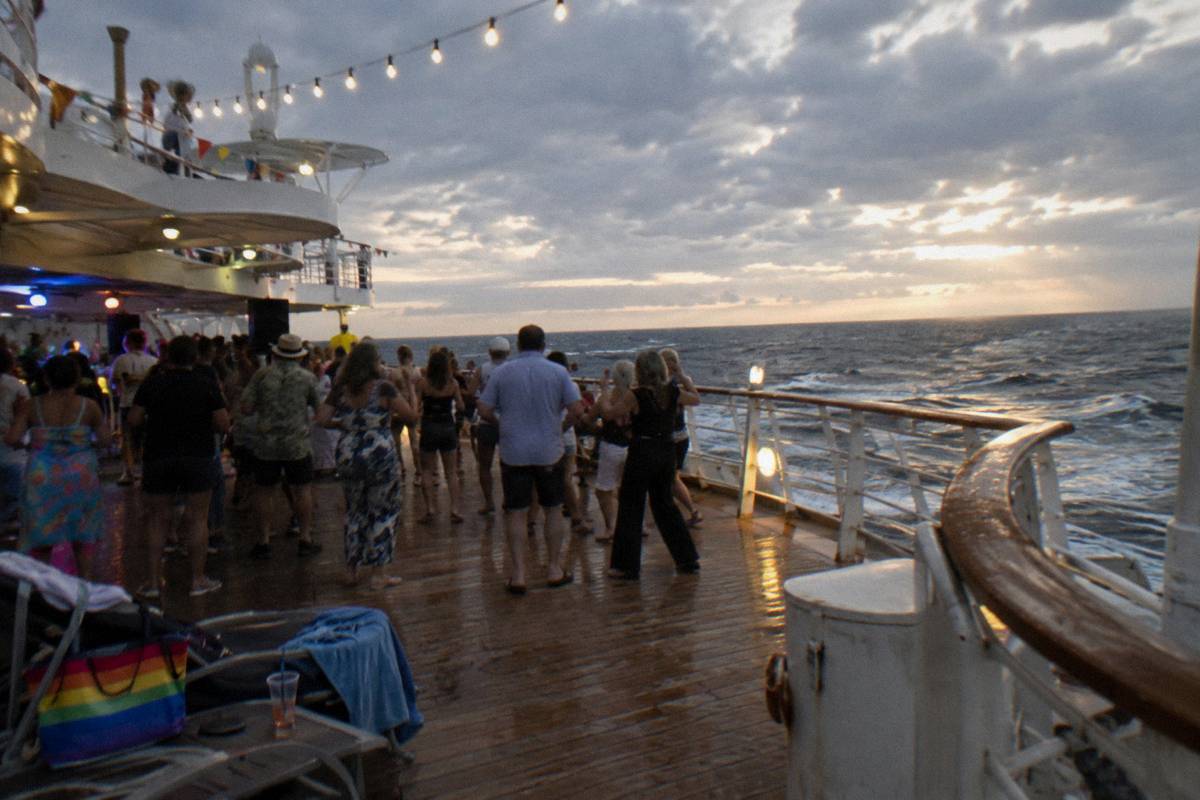
Brand g is the volume leader among mixed brands, with 24 sailings on record from April 2027 to October 2028, five of them sold out or waitlist. Its price range is wide, from about $4,900 per person for a Rhine river sailing to about $22,300 for a Philippines, Taiwan and Japan luxury voyage. The Rhine product sits at the accessible end of luxury river cruising, which is exactly where a small mixed charter crowd spends a week together in close quarters.
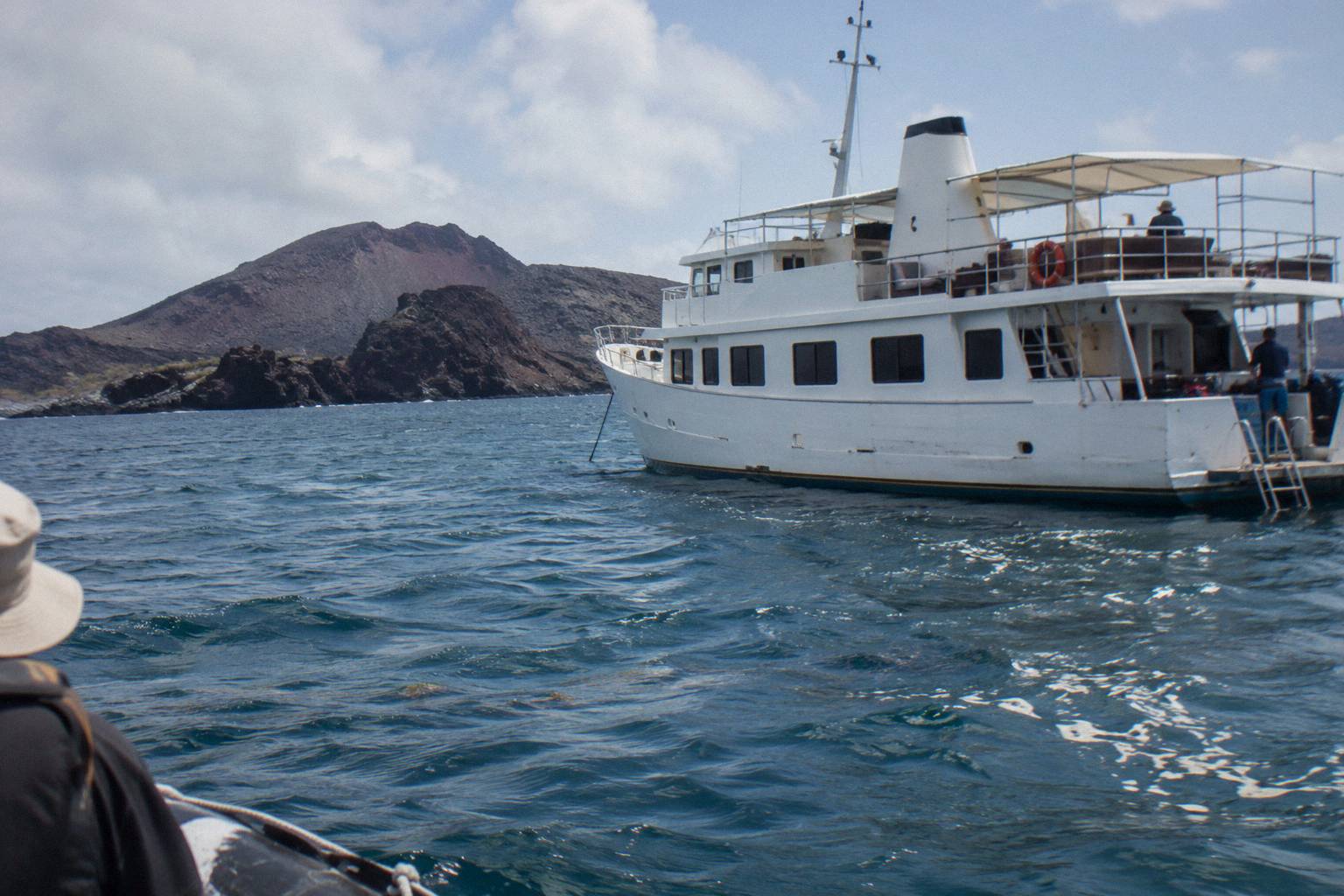
Delfin III, a Delfin Amazon Cruises river ship, illustrates the small-ship end of the same idea. A river vessel on the Amazon carries a fraction of a mega ship's complement, so the composition of the guest list is the experience: there is no disappearing into a crowd of thousands, and every guest shapes the week. Readers weighing that intimacy against the anonymity of a big-ship charter can put the question directly through a free charter consultation before booking, at no cost and with no obligation.
The VACAYA picture has a twist worth flagging: all eight of its 2026 to 2028 trips on record show sold out or waitlist, which means a reader asking about its mixed audience today is mostly looking at future inventory rather than bookable cabins. The VACAYA official site lists its audience line and its live availability, and it currently lists eight announced upcoming sailings, more than most brands in the category.
Mainstream Ships And Their Own Pride Sailings
Several mainstream cruise lines offer their own Pride sailings, so you can sail with LGBTQ+ programming without booking a full charter. Virgin Voyages says pride is baked into its identity and celebrated year round rather than one month, so a standard week aboard Valiant Lady or Scarlet Lady carries that culture while the crowd remains the general fare-paying public, not a chartered LGBTQ+ audience.
The distinction matters because the two experiences get conflated constantly. When Atlantis chartered Scarlet Lady in 2020, that ship carried a charter crowd for that week. A regular Scarlet Lady sailing today carries Virgin Voyages' own guests. Waves of Pride charters Resilient Lady in September 2026, Sapphic Sail has Scarlet Lady sailings in 2026 and 2027, and Odyssey Pride has a Virgin Voyages ship in October and November 2026. Each of those weeks the ship flips to a charter audience, and the ratio flips with it, sometimes radically.
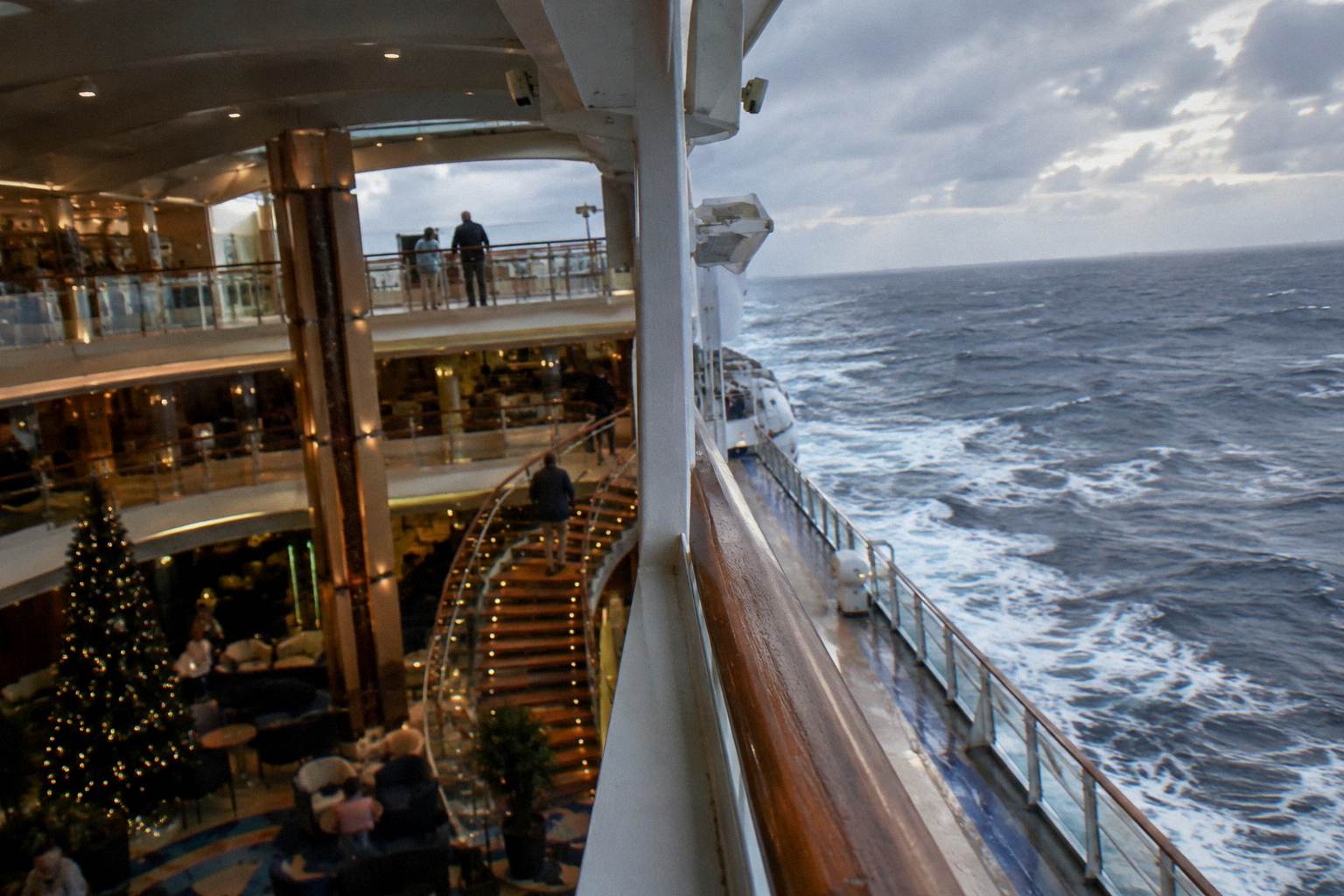
Virgin Voyages' mega ships carry 2,770 guests, Scarlet Lady built in 2020 and Valiant Lady her sister. On a ship that size a third-party charter is a genuinely different product from the same hull on a standard week, and the audience question is the main reason why. Elsewhere, Celebrity Beyond carries 3,260 guests and was built in 2022, while Allure of the Seas, built in 2010, anchors the largest class in the mainstream fleet picture.
RSVP Vacations, founded in 1985 and historically a mixed gay men and women brand, is part of this mainstream-hosting story too, though it shows no announced upcoming sailings. The RSPV Vacations official site remains the primary source for what it currently offers, and its long history makes it a name worth knowing even with nothing on the announced list today.
Family And Small-Group Options Change The Maths
KelliGregg Travel and R Family Vacations run the family track, with 13 sailings on record and none sold out or waitlisted. Their stated audience is LGBTQ+ travelers and allies with kids programming, so the guest list includes children and parents rather than a single adult demographic, which means a reader asking about the male to female balance is often really asking whether they and their partner will fit in.
Source Journeys and Source Events, founded in 2001, court an LGBTQ+ luxury audience with prices from about $6,900 to $13,900 per person, and three announced sailings from June 2028. Out Adventures, founded in 2009, runs gay men and LGBTQ+ trips from $7,495 for Baja to $22,585 for Antarctica, with both of its announced sailings showing sold out or waitlist. Waves of Pride lists fares from $1,609.40 covering fare, taxes and gratuities, plus a separate $149 to $199 entertainment fee, for its single November 2027 sailing. Each of these is a distinct social product, not a variation on one.
The pattern across all of them is consistent: the operator states an audience, the audience sets the crowd, and nobody publishes a ratio. Readers comparing a family charter against a mixed luxury sailing against a bear cruise are comparing three different social worlds, and the consultation route exists precisely for that decision. A free consultation on which charter fits is the practical next step, with no obligation attached.
The full charter landscape by audience and availability looks like this:
| Operator Or Brand | Stated Audience | Announced Sailings | Sold Out Or Waitlist | Example Fare Basis |
|---|---|---|---|---|
| Atlantis Events | Gay men, women welcome | 6 | 4 | Interior from $1,199 to $1,799, 7 to 9 nights |
| Olivia Travel | LGBTQ+ women | 19 | 10 | About $999 interior to $6,899+ |
| VACAYA | Mixed LGBTQ+, allies | 8 | 8 | From about $3,719 to $12,537 |
| Brand g Vacations | LGBT+, gay-centred, mixed | 24 | 5 | About $4,900 Rhine to $22,300 luxury |
| Big Gay Cruise | Mixed LGBTQ+ and allies | 6 | 0 | Not stated |
| BearCruise | Bears and admirers | 6 | 0 | Not stated |
| KelliGregg / R Family | LGBTQ+, allies, families | 13 | 0 | Not stated |
And the ship types that host these crowds differ as much as the crowds themselves:
| Ship | Line | Type | Noted Facts |
|---|---|---|---|
| Scarlet Lady | Virgin Voyages | Mega ship | 2,770 guests, built 2020 |
| Valiant Lady | Virgin Voyages | Mega ship | 2,770 guests |
| Celebrity Beyond | Celebrity Cruises | Mega ship | 3,260 guests, built 2022 |
| Allure of the Seas | Royal Caribbean | Mega ship | Built 2010 |
| World Navigator | Atlas Ocean Voyages | Expedition ship | Not stated |
| World Traveller | Atlas Ocean Voyages | Expedition ship | Not stated |
| Delfin III | Delfin Amazon Cruises | River ship | Not stated |
| Amadeus Aurea | Amadeus River Cruises | River ship | Not stated |
Mistakes That Trip Up Ratio-Focused Bookers
The biggest mistakes are treating a brand's marketing word as a headcount promise and booking a river or expedition ship while expecting mega-ship anonymity. "Mixed" describes an audience, not a guaranteed even split, and a small river vessel offers a completely different social experience from a 2,770-guest mega ship no matter who is aboard. Read the operator's own audience line and the ship's capacity before paying, and treat forum numbers with scepticism.
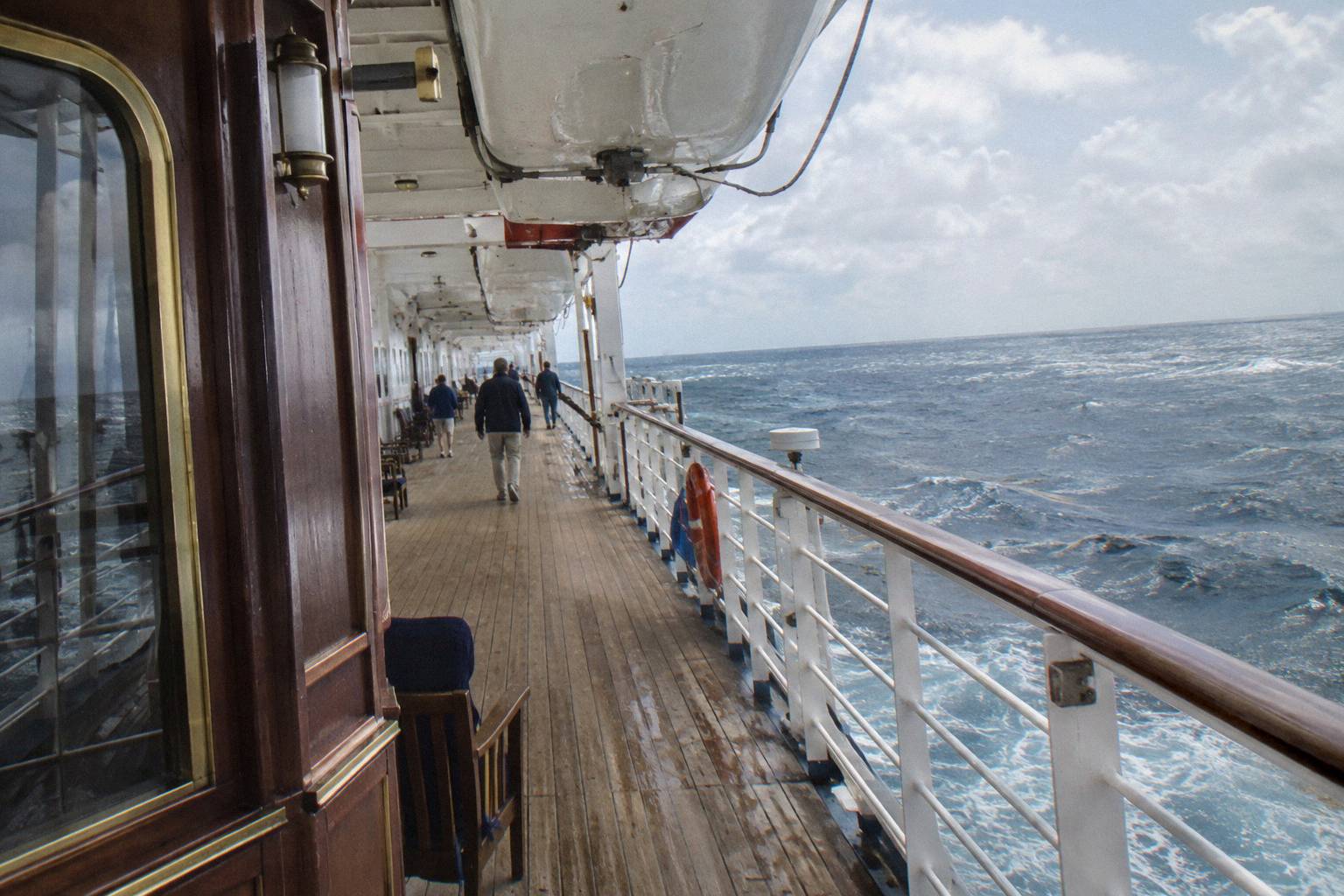
Three specific traps recur. First, assuming a sold-out brand's next sailing will match its current one: VACAYA's entire current list is sold out or waitlist, so its audience today describes trips you cannot book, not necessarily its future inventory. Second, conflating a mainstream Pride sailing with a charter: a standard Virgin Voyages week is the line's own crowd, while Waves of Pride or Sapphic Sail weeks are charter crowds on the same hardware. Third, ignoring price as a crowd filter: a $1,199 Atlantis interior and a $22,300 Brand g luxury voyage draw overlapping but distinct audiences, and the ratio follows the wallet as much as the orientation.
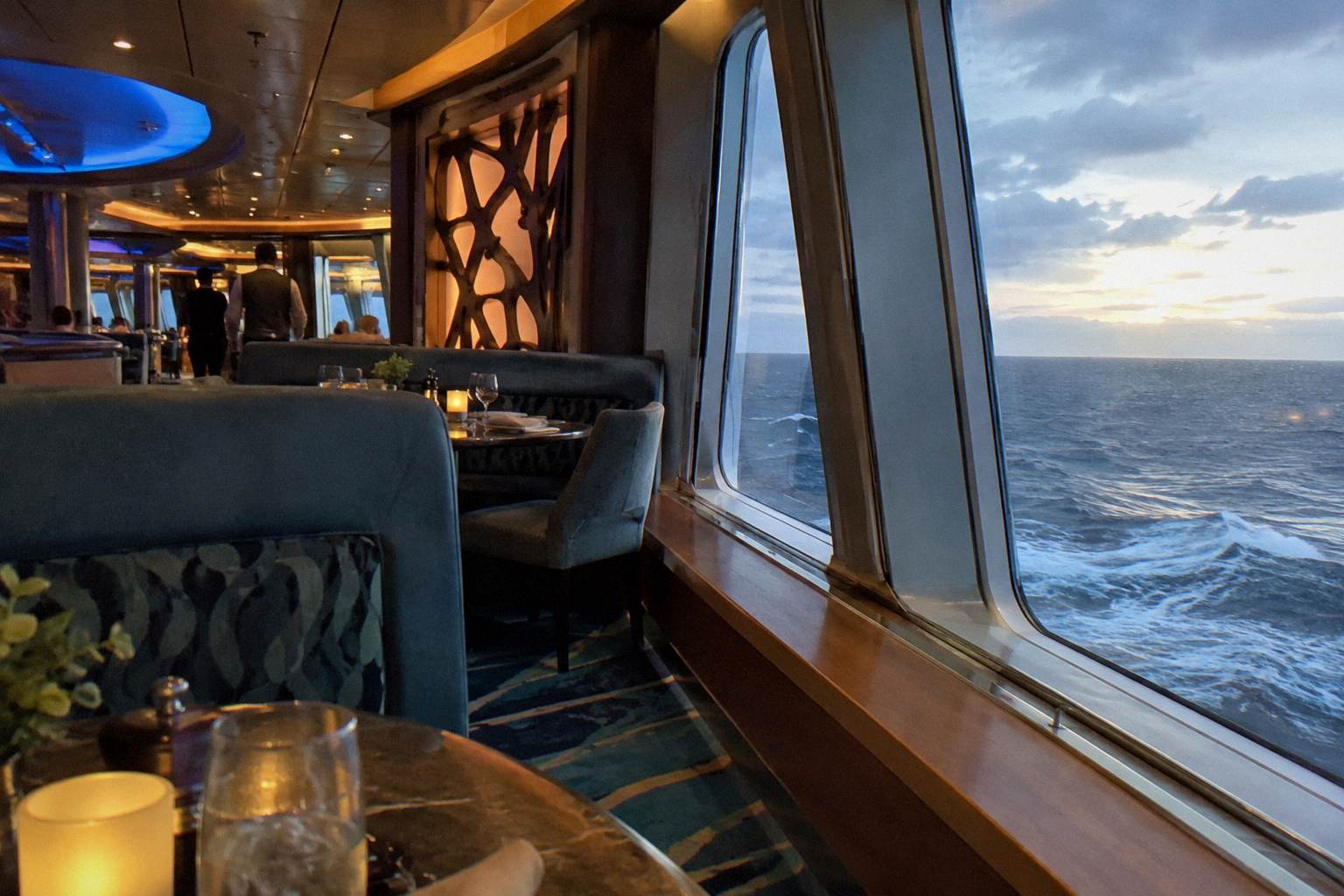
A fourth trap is smaller but real: waiting for a published ratio that will never come. No operator publishes one, and a percentage quoted on a forum is not a sourced figure. Ask instead who the sailing is designed for, and treat that as the answer. It is the same discipline this page applies throughout, and it is the discipline that keeps a pre-booking decision grounded in what operators actually state.
For readers whose ratio question is really a solo-traveller question, the audience composition of a charter interacts with solo policies in ways worth a separate look, and the average age question on gay cruises covers the neighbouring demographic that operators also never pin to a number. Sailing status and pricing move often, so the practical route is a conversation rather than a search: talk through the audience question free before committing to any cabin.
Common Questions About The Male To Female Ratio On A Gay Cruise
What Is The Male To Female Ratio On A Gay Cruise?
There is no published ratio. Atlantis Events charters skew heavily male, Olivia Travel charters skew heavily female, and VACAYA, Brand g Vacations and Big Gay Cruise market mixed LGBTQ+ audiences. The operator's stated audience is the most reliable guide to the crowd you will actually sail with.
Do Women Go On Atlantis Cruises?
Yes. Atlantis describes its audience as gay men with women welcome, and its own site addresses the question directly. The crowd nonetheless skews male because the programming is designed for that audience, so a woman booking Atlantis should expect to be in a minority.
Are There Gay Cruises With A Balanced Mixed Crowd?
Brands that state a mixed LGBTQ+ audience are the closest thing: VACAYA states men, women and allies, Brand g Vacations states an LGBT+ gay-centred mixed audience, and Big Gay Cruise states mixed LGBTQ+ and allies. A headcount split is not published, so the balance can only be designed for, not checked as a number.
Is A Virgin Voyages Pride Sailing The Same As A Gay Charter?
No. Virgin Voyages states year-round pride programming as part of its identity, but a standard Valiant Lady or Scarlet Lady sailing carries the line's general guests. Weeks chartered by Waves of Pride, Sapphic Sail or Odyssey Pride are different products with charter crowds on the same ships.
Does Ship Size Change The Ratio Question?
Yes, materially. A mega ship carrying 2,770 guests absorbs any crowd composition, while a river ship like Delfin III or Amadeus Aurea carries a small complement where the guest list is the social experience. Small ships make the audience question more important, not less.
Where Can I Ask Who Actually Books A Specific Sailing?
The operator's own site states its audience, and a free consultation through this site's consultation page lets you ask about specific sailings, audiences and vessels before you pay anything. There is no obligation and no cost.
More Questions Answered
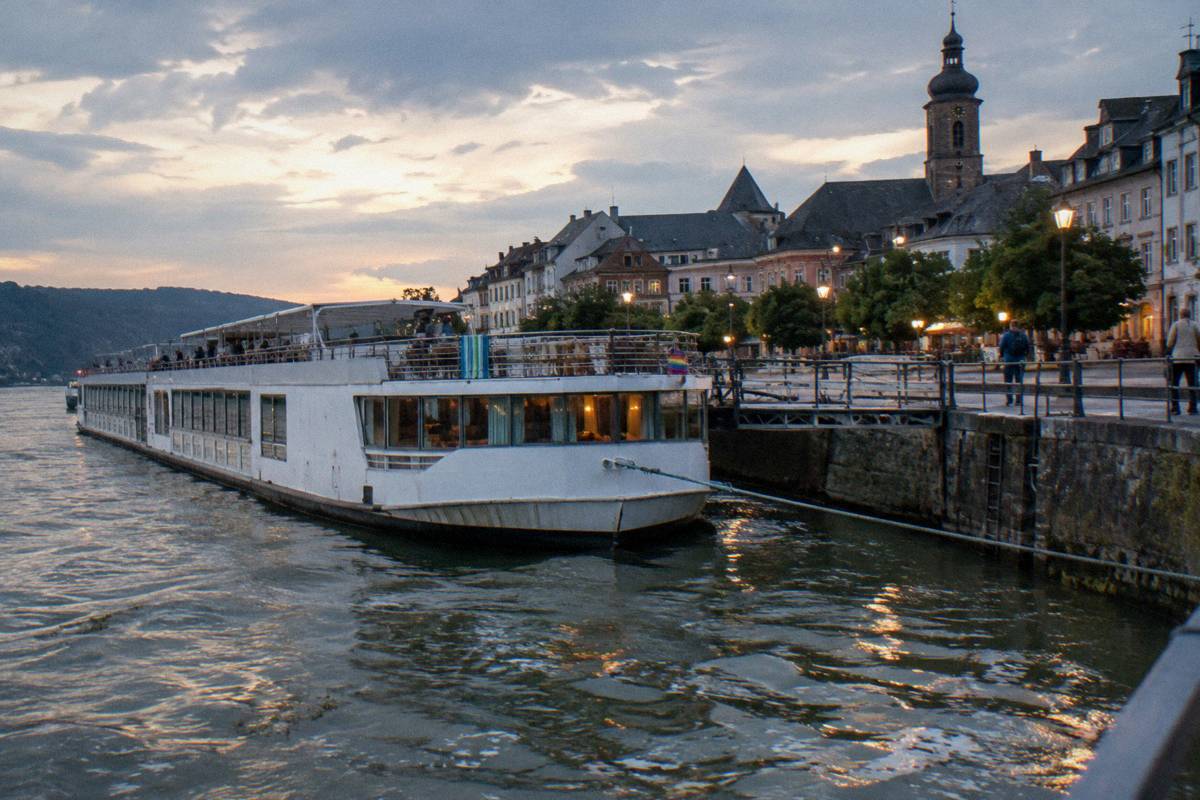 Straight On A Gay CruiseWho is actually welcome on a gay cruise, operator by operator, and how to be a good ally guest.Read the answer
 What Happens On BoardThe rundown of a gay cruise: who sails, what a day looks like, costs and rules.Read the answer
 Average Age On BoardNo operator publishes a passenger age average; audience, price and itinerary reveal who each sailing actually draws.Read the answer
 Gay Passenger NumbersWhich ships actually carry the most gay passengers? Charter capacity, not demographics, holds the answer.Read the answer