Is Mykonos A Good Port For Gay Cruise Passengers?
Mykonos has a long-standing reputation as one of the most gay-welcoming stops in the Aegean, but what a cruise passenger actually gets from the port depends on the ship, the season and how the day is planned.
This page sits in Questions Answered, the hub where pre-booking cruise questions from real readers get researched answers.
Quick Facts
| Fact | Detail |
|---|---|
| Island | Mykonos, Cyclades, Greece |
| Legal status of same-sex relations in Greece | Legal, decriminalised 1951 |
| Same-sex marriage in Greece | Legal since 2024; civil unions since 2015 |
| Typical cruise season in the Aegean | Late spring through early autumn |
| Port format | Many ships tender passengers ashore rather than docking alongside |
| Charter operators with Mediterranean sailings | Atlantis Events, VACAYA, Brand g Vacations, Olivia Travel and others among 11 operators |
| Charter sailings tracked overall | 90 across 11 operators, 2026-11-14 to 2028-10-14 |
| Sold-out or waitlisted among those | 29 of 90 |
| Example Mediterranean charter fare | VACAYA eclipse cruise from $3,719 per person |
Is Mykonos A Good Port For Gay Cruise Passengers?
Yes, Mykonos is one of the strongest port stops in the Mediterranean for gay cruise passengers. The island's gay scene is established, public and close to the harbour, backed by decades of visible gay tourism and Greek law that has matched that openness since decriminalisation in 1951. The main limitation is time and logistics rather than atmosphere: a short call, tender queues and summer traffic leave little margin for error.
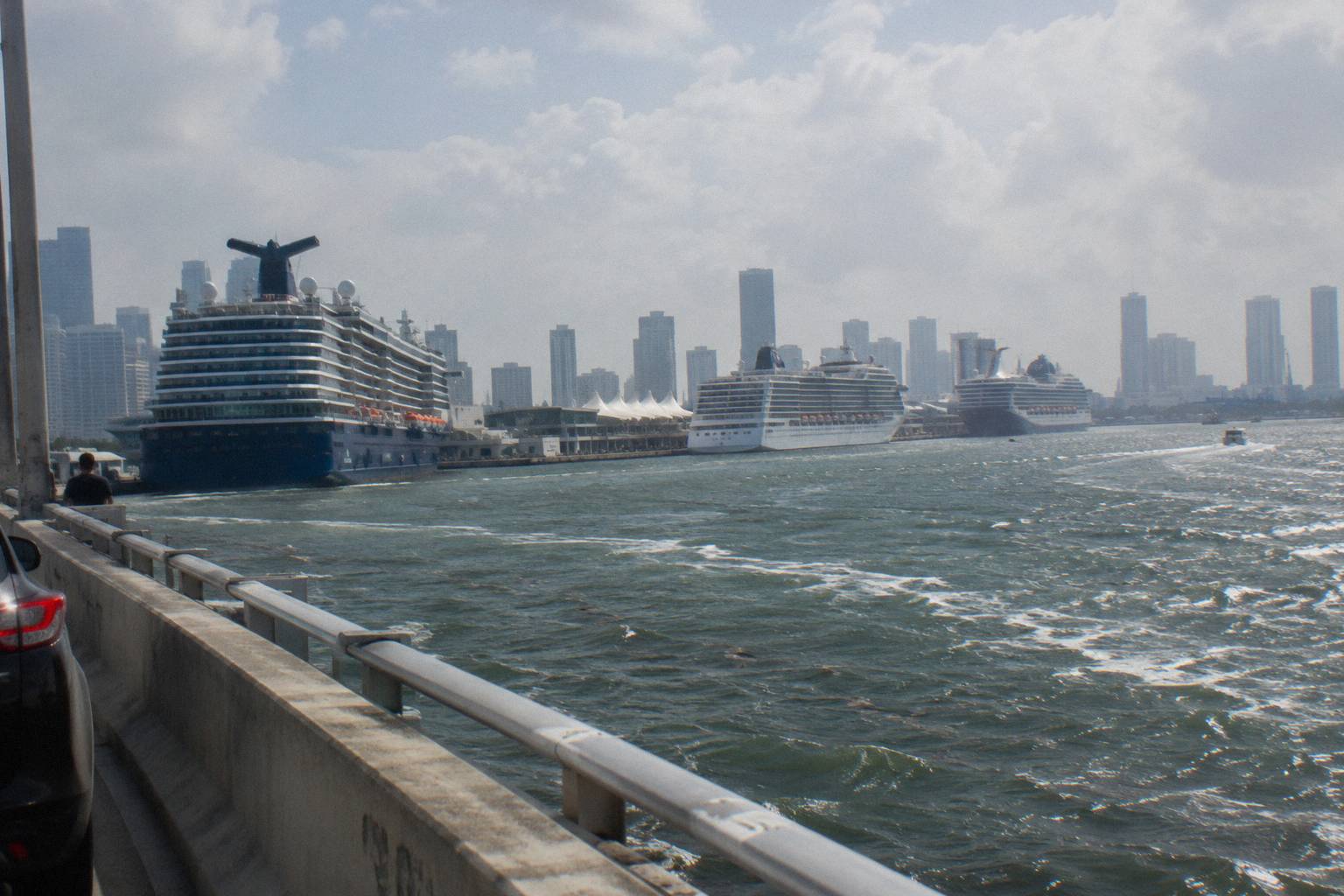
The honest way to frame the answer is to separate the destination from the day. The destination is genuinely strong. Mykonos town, known locally as Chora, is a compact maze of white-washed lanes with a harbour-front strip of bars and restaurants that stays lively into the night. The island's gay venues, including long-running beach establishments on the southern coast, are part of the tourism economy rather than hidden from it. A cruise passenger arriving there steps into a place that has been welcoming gay visitors for longer than most of today's cruise lines have existed.
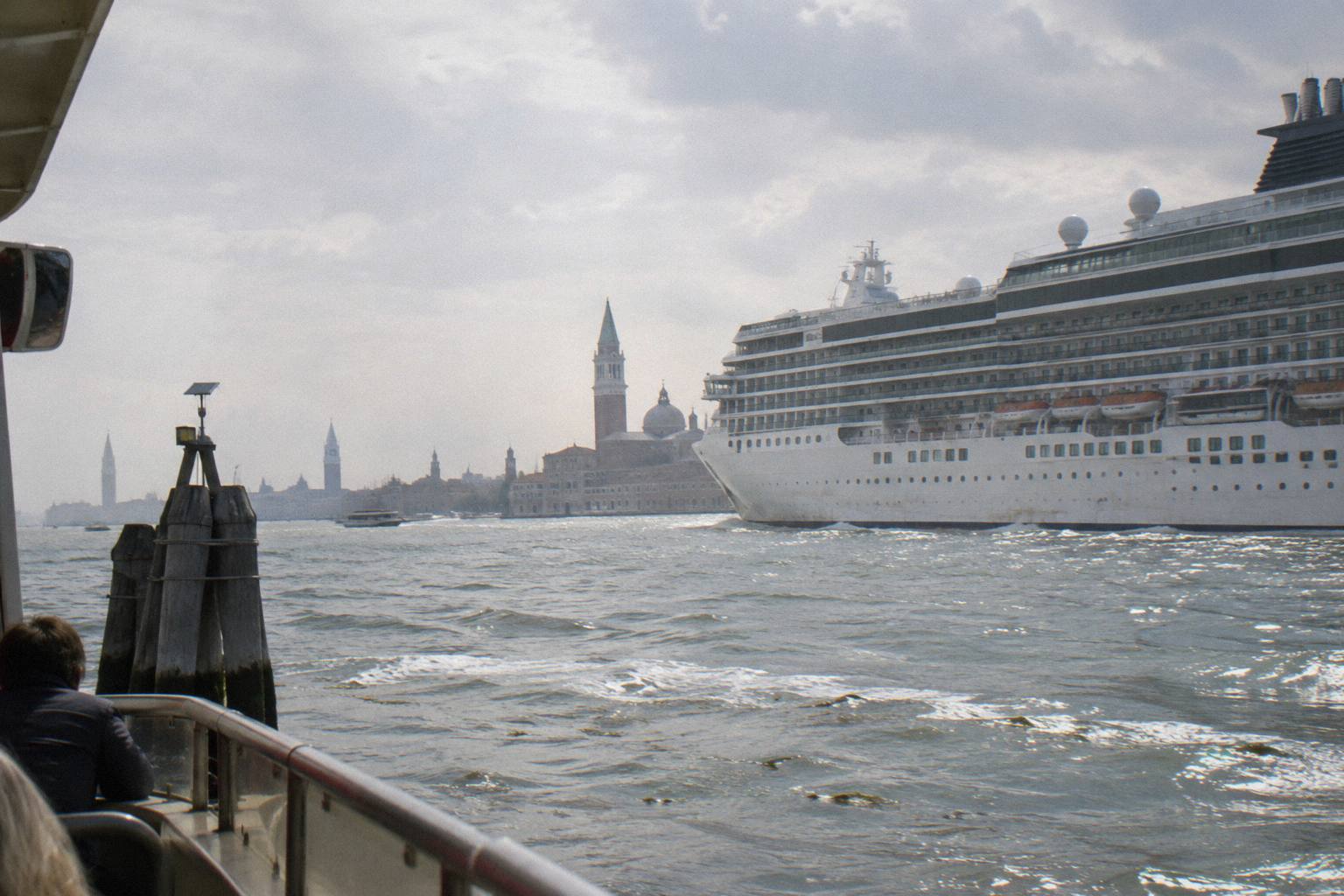
The day is where it gets complicated. Cruise calls are short by nature. Passengers who want the beach-club experience face a taxi or bus ride from the port area to the southern beaches, and in July and August the roads, the beaches and the town itself run at full capacity. Passengers who stay in town get an easier, cheaper, lower-stress day and still walk past gay-owned and gay-friendly bars within ten minutes of the tender pier.
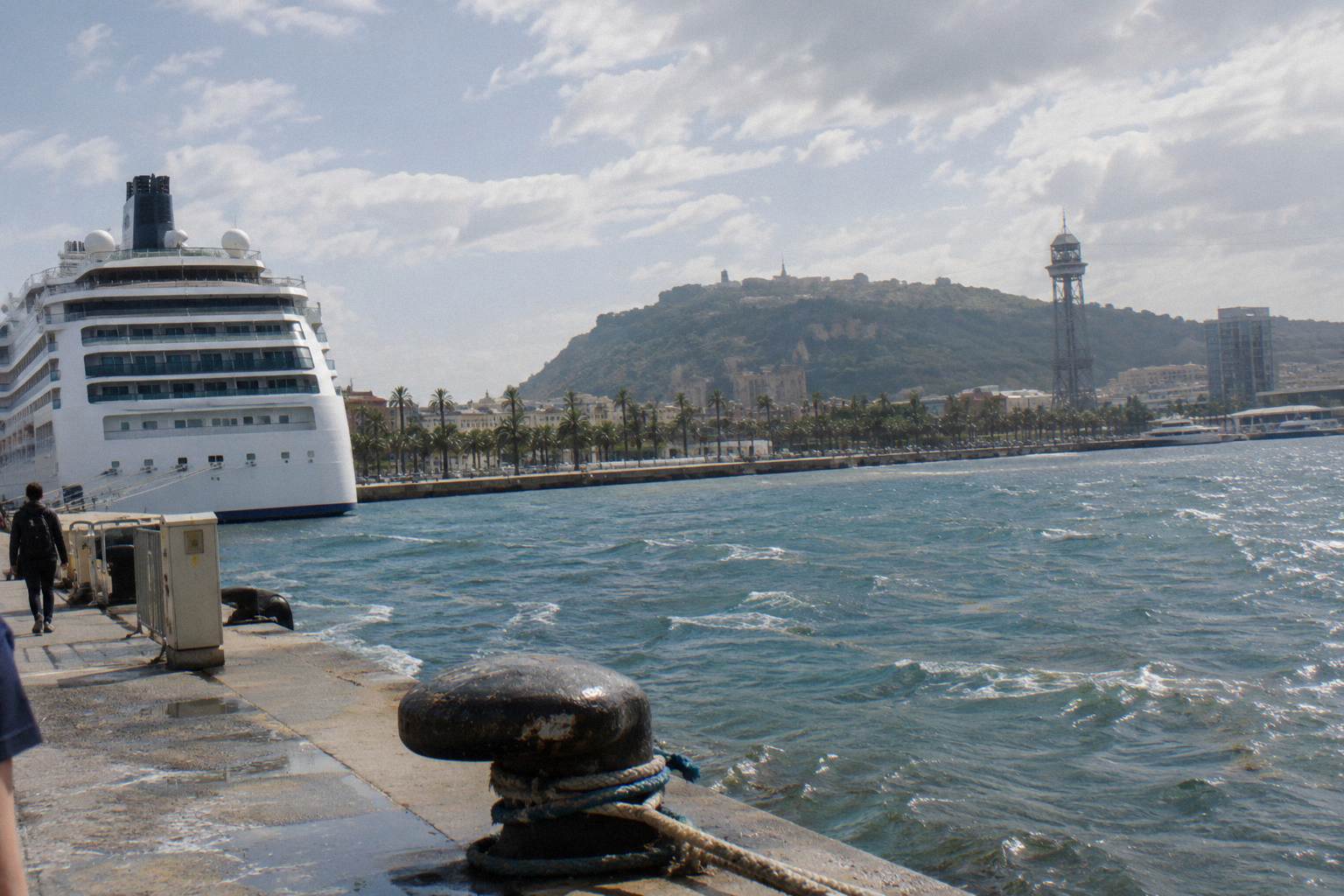
The type of cruise matters too. A chartered LGBTQ+ sailing, where a few thousand fellow passengers are flooding the same small island at once, produces a very different port day from a mainstream ship where the gay passengers aboard are a smaller group. Both can work. But the way to read the rest of this answer is to know which of those two situations applies to the sailing being considered, and that is a question worth asking before booking.
Which Gay Cruise Itineraries Actually Call At Mykonos?
Mykonos is an Eastern Mediterranean port, so it appears on Eastern Mediterranean itineraries rather than Western Mediterranean ones, on both chartered LGBTQ+ sailings and mainstream ships. Atlantis Events offers 7-9 night Mediterranean sailings from $1,199 to $1,799 per person for an inside cabin, while VACAYA's Mediterranean eclipse cruise was listed from $3,719. Since port calls vary by voyage, check each itinerary sailing by sailing.
The most useful framing for a reader is that there are three routes to a Mykonos port day. The first is a full charter, where an operator such as Atlantis Events or VACAYA takes over an entire ship. The atmosphere aboard is the product, and the port day becomes a communal event. Atlantis Events, founded in 1991, is the longest-running of these operators and has historically chartered Virgin Voyages ships, including the Scarlet Lady. VACAYA, founded in 2017 with a mixed LGBTQ+ audience of men, women and allies, has Mediterranean programming in its 2026-2028 file, with its eclipse cruise from $3,719 per person and longer trips reaching $12,537 for Madagascar to Seychelles.
The second route is a group sailing on a mainstream ship. Operators such as Brand g Vacations, founded in 2011 and running 24 announced sailings from 2027-04-18 to 2028-10-14, charter blocks of cabins or whole smaller vessels, often on river and luxury lines. Olivia Travel, serving LGBTQ+ women, has 19 sailings listed from 2026-12-02 to 2028-05-24. These sailings give passengers the group experience without the full-ship takeover, and Eastern Mediterranean itineraries do appear among operators of this kind.
The third route is simply booking a mainstream cruise that calls at Mykonos and travelling independently. Greek islands rotate through the big lines' itineraries year to year, and large ships call in the Aegean on some voyages. A reader comparing these three routes is really comparing three different products, and the right choice depends on whether the priority is the onboard community, the itinerary itself or the fare. That comparison is exactly what a free consultation is designed to untangle.
| Operator | Audience | Founded | Example fare per person | Sailings covered |
|---|---|---|---|---|
| Atlantis Events | Gay men; women welcome | 1991 | Interior $1,199-$1,799 on current 7-9 night sailings; $3,999 on sold-out Oceania Marina | 6 |
| VACAYA | Mixed LGBTQ+ | 2017 | Med eclipse cruise from $3,719; Madagascar to Seychelles from $12,537; Polynesia from $6,330 | 8, all sold out or waitlist |
| Olivia Travel | LGBTQ+ women | not stated | About $999 (HAL interior) to $6,899+ | 19 |
| Brand g Vacations | LGBT+, mixed | 2011 | About $4,900 (Rhine) to $22,300 (Philippines/Taiwan/Japan) | 24 |
| Big Gay Cruise | Mixed LGBTQ+ and allies | not stated | not stated | 6 |
For readers who want the broader picture of who sails where and when, the gay cruise calendar tracks the 90 charter and group sailings across the 11 operators, and the deeper operator write-ups, such as the Atlantis Events review, cover what the onboard product is actually like.
What Does A Mykonos Port Day Actually Look Like?
A typical call runs eight to ten hours, and the shape of the day is set by two logistics facts: many ships tender rather than dock, and the famous southern-beach venues sit a drive from where passengers come ashore. Passengers who budget an hour for tendering each way, and who choose either the beaches or the town rather than both, get a full day. Passengers who try to do everything usually spend a third of the call in transit.
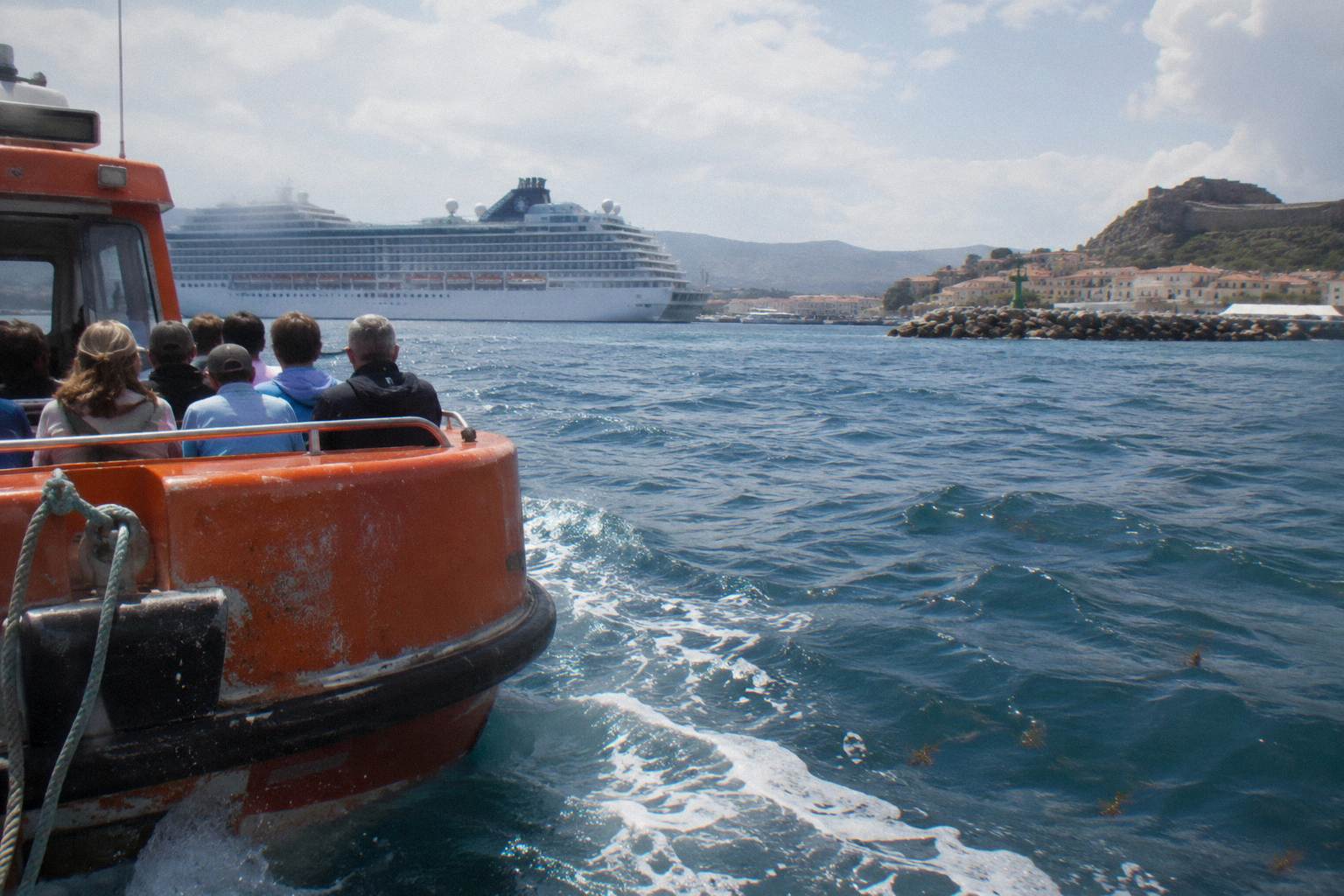
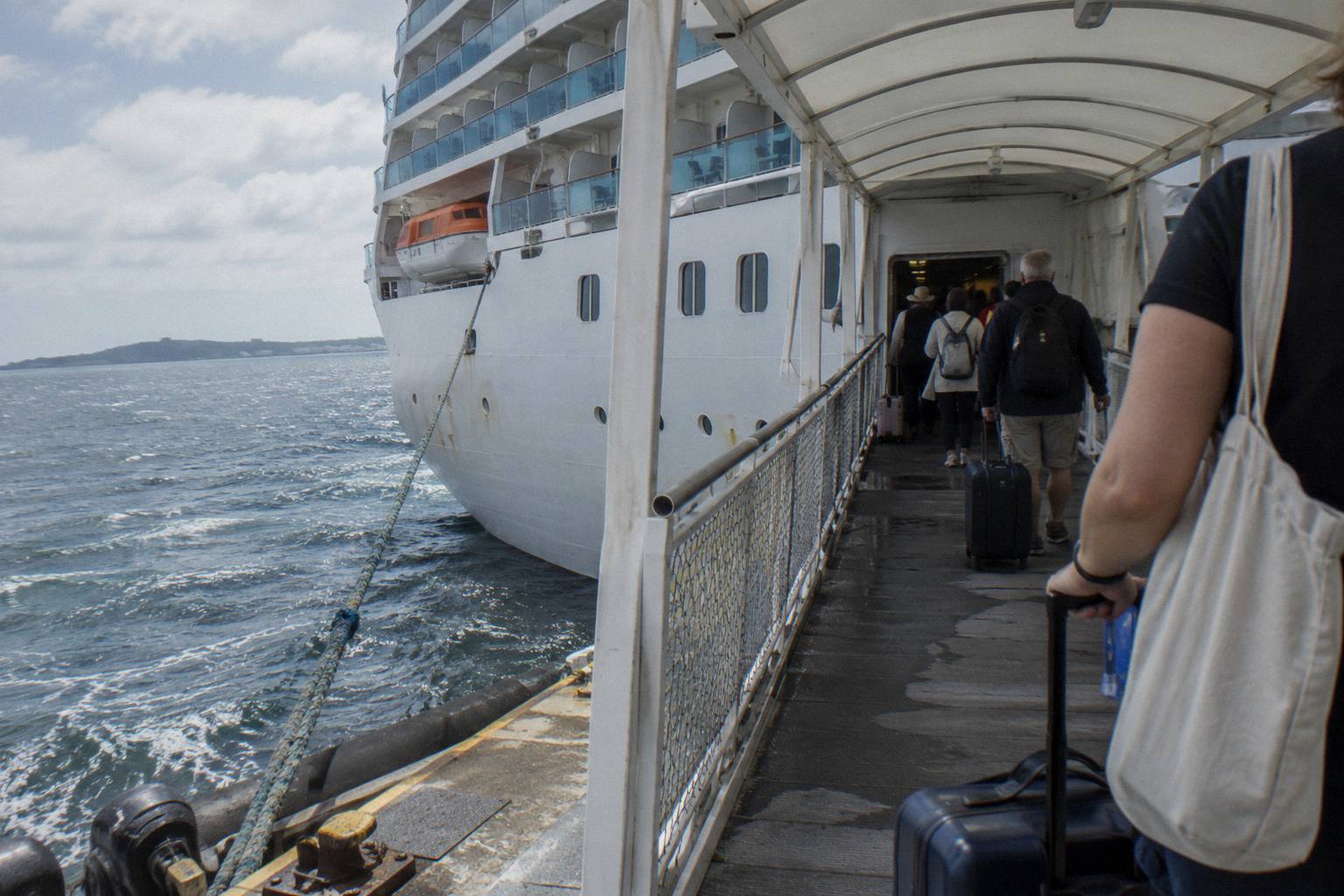
The tender point matters more than newcomers expect. When a ship anchors off Mykonos, passengers queue for boat shuttles to the old port, and on a day when several ships call at once, that queue eats time. All-aboard times in the afternoon or evening mean the last tender back can come hours before the ship actually sails, so the working day is shorter than the port call looks on paper.
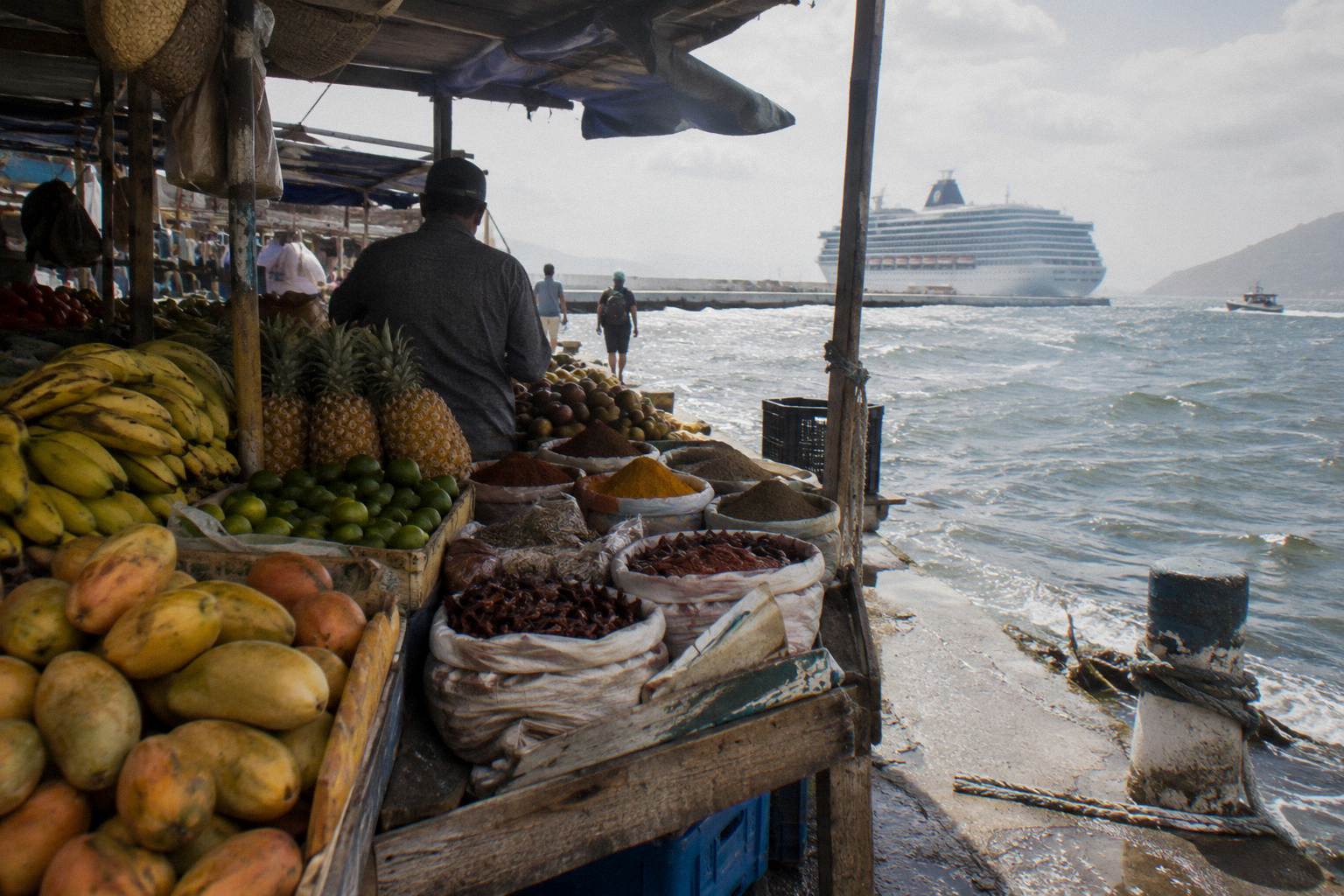
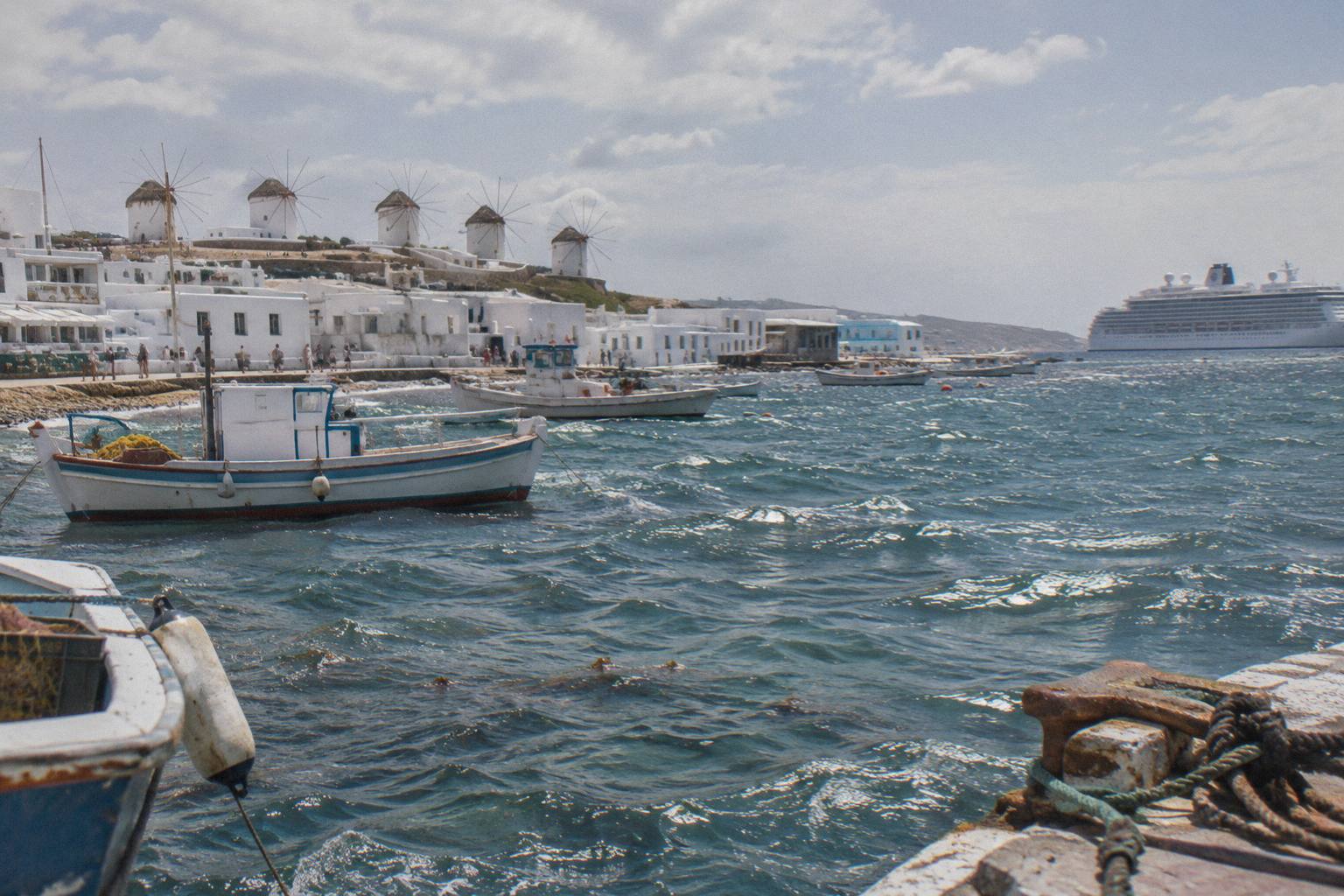
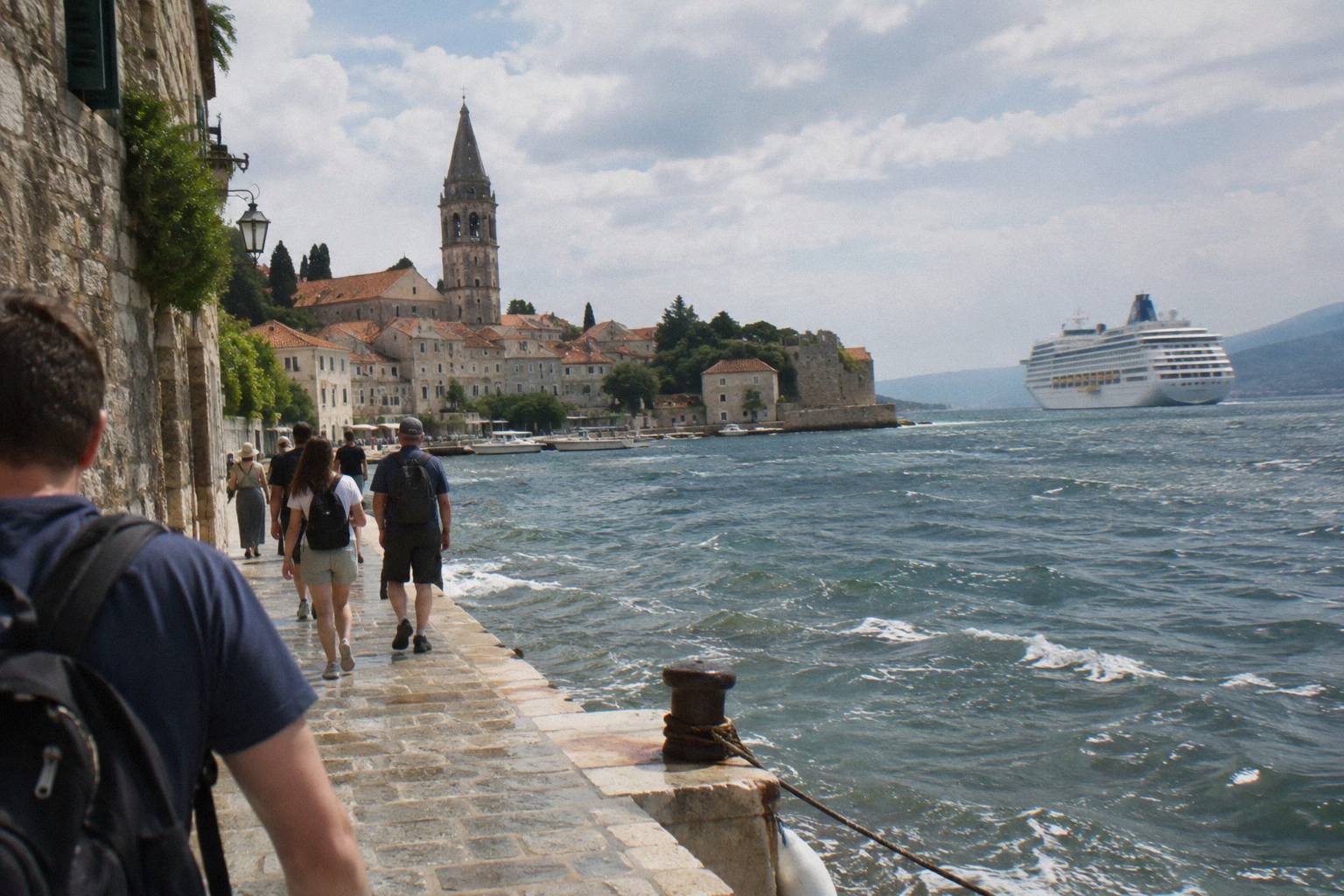
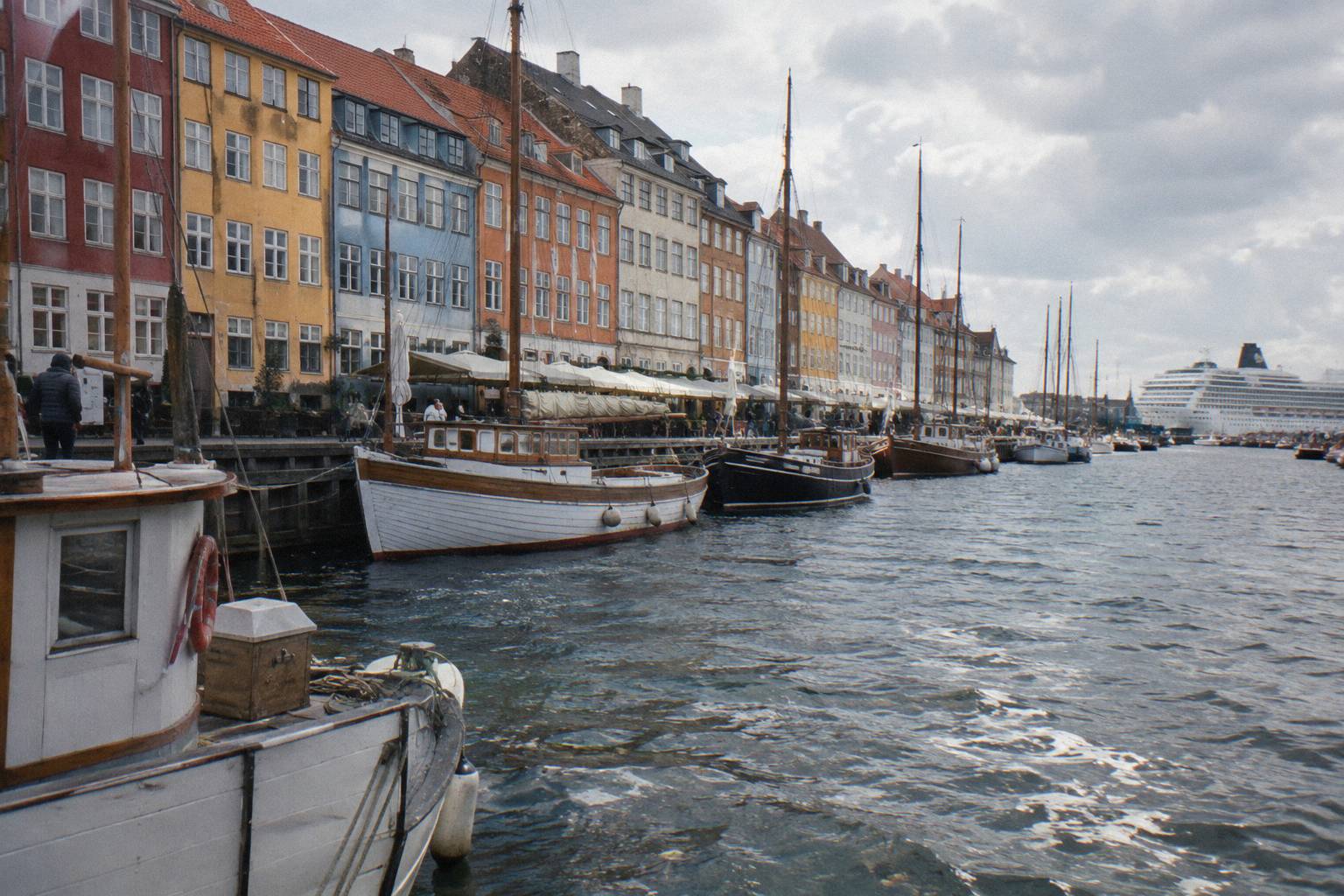
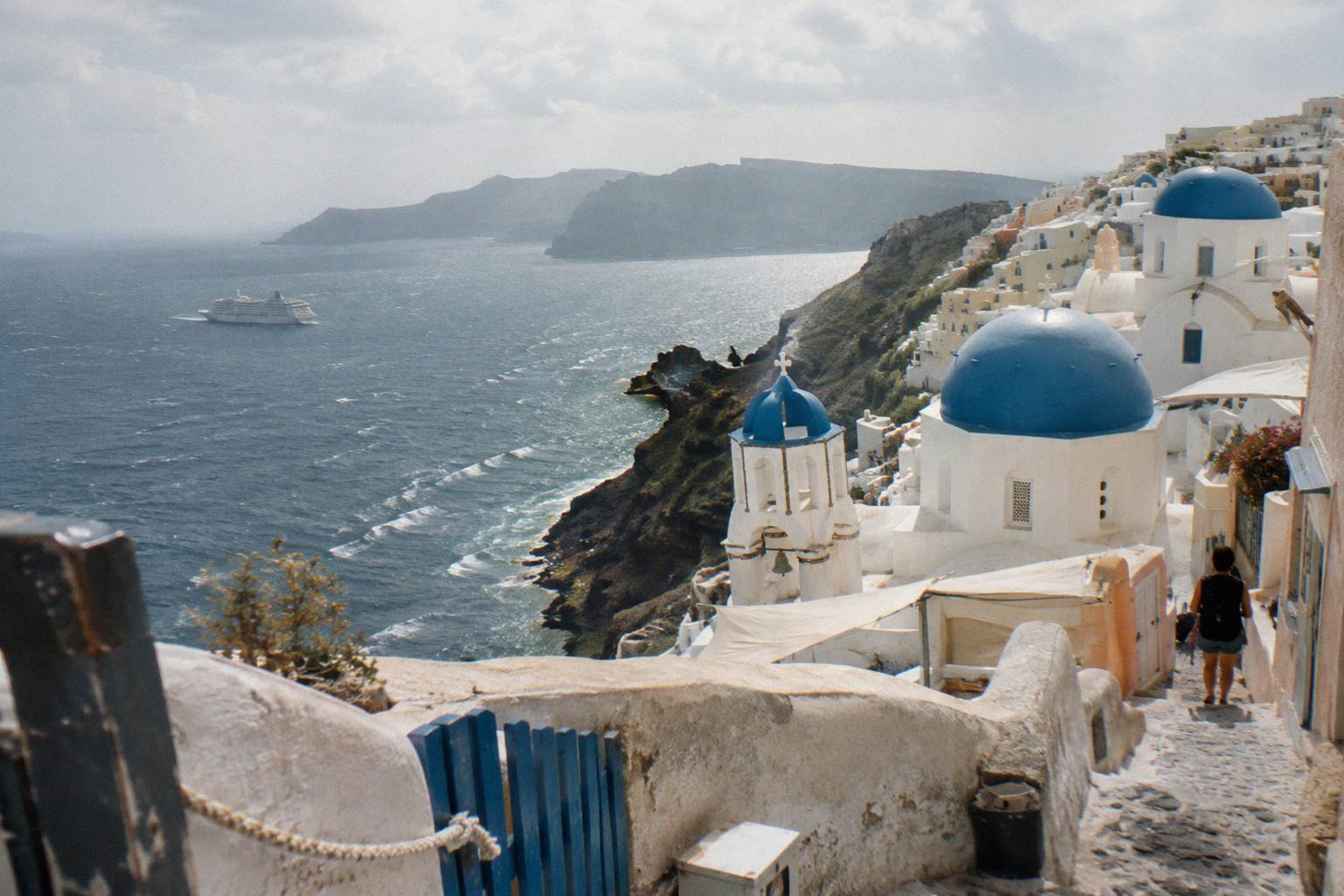
From the tender pier, Mykonos town is immediate. The lanes of Chora, the landmark windmills overlooking the harbour, and the waterfront of Little Venice, where bars sit at the water's edge, are all within a walk of roughly ten to twenty minutes. The gay bars of Mykonos town are part of this same fabric, and they are open through the day even though they come alive at night. A cruise passenger whose ship sails at sunset will catch the daytime version: relaxed, open and busy with other visitors.
The beach option is different. The southern coast beaches associated with the island's gay scene are a taxi or local bus ride away, on roads that in peak season carry the island's full visitor load. A beach day is doable on a port call, and plenty of passengers do it, but it trades the flexibility of being near the ship for a scheduled afternoon. The bus is the cheaper option and runs on set intervals; taxis cost more and are scarcer in July and August.
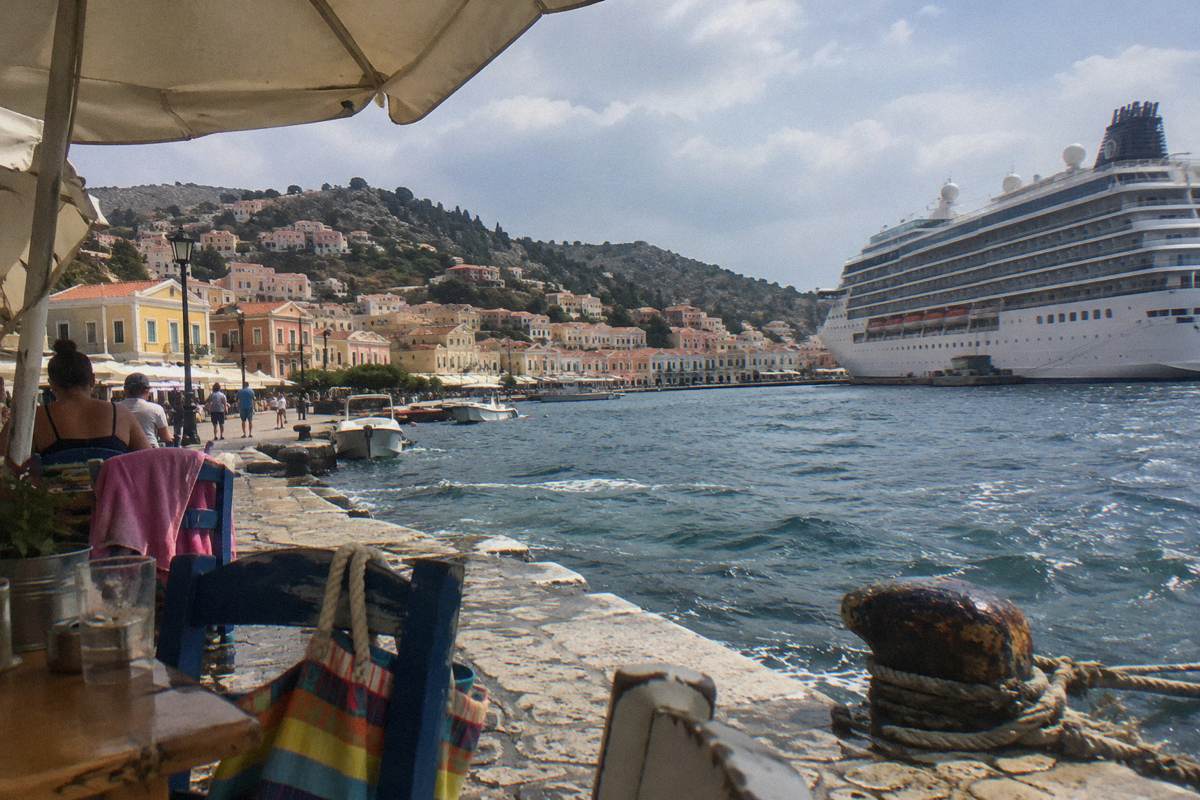
Charter sailings change the arithmetic in one specific way: when a large share of the ship's passengers is LGBTQ+, the island's venues expect and cater to that crowd, and the port day can feel like a continuation of the onboard atmosphere. Mainstream-ship passengers get the same island and the same welcome, but as individuals and small groups rather than a visible wave. Both are legitimate ways to see the port; they are just different products, and anyone weighing a charter against a mainstream sailing over a port like this can talk through the trade-offs with a specialist at no cost.
What Does A Mykonos Port Day Cost?
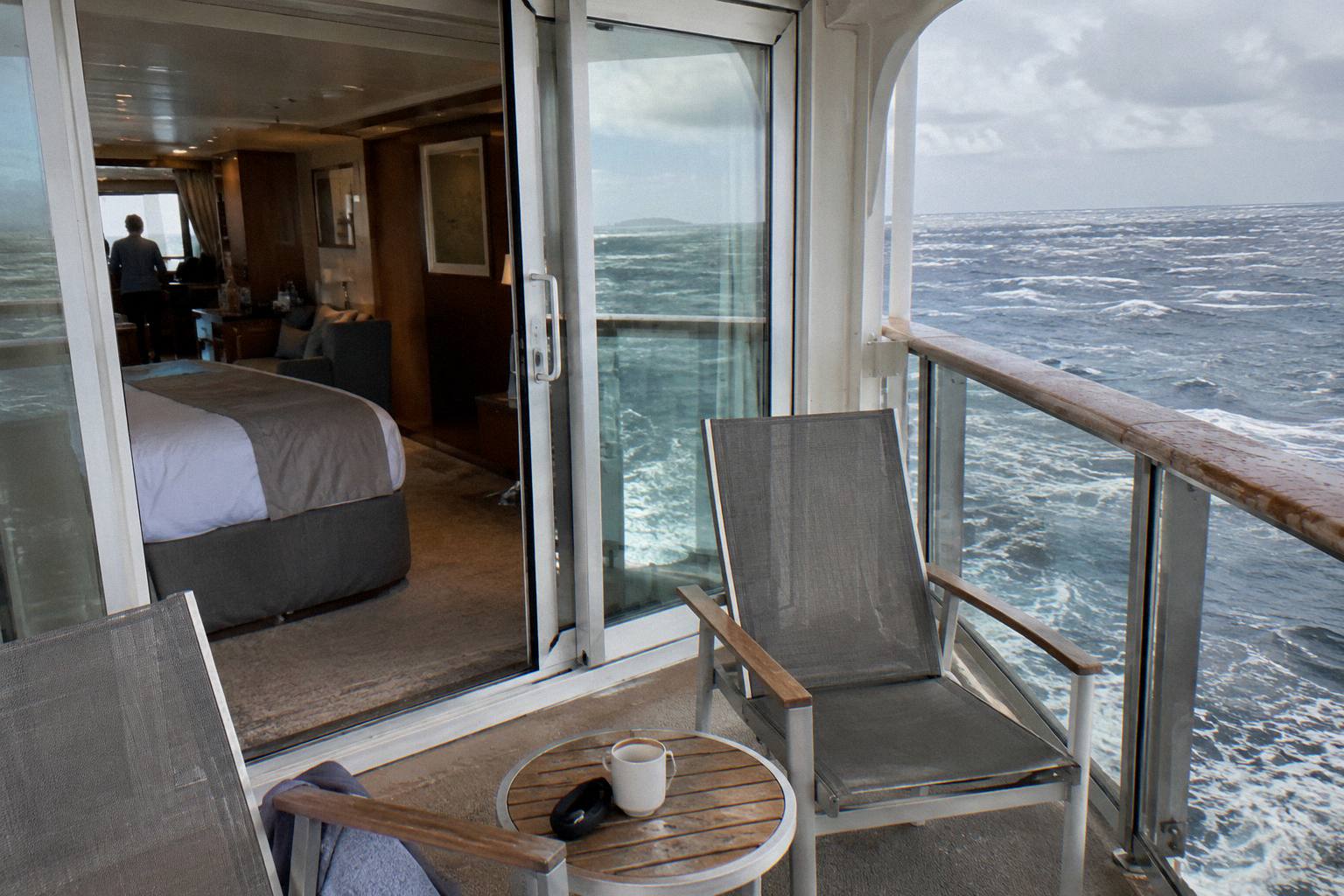
A Mykonos port day can cost very little or a lot depending on choices ashore: transport to the beaches, food and drinks, and any beach-club seating are the main spending categories, while cruise fare is separate, with charter fares ranging from $1,199 to $1,799 per person on Atlantis Events 7-9 night sailings up to $12,537 for VACAYA's Madagascar-to-Seychelles trips at the far end.
Splitting the two costs is the clearest way to keep expectations honest. The fare side is documented in the operator table above, and the pattern across the operators covered here is that Mediterranean charter sailings cluster in the mid-thousands per person while the long-haul and luxury charters run far higher. What the fare includes varies by operator and cabin category; Atlantis prices quoted are for interior cabins in the lowest category, and VACAYA's Mediterranean figure is its lowest published base.
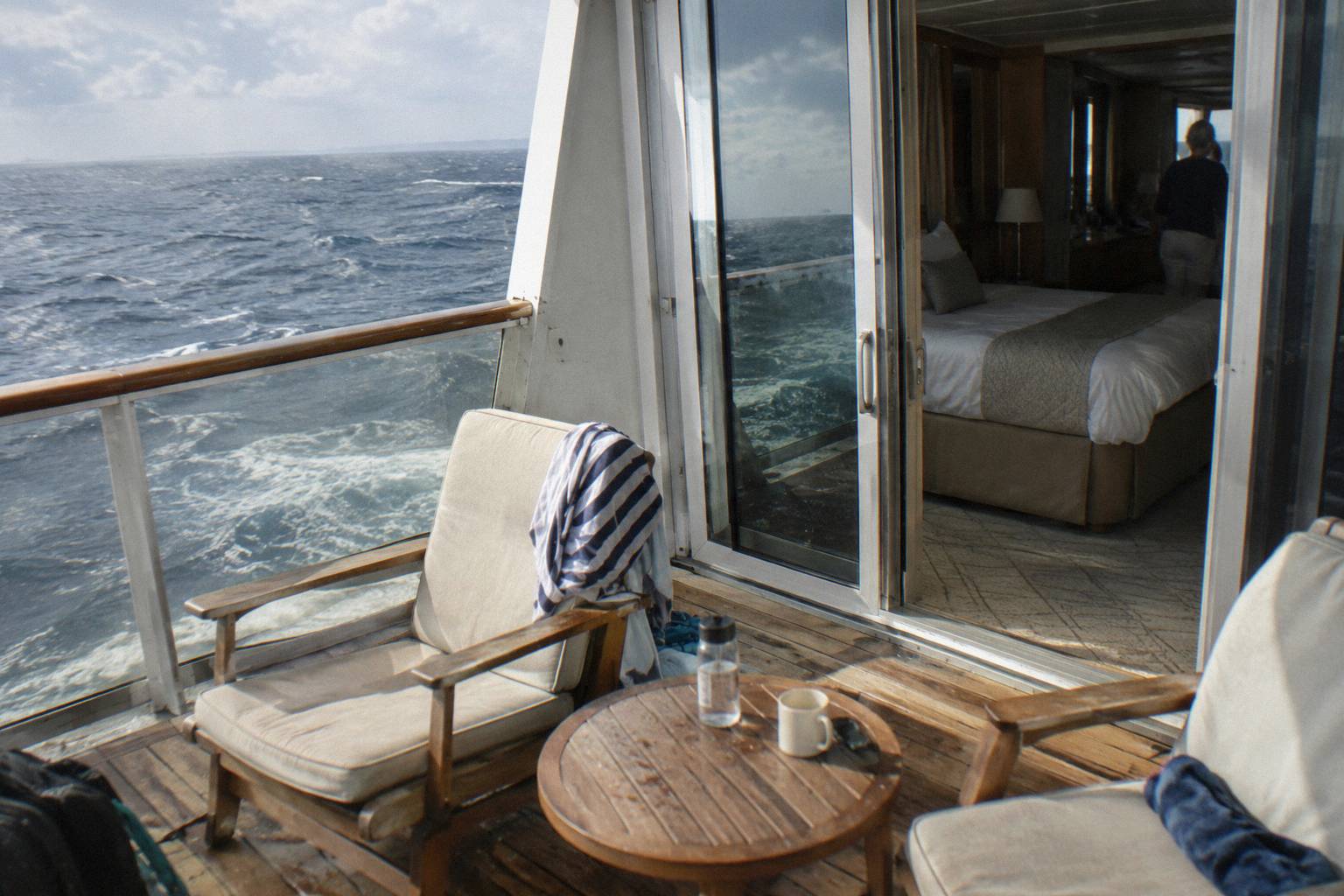
The island side is where Mykonos earns its pricing reputation. Waterfront tables in Little Venice and beach-club beds on the southern coast carry premium prices, and high season means those prices hold. The cheaper day is entirely possible: walking the town, swimming from coves that charge nothing, and eating a street or two back from the waterfront where tavernas price for locals as much as visitors. The bus to the beaches costs a fraction of a taxi. None of these local prices are published by the operators or official travel advice, so no specific figure is given here; the practical advice is simply that Mykonos can be done cheaply but the headline attractions are priced for the premium market.
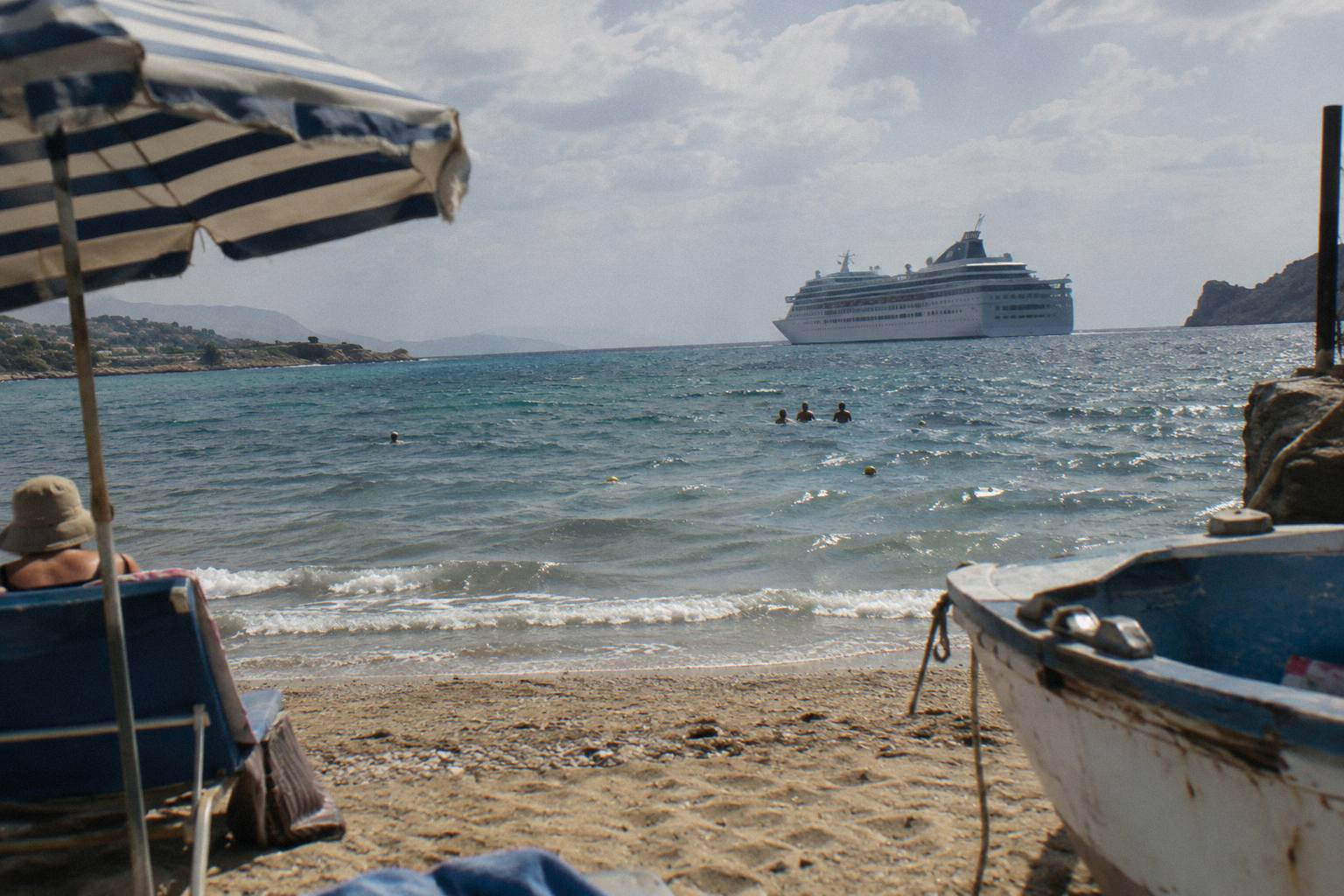
One structural cost point is worth flagging for comparison shoppers: some operators bundle more into the fare than others. Waves of Pride, for example, quotes from $1,609.40 per person covering fare, taxes and gratuities, with a separate entertainment fee of $149 to $199, a structure that makes its number more inclusive than a bare-cabin quote from another operator. When fares from different operators are compared, the basis of each number has to be checked, and a reader doing that comparison across several sailings can get it laid out side by side through the free consultation with no obligation.
| Budget line | What drives it | Notes |
|---|---|---|
| Charter cruise fare | Operator, cabin category, length | Atlantis interior $1,199-$1,799; VACAYA Med eclipse from $3,719; Olivia about $999 to $6,899+ |
| Inclusion structure varies | Some fares bundle taxes and gratuities | Waves of Pride quotes $1,609.40 covering fare, taxes, gratuities, plus $149-199 entertainment fee |
| Port-day transport | Town vs beach choice | Bus is the budget option; taxi in high season costs more and is scarce |
| Sold-out risk | Popular charters | 29 of 90 sailings listed show sold out or waitlist, including all 8 VACAYA trips |
How Does Greek Law Treat Gay Cruise Passengers?
Greece is one of the more legally secure countries a gay cruise can call at: same-sex relations have been legal since decriminalisation in 1951, civil unions have existed since 2015, and marriage has been legal since 2024. Public affection norms are broadly comparable to other southern European destinations. This matters because the alternative itineraries, and especially the Caribbean ones, include ports where the legal position is materially different.
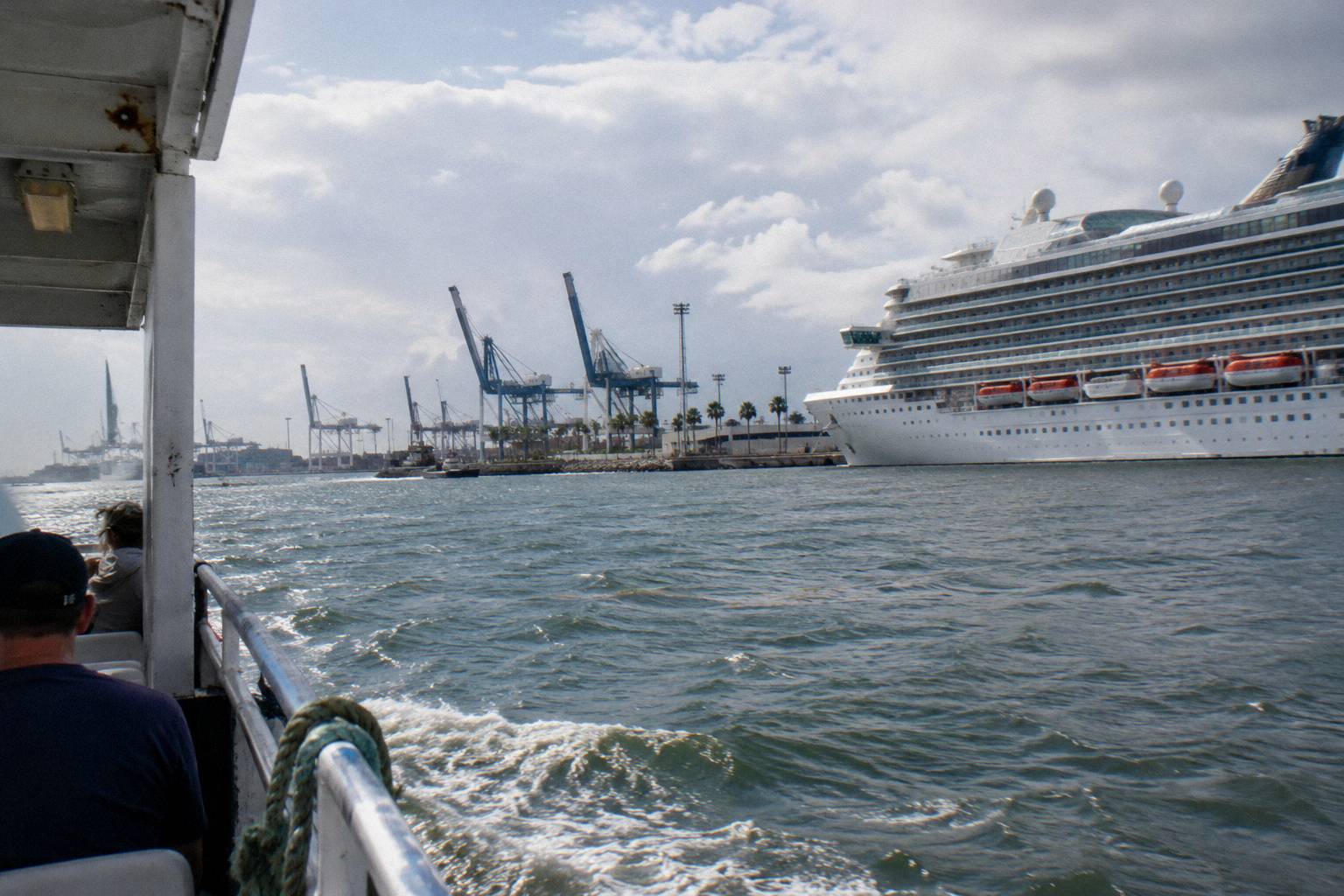
The contrast with parts of the Caribbean is stark and worth understanding before any itinerary is chosen. In Jamaica, male same-sex activity is illegal and carries penalties of up to ten years in prison, per the UK FCDO local laws guidance for Jamaica. The Bahamas legalised same-sex relations in 1991, with an age of consent of 18, per the FCDO's Bahamas local laws page. The FCDO also publishes local-laws pages for the Cayman Islands and Barbados. A reader deciding between an Aegean itinerary and a Caribbean one is choosing between two genuinely different legal environments.
| Country / territory | Same-sex relations | Marriage or partnership |
|---|---|---|
| Greece | Legal, decriminalised 1951 | Marriage legal since 2024; civil unions since 2015 |
| Italy | Legal | Civil unions legal; no marriage |
| Turkey | Legal, not explicitly outlawed; public-morality provisions may be used | not stated |
| Bahamas | Legal since 1991; age of consent 18 for same-sex | not stated |
| Jamaica | Criminalised; male same-sex activity illegal, up to 10 years prison | not stated |
| Cuba | Legal, decriminalised 1979 | Recognised |
The practical read for a Mykonos port day is that the legal backdrop should not constrain normal holiday behaviour any more than it would elsewhere in Greece. The UK FCDO and US State Department state the law; they do not publish behavioural guidance for visitors, so none is invented here. What can be said is that Mykonos specifically has a tourism economy built partly on LGBTQ+ visitors, which is not the case for every Greek port, let alone every Caribbean one.
For the wider Mediterranean picture, the neighbouring countries on the typical itineraries are also broadly secure: Italy recognises civil unions, and both Spain and Greece carry favourable entries. Morocco and Egypt, which appear on some longer Mediterranean and Red Sea itineraries, have no published entries here, and the honest advice there is that those port-law positions need checking individually before booking.
Is Mykonos Better On A Charter Sailing Or A Mainstream Ship?
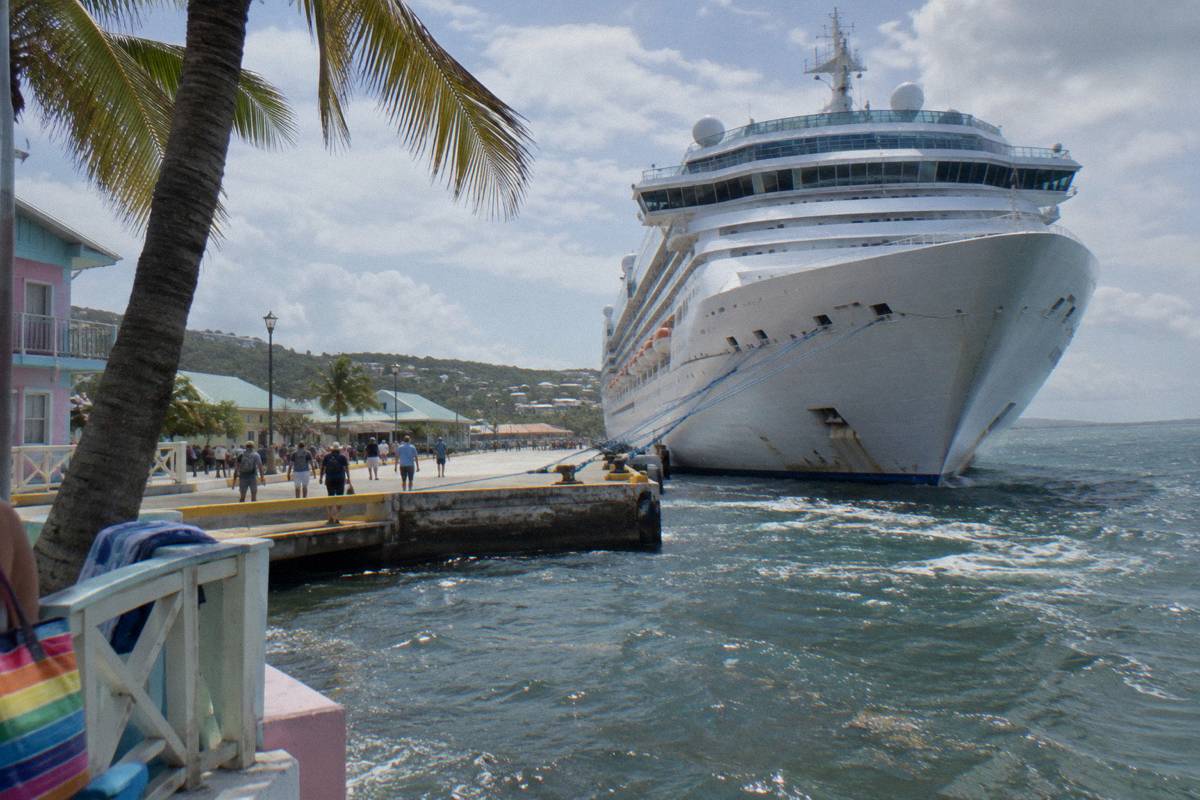
There is no single answer, because the two products deliver different port days: a charter puts thousands of LGBTQ+ fellow passengers ashore at once and turns Mykonos into a shared event, while a mainstream ship offers more itineraries, lower fares and a quieter day in the same town. The choice depends on whether the reader is buying the community or the destination.
The charter case is straightforward. Operators such as Atlantis Events, VACAYA, Big Gay Cruise and Brand g Vacations build their product around the group, and a Mykonos call during one of those sailings means the island's venues fill with people from the ship. The cost is fare level and availability: 29 of the 90 sailings listed already show sold out or waitlist, and all eight VACAYA trips are in that category, which pushes late bookers toward whichever charters still have space rather than whichever itinerary they ideally wanted.
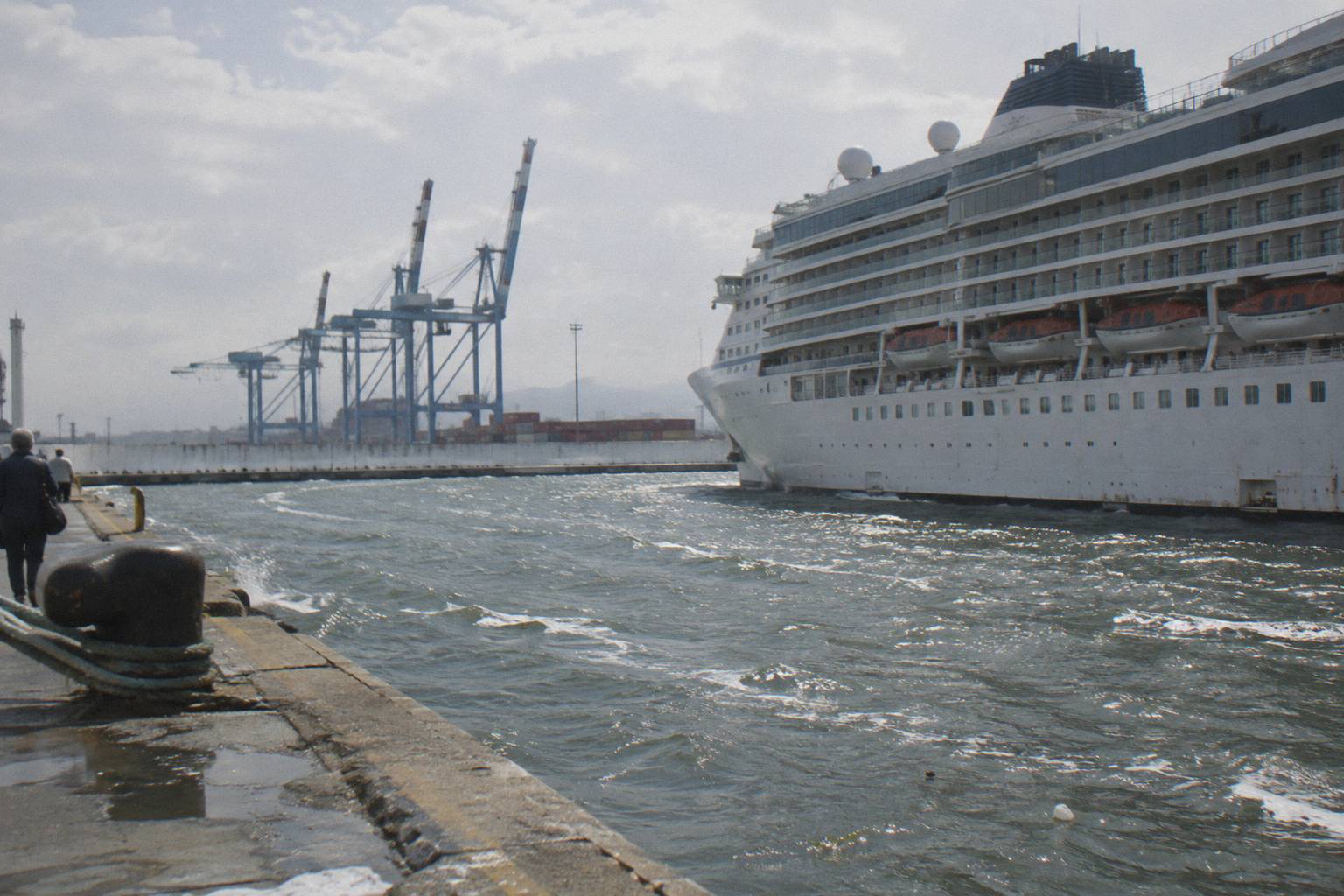
The mainstream case is equally real. A mainstream mega-ship such as Celebrity Beyond, carrying 3,260 guests, or Virgin Voyages' Valiant Lady and Scarlet Lady at 2,770 guests each, calls at ports across the Mediterranean with far more departure dates and fare levels than the charter calendar can offer. Virgin Voyages states on its own pages that pride is, in its words, a philosophy baked into its identity rather than a monthly celebration, and the line has hosted third-party LGBTQ+ charters historically, including an Atlantis charter on Scarlet Lady in 2020 and Waves of Pride on Resilient Lady in September 2026. A gay couple or solo traveller on a mainstream Virgin sailing gets an inclusive base product with the Aegean itinerary of their choosing.
The deciding factors are practical. If the sailing must call at Mykonos on specific dates, the mainstream calendar wins on volume. If the onboard community is the point and Mykonos is a bonus, the charter calendar wins on atmosphere, at the price of early booking. This is precisely the fork where a reader benefits from laying both calendars side by side with Gay Cruises as the starting point, and getting help matching a ship to the plan costs nothing through the site's consultation service.
Who Should Skip Mykonos As A Port Stop?
Mykonos is the wrong port for a reader whose priority is quiet, whose mobility makes tendering and hillside lanes difficult, or who wants a culture-heavy day, since the island's identity is beach and nightlife. It is also a poor fit in peak August for anyone averse to dense crowds, because the island's visitor load in high season is a central feature of the experience, not an occasional side effect.
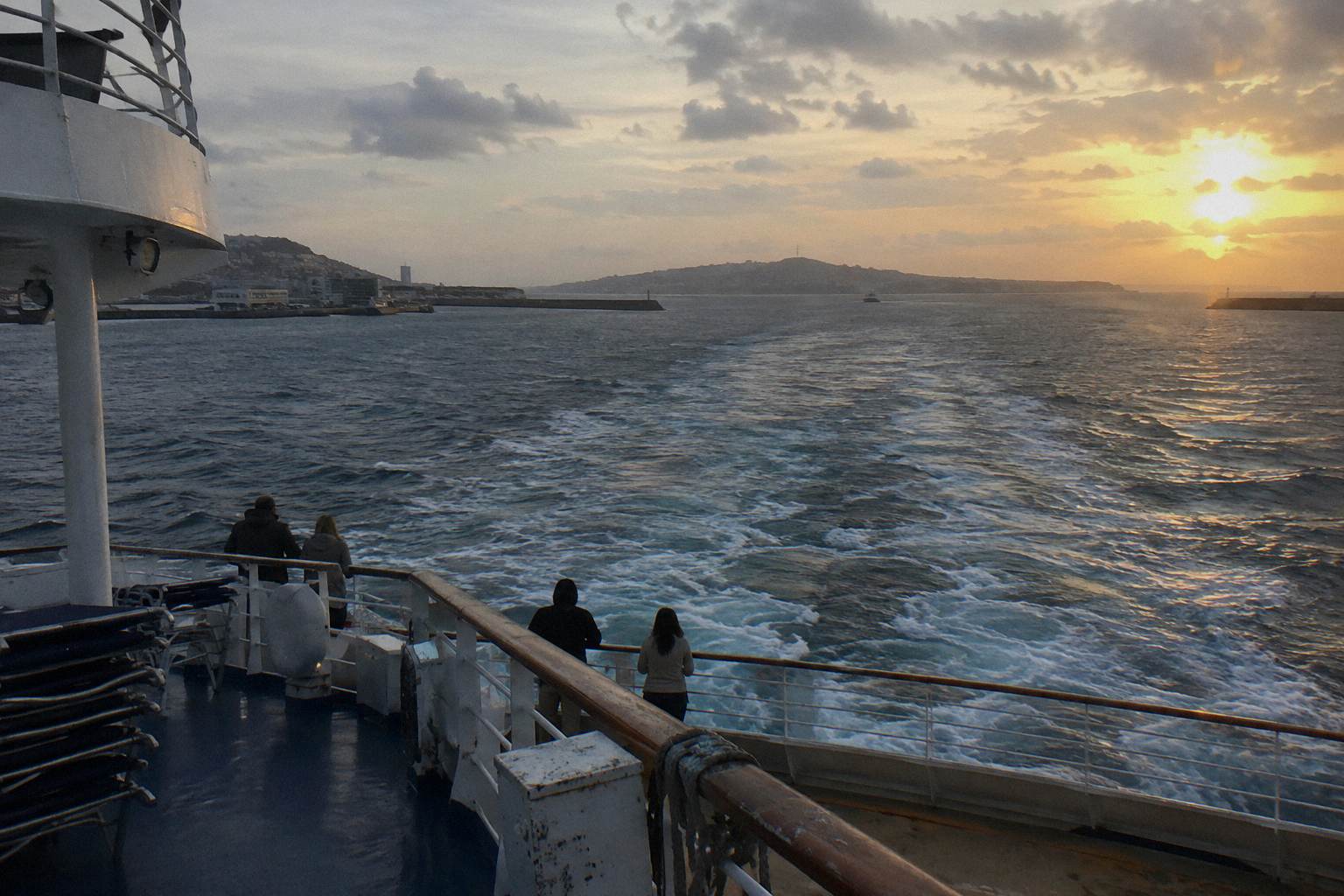
The tendering point deserves emphasis because it is the most common surprise. Passengers who find boat shuttles, standing queues or timed departures difficult may spend the call managing logistics rather than enjoying the island. Similarly, Chora's lanes are stepped, cobbled and unshaded in places, and the walk between the pier and the windmills includes inclines. None of this is unique to Mykonos among Greek ports, but the island compounds it with distance between the town and the beaches, which forces a choice rather than allowing everything.
Readers chasing history and archaeology are also better served elsewhere. The island's neighbour Delos, the sacred island a short boat trip away, carries the region's real antiquity, and some passengers choose that excursion over Mykonos itself. For a cruiser whose dream Aegean day is ruins, museums and a long lunch, other Greek ports deliver that more directly, and an itinerary can be selected accordingly.
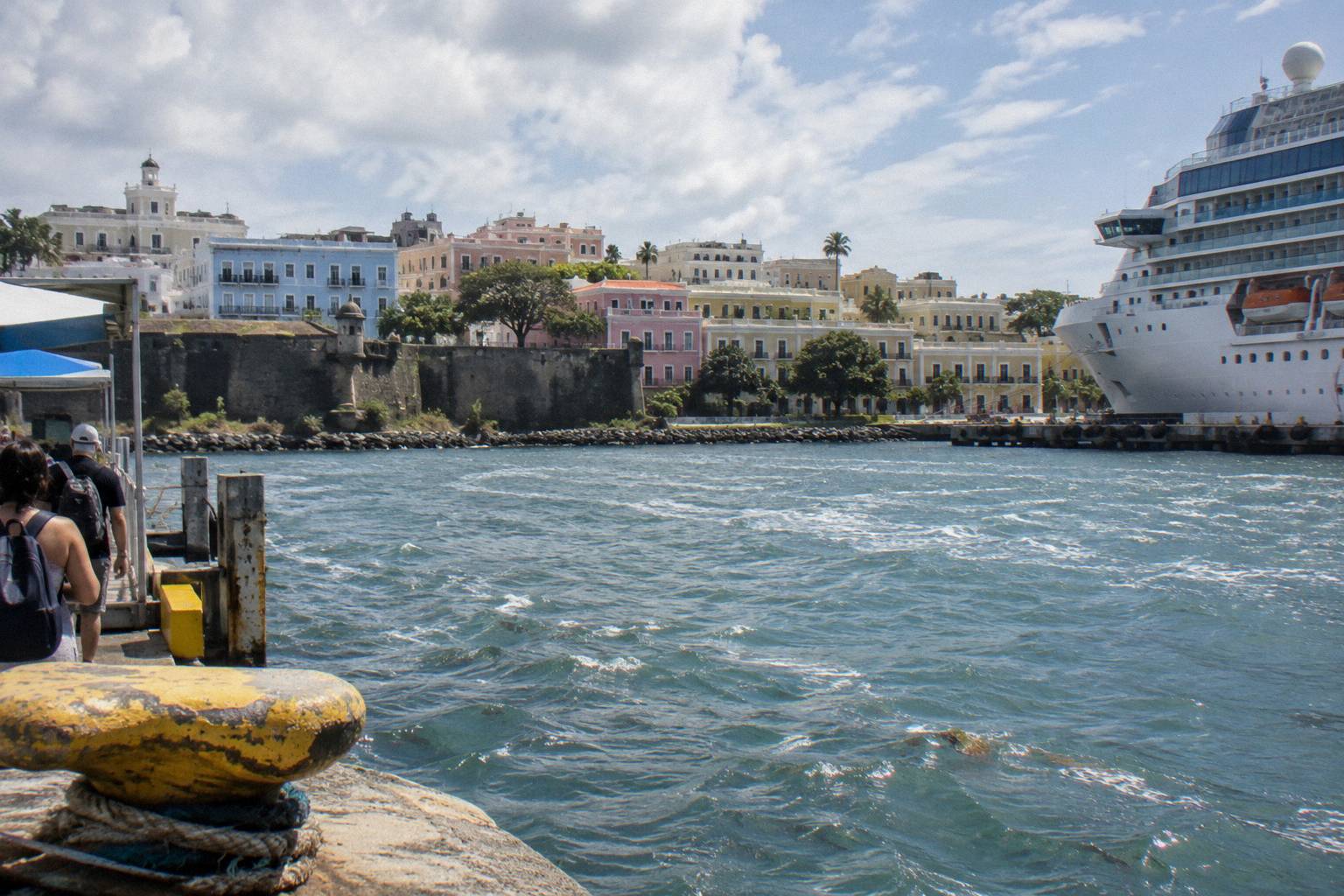
Finally, timing. The Aegean season concentrates into a few summer months, and Mykonos in July and August is busy to a degree that some travellers find genuinely unpleasant: beaches at capacity, roads congested, prices at their peak. Shoulder-season calls in late spring or early autumn deliver the same welcome with more room. A reader flexible on dates can use that, and asking which departures hit the shoulder weeks is a fair question for the free consultation before committing to dates.
Mistakes That Ruin A Mykonos Port Day
The recurring mistakes are all logistical: underestimating tender time, trying to combine the beaches and the town in one short call, misreading the all-aboard time as the last-boat time, and arriving without any plan for transport to the southern coast. Each one costs an hour or more of an eight-to-ten-hour call, and on a port day that short, hours are the entire product.
The first mistake is treating the port call as longer than it is. The published departure time is the ship's sailing time, not the passenger deadline, and the final tender typically leaves well before it. Passengers who plan backwards from sailing time rather than all-aboard time routinely end their day with an unplanned sprint, or worse.
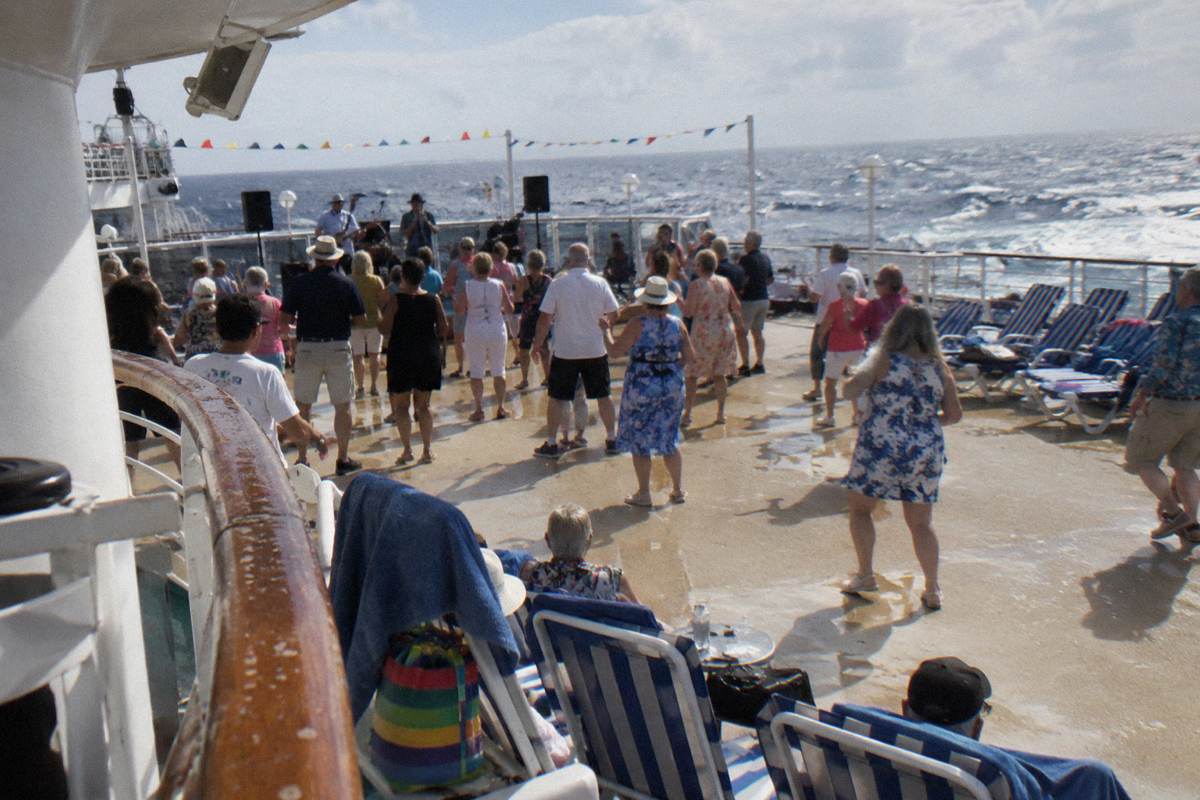
The second is the everything mistake. The southern beaches are a drive away; the town is at the pier. Trying to do a beach morning and a full town afternoon in a short call usually delivers a rushed version of both. The stronger plan picks one anchor, the beaches or Chora, and leaves the other for a future visit, and readers planning a whole itinerary around such calls can look at the 2027 gay cruise guide for how the calendars line up.
The third mistake is fare-based: comparing quotes with different inclusions as if they were like for like. The operator file shows fares quoted as bare cabin, as cabin plus taxes and gratuities, and in one case with a separate entertainment fee. A headline number that looks cheapest can be the least inclusive. Checking the basis of every quote, and getting help doing so when several sailings are in play, is what the consultation exists for.
Common Questions About Mykonos For Gay Cruise Passengers
Is Mykonos A Good Port For Gay Cruise Passengers?
For most, yes. The island has an established, visible LGBTQ+ scene, Greek law has been favourable since decriminalisation in 1951 with marriage legal since 2024, and the port sits close to the town's bars and beaches. The main limitations are short call times, tendering logistics and peak-season crowds.
Is same-sex marriage legal in Greece?
Yes. Civil unions have been legal in Greece since 2015 and marriage has been legal since 2024. Same-sex relations were decriminalised in 1951.
Do cruise ships dock in Mykonos or tender?
Many ships tender passengers ashore rather than docking alongside, which adds queue time at the start and end of the day. Passengers should plan backwards from the all-aboard time, not the sailing time, because the last tender leaves earlier.
Which operators run Mediterranean gay cruise sailings?
Atlantis Events runs current 7-9 night sailings with interiors from $1,199 to $1,799 per person, and VACAYA has had Mediterranean programming, with an eclipse cruise listed from $3,719. Brand g Vacations and Olivia Travel also carry Mediterranean and European sailings among their announced trips.
How far are Mykonos' gay beaches from the cruise port?
The southern-coast beaches associated with the island's gay scene sit a taxi or bus ride away from the port area. The town's bars and the windmills, by contrast, are within a short walk of where passengers come ashore.
Is a Mykonos port day expensive?
Mykonos has a premium reputation, and waterfront tables and beach clubs are priced accordingly. A cheaper day is entirely possible by staying in town, eating a street or two back from the waterfront and using the local bus rather than taxis.
More Questions Answered
 Straight On A Gay CruiseWho is actually welcome on a gay cruise, operator by operator, and how to be a good ally guest.Read the answer
 What Happens On BoardThe rundown of a gay cruise: who sails, what a day looks like, costs and rules.Read the answer
 Average Age On BoardNo operator publishes a passenger age average; audience, price and itinerary reveal who each sailing actually draws.Read the answer
 Gay Passenger NumbersWhich ships actually carry the most gay passengers? Charter capacity, not demographics, holds the answer.Read the answer