How Do Gay Cruise Charters Get Their Ships?
Gay cruise charters do not own their ships. They rent entire vessels from mainstream lines, rewrite the entertainment, the passenger list and often the dress codes, and sell you the cabin at a markup that funds the party.
This page sits in Questions Answered, the hub for pre-booking questions about LGBTQ+ cruise travel.
Quick Facts
| Fact | Detail |
|---|---|
| Oldest active charterer | GaySail, founded 1985; RSVP Vacations also founded 1985 |
| Largest active charterer | Atlantis Events, founded 1991 |
| Charter and group sailings tracked | 90 across 11 operators |
| Sold out or waitlisted | 29 of those 90 sailings |
| Widest price span, one operator | Out Adventures, $7,495 to $22,585 per person |
| River and expedition end | Brand g Vacations up to $22,300 per person, lowest cabin |
| Charter sailing window tracked | November 2026 to December 2028 |
| Mainstream lines hosting LGBTQ+ charters | Virgin Voyages among those named on its own page |
How Do Gay Cruise Charters Get Their Ships?
Almost every gay cruise charter begins with a phone call to a mainstream cruise line, not with a ship purchase. Charter companies approach lines such as Virgin Voyages, Holland America Line or Royal Caribbean, negotiate to rent the entire vessel for one sailing, and take over the full cabin inventory. The line keeps the crew, the hull and the safety obligations. The charter company keeps the guest list, the parties and the brand on the marquee. That division of labour is the entire business model, and it explains nearly everything about how these sailings look and price. Understanding it also explains why the same physical ship can feel like two different holidays depending on who chartered it that week.
The mechanics are closer to renting a venue than to running an airline. A charterer such as Atlantis Events, which has operated since 1991, agrees with the line on a fee covering the whole ship for a fixed dates window. The line's own site is where the base product lives: the cabin categories, the dining rooms, the crew ratios. What the charterer buys is exclusive use. Once the agreement is signed, the sailing disappears from the line's retail calendar and reappears on the charterer's calendar under its own name.
Why do the lines agree? Because a full-ship charter transfers risk. The charterer guarantees revenue for that sailing whether 1,000 or 3,000 guests book. Virgin Voyages says on its own page that inclusivity is "baked into our identity", and the line has hosted multiple third-party LGBTQ+ charters: an Atlantis Events charter historically on Scarlet Lady, Waves of Pride on Resilient Lady in September 2026, Sapphic Sail on Scarlet Lady across 2026-2027 sailings, and Odyssey Pride in October and November 2026. A line that welcomes charters fills its ships with zero marketing spend of its own. If you are weighing which of these sailings fits you, a free consultation can narrow it down before you commit to a fare.
Who Actually Charters These Ships?
The charter market is run by a small set of specialist travel companies, each with its own audience and its own fleet relationships. Atlantis Events, founded in 1991, charters for gay men. Olivia Travel charters for LGBTQ+ women. VACAYA, founded 2017, serves a mixed LGBTQ+ crowd. Brand g Vacations, founded 2011, focuses on LGBT+ luxury river and expedition sailings. Around 11 operators account for the 90 charter and group sailings currently tracked between November 2026 and December 2028. None of them owns a cruise ship outright; all of them are renters with strong supplier relationships.
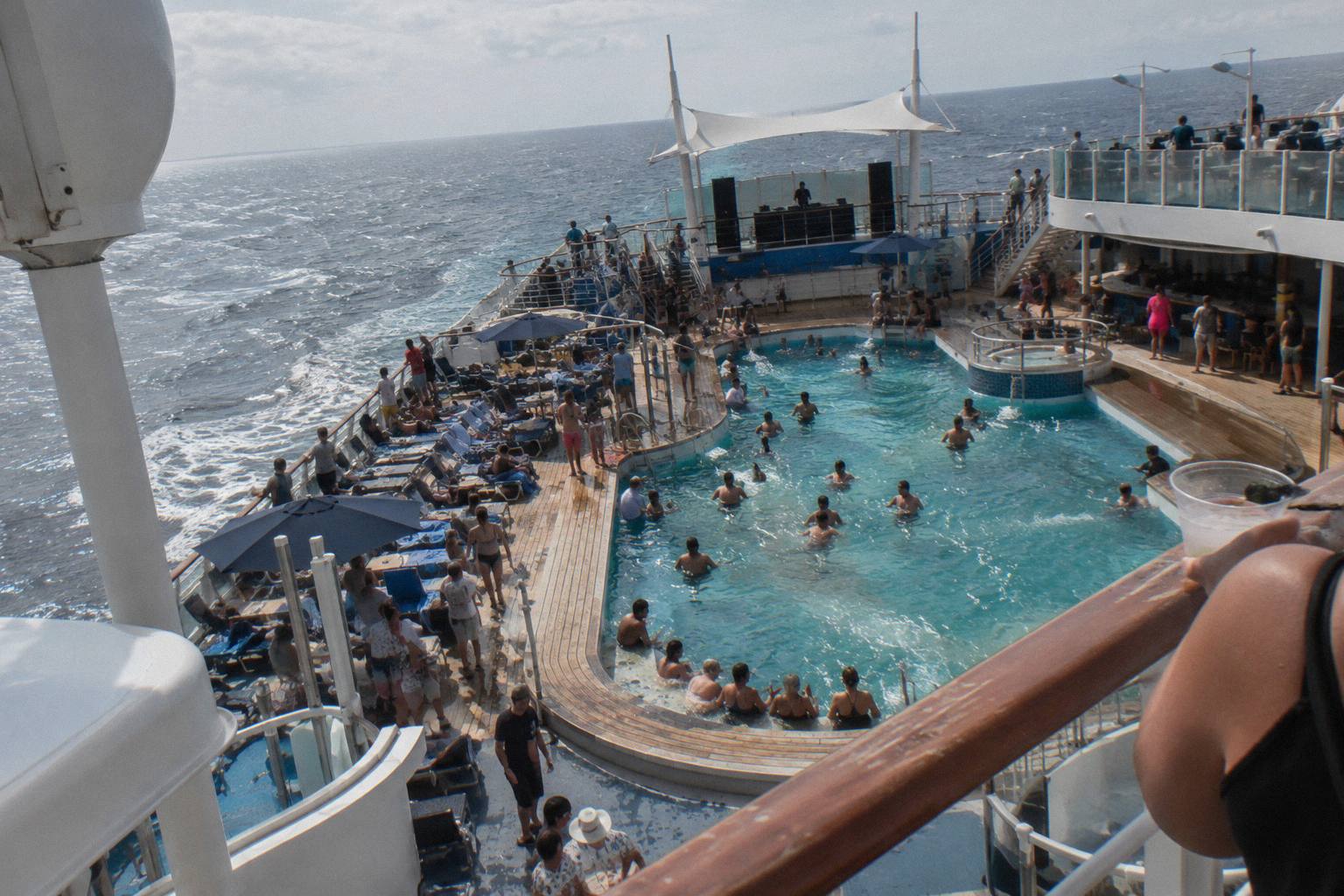
The audience split matters because it drives which ships get chartered. A men's nightlife-oriented brand such as Tryst Cruises wants big tonnage with large open decks and theatres. Olivia Travel, with 19 announced sailings from December 2026 to May 2028, spreads across mainstream ships and smaller vessels, with per-person prices from about $999 for a Holland America Line interior to $6,899 and up for river and expedition product. RSVP Vacations, founded in 1985 and historically mixed gay men and women, is one of the oldest names in the model.
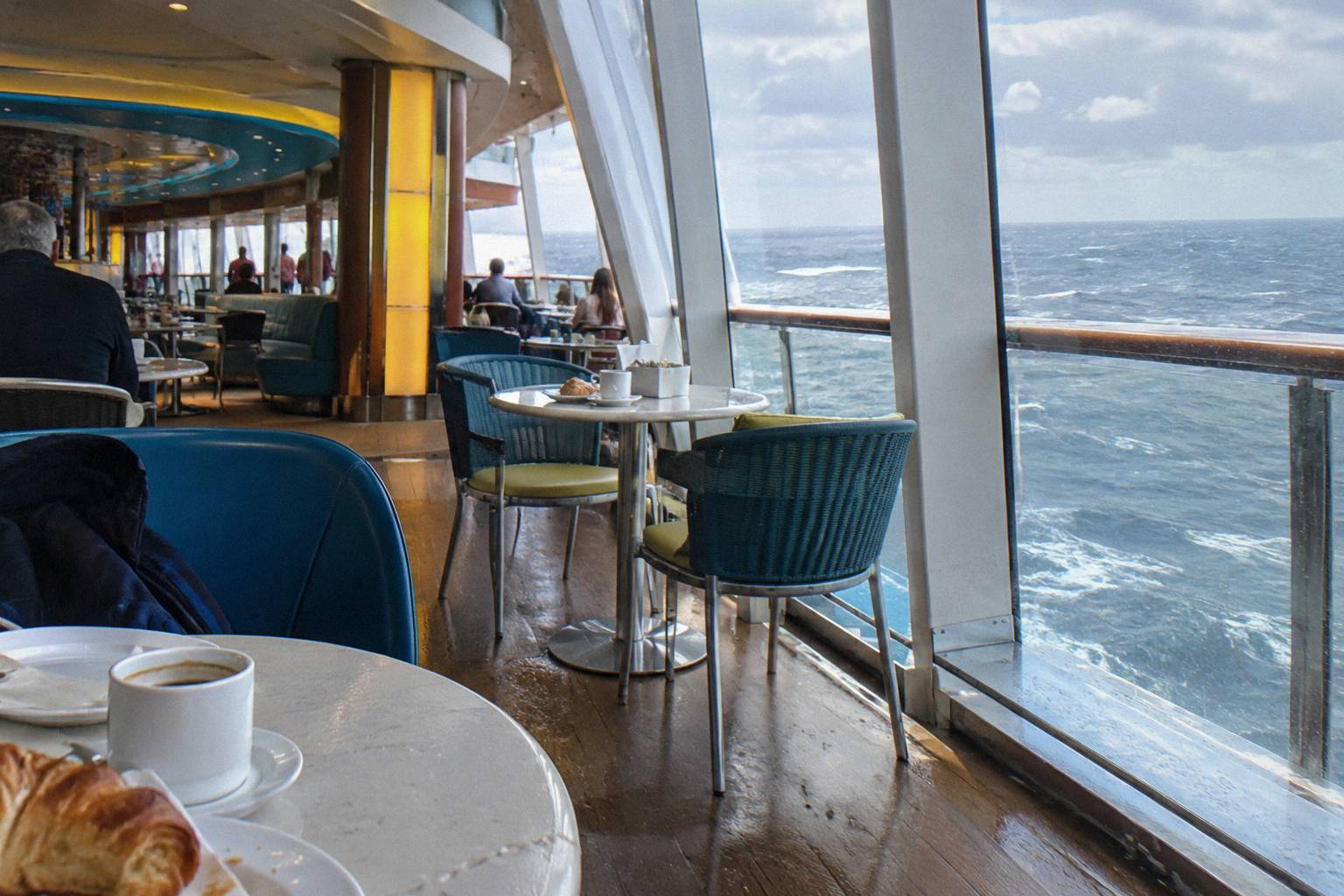
Not every operator is a pure charterer. KelliGregg Travel and R Family Vacations, founded 2003, run group blocks with kids programming rather than always taking a whole ship. Pied Piper Travel is an agency organising LGBTQ+ group cruises. The distinction between a full-ship charter and a large group block is invisible to most guests but significant to the operator: on a group block, the rest of the ship is the line's regular passengers. That is why reading an operator's own description of its sailing matters more than recognising the ship name in the brochure.
| Operator | Audience | Founded | Announced upcoming sailings |
|---|---|---|---|
| Atlantis Events | Gay men, women welcome | 1991 | 6 |
| Olivia Travel | LGBTQ+ women | Not published | 19 |
| VACAYA | Mixed LGBTQ+ | 2017 | 8 |
| Brand g Vacations | LGBT+, mixed | 2011 | 24 |
| BearCruise | Bears and admirers | Not published | 6 |
| KelliGregg / R Family | LGBTQ+ families and allies | 2003 | 13 |
| Out Adventures | Gay men / LGBTQ+ | 2009 | 2 |
| Source Journeys | LGBTQ+ luxury | 2001 | 3 |
The dates in the table tell a story of successive waves. RSVP Vacations came first in 1985, followed by Source Journeys in 2001, R Family Vacations in 2003, Out Adventures in 2009, Brand g Vacations in 2011, and VACAYA in 2017. In other words, more than half of the operators listed launched within a single decade and a half, which suggests the model became reliably profitable enough to keep attracting new entrants well after the pioneers had proven it. Notably, two operators in the table, Olivia Travel and BearCruise, do not publish founding dates, so longevity in this market is not always something companies advertise.
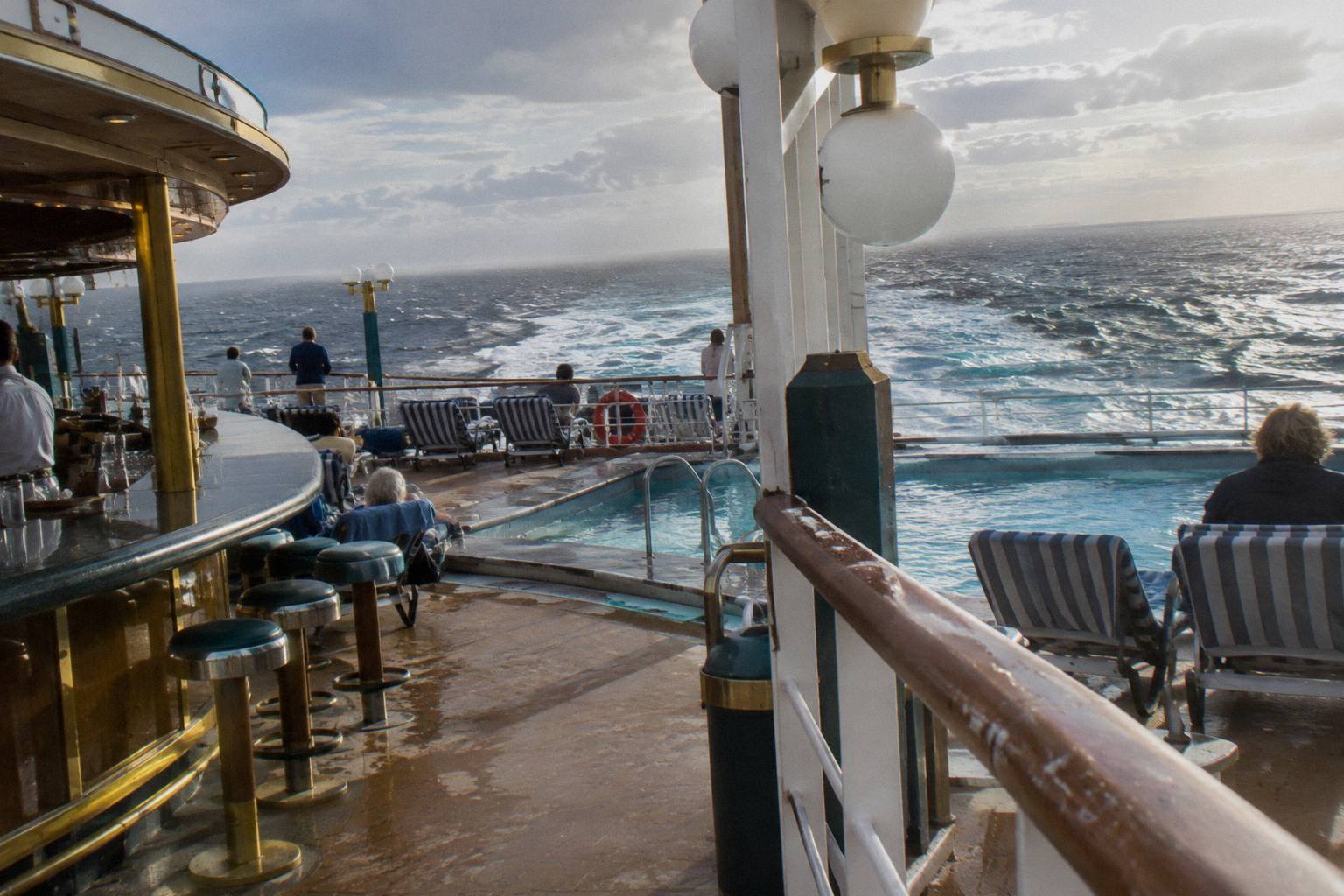
The sailing counts are just as uneven as the founding years. Brand g Vacations leads the table with 24 announced upcoming sailings, followed by Olivia Travel at 19 and KelliGregg and R Family at 13. At the other end, Out Adventures shows just 2 and Source Journeys just 3. That spread tracks closely with product type: the river and expedition specialist and the women's charterer, both of whom work with smaller vessels, can announce far more departures than operators who need to fill an entire large cruise ship. Filling big tonnage is a slower, heavier commitment.
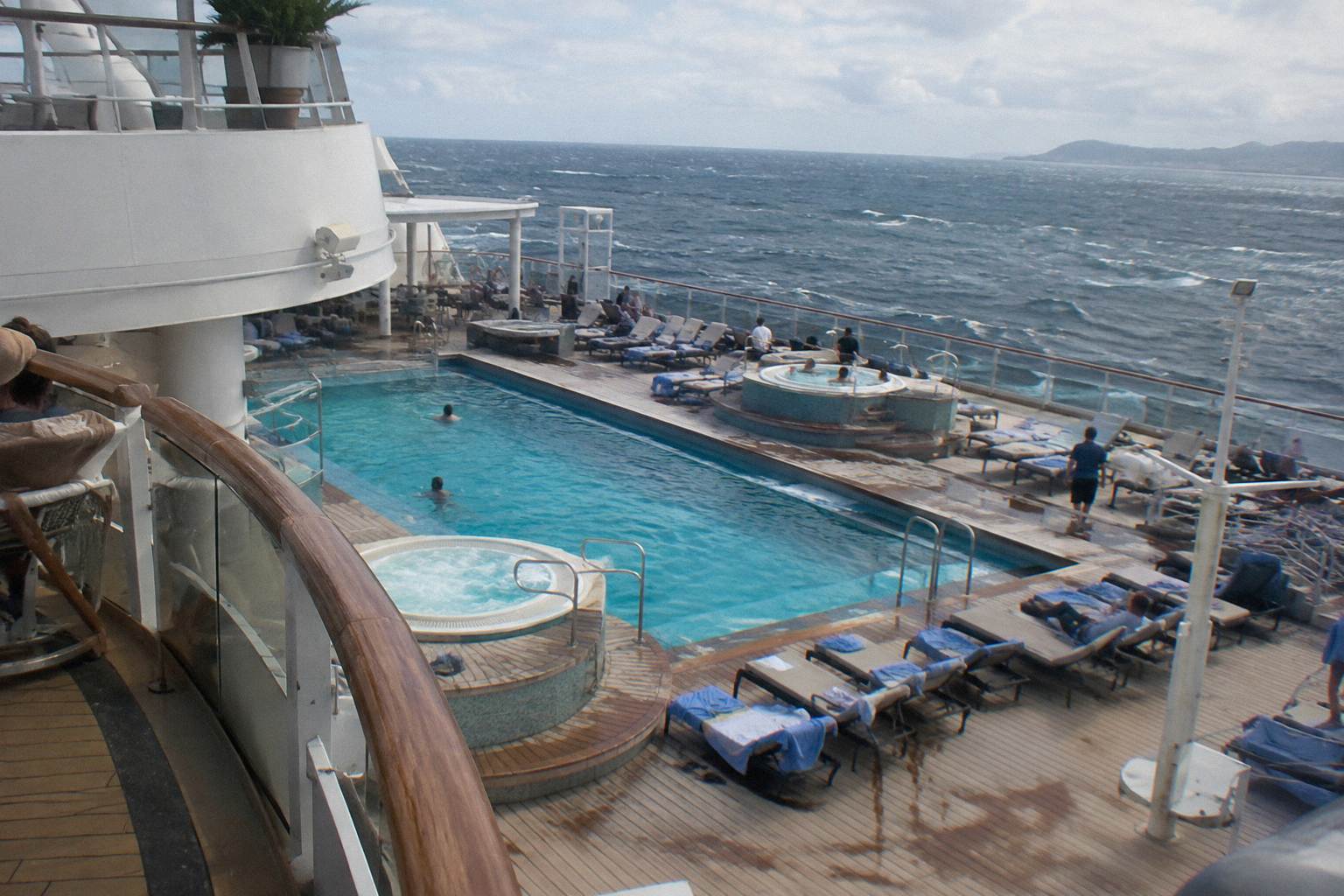
The audience labels also explain some of the overlap. Atlantis Events is listed as "gay men, women welcome," while VACAYA is mixed LGBTQ+ and KelliGregg and R Family serve LGBTQ+ families and allies. These are not identical markets, and that is precisely the point: with around 11 operators sharing 90 tracked sailings across roughly two years, each one carves out a niche by audience, by product style, or by both, rather than competing head to head for the same guest on the same ship.
How A Charter Deal Is Put Together?
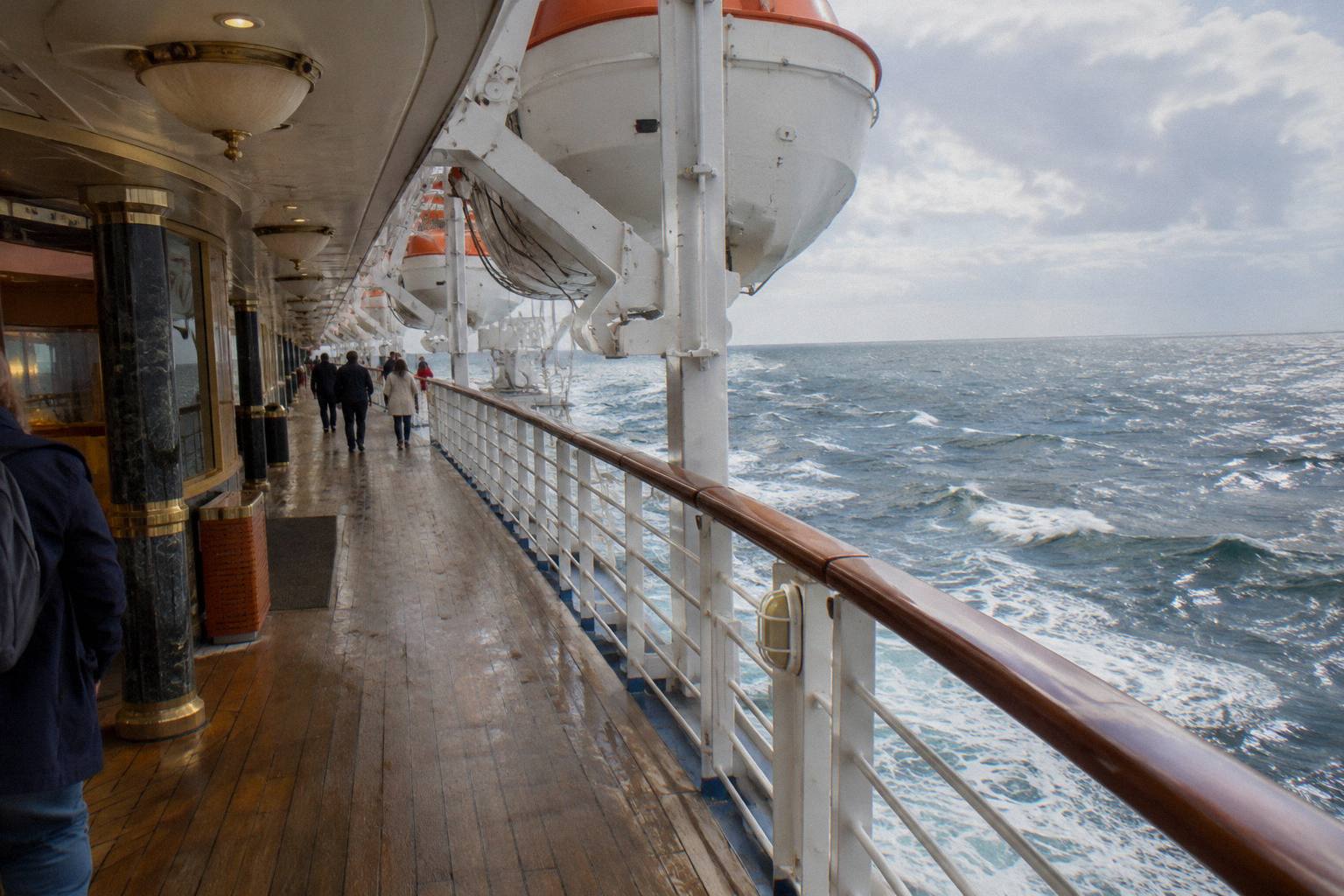
A charter deal typically locks the dates, the ship, the full cabin inventory and an agreed entertainment scope, months or years before a single cabin is sold. The charterer pays the line a guaranteed amount, assumes the selling risk, then rebuilds the voyage: its own entertainers, its own theme nights, its own shore program and its own cancellation terms. Guests book with the charterer, not the line, and the line's crew simply delivers the ship. The long lead time explains why 2028 sailings are already on sale while some 2026 departures show sold out or waitlisted.
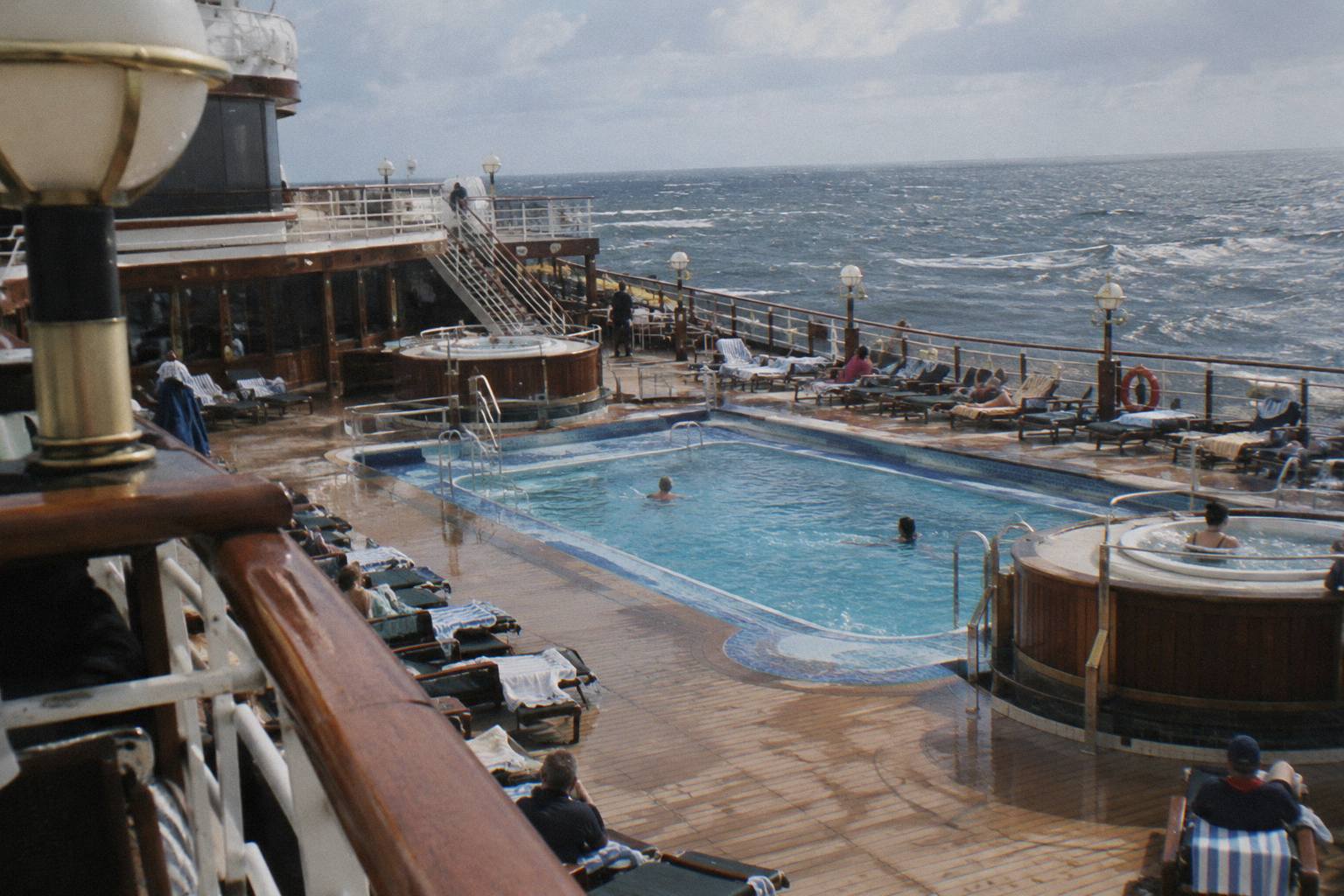
Timing drives everything. The tracked calendar shows VACAYA sailings from December 2026 to December 2028, Brand g Vacations from April 2027 to October 2028, and Source Journeys concentrated in mid to late 2028. Charters are placed where the line has slack capacity, which is why you see odd dates, shoulder-season departures and repositioning routes rather than Christmas week on the newest ship. That is also where the value hides for the guest: a repositioning charter often visits ports the regular schedule skips.
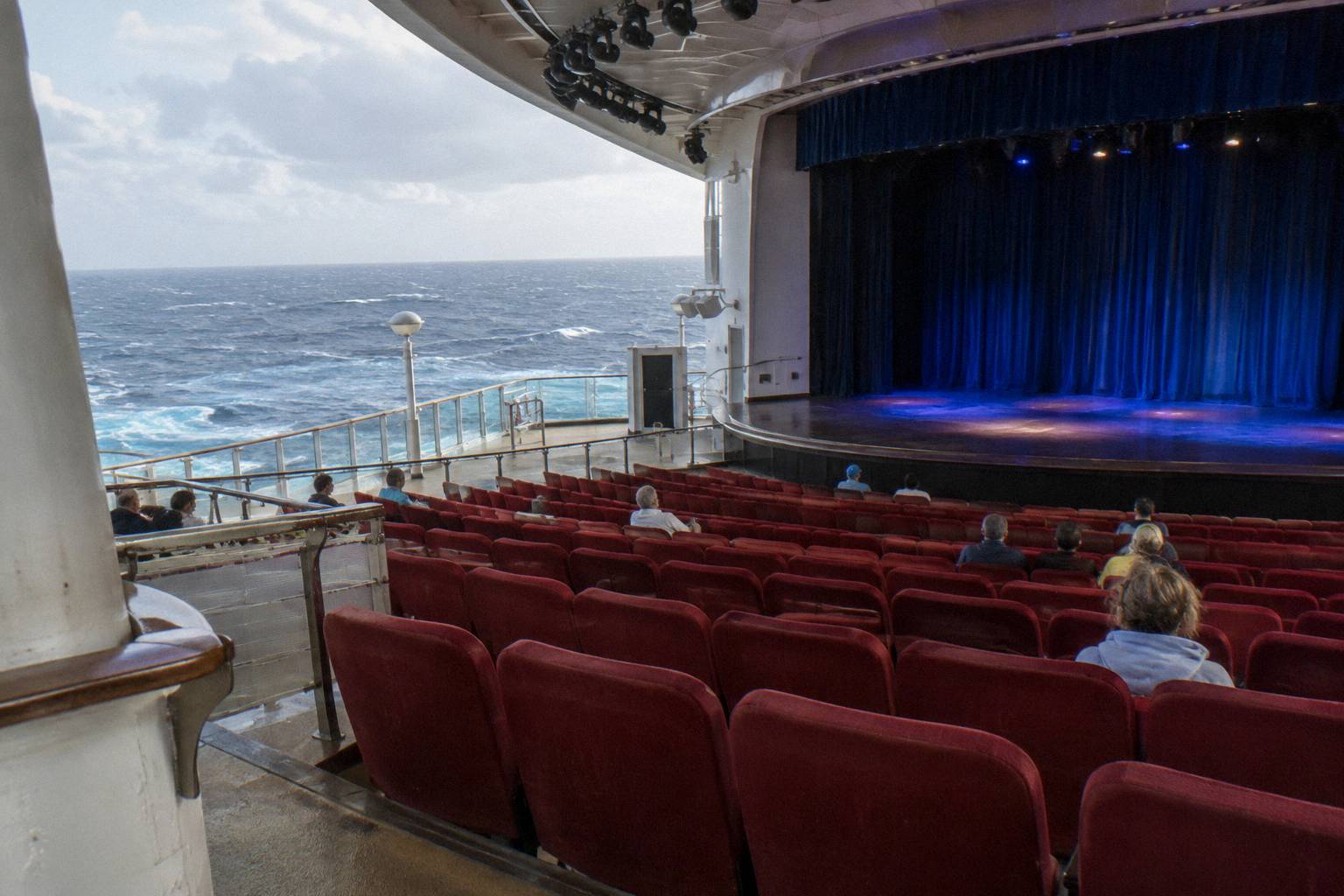
The entertainment rebuild is the expensive part. The line's standard shows are replaced or supplemented by the charterer's own lineup, which is why entertainers are a headline feature of brands like Atlantis; the Atlantis entertainer lineup is a selling point in itself. Some operators charge this separately: Waves of Pride prices from $1,609.40 covering fare, taxes and gratuities, with a separate $149 to $199 entertainment fee. That structure, a low base fare plus an explicit entertainment charge, is a direct echo of how the charter deal itself is costed.
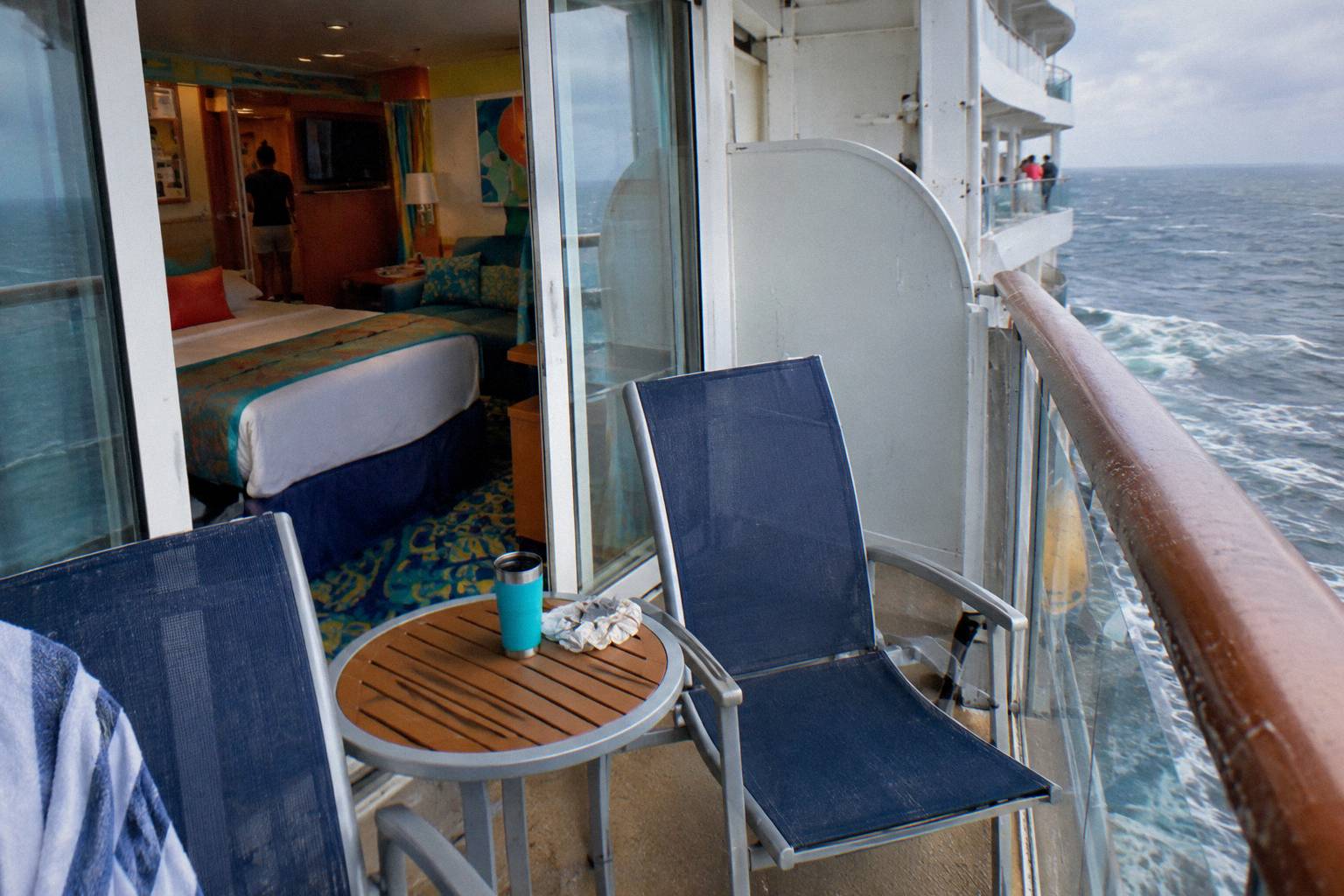
Risk sits with the charterer, and that is why cabins can vanish. Of the 90 tracked sailings, 29 already show sold out or waitlist, including all 8 VACAYA departures and 10 of Olivia's 19. When a charterer underprices and fills early, there is no second ship to add. That scarcity is worth discussing with someone who watches the calendar; a quick free consultation call can flag which dates are near capacity.
Which Ships Get Chartered, And Why?
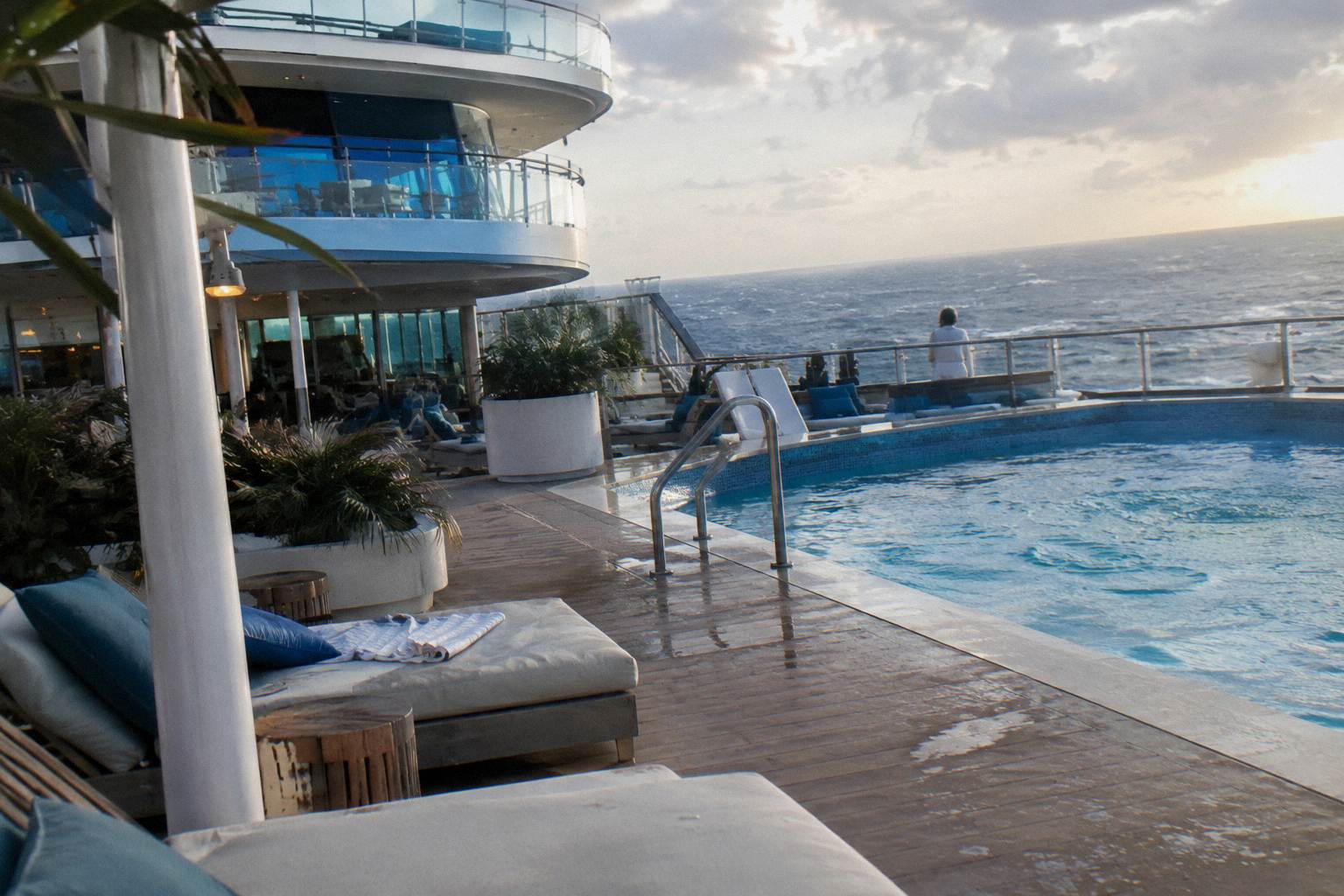
Charters run the full size range: mega ships, expedition vessels and small river ships. The choice follows the audience. Nightlife and scale favour mega ships like Scarlet Lady or Valiant Lady, each carrying 2,770 guests. Luxury and destination focus favour expedition ships like World Navigator or World Traveller. Smaller crowds suit river boats like Delfin III or Amadeus Aurea. There is no single gay cruise ship, only ships rented for a week or two at a time by whichever operator matches that audience.
At the top end, Virgin Voyages ships are repeat hosts, with Scarlet Lady built in 2020 and Valiant Lady carrying 2,770 guests each. Celebrity Beyond, built in 2022 with room for 3,260 guests, represents the newest mega-ship tier a charterer can rent. Allure of the Seas, built 2010, shows that lines will charter even their biggest tonnage. These ships give a charterer thousands of cabins to sell, multiple theatres and deck space for pool parties, which is the arithmetic behind the large mixed-audience brands. More of these guides are collected on Gay Cruises.
| Ship | Type | Guests | Built | Charter operators | Embarks from |
|---|---|---|---|---|---|
| Delfin IIIDelfin Amazon Cruises | River Ship | 44 | – | Brand g Vacations | – |
| Valiant LadyVirgin Voyages | Mega Ship | 2,770 | 2021 | Atlantis Events, BearCruise | San Juan, Barcelona |
| World NavigatorAtlas Ocean Voyages | Expedition Ship | 200 | 2021 | KelliGregg Travel / R Family Vacations | Oslo, London, Copenhagen |
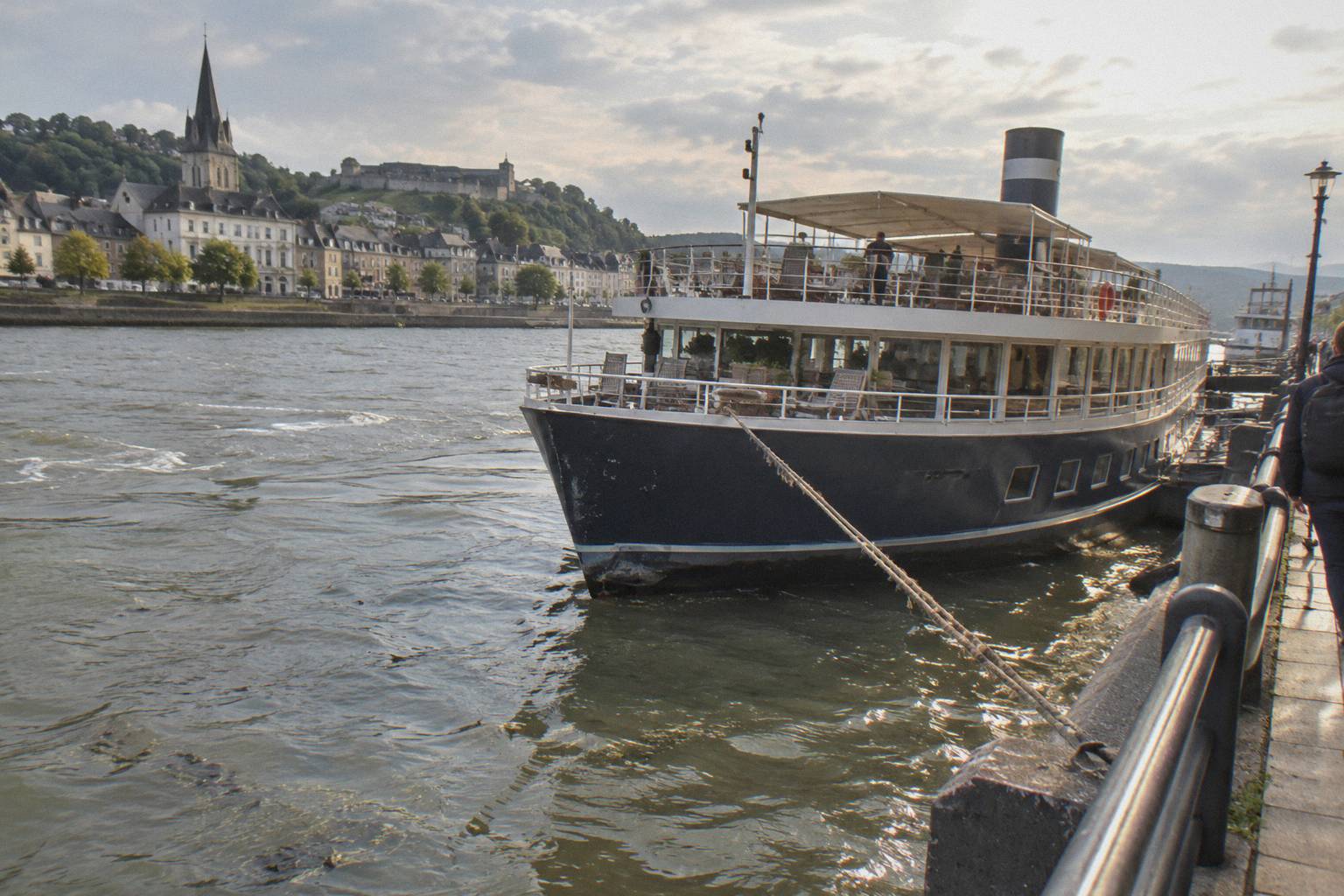
At the small end, the model works differently. River ships and expedition vessels carry a fraction of the guests, so charters of them behave more like private group trips. The Delfin III, a Delfin Amazon Cruises river ship, is the kind of vessel a luxury operator rents for an all-inclusive destination-first itinerary; our companion guide covers the Delfin III in detail for anyone drawn to the Amazon. Atlas Ocean Voyages' World Navigator and World Traveller sit in the expedition tier, where the landing and wildlife program, not the nightclub, is the product.
What Does Chartering Cost You Compared To A Regular Cruise?
Charter fares run higher than the same ship's standard sailings because you are funding exclusive programming, and the spread is wide: Atlantis lists interior cabins from $1,199 to $1,799 on current 7-9 night sailings; Out Adventures runs $7,495 to $22,585; Brand g Vacations runs about $4,900 on the Rhine up to $22,300 for luxury Philippines, Taiwan and Japan itineraries, per person in the lowest cabin. The baseline is set by the charter fee, not by what the line would have charged retail.
Read those numbers as the lowest category, per person, as the operator wrote them. VACAYA shows a similar spread, about $3,700 to $12,500 and up: a Mediterranean eclipse cruise from $3,719, Madagascar to Seychelles from $12,537, Polynesia from $6,330, with all 2026-2028 trips sold out. Source Journeys lists roughly $6,900 to $13,900. Olivia's range of about $999 to $6,899 and up shows that the model is not always expensive; a mainstream-ship interior on a shorter sailing can undercut plenty of regular cruises.
| Operator | Price basis | Per person, lowest cabin |
|---|---|---|
| Atlantis Events | 7-9 night current sailings, interior | $1,199 to $1,799 |
| Olivia Travel | HAL interior to river and expedition | About $999 to $6,899+ |
| VACAYA | 2026-2028 trips, all sold out | About $3,719 to $12,537+ |
| Brand g Vacations | Rhine to Philippines/Taiwan/Japan | About $4,900 to $22,300 |
| Out Adventures | Baja to Antarctica | $7,495 to $22,585 |
| Waves of Pride | Fare, taxes, gratuities, plus $149-199 fee | From $1,609.40 |
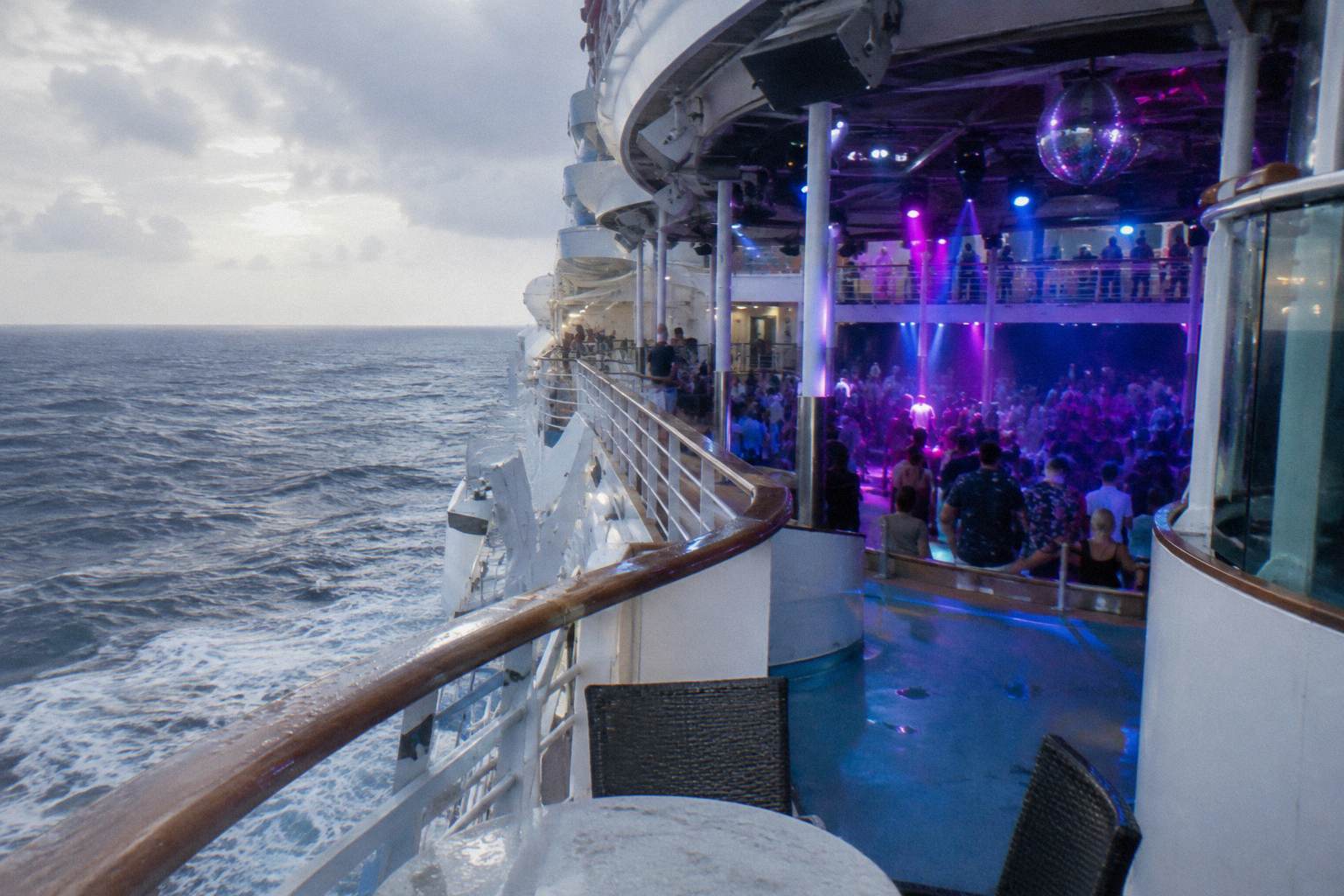
What the markup buys depends on the brand. On a mega-ship charter it buys headline entertainers, themed parties across every deck and a passenger list that is entirely the community. On a river or expedition charter it buys a private group, curated excursions and a leader who curated the route. Neither is "better"; they are different products sharing one mechanism. Our charter comparison guide breaks the trade-offs down operator by operator.
What Changes When A Ship Is Chartered?
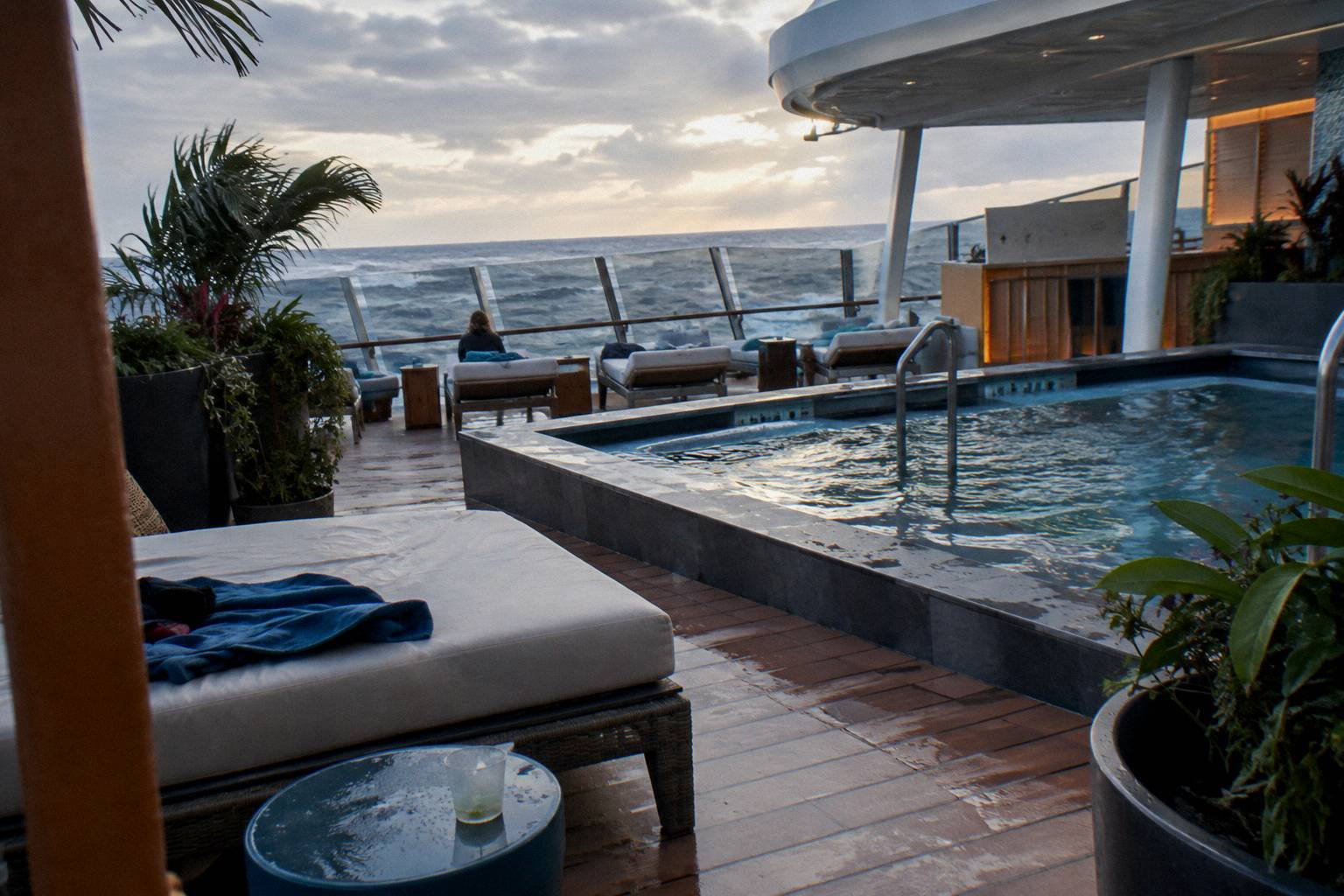
The hardware stays the line's and the software becomes the charterer's: same cabins, same crew, same safety regime, but different entertainment, different theme nights, different dress codes and a completely different crowd. On a full-ship charter the entire guest list booked through the LGBTQ+ operator, which changes the social atmosphere of every bar, pool and restaurant aboard. Group-block sailings change less, because regular passengers share the ship. Knowing which of the two you are buying is the single most useful pre-booking question.
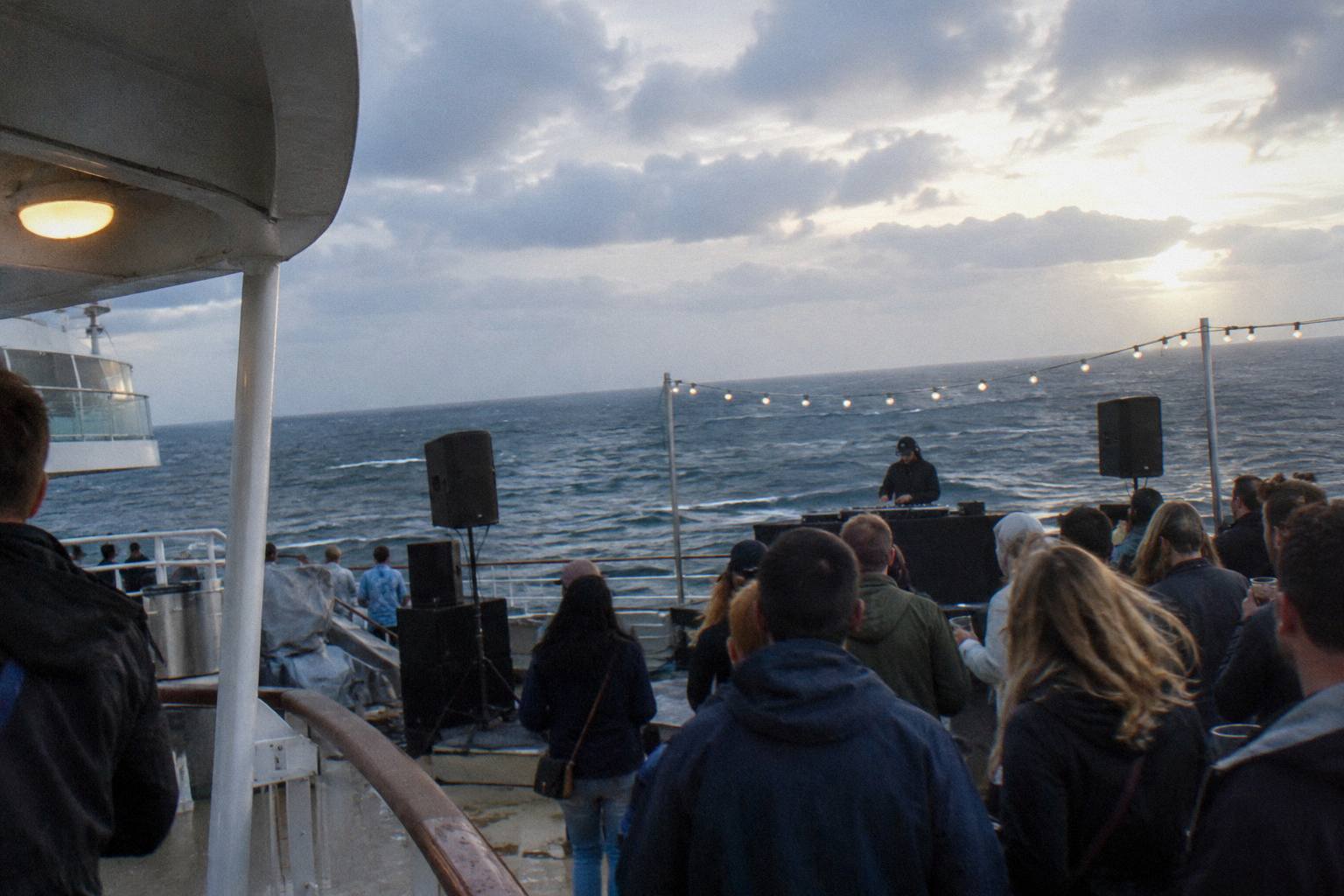
Booking logistics change too. Your confirmation, payment schedule and cancellation terms come from the charterer, not the line, and the line's own loyalty program generally does not apply. The cabin categories are the ship's real categories, so an interior on Valiant Lady is the same interior either way, but the price and the inclusions are set by whoever rented the ship. If something goes wrong before departure, your contract is with the charter company, which is why operator track record matters as much as ship choice.
The onboard rules also shift with the charterer. Dress codes, deck events and theme nights are set by the brand, and each operator publishes its own policies for its sailings. Questions about what actually happens aboard, including the ones people quietly search for, are answered factually in what happens on a gay cruise, sourced only from what operators themselves publish.
Who Is A Charter Sailing Not For?
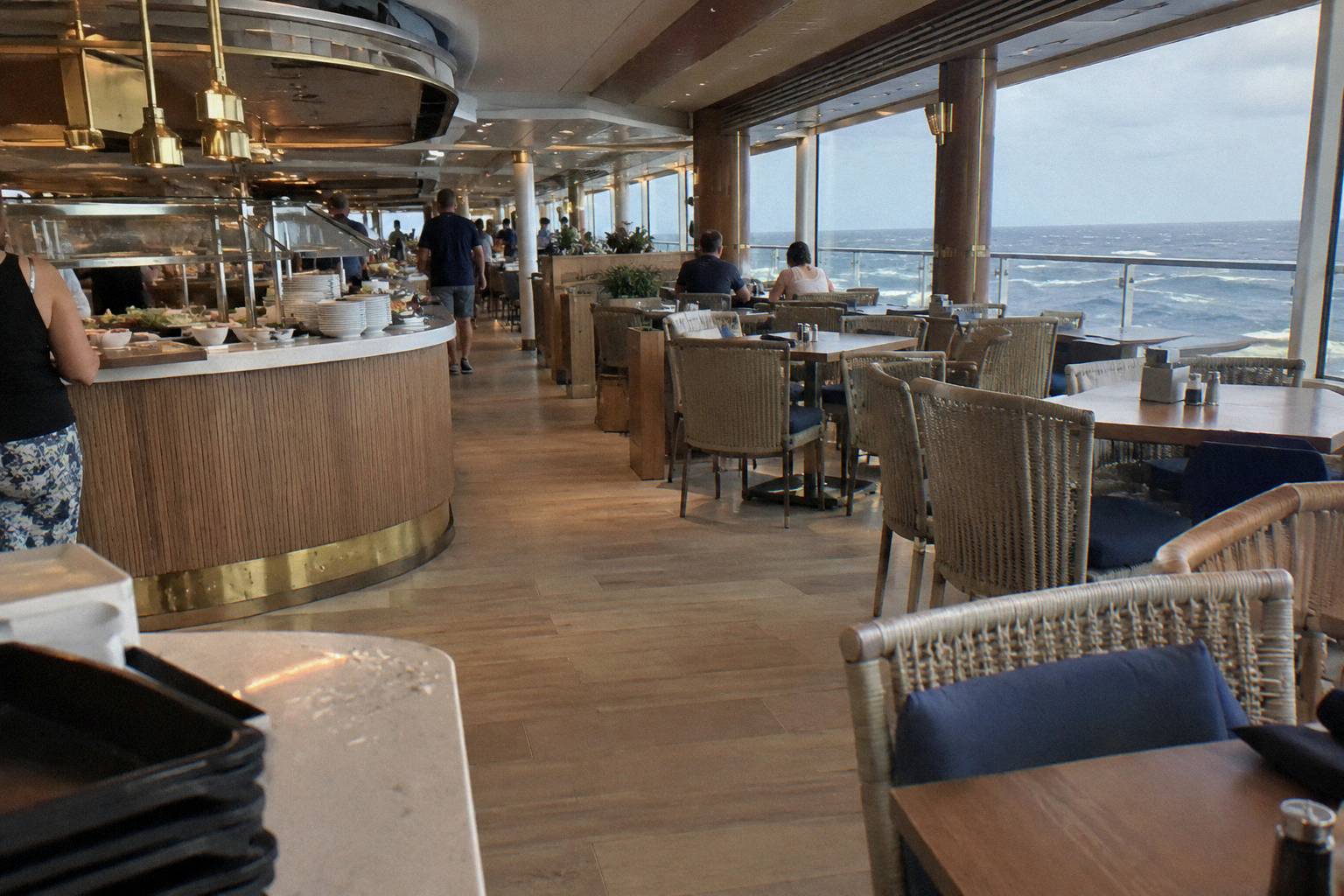
A full-ship charter is the wrong product for a traveller who wants a quiet mainstream cruise, wants to use line loyalty status, or needs flexible rebooking terms, because the charterer controls the inventory and sets its own rules. It is also a poor fit for anyone who dislikes crowds and programmed entertainment at the mega-ship end, though the river and expedition end of the market is small-ship by nature. The mechanism serves a specific traveller, and it is honest to say so.
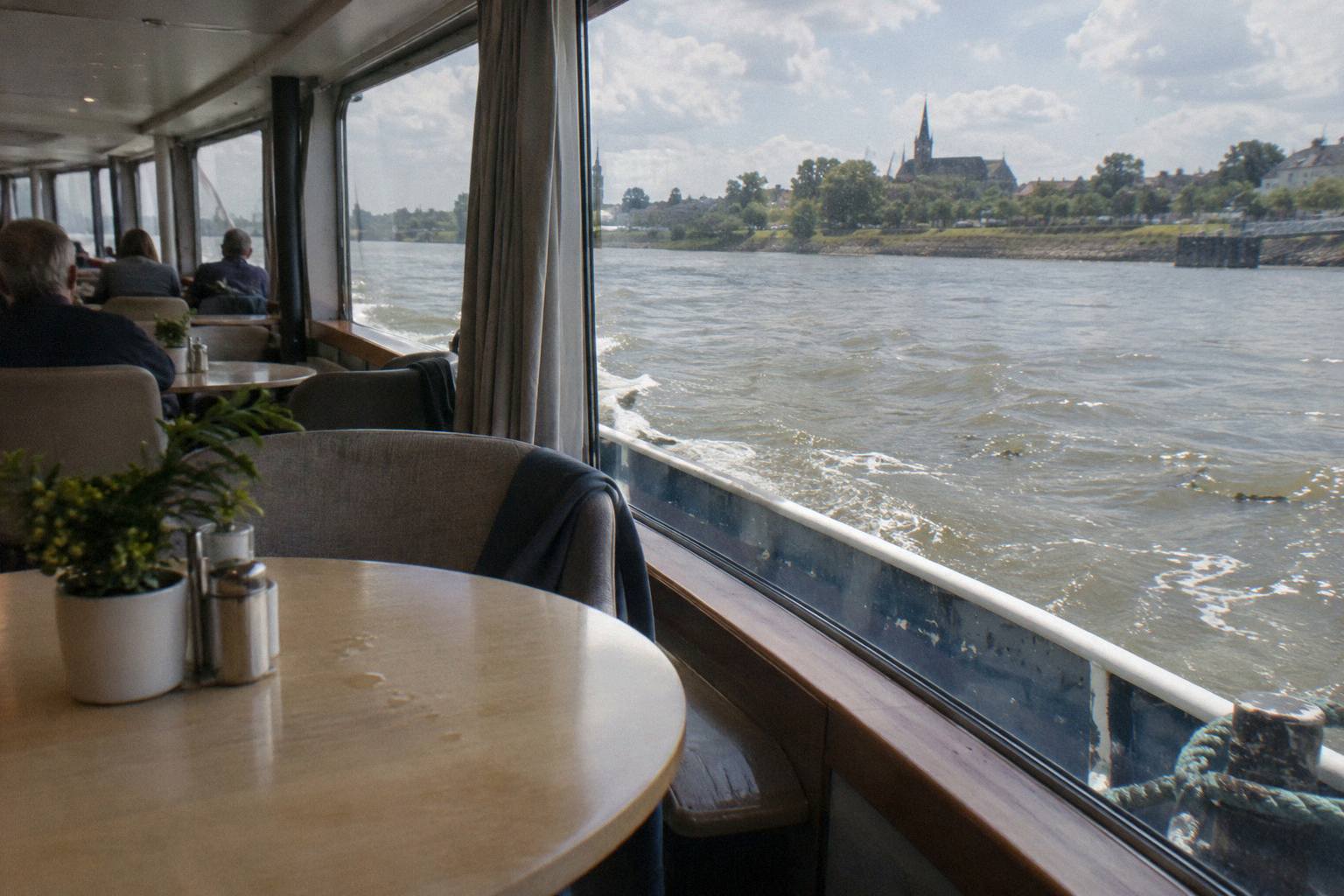
Solo travellers face a specific wrinkle: most charter fares price per cabin on double occupancy, and matching services vary by operator. Atlantis runs a solo roommate option, covered in our guide to the Atlantis solo roommate program. If you travel alone and dislike single supplements, that single feature can decide which sailing to book, and it is worth raising early with whoever helps you plan.
Budget-sensitive travellers should also look closely at the entertainment-fee model. A headline fare of $1,609.40 that excludes a $149 to $199 entertainment fee is still good value only if you want the entertainment. Conversely, luxury operators' high fares usually bundle the excursions and drinks a mainstream line would charge separately. Comparing total cost, not headline fare, is the discipline that saves real money here.
Mistakes That Trip Up First Time Charter Cruisers
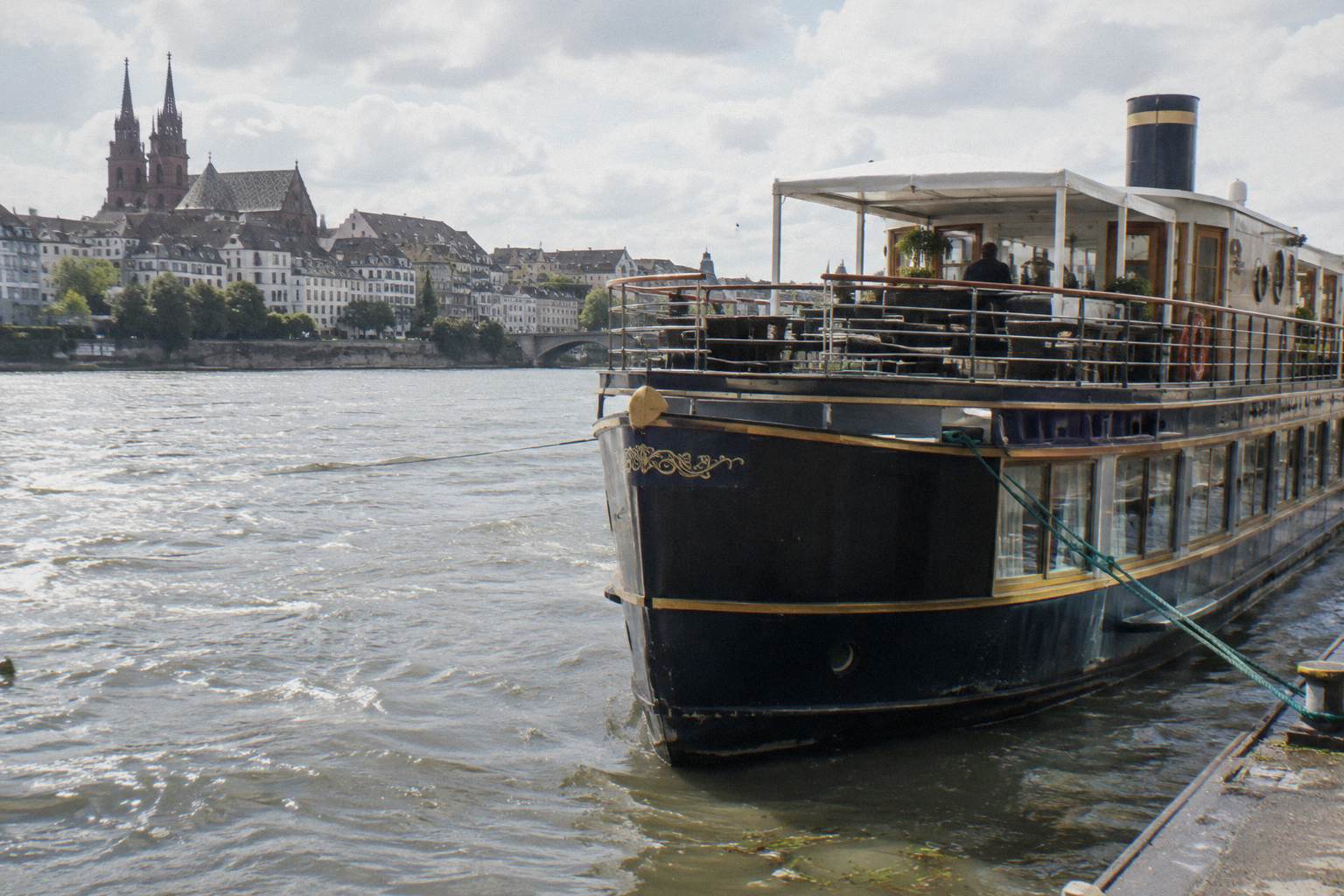
The recurring mistakes are booking the ship instead of the charterer, ignoring the cancellation terms, assuming line loyalty applies, comparing fares without checking inclusions, and waiting too long: 29 of the 90 tracked charter and group sailings already show sold out or waitlist, including every VACAYA departure. Each mistake comes from treating a charter like a regular cruise purchase, which it is not.
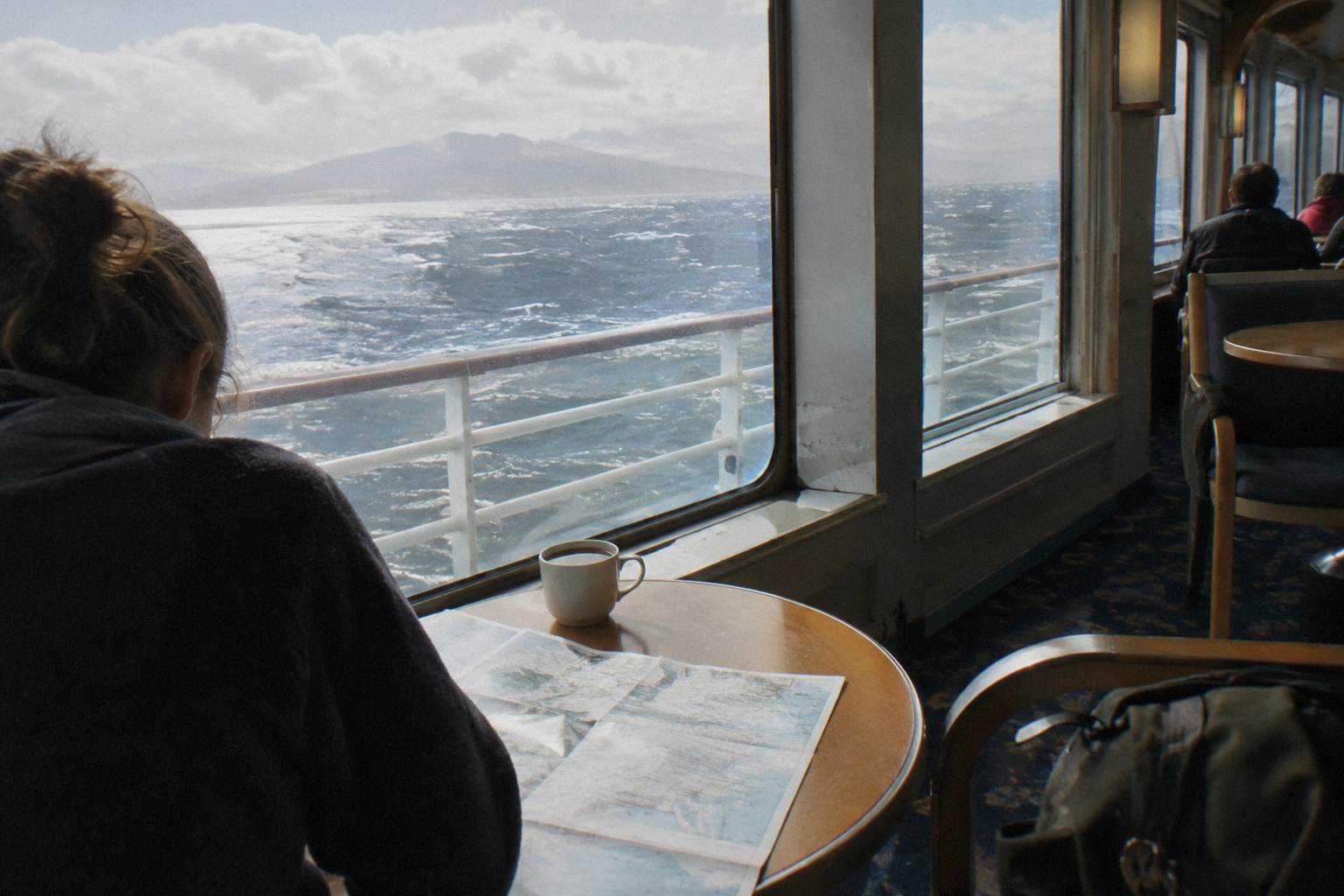
First, booking the ship instead of the charterer. Two sailings on the identical vessel can differ enormously in audience, entertainment and tone; the operator's brand is the product. Second, ignoring the payment schedule and cancellation policy in the charterer's terms, which are usually stricter than the line's standard cruise fare rules. Third, assuming your status, perks or drink package carry over; on a charter, inclusions come from the charter agreement. Fourth, comparing a $1,199 interior against a $4,900 river fare as if the basis matched, when one excludes entertainment fees and the other bundles excursions. Fifth, waiting: charters cannot add capacity, and the sold-out columns in the tracked calendar show what happens. A booking decision built on any one of these errors tends to surface only after money has changed hands, when the fix is expensive or impossible. Slowing down for one conversation before paying a deposit catches most of them at the moment they are still free to correct, which is the cheapest travel insurance on this list.
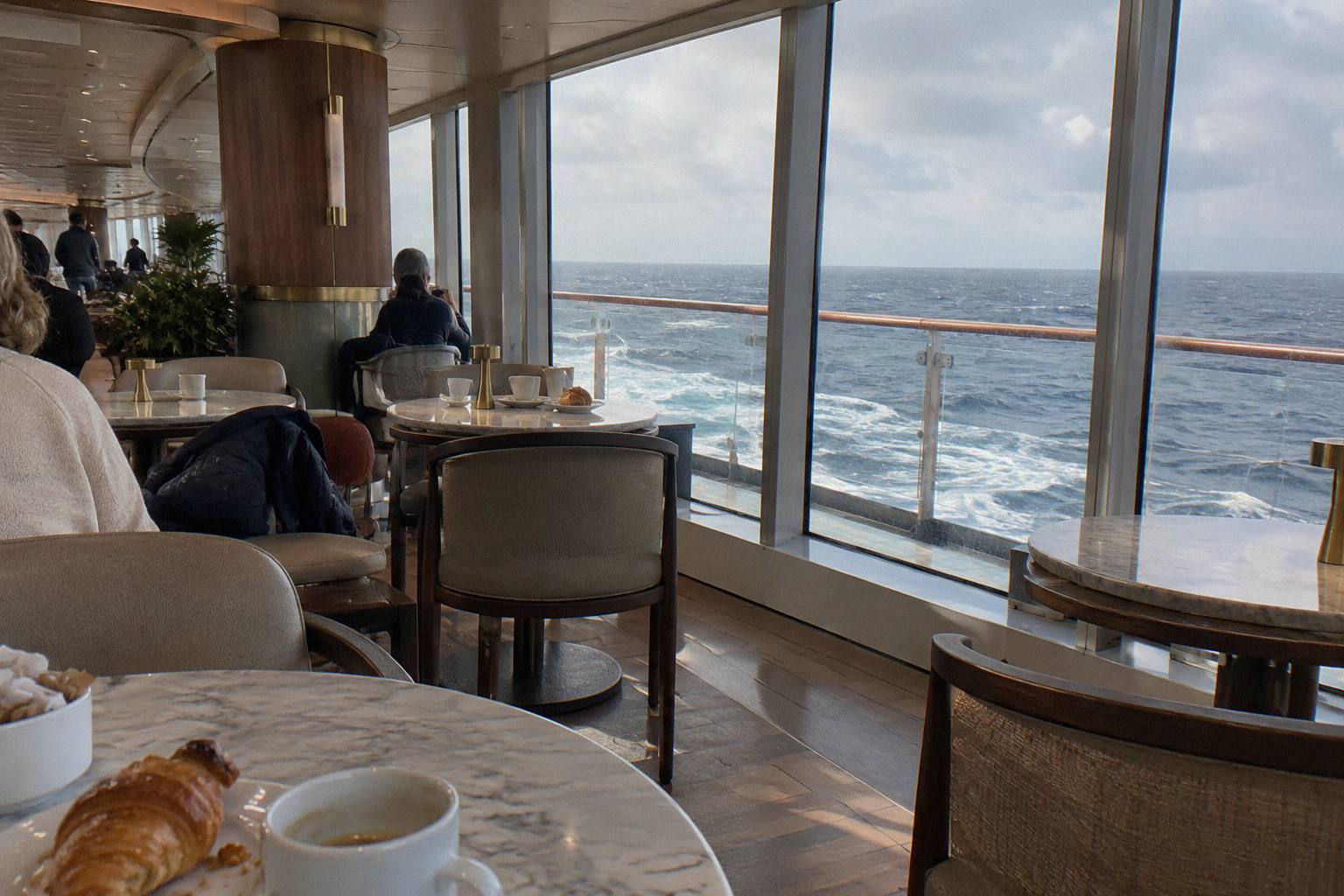
Common Questions About Gay Cruise Charters
How Do Gay Cruise Charters Get Their Ships?
They rent entire vessels from mainstream cruise lines under full-ship charter agreements, taking the complete cabin inventory for fixed dates. The line operates the ship and crew; the charterer, such as Atlantis Events, Olivia Travel or Brand g Vacations, sells the cabins and programs the entertainment.
Do Any Gay Cruise Companies Own Their Own Ships?
None in the tracked operator set. All 11 operators charter or block space on lines' vessels, from mega ships like Scarlet Lady down to river ships like the Delfin III. Small-boat sailing brands such as GaySail and Pride Sailing Holidays work with yacht fleets rather than owning them.
Why Are Charter Fares Higher Than The Same Ship's Regular Cruises?
The fare funds exclusive programming and the charterer's fixed charter fee. Ranges vary widely by product: Atlantis lists interiors from $1,199 to $1,799 on current 7-9 night sailings, while Out Adventures runs $7,495 to $22,585 for expedition itineraries.
Can You Book A Gay Charter Through The Cruise Line Directly?
Generally no. Once a sailing is chartered, the line stops selling it and the charterer's own booking channel is the only route. Your contract, payment schedule and cancellation terms are with the charter company.
Which Ships Do Gay Charters Actually Use?
Mega ships including Scarlet Lady, Valiant Lady, Celebrity Beyond and Allure of the Seas, expedition ships such as World Navigator and World Traveller, and river vessels including the Delfin III and Amadeus Aurea. The audience of the charterer drives the choice.
Do Gay Charters Sell Out Quickly?
Many do. Of 90 tracked charter and group sailings, 29 show sold out or waitlist, including all 8 VACAYA departures and 10 of Olivia Travel's 19. Charters cannot add capacity once a ship is full.
More Questions Answered
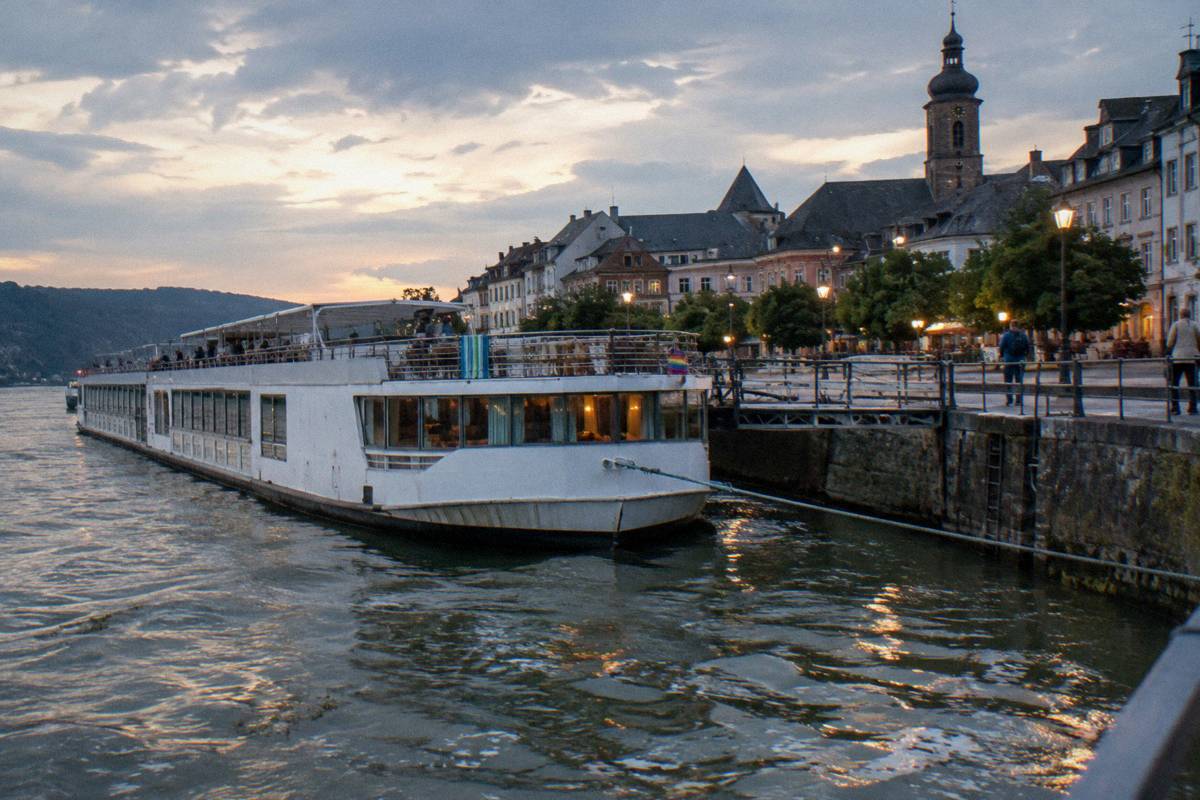 Straight On A Gay CruiseWho is actually welcome on a gay cruise, operator by operator, and how to be a good ally guest.Read the answer
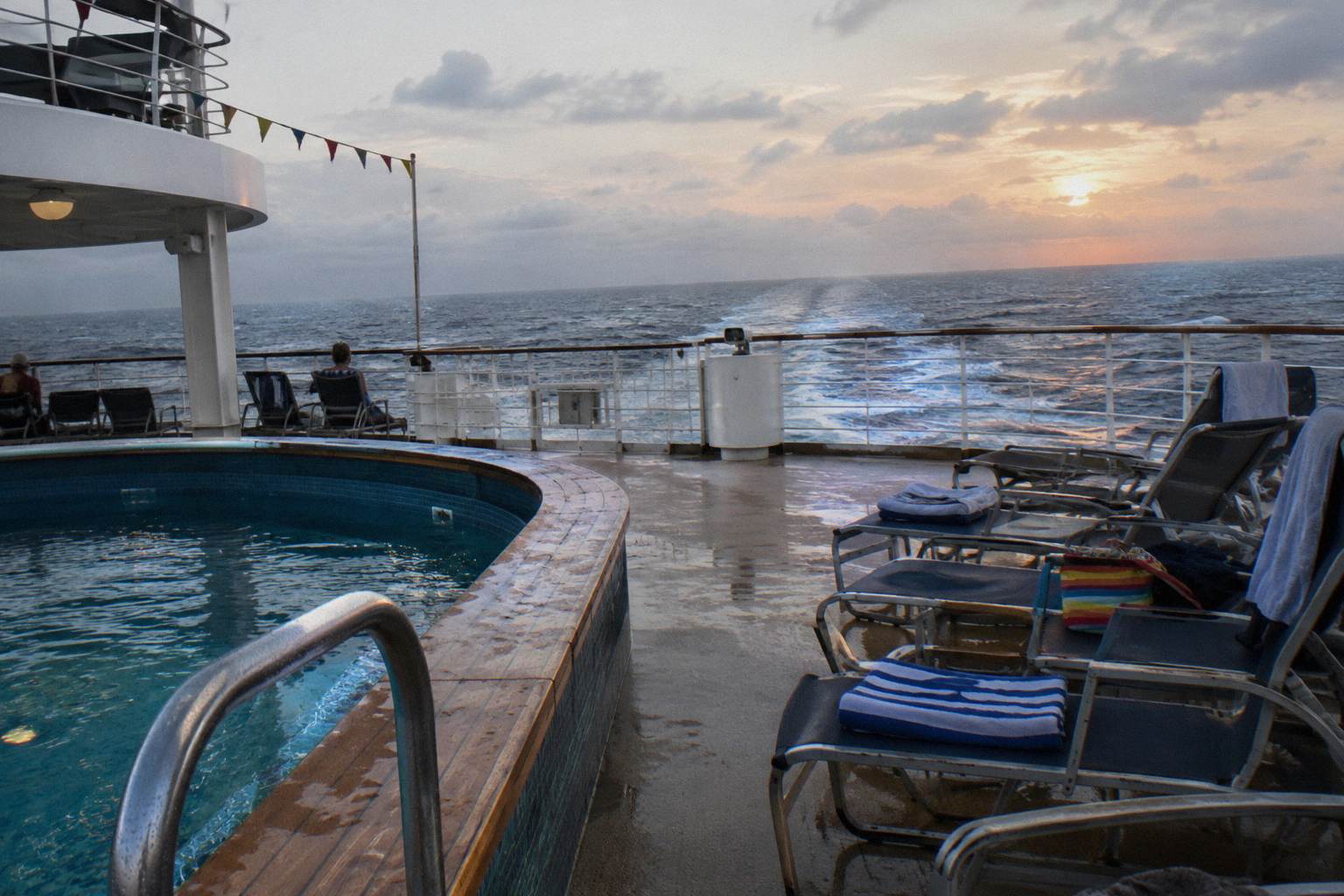 What Happens On BoardThe rundown of a gay cruise: who sails, what a day looks like, costs and rules.Read the answer
 Average Age On BoardNo operator publishes a passenger age average; audience, price and itinerary reveal who each sailing actually draws.Read the answer
 Gay Passenger NumbersWhich ships actually carry the most gay passengers? Charter capacity, not demographics, holds the answer.Read the answer