Do You Need Travel Insurance For A Gay Cruise?
Most gay cruises are charter sailings with steep prepaid fares and firm cancellation terms, which changes the insurance maths more than the destination does. Here is what the operators publish, and where a policy earns its cost.
This page sits in Questions Answered, the hub where the site works through the practical questions cruisers ask before they book.
Quick Facts
| Fact | What The Sources Say |
|---|---|
| Number of charter and group gay cruises tracked | 90 sailings across 11 operators |
| Sailings showing sold out or waitlist | 29 of the 90 tracked sailings |
| Lowest published fare floor, Olivia Travel | About $999 per person, Holland America interior |
| Highest published fare, Out Adventures | $22,585 per person, Antarctica |
| VACAYA fare range | About $3,719 to $12,537 per person, all 2026-2028 trips sold out |
| Brand g Vacations fare range | About $4,900 (Rhine) to $22,300 (Philippines, Taiwan, Japan) |
| Atlantis Events interior fares | $1,199 to $1,799 on current 7 to 9 night sailings |
| Waves of Pride fare basis | From $1,609.40 covering fare, taxes and gratuities, with a separate $149 to $199 entertainment fee |
Do You Need Travel Insurance For A Gay Cruise?
No law or operator on this list requires travel insurance, but the fare structure makes it one of the few purchases that genuinely protects the money you are about to spend. A charter cruise is typically paid months in advance to a charter company rather than the cruise line. If you cannot travel, the refund window is short or absent. Insurance does not fix the terms, it pays you back when the terms do not.
The question "do you need it" really decomposes into three smaller ones. How much money is at risk if you cannot travel? How likely is the itinerary to add costs a normal policy does not expect, such as a flight to Peru for an Amazon river cruise or a charter flight leg to Antarctica? And does your regular health cover follow you onto a ship and into foreign ports? For most readers booking a charter sailing at four figures per person, at least one of those three answers points toward a policy.
The operators themselves do not sell insurance as a condition of booking on the pages reviewed, and none of the fare data here bundles it. Atlantis lists interior fares of $1,199 to $1,799 on its current 7 to 9 night sailings, plus a $3,999 fare on a sold-out Oceania Marina departure, and none of that includes cancellation protection unless separately stated. The same pattern holds across VACAYA, Brand g Vacations and Source Journeys. You buy the fare, then the insurance decision is yours alone.
That is why the practical answer routes through a quote rather than a rule. Before you pay a deposit on any of these sailings, it is worth running the fare, the dates and your departure flights past a free cruise consultation, which can flag the itineraries where the insurance question matters most. The consultation costs nothing and carries no obligation.
What Travel Insurance Actually Covers On A Cruise
A cruise travel insurance policy bundles four protections: trip cancellation before departure, trip interruption once you are underway, emergency medical and evacuation costs abroad, and baggage or travel delay expenses. The cancellation piece repays prepaid, non-refundable money if an insured reason stops you travelling. The medical piece matters at sea because your domestic health plan may pay little or nothing outside your home country.
The standard structure is worth understanding before comparing prices. Most insurers price the premium as a percentage of the prepaid trip cost you insure, so a $1,799 Atlantis interior and a $22,585 Out Adventures Antarctica cabin produce very different premiums for the same traveller. Policies typically set a trip-cost ceiling per person, and the highest-cost expedition itineraries can sit near or above it, which is a reason to check the limit rather than just the price.
Timing rules decide how much protection you actually get. Many insurers offer their strongest cancellation terms, including waivers of most exclusions for pre-existing conditions, only when the policy is bought within a set number of days of the first trip payment. Buy weeks later and the same policy still covers you, but with narrower reasons. None of the operator pages reviewed state these windows for their own recommended products, so treat any deadline as a question for the insurer, not the cruise brand.
The medical half is the part most first-time cruisers underweight. A ship's medical centre bills you directly, and serious cases end with treatment or hospitalisation ashore in whatever country you are nearest. UK FCDO travel advice for cruise destinations routinely tells travellers to arrange suitable insurance before departure and to check that activities are covered. That advice applies identically to a Mediterranean mega-ship sailing and a seven-night Amazon river itinerary; what changes is how far the nearest hospital is from the ship.
It is also the reason the consultation exists as a step in the booking flow. When the itinerary involves remote rivers, expedition landings or multiple flight legs, a quick conversation about the route is the cheapest way to learn what cover the trip implies: ask about insurance for your sailing before the deposit, not after.
What A Charter Cruise Adds To The Insurance Question
Because you book a gay charter cruise through the charter company itself, such as Atlantis Events or VACAYA, rather than the cruise line, the cancellation and refund terms you face are set by that operator, whose payment schedules typically front-load the full fare months before departure and whose penalties can be steep from the day you pay. The more prepaid and non-refundable money at stake, the more a cancellation policy has to cover.
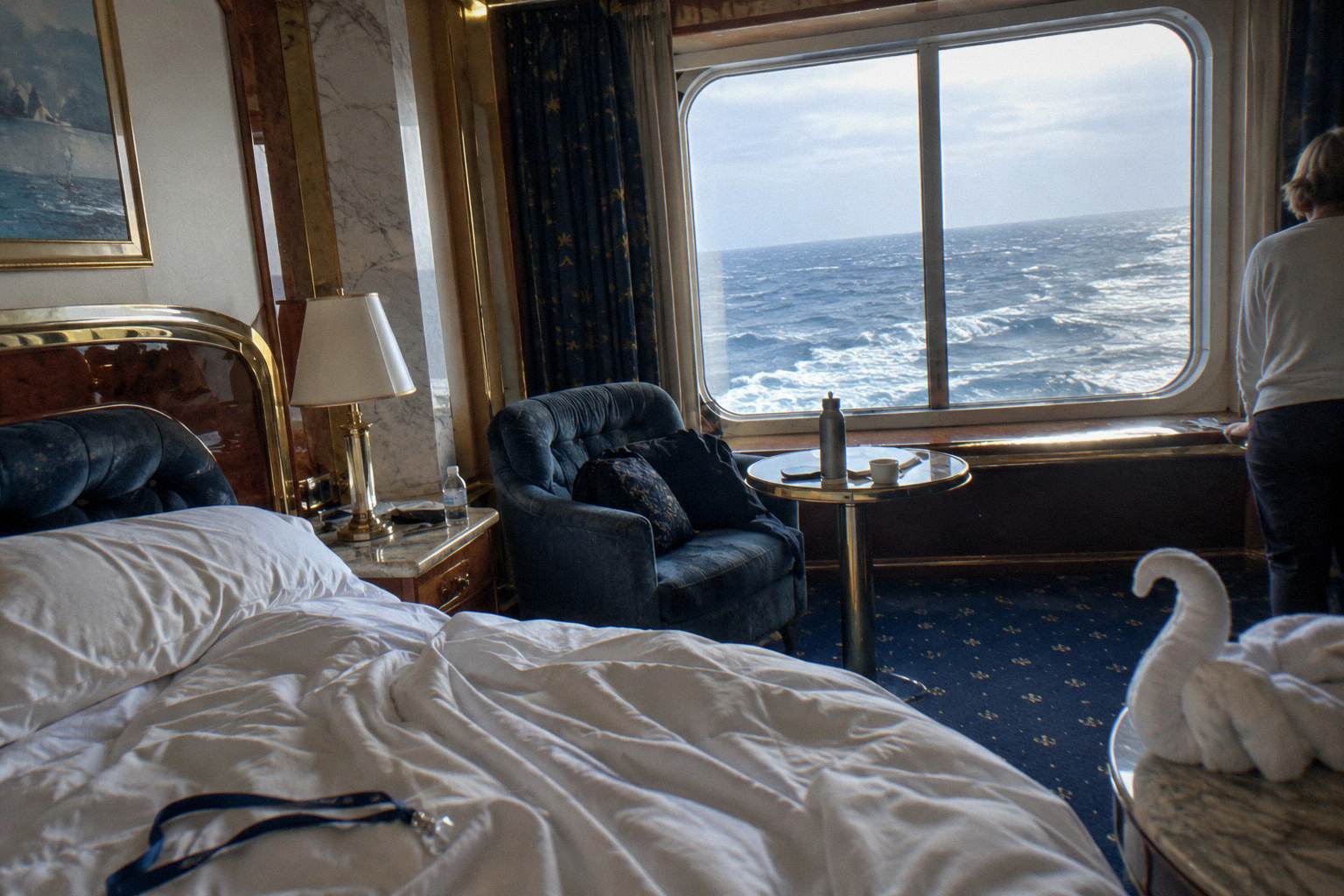
The fare data shows how much is at stake. VACAYA's published range runs from about $3,719 for a Mediterranean eclipse cruise to $12,537 for Madagascar to Seychelles and $6,330 for Polynesia, and every 2026 to 2028 trip is already sold out. Brand g Vacations lists about $4,900 per person for a Rhine river sailing rising to about $22,300 for a Philippines, Taiwan and Japan luxury itinerary. Source Journeys sits around $6,900 to $13,900. These are not impulse purchases; they are trips planned a year or more ahead, and a year is a long time for a redundancy, a family illness or a passport problem to arrive.
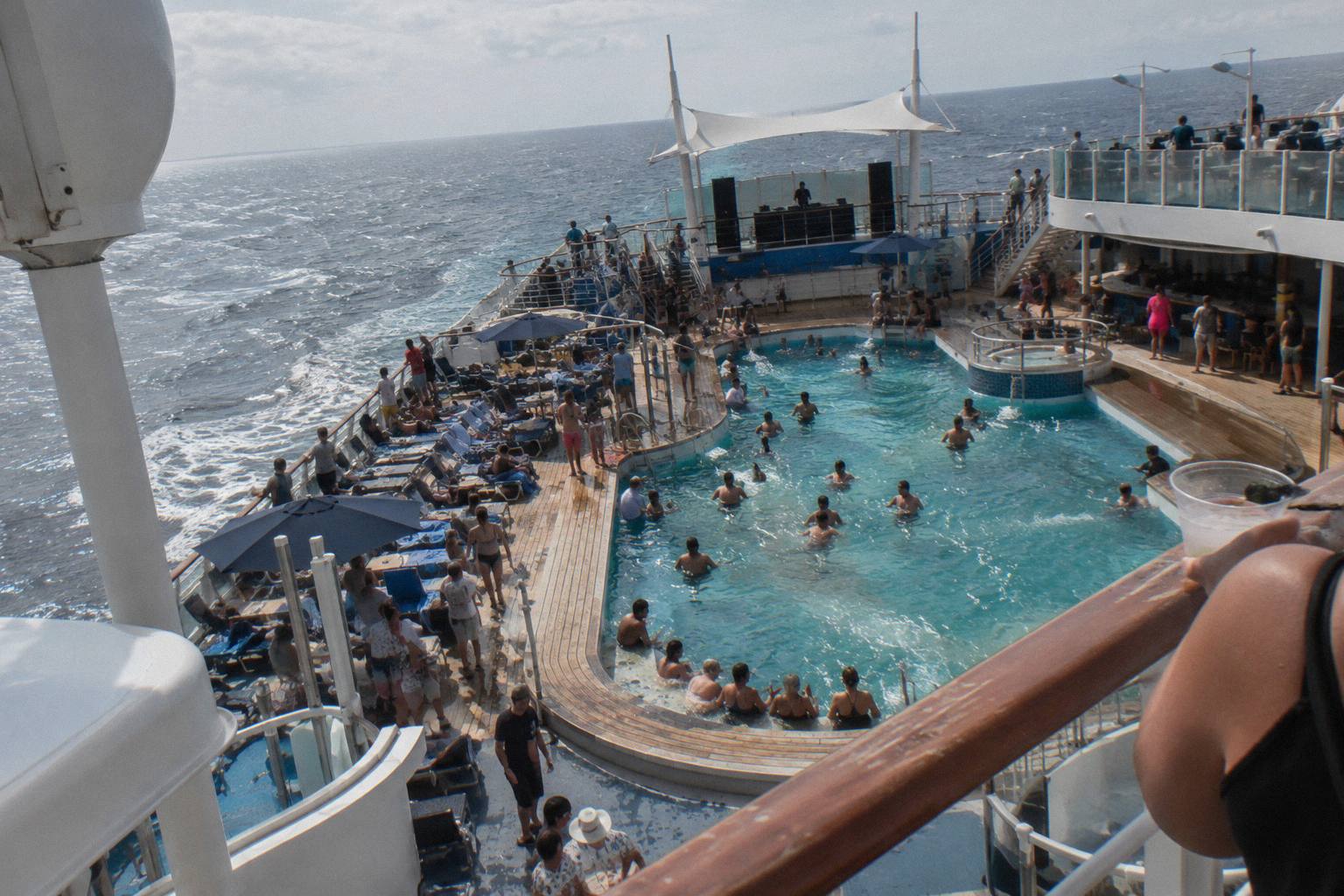
The sold-out numbers sharpen the point. Of the 90 tracked sailings across 11 operators, 29 already show sold out or waitlist, including all eight VACAYA departures, ten of Olivia's nineteen and four of Atlantis's six. Late replacement cabins are scarce, so if you must cancel and rebook later, you may be rebooking a different year. Insurance that repays the fare at least returns the money you cannot convert into a future trip.
| Operator | Audience | Published Fare Basis | Announced upcoming sailings |
|---|---|---|---|
| Atlantis Events | Gay men, women welcome | Interior $1,199 to $1,799 on 7 to 9 night sailings; $3,999 on sold-out Oceania Marina | 6 |
| VACAYA | Mixed LGBTQ+ | About $3,719 to $12,537+; all 2026-2028 trips sold out | 8 |
| Olivia Travel | LGBTQ+ women | About $999 interior to $6,899+ for river and expedition | 19 |
| Brand g Vacations | LGBT+, mixed | About $4,900 to $22,300, lowest cabin per person | 24 |
| Source Journeys / Source Events | LGBTQ+ luxury | About $6,900 to $13,900 | 3 |
| Out Adventures | Gay men / LGBTQ+ | $7,495 Baja to $22,585 Antarctica | 2 |
| Waves of Pride | LGBTQ+ | From $1,609.40 with a separate $149 to $199 entertainment fee | 1 |
One more charter-specific wrinkle: the entertainment. Waves of Pride, for example, prices its fare, taxes and gratuities together but charges a separate $149 to $199 entertainment fee. Fees outside the main fare may or may not be insurable depending on how the insurer treats prepaid, non-refundable costs, and the answer belongs on your quote request, not in an assumption. The same applies to pre-cruise hotels and flights booked outside the operator's package.
How Much Money Is Actually At Risk
The exposure is the full prepaid fare plus your flights plus any pre or post-cruise stay, and on these operators that means anywhere from the published low end near $1,609.40 per person to the $22,585 Antarctica cabin. Atlantis interior fares run $1,199 to $1,799, Olivia starts near $999, and Out Adventures tops the table. The number to insure is the total prepaid, non-refundable amount, not just the cabin fare.
It helps to lay the sailing calendar against the fare. The cheapest windows are the short mainstream-ship charters, and the most expensive are the luxury river and expedition departures. Between them sit the classic seven-night Caribbean and Mediterranean sailings most readers picture when they hear the phrase gay cruise. Whichever you choose, the insured trip cost should include every prepaid, non-refundable element, because a claim follows the money you actually lose.
| Sailing Window (By Operator) | Dates | Sold Out Or Waitlist |
|---|---|---|
| Big Gay Cruise | 2026-11-14 to 2028-02-06 | 0 of 6 |
| Atlantis Events | 2026-11-22 to 2027-08-22 | 4 of 6 |
| Olivia Travel | 2026-12-02 to 2028-05-24 | 10 of 19 |
| VACAYA | 2026-12-28 to 2028-12-16 | 8 of 8 |
| BearCruise | 2026-12-30 to 2028-07-09 | 0 of 6 |
| KelliGregg Travel / R Family Vacations | 2027-02-05 to 2028-09-02 | 0 of 13 |
| Brand g Vacations | 2027-04-18 to 2028-10-14 | 5 of 24 |
| Out Adventures | 2027-12-08 to 2028-02-05 | 2 of 2 |
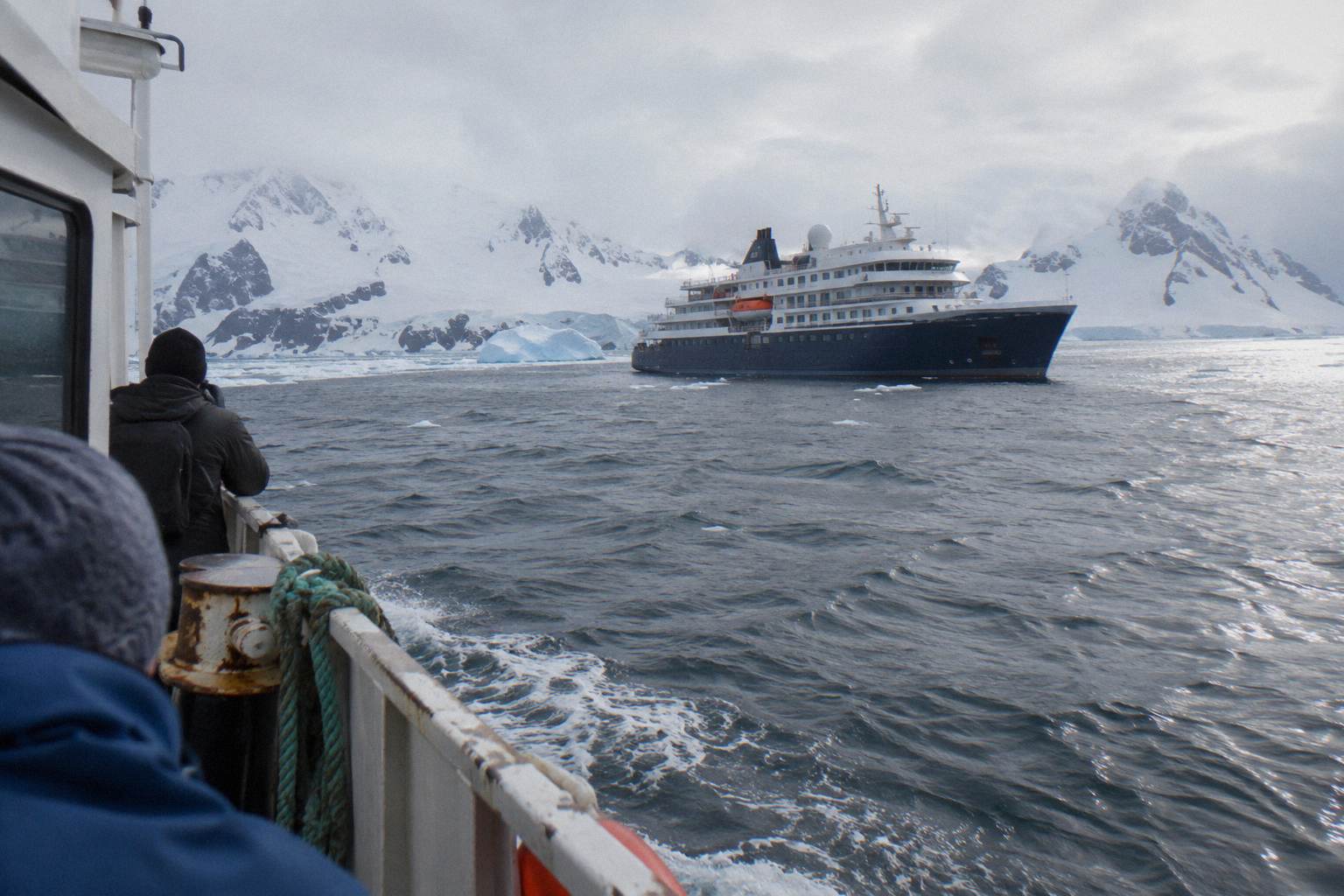
The expedition end of that table deserves a special note. Out Adventures' two announced departures, Baja at $7,495 and Antarctica at $22,585, are both already sold out or waitlisted, and Antarctica itineraries add charter-flight legs and remote landings that a basic policy may not fully price. If you join a waitlist and a cabin opens, the decision to book and the decision to insure will arrive together, on a short clock. That is a decision moment worth planning for in advance.
Medical Cover, PrEP And LGBTQ+ Health Questions
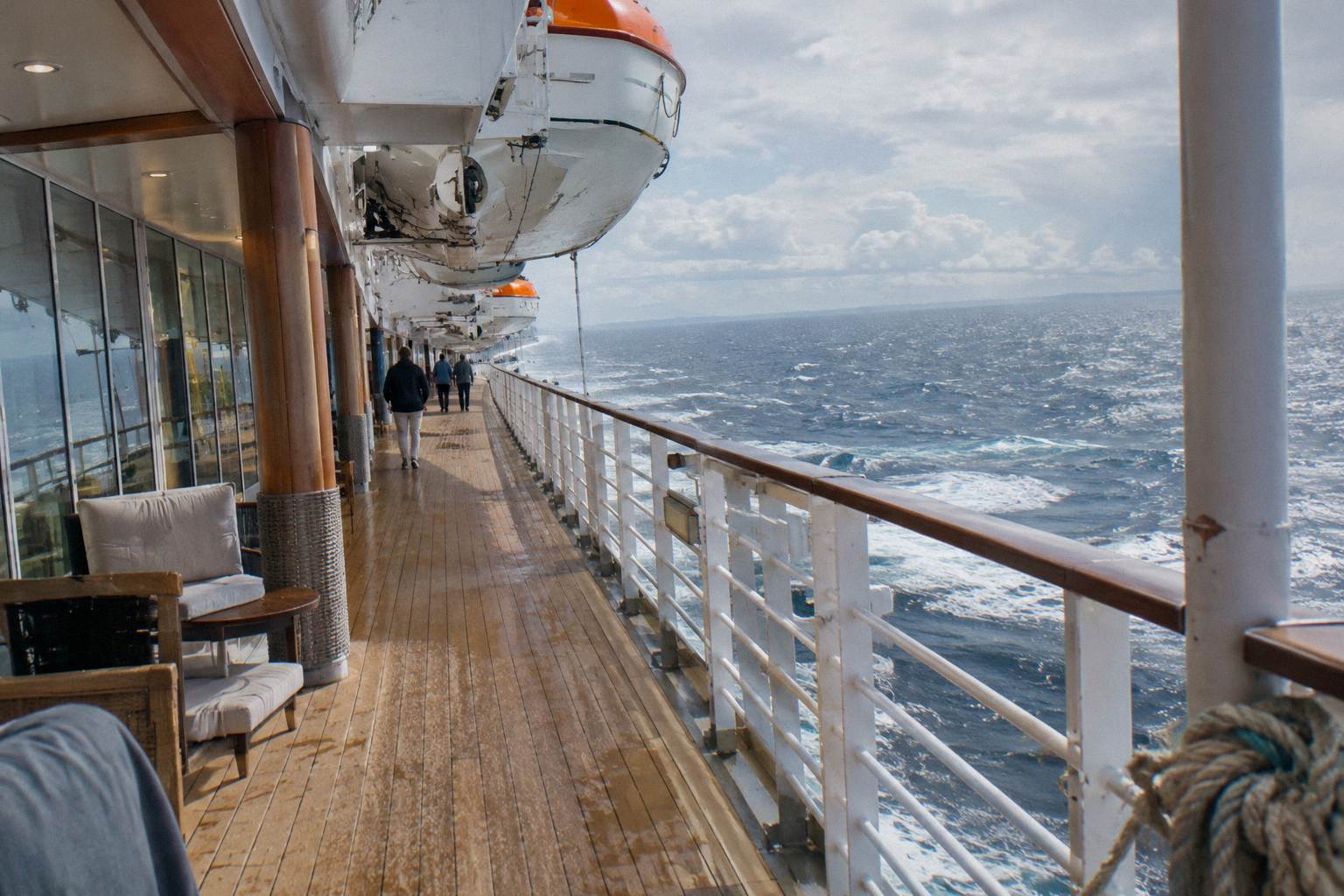
Travel medical insurance answers a different question from cancellation cover: who pays if you are ill or injured abroad. Before buying, check three things. Does the policy cover you in every country on the itinerary? Does it include medical evacuation from a ship? Does it cover an adequate supply of personal medication carried legally with a prescription? Official travel advice from bodies such as the UK FCDO states the first two plainly.
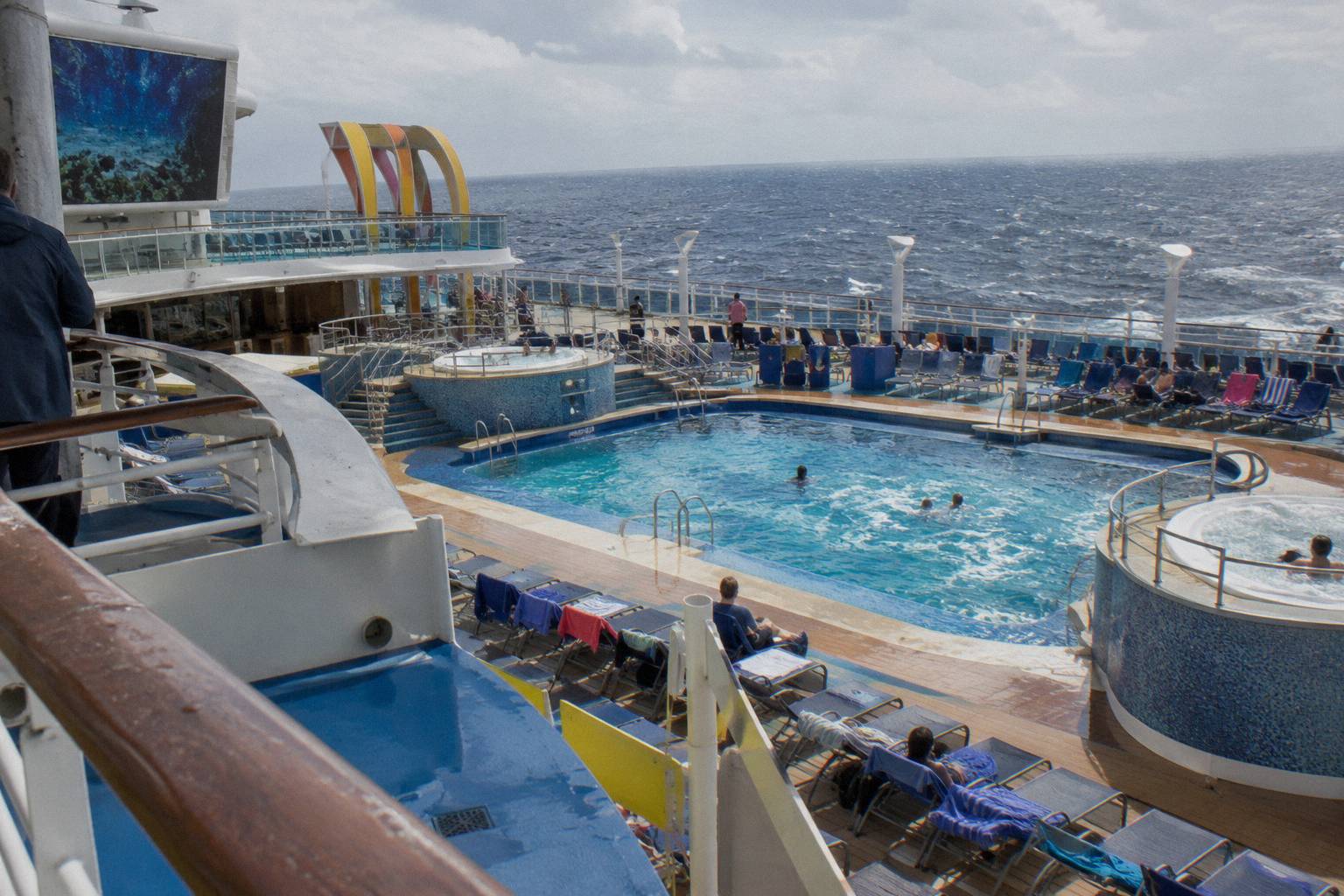
Nothing in the operator pages reviewed singles out LGBTQ+ health needs, and none should have to: a well-written policy covers illness and injury regardless of who you are. The details that matter to many gay cruisers are ordinary ones. Medication should travel in original packaging with the prescription. Some destinations restrict or question certain drugs, and country-specific advice on official government travel pages, such as the UK FCDO country guides, is the right place to check entry rules for any prescription before you fly. The full index of guides sits on Gay Cruises.
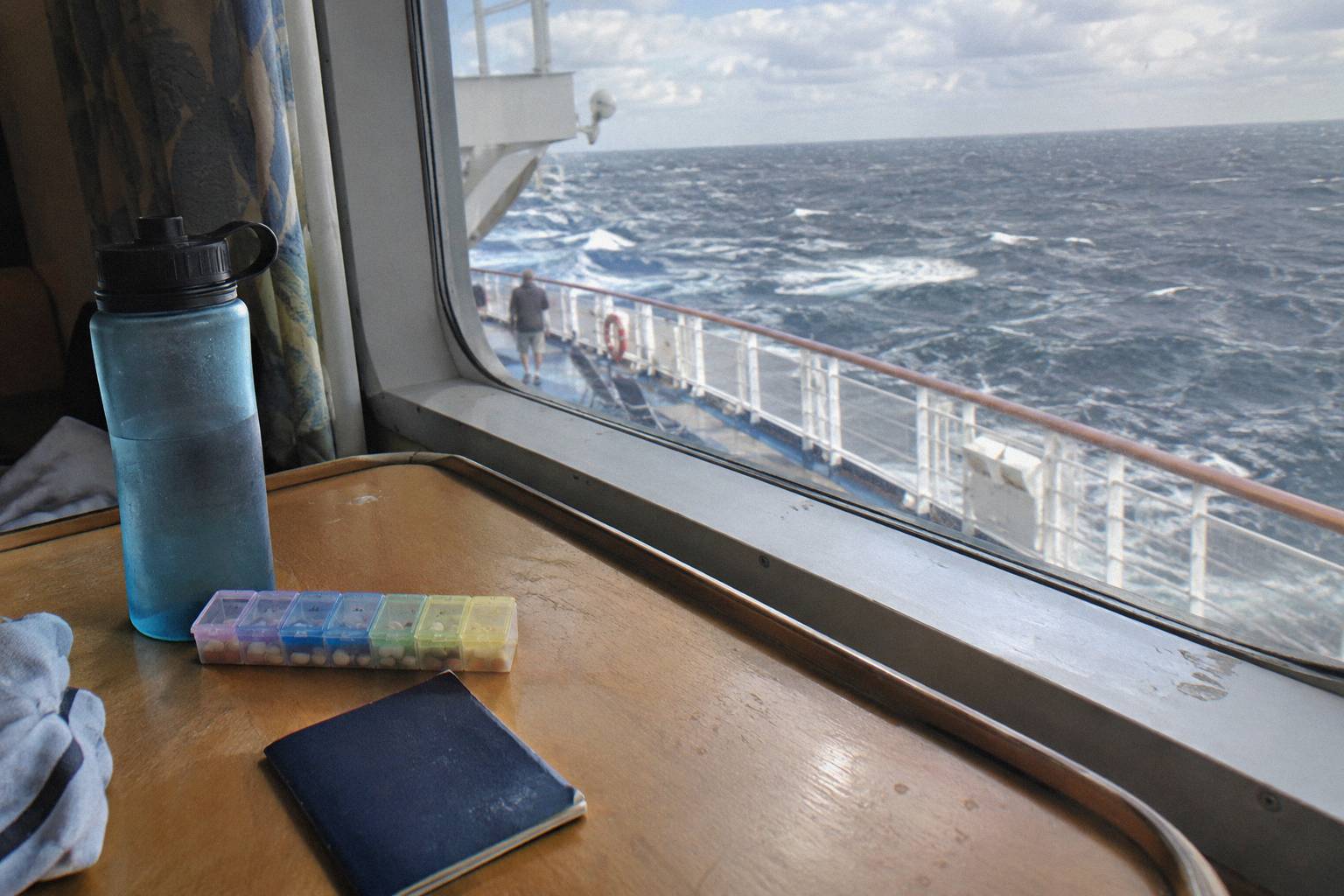
Shipboard clinics are private businesses on most lines and bill patients directly, so a policy with direct-pay arrangements and a 24-hour assistance line saves you from fronting large sums on a card in the middle of the ocean. For destinations far from major hospitals, an Amazon river sailing being the clearest example, evacuation cover is the single largest number on the policy. Insure the itinerary you booked, not the one you imagine.
Readers weighing what a gay cruise is actually like before committing money can start with what happens on a gay cruise, then work backwards to the booking and insurance decisions.
When Insurance Is Not Worth It
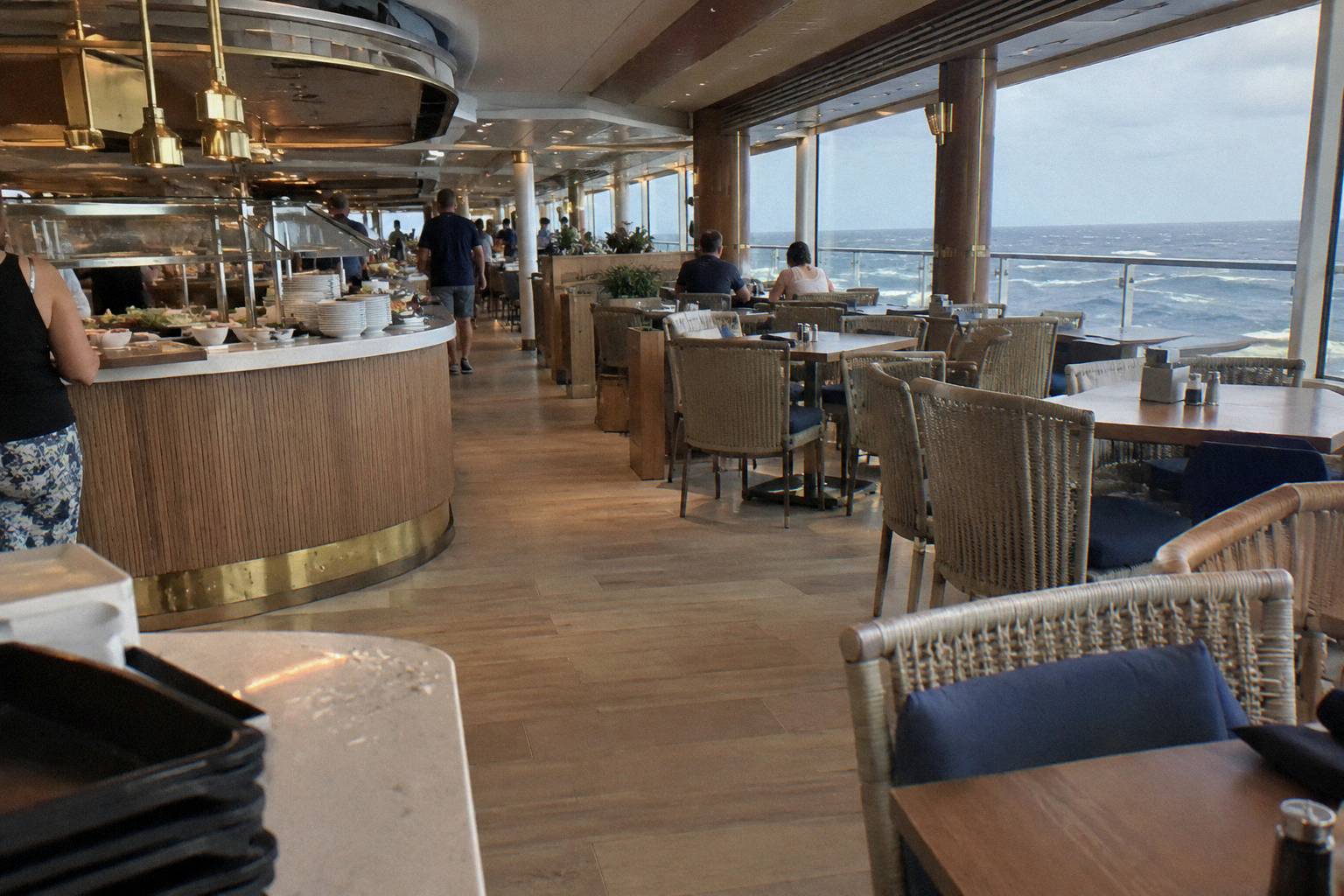
If your total prepaid loss would be a few hundred dollars, you can absorb it, and you already hold medical cover that travels with you, a standalone policy may cost more than the risk. A $999 Olivia interior booked with a flexible flight and a refundable hotel is a small exposure. A $12,537 VACAYA Madagascar to Seychelles sailing with non-refundable flights is not. The honest test is whether losing the whole amount would change your plans.
Money already protected elsewhere does not need double insurance. If a premium credit card includes trip cancellation for the fare, or your annual multi-trip policy covers cruises without exclusions, adding a dedicated cruise policy may duplicate what you hold. Check the card or policy wording for a cruise exclusion, which is common, and for per-person limits that fall short of expedition fares. If both checks pass, skip the extra premium.
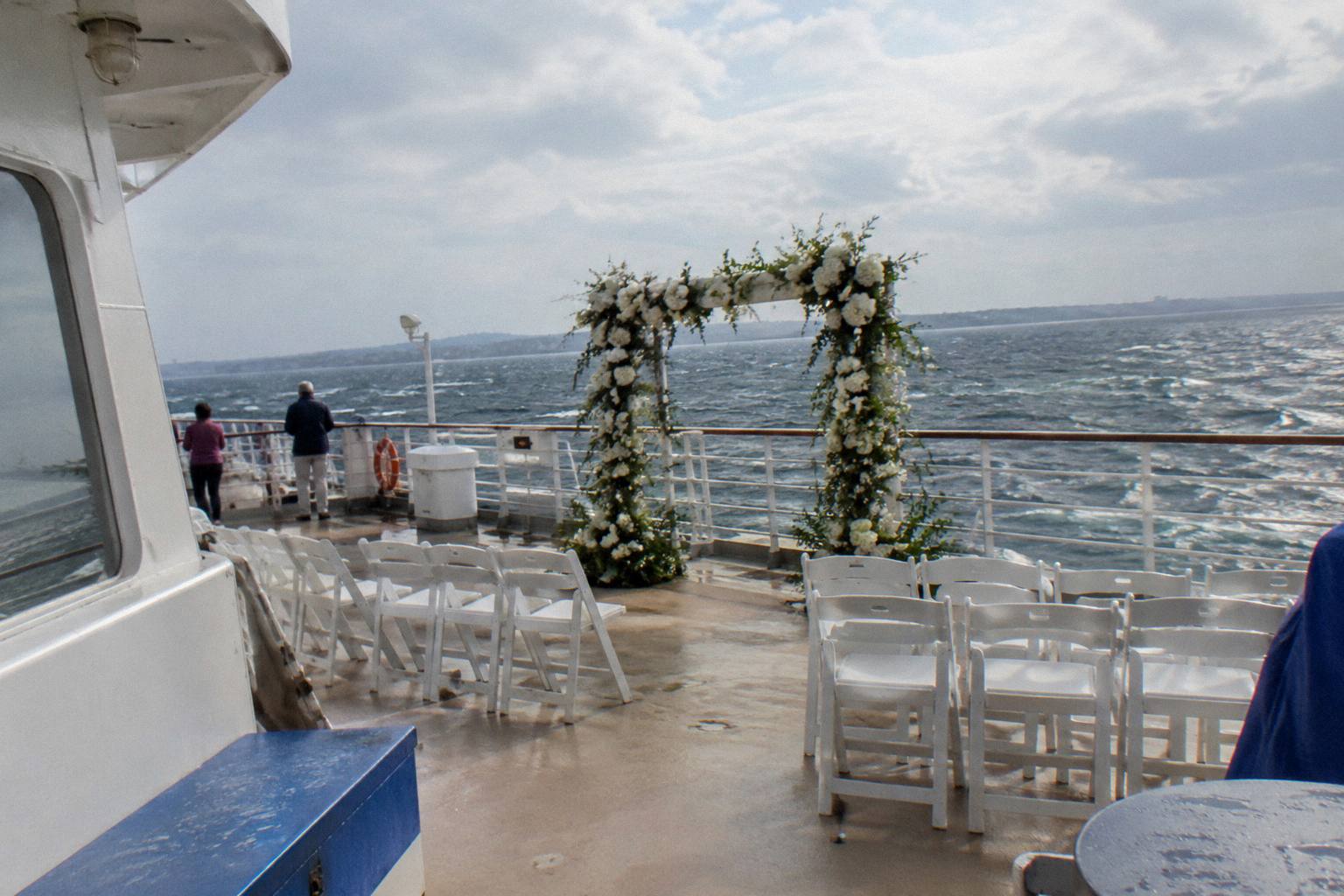
The remaining case is the fully flexible booking. A handful of operator fares and most mainstream-line deposits allow cancellation for a full refund inside a defined window, and within that window the cancellation half of a policy has nothing to pay. The medical half still has value abroad, but it can come from an annual travel medical plan at a fraction of a package premium. Match the policy to the rigidity of what you actually bought.
Remote Itineraries Change The Maths: The Delfin III Case
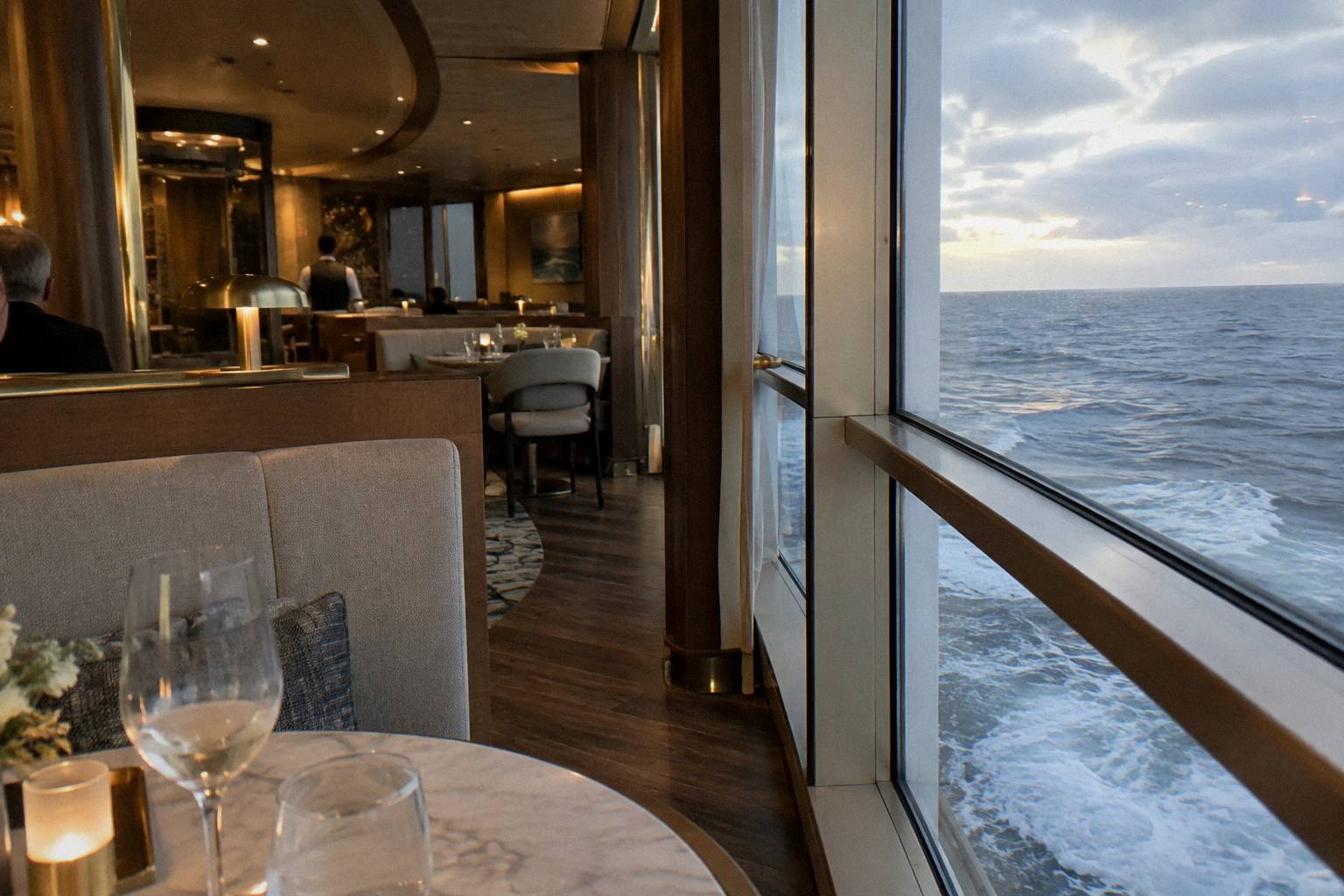
Yes, remote itineraries like Delfin III's Amazon sailings push travel insurance from optional to essential. The further your cruise sits from a major hospital, the more the medical and evacuation half of a policy does. Delfin III, operated by Delfin Amazon Cruises, sails the Peruvian Amazon, where the nearest full-scale medical care can be hours away by river, so evacuation cover matters even when the fare itself is modest.
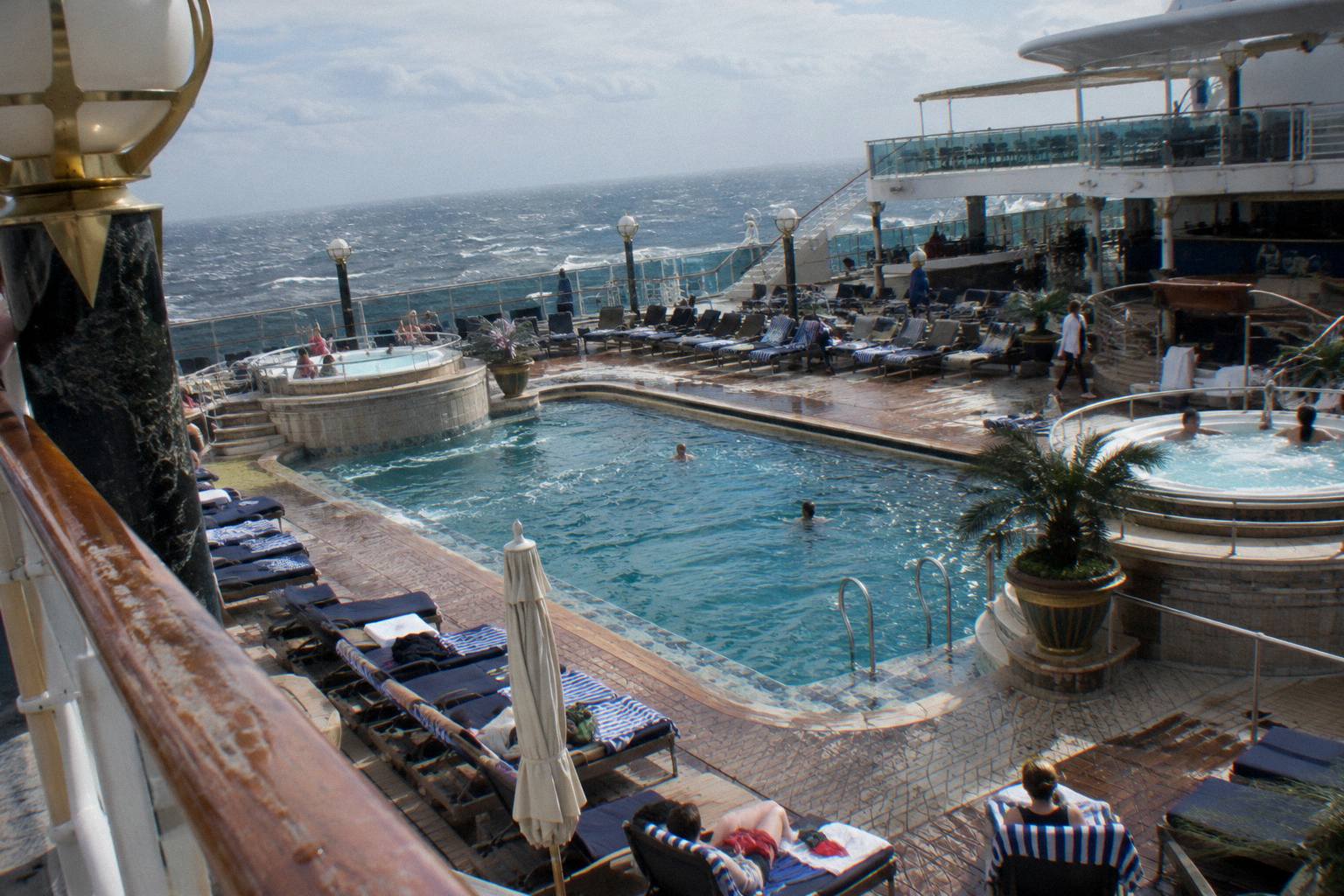
Amazon itineraries also add the practical frictions that generate claims: long-haul flight connections into Iquitos, small-boat transfers, and weather that can reshape landing schedules. A delay policy that funds hotels and rebooking while you wait for the next flight is the piece travellers notice most, because the ship does not wait. The same logic applies in weaker form to expedition ships such as World Navigator and World Traveller in polar waters, and even to mega-ship charters that sail from ports a bad-weather flight day away from your home airport.
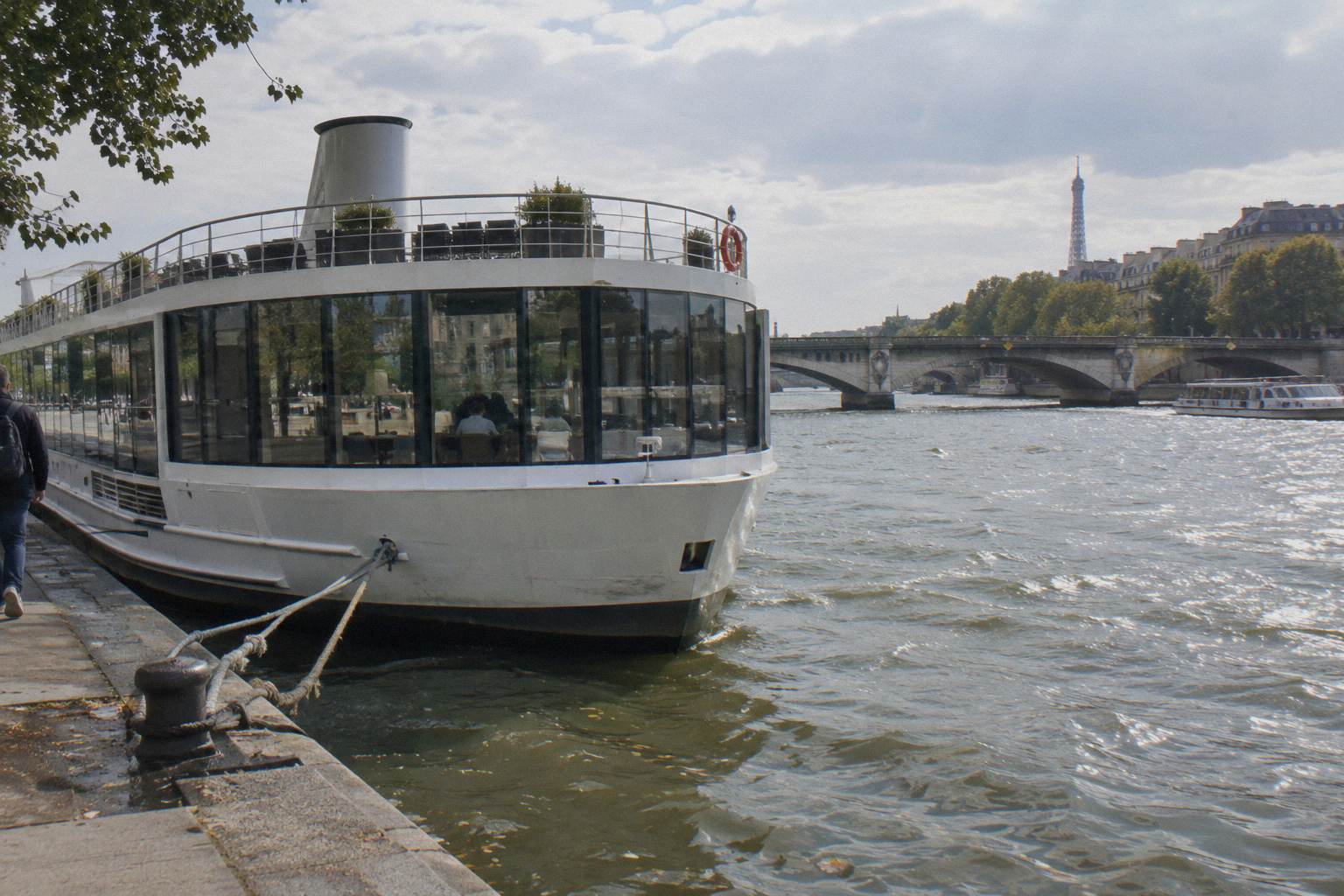
World Navigator makes the same point from the polar side. Atlas Ocean Voyages positions it as an expedition ship, and expedition sailings combine the two exposures that drive claims: a high prepaid fare and long distances from major medical facilities. Any policy quoted for a polar itinerary should state its evacuation limit in writing before the deposit is paid.
To see how differently three ship types behave on the same question, compare a remote river ship, a large contemporary charter host and a polar expedition vessel:
| Ship | Type | Guests | Built | Charter operators | Embarks from |
|---|---|---|---|---|---|
| Delfin IIIDelfin Amazon Cruises | River Ship | 44 | – | Brand g Vacations | – |
| Valiant LadyVirgin Voyages | Mega Ship | 2,770 | 2021 | Atlantis Events, BearCruise | San Juan, Barcelona |
| World NavigatorAtlas Ocean Voyages | Expedition Ship | 200 | 2021 | KelliGregg Travel / R Family Vacations | Oslo, London, Copenhagen |
The comparison is not about which ship is better; it is about which itinerary puts the biggest gap between you and a hospital, and how many non-refundable moving parts sit between your front door and the gangway. If that framing is useful, the site's broader gay cruise comparison guide works through ship types in the same spirit, and a free consultation on your itinerary can apply it to a specific sailing.
Mistakes That Trip Up First Time Charter Cruisers
The recurring insurance mistakes are buying too late, insuring only the fare, assuming the cruise line protects you, and ignoring the insurer's deadline for pre-existing condition waivers. Each one shrinks or voids the protection you thought you paid for, and each is avoidable the week you book rather than the week you sail.
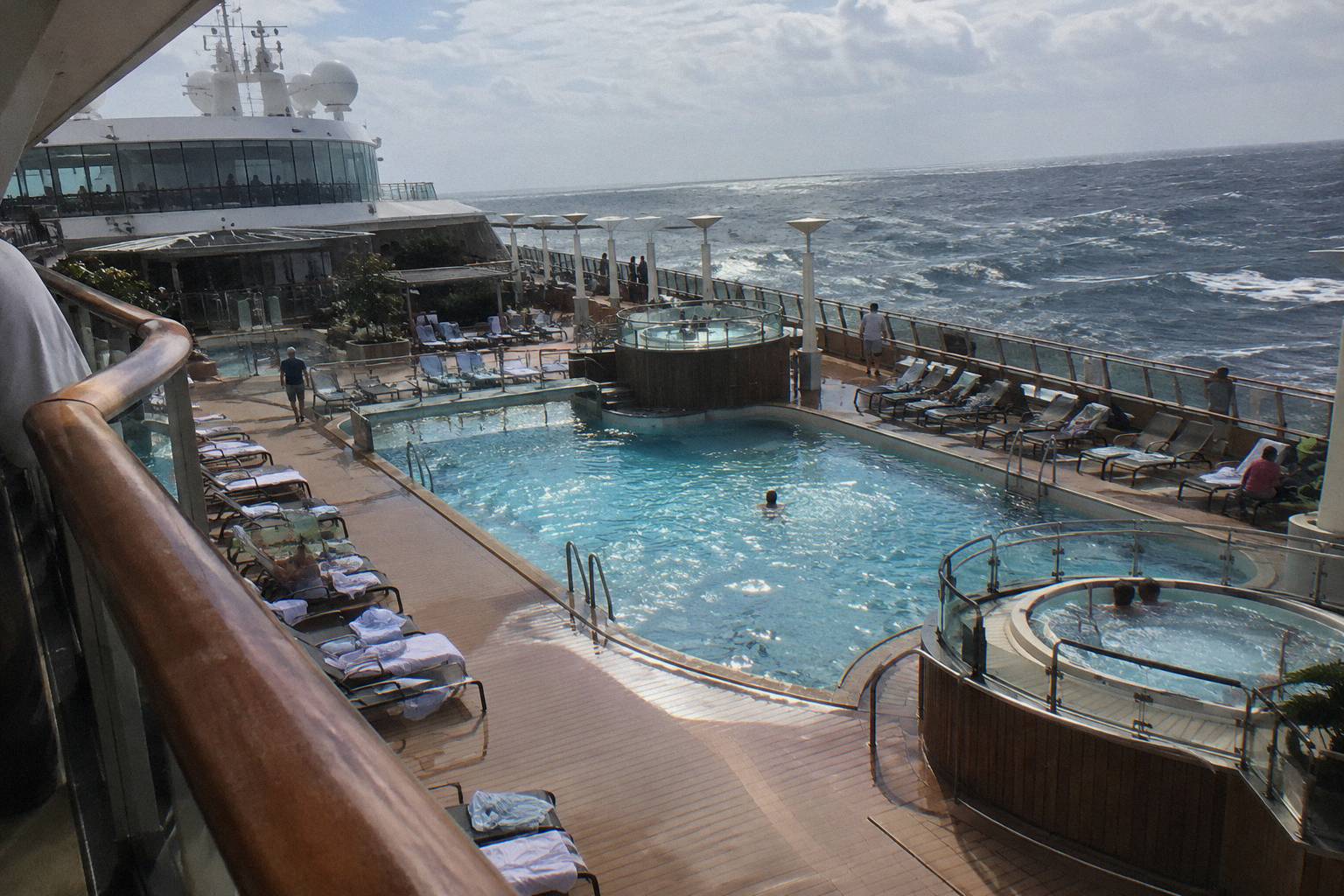
The list below repeats itself across every operator's sailings because the structure of a charter booking invites it: full payment long before departure, a cabin that is hard to replace, and an itinerary with flights attached.
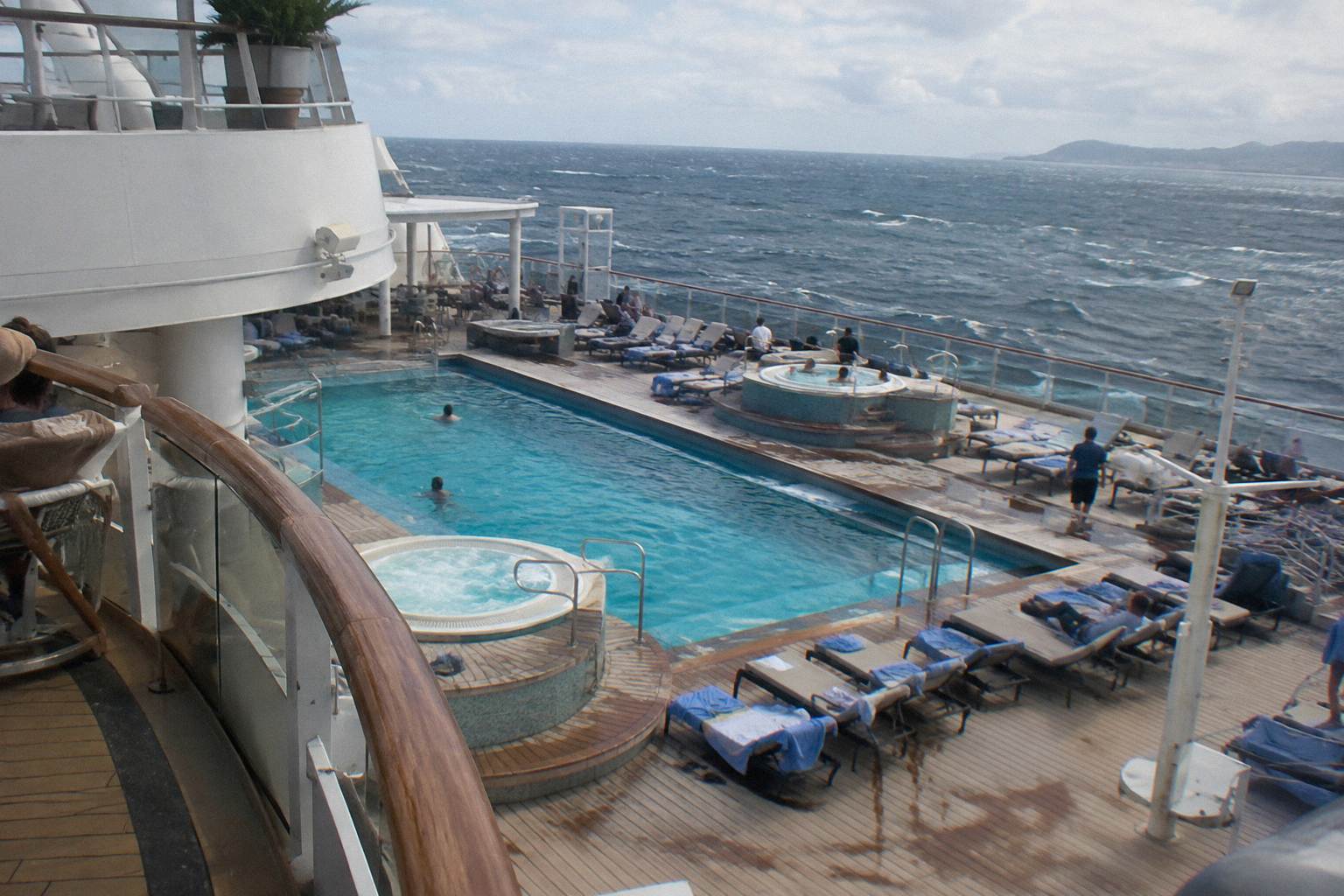
- Paying the deposit first and shopping for insurance "later", then missing the narrow post-booking window that unlocks the strongest pre-existing condition terms.
- Insuring the cabin fare but not the non-refundable flights, pre-cruise hotels or the separate entertainment fee, as with the $149 to $199 Waves of Pride fee outside the fare.
- Assuming the charter operator's terms include cancellation protection. The fares published by Atlantis, VACAYA, Brand g and the rest are fares; any protection is a separate product you have to ask about.
- Buying a policy without checking that it covers every country on the itinerary, including Peru for Amazon sailings and the specific polar regions for expedition trips.
- Skipping the medical-evacuation benefit because the fare was cheap, on the logic that a $1,799 cabin carries $1,799 of risk. The cabin price and the medevac bill are unrelated numbers.
- Letting an annual policy's cruise exclusion or low per-person limit stand unexamined against a $22,585 Antarctica fare.
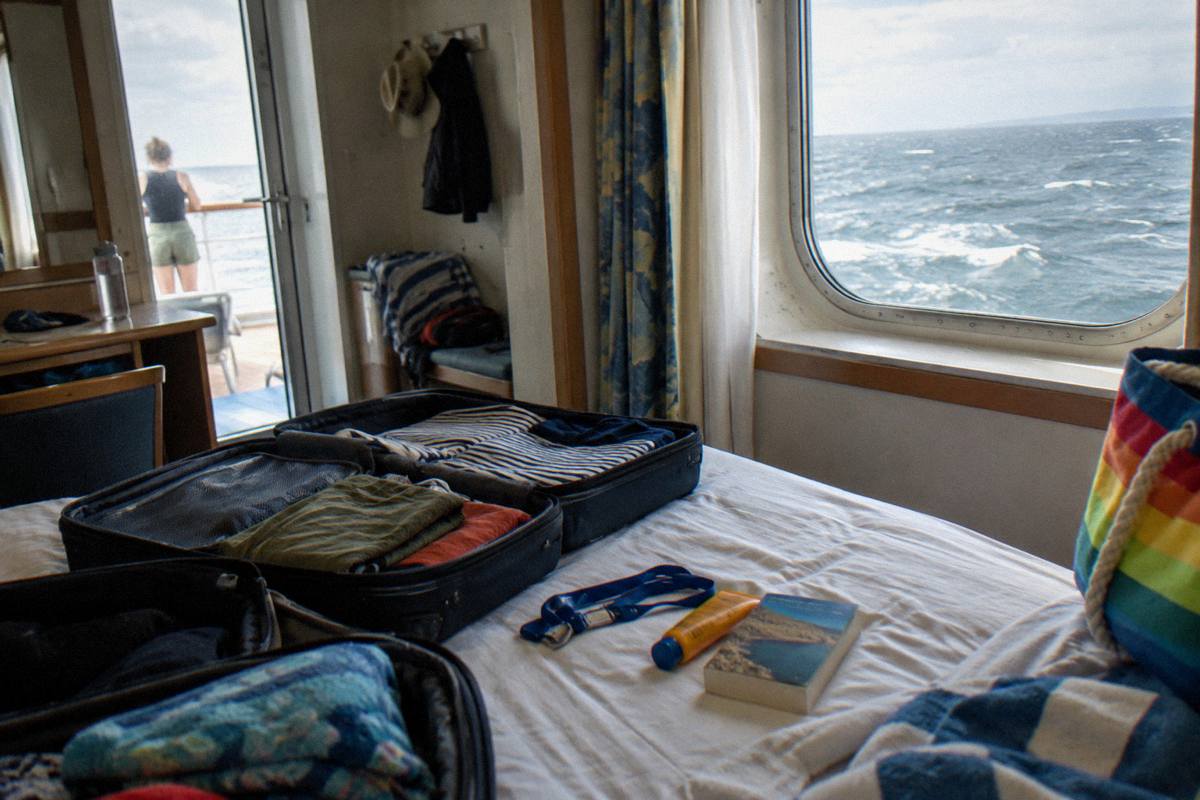
Common Questions About Cruise Travel Insurance
Do You Need Travel Insurance For A Gay Cruise?
It is not required, but on charter sailings with fares of roughly $1,199 to $22,585 prepaid months ahead, a policy is the only tool that returns that money if an insured event stops you travelling. Most travellers on four-figure fares choose to insure; the decision is a quote comparison, not a rule.
Does The Cruise Operator Include Cancellation Cover?
On the operator pages reviewed, no. Atlantis, VACAYA, Brand g, Source Journeys and the others publish fares, and any cancellation protection is a separate product or policy. Ask the operator directly before assuming, and read the booking terms for the refund ladder.
When Should You Buy The Policy?
As soon as the first payment is made. Many insurers attach their best terms, including pre-existing condition waivers, only to policies bought within a short window after the initial trip deposit. Later purchases still cover you, but for narrower reasons.
What Should The Policy Cover On A Remote Sailing Like The Amazon?
Medical treatment abroad, medical evacuation from a ship or a remote river port, every country on the route including Peru, and travel delay for the multi-leg flights the itinerary requires. The more remote the itinerary, the more evacuation cover matters.
Are Pre-Existing Conditions Covered?
Usually only if the policy is bought within the post-deposit window many insurers set, or if you buy a plan with a waiver. The operator sites do not publish terms for third-party insurance, so this question goes to the insurer at quote stage.
Is Insurance Worth It On A Cheap Cabin?
It depends on the total prepaid exposure, not the cabin price. A $999 interior with flexible flights is a small loss; the same cabin with non-refundable long-haul flights and a pre-cruise hotel may still justify a policy for the medical and delay benefits alone.
More Questions Answered
 Straight On A Gay CruiseWho is actually welcome on a gay cruise, operator by operator, and how to be a good ally guest.Read the answer
 What Happens On BoardThe rundown of a gay cruise: who sails, what a day looks like, costs and rules.Read the answer
 Average Age On BoardNo operator publishes a passenger age average; audience, price and itinerary reveal who each sailing actually draws.Read the answer
 Gay Passenger NumbersWhich ships actually carry the most gay passengers? Charter capacity, not demographics, holds the answer.Read the answer