Can Trans Travelers Use The Cabin And Facilities They Prefer On A Cruise?
Cruise cabins are sold by category and berth, not by gender, and the operators and charter companies covered here publish no rule forcing a trans traveler into a specific cabin type. What the sources do and do not say, and where to ask before you book.
This page sits in Questions Answered, the hub for pre-booking questions travelers ask before committing to a sailing.
Quick Facts
| Fact | What The Sources Say |
|---|---|
| Cabins | Sold by category and berth count, not by gender |
| Trans-specific facility policies published by operators | None found |
| Charter and group sailings | 90 across 11 operators |
| Sold out or waitlisted | 29 of those 90 sailings |
| LGBTQ+ charter operators with sailings | 11 |
| Virgin Voyages on pride | "Pride isn't just something we celebrate one month of the year" |
| Olivia Travel sailings | 19, from 2026-12-02 to 2028-05-24 |
| VACAYA price range | About $3,700 to $12,500+ per person |
| Free pre-booking help on this site | A consultation with no obligation |
Can Trans Travelers Use The Cabin And Facilities They Prefer On A Cruise?
On the cabin, yes in practice: every operator page listed sells cabins by category and berth, and none publishes a rule that sorts travelers by gender. On the facilities, the cruise line publishes no trans-specific policy either way, so that question is settled by the line's guest-services desk or the charter operator before sailing. Nothing prevents a trans traveler from booking the cabin they prefer.
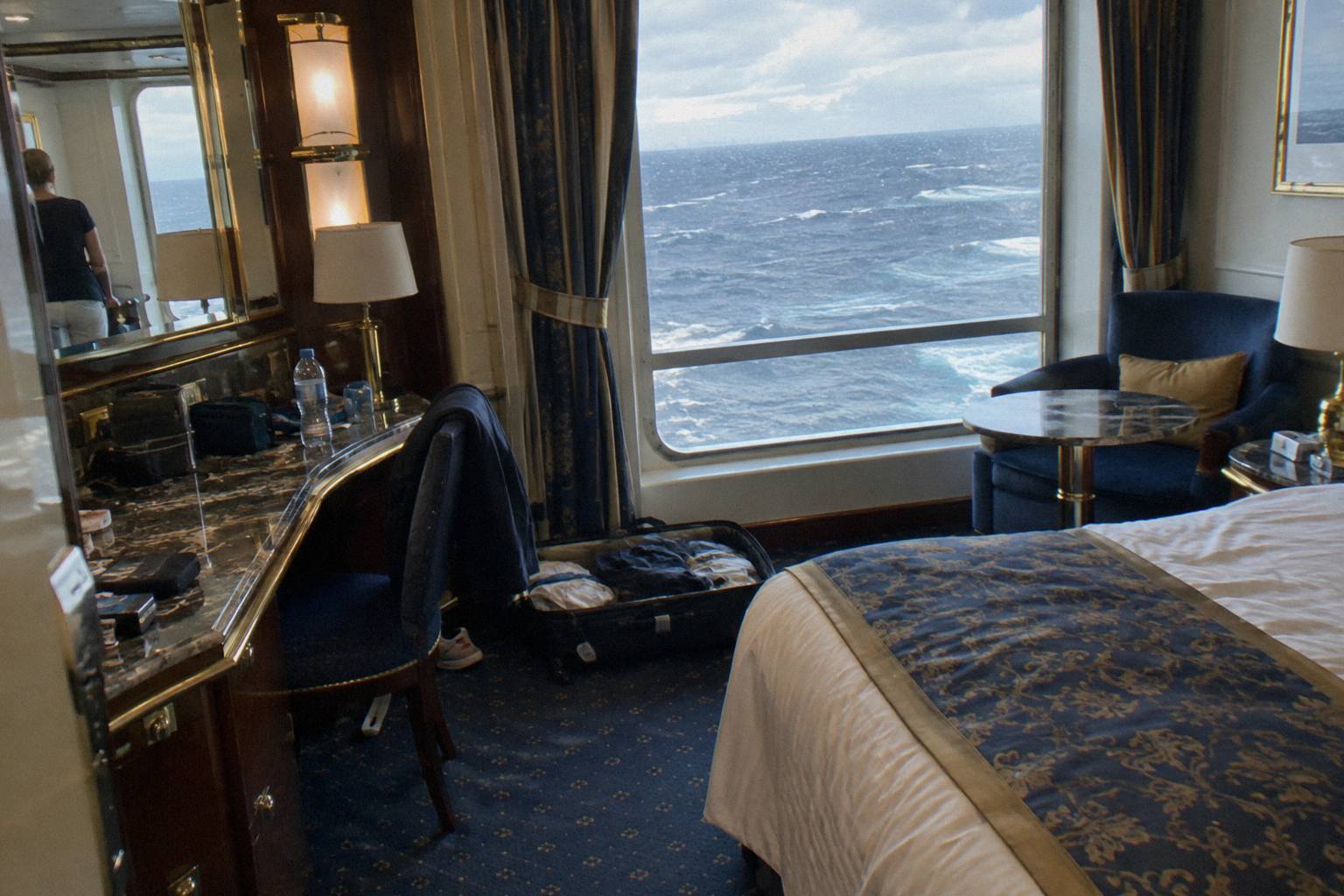
The distinction matters because a cruise purchase has two halves. The first half, the cabin, is a commercial transaction: you pick a category, a deck and a berth count, and the operator's page prices it. None of the 11 charter operators or the mainstream lines describes a booking flow that asks for gender as a gate on cabin type. The second half, the shared spaces, is a service question: pools, spas, changing rooms and washrooms are run under each ship's own house rules, and no cruise line listed publishes a written trans-inclusion or exclusion rule for them.
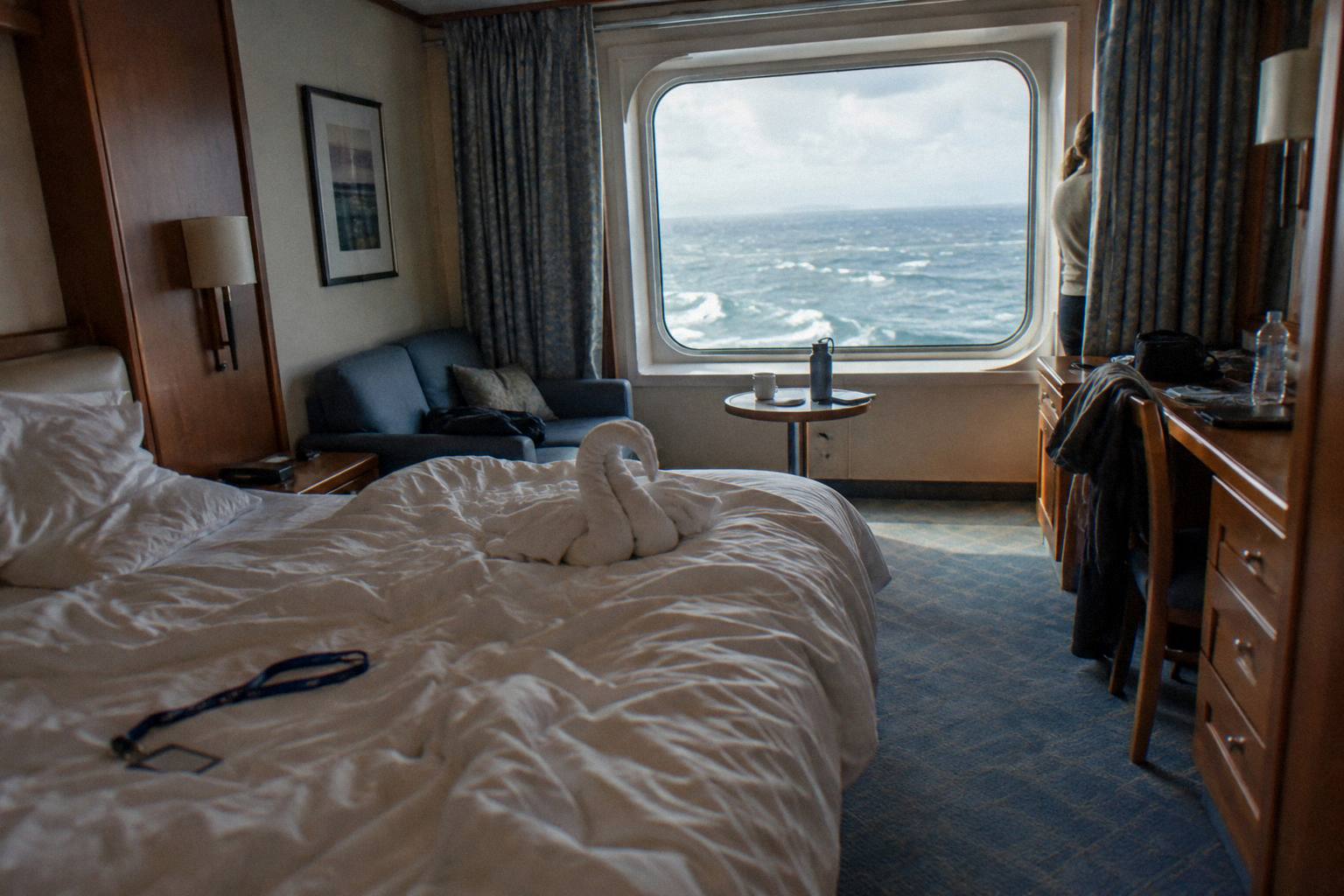
That absence of a written rule is not the same as a refusal. It means the answer lives in operational practice, which varies by line, by ship and sometimes by the cruise director running a charter week. The reliable move, and the one this page keeps returning to, is to ask the question in writing before money changes hands, and to get the answer in writing back. The Gay Cruises guide exists partly because these answers are scattered across operator pages that rarely surface in a first page of search results.
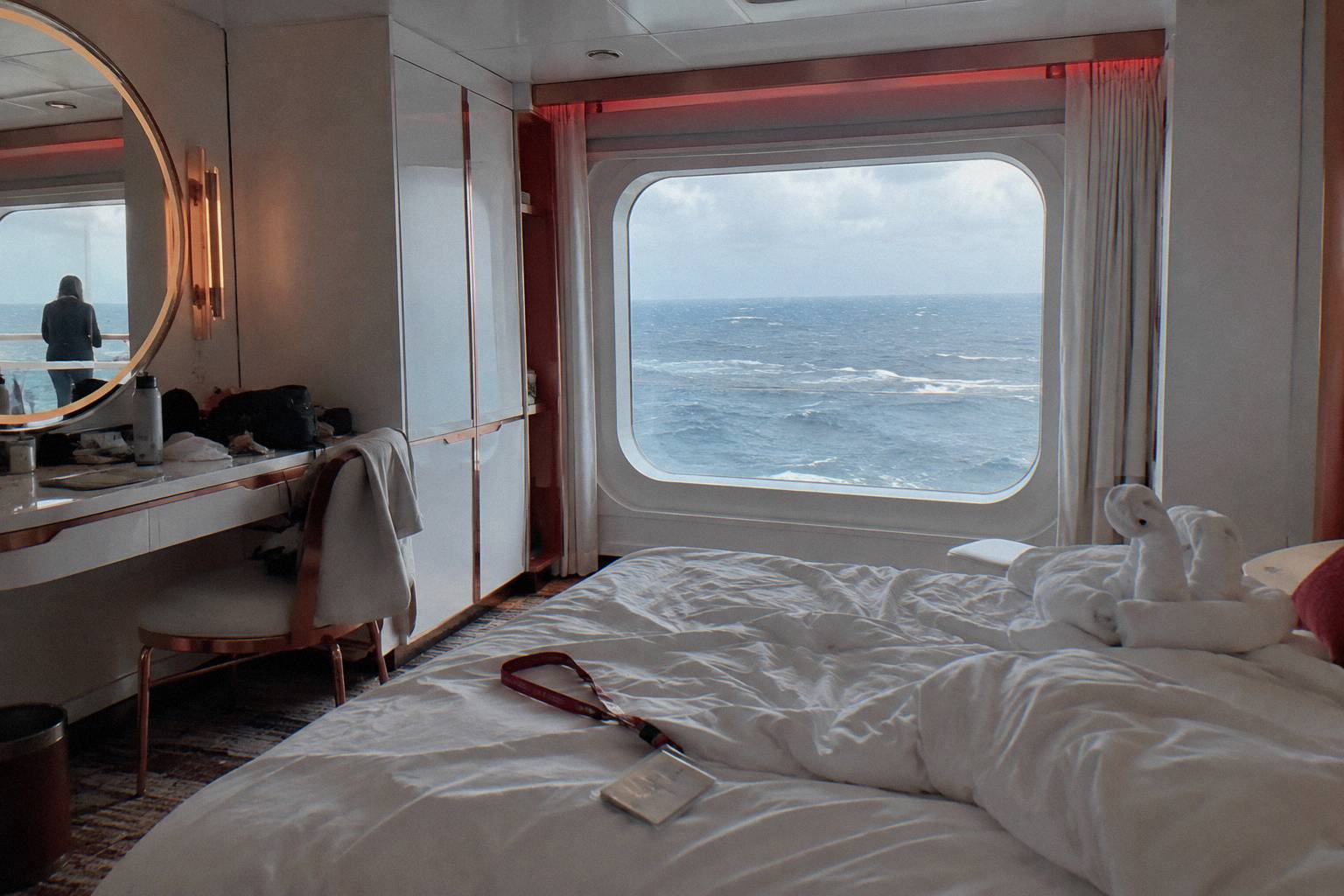
For trans travelers comparing an LGBTQ+ charter against a mainstream sailing, the charter route has one structural advantage: the charter company, not the line, owns the guest experience for that week. Atlantis Events, whose official Atlantis Events site describes charters aimed at gay men with women welcome, has six sailings listed, four of them sold out or waitlisted. A charter company that answers your facilities question before you pay is answering for the whole ship, not just for your booking.
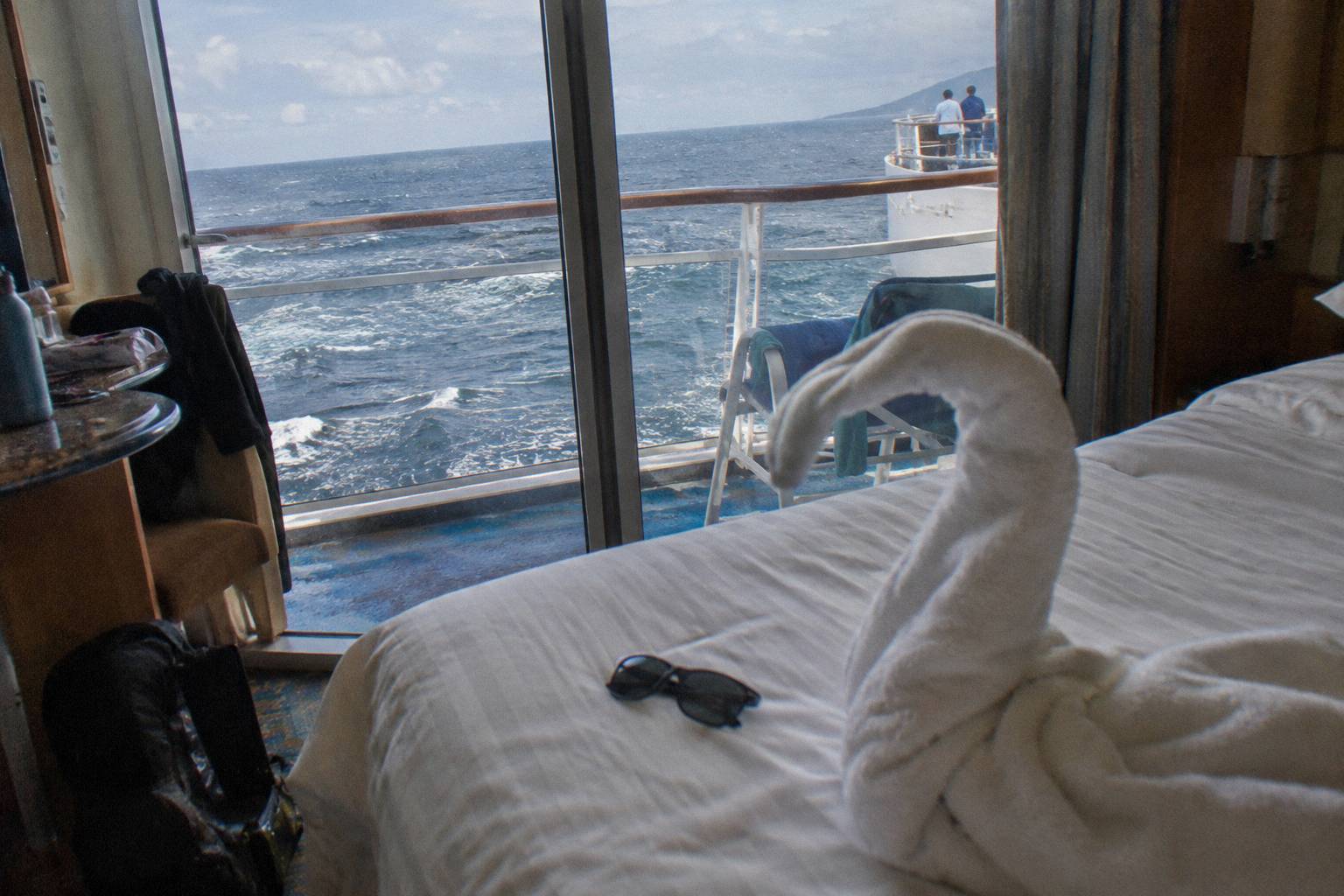
How Cabin Booking Actually Works On Every Line
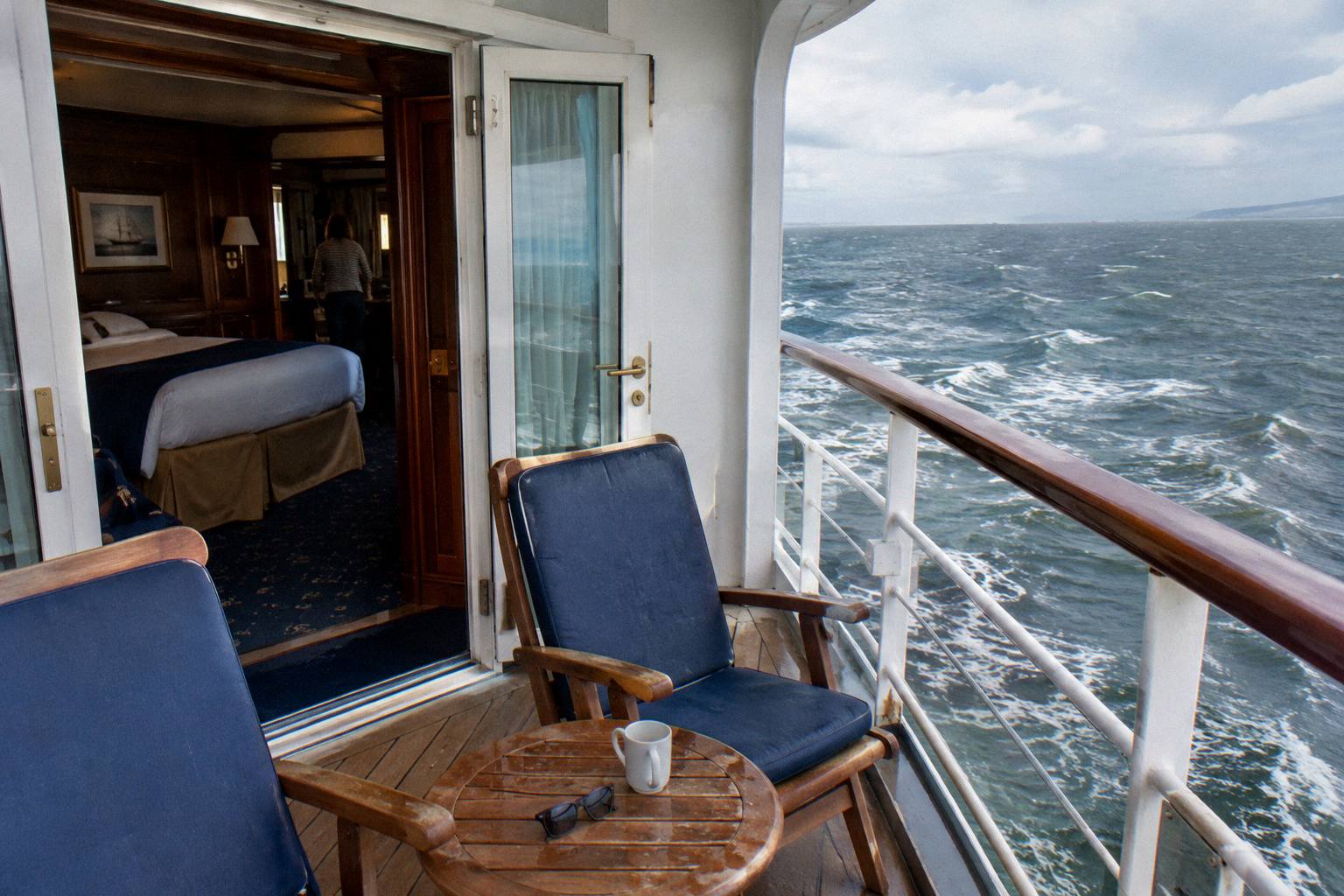
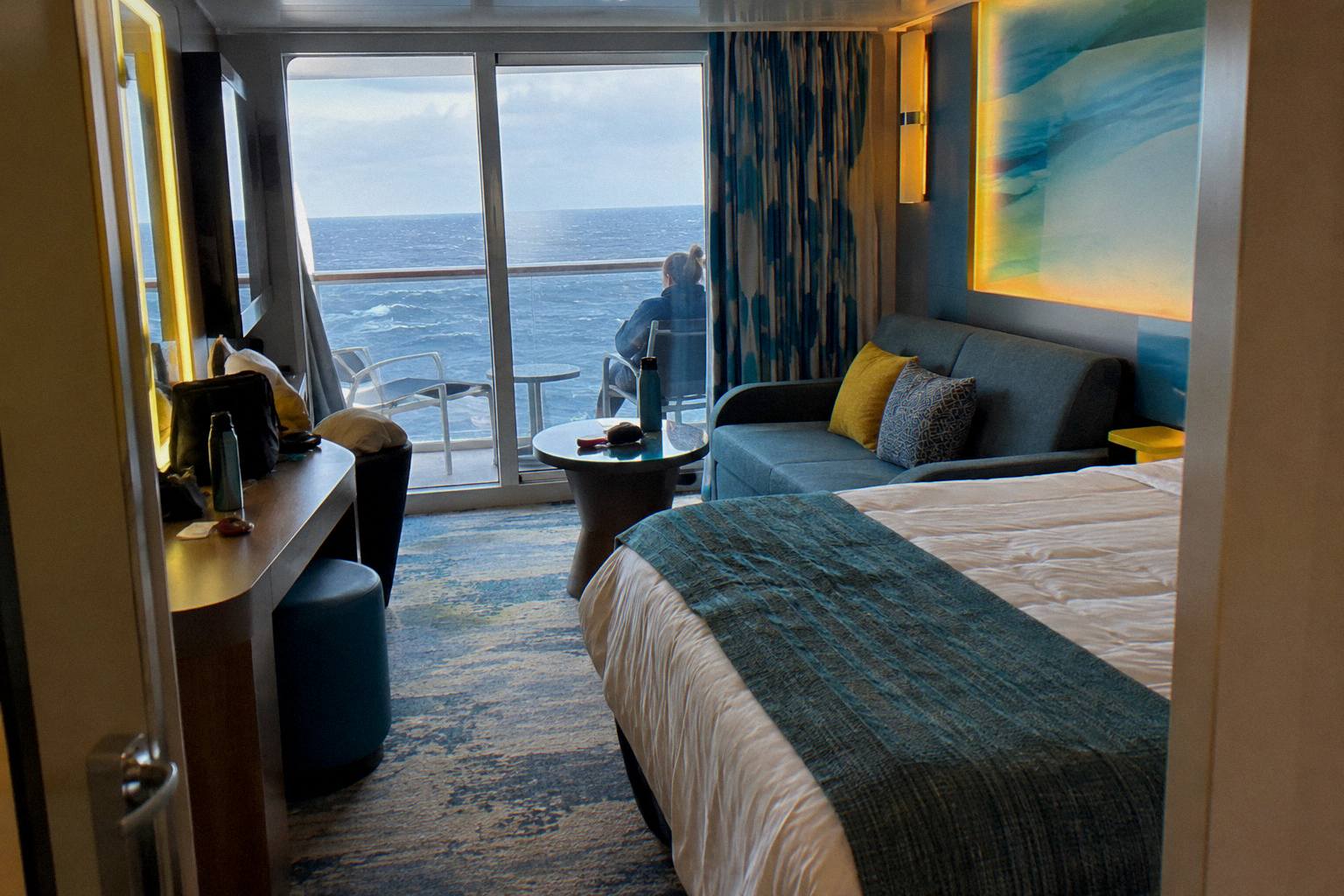
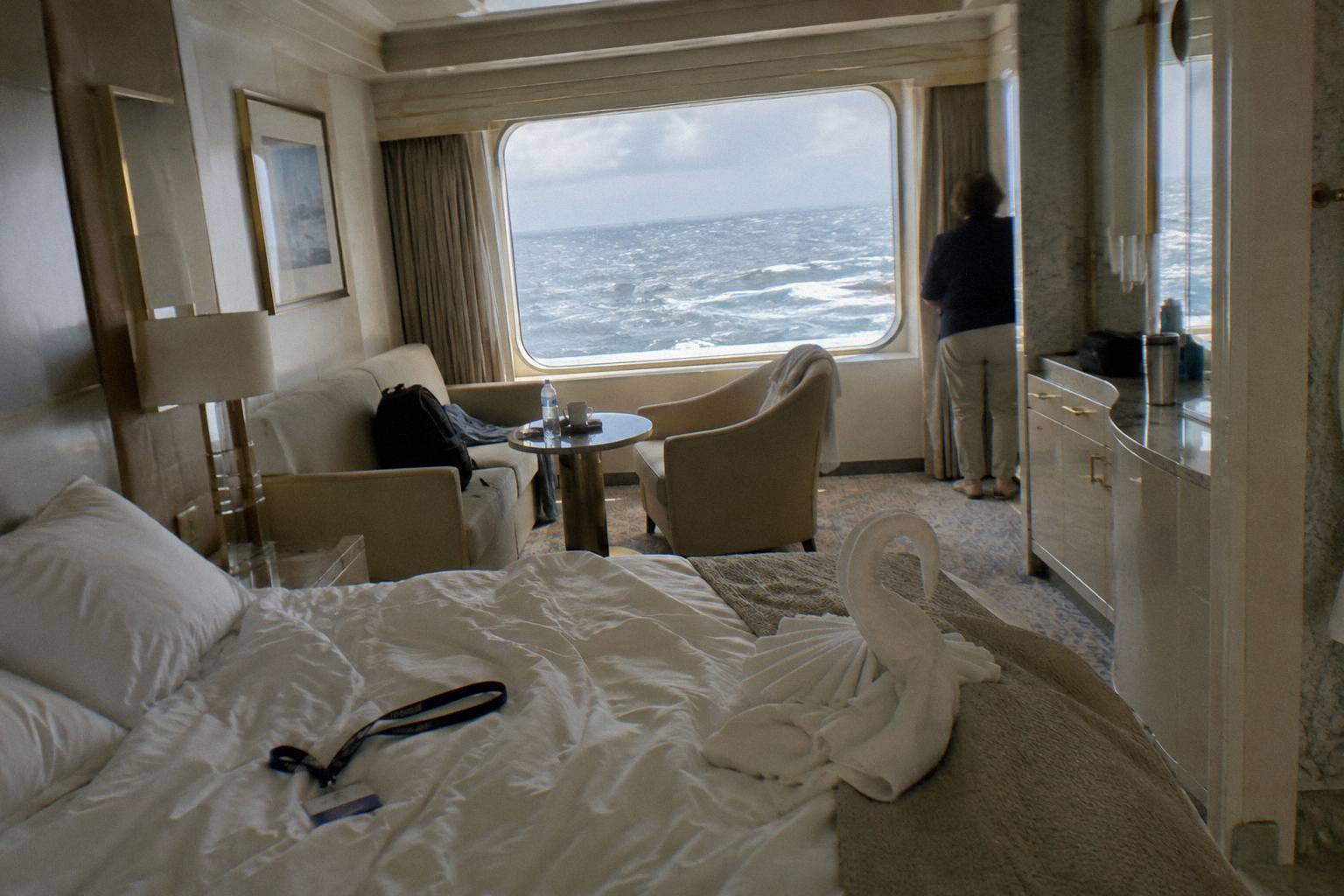
A cabin is a product with a category, a deck and a berth count, and the booking flow on the operators' pages treats it that way. Interior, oceanview, balcony and suite categories are priced per person at the lowest category. No operator page describes a gender check at cabin assignment, so a trans traveler selects a cabin exactly as any other guest does.
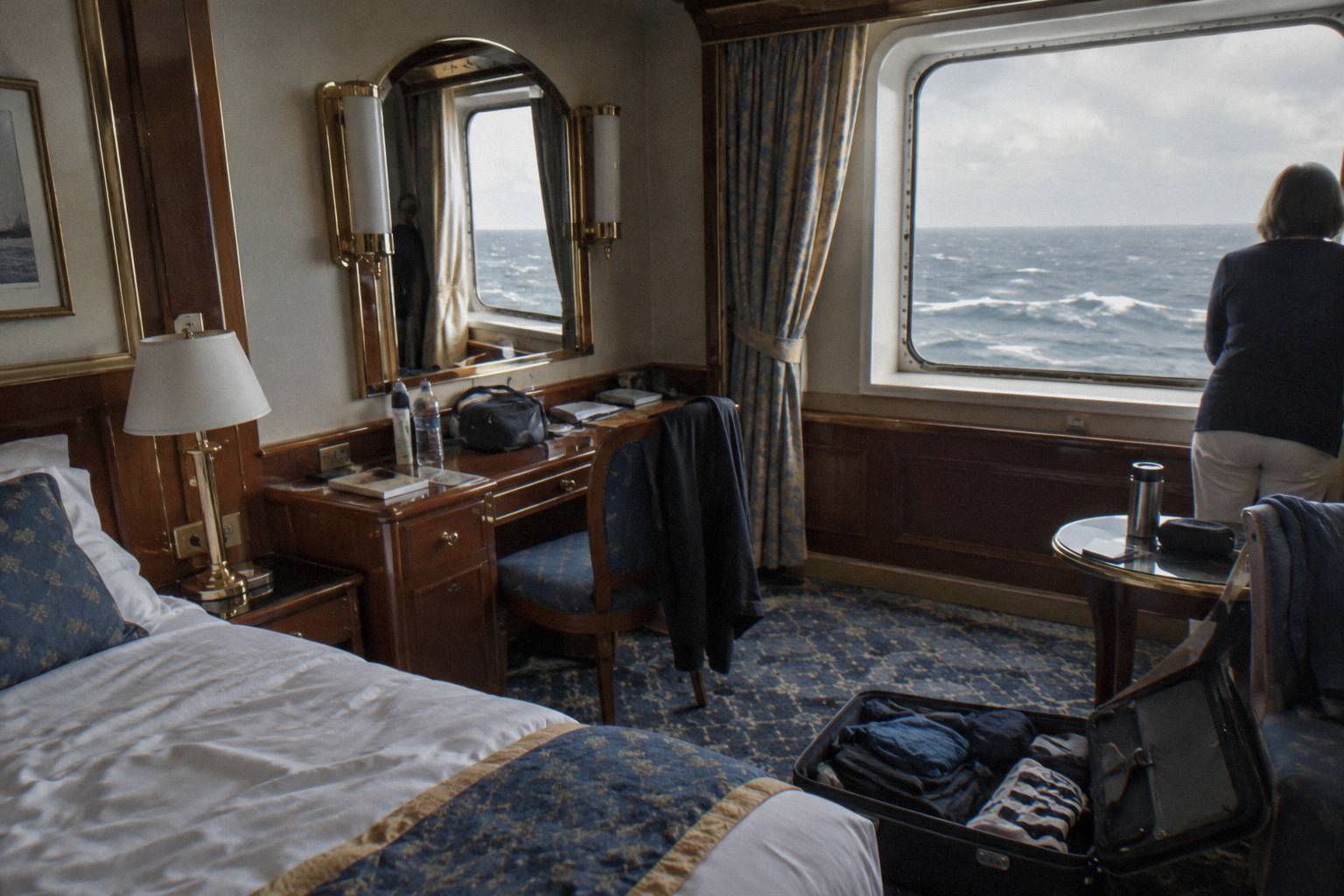
The price rows give a sense of the spread. Atlantis Events lists interior fares from $1,199 to $1,799 per person on its current 7 to 9 night sailings. Olivia Travel, whose 19 listed sailings run from 2026-12-02 to 2028-05-24, shows a range of about $999 for a Holland America interior up to $6,899+ for river and expedition trips. Brand g Vacations spans roughly $4,900 on the Rhine to $22,300 for its Philippines, Taiwan and Japan luxury sailing. Waves of Pride quotes a single from $1,609.40 covering fare, taxes and gratuities, with a separate $149 to $199 entertainment fee. Every one of those fares buys a cabin category, and the category, not the guest's gender, is what the price attaches to.
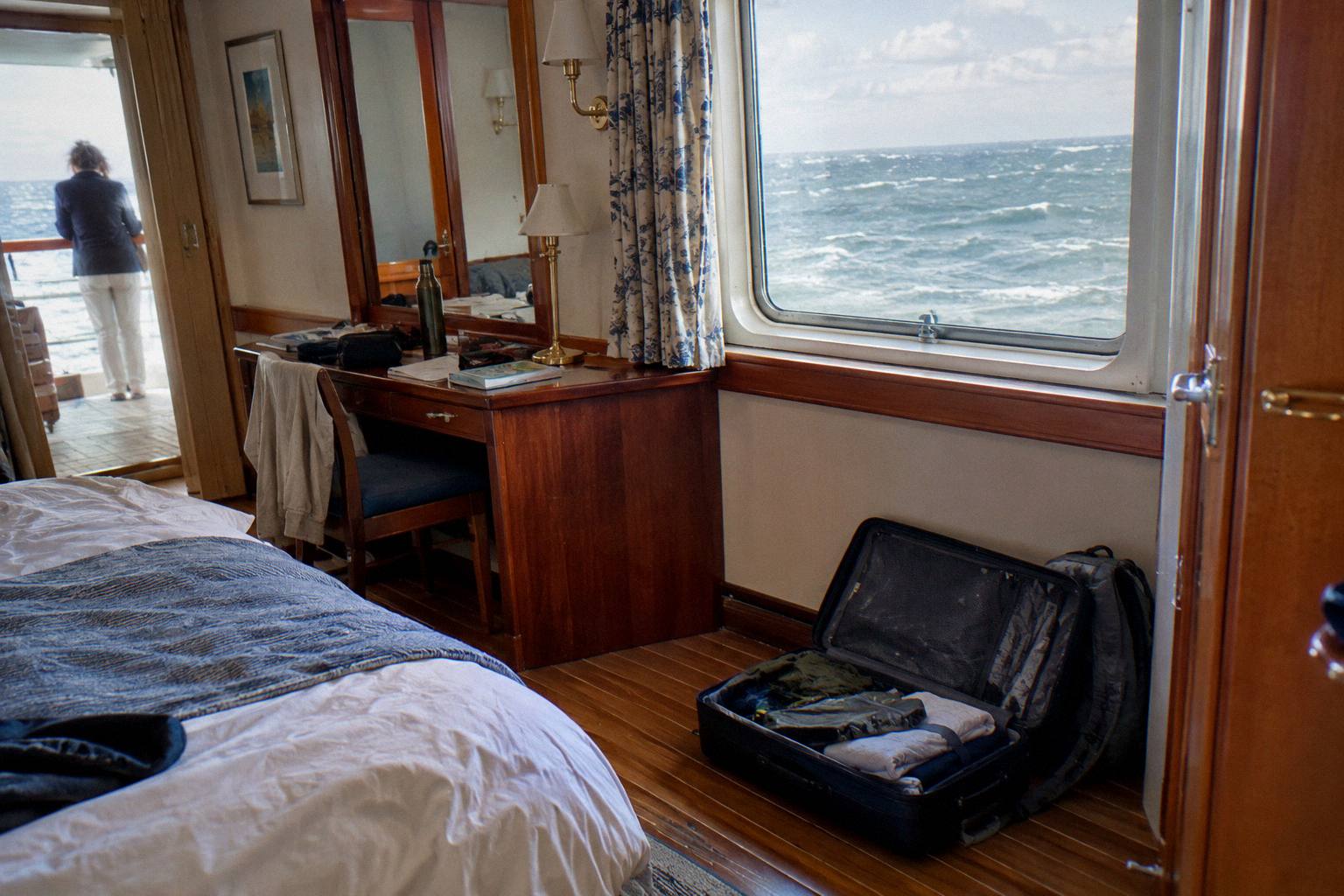
Where a traveler books solo and wants to share, the roommate question is the one place identity can enter the mechanics. Atlantis runs a solo roommate matching arrangement covered in detail on the Atlantis solo roommate guide. The operators do not publish a gender rule beyond their audience descriptions, so a trans man booking into a men-audience charter or a trans woman into an Olivia sailing should ask the operator directly how matching handles their situation. This is a two-sentence email, and charter companies answer these questions routinely.
The cabin itself, once booked, is private space. What the facilities question outside that door looks like is the next section, and it is where the published sources go quiet in a way worth understanding rather than guessing around.
What Operators And Lines Actually Publish About Shared Facilities
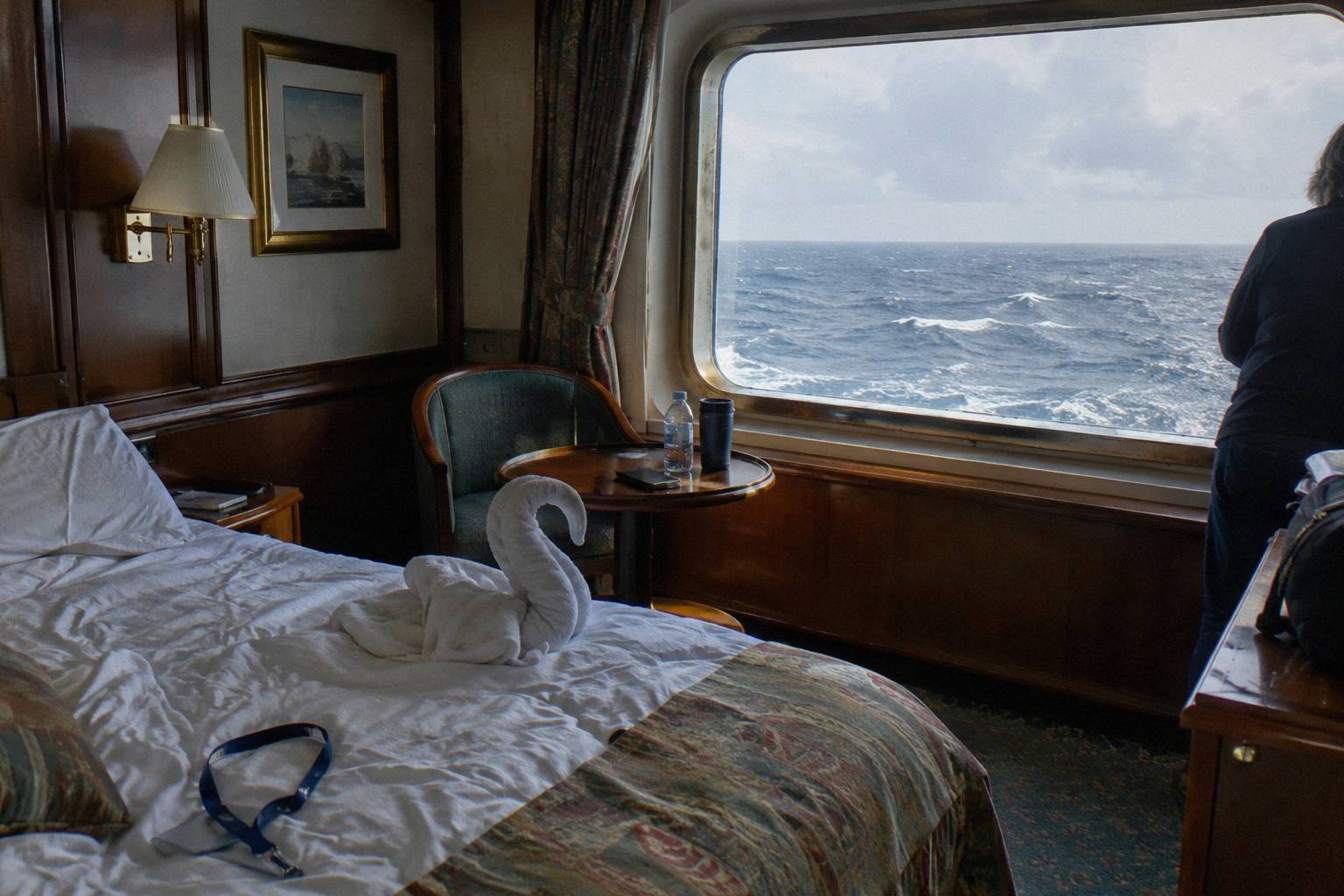
None of the 11 charter operators or the mainstream lines listed publishes a trans-specific facilities policy. That is a statement about the sources, not a claim that problems do or do not exist. It means a traveler cannot cite a written rule either way, and should treat any answer received verbally as worth confirming in writing before the sailing.
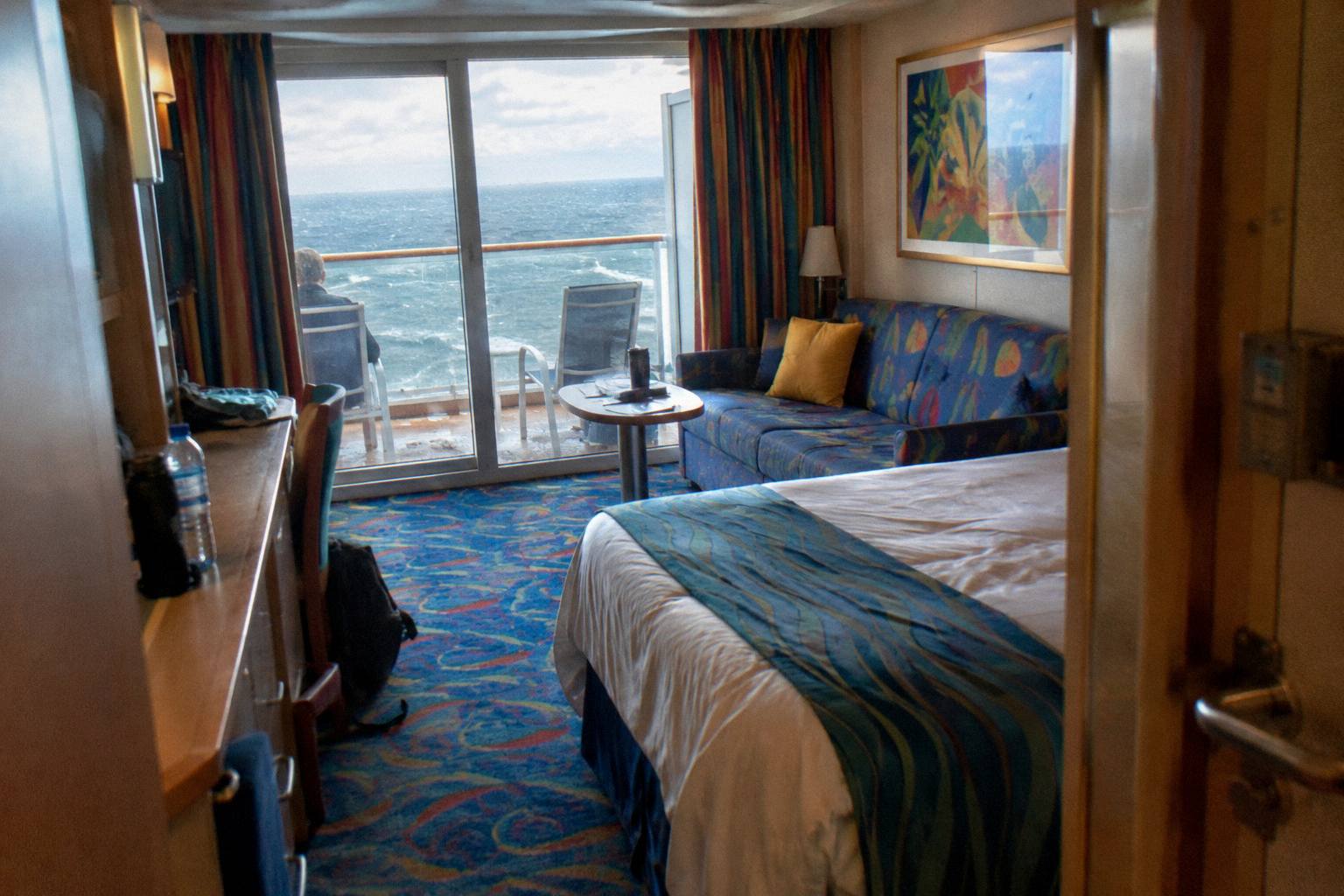
The strongest published statement comes from Virgin Voyages, whose own pride text reads: "Pride isn't just something we celebrate one month of the year. It's a philosophy that's baked into our identity." The same line's page records that it hosts third-party LGBTQ+ charters, including a historical Atlantis charter on Scarlet Lady in 2020, Waves of Pride on Resilient Lady in September 2026, Sapphic Sail on Scarlet Lady across 2026 and 2027, and Odyssey Pride on a Virgin ship in October and November 2026. A line that leases its ships to LGBTQ+ charter brands is a line whose house culture has already been tested by those weeks, which is a reasonable, sourced signal even though it is not a facilities guarantee.
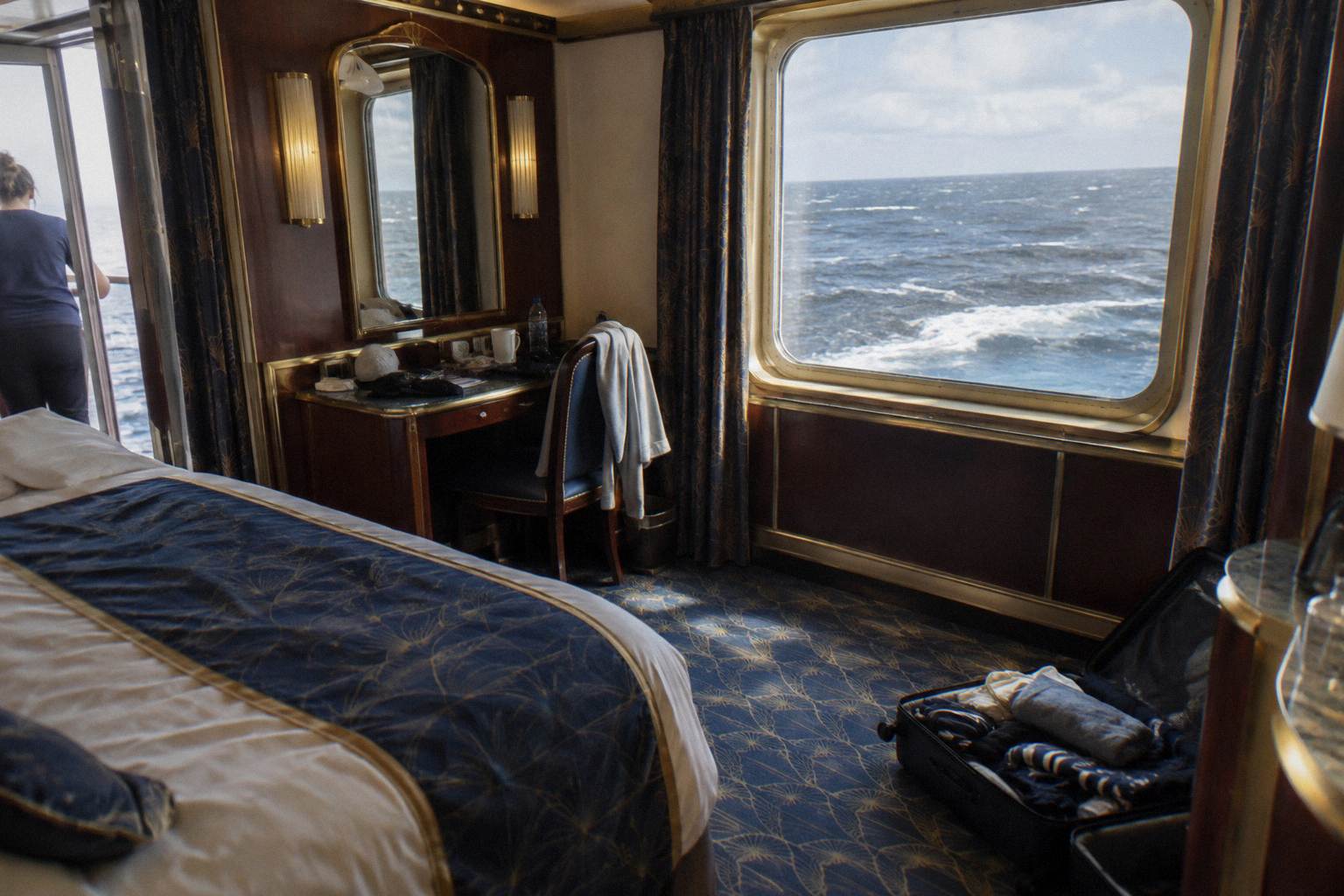
Among the charter operators, audience descriptions are the closest thing to a policy statement. VACAYA describes its audience as mixed LGBTQ+ men, women and allies, and its official VACAYA site lists 8 sailings, all of them sold out or waitlisted, with per-person prices from about $3,700 to $12,500+. Olivia Travel's audience is LGBTQ+ women. BearCruise sails for bears and admirers. RSVP Vacations, founded 1985 and historically mixed gay men and women, has zero announced upcoming sailings, though its official RSVP Vacations site remains the place future dates would appear. None of these pages, as, prints a trans-specific facilities rule.
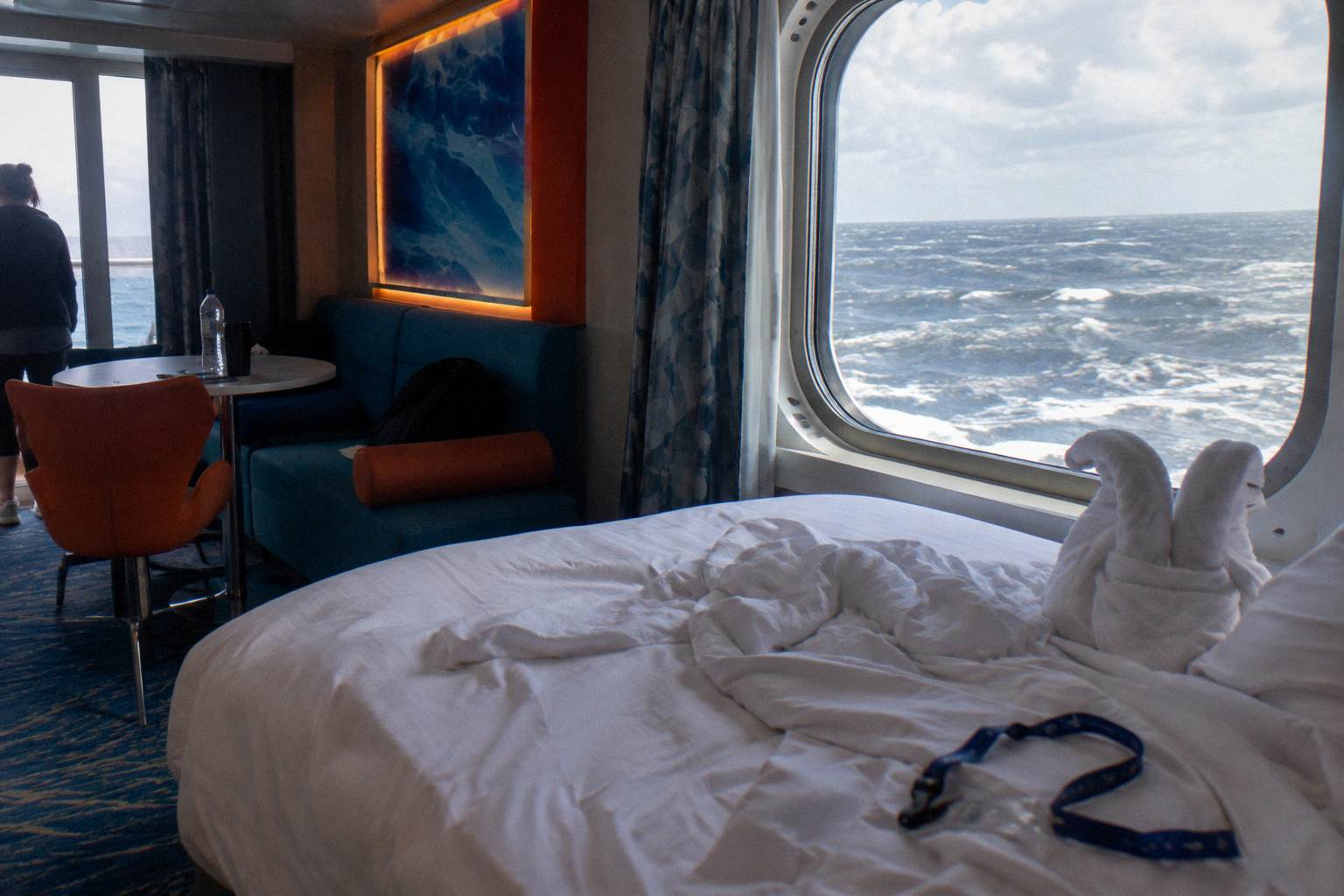
The honest way to use this silence is to convert it into a question. A pre-booking email to the operator, or the free consultation this site runs, turns an unpublished practice into a documented answer. When a cabin category and a facilities answer both sit in writing before payment, the booking stands on something firmer than an assumption, and asking costs nothing here.
Who Answers The Question Best: Line, Charter Or Agency
The best-placed answerer depends on who owns your week. On a full-ship LGBTQ+ charter, the charter company sets the onboard culture and answers facilities questions for the whole sailing. On a mainstream sailing, the line's guest services desk is the authority. On either, an LGBTQ+ specialist travel agent can ask the question in the right channel before you commit. A free consultation opens that channel.
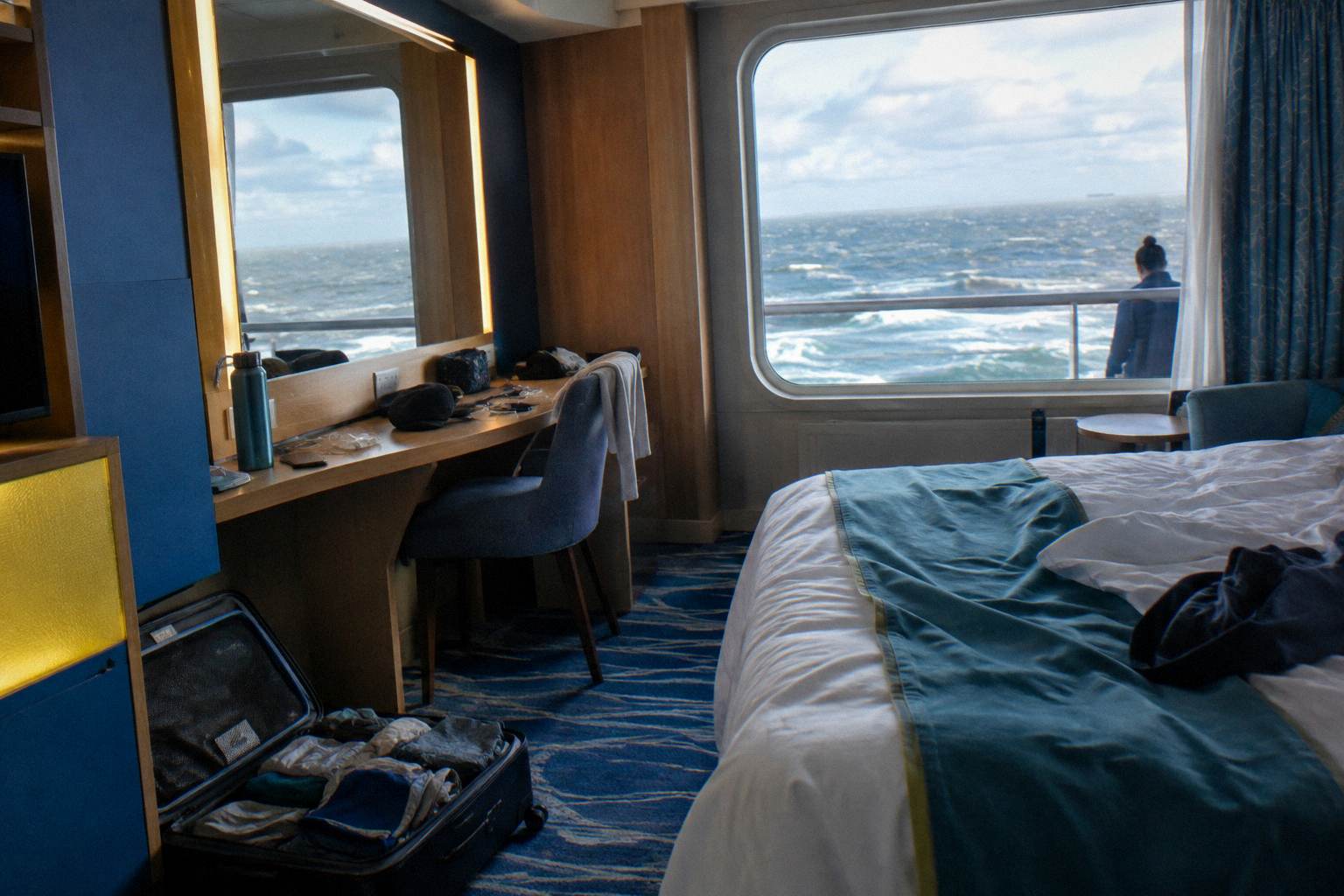
Charter operators have direct incentives to answer well. Their audiences are explicitly LGBTQ+, their businesses depend on repeat guests, and several publish founding dates that show long runs: Atlantis since 1991, RSVP since 1985, Brand g since 2011, Source Journeys since 2001, Out Adventures since 2009, VACAYA since 2017. A company that has run charters for three decades has fielded every variant of this question, and the absence of a published policy more likely reflects unpublished routine than unconsidered practice. Asking still beats assuming, and the answer should still land in writing.
The table below shows the operator landscape, with audience and founding data, because audience fit is the single biggest lever on how comfortable any shared space feels regardless of written rules.
| Operator | Published Audience | Founded | Upcoming Sailings |
|---|---|---|---|
| Atlantis Events | Men, women welcome | 1991 | 6 |
| Olivia Travel | LGBTQ+ women | - | 19 |
| Brand g Vacations | LGBT+, gay-centred, mixed | 2011 | 24 |
| VACAYA | Mixed LGBTQ+, men, women, allies | 2017 | 8 |
| KelliGregg / R Family | LGBTQ+ and allies, families | 2003 | 13 |
| BearCruise | Bears and admirers | - | 6 |
| Big Gay Cruise | Mixed LGBTQ+ and allies | - | 6 |
| Out Adventures | Gay men / LGBTQ+ | 2009 | 2 |
| Source Journeys | LGBTQ+ luxury, mixed | 2001 | 3 |
Brand g Vacations carries the largest listed count at 24 sailings running to 2028-10-14, with Olivia's 19 next. Both operate across river and ocean products, which raises a practical point covered later in this page: ship size and ship type change what shared facilities even are.
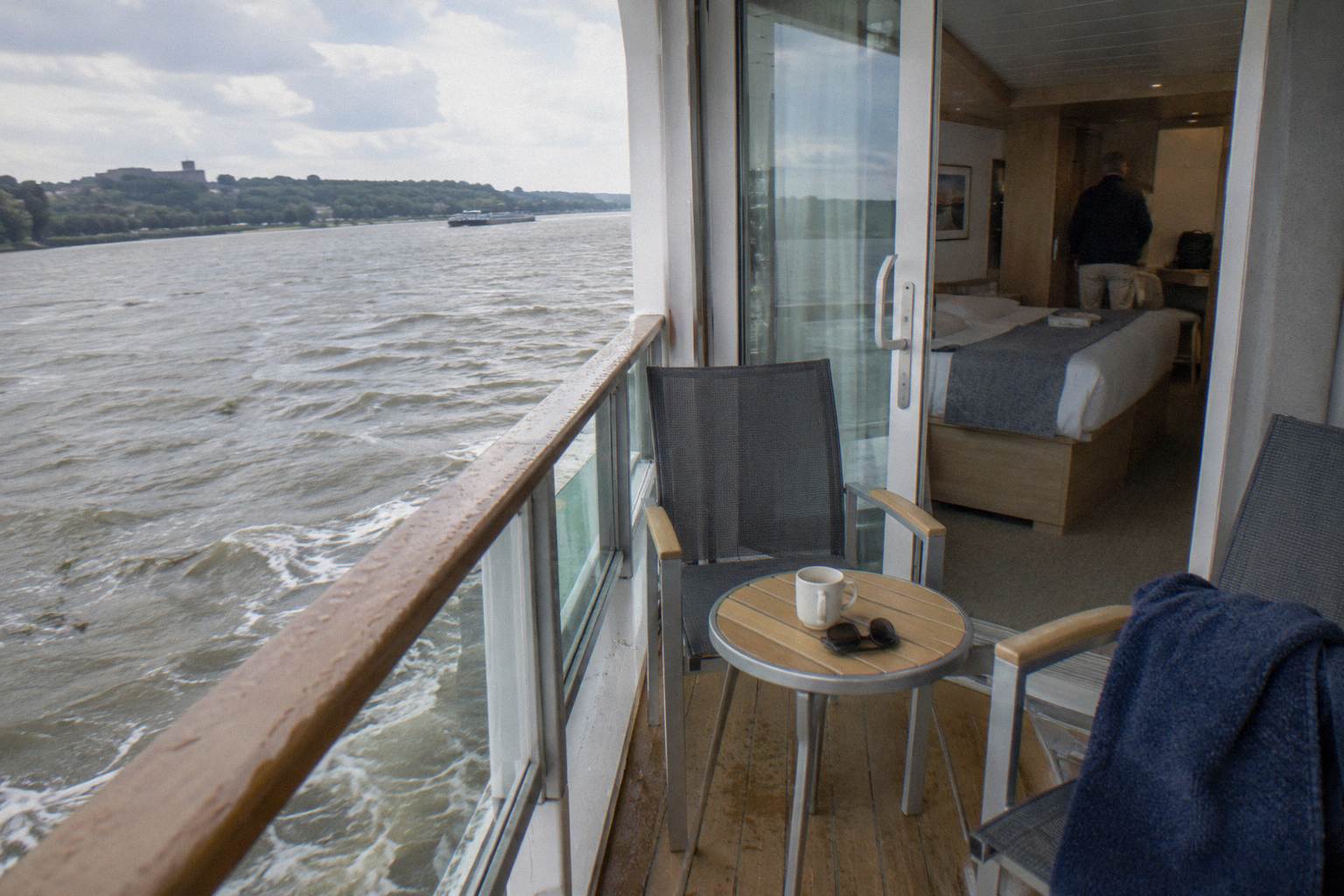
Ship Size Changes What Facilities Even Are
On a river ship carrying a few dozen guests, the facilities question is mostly a cabin question, because shared changing areas are minimal and the atmosphere is closer to a small hotel. On a mega ship carrying 2,770 to 3,260 guests, spa changing rooms, pool decks and washroom blocks are large, gender-marked and staffed, so the question deserves a direct answer before booking.
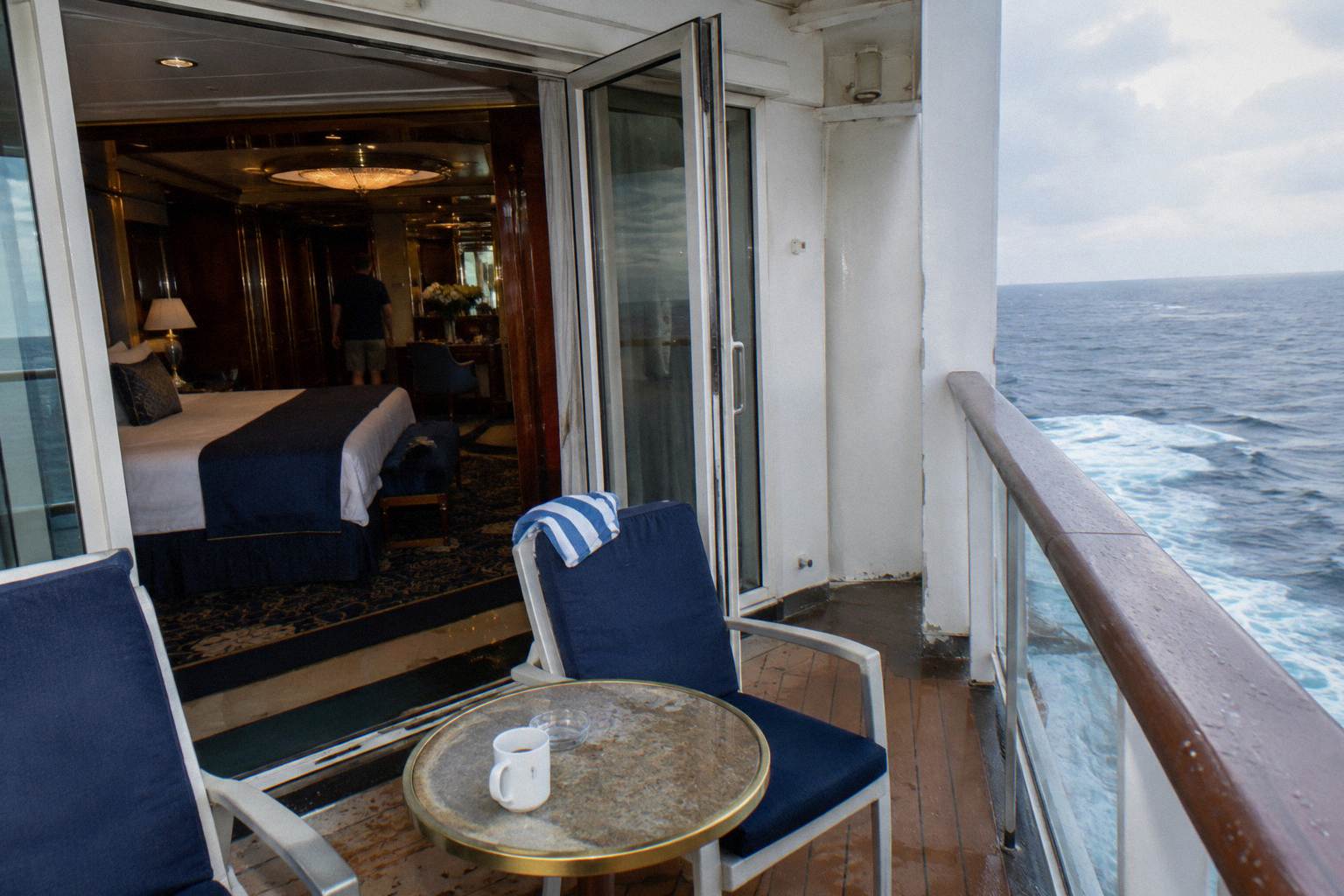
The listings give real numbers. Virgin Voyages' Valiant Lady and Scarlet Lady each carry 2,770 guests, with Scarlet Lady built in 2020. Celebrity Beyond carries 3,260 and was built in 2022. Royal Caribbean's Allure of the Seas, built 2010, is also on the mega-ship roster. At the other end, Delfin III is a river ship, Amadeus Aurea a river ship, and World Navigator and World Traveller are Atlas Ocean Voyages expedition ships. A facilities conversation on Allure of the Seas is a different conversation from one on Delfin III, not because the rules differ on paper, none are published, but because the physical reality of shared space differs enormously.
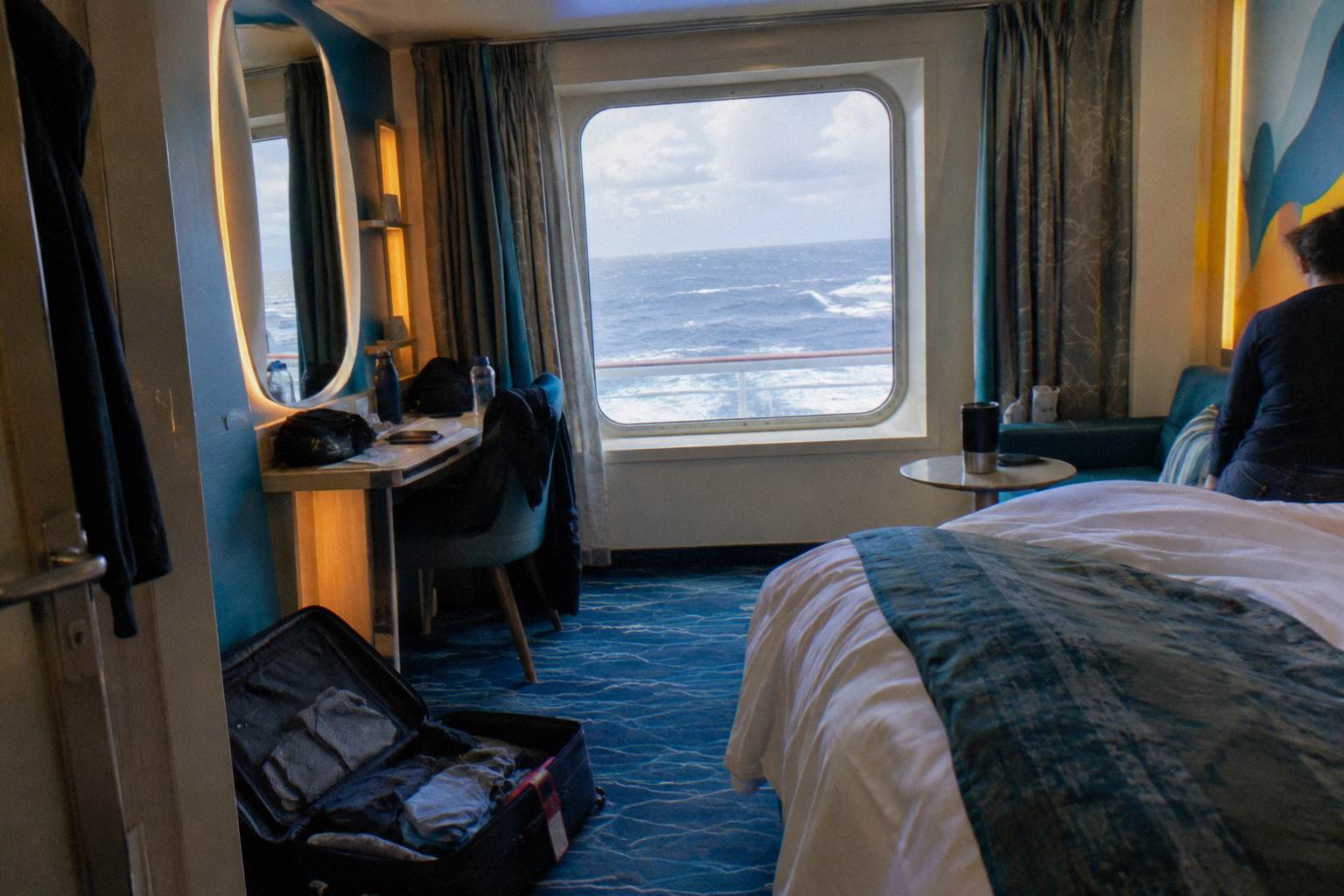
River ships reward trans travelers in a specific way: the guest count is small enough that the crew knows every face within a day, and the ratio of private cabin space to shared space is high. The Amazon itinerary product on Delfin III, the featured ship on this page, is described on the gay-friendly cruise lines guide alongside other operators. An expedition product like World Navigator, with a fraction of a mega ship's guests, sits in similar territory. If gender-marked facilities are the worry, the ships where that worry is smallest are the small ones.
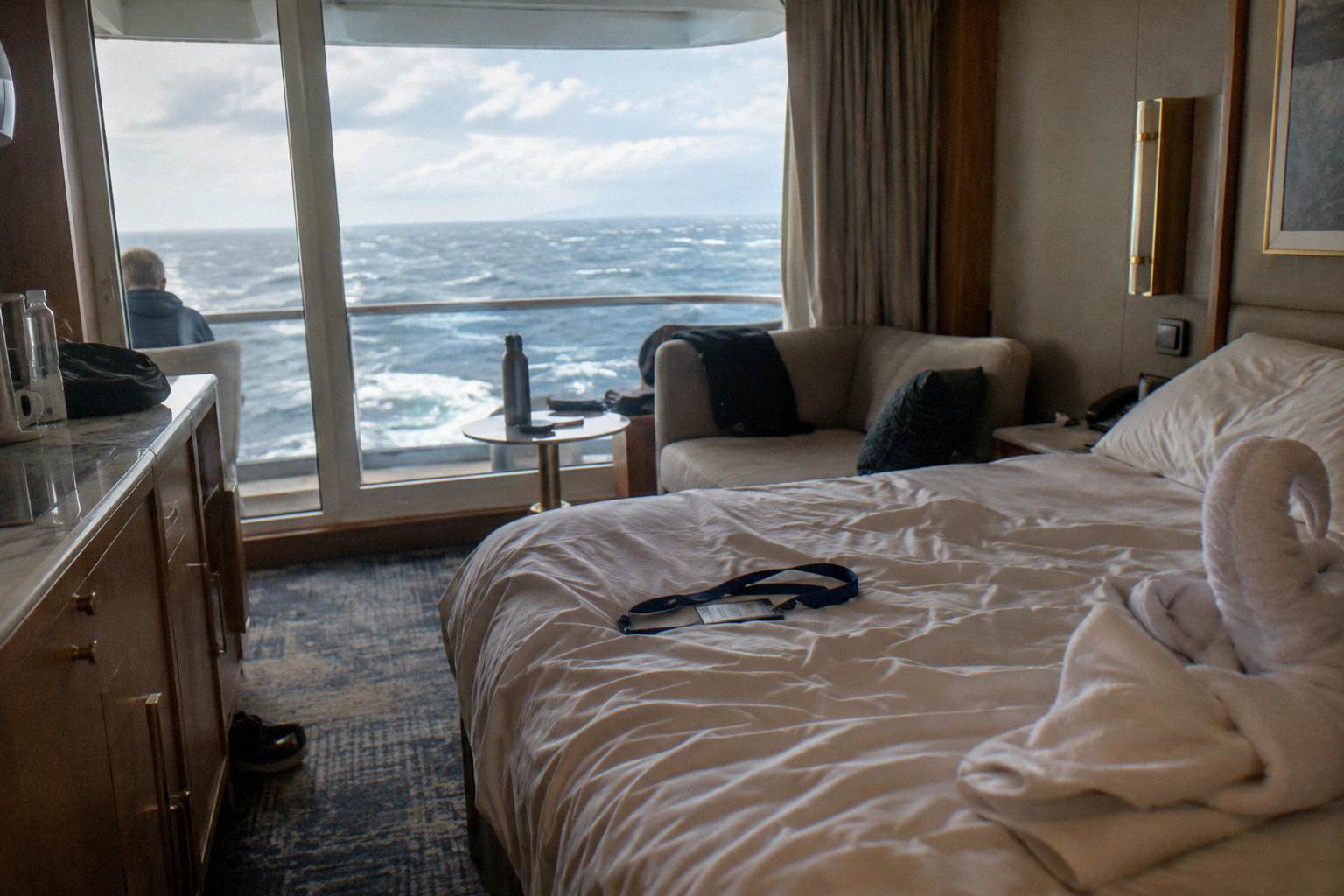
For travelers who want the mega-ship entertainment scale of a Valiant Lady or an Atlantis charter on a large vessel, the question is worth asking with specifics: which spa, which deck, which night. Charter weeks on big ships often repurpose spaces entirely, and the charter company can say what the week's layout does with changing areas. That detail lives nowhere on a line's public page.
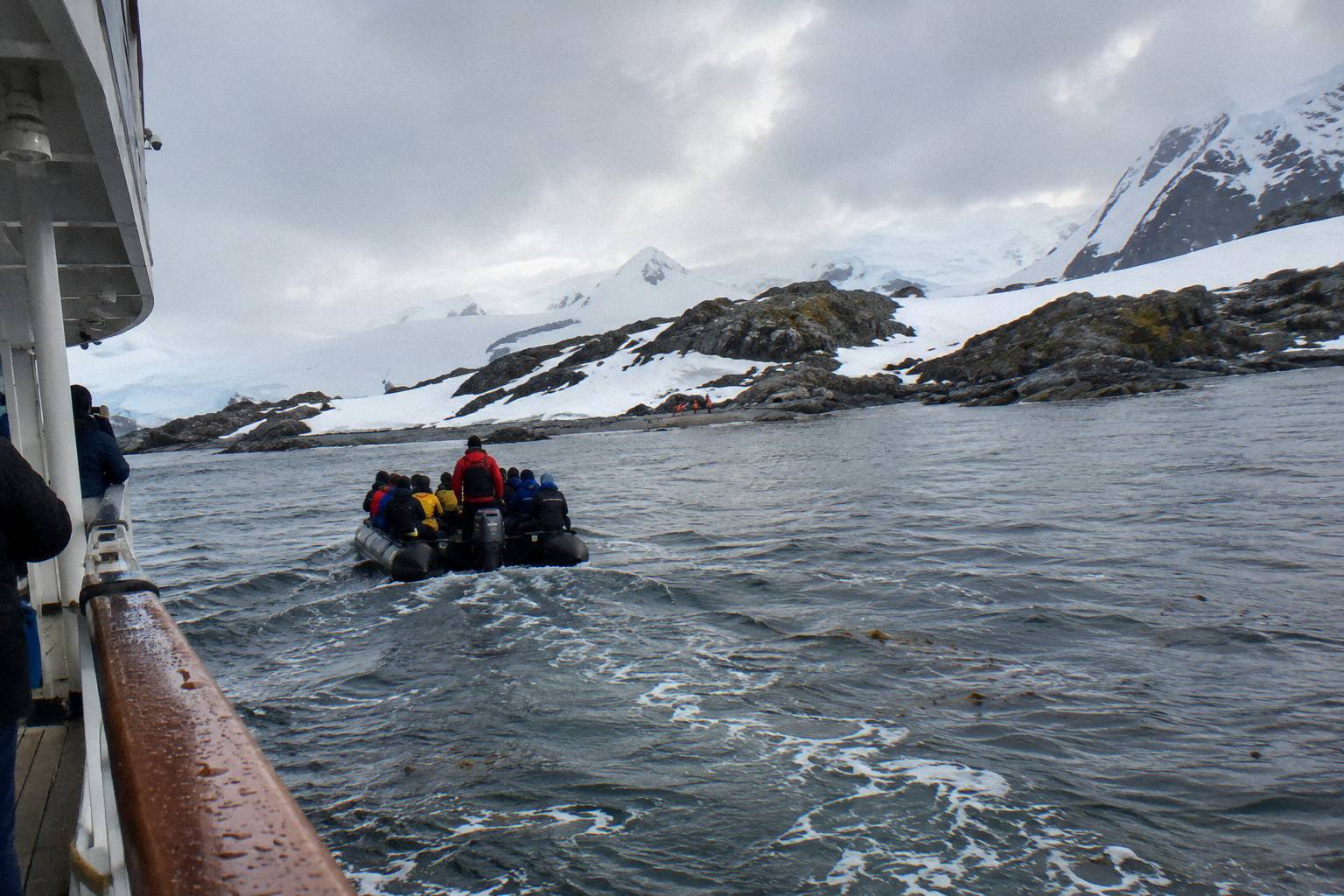
| Ship | Type | Guests | Built | Charter operators | Embarks from |
|---|---|---|---|---|---|
| Delfin IIIDelfin Amazon Cruises | River Ship | 44 | – | Brand g Vacations | – |
| Valiant LadyVirgin Voyages | Mega Ship | 2,770 | 2021 | Atlantis Events, BearCruise | San Juan, Barcelona |
| World NavigatorAtlas Ocean Voyages | Expedition Ship | 200 | 2021 | KelliGregg Travel / R Family Vacations | Oslo, London, Copenhagen |
Names, Documents And Check-In
No operator on the list publishes a boarding rule specific to trans travelers, so the practical baseline is ordinary check-in reality: the name on the booking must match the travel document used at the port. Any mismatch between lived name and document name is handled the way all travelers handle it, by booking in the document name first. No source states a gender-marker requirement at check-in.
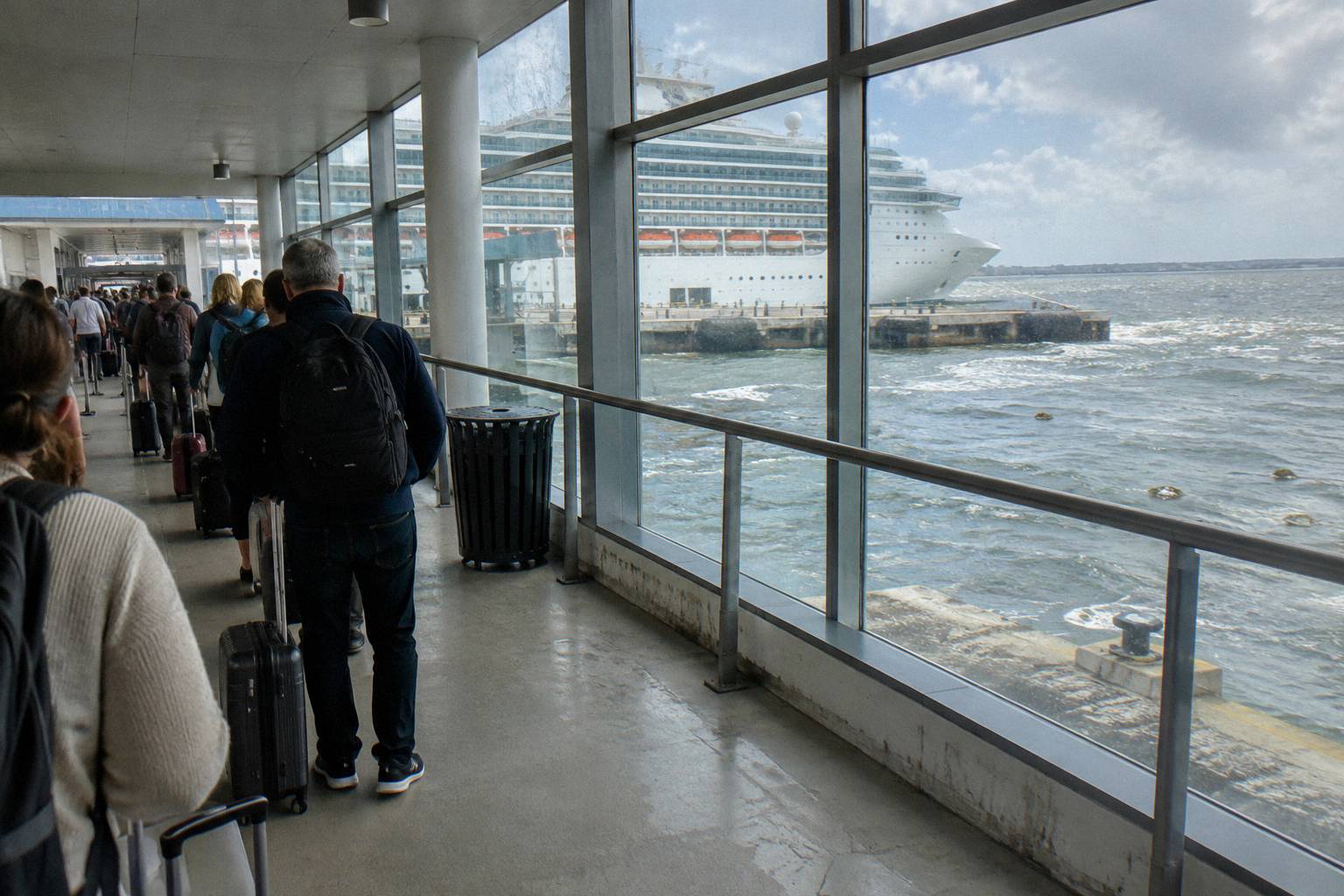
Cruise check-in is a border-crossing process at both ends for most itineraries, which is why documents dominate it. The port-law material, drawn from UK FCDO text with a cross-check of US State Department pages, covers travel advice by region and carries nothing trans-specific for cruise ports. What that means in practice is that the ordinary document rules apply, and the ordinary rules are strict about matching: the booking name should be the passport name, full stop, whatever name the traveler uses on board and in the dining room.
Preferred-name use on board is a service question, and it is one cruise lines handle every week for reasons that have nothing to do with trans status: nicknames, titles, newly married names and hyphenations all pass through guest services daily. The operators do not publish a policy, so the honest wording is that the operators covered here do not publish one, and a pre-cruise note to the operator or charter company requesting the preferred name on muster lists and dining reservations is the practical route.
None of this is unique to this page's question, which is worth saying plainly: the cabin sharing question for gay couples gets the same shape of answer, cabins are sold as products and the paperwork follows the passport. The pattern across every pre-booking question this site researches is identical. Ask before payment, get it in writing, and the sailing starts without a desk negotiation.
What A Pre-Booking Consultation Actually Changes
A free consultation changes the order of operations. Instead of booking a cabin and discovering the facilities answer at sea, the traveler states the cabin preference and the facilities question together, and the question reaches the operator through someone who asks it for a living. The consultation on this site is free and carries no obligation, handing the reader to a vetted LGBTQ+ specialist travel agency partner only if a booking conversation follows.
The economics also benefit from asking early. The price rows show how wide the cabin spectrum runs: Waves of Pride from $1,609.40 all-in of entertainment fees, Olivia interiors near $999, Out Adventures from $7,495 for Baja to $22,585 for Antarctica. A traveler who books a $22,585 expedition cabin before asking a facilities question has made a large commitment on unpublished ground. A traveler who asks first spends nothing to ask.
| Operator | Published Per-Person Price | Basis |
|---|---|---|
| Waves of Pride | From $1,609.40 | Fare, taxes, gratuities, plus $149-199 entertainment fee |
| Olivia Travel | About $999 to $6,899+ | HAL interior to river and expedition |
| Atlantis Events | $1,199 to $1,799 | Interior, current 7-9 night sailings |
| VACAYA | About $3,700 to $12,500+ | Med eclipse to Madagascar-Seychelles |
| Brand g Vacations | About $4,900 to $22,300 | Rhine to Philippines/Taiwan/Japan luxury |
| Out Adventures | $7,495 to $22,585 | Baja to Antarctica |
Availability pressure is real too. Of the 90 charter and group sailings listed across 11 operators, 29 show sold out or waitlist. VACAYA's entire 8-sailing file is sold out or waitlisted, Atlantis shows 4 of 6 gone, and Out Adventures shows both of its sailings gone. The sailings that remain open, including all 6 Big Gay Cruise and all 6 BearCruise departures, plus 13 KelliGregg and R Family sailings with kids' programming, are where a consultation can still change an outcome. Waiting to ask until the questions feel comfortable overlaps exactly with the window in which cabins disappear.
The consultation is also where ship-type matching happens. A traveler who wants minimal gender-marked shared space and a traveler who wants a 2,770-guest party ship both get honest routing, and the trio of ships compared earlier on this page, a river ship, a mega ship and an expedition ship, is exactly the kind of fork a consultation resolves in one conversation rather than three weekends of research.
This page's answer has limits worth stating plainly, because a longread that overpromises is worse than one that names its edges. It is built from charter operators, mainstream lines and port-law sources, and it does not cover operators outside that set, river basins or port states it does not address. It cannot promise that an unpublished practice will hold on a given sailing, and it does not review medical care, PrEP access or documentation law at destination ports, because nothing published here covers those subjects. Travelers with needs beyond cabins and facilities should treat this as a starting point, not a complete brief.
Several named operators covered here currently have zero announced upcoming sailings: RSVP Vacations, Cosmic Cruise, Pride Adventures, Pride Sailing Holidays, GaySail, Pied Piper Travel, Italy Gay Travels and Odyssey Pride's own brand page. Advice about those companies' future weeks cannot be written from a file that shows no dates, so this page does not try. Their absence from the sailing counts is a fact about announcements, not a judgment about their trips. No operator source published here carries medical, hormonal or PrEP-related content, and this page will not invent rules about refrigeration, sharps disposal or customs. The travel-advice layer it does carry is FCDO and State Department port guidance, general by design. A traveler with medication logistics should ask the operator and check destination guidance directly, and should treat any answer here as pointing at the question rather than answering it. What can be said from the published sources is that nothing on record contradicts a trans traveler booking any cabin category sold, and that the operators with the longest records of LGBTQ+ guest handling are the ones most practiced at this exact conversation.
Mistakes That Trip Up Trans Travelers Booking A Cruise
The recurring mistakes are all versions of asking too late: booking before the facilities question is answered, assuming a charter's audience description is a facilities policy, letting the booking name drift from the passport name, and treating a verbal phone answer as settled. A fifth is ignoring ship size, the single biggest physical factor in how much the facilities question matters. Each mistake is avoidable with one email sent before payment.
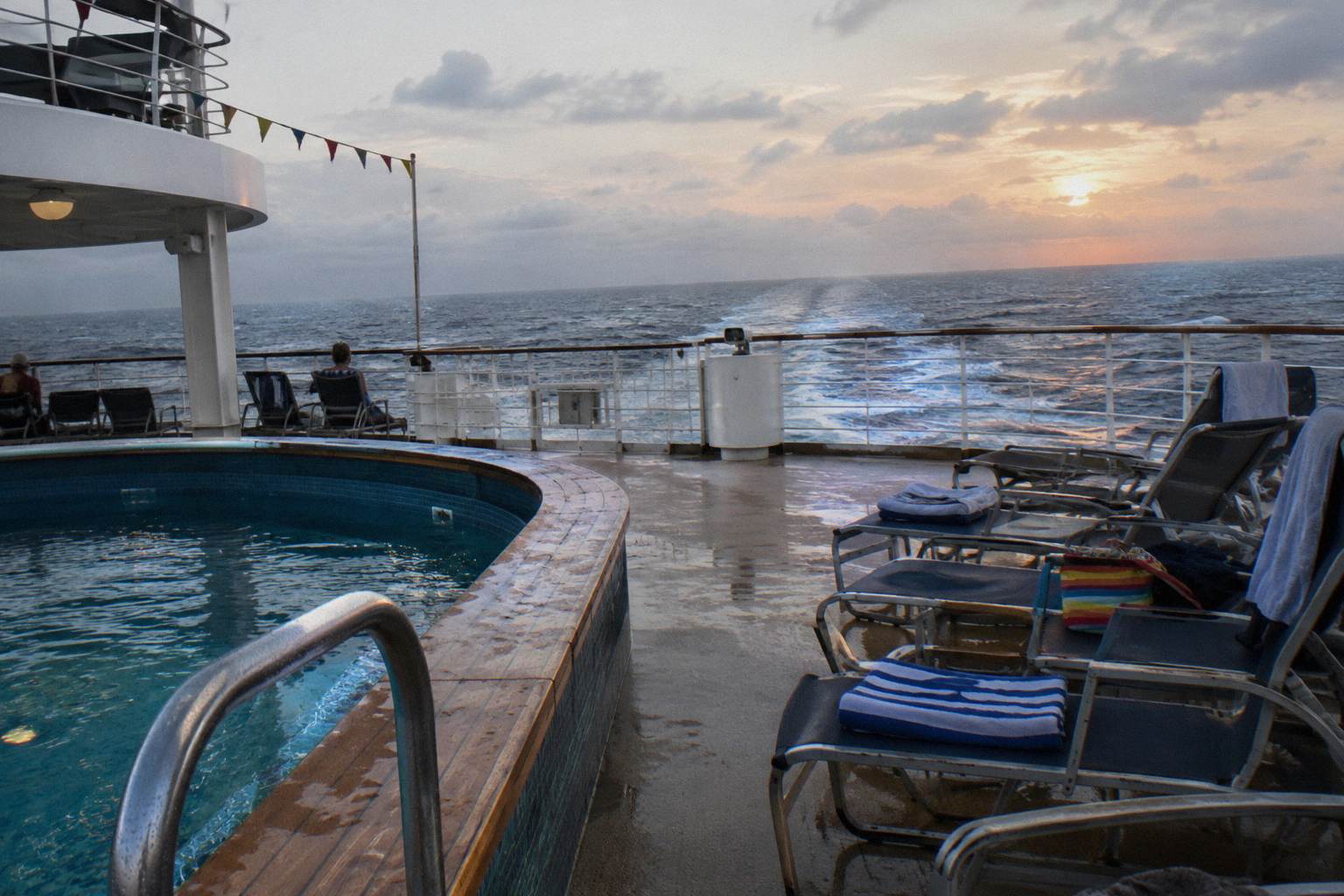
The first mistake is sequencing. The correct order is question, answer, booking, and the incorrect order is the reverse. With 29 of the 90 listed sailings already sold out or waitlisted, pressure pushes toward booking fast, and the fix is to ask the question the same day the shortlist is drawn, not after the deposit. The second mistake is reading audience labels as policy: "mixed LGBTQ+" describes who a company markets to, not how its spa changing rooms operate, and this page explicitly separates audience descriptions from any facilities rule, of which there are none published.
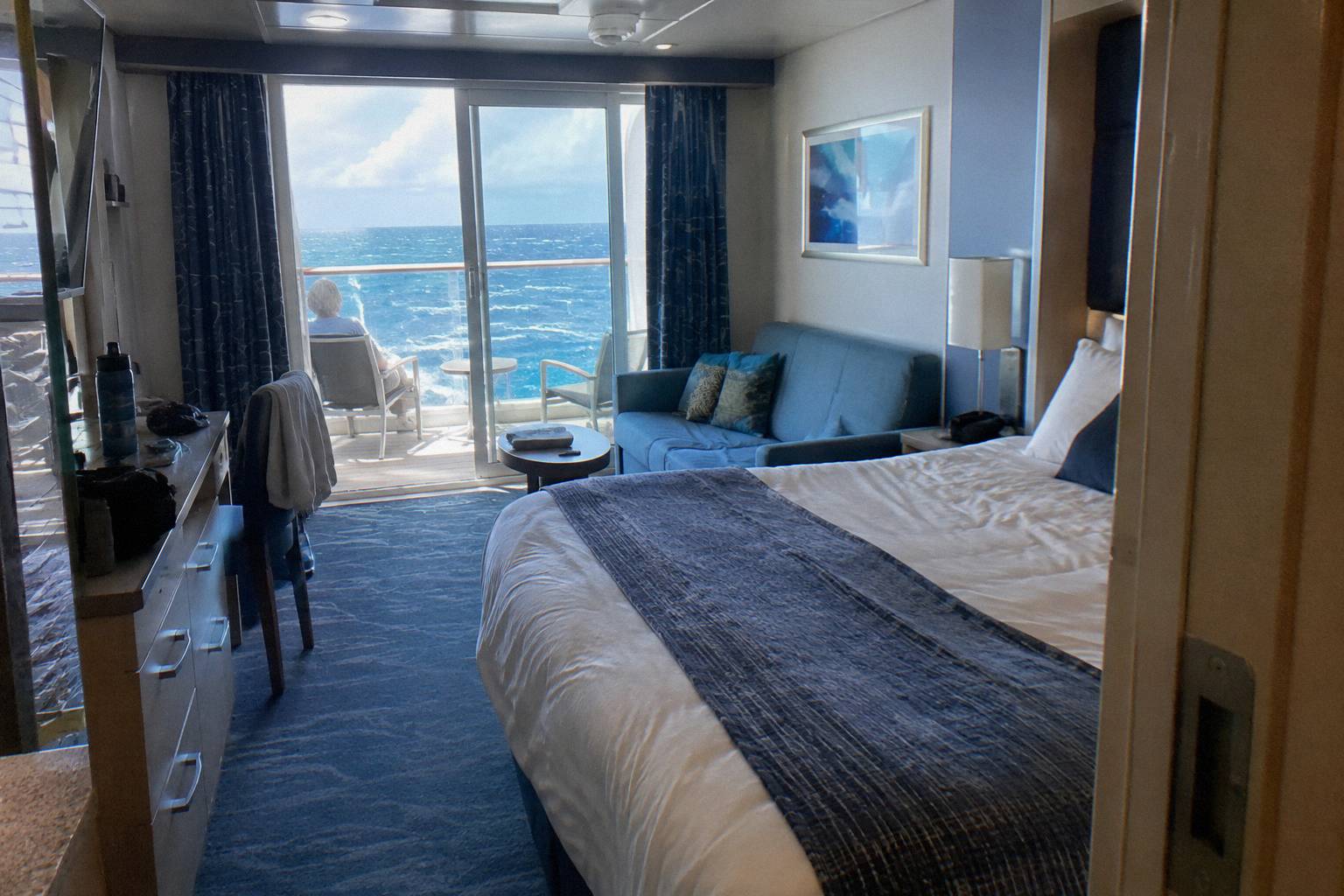
The third mistake is the name mismatch. Booking in a lived name that differs from the passport invites a port-side problem that has nothing to do with goodwill and everything to do with document matching. Book in the document name, then set the preferred name with guest services, in writing. The fourth mistake is accepting a verbal answer. A phone assurance about facilities is worth exactly the paper it is not written on; an email thread is worth keeping.
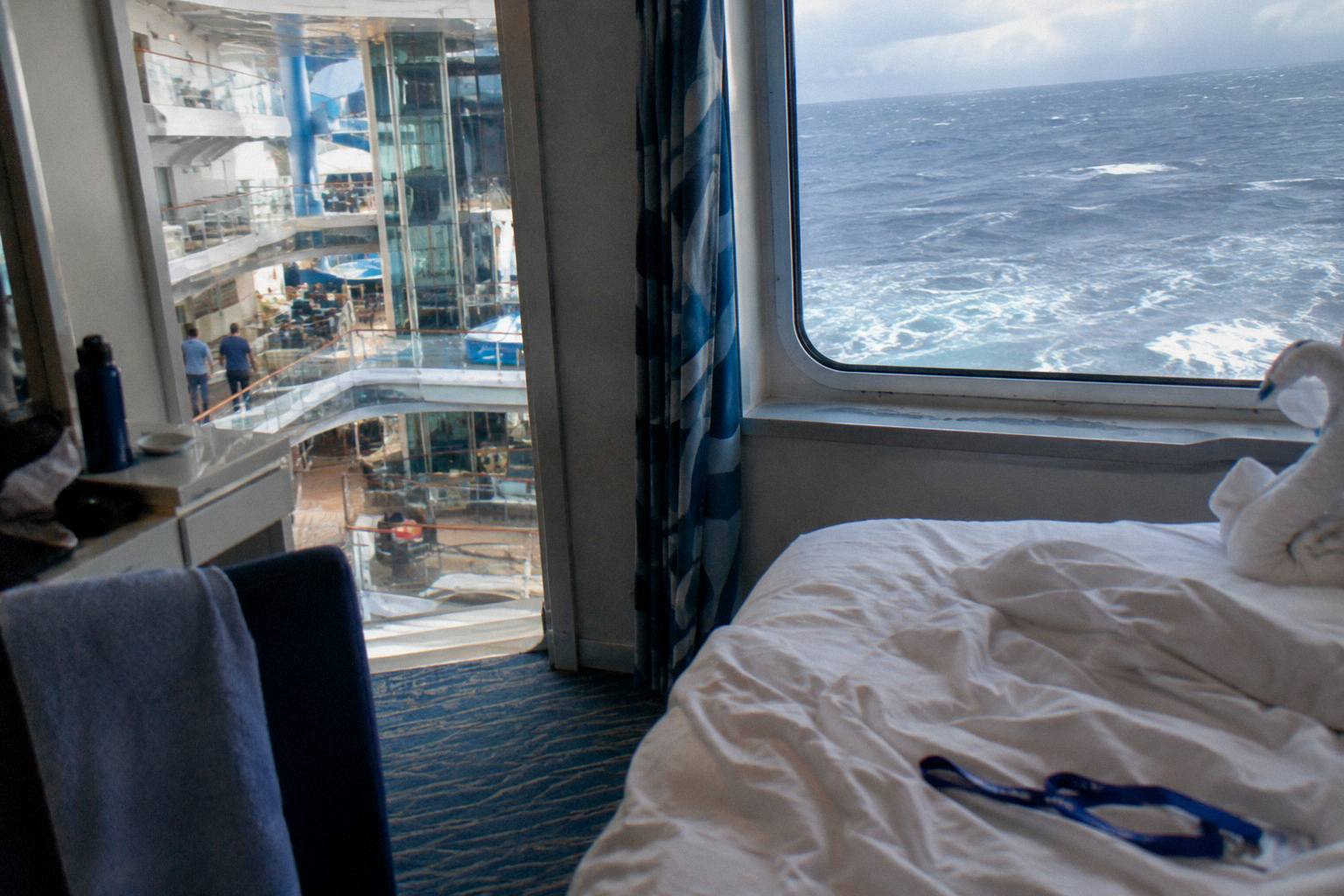
The fifth mistake is ignoring ship type. The difference between a Delfin III river sailing and a 3,260-guest Celebrity Beyond week is not ambiance alone, it is the sheer quantity of gender-marked shared space in daily use. Small ships shrink the question; big ships mean it deserves specifics. The gay cruise comparison guide walks this fork in more detail.
Common Questions About Trans Travelers And Cruise Cabins
Can Trans Travelers Use The Cabin And Facilities They Prefer On A Cruise?
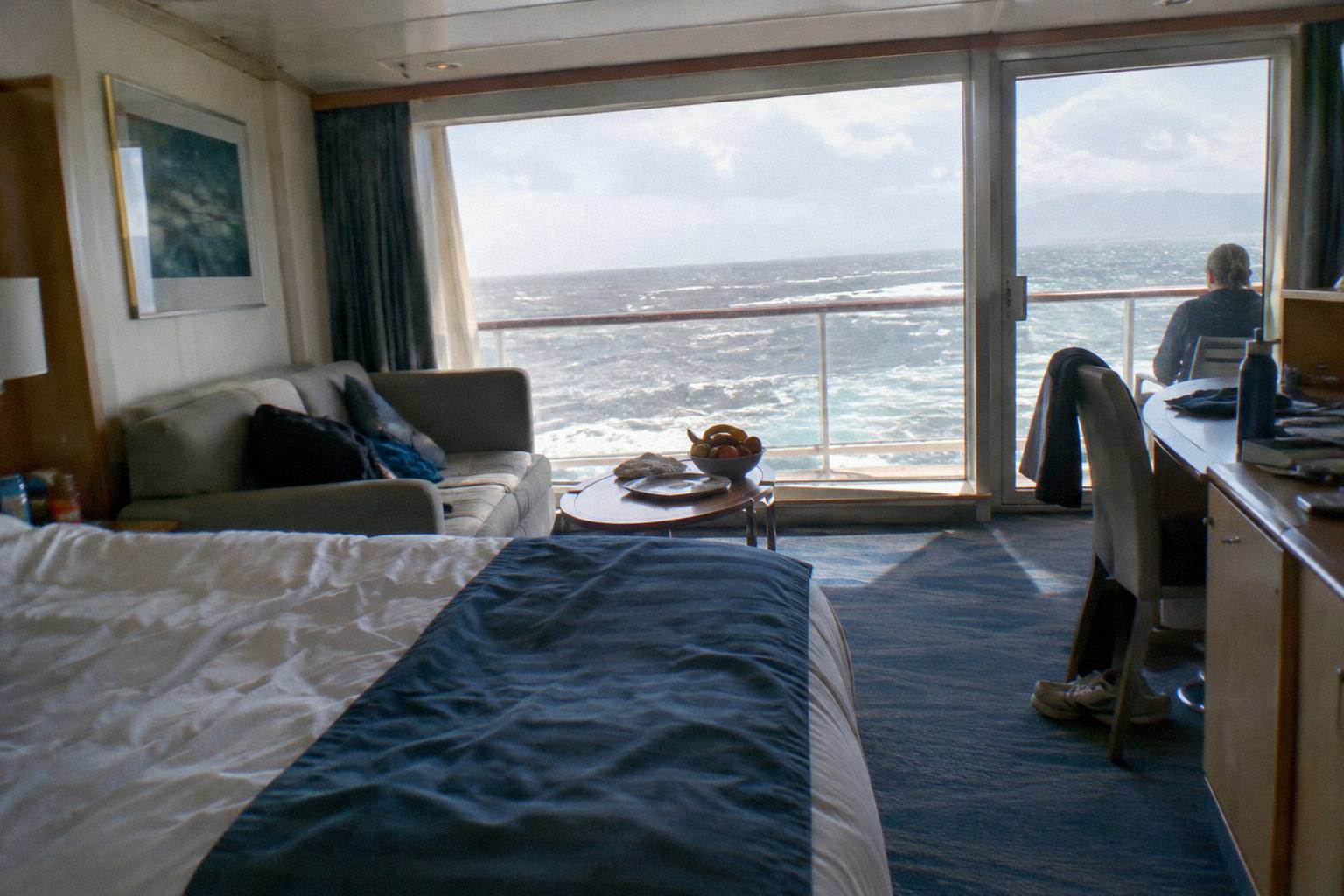
On cabins, yes in practice: every operator covered here sells cabins by category and berth count, with no gender rule published at assignment. On facilities, no line or charter operator covered here publishes a trans-specific policy either way, so the answer is settled ship by ship before sailing, ideally in writing.
Do any cruise lines publish a written trans facilities policy?
None of the 11 charter operators or mainstream lines publishes one. The closest published text is inclusion language, such as Virgin Voyages describing pride as baked into its identity while hosting multiple LGBTQ+ charters.
Is a LGBTQ+ charter safer for this question than a mainstream sailing?
A charter gives the charter company control of the week's culture, and the most experienced ones, Atlantis since 1991 and RSVP since 1985, have decades of LGBTQ+ guest handling behind them. That is a structural advantage, not a written guarantee, so the facilities question should still go to the operator in writing.
Does ship size matter for shared facilities?
Yes. River ships like Delfin III and Amadeus Aurea carry small guest counts with minimal shared changing space, while mega ships like Valiant Lady, Scarlet Lady, Celebrity Beyond and Allure of the Seas run large, gender-marked spa and pool facilities. Small ships shrink the question considerably.
Should the booking name match my passport?
Yes. No operator publishes a trans-specific boarding rule, and the ordinary document-matching reality of cruise check-in applies to everyone: book in the passport name, then arrange preferred-name use on board with guest services in writing before sailing.
Where can I ask these questions before paying anything?
The consultation on this site is free and carries no obligation, and it routes cabin and facilities questions to the operator through a vetted LGBTQ+ specialist travel agency partner if a booking conversation follows. Asking first matters because 29 of the 90 listed sailings already show sold out or waitlist.
More Questions Answered
 Straight On A Gay CruiseWho is actually welcome on a gay cruise, operator by operator, and how to be a good ally guest.Read the answer
 What Happens On BoardThe rundown of a gay cruise: who sails, what a day looks like, costs and rules.Read the answer
 Average Age On BoardNo operator publishes a passenger age average; audience, price and itinerary reveal who each sailing actually draws.Read the answer
 Gay Passenger NumbersWhich ships actually carry the most gay passengers? Charter capacity, not demographics, holds the answer.Read the answer